
Dubrovnik city guide
10 things to do in Dubrovnik
Walk the ramparts, understand the republic behind the palaces, and leave room for an island or a hilltop. A first visit balanced around heat, steps and the sea.
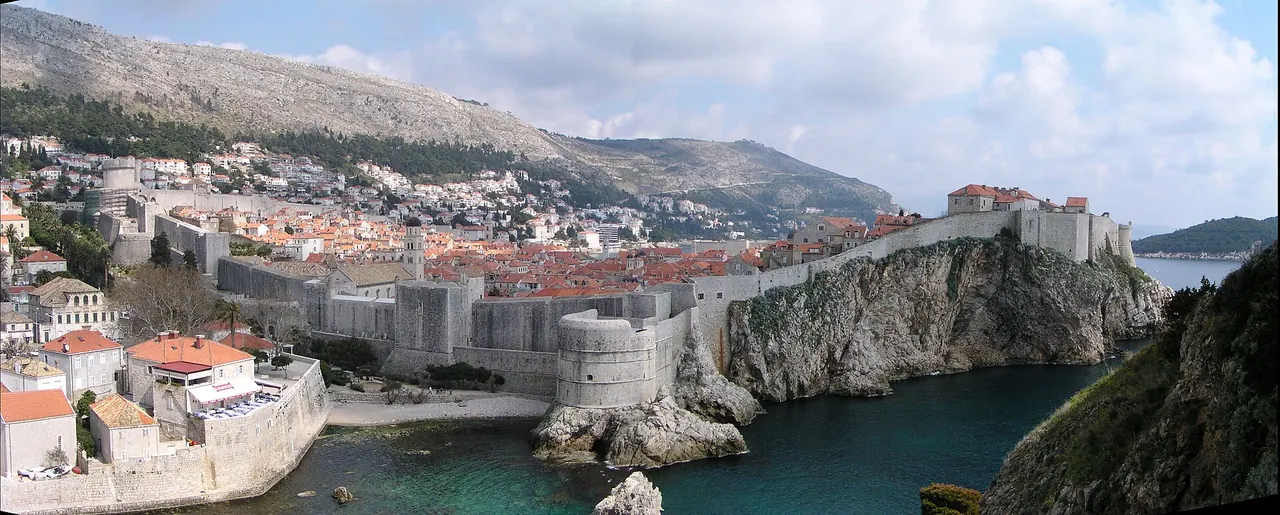
Plan your visit
Dubrovnik is compact on a map but demanding underfoot: stairways, exposed ramparts and summer heat can make a short distance feel long. Use the walls or a museum as the main event, explore the old town around it, and give Lokrum or Mount Srd its own unhurried block of time.
See the old town from its city walls
The walls explain Dubrovnik better than a single viewpoint. From the ramparts, the tightly packed roofs, harbour and defensive towers become parts of one working city rather than separate photo stops. Look inward as well as out to sea: small courtyards and the steep northern streets reveal how people fitted daily life inside a fortified boundary.
Make this the physically demanding part of your day, with comfortable shoes, drinking water and sun protection. The route involves steps and exposed sections; a street-level walk is a different experience, not a promise of equivalent access. Consult the official operator before buying a ticket or pass, and keep the next activity untimed so you can pause without watching the clock.
Plan it well: Check what your walls ticket or Dubrovnik Pass actually includes before paying separately for Lovrijenac.
City walls official operatorUse Stradun as your old-town compass
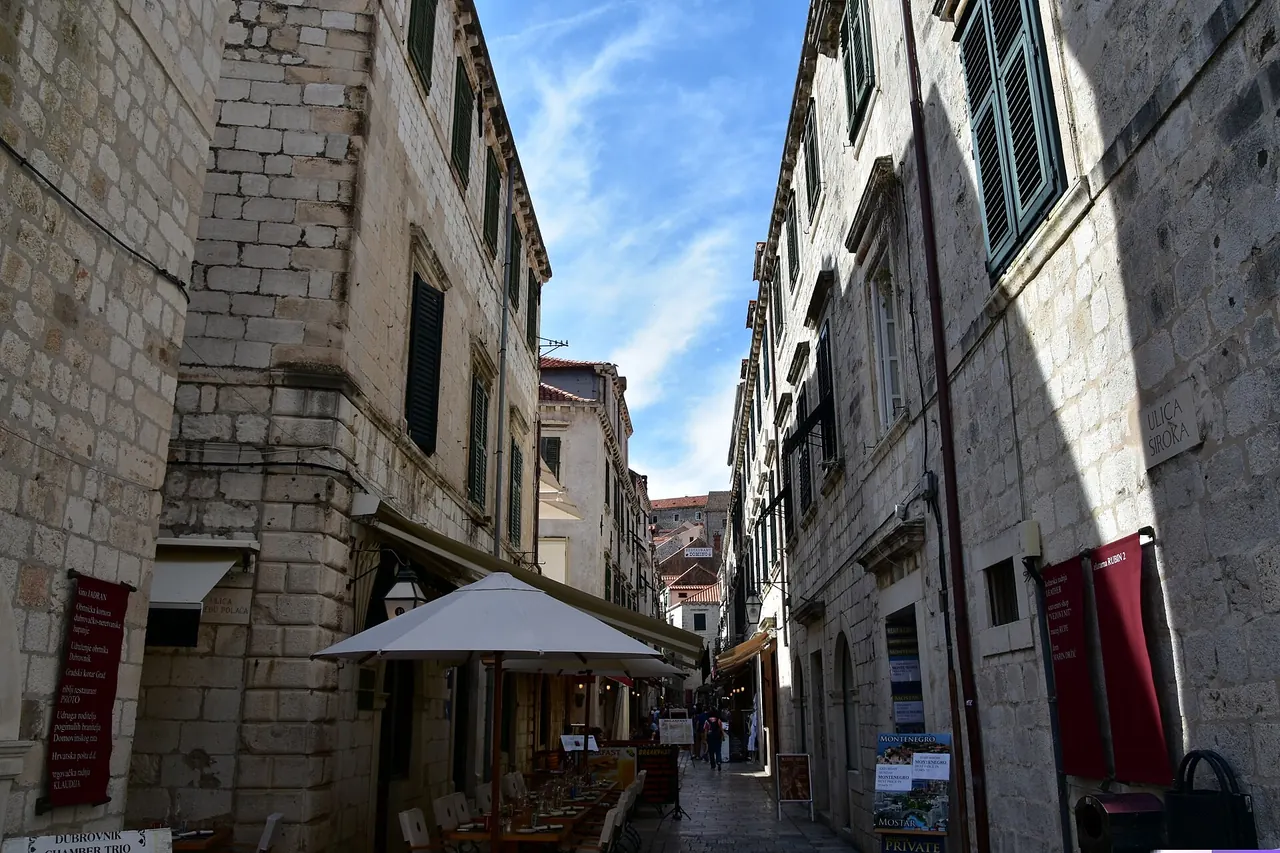
Stradun is the old town's useful organising line, linking the western entrance area with the civic buildings around Luza. Walk it once to understand the layout, then turn into a side street instead of repeatedly following the busiest stream of visitors. The uniform stone frontage is worth observing slowly, especially when the street is less crowded.
A short section can provide the setting for breakfast or an evening stroll without becoming another paid attraction. Northbound lanes often climb sharply, whereas a wander towards the palace and harbour gives a different street-level perspective. Choose your detours according to your energy, and remember that homes, deliveries and church entrances share these narrow spaces with restaurant terraces and sightseeing groups.
Plan it well: Use Stradun to regroup between visits; do not assume the side streets offer an equally level route.
Dubrovnik Tourist Board: PlacaUnderstand the republic at the Rector's Palace
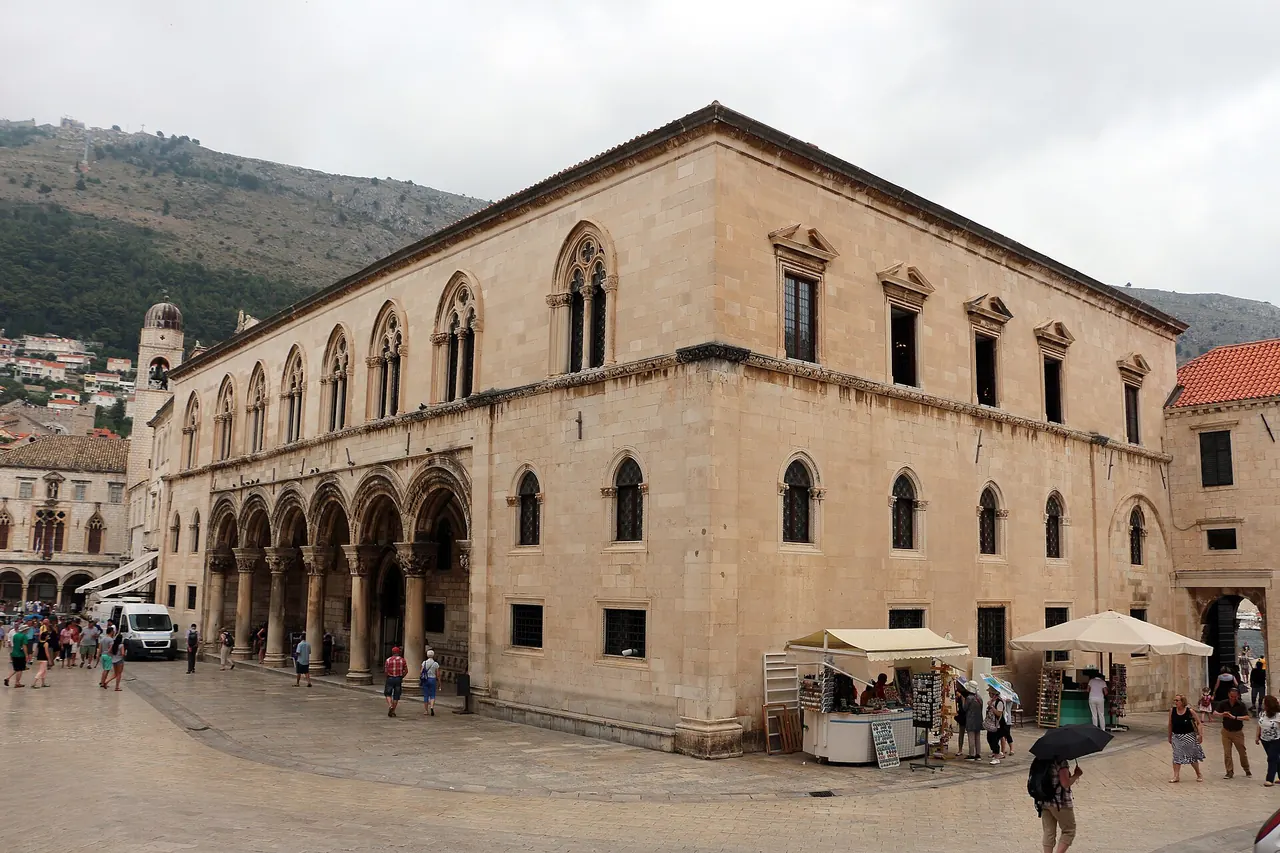
The Rector's Palace is a good counterweight to the ramparts: instead of looking at the city's defences, you look at how the Republic of Ragusa governed and represented itself. The arcaded exterior and courtyard deserve attention before you begin the Cultural History Museum. Furniture, portraits and historical objects make the building more than a handsome backdrop.
Pick a few rooms or themes to follow rather than trying to memorise the entire collection. This is especially useful after a hot outdoor morning, when concentration can fade before curiosity does. Dubrovnik Museums publishes seasonal opening arrangements and holiday exceptions, so check the palace's own information rather than treating every old-town museum as interchangeable. Nearby cathedral streets and the harbour make practical extensions afterwards.
Plan it well: Check the winter closure day before assigning this museum to a Monday.
Dubrovnik Museums: Cultural History MuseumClimb to Lovrijenac beyond the walls
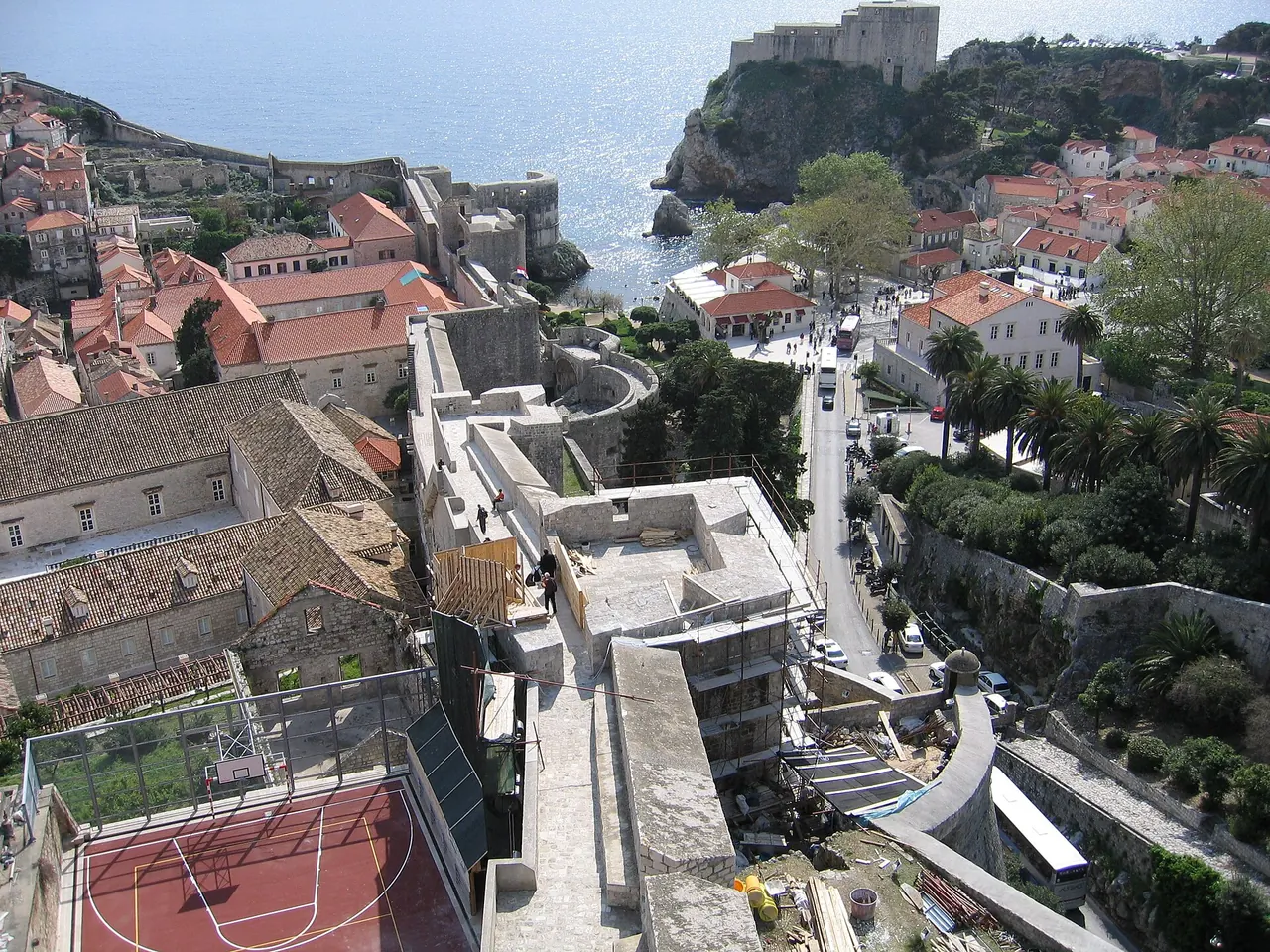
Lovrijenac stands apart from the continuous city walls, making the western bay a particularly clear place to understand Dubrovnik's coastal defences. From below, the fortress seems to grow out of its rock; from its terraces, the old town is seen across water rather than from directly above its roofs. It is a separate viewpoint with its own approach.
The climb is worth planning as an activity, not an effortless extra after a complete wall circuit. Steps and uneven stone can make it tiring, particularly in high temperatures. If your priority is architecture rather than entering another fort, look from the bay and save your legs for a different outing. Check the operator's admission arrangements and any performance-related changes before committing to an interior visit.
Plan it well: The approach is outside the walled centre. Build in a rest around Pile instead of immediately climbing again.
Dubrovnik Tourist Board: LovrijenacLook closely at the Franciscan monastery
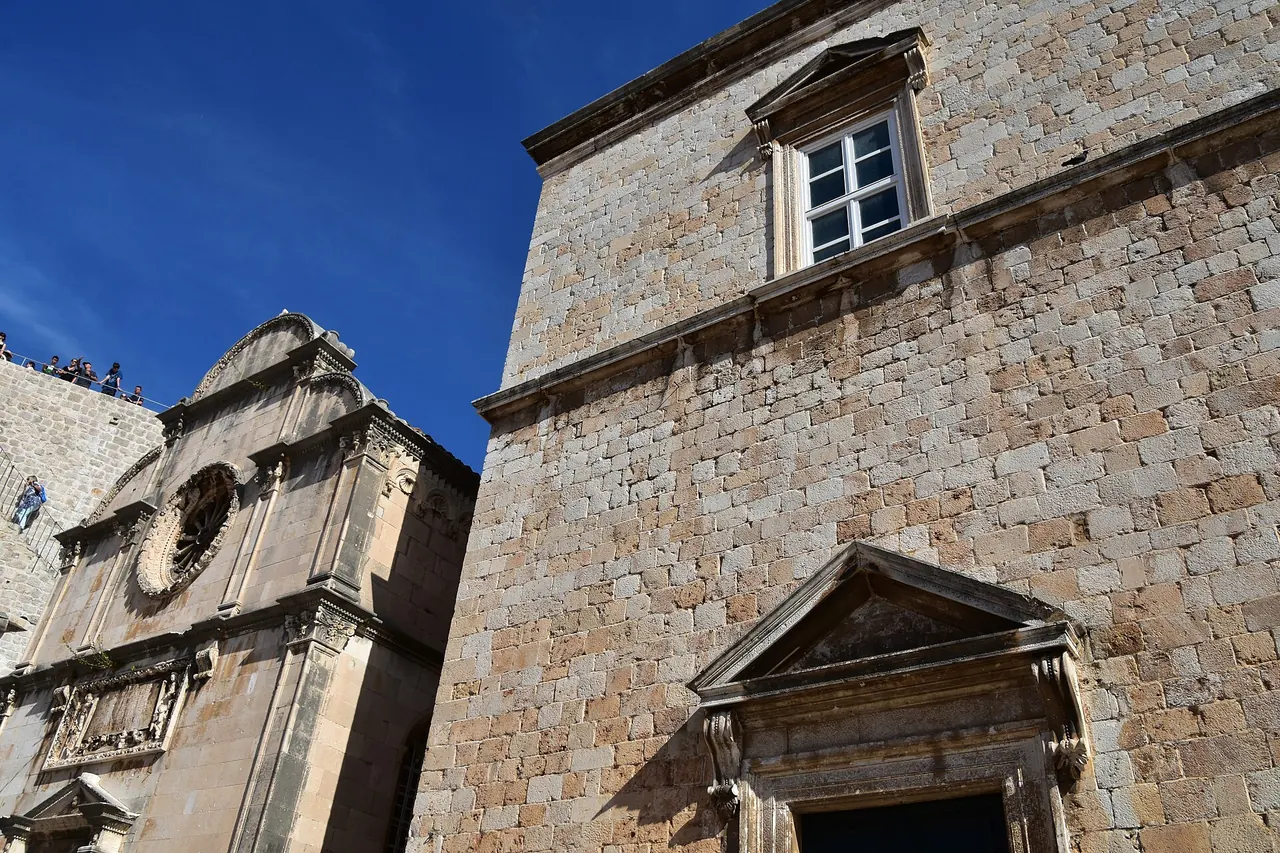
The Franciscan monastery is easily passed on the way from Pile into the centre, but its carved portal and cloister reward a different pace. Start with the exterior details before looking for the museum entrance. This is a place to notice sculpted figures, arches and the relationship between a religious house and the city's principal street.
Its pharmacy history gives the visit a practical human subject alongside the architecture: caring for people was part of the institution's everyday role. Keep church worship, the historic pharmacy displays and ordinary retail activity distinct when asking what is accessible. A modest museum visit here combines naturally with the western end of Stradun, avoiding a long cross-town transfer when your next reservation is at the walls or another old-town venue.
Plan it well: Do not mistake entry to the church for admission to every monastery display or the cloister.
Dubrovnik Tourist Board: Franciscan monasteryMake time for the Dominican monastery
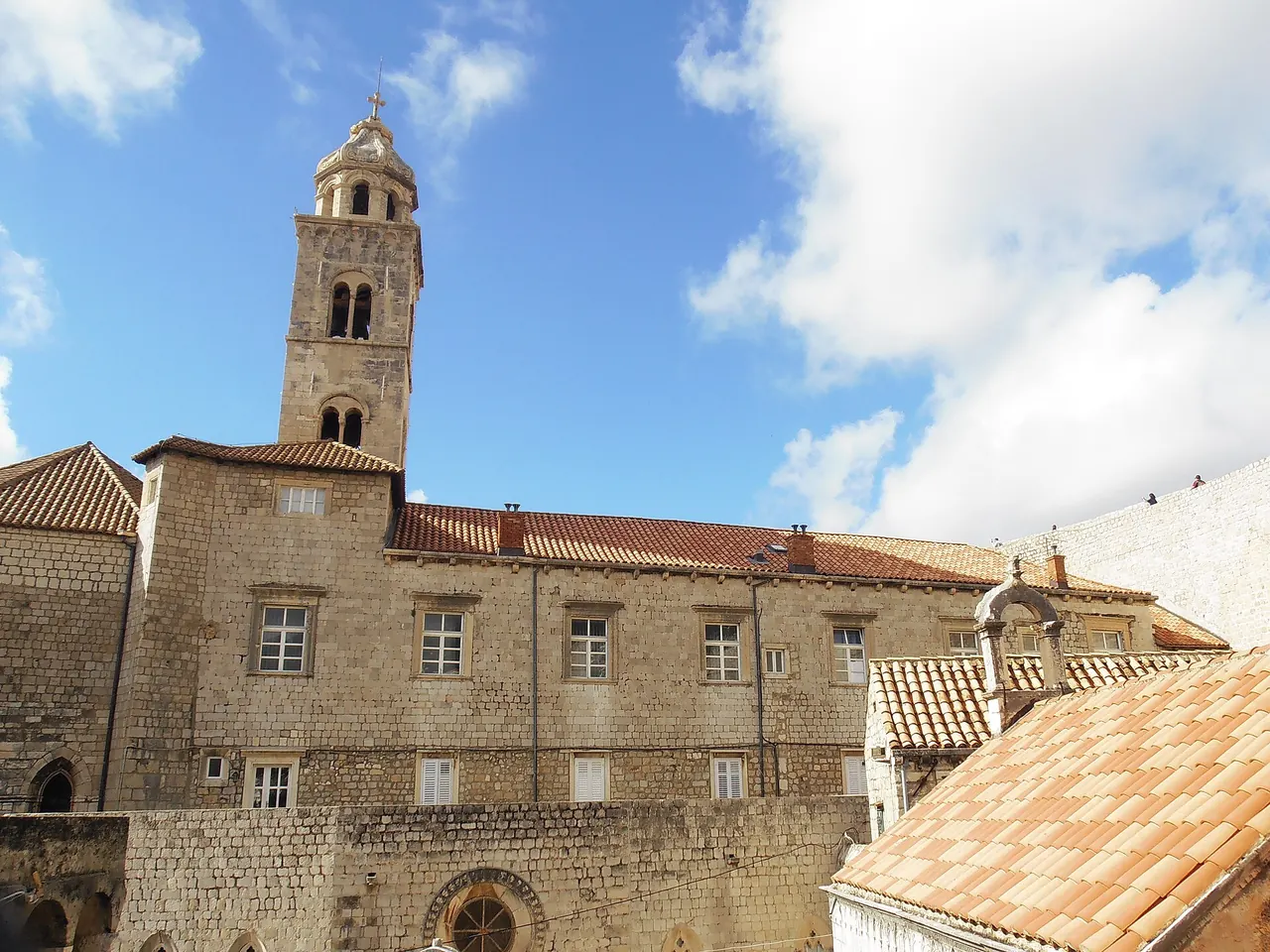
At the eastern side of the old town, the Dominican complex brings together religious architecture and a museum collection with a different emphasis from the palace. Choose it if paintings and the quieter geometry of a cloister interest you. Looking at a small number of works carefully can be more rewarding than adding every church to a rushed list.
Plan around the distinction between the church and museum, and confirm current visitor access before purchasing a pass on the assumption that every collection is available. Its location suits a walk towards Ploce and the old harbour after the visit, without retracing the full length of Stradun. If you have already spent a long time in the Franciscan monastery, make this a deliberate second cultural stop rather than an automatic repeat.
Plan it well: Ask about available collection rooms and cloister access; historic listings are not live opening notices.
Dubrovnik Tourist Board: Dominican museumPause at the cathedral and its treasury
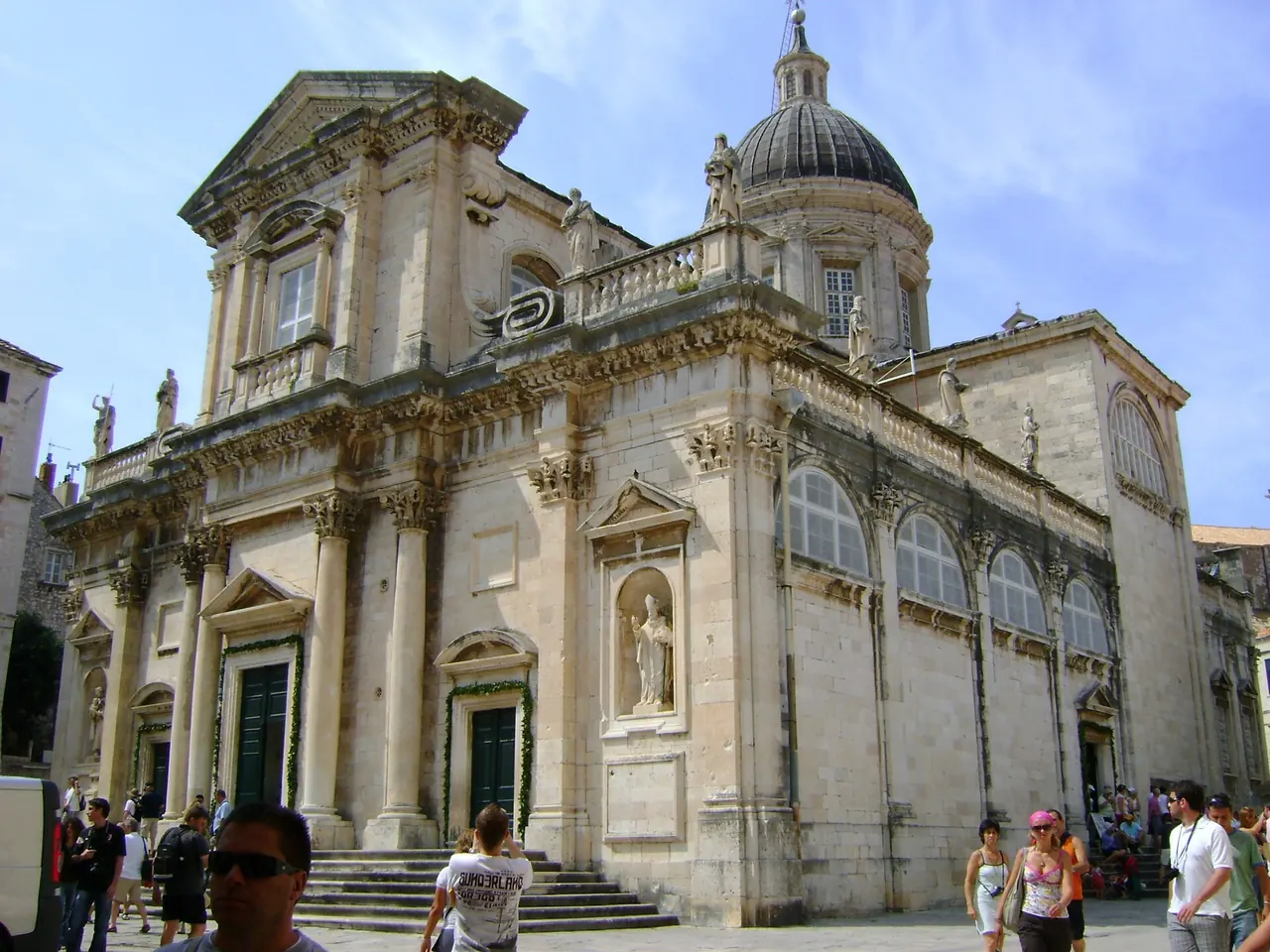
The cathedral opens up a different architectural chapter from the older-looking fortifications and cloisters. Its baroque facade and dome help orient you in the southern old town, near the palace and harbour. Look at the building in its square first, then enter quietly if visiting is permitted; an active place of worship should not feel like a corridor between attractions.
The treasury is a separate reason to come, especially if you are interested in how precious metalwork and relics express a city's religious identity. Check its entry arrangements locally rather than assuming ordinary church access includes the collection. A cathedral stop fits well before a harbour break, but leave flexibility around services and ceremonies. Suitable clothing and a willingness to return later are more useful than an inflexible timetable.
Plan it well: Treat cathedral access and treasury admission as separate questions when planning your visit.
Dubrovnik Tourist Board: CathedralGive Lokrum a real island afternoon
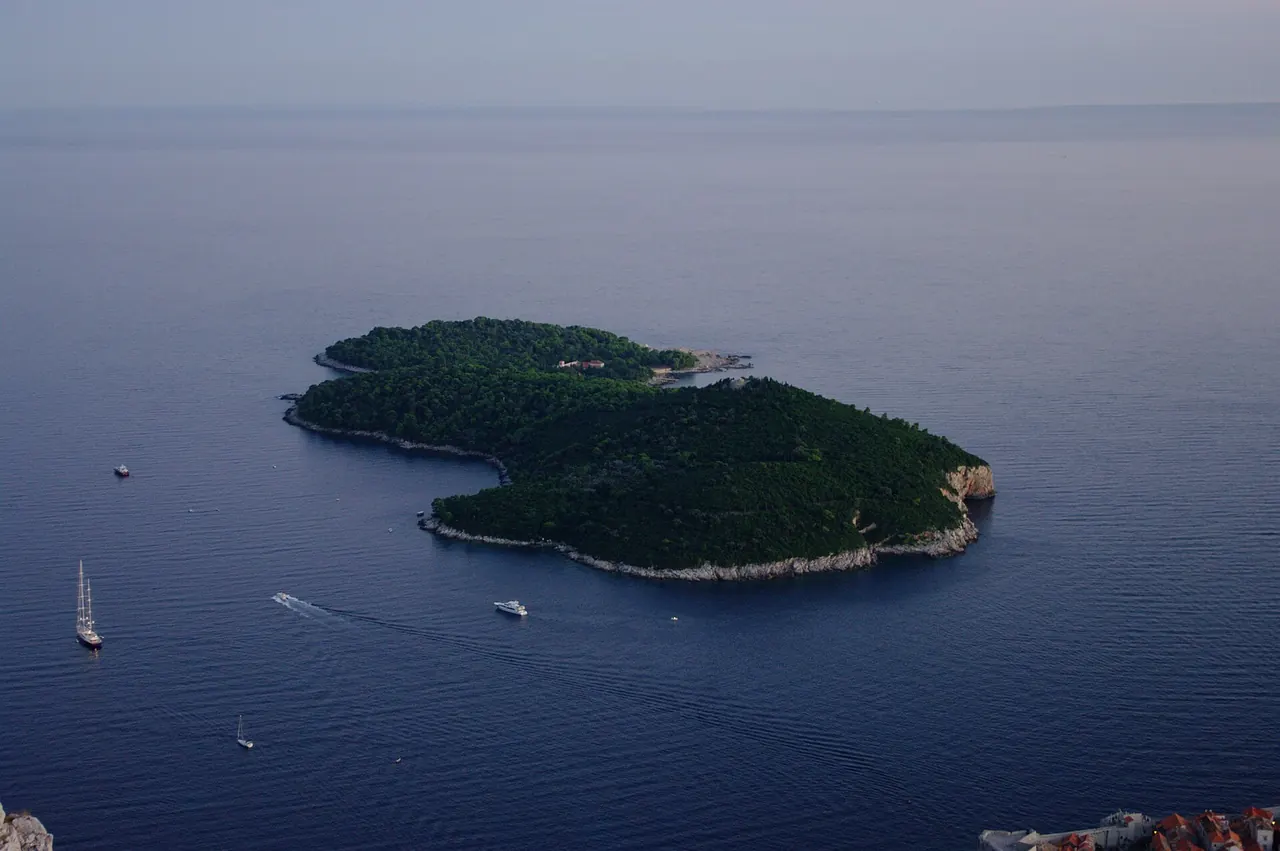
Lokrum changes the rhythm of a Dubrovnik visit: the old town becomes a view across the water, while paths, trees and the monastery surroundings replace streets and terraces. Choose a few areas to explore rather than expecting an island visit to function like a quick harbour detour. The reserve is best approached with time for walking and sitting.
Use the reserve's official boat information and identify the final return before leaving the mainland. Sailings depend on weather, and a sunny morning does not guarantee unchanged conditions later. Bring what you need for the outing, including water and shoes suited to uneven paths; do not treat rocky shore access as a supervised beach. Keep a mainland alternative ready if boats are cancelled, such as the palace followed by a harbour walk.
Plan it well: Check the actual return schedule on the day, not a timetable saved from another season.
Lokrum Reserve: visitor noticesSee the larger landscape from Mount Srd
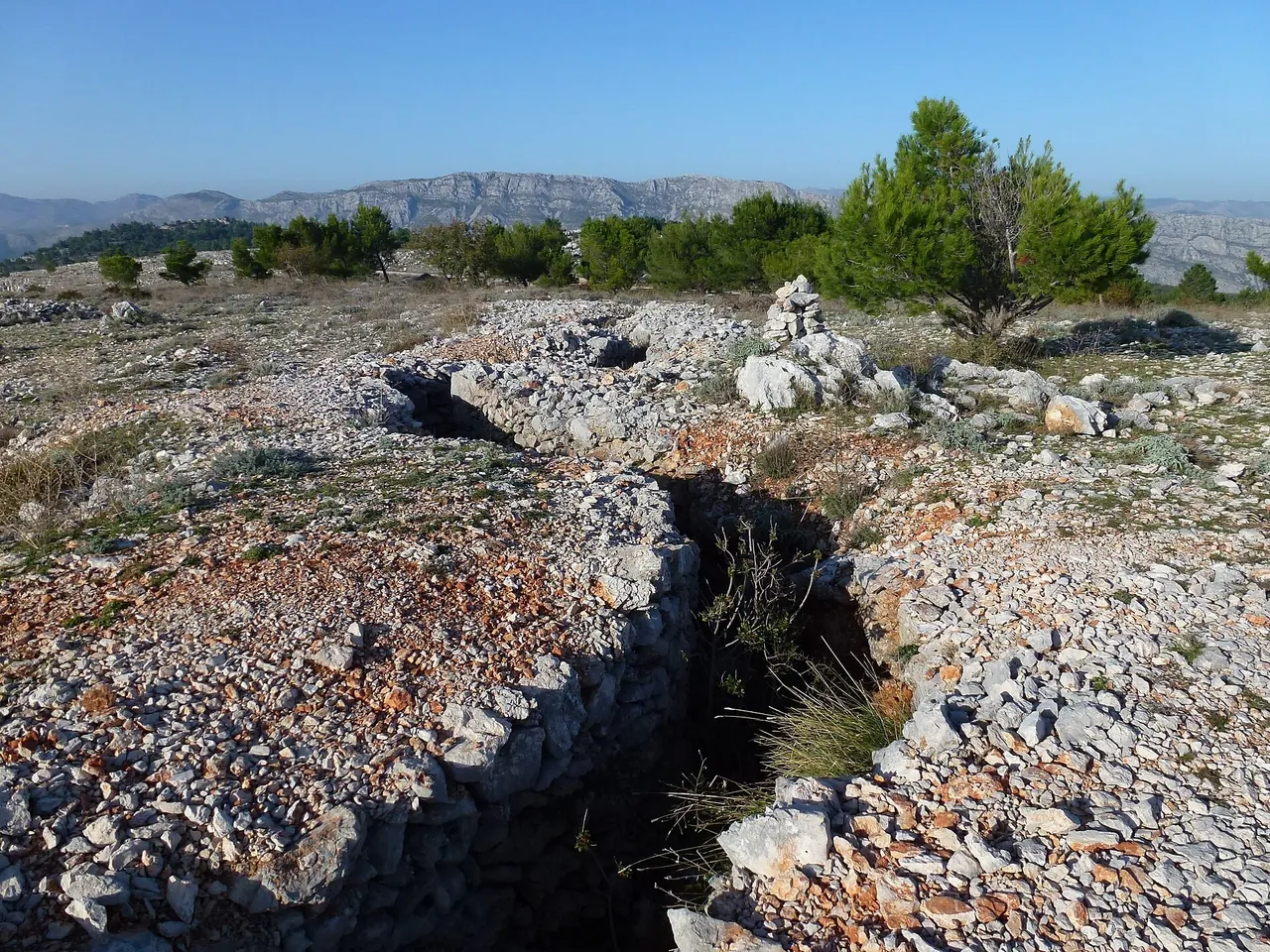
Mount Srd pulls the city back into its geography. From the hilltop area, the small walled centre, the Adriatic and the surrounding land can be understood together rather than as separate postcards. It is particularly worthwhile after you have walked the old town, because the streets and defensive outline below have become recognisable rather than simply picturesque.
Choose your ascent realistically. A cable-car trip and a hillside hike have different physical demands, and neither should be assumed to operate exactly as a saved itinerary suggests. Check the cable-car operator's current notices and return arrangements, then decide whether visibility justifies the outing. If walking, bring appropriate footwear and supplies and avoid turning a hot afternoon into an unplanned exposed climb. The nearby war-history museum is a separate visit to research.
Plan it well: A cloudy or windy day is a reason to keep this outing movable, not to force a sunset reservation.
Dubrovnik Cable Car official informationRead the city's civic history at Sponza
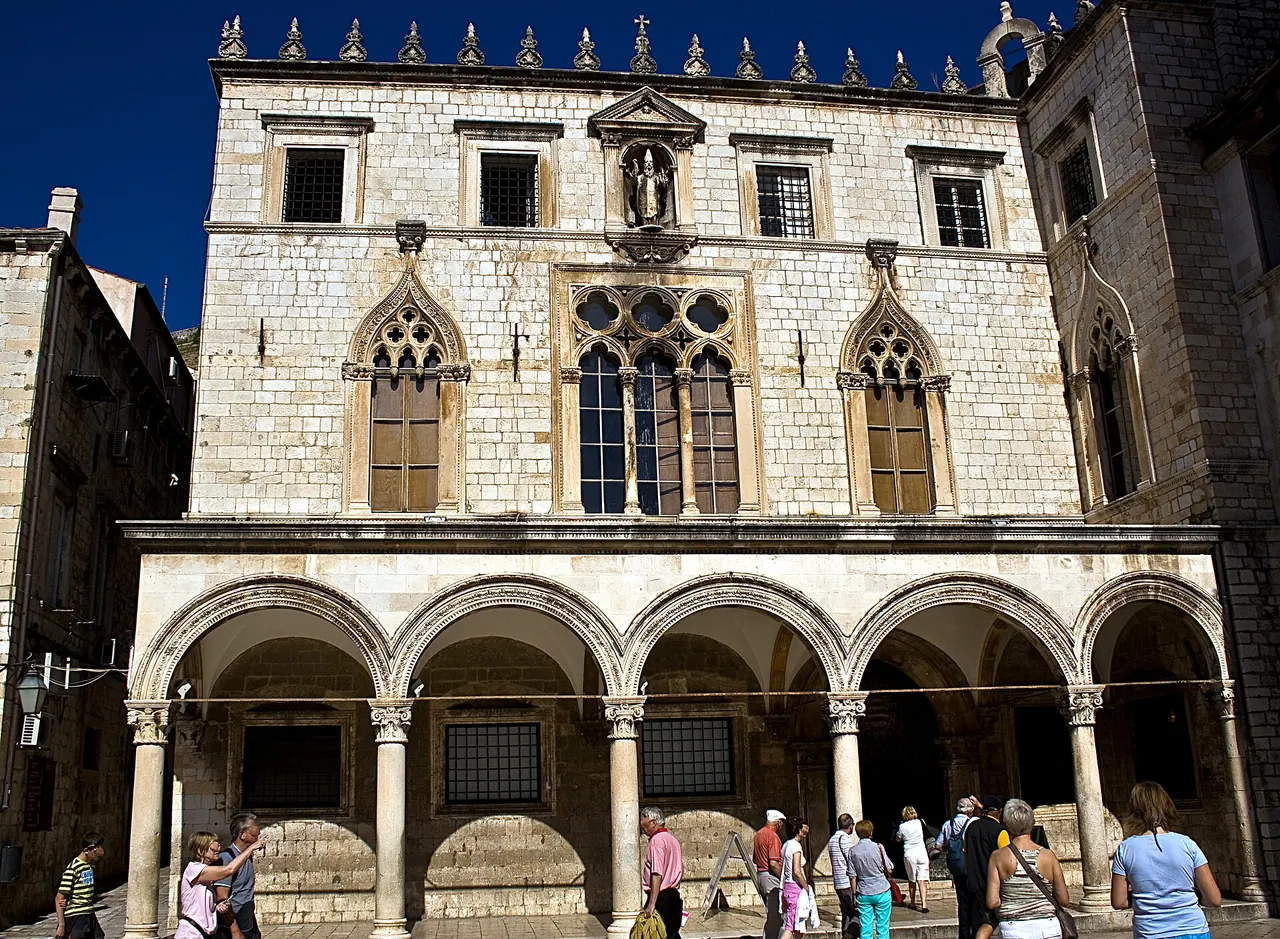
Sponza belongs to the public heart of Dubrovnik, where trade, administration and ceremony meet around Luza. Its combination of Gothic windows and a Renaissance arcade gives you an architectural subject that is different from both the cathedral and the Rector's Palace. Stand back across the square to see the frontage as a whole before examining its details.
The palace houses the state archives, so this is not a building in which visitors should expect unrestricted access to every room. Check what is currently open to the public, and approach any memorial space with the seriousness it deserves. Sponza works well as a thoughtful stop at the end of a Stradun walk, leaving time to understand a civic building rather than collecting another exterior photograph on the way to dinner.
Plan it well: Public entry to an atrium or display does not mean access to the working archive.
Dubrovnik Tourist Board: Sponza PalaceHow to spend two days in Dubrovnik
Day one: the city at two levels
Walk the walls when conditions suit, then rest before exploring Stradun. Choose the Rector's Palace or a monastery as your indoor anchor, with the cathedral and Sponza nearby. Add Lovrijenac only if you still want another climb.
Day two: island or hill
Check the day's conditions and choose Lokrum as the main outing, or Mount Srd with a harbour walk afterwards. Use a cancelled sailing or poor visibility as a reason to visit the remaining old-town collections, not to compress both outings into one afternoon.
Before you go
Plan around steps and heat
Distances within the old town are short, but walls, forts and northern lanes involve climbing. Check venue access for your own needs and build in water and seated breaks.
Compare admission inclusions
Check the current Dubrovnik Pass and operator information against the places you actually want to enter. Do not buy overlapping tickets based on an old list.
Official Dubrovnik PassLeave sea trips adjustable
Island boats have weather and seasonal constraints. Confirm sailings and the last return, and keep an indoor mainland alternative.
Where to stay in Dubrovnik
The old town puts historic visits close together but can involve stairs and a walk with luggage. Pile and Ploce offer different approaches to the centre; Lapad suits travellers who prefer a broader hotel choice and a coastal setting. Gruz is practical for harbour connections. Compare the precise entrance, transfers and transport links, not just the distance from the walls.
Explore Dubrovnik hotels