
Split city guide
10 things to do in Split
A first Split stay built around Roman streets, the waterfront, sculpture and the sea, with room for a Marjan walk or a considered excursion to Klis.
Plan your visit
Split is a working city built into and around an imperial palace. That makes the most useful first plan a mixture of streets, chosen interiors and time by the water, not a succession of ticketed monuments. Keep the palace quarter together, give the western peninsula its own outing, and treat Klis as an excursion rather than another stop on an old-town walk.
Explore a living city inside Diocletian's Palace
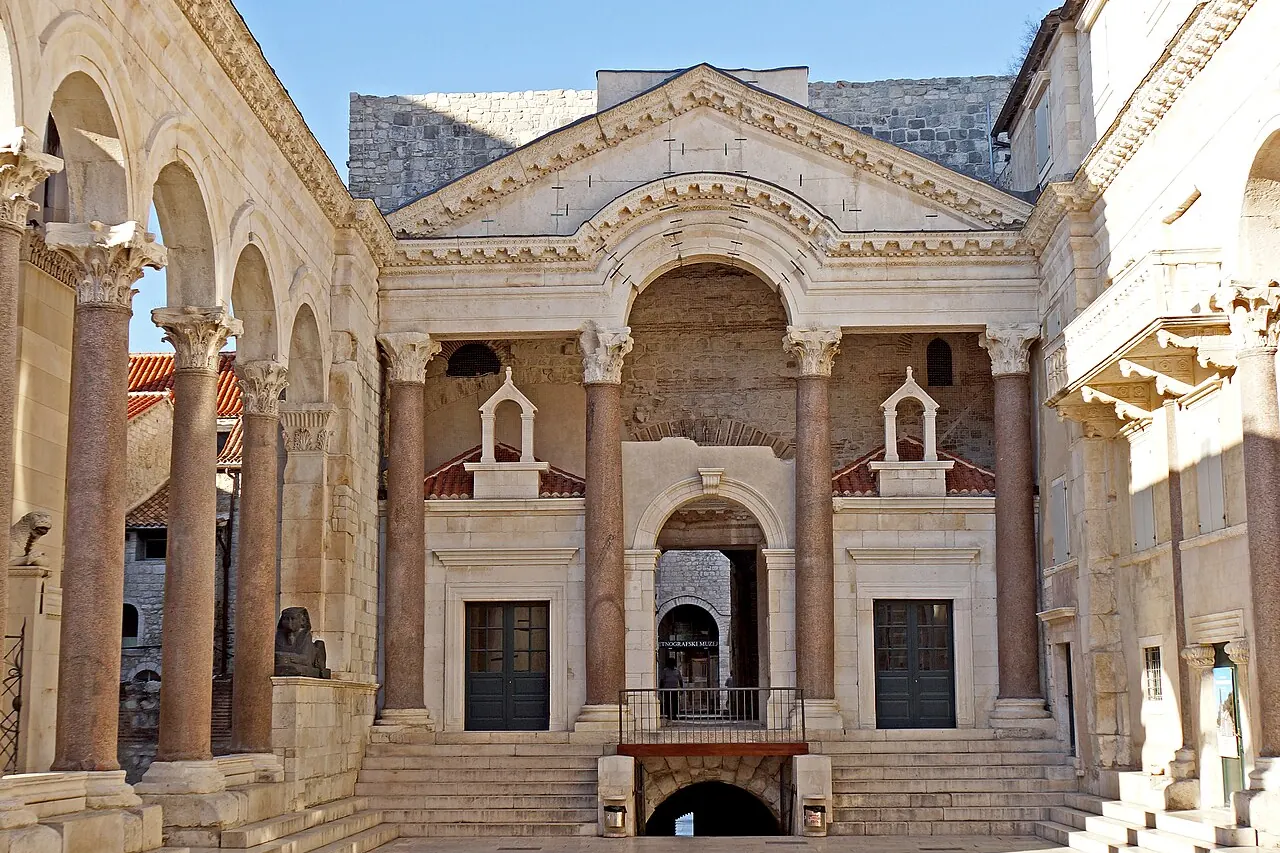
Diocletian's Palace is best approached as part of the city rather than as one museum with a single entrance. Its streets, businesses and homes occupy an imperial complex whose original layout still influences the way you move through central Split. Start around the Peristyle, then follow a side lane and look for older masonry embedded in later buildings. The changes are the point, not distractions from a supposedly pristine Roman monument.
Separate an orientation walk from admission to specific rooms or monuments. The substructures, cathedral and other interiors have their own arrangements, while walking a public lane does not mean every nearby doorway is open. Choose one substantial interior before deciding whether to add more. Returning through the palace quarter later can be rewarding because its everyday rhythm changes, but residents and doorways need space regardless of how busy the visitor route becomes.
Plan it well: Do not mistake a tour ticket for comprehensive admission to every palace monument.
Visit Split: Diocletian PalaceCompare the cathedral with its Roman shell
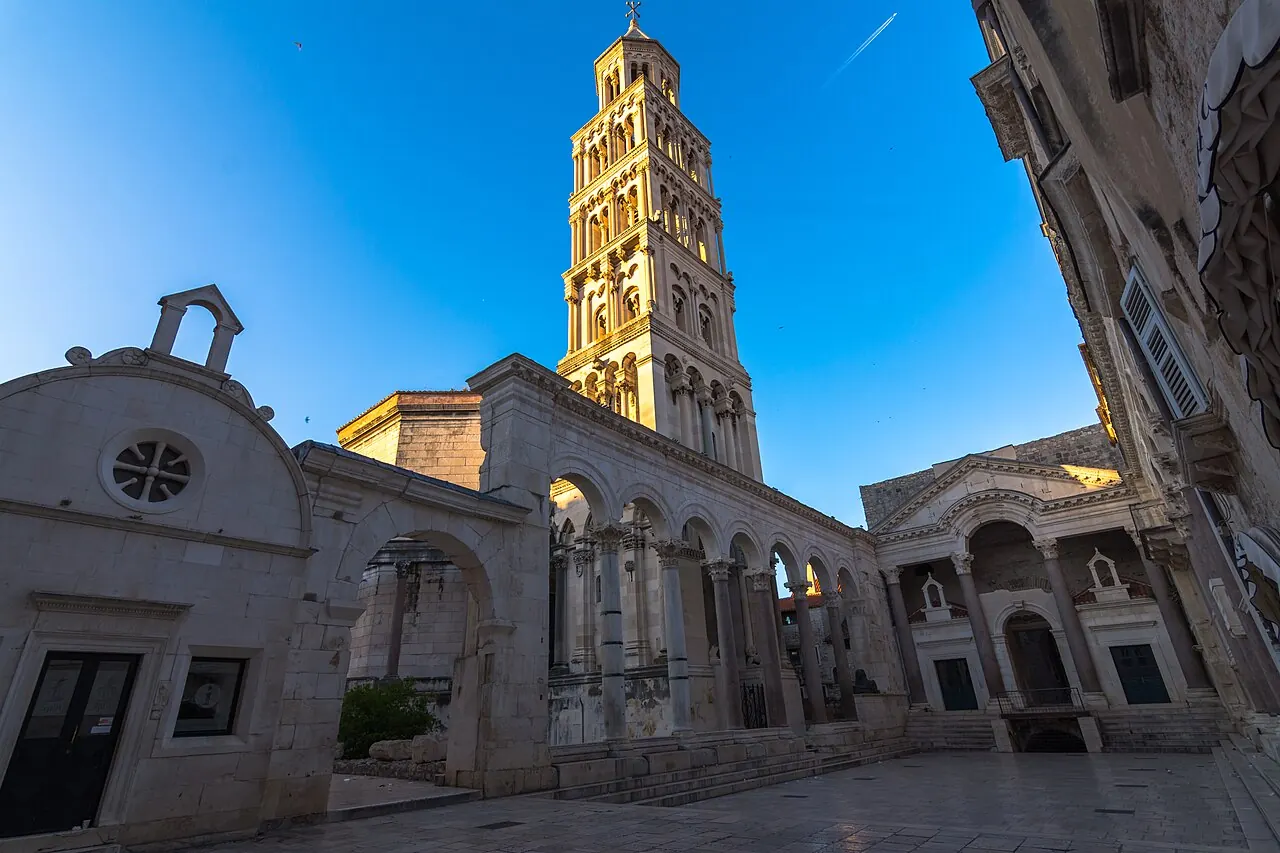
St Domnius Cathedral is compelling because the building began as Diocletian's mausoleum and later became a Christian church. Look at the outer octagonal structure before entering: it gives you a reference for the circular interior and the later religious furnishings. The carved wooden doors deserve attention as well as the skyline's familiar bell tower. This is a concentrated encounter with different periods, not a large cathedral that requires a hurried circuit.
Decide separately whether the tower climb suits your group. Stairs and heights make it a different experience from visiting the church, and a ticket option should be checked for exactly which spaces it includes. Services take priority over sightseeing, so keep your entry plan flexible around worship. Pair the cathedral with Jupiter's Temple if you want a focused comparison of reused Roman buildings, then leave time outside rather than stacking every palace interior into one session.
Plan it well: Confirm tower access and stair requirements before buying; the cathedral and tower are not the same visit.
Visit Split: Cathedral of Saint DomniusLook closely at Jupiter's Temple
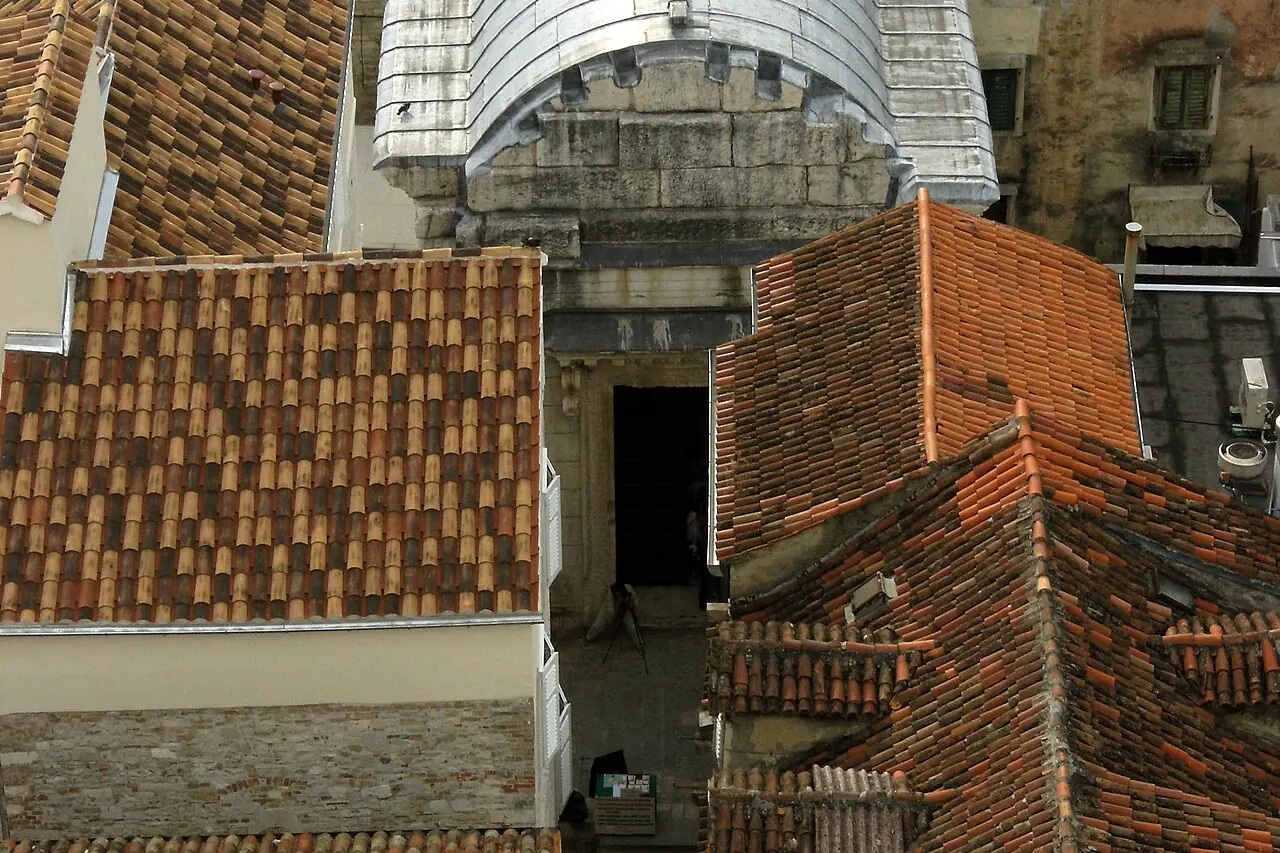
Jupiter's Temple offers a compact architectural visit away from the broad space of the Peristyle. The Roman temple became a baptistery, so its carved doorway and coffered vault sit within a later Christian use. Rather than looking only for the familiar sphinx outside, give the ceiling and the building's proportions a deliberate pause. Its small scale makes individual details easier to notice than in the palace complex as a whole.
Inside, the baptismal font and Meštrović's sculpture of Saint John the Baptist connect the place to periods far beyond its Roman beginnings. Read the interpretation rather than assuming all stonework belongs to the same era. Check the current admission arrangement at the cathedral ticket office or official visitor source. Combine this stop with St Domnius, but leave enough time for the short lanes between them; these are narrow shared spaces rather than a museum corridor reserved for tour groups.
Plan it well: This is an interior attraction with admission arrangements, not simply an open courtyard on the palace walk.
Visit Split: Temple of JupiterLet the Riva set the pace
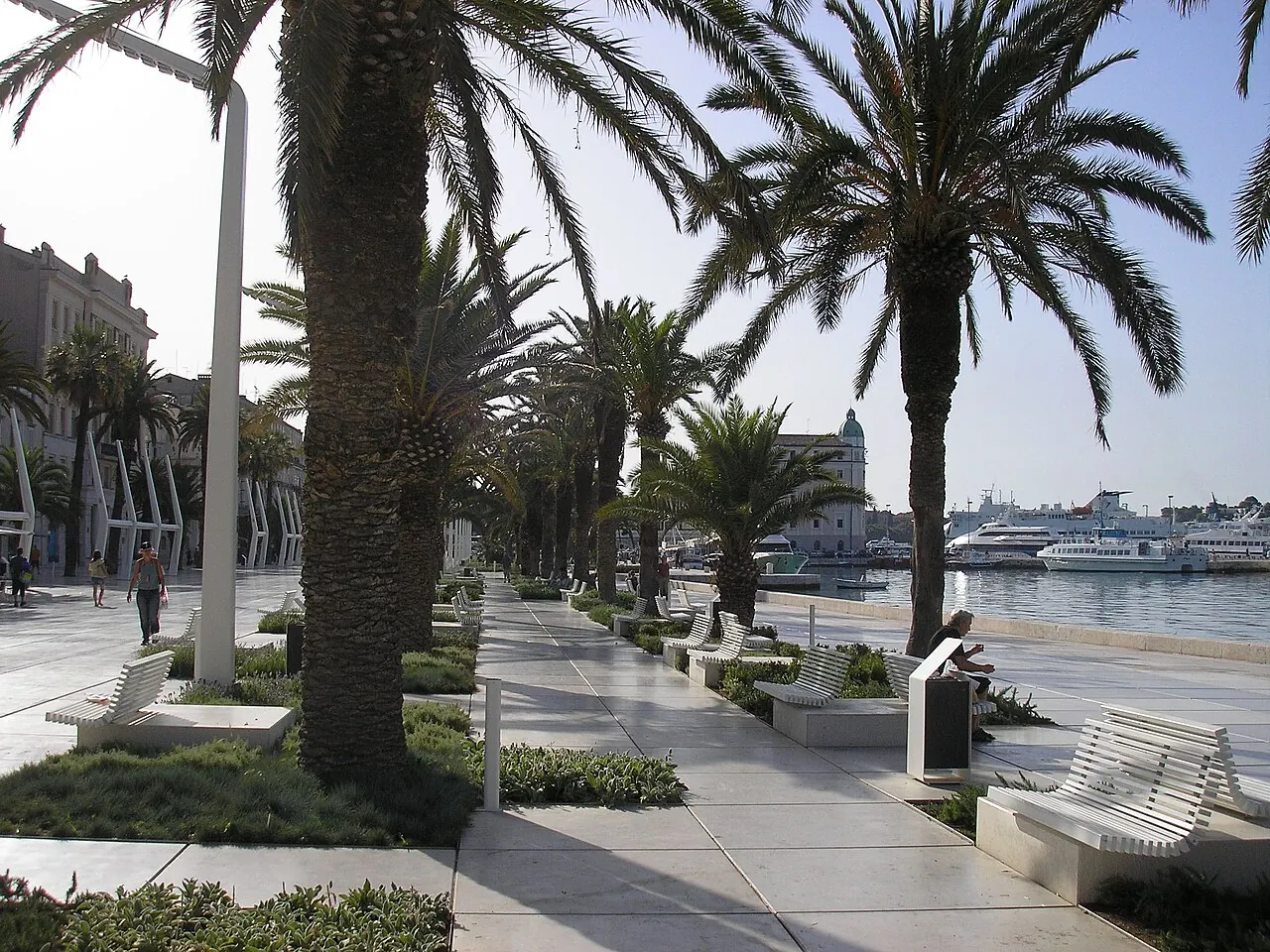
The Riva is where a dense palace walk opens towards the harbour. The palace's southern facade provides one side of the setting, while the water and passing people give the promenade a different rhythm. Walk its length before deciding where to stop for coffee: this lets you compare the open views and shade rather than choosing the first table after leaving a crowded lane.
A waterfront pause works particularly well between an interior visit and the western route towards Marjan or the Meštrović Gallery. It is also worth separating the Riva from the practical business of reaching a ferry: the operating port is nearby, but your specific berth may require more walking. If you have luggage or a departure to catch, check the terminal and boarding information first. Enjoy the promenade without letting an attractive harbour view conceal the time needed for transport.
Plan it well: A cafe break is flexible; a ferry departure is not. Locate your berth independently.
Visit Split: The RivaChoose a manageable Marjan walk
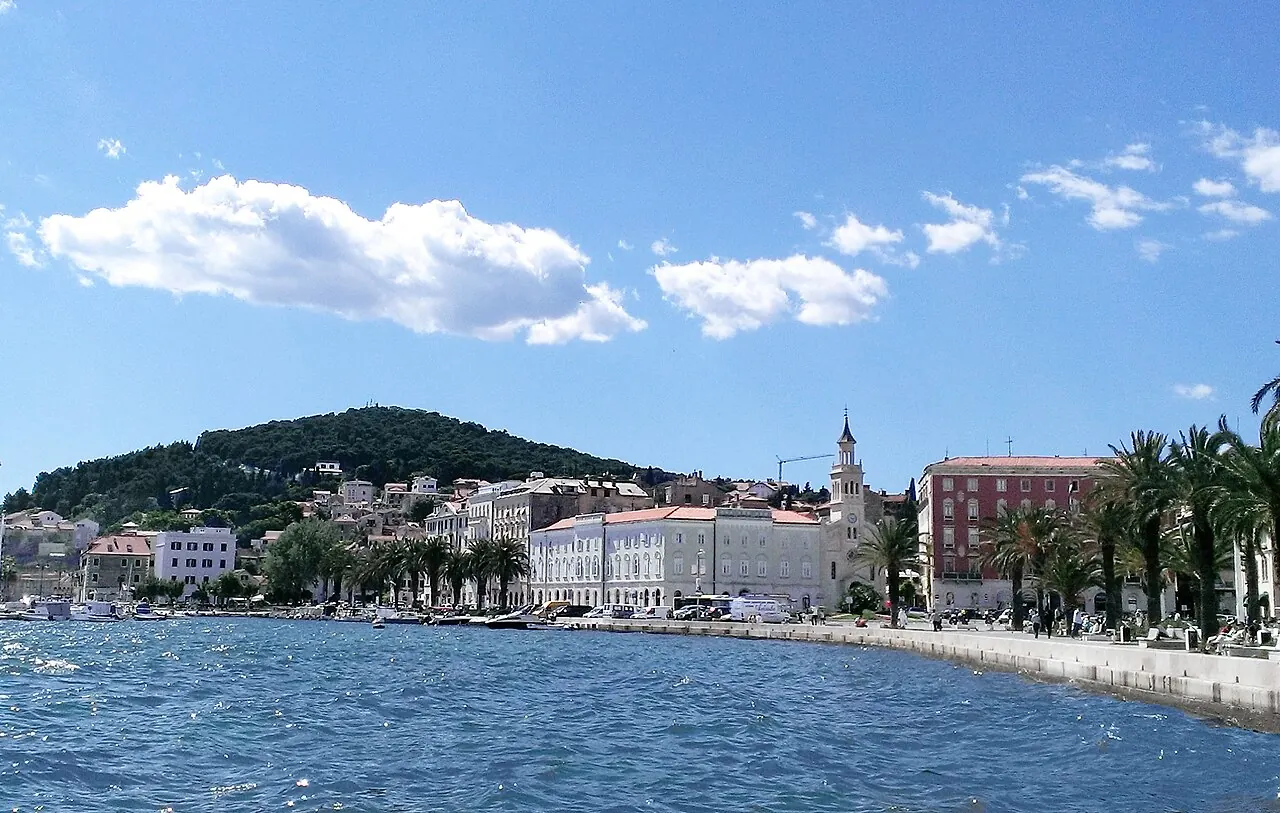
Marjan provides the outdoor counterweight to central Split's stone lanes. The wooded hill and peninsula offer paths, viewpoints and a sense of the city's wider coastal setting. Decide whether you want a short climb for a view or a longer park walk before starting; those are different outings, even when photographs make them look like a single stop. Shade helps, but it does not remove the effort of an uphill route.
Begin with a route you can shorten, carry water and check the park's current notices for closures or restrictions. Do not treat an informal path on a phone map as confirmation that it is suitable for every walker. The western museums and coast can be combined with Marjan, but a full hill circuit followed by a beach descent needs more energy than a quick viewpoint visit. Keep the return route explicit, especially if you choose to finish somewhere other than your starting point.
Plan it well: Keep swimming, a viewpoint walk and a long peninsula circuit as separate choices, not assumed parts of one short visit.
Visit Split: MarjanFollow the sculptor at the Meštrović Gallery

The Meštrović Gallery is a useful change from Roman architecture because it focuses on a modern sculptor in a building conceived as his home. The relationship between the villa, terraces and sculpture matters as much as any single work. Compare different materials and the way figures occupy space, then use the garden to change your viewing distance. This is a visit to choose for art, not merely another historic house to add to a list.
Give Meje its own block of time rather than hurrying west between tightly booked old-town stops. The official museum information distinguishes the gallery from the nearby Crikvine-Kaštilac site, so verify the current ticket coverage and access to both if you want the complete outing. Mobility arrangements differ between the garden and indoor spaces. Ask about the route you actually need before booking, and treat temporary displays or restricted rooms as separate from the permanent collection.
Plan it well: Check which indoor rooms, gardens and associated sites are currently accessible, not just whether the institution is open.
Ivan Meštrović Museums: gallery visitor informationSee the beach side of Bačvice
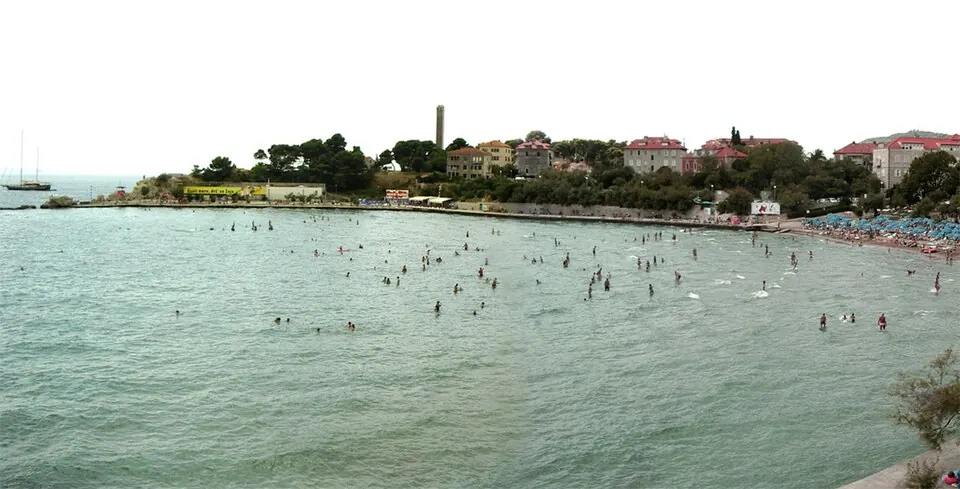
Bačvice brings a different daily routine into a first Split stay. The district's sandy city beach is associated with picigin, the local ball game played in the shallows, and makes a useful contrast with the formal spaces of the palace. Watch from the edge without interrupting players, then decide whether you want a swim or simply a waterfront break. Being close to the centre does not make it a quiet or private beach.
Keep a beach visit dependent on the weather, water conditions and your own swimming ability. Shallow-looking water is not a safety guarantee, and the surrounding paved areas can be slippery when wet. The neighbourhood is also known for evening activity, which matters when choosing accommodation nearby. On a departure day, arrange somewhere for bags and a way to change before heading to the beach; a short distance from the port is not the same as a practical pre-ferry swim.
Plan it well: Plan towels, changing and luggage storage separately; follow local swimming signs and conditions.
Visit Split: BačviceGive the Archaeological Museum a separate visit
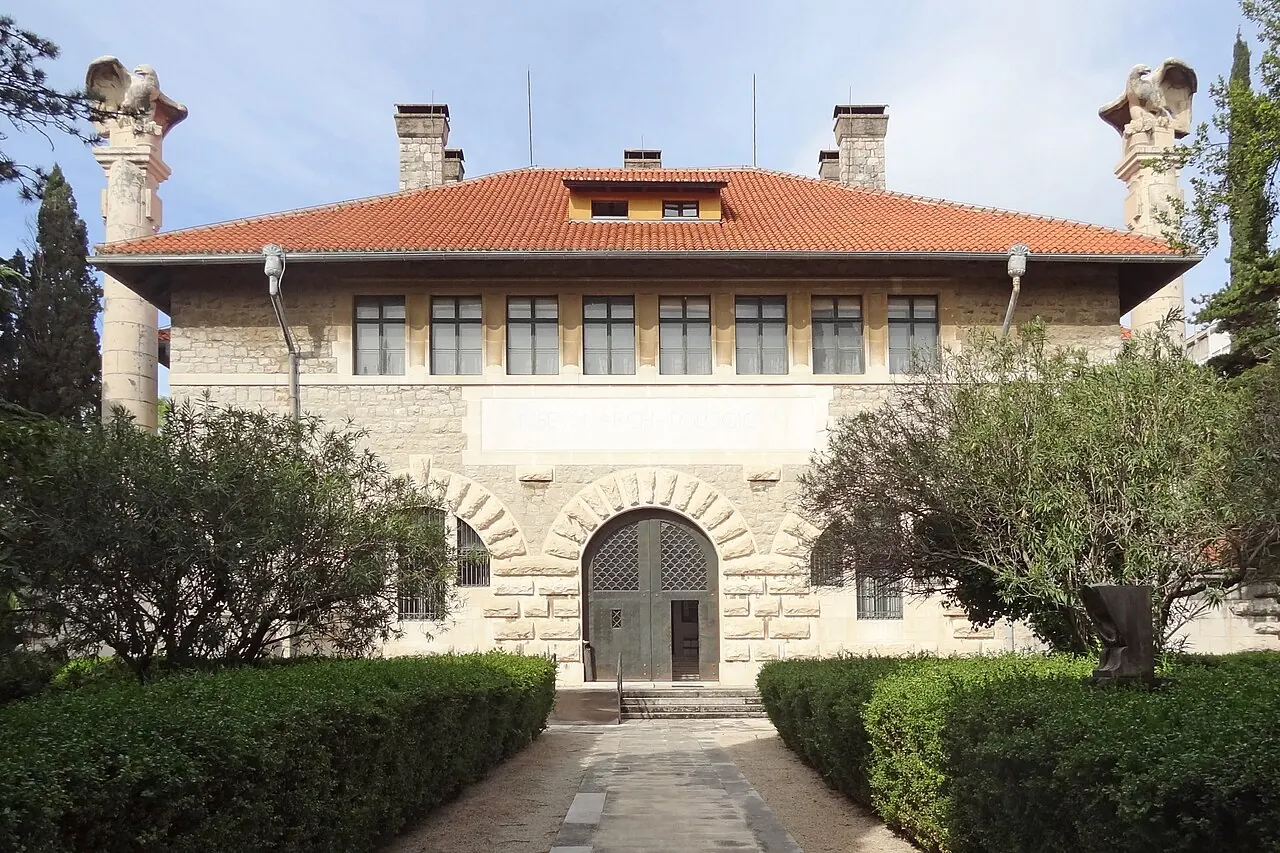
The Archaeological Museum is a good choice when the palace has raised questions about the region beyond imperial Split. Its collections and lapidarium give objects a setting in which inscriptions, sculpture and fragments can be studied rather than glimpsed in a busy street. Choose a few themes to follow, such as burial, daily life or religious change. Looking closely at one inscription can make a later archaeological excursion more meaningful.
This is the museum north of the old centre, not the separate Museum of Croatian Archaeological Monuments on the western coast. Check the address carefully before setting out, particularly if you are matching a ticket to a map result. The museum also has connections with other archaeological sites, but visiting this building does not automatically include transport or entry elsewhere. Keep the museum as an indoor anchor on its own day, then add a central walk if you still have energy.
Plan it well: Use the museum at Zrinsko-Frankopanska Street for this stop; similarly named institutions are different visits.
Archaeological Museum Split: museum historyMake Klis a deliberate excursion
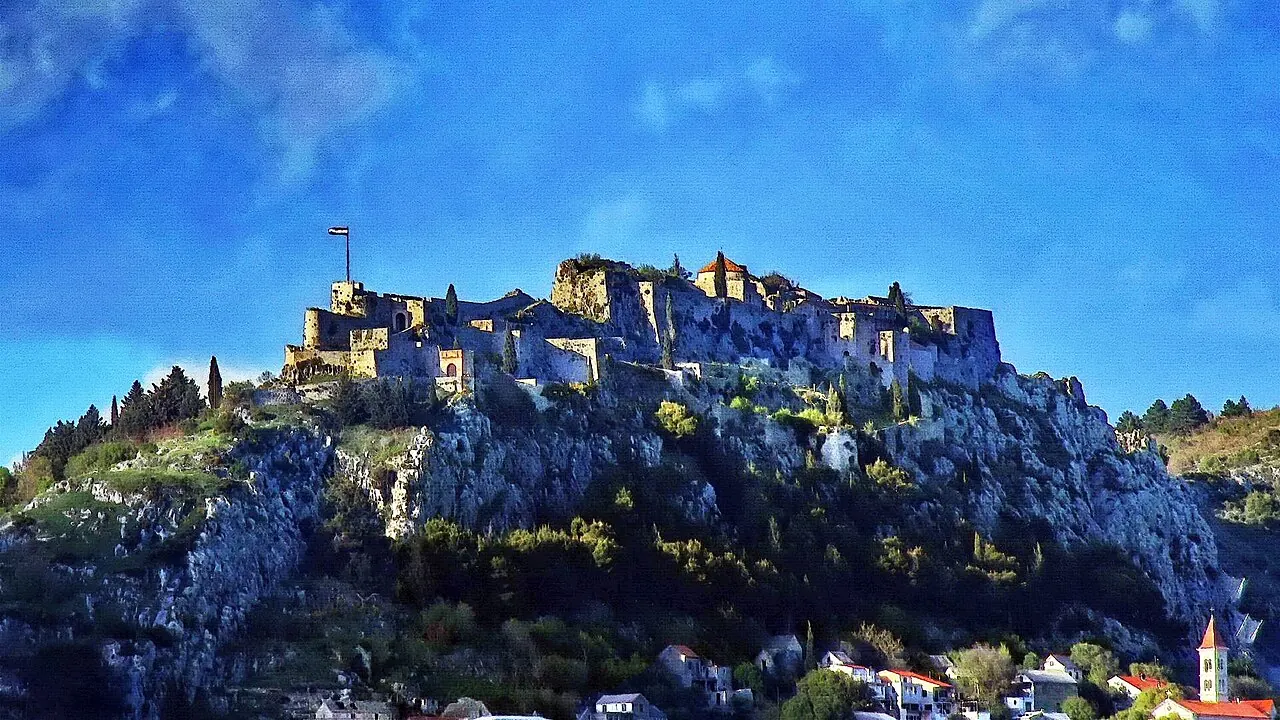
Klis Fortress is worth considering for its ridge-top setting as well as its history. The succession of defensive spaces follows the rock rather than the tidy grid you have seen inside Split's palace. Look back towards the coastal plain as you move through the site: the geography explains why a stronghold stood here. Screen associations may be a starting interest, but the landscape and fortifications can sustain a visit without them.
Treat Klis as an outing beyond the city, with a checked return journey and time for the climb. Uneven stone, exposed sections and steps make footwear and weather important; this is not an interchangeable alternative to a level waterfront walk. Confirm current visitor arrangements with the fortress operator before travelling. If your stay is only two days, choose between this excursion and a substantial Marjan or museum afternoon, instead of assuming all three fit comfortably into the same day.
Plan it well: Do not rely on a return bus or taxi being available without checking the actual schedule or arrangements.
Klis Fortress: official visitor informationApproach the palace through the Golden Gate
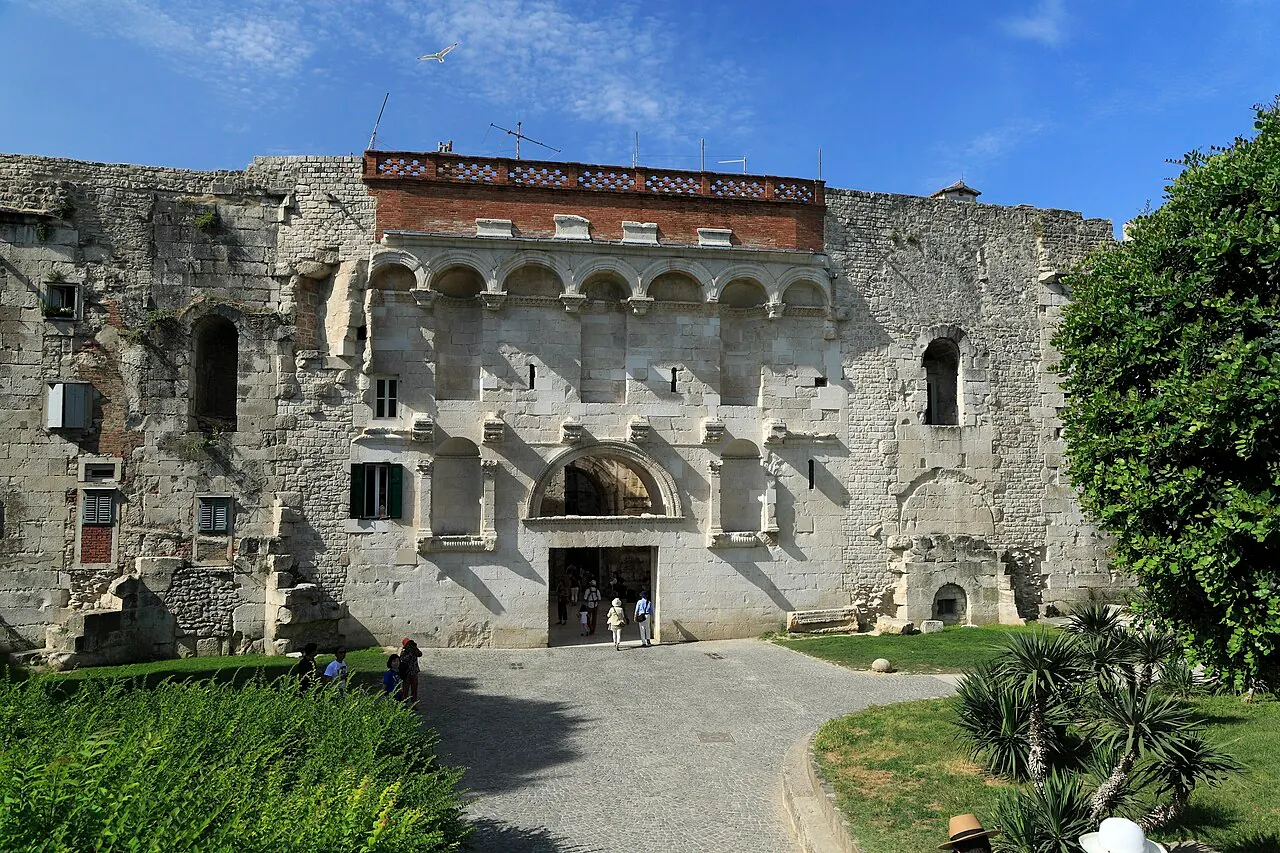
The Golden Gate makes a useful second look at the palace because it shifts attention from the central square to the defensive perimeter. Examine the facade from outside before walking through: the niches, masonry and depth of the entrance say more about the original complex than a quick passage beneath the arch. It is a distinct architectural stop even if you have already spent time among the streets inside.
Use the northern approach to connect the palace with the surrounding modern city, then notice the Gregory of Nin statue nearby without confusing it with the Roman gate. A small detour can also clarify how the old north-south route led towards the Peristyle. Keep clear of the doorway while taking photographs; it remains a thoroughfare, not an enclosed viewing platform. If the centre feels crowded, a brief pause outside the walls can reset the walk before you choose another interior.
Plan it well: The Golden Gate is the northern entrance; the waterfront approach uses a different gate.
Visit Split: The Golden GateHow to spend two days in Split
Day one: palace architecture and waterfront life
Walk the palace quarter from the Golden Gate to the Peristyle. Choose St Domnius and Jupiter's Temple as a focused interior pair, then take a Riva break. Add Bačvice if the weather suits, leaving time for changing rather than a rushed swim.
Day two: west, archaeology or the fortress
Choose a Marjan walk with the Meštrović Gallery, or make the Archaeological Museum your main indoor visit. For Klis, replace the longer western outing and organise both legs of transport. These are alternative days, not a single timed circuit.
Before you go
Separate public streets from tickets
The palace quarter is part of the city. Check the precise rooms, tower or museum covered by each admission, and confirm whether your tour includes those tickets.
Keep the ferry margin
Check the operating company, terminal, berth and boarding requirements for your departure. An island excursion is an additional outing, not automatically part of this two-day city plan.
Match shoes to the outing
Polished paving, tower stairs, park trails and fortress steps create different challenges. Verify access arrangements at each venue for your needs.
Stay near the day you want to have
Compare the palace and adjacent centre for walking convenience, Meje for the western coast, and Bačvice for a beach-focused stay. Check stairs, vehicle drop-off, luggage access and night noise carefully, particularly for rooms in old buildings. A harbour-view listing does not establish how quickly you can reach your actual ferry berth.
Explore Split hotels