
Budapest city guide
Budapest Thermal Baths: A Practical Guide to the City's Bathing Culture
Choose between Budapest's Ottoman domes, grand civic pools and neighbourhood baths, then plan tickets, etiquette, transport and a comfortable pace around the city.
Plan your visit
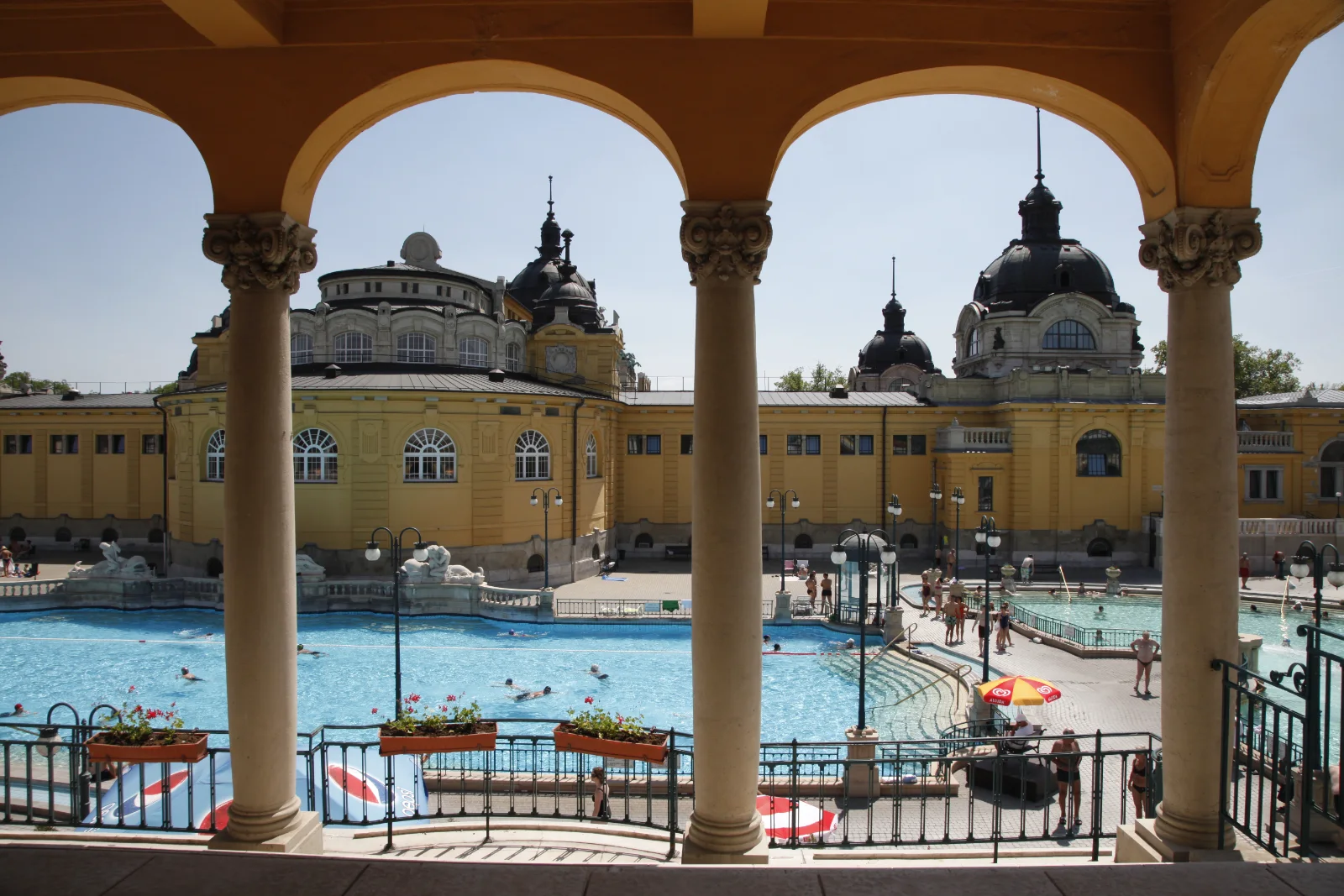
Budapest earns its reputation as a city of baths through variety rather than a single flagship. Széchenyi fills a vast yellow courtyard with indoor and outdoor pools, Rudas connects an Ottoman thermal core to a modern rooftop pool, Gellért is known for its decorative interiors, and Lukács retains a more local, swimming-and-soaking rhythm. A good bath day begins with choosing the experience you actually want. Architecture, lap swimming, quiet thermal pools and late-night skyline views are different propositions, and ticket rules vary. Use this guide to build one well-paced visit into a wider Budapest stay rather than racing through several hot-water venues in a day.
Choose Your Bath by Experience
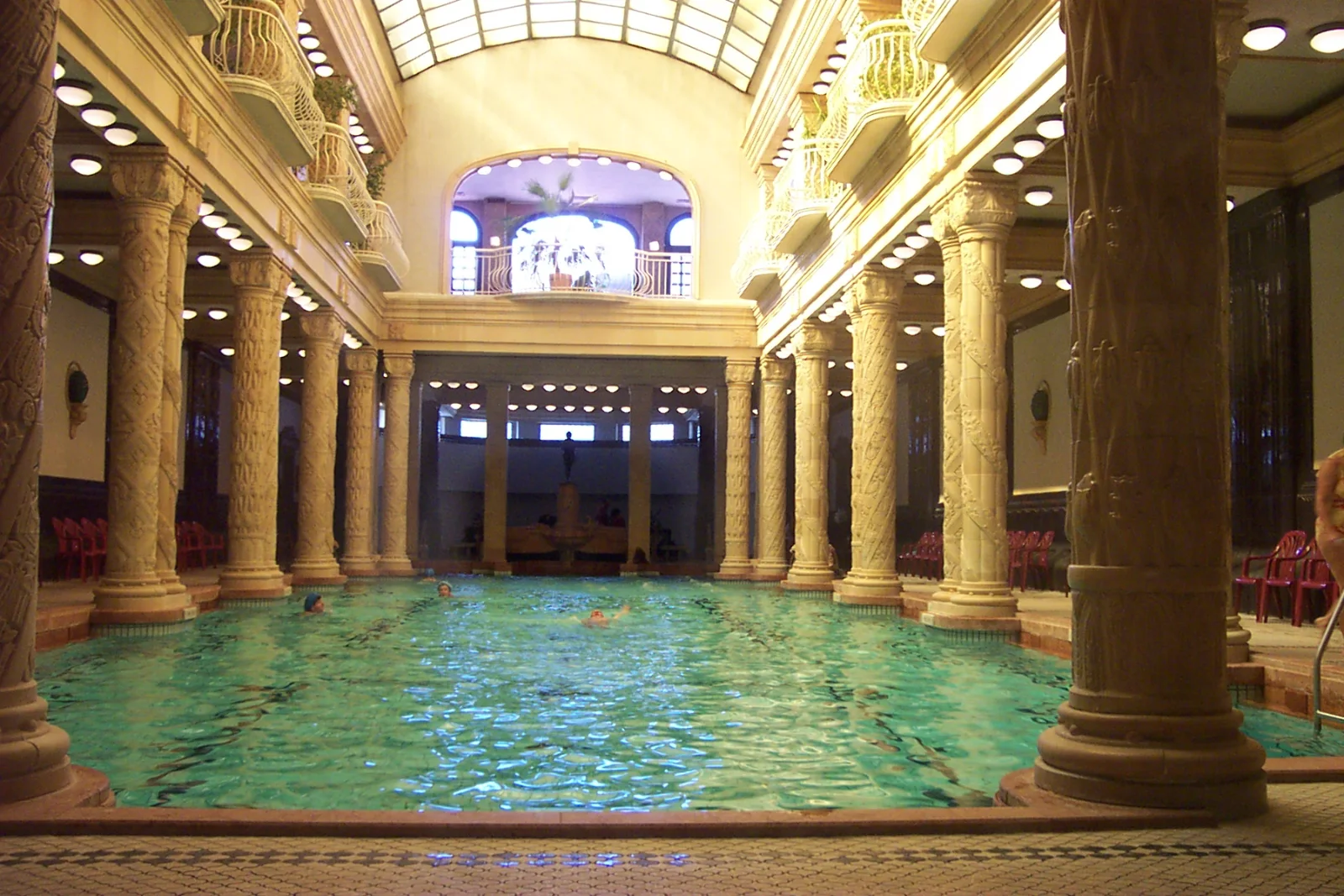
Széchenyi is the clearest first-time choice for travellers who want Budapest's large-scale outdoor-bath image: steam rising in a monumental courtyard, several indoor rooms and a mix of social soaking and swimming. Gellért offers a more enclosed architectural experience, although individual areas and operating arrangements should always be checked before travelling.
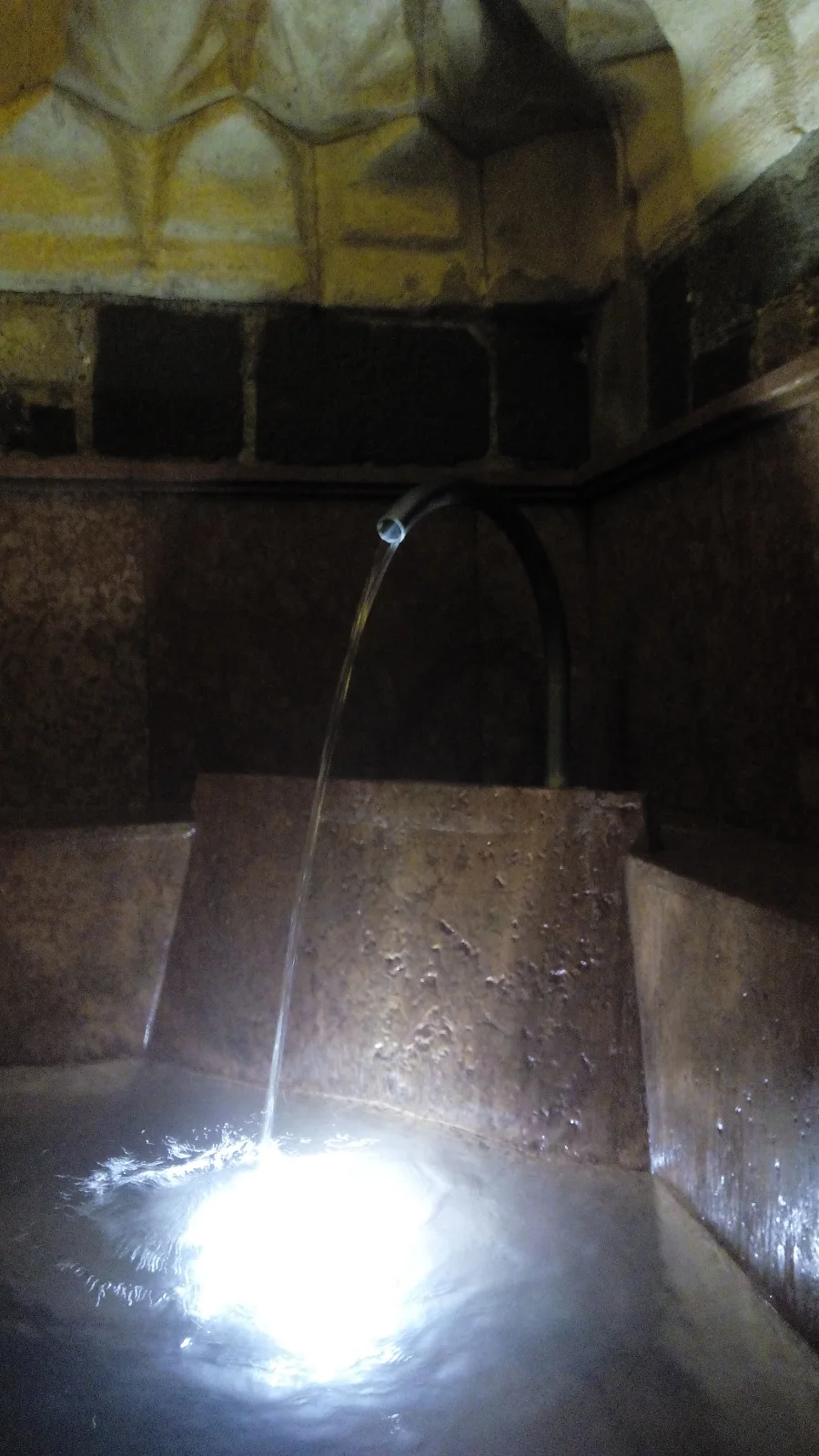
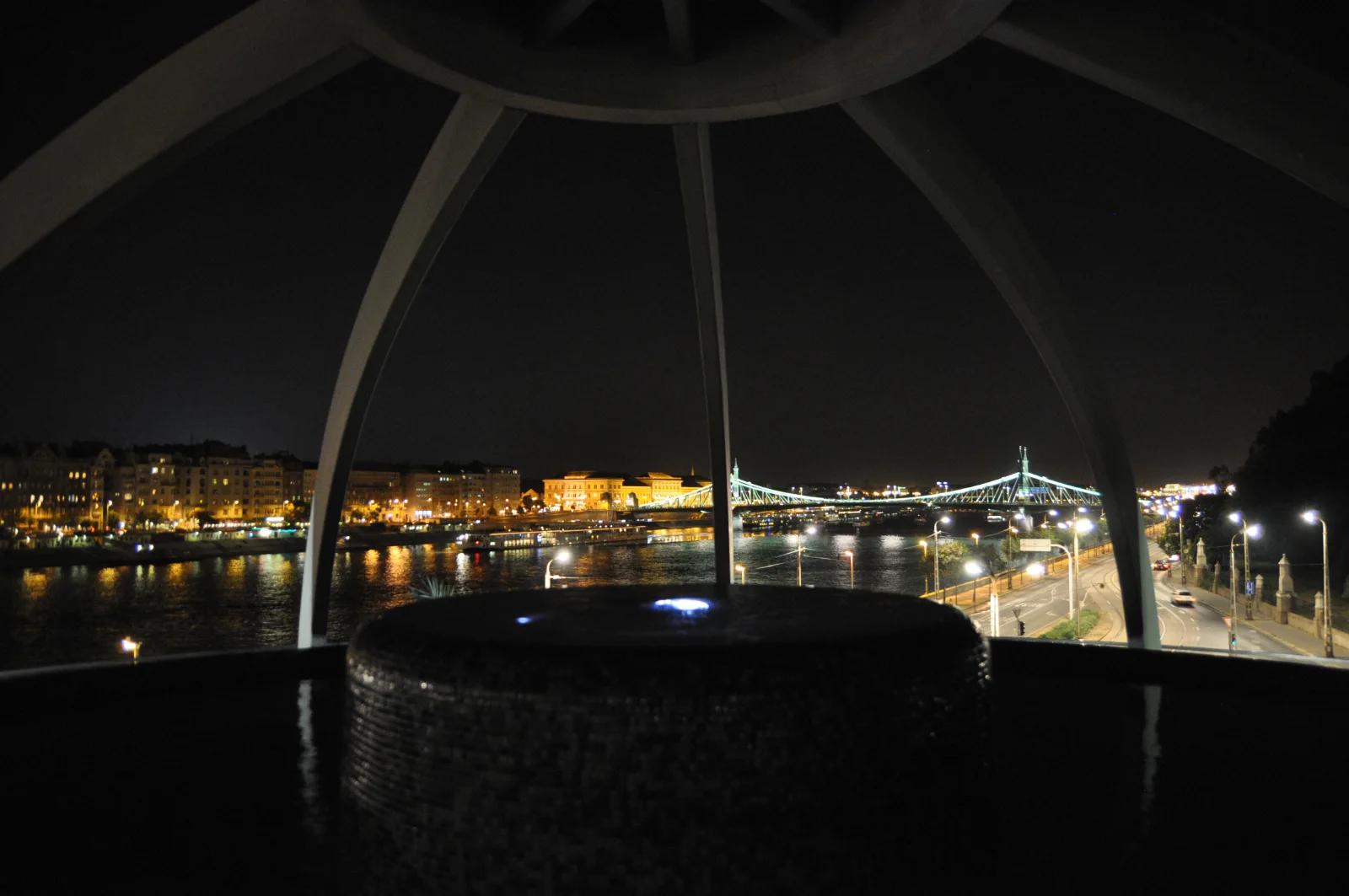
Rudas is the strongest contrast. Its historic Turkish bath centres on an octagonal pool beneath a dome, while the modern section and rooftop pool face the Danube. Lukács is useful for visitors who value a less ceremonial, more lived-in bath, with swimming and wellness spaces used alongside thermal facilities.
Plan it well: Pick the bath from current facilities and access rules, not from a single famous photograph. Renovations and section closures can materially change the visit.
Budapest Official Tourist Information: BathsTickets, Cabins and Reservations
Széchenyi sells tickets, massages, packages and some treatments up to 180 days ahead and recommends advance purchase. A cabin is a private changing cubicle for the duration of the visit; a locker is storage after changing in a communal area. Both are controlled by the issued wristband, so the price difference is about changing privacy rather than pool access.
Rudas uses date-specific products for some sessions, and night bathing tickets are sold online. Its Turkish-bath timetable also mixes gender-specific and coed periods, which makes the chosen date and time essential. Massages and other add-ons should be reserved rather than assumed available on arrival.
Plan it well: Take a screenshot or offline copy of the ticket confirmation, but rely on the bath's current website for the definitive entry time and included zones.
Széchenyi Bath: FAQBath Etiquette and What to Pack
Bring swimwear, a towel and non-slip pool slippers; Rudas explicitly requires slippers. A swimming cap may be required in designated lap pools even when it is not needed in thermal sitting pools. Wristbands open lockers or cabins, and valuables are better placed in a staffed or designated safety deposit where available rather than left with a towel.
Rinse before entering, follow the posted temperature and pool-use signs, and keep voices low in small historic rooms. Budapest baths are social public facilities, not silent private spas, but the atmosphere changes from a busy outdoor pool to an intimate thermal chamber. Photography should be discreet and should never make other bathers the subject without permission.
Plan it well: Pack a light waterproof bag for wet swimwear and slippers. It keeps the return tram or metro ride much easier.
Lukács Baths: Lockers and safety depositsHeat, Pace and Personal Limits
Thermal pools vary in temperature, and a bath complex may post a recommended duration beside an individual pool. Treat those signs as limits for that pool, take cooling breaks and drink water. A long session is not automatically a better one, especially after travel, alcohol, strenuous exercise or a day spent in summer heat.
Official bath pages note restrictions or contraindications for some services, including massage and prescription-based treatments. Visitors who are pregnant, have a relevant health condition, take medication that affects heat tolerance, or are unsure about hot bathing should ask a qualified clinician and the bath before booking. This guide cannot determine individual suitability.
Plan it well: Start with a shorter, cooler pool and learn the layout before trying hotter rooms. Leave immediately if you feel unwell and speak to staff.
Széchenyi Bath: PoolsSeasons and the Best Time of Day
Winter gives Budapest's outdoor pools their most theatrical atmosphere: cold air, visible steam and warm water. It also makes the walk between changing areas and pools sharper, so slippers and a robe or large towel matter. Summer is easier outdoors but brings stronger sun, busier courtyards and less contrast between water and air.
Weekday mornings generally offer the best chance of calmer pools. Late afternoon can work well for combining a bath with dinner, while Rudas night bathing is a separate, limited product rather than a standard extension of every ticket. Seasonal opening hours and maintenance closures should be checked close to the visit.
Plan it well: For a rooftop view, check both the pool's access hours and sunset time. A general Rudas ticket does not necessarily cover a night-bathing event.
Rudas Baths: Opening hoursGetting Between Budapest's Baths
Széchenyi sits beside City Park and is reached most directly on the M1 metro. Gellért is connected to the central city by trams and the M4 metro at Szent Gellért tér. Rudas lies on the Buda riverfront, while Lukács is north of Margaret Bridge and fits naturally with tram travel along the Buda side.
BudapestGO combines route planning with public-transport ticket functions, which is more useful than planning a bath day around taxis. Service changes can affect riverside trams and replacement buses, so check the route on the day. Allow time to find the correct entrance within large historic complexes.
Plan it well: Save the bath's street address, not just its name. Some map results point to a building frontage rather than the public entrance in use.
Budapest Official Tourist Information: TransportationWhere to Stay for a Bath-Focused Break
Stay near City Park if an early Széchenyi visit is the priority and you prefer a quieter base away from the Danube. The inner districts on the Pest side offer the broadest restaurant and transport choice, with direct links to several baths. A Buda riverfront base is more convenient for Rudas or Gellért and gives a slower evening atmosphere.
Hotel spa facilities should be treated as a separate decision from public-bath access. A hotel pool can be valuable for a short morning swim, while the historic bath remains the main cultural experience. Check whether breakfast times, check-out and luggage storage support the bath slot you intend to book.
Plan it well: For a two-night stay, book the public bath on the full day rather than squeezing it between arrival and check-in.
Budapest Official Tourist Information