
Bali city guide
10 things to do in Bali
Sea temples, working rice terraces and a quieter look at Balinese culture, with sensible regional choices for a first visit.
Plan your visit
Bali is an island, not one compact sightseeing city. Choose a base and explore its surrounding region before adding a longer excursion. The ten places below range from the Bukit coast to the Bedugul highlands and eastern water gardens; they are options for a trip, not ten stops for one weekend.
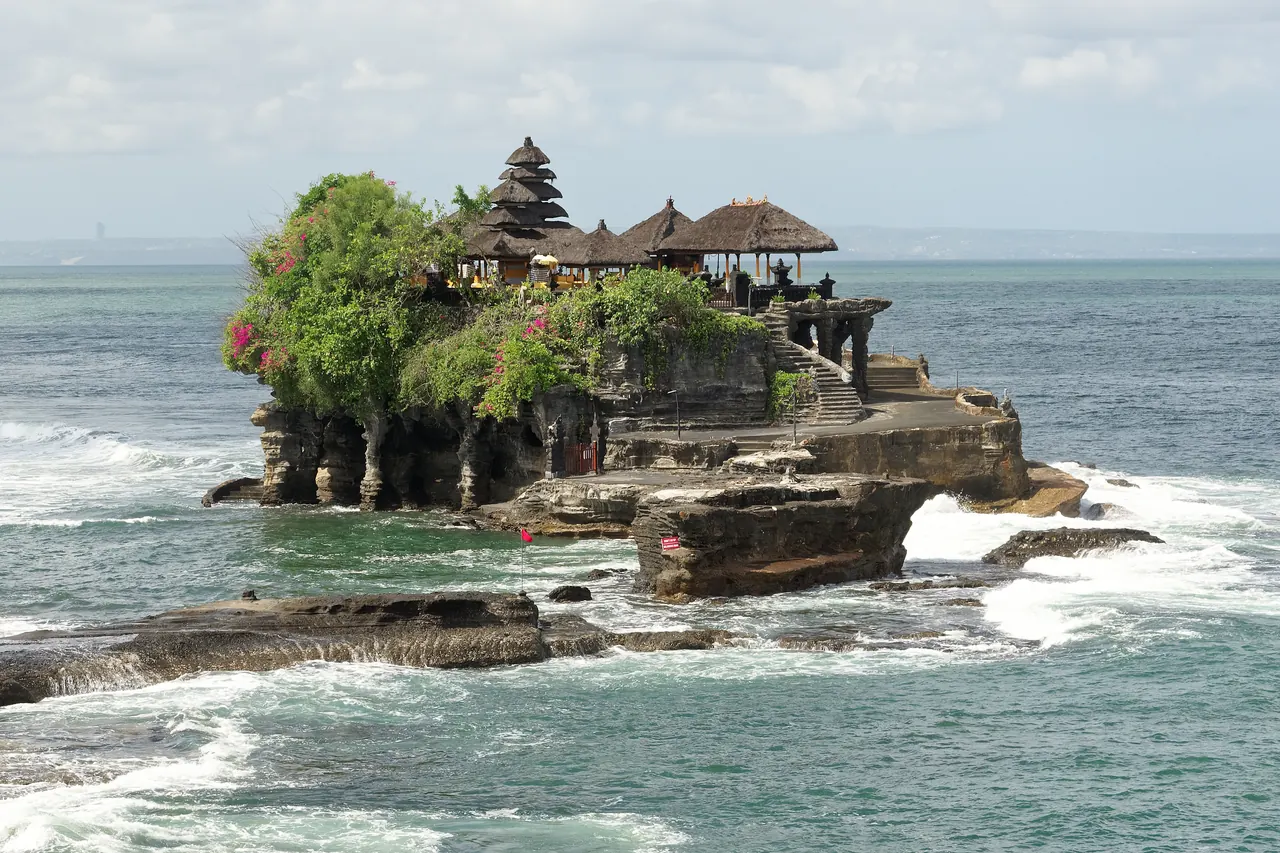
Watch the tide around Tanah Lot
Tanah Lot makes most sense as a coastal landscape rather than an interior temple tour. The shrine sits on a rocky outcrop, with the sea changing its relationship to the shore as the tide moves. Walk the visitor paths and look back from different angles: the surrounding cliffs and smaller shrines give the main silhouette a setting.
Choose this for a western-coast afternoon, leaving enough daylight to find your way around before sunset crowds gather. Treat the waterline as a boundary, not an invitation to wade across, and follow local access instructions around the sacred areas. If you are staying near Ubud or the Bukit peninsula, allow for a substantial road journey instead of adding it casually after dinner.
Plan it well: Stay on managed paths and check local tide and access instructions; a photograph is not worth entering rough surf.
Indonesia Travel: Tanah LotFollow the cliff paths at Uluwatu
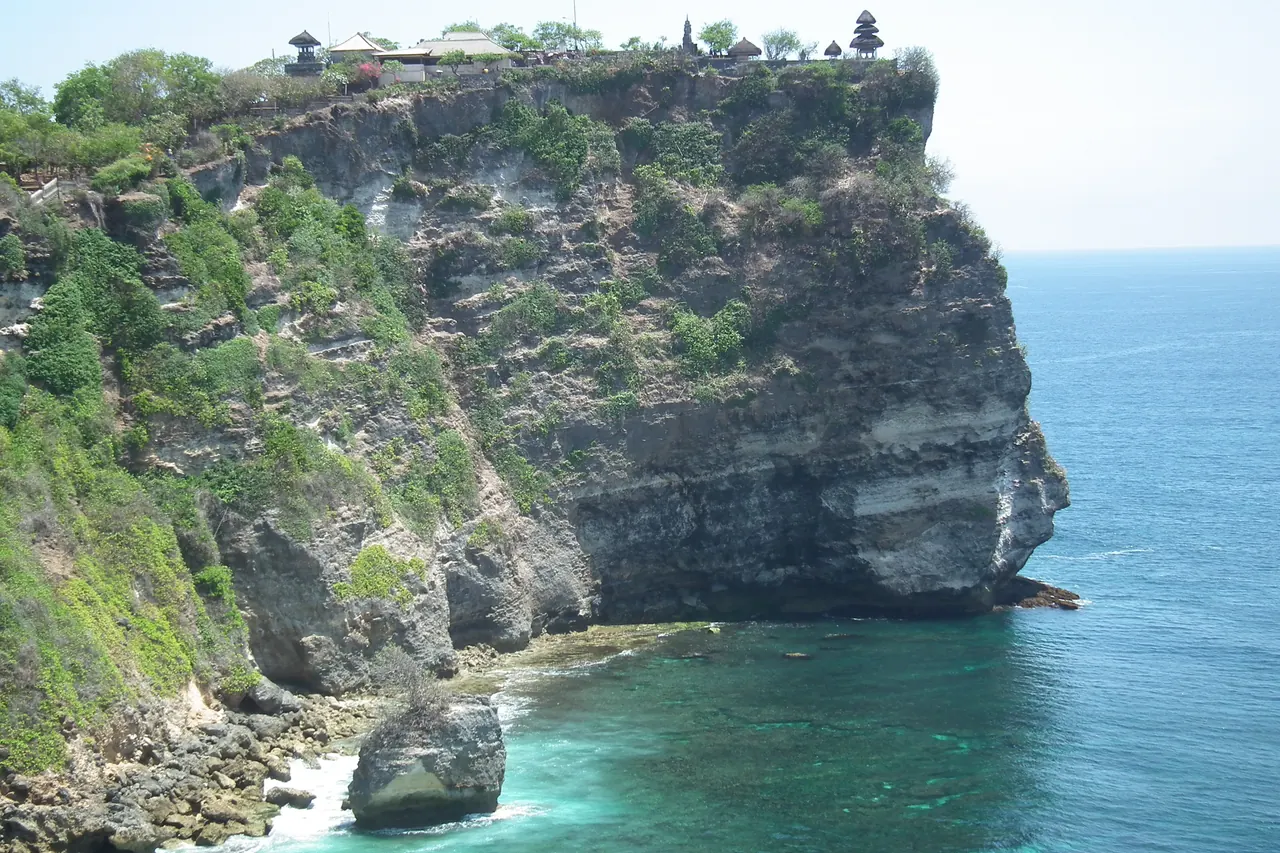
Uluwatu offers a different sea-temple experience from Tanah Lot: here the dramatic feature is the limestone cliff, with the temple and walking paths above the Indian Ocean. Make the coastline the focus, allowing pauses at the viewpoints instead of rushing straight to a performance seat. The sacred compound is a working place of worship, and some areas are reserved.
If the Kecak performance interests you, check the official arrangements and distinguish the performance ticket from temple admission. An afternoon here fits a Bukit-based stay much better than a hurried transfer from the northern highlands. Secure loose belongings around the monkeys, wear the required temple clothing, and keep children away from cliff edges even where other visitors appear relaxed.
Plan it well: Do not feed or touch the monkeys, and arrange pickup before an evening performance finishes.
Indonesia Travel: Uluwatu visitor guidanceSee the lakeside shrines at Ulun Danu Beratan
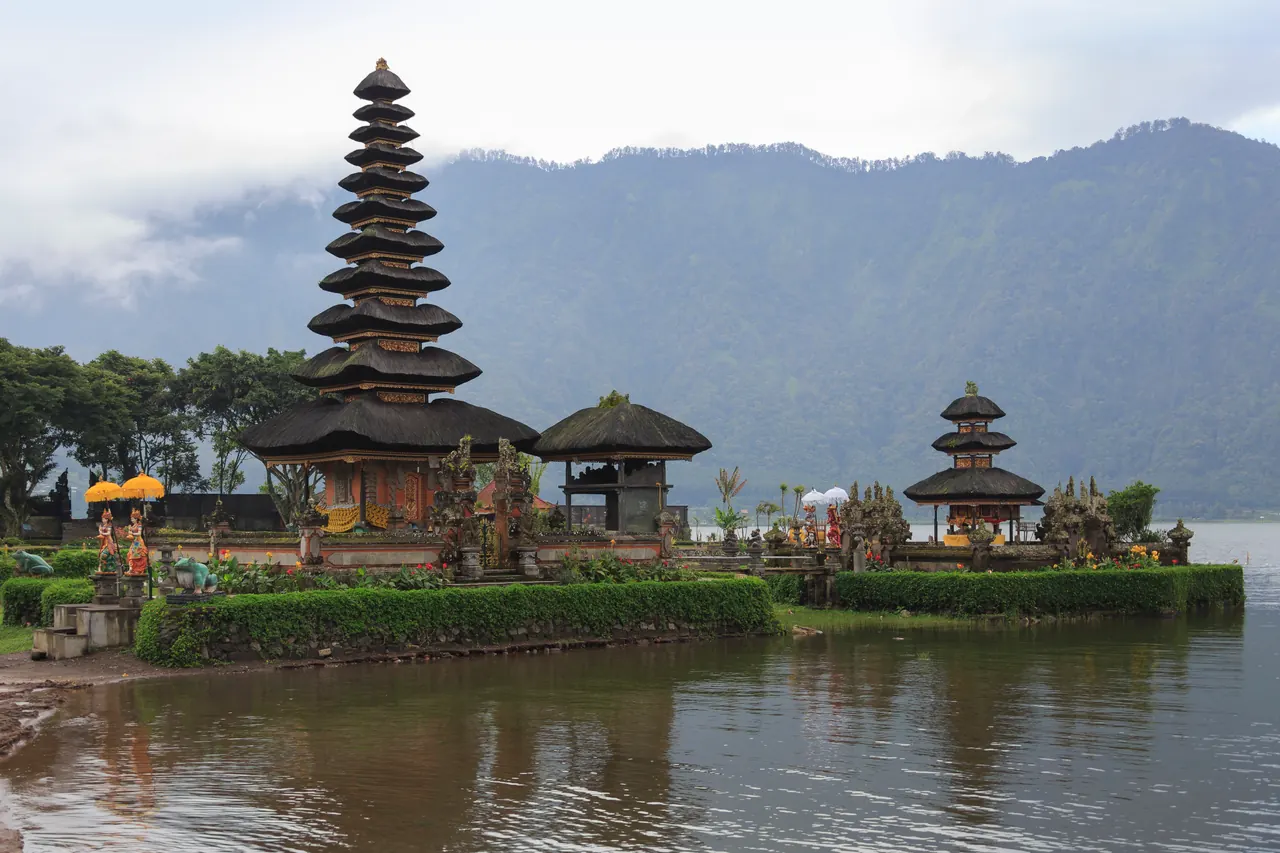
The tiered roofs beside Lake Beratan are among Bali's most recognisable sights, but the mountain setting is as important as the photograph. Ulun Danu Beratan belongs to a landscape where water, farming and worship are connected. Follow the lakeside grounds slowly and notice how the shrines sit against the lake and the slopes behind them.
Build a separate Bedugul excursion around this visit rather than attaching it to a southern beach afternoon. Highland weather can change the view quickly, so carry a light rain layer and do not make a clear mountain panorama the condition for enjoying the stop. The public grounds and sacred spaces have different purposes; observe barriers and any directions connected with ceremonies.
Plan it well: Pair the lake with a north-central outing; it is not within walking distance of Ubud or the southern resort areas.
Indonesia Travel: Ulun Danu BeratanUnderstand the water rituals at Tirta Empul
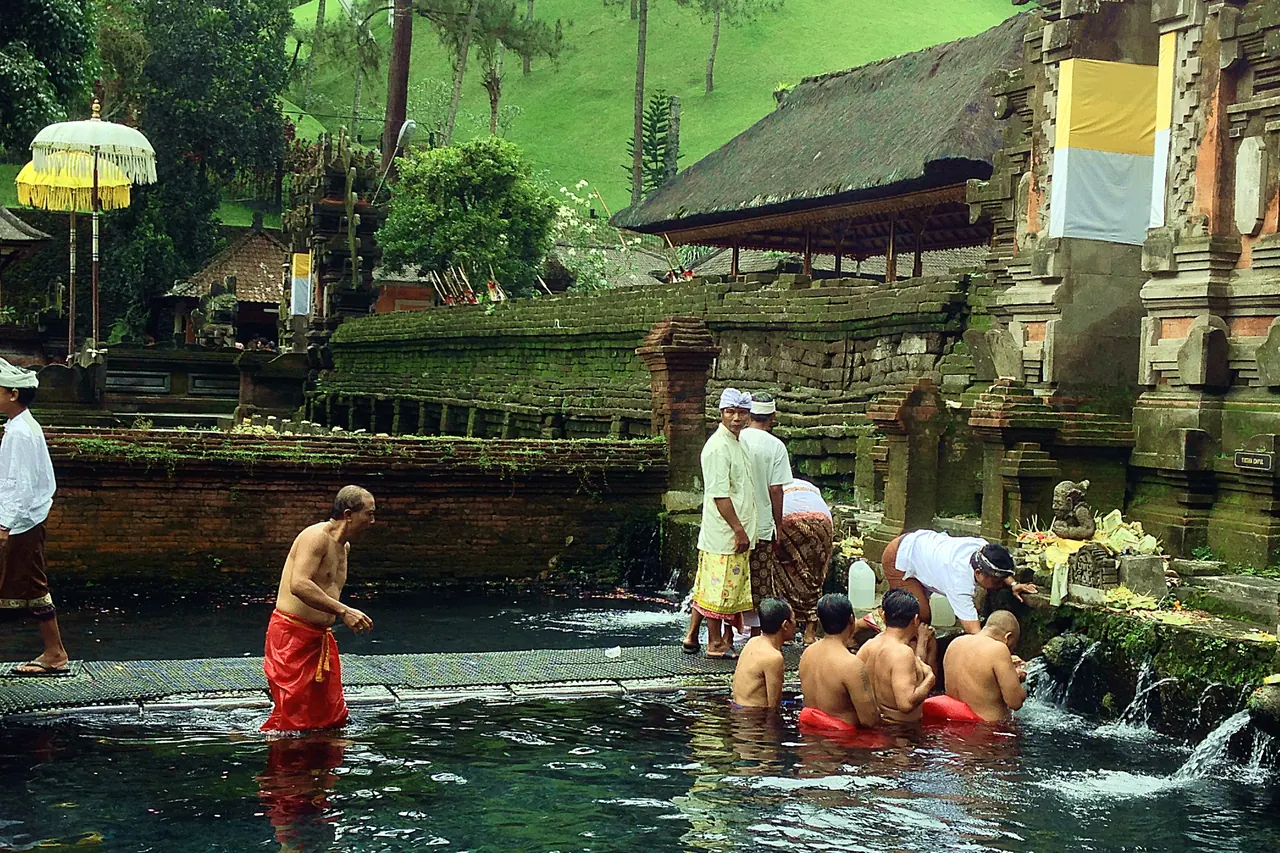
At Tirta Empul, the pools are part of a living religious practice rather than a decorative swimming attraction. Start by observing how water moves through the complex and how worshippers use the fountains. A visit can be meaningful without entering the water: courtyards, carved gateways and the spring explain the site's importance just as clearly.
Anyone considering a purification ritual should ask local staff or an appropriately briefed guide about the sequence, clothing and areas permitted to visitors. Do not assume that every spout has the same purpose or that ordinary sightseeing clothing is suitable for the pools. Combine the temple with a focused Tampaksiring outing, leaving time to change afterwards rather than packing another distant reservation into the same morning.
Plan it well: Ritual participation is optional; get local instructions before entering a pool and keep worshippers out of intrusive photographs.
Indonesia Travel: Tirta EmpulGive Besakih room in the day
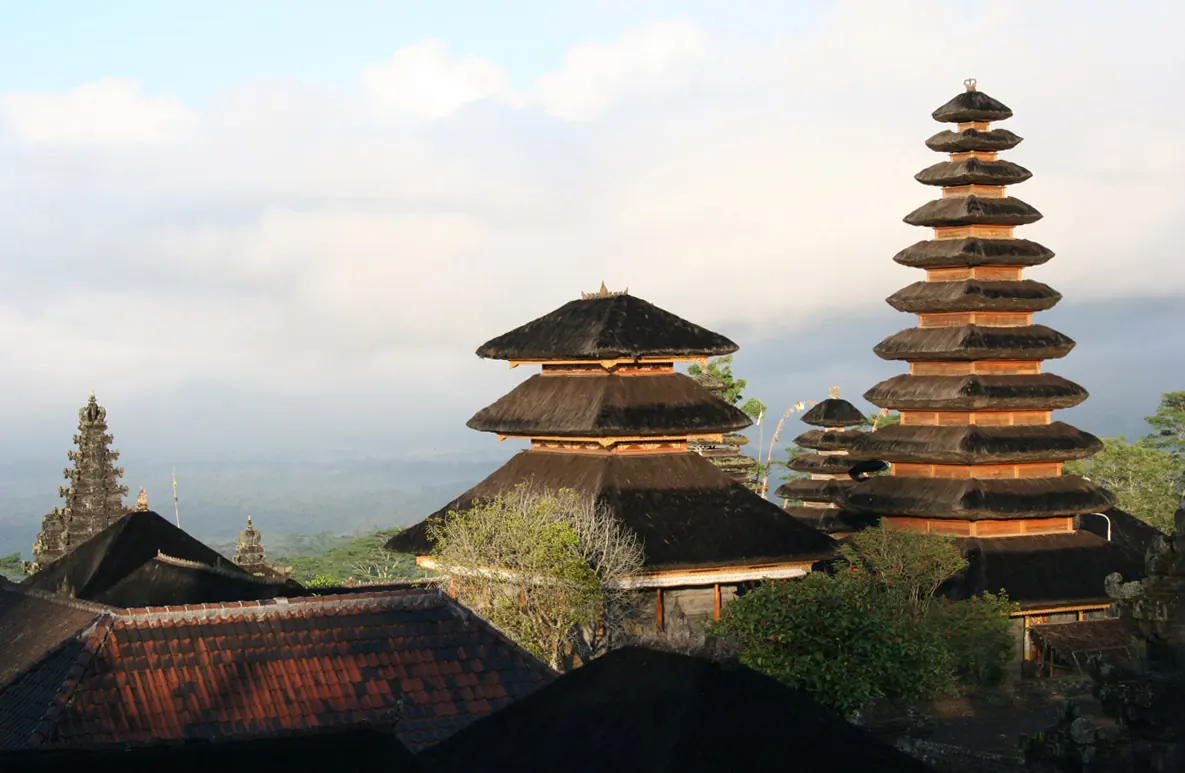
Besakih is a collection of temples climbing the slopes of Mount Agung, not a single building to enter and leave. The rising courtyards, stairways and repeated rooflines make the scale legible as you move through the visitor areas. A guide can help distinguish the principal temple from the smaller compounds and explain why their relationships matter.
Choose Besakih when you want a substantial cultural visit in eastern Bali. Check the current visitor route and arrangements at the official entrance, and clarify any guiding service before accepting it. Bring clothing appropriate to a sacred site and footwear comfortable on steps. Ceremonies can affect where visitors may go; a restricted courtyard is a reason to adapt the visit, not to seek another way inside.
Plan it well: Keep Besakih as the main stop of an eastern outing, with flexible plans if ceremonies alter access.
Indonesia Travel: BesakihLook beyond the carved entrance at Goa Gajah
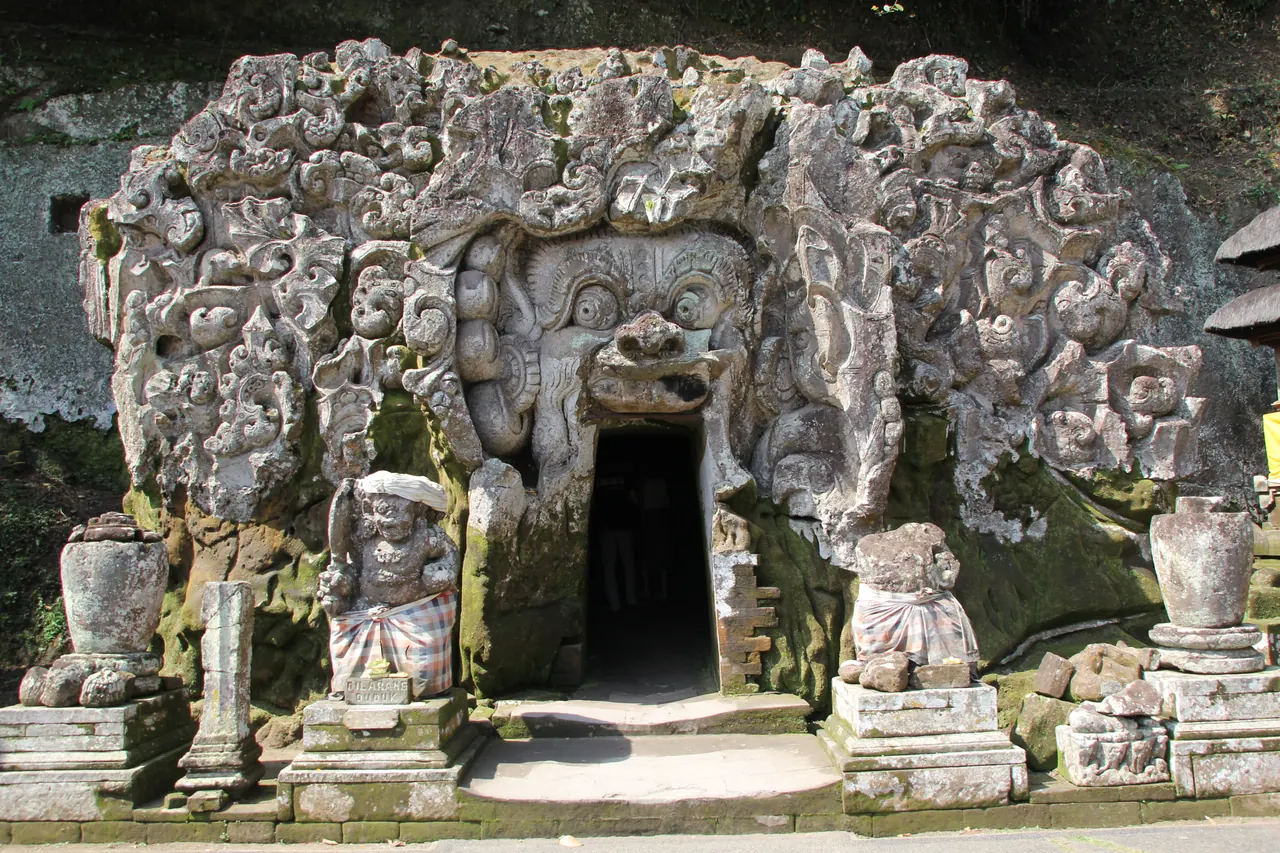
The carved face around Goa Gajah's cave entrance provides an immediate focal point, but the archaeological site rewards looking beyond that doorway. Explore the bathing area and the surrounding stonework to understand how a relatively small cave sits within a wider sacred landscape. Its Hindu and Buddhist associations offer a useful contrast with the island's large contemporary temple compounds.
This is a practical short excursion from an Ubud base, particularly when you prefer one archaeological stop to a long circuit of viewpoints. Allow time for the descent into the grounds and the climb back out; uneven surfaces and damp steps deserve attention. Follow the site's dress instructions, and do not mistake the pools for an invitation to bathe or assume every lower path is suitable for your mobility needs.
Plan it well: Make the cave and bathing area your priorities, then decide whether the remaining paths fit your energy and footwear.
Indonesia Travel: Goa GajahWalk the Sacred Monkey Forest with care
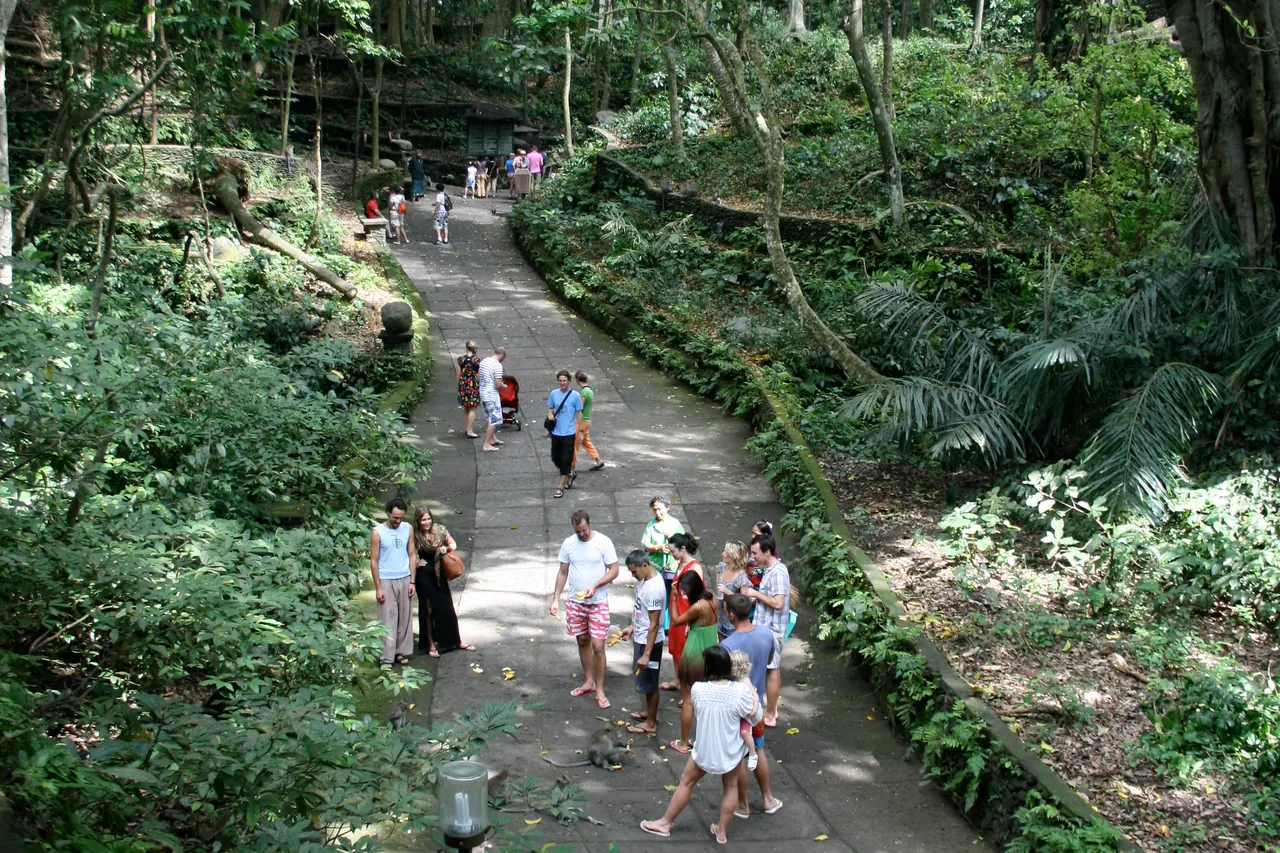
Ubud's Monkey Forest combines woodland paths, stone carvings and temple grounds with a resident population of long-tailed macaques. The trees and architecture are worth seeing in their own right, so approach the walk as a forest visit rather than a search for close-up animal encounters. The temples are sacred spaces, with access reserved for religious purposes.
Read the sanctuary's rules before entering and secure small belongings. Staff guidance specifically discourages touching monkeys, unsupervised feeding and direct eye contact; food can attract attention you did not intend. Keep children close and ask staff for help if an animal approaches. Because the forest is within Ubud, it works well as one main outing followed by an unhurried meal instead of another cross-island drive.
Plan it well: Leave food and loose objects secured, keep your distance, and follow staff instructions rather than other visitors' behaviour.
Monkey Forest: visitor guidelinesWalk through the working terraces of Jatiluwih
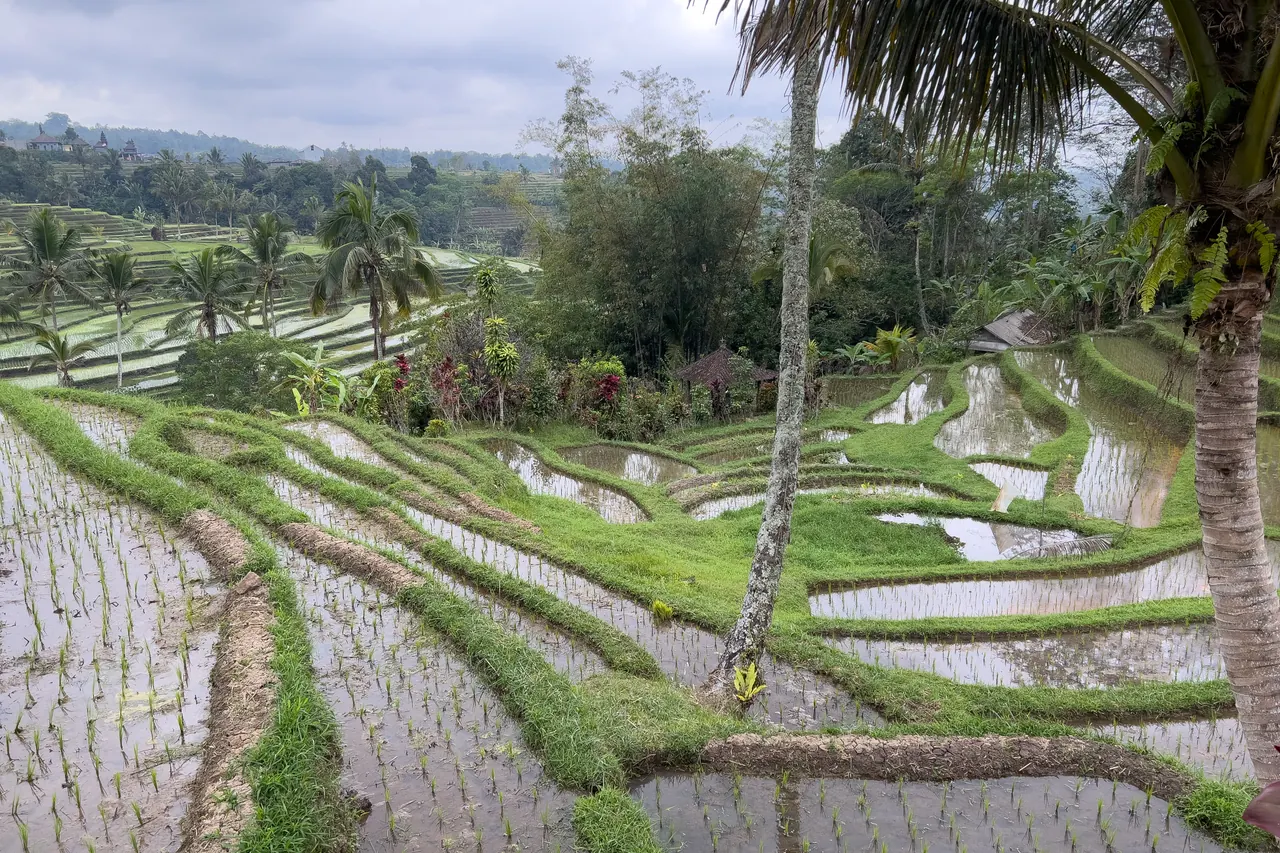
Jatiluwih is most rewarding when you look at the rice fields as working agriculture rather than a green backdrop. Terrace contours, small channels and paths show how the subak irrigation system connects farmers, water and religious life. The landscape is part of Bali's wider cultural heritage; its appearance changes with planting and harvest, so uniformly green fields are not guaranteed.
Choose a marked route that matches the weather and your fitness, keeping to visitor paths instead of stepping onto cultivated banks. Shoes with grip are more useful than dress sandals, and exposed sections call for water and sun protection. Jatiluwih belongs in a Tabanan or highland day; comparing the road route with Bedugul first will help you decide whether a combined outing leaves enough actual walking time.
Plan it well: Ask locally which marked paths are open and suitable that day; rice terraces are farms, not freely accessible photo platforms.
UNESCO: Bali cultural landscapeExplore the pools and gardens of Tirta Gangga
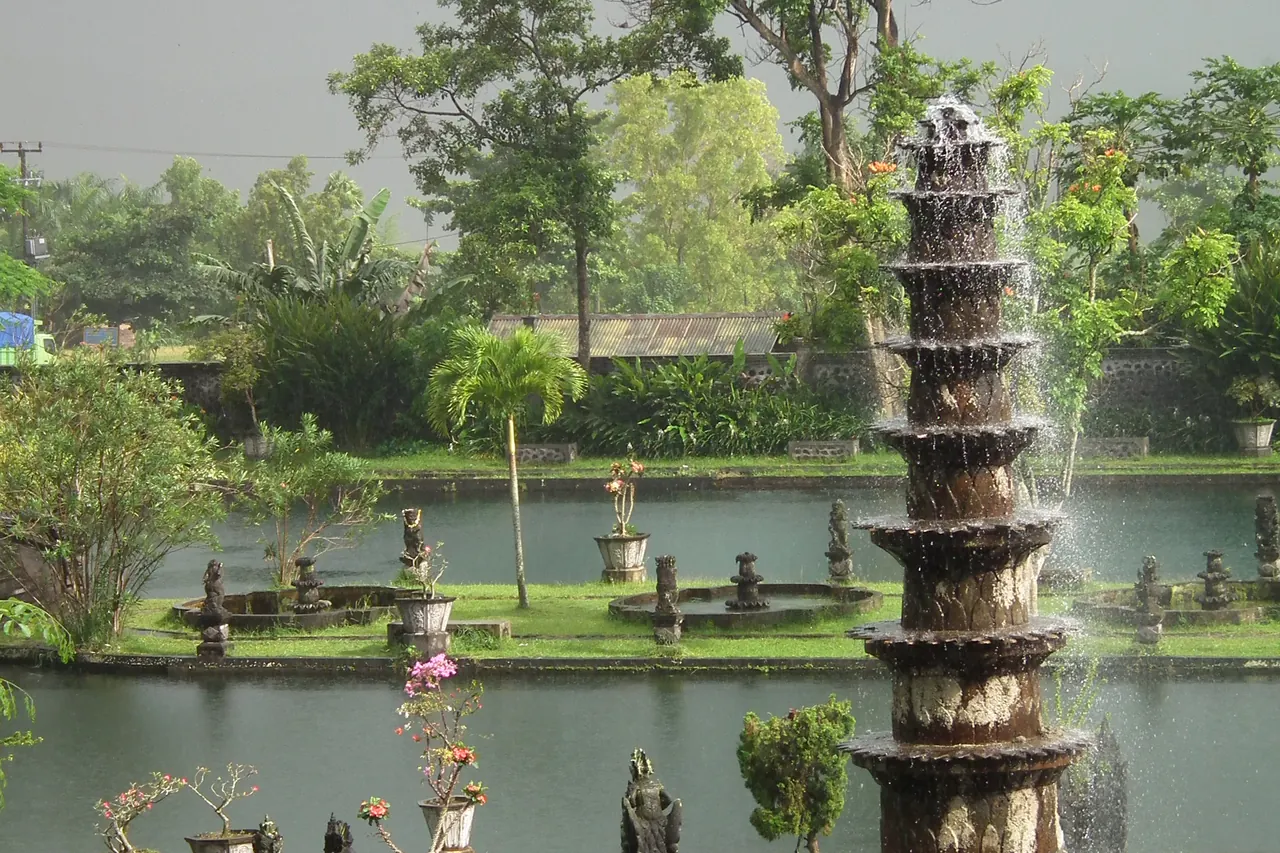
Tirta Gangga brings a different kind of water landscape to the trip: a former royal garden with ornamental pools, fountains and sculptures. Look for the relationship between the formal water features and the hillside setting rather than spending the whole visit in one queue for a stepping-stone photograph. The garden's scale allows details to register without needing a museum-length visit.
Use this as an eastern Bali stop, especially from a Karangasem or Amed base, and allow generous driving time if starting in the south. Pool edges and stepping stones can be wet, so choose a route you can manage confidently and let other people pass. A garden admission should not be treated as permission to swim in every pool; ask which facilities and activities are currently available.
Plan it well: Give the narrow stepping-stone routes time, or view the pools from their edges if balance or mobility is a concern.
Indonesia Travel: Tirta GanggaPut the island's material culture in context at Bali Museum
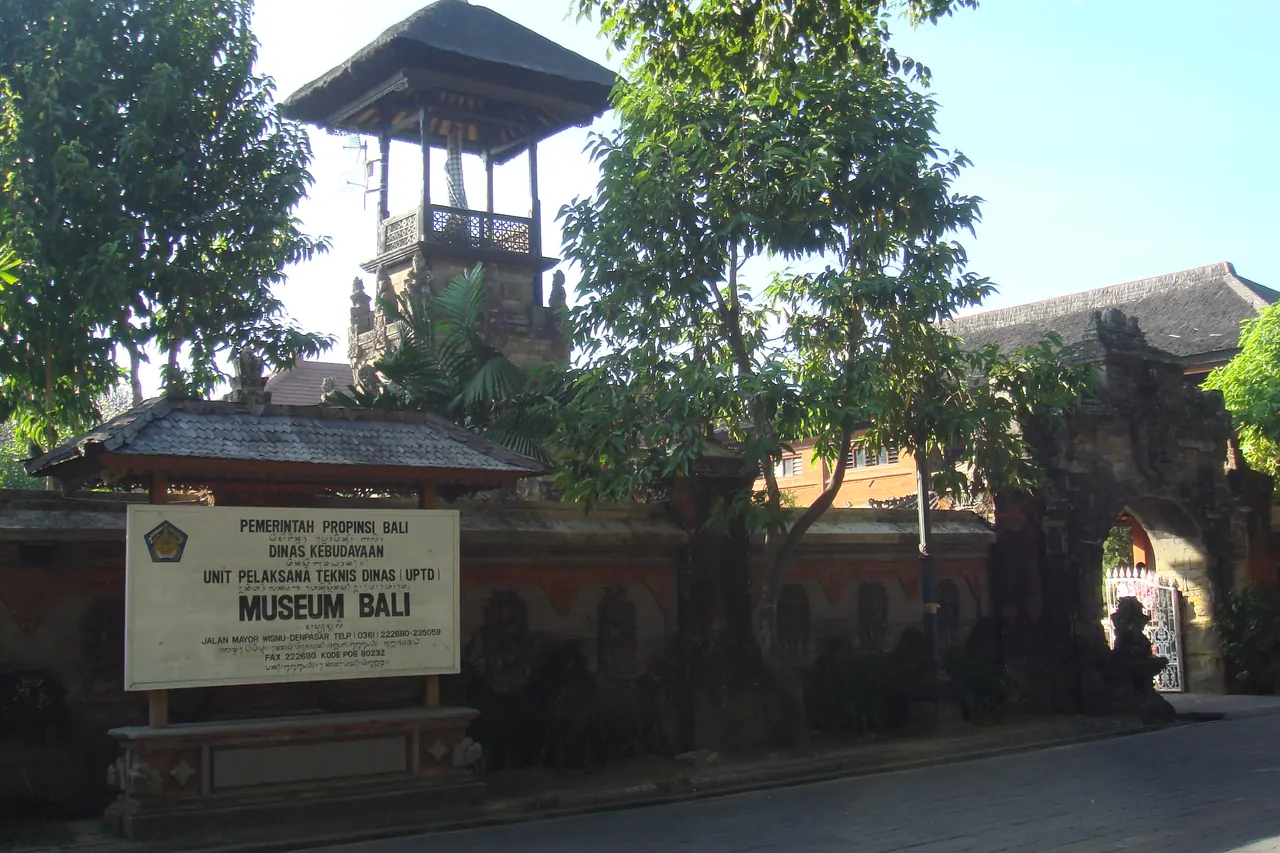
Bali Museum is a useful counterweight to temple visits because its collections bring everyday objects, performance and ceremony into the same conversation. The museum holds ethnographic material relating to Balinese life, including equipment, arts and religious objects. Rather than trying to memorise dates, choose a few pieces that help explain something you have already noticed elsewhere on the island.
The traditional-style buildings and courtyards make the setting part of the visit, while the central Denpasar location gives you a reason to see the city beyond the airport transfer. Check current access before making a special journey, and allow for road traffic from the beach areas. This suits visitors interested in cultural context more than those looking for another coastal panorama; it can anchor a compact Denpasar morning.
Plan it well: Start with a few objects and their labels, then look at the courtyard architecture before leaving the museum grounds.
Bali Culture Office: Bali MuseumHow to spend two days in Bali
Day one: Ubud and one nearby cultural stop
From an Ubud base, visit the Monkey Forest and leave time for lunch in town. Choose Goa Gajah for a shorter archaeological outing or Tirta Empul for a longer Tampaksiring excursion, not both by default. Arrange transport for the chosen route and avoid adding a southern sunset transfer.
Day two: choose the highlands or the coast
For a landscape day, arrange a driver to Jatiluwih and decide whether Bedugul fits the actual road schedule. For a southern stay, use Uluwatu as the main outing instead. Tanah Lot, Besakih and Tirta Gangga deserve separate regional plans on a longer trip.
Before you go
Respect living sacred places
Cover shoulders and knees, wear the sarong or sash required at the entrance, and follow local restrictions including ceremony-related and customary access rules. Ask before photographing worshippers or participating in a ritual.
Indonesia Travel: Uluwatu etiquetteGroup days by region
Compare road routes, not straight-line distances. South-coast traffic and winding highland roads make ten attractions in two days an impractical target. Confirm pickup and return arrangements before a rural or evening outing.
Recheck official entry requirements
Check Indonesian immigration and Bali provincial visitor requirements before departure. Use official payment channels for any applicable visitor levy and retain the receipt.
Bali provincial visitor levy portalChoose a base for the places you want to see
An Ubud base suits the Monkey Forest, Goa Gajah and Tampaksiring; a Bukit stay suits Uluwatu and southern beaches. Choose a Tabanan or Bedugul stay for quieter access to the terraces and highlands, or eastern Bali for Besakih and Tirta Gangga. Check actual road access and transport arrangements, not just an island-wide hotel label.
Explore Bali hotels