
Bali city guide
Where to stay in Bali
Eight Bali bases compared for inland culture, western-coast dining, eastern seafront walks, planned resorts, cliff beaches and diving. Choose a region, not an imaginary island-wide city centre.
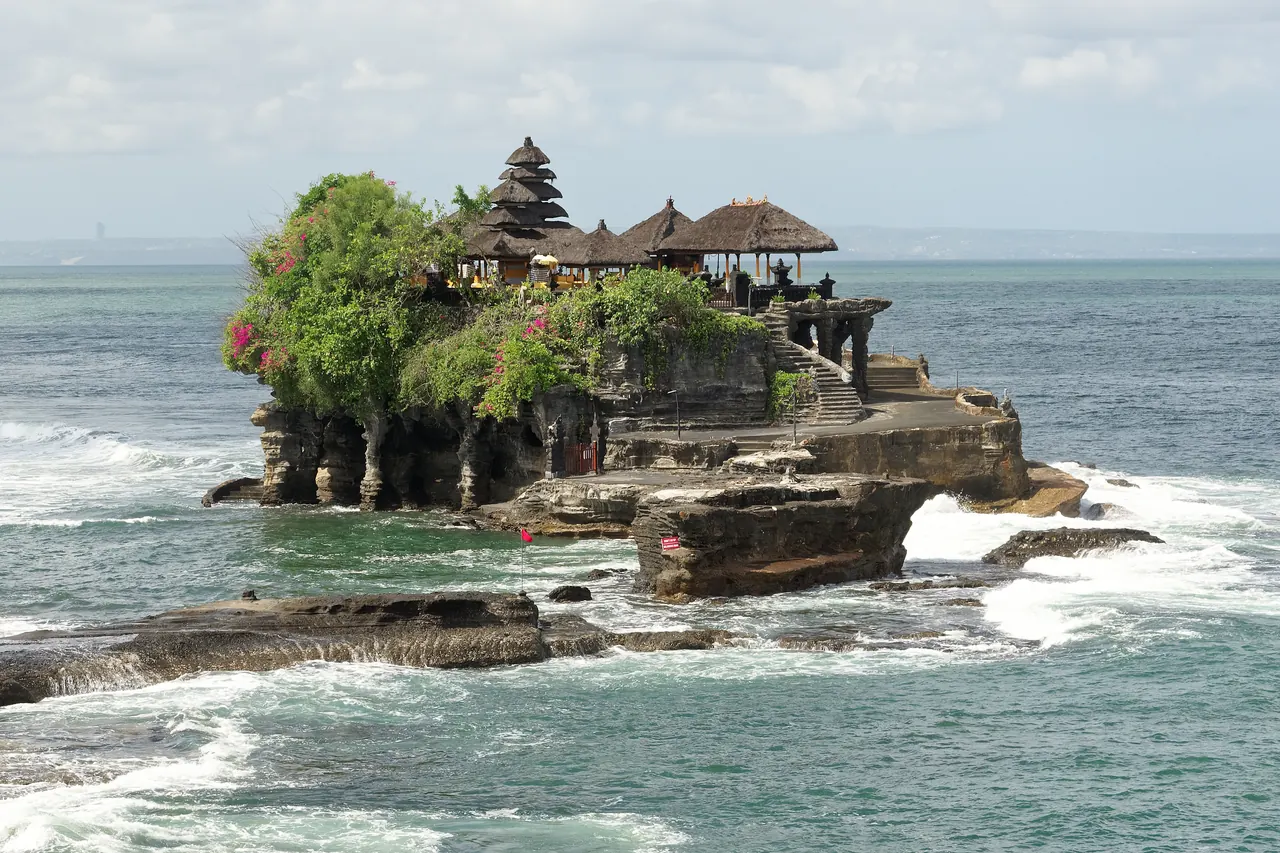
Plan your visit
Bali is an island, not one compact city. An Ubud culture stay, a Seminyak dining break and an Amed diving holiday require different road journeys and evening routines. Choose one base for the days you will repeat, or split a longer stay between genuinely different regions. A famous temple photo does not make that temple part of the neighbourhood around your hotel.
Choose your base
Ubud is the inland arts-and-culture choice. Seminyak favours restaurants and western beach evenings; Canggu prioritises surfing and cafe clusters. Sanur offers an eastern seafront walking routine, while Nusa Dua is the planned resort-and-conference option. Jimbaran combines bay-side dining with the southern airport corridor. Uluwatu and Pecatu suit cliffs and surf beaches; Amed is the east-coast diving base. These are selected regional bases, not an exhaustive list of Bali's towns.
Ubud: culture, art and an inland town routine
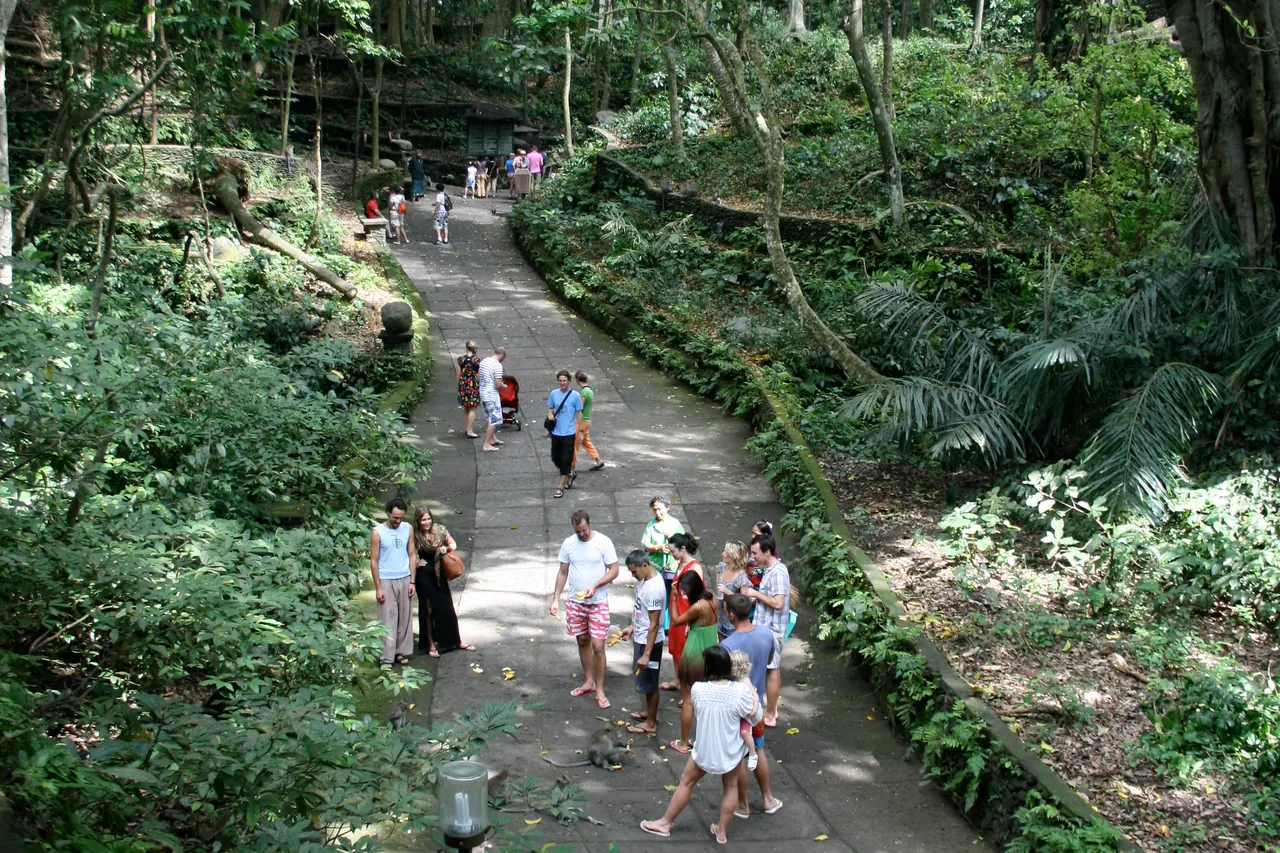
Central Ubud works when galleries, market browsing, performances and a local dinner are the daily priorities. Jalan Monkey Forest links the town's restaurant-and-shop streets with the Sacred Monkey Forest in Padangtegal, while the palace and market area gives the northern centre another focus. Museum Puri Lukisan and the wider art scene make it worth spending time here rather than only passing through on a driver tour. A villa marketed as 'Ubud' can sit in an outlying valley or village, so central-town access and an isolated pool stay are different choices.
Airport travel is by road. Kura-Kura currently advertises a reservation-based Kuta-Ubud shuttle, with Puri Lukisan named as its regular Ubud stop in the operator's recent service notice; it is not a doorstep airport service. Traffic and hilly approaches are the cost of combining a busy town with valley accommodation. Choose Sanur for seafront walks, or Seminyak when coastal dining and western beach evenings matter more than inland culture.
Plan it well: The map and photograph show the Monkey Forest in Padangtegal, south of the palace/market centre; they do not identify an outlying villa.
Indonesia tourism: UbudSeminyak and Petitenget: dining and western beach evenings
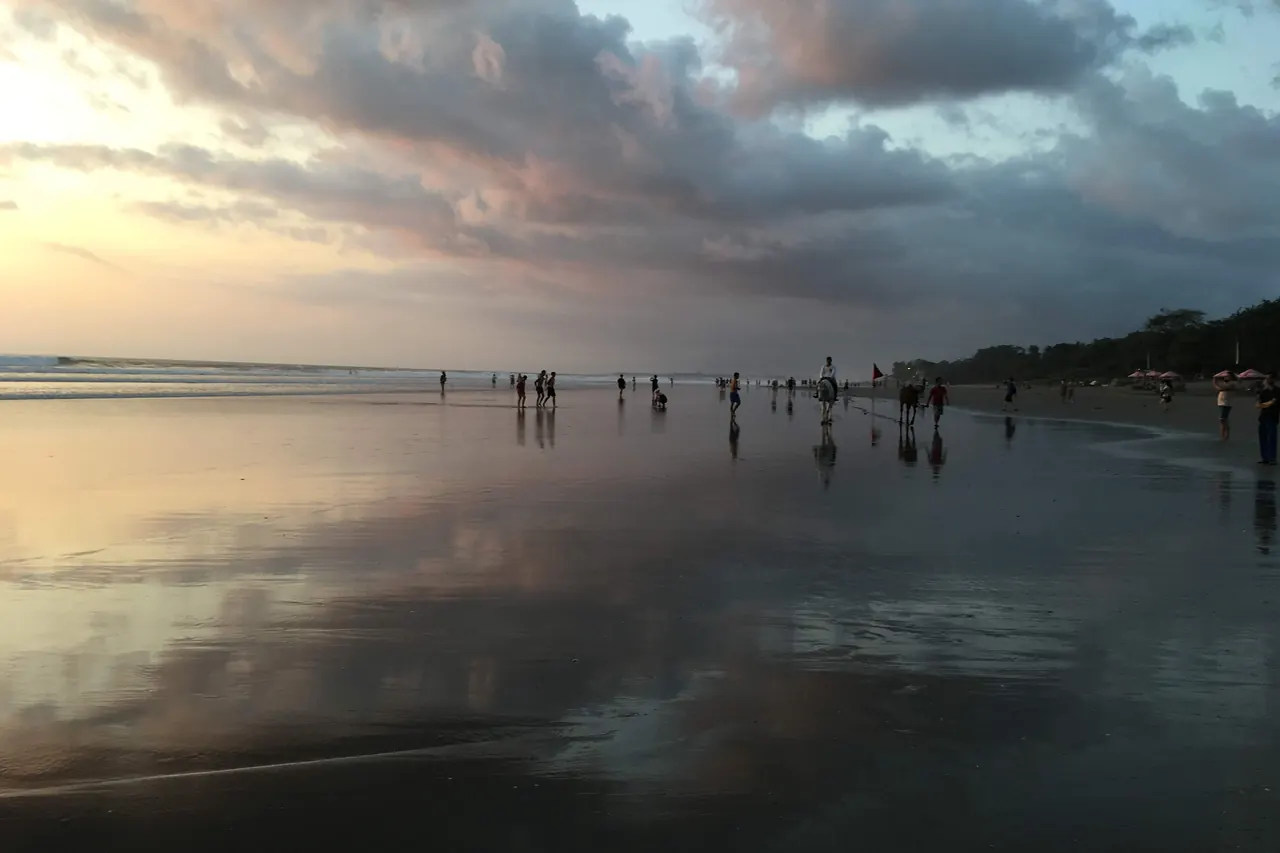
Seminyak stretches from the Double Six end toward Petitenget, combining shops, restaurants and western-coast beach hotels. It suits travellers who want dinner choices and a beach evening in the same regional base, rather than a quiet inland retreat or a self-contained conference resort. The Double Six side and the Petitenget hotel-and-dining pocket are distinct ends of the stay area; select the one that matches the streets you expect to use. Petitenget Temple is local, whereas Tanah Lot is a separate outing farther along the coast in Tabanan.
Indonesia's tourism page identifies Seminyak as part of the congested Kuta-Legian west-coast corridor, with Sunset Road offering another road approach. DPS arrivals therefore need a road transfer, not an assumed airport rail or island-wide shuttle link. Narrow streets and evening activity can make a short map distance slow or noisy. Choose Sanur for an eastern promenade routine, or Nusa Dua when hotel facilities and a planned resort layout matter more than restaurant-hopping.
Plan it well: The photo shows Seminyak's own shoreline in evening light. Tanah Lot is not relabelled as a Seminyak landmark.
Indonesia tourism: SeminyakCanggu and Berawa: surf beaches and cafe clusters
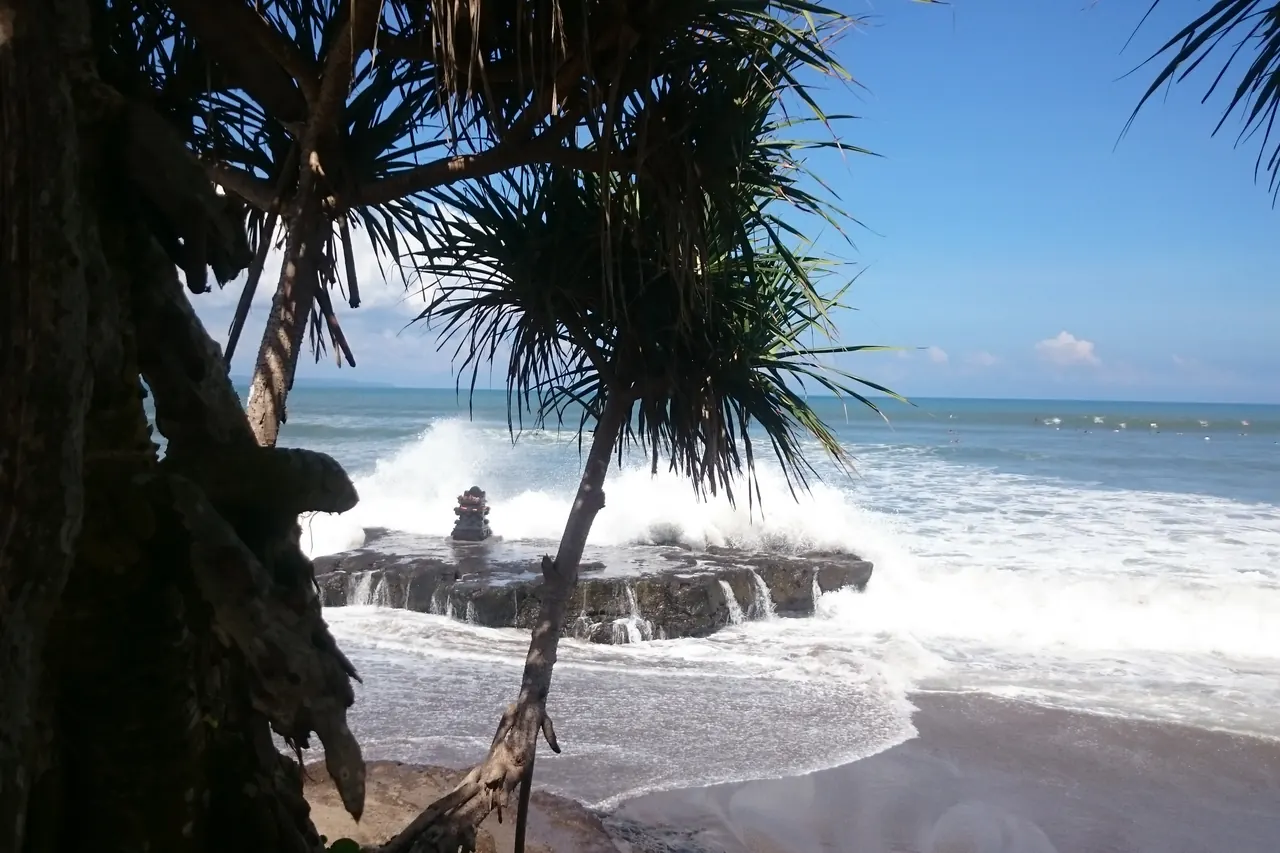
Canggu is best understood as several linked visitor pockets rather than one walkable centre. Batu Bolong has its own beach approach and cafe streets; Berawa has another cluster around its beach and accommodation roads, with Echo Beach and Pererenan representing further choices along the western coast. This suits a stay focused on surfing, beach-side venues and local meals, not a plan that treats every Bali sight as a short outing. Decide which pocket should be close to the hotel before comparing a broad 'Canggu' address.
Airport access is by road through the southern urban corridor. Kura-Kura's current public shuttle description does not establish a Canggu route, so a private transfer or locally arranged vehicle is the practical planning reference. Junction congestion and gaps between the beach pockets reduce the value of straight-line distances. Surf exposure also makes this a different beach choice from a calm-water expectation. Choose Seminyak for a more established dining-and-hotel strip, or Sanur when the continuous eastern seafront path is the main attraction.
Plan it well: The map is the Canggu village anchor, inland from the pictured Batu Bolong surf coast. Berawa is a distinct neighbouring stay pocket.
Indonesia tourism: Berawa BeachSanur: an eastern seafront walking routine
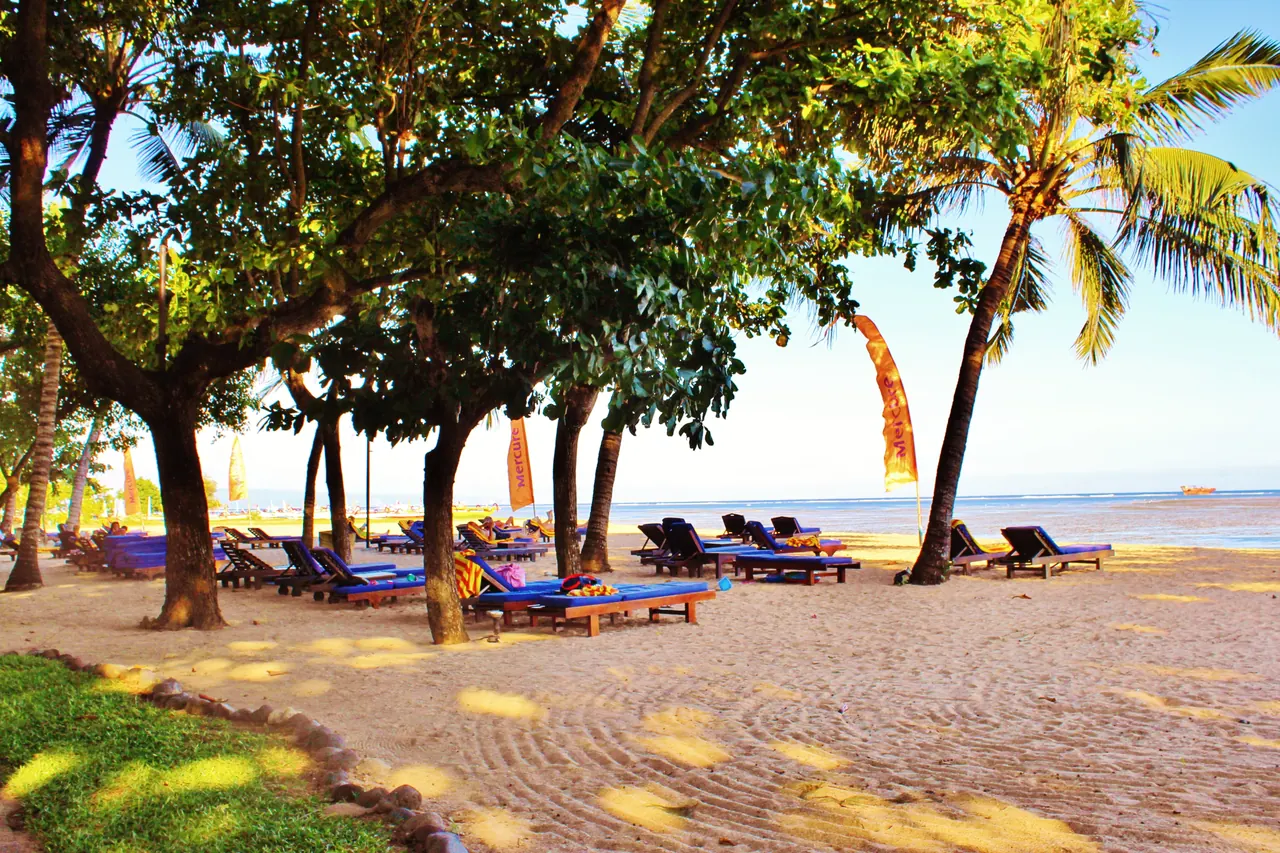
Sanur faces east, with sunrise views and a seafront path that supports walking and cycling between beach sections. The Danau Tamblingan-side hotel and restaurant streets provide a different daily routine from Seminyak's western sunsets or Canggu's separated surf pockets. It is useful when you want meals and an easy coastal stroll to be regular parts of the stay, rather than a late-night venue circuit. A hotel near the northern harbour and one farther south toward Mertasari still have different beach and dining surroundings.
DPS arrivals use a road transfer around the southern Denpasar corridor. The airport's verified taxi and app-pickup arrangements are useful here, but they do not supply a rail connection to the seafront. The coast's relatively sheltered reputation is not a guarantee of swimming conditions: tides and the particular beach section remain relevant. Choose Ubud for inland galleries and performances, or Seminyak for western-coast restaurant evenings; Sanur trades those settings for a more continuous seaside routine.
Plan it well: The Wikidata point broadly identifies the Sanur beach strip. The photograph is a beach section, not a promise of private hotel access.
Indonesia tourism: Sanur's coastal attractionsNusa Dua: a planned resort and conference base
Nusa Dua is a planned tourism complex on Bali's southeastern peninsula, with major hotels, landscaped internal roads and a different atmosphere from a village-main-street stay. Bali Collection supplies a concentrated shopping-and-dining option, while Museum Pasifika adds a cultural visit within the complex. This is useful for travellers who want the hotel to provide much of the holiday, or who are attending a conference nearby. Check whether the property is inside the principal tourism complex or on the wider Nusa Dua coast, because the name is used beyond one compact hotel cluster.
Airport arrival is a road transfer; the airport's taxi and app-pickup points are verified, but no scheduled doorstep public-bus link is assumed for the individual resort. The planned layout can simplify a hotel-focused routine while reducing the spontaneous neighbourhood dining that makes Seminyak appealing. Beach access and hotel facilities still depend on the property. Choose Sanur for a more continuous public seafront-walk focus, or Jimbaran when bay-side seafood meals are a central part of the stay.
Plan it well: The point identifies Nusa Dua broadly; distinguish the planned complex from properties farther along the southeastern coast.
ITDC: The Nusa Dua tourism complexJimbaran: bay-side dining on the southern airport corridor
Jimbaran gives the trip a bay rather than a surf-pocket focus, with beach-side seafood meals forming an obvious evening plan. It lies south of the airport on the western side of the peninsula, making a useful regional base for travellers who want southern outings without staying deep in the Pecatu cliff roads. Choose between a property near the sandy bay and one on the surrounding slopes: a panoramic villa view does not necessarily put dinner or the beach within a convenient walk.
Airport access is by road, using an arranged transfer or the verified taxi/app arrangements at DPS. The geographical relationship is useful, but traffic and the hotel's access road prevent it from becoming a guaranteed short journey. Clifftop and inland accommodation can leave more daily vehicle dependence than the bay name suggests. Choose Uluwatu/Pecatu for repeated surf and cliff outings, or Seminyak when a broader shop-and-restaurant circuit is more important than bay-side seafood evenings.
Plan it well: This is the Jimbaran settlement anchor, not a particular seafood restaurant or beachfront hotel entrance.
Indonesia tourism: Jimbaran BeachUluwatu and Pecatu: cliffs, surf and spread-out coastal stays
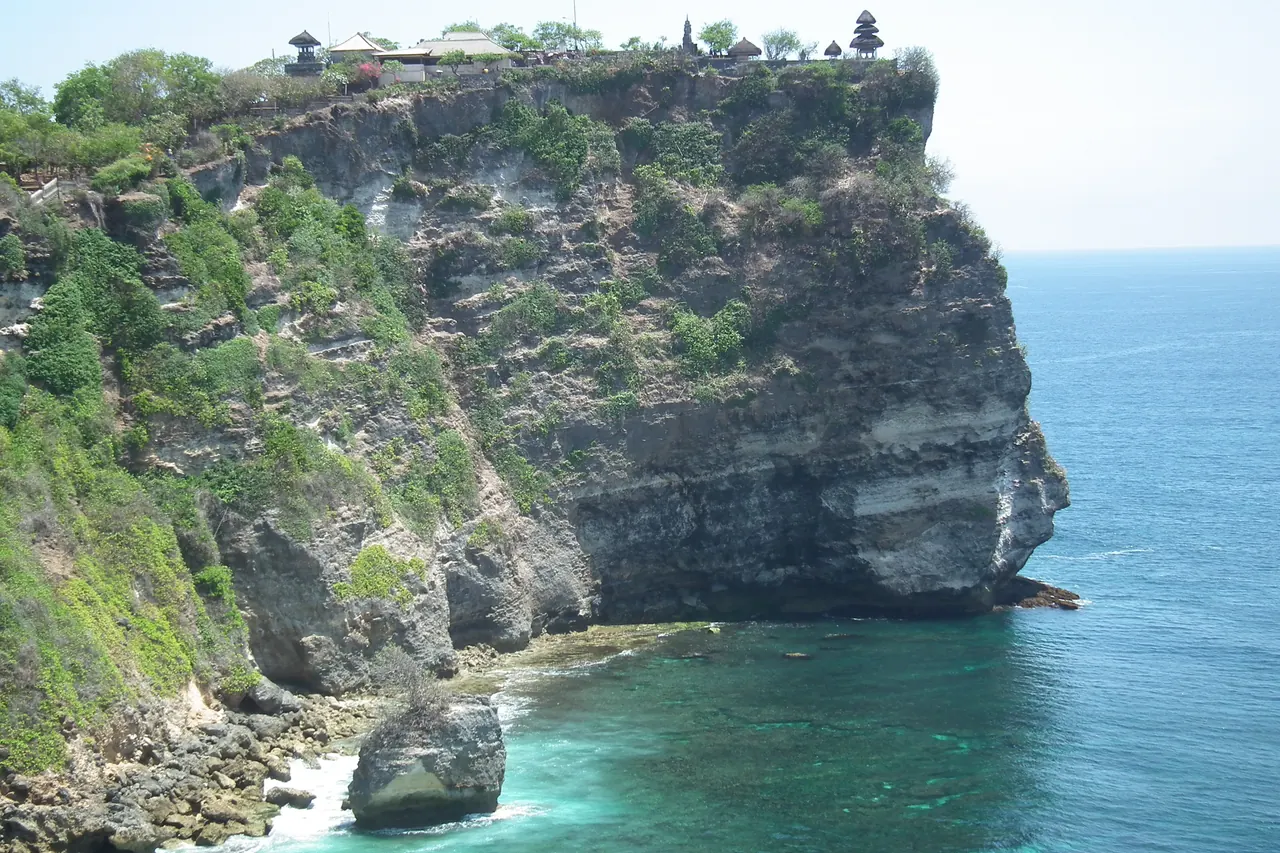
Uluwatu and the wider Pecatu area occupy the southwestern Bukit peninsula, where limestone cliffs and separate beach approaches create a very different stay from Sanur's long promenade. Uluwatu Temple and its Kecak setting are genuinely local, while Suluban's surf coast offers another nearby focus. Dining tends to follow the hotel and beach-access pockets rather than one continuous town street. A clifftop resort can be excellent for its own facilities while leaving the next beach or dinner venue a vehicle journey away.
The airport connection is by road through the peninsula. No current island-wide shuttle route is assumed for the individual cliff property, and the last access road matters as much as the regional label. Steps, slopes and strong surf make beach suitability particularly property-specific; sacred parts of the temple also have visitor restrictions. Choose Jimbaran for a bay-side seafood routine, or Sanur if a continuous seafront walk is more useful than cliff views and surfing.
Plan it well: The pin and photo identify Uluwatu Temple on the cliff, not a hotel cluster or a beach entrance.
Indonesia tourism: Uluwatu Temple and PecatuAmed and Jemeluk: an east-coast diving base
Amed is a string of eastern fishing-village and beach pockets rather than a single compact resort centre. Jemeluk, Bunutan and Lipah give different choices for dive operators, local warungs and a coastal accommodation routine. This is the base to choose when underwater time and quieter village-scale evenings are the actual plan, not when you want to return to southern Bali's restaurants every night. Tulamben's Liberty wreck lies elsewhere along the coast, and Tirta Gangga is inland: neither should be presented as a feature outside every Amed hotel.
Airport arrival requires a cross-island road transfer, so arrange the journey with the accommodation or a driver instead of assuming a southern-area shuttle reaches this coast. Moving between the separate beach pockets also needs an address-level transport plan. The limited fit with daily southern nightlife and an early airport departure is the main trade-off. Choose Sanur for a more connected southern seafront base, or Ubud if inland cultural outings outweigh diving.
Plan it well: The Wikidata coordinate is a coarse regional anchor for the Amed village group, not a precise Jemeluk dive site or hotel point.
Indonesia tourism: activities in AmedArrival and realistic regional connections
Use road geography to build the stay, then plan the actual transfer. Southern airport pickups, the Kuta-Ubud shuttle and an Amed road journey are not interchangeable services.
DPS airport pickup
Grab's current airport page identifies its lounge at International Arrivals. Use the airport's designated pickup instructions for your terminal; arrange a vehicle suitable for your chosen region rather than assume one flat island-wide transfer.
Grab: Ngurah Rai airport transfersKuta-Ubud shuttle corridor
Kura-Kura currently advertises scheduled Kuta-Ubud trips with reservations required. This is a limited service corridor, not proof of public-bus coverage for all eight bases or a direct terminal pickup.
Kura-Kura: current shuttle serviceUbud boarding point
The operator identifies Puri Lukisan Museum as its regular stop. Its temporary move to Lapangan Astina applied only on 25-27 September 2026; check the latest service notice for your travel date.
Kura-Kura: Ubud stop noticeTravel advice and local restrictions
Check current Indonesia advice and local volcanic exclusion zones before adding mountain outings. Bali is not covered by a blanket avoid-travel advisory in the advice reviewed on 5 October 2026. Temple access rules and the annual Nyepi restrictions require separate planning.
FCDO: Indonesia travel adviceNyepi and day-specific arrangements
For a stay spanning Nyepi, confirm the relevant year's date, indoor hotel arrangements and airport operation with the property and carrier. Do not apply an old year's date to a new trip.
FCDO: Indonesia safety and local restrictionsFind a Bali hotel for the region you will use
Compare Bali hotels by the coast or town you intend to use repeatedly. A central Ubud room and a valley villa have different local access; a Jimbaran bay address and a Pecatu cliff property have different beach approaches. For a longer trip, compare a deliberate inland-and-coast split with the time spent making the same cross-island journey every day.
Explore Bali hotels