
Ubud city guide
10 things to do in Ubud
Balance Ubud's forest sanctuary and art museums with rice-terrace views and a carefully planned excursion to Bali's temple landscapes.
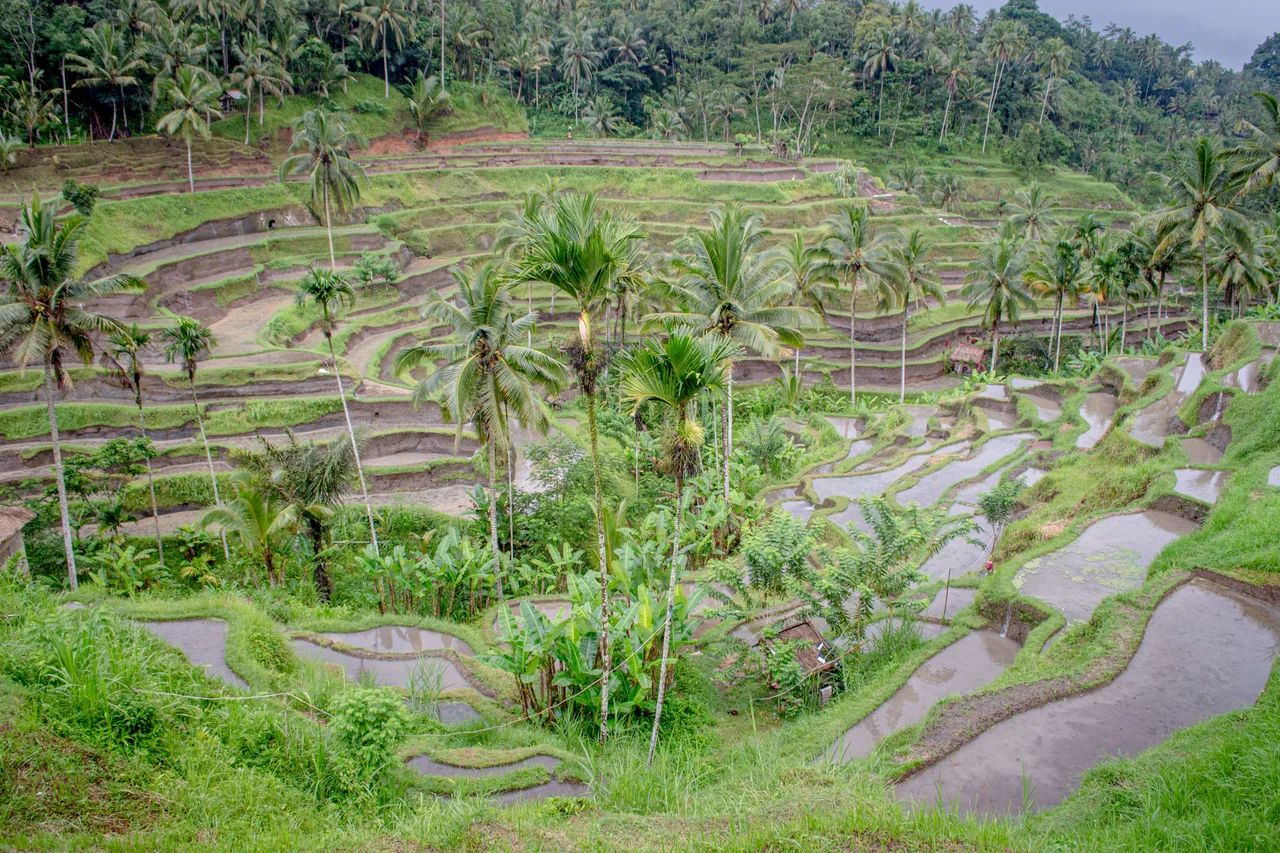
Plan your visit
Ubud combines working villages, art collections and sacred places with a busy visitor centre. The palace and nearby museum can share a walking morning, but rice terraces and the Tampaksiring temples need a road journey. Choose fewer stops and allow time for traffic, steps and local religious activity. A forest photograph or a villa's green surroundings do not mean every journey is quiet, walkable or close to central Ubud.
Walk respectfully through the Monkey Forest sanctuary
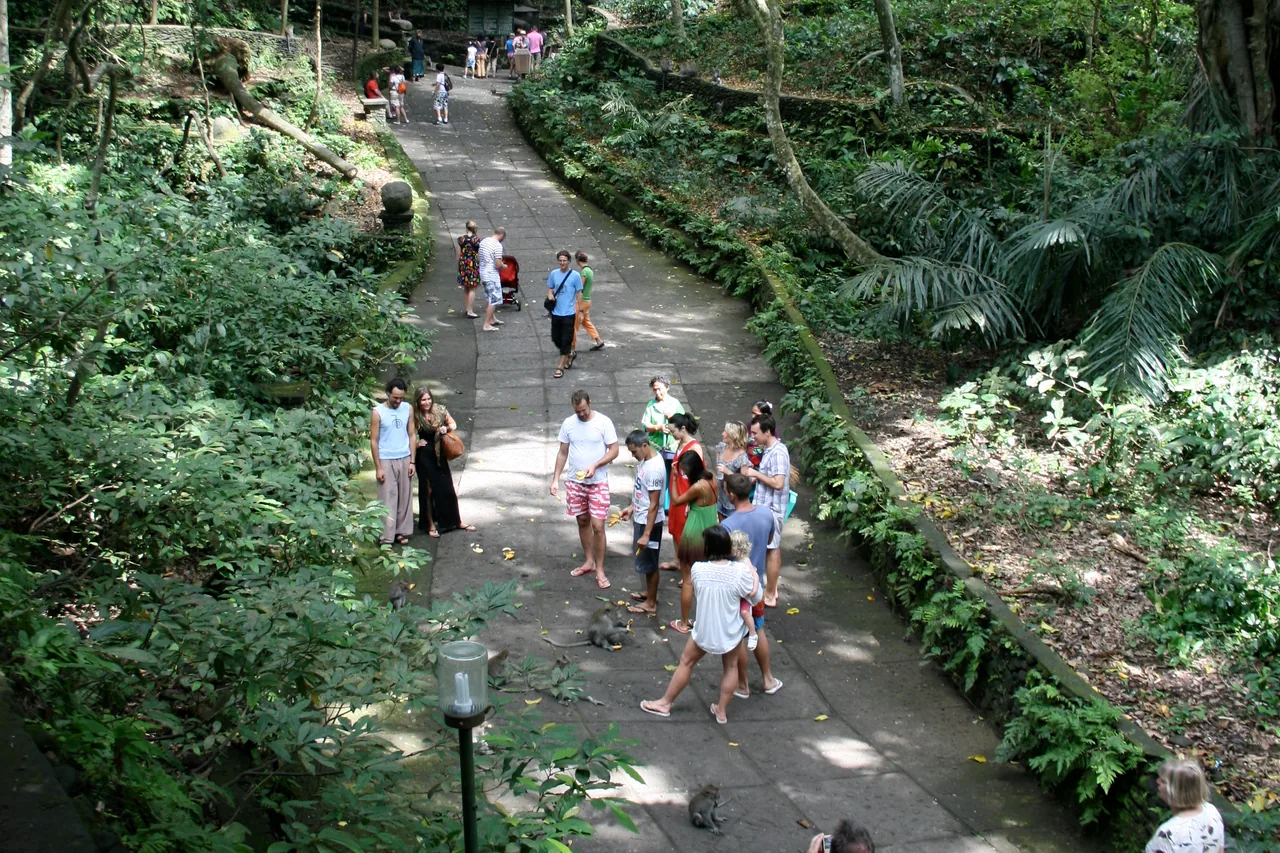
Ubud Monkey Forest is a wooded sanctuary and temple complex, not a petting attraction. The paths, stone features and dense vegetation make the setting worth exploring even without pursuing close-up animal photographs. Notice how the sacred spaces sit within the forest and keep to the routes open to visitors. Temple areas can have their own restrictions; a sanctuary admission does not imply permission to enter every courtyard or join religious activity.
Read the operator's guidelines before entering and follow staff instructions throughout the visit. Do not feed, touch or provoke the macaques, and keep food and loose possessions secured. Give animals room on the path rather than forcing a photograph or trying to retrieve something by confrontation. Plan a comfortable route with time for the forest itself. If close wildlife encounters are not suitable for your group, choose an art museum or a different village walk instead.
Plan it well: Respect the sanctuary's rules rather than copying another visitor's interaction with an animal.
Monkey Forest Ubud: sanctuary and visitor guidelinesUse Ubud Palace as a central reference
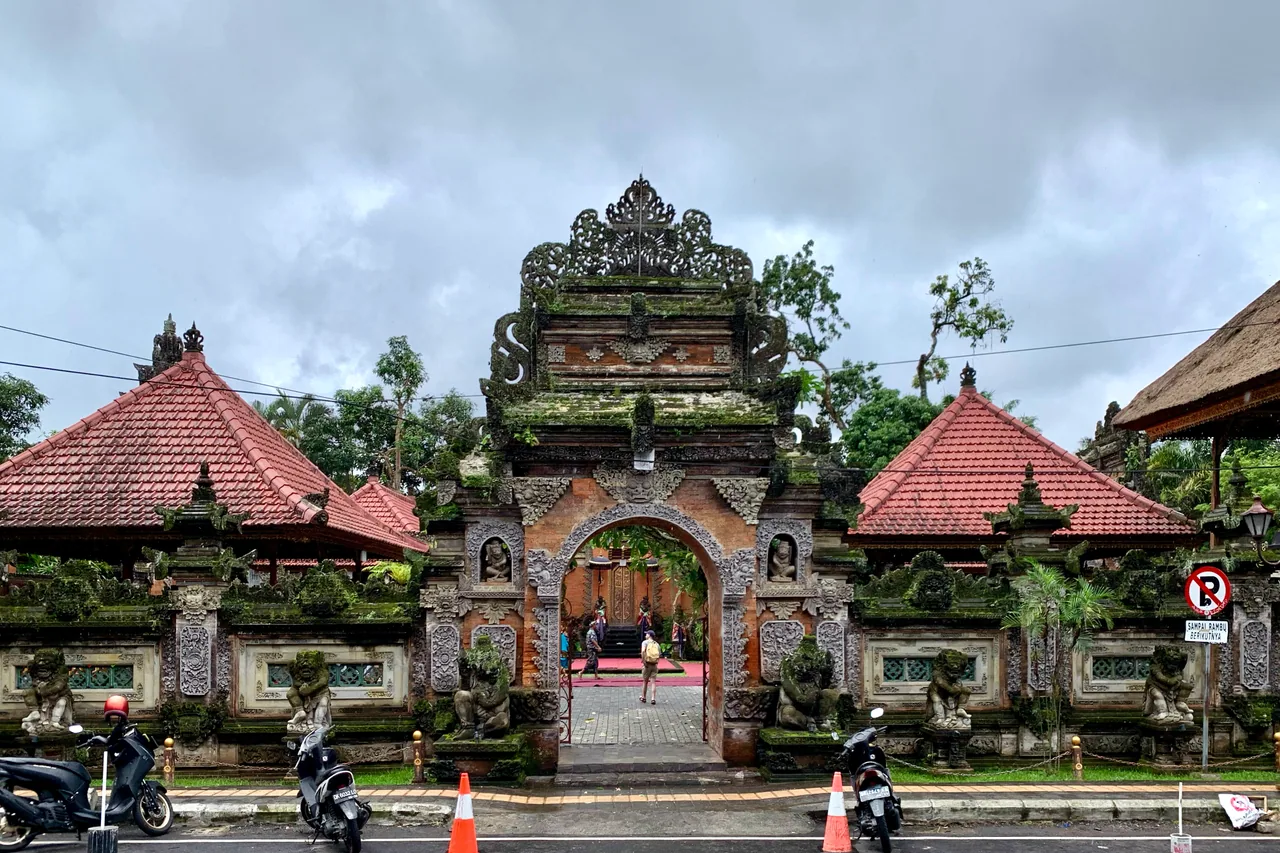
Ubud Palace gives the busy town centre a recognisable cultural anchor. Its carved entrance and architectural details make a worthwhile stop before exploring neighbouring streets, but it remains a place with restricted and private spaces. Look carefully at the parts available to visitors instead of assuming every doorway leads to a public attraction. The palace works well alongside Museum Puri Lukisan because both sit within the central Ubud area.
Check current access and any performance arrangements locally rather than assuming a daytime visit includes an evening event. Keep entrances clear and be considerate of ceremonies, staff and other visitors. Traffic along Jalan Raya can interrupt a simple walking route, so choose crossings carefully and leave time between stops. Return for a separately confirmed performance only if it suits your evening, rather than building the day around an unverified schedule or treating every advertised dance as a palace event.
Plan it well: Public visitor space is not permission to enter private palace areas.
Indonesia Travel: UbudStart an art-focused morning at Puri Lukisan
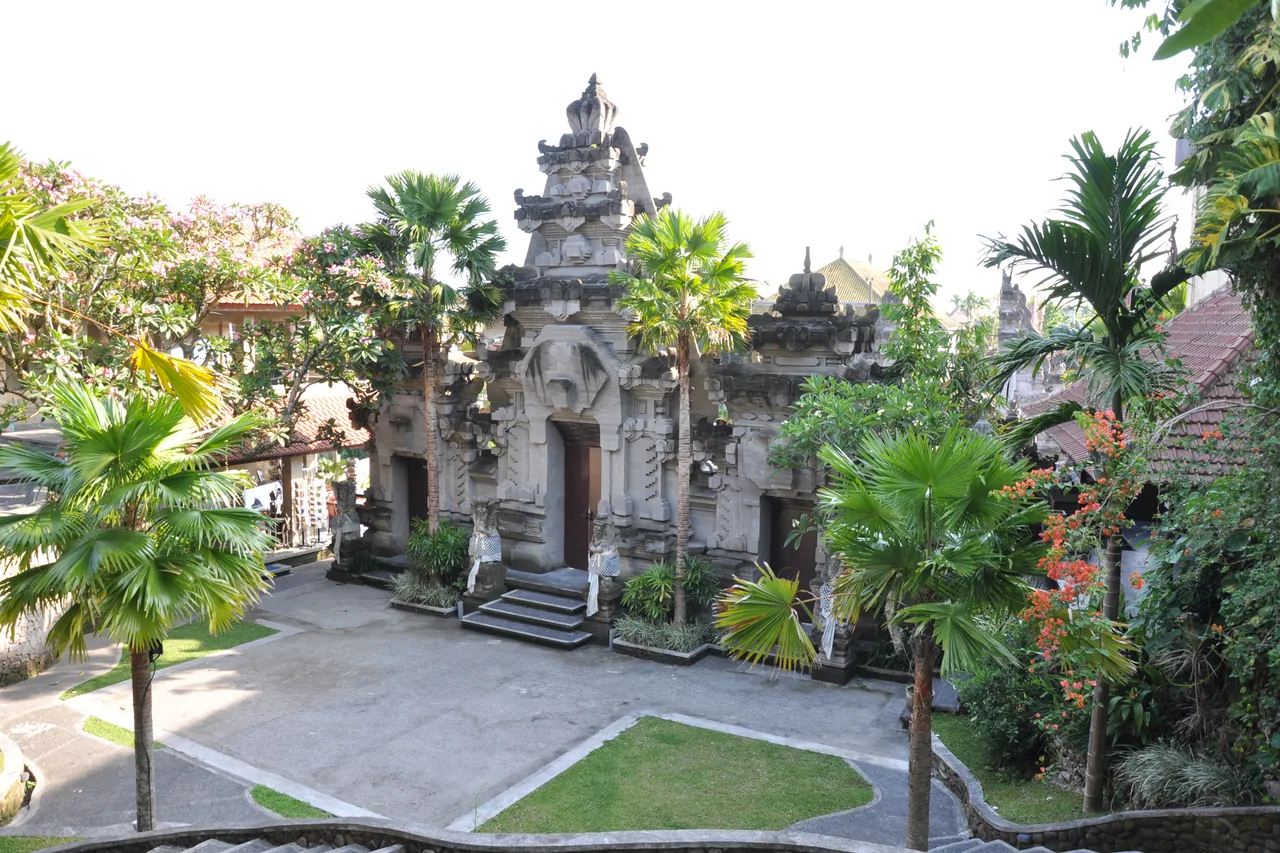
Museum Puri Lukisan is a central option for understanding Ubud through its art rather than only its landscape. The collection and garden setting invite a slower visit, with time to compare works and read the available interpretation. It is particularly useful early in a stay, when an art museum can provide context for the carved buildings, workshops and images encountered around town. The museum's own directions place it west of the palace on Jalan Raya Ubud.
Choose this museum deliberately rather than promising yourself a complete circuit of every Ubud collection in one day. Check current exhibitions and visitor information, then allow a break before continuing through the centre. Follow photography rules inside the galleries and avoid relying on the garden photograph to infer which artworks are currently displayed. A palace stop and one museum make a manageable morning; a second collection can be saved for another day or for less favourable outdoor conditions.
Plan it well: Use the museum's own exhibition information, not an old gallery photograph, to plan your visit.
Museum Puri Lukisan: official museum informationMake a separate art stop at Neka Museum
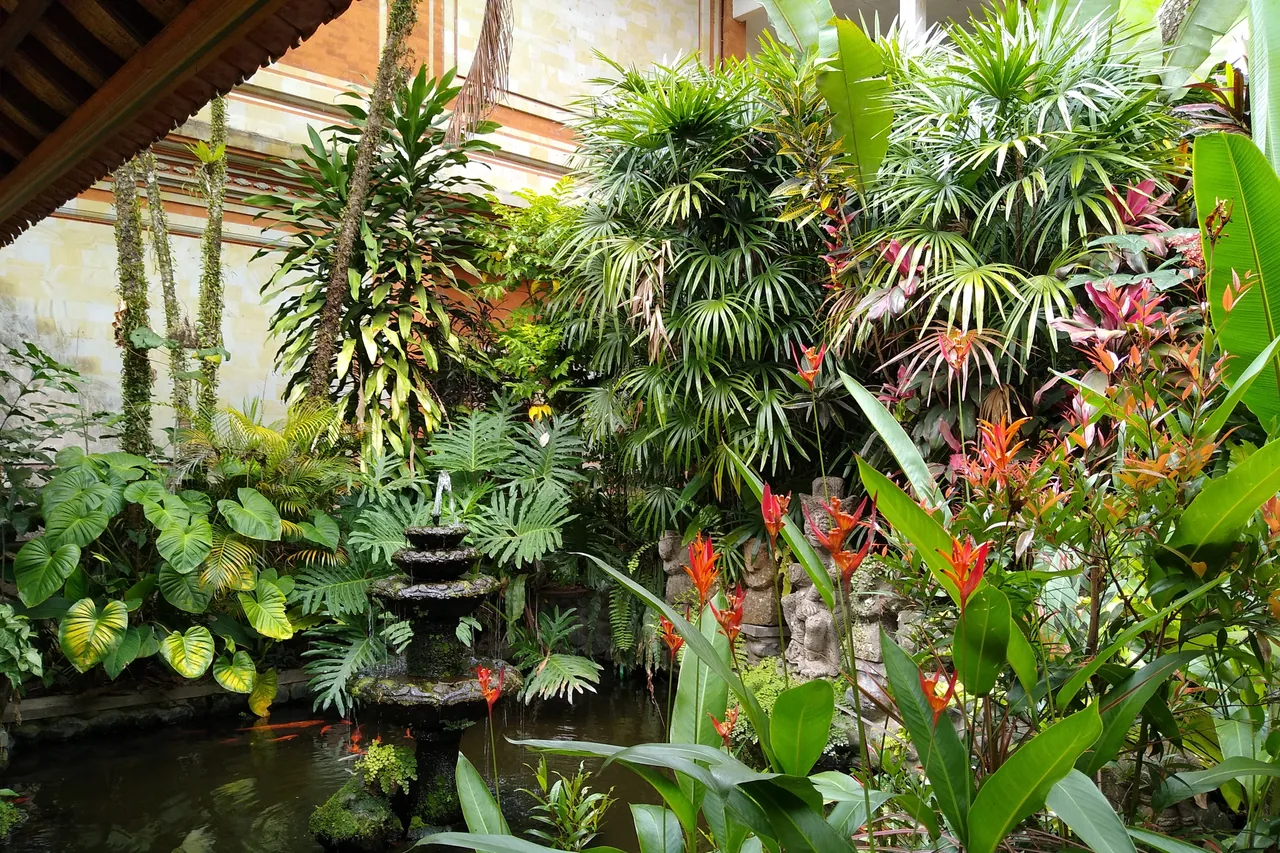
Neka Art Museum offers another way to see Bali's artistic traditions and the work associated with Ubud. Its landscaped setting is part of the experience, but the reason to visit is the collection rather than simply a green backdrop. Approach the galleries with a few questions: how do subjects differ, which details recur, and how does the available interpretation place each work in context? You do not need specialist knowledge to make the visit worthwhile.
Sanggingan is outside the compact palace-and-market walking circuit. Check the road journey from your accommodation and decide whether this will be the main museum of the day. Look up current access and exhibitions before departing, particularly if you hope to see a specific work. Follow gallery rules and leave time to pause afterwards. Combining Neka with every other museum and a distant temple route would reduce the attention each place deserves and add unnecessary transport.
Plan it well: Treat Sanggingan as a separate location, not an adjacent stop on the central palace square.
Indonesia Travel: Ubud art museumsExplore the collections at ARMA
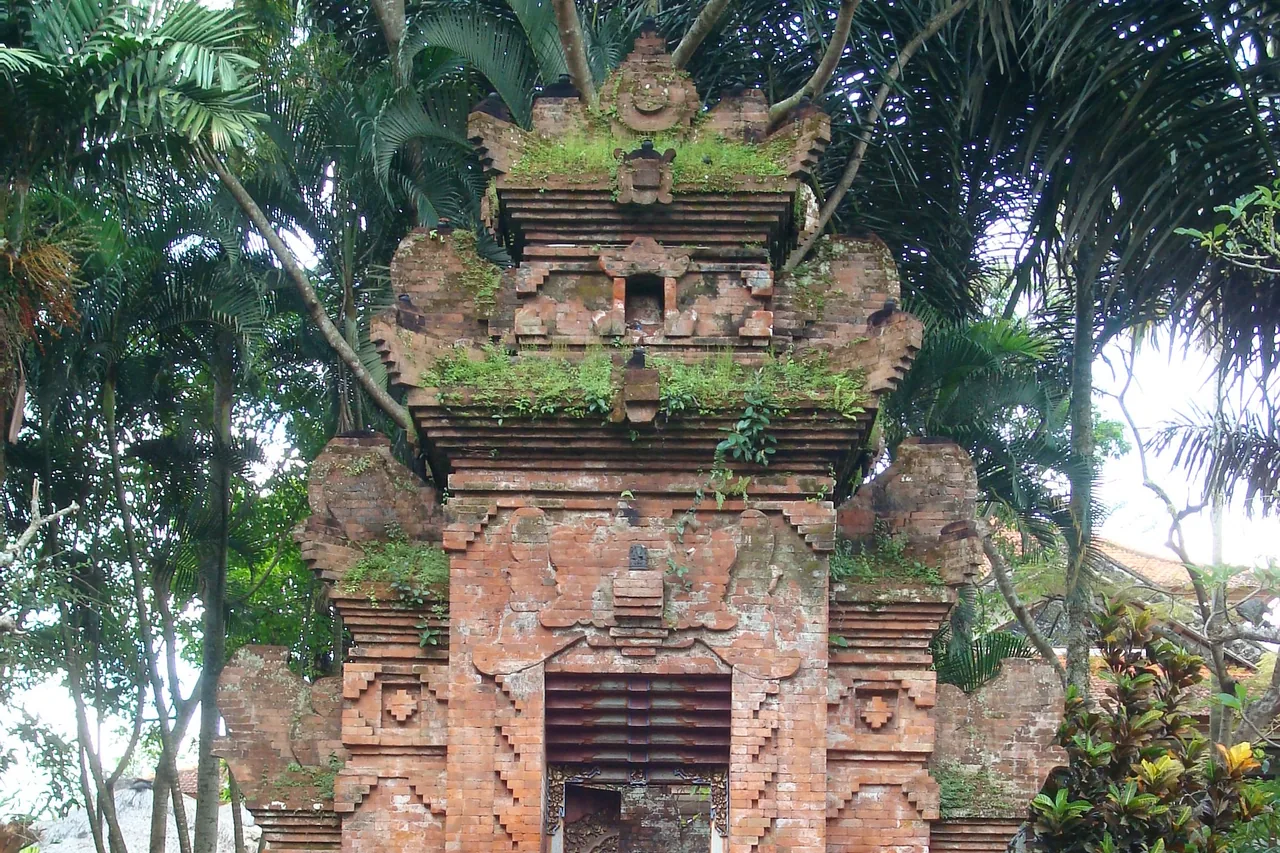
The Agung Rai Museum of Art, usually called ARMA, places visual art within a broader cultural setting in Pengosekan. Its official collection includes Balinese, Indonesian and foreign artists, giving you an opportunity to compare different responses to the island rather than looking for a single signature image. Spend time with the collection and any current interpretation; the museum's gardens provide an interval between galleries, not a substitute for seeing them.
ARMA is associated with a resort and other activities, but a museum visit should not be assumed to include accommodation facilities, performances or workshops. Confirm anything beyond the galleries with the operator and check current arrangements. The southern location can work with a Padangtegal-based day if transport and available time suit. Pick one or two art stops for the whole visit rather than using ARMA as a brief photo opportunity on a crowded temple excursion.
Plan it well: Confirm workshops or performances separately; they are not guaranteed by a museum visit.
ARMA: official museum informationSee the distinctive setting of the Blanco museum
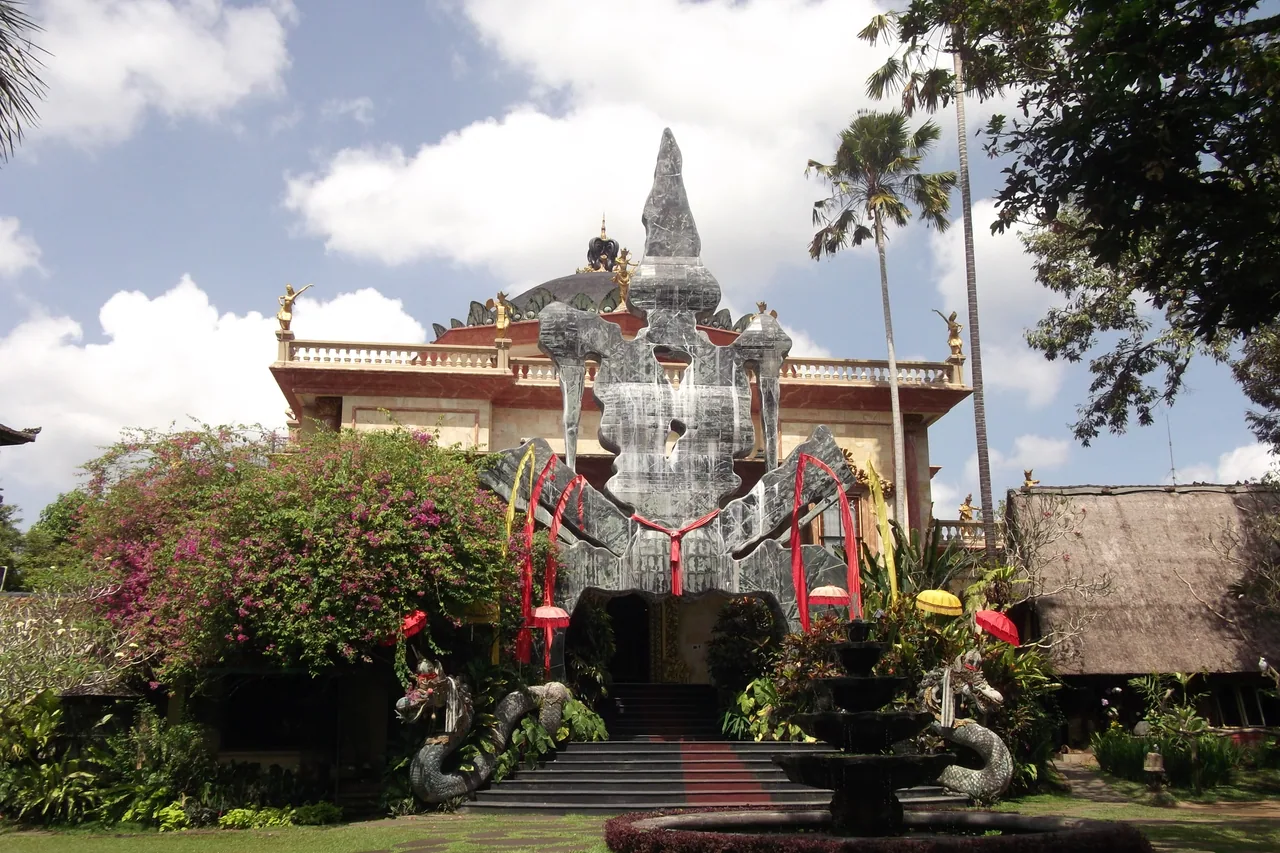
The Blanco Renaissance Museum is a more artist-specific choice than Ubud's broader collections. Its conspicuous architecture and garden setting form part of the visit, but the work and its subject matter should guide whether it suits your group. Use the available museum information to decide whether this is the collection you most want to see. It is an alternative art stop, not something you must add simply to complete a checklist of Ubud museums.
The Campuhan location is west of the centre, so check the actual approach and road crossings before linking it to a walk. Ask about current access, gallery rules and the suitability of the displays for younger visitors rather than making assumptions from the exterior photograph. A leisurely museum visit followed by a meal can fill this part of the day comfortably. Leave a distant temple outing for another morning instead of trying to move across the region immediately afterwards.
Plan it well: Choose the collection for its content, not solely for the building's appearance.
Indonesia Travel: museums in UbudLook beyond the carved entrance at Goa Gajah
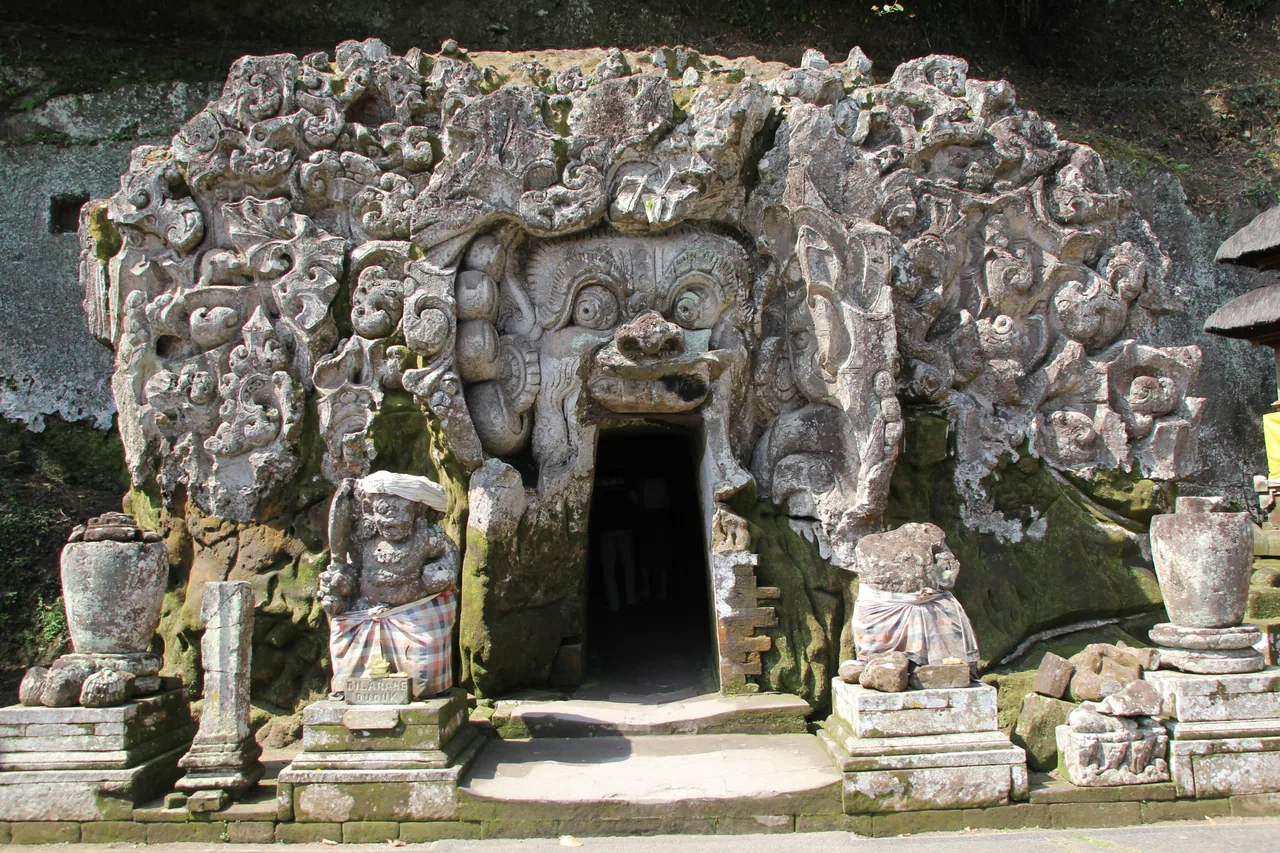
Goa Gajah is a heritage and sacred site in Bedulu, east of central Ubud. The carved cave entrance is its most recognisable image, but the surrounding grounds deserve attention too. Government heritage information describes Hindu and Buddhist elements at the site, making it a place to observe carefully rather than to treat as a decorative cave alone. Follow the visitor route and respect any areas reserved for worship or conservation.
Arrange the outward and return road journey, and check the site's current dress and visiting requirements before entering. Expect changes of level rather than a completely flat route from the arrival point. Give other visitors space around the entrance instead of blocking it for photographs. Goa Gajah can form a focused excursion from Ubud; adding the northern Tampaksiring temples afterwards requires an additional transport decision and enough time, not simply another point on a central walking map.
Plan it well: Goa Gajah is in Bedulu; it is not a central Ubud walking stop.
Indonesian heritage authority: Goa GajahVisit Tirta Empul as a sacred place
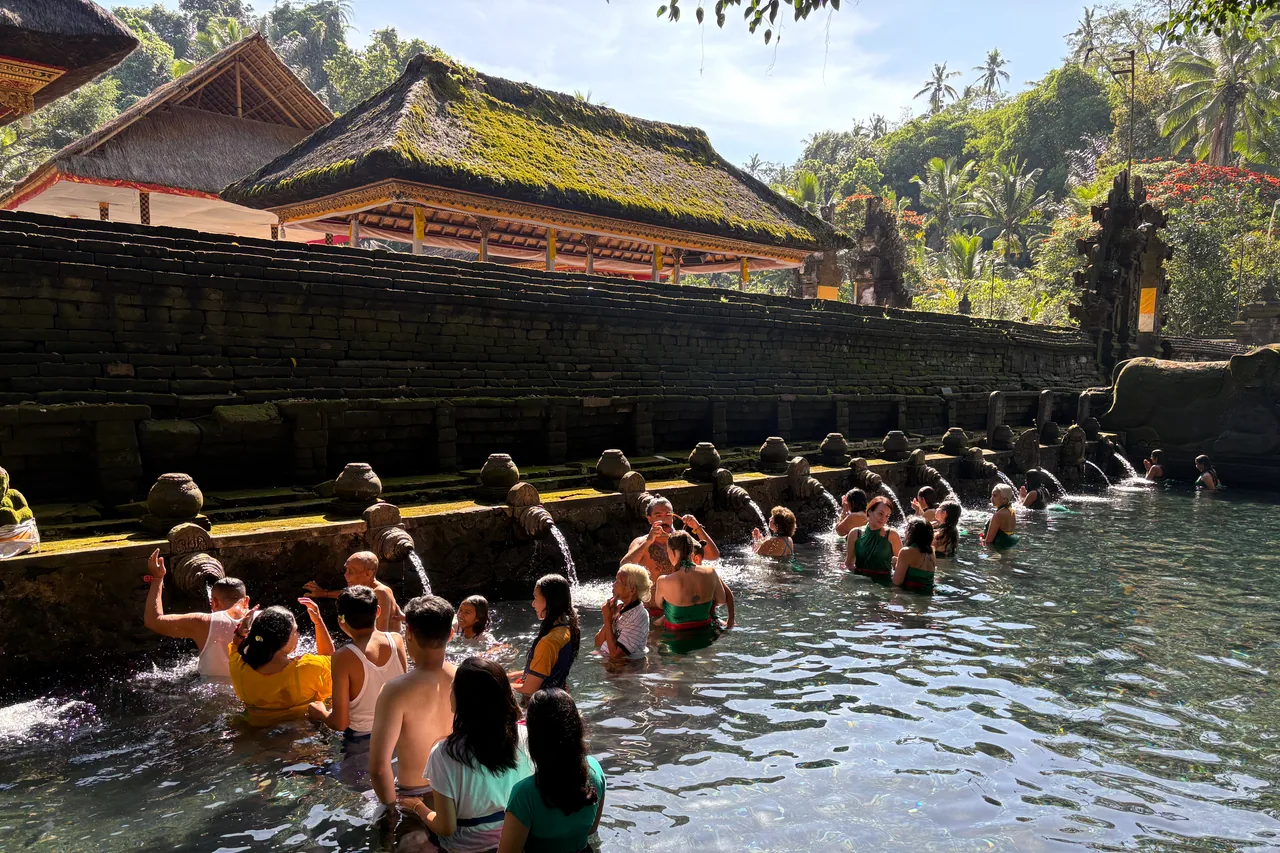
Tirta Empul is a sacred water-temple site in Manukaya, north of Ubud. Its pools and temple spaces attract visitors, but purification activity is a religious practice rather than a sightseeing performance. You can choose to observe the permitted public areas respectfully without entering the water. Leave space for worshippers and follow local instructions about dress, access and photography; an attractive pool photograph does not establish which areas visitors may use.
If you wish to participate in any ritual, ask the responsible site staff about the appropriate arrangements instead of copying another visitor's actions. Plan the road journey as a northern excursion and allow time for temple access and local activity. Gunung Kawi at Tampaksiring can be another deliberate stop nearby, but each has its own admission and terrain. Avoid quoting old ticket prices or assuming that a driver's package includes every entrance or service.
Plan it well: Participation is optional; religious activity should never be treated as a photo prop.
Gianyar tourism: official attraction locationsChoose a terrace view at Tegallalang
Tegallalang is associated with the stepped rice-field landscape north of Ubud. The terraces are working agricultural land as well as a popular visitor setting, so focus on the contours, irrigation and relationship between fields and village rather than treating every embankment as a public path. The map pin marks Tegallalang village, not a particular entrance, cafe, swing installation or approved route across private farmland.
Choose an access point and clarify its arrangements before arriving. Different businesses and paths may have separate charges or rules, and a terrace walk can involve steep, muddy steps. Ask where visitors may go, stay out of crops and avoid obstructing agricultural work. A roadside view or a shorter permitted walk can be enough when heat or wet ground makes a longer route uncomfortable. Combine this with a limited northern itinerary instead of expecting to explore every advertised terrace attraction.
Plan it well: Confirm the particular walkway or viewpoint; there is no single entrance represented by the village pin.
Indonesia Travel: Tegallalang rice terracesGive Gunung Kawi's valley setting time
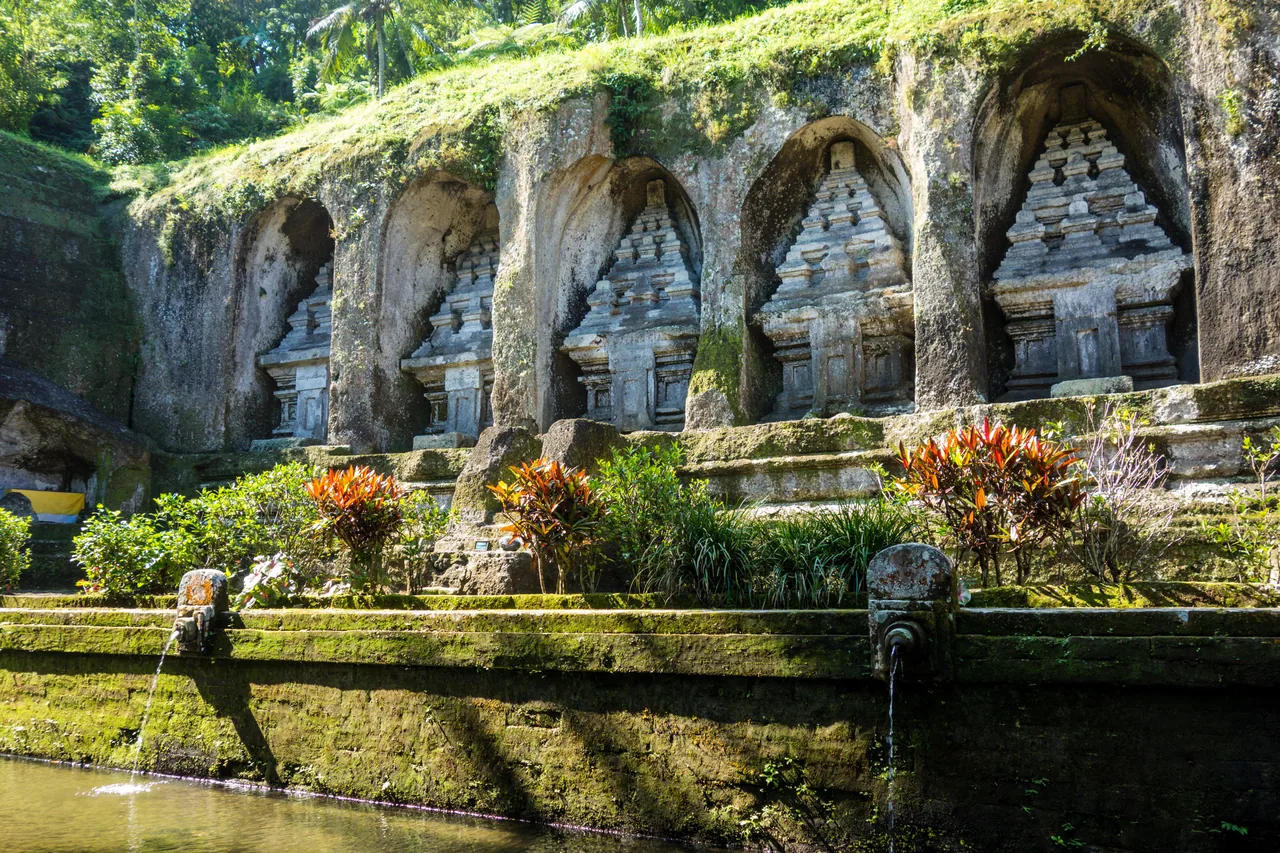
Gunung Kawi at Tampaksiring combines rock-cut shrines with a green valley setting. The relationship between the carved monuments and their surroundings is the reason to linger: look at the larger site rather than approaching each shrine only as an isolated photograph. Follow the permitted visitor route and respect worship areas. This is the Tampaksiring monument, not the similarly named Gunung Kawi Sebatu temple that can appear in excursion listings.
Check the correct destination with your driver and prepare for the stairs on both the outward and return route. Carry water, choose secure footwear and leave enough energy for the climb back to the arrival area. Dress and access requirements should be checked locally, not inferred from a previous visitor's clothing. Pairing this with Tirta Empul can make a coherent northern day, but skip an extra stop if the terrain, heat or time makes that combination uncomfortable.
Plan it well: Specify Gunung Kawi Tampaksiring, not Gunung Kawi Sebatu, when arranging transport.
Gianyar tourism: official temple locationsA central day and a northern excursion
Choose a small number of stops that share a location. The museums are alternatives to compare, not a requirement to complete all four.
Day one: central Ubud
Visit the palace and Puri Lukisan, then choose the Monkey Forest if its wildlife setting suits your group. Leave ARMA, Neka or Blanco for another art-focused visit rather than collecting them all.
Day two: north of town
Arrange transport for Tirta Empul and Gunung Kawi Tampaksiring. Add a specific Tegallalang viewpoint only if the route and remaining time work; it is optional, not a reason to rush the temple visits.
An alternative eastward outing
Choose Goa Gajah in Bedulu as a shorter heritage excursion, with a return to your hotel or a museum rather than an overfilled cross-region circuit.
Allow for traffic, terrain and temple etiquette
Road distances do not predict journey times reliably. Confirm transport, the specific entrance and current visitor arrangements with each site.
Plan a return journey
Arrange a suitable driver or other confirmed transport for regional stops. Do not assume a remote temple exit will provide the same transport choices as central Ubud.
Respect sacred space
Check dress requirements and restricted areas on arrival. Ceremonies and worship take precedence over visitor photographs.
Compare activities separately
Museum visits, performances, purification arrangements and commercial terrace activities are separate choices. Confirm inclusions before buying a package.
Choose central access or a village retreat
Central Ubud and Padangtegal suit stays built around walking to meals and sights. Peliatan offers a village setting nearby; Sayan favours river-valley retreats, and Penestanan requires attention to lanes and luggage access. Compare the actual address and return journey rather than assuming every property sold as Ubud is within an easy walk of the palace.
Explore Ubud hotels