
Jerusalem city guide
10 things to do in Jerusalem
Understand Jerusalem through places of worship, thoughtful museums and market life, with respectful visitor planning and explicit attention to changing access.
Plan your visit
Jerusalem requires both historical attention and current practical judgement. Official travel advice warns that regional tensions can escalate and disrupt flights, borders and local movement; check your own government's advice, insurance conditions and local instructions before deciding to travel. If conditions permit a visit, choose a small number of meaningful stops and remember that places of worship, memorials and residential streets are not interchangeable sightseeing settings. The outline below is conditional on access, not an assurance of safety or normal operation.
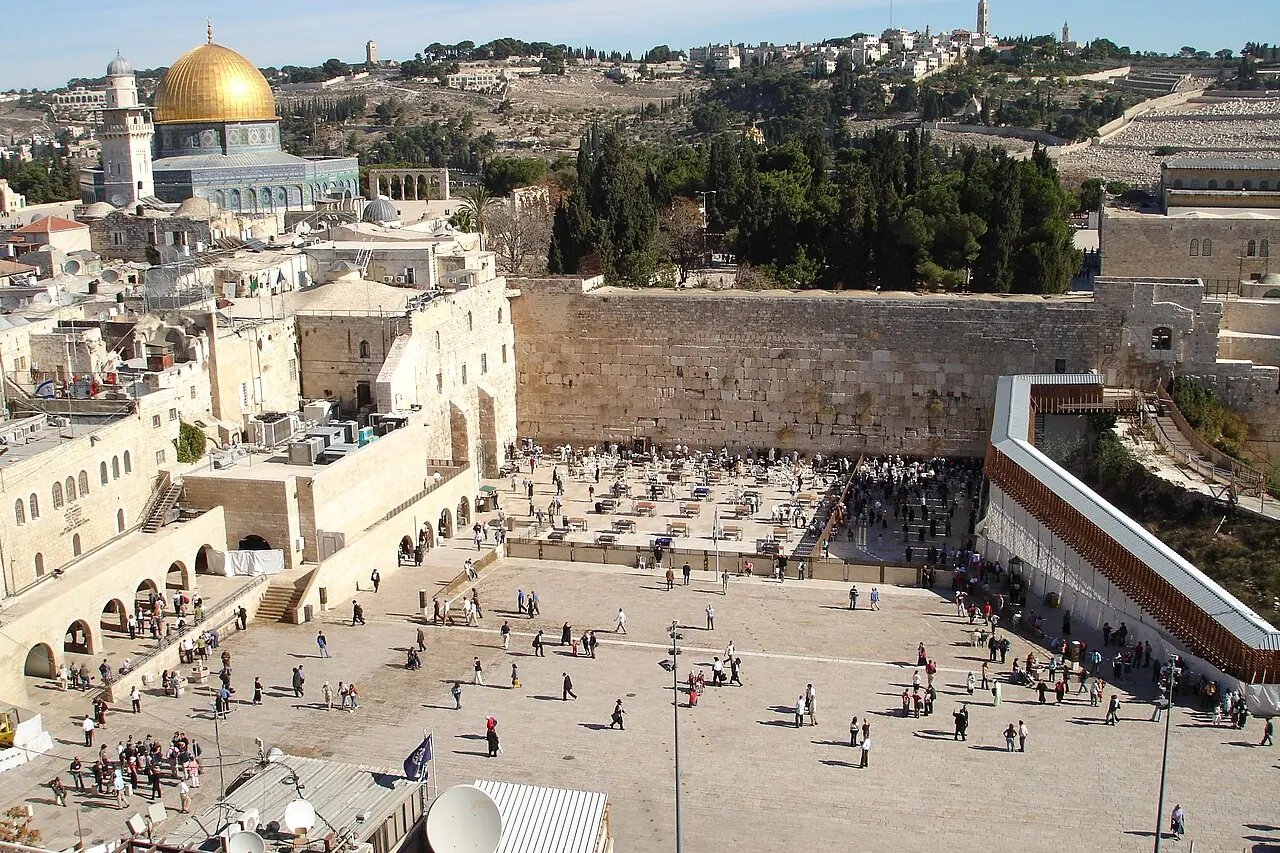
Visit the Western Wall with respect for worship
The Western Wall is a place of Jewish prayer as well as a major historic landmark. Begin by observing how the plaza is being used, rather than heading straight towards the stones with your camera raised. The scale of the masonry is striking, but so are the quiet personal moments around it. Leave space for worshippers and follow the guidance of staff about where visitors may stand and how to approach the prayer areas.
The Western Wall Heritage Foundation publishes visitor-conduct information covering appropriate dress and behaviour. Read that alongside current security instructions before setting out, and allow time for entry procedures without assuming a fixed queue. A visit to the plaza is distinct from a booked Western Wall Tunnels tour; one does not automatically include the other. Religious observance and events affect the setting, so do not expect a sightseeing routine to take precedence over worship or local restrictions.
Plan it well: Do not photograph worshippers close up without permission, and follow the current rules for religious-day photography and prayer areas.
Western Wall Heritage Foundation visitor guidanceGive the Holy Sepulchre time and attention
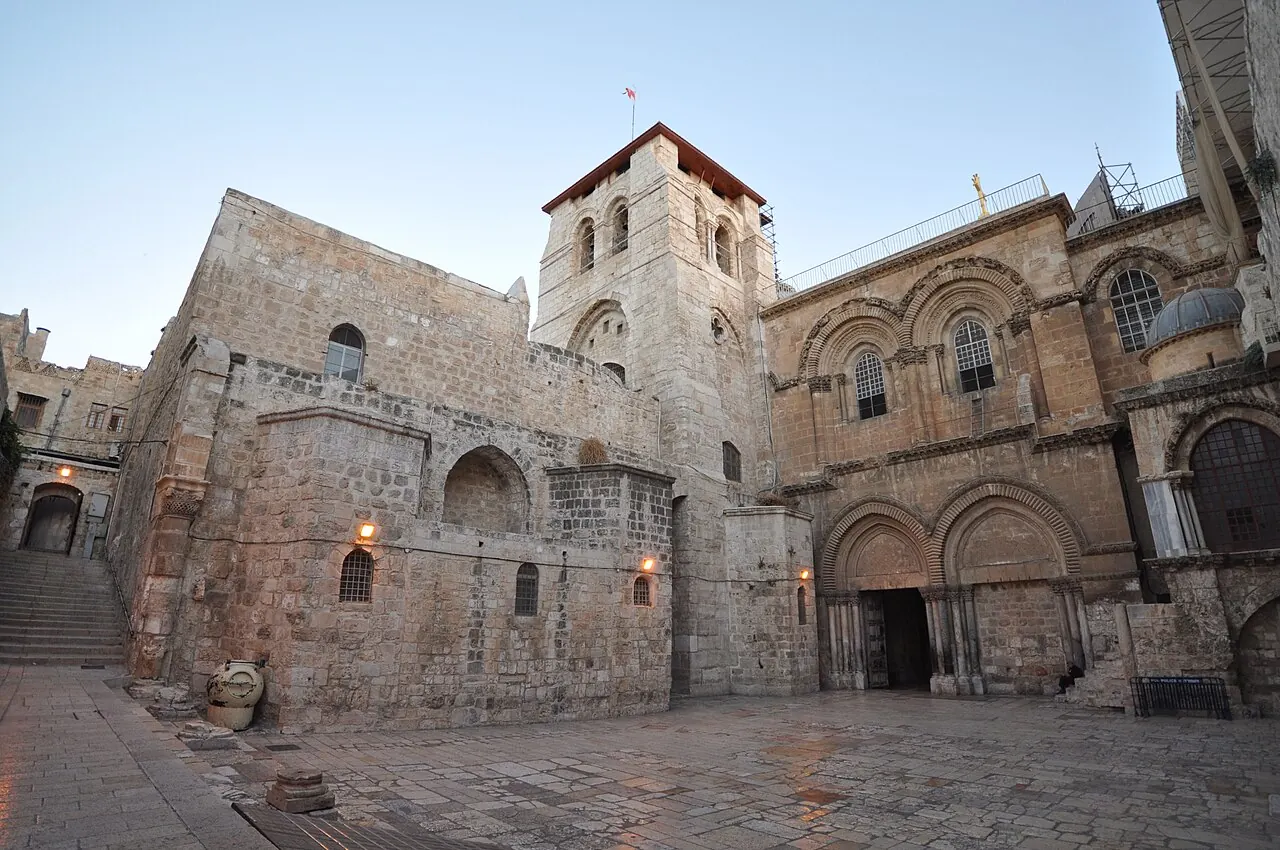
The Church of the Holy Sepulchre brings several Christian traditions into a shared and intensely significant space. Its chapels, passages and central sacred sites are easier to understand with a little background than through a quick circuit following the largest group. Christian tradition associates this church with the crucifixion, burial and resurrection of Jesus; present those associations as religious tradition, while paying attention to how worship continues around visitors today.
Consult the Custody of the Holy Land's visitor information and current local guidance before going. Services, processions, restoration work and security decisions may alter access, and queues for particular sacred spaces can dominate a visit. Decide whether you want to wait for one specific site or spend more time understanding the wider church. Wear respectful clothing, keep conversations low, and avoid entering a liturgical area simply because the space appears physically open.
Plan it well: Keep the next appointment loose; waiting for a particular sacred space is a choice, not a reliable fixed-duration activity.
Custody of the Holy Land: visiting the Holy SepulchreUse the Tower of David to orient the city's history
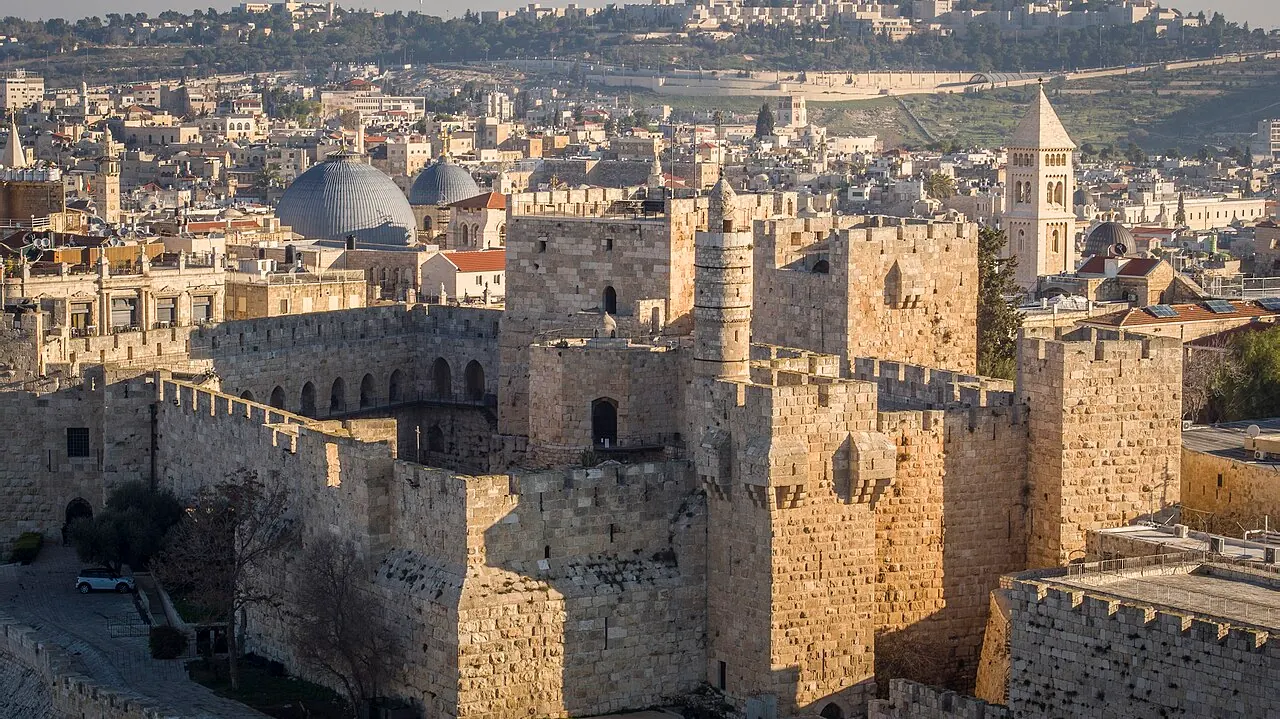
The Tower of David Jerusalem Museum is a useful first interior because it gives the city's long history a framework. The citadel setting and the museum's interpretation belong together: look at the stone structures as well as the displays rather than treating the building as scenery around an exhibition. Beginning here can make later Old City walks more intelligible, particularly if you want to distinguish successive historical periods instead of grouping everything as ancient.
Check the museum's official site for the available visitor programme and the admission attached to it. A museum visit and an evening event are different bookings; do not assume a ticket for one includes the other. Historic structures also have varied routes, so consult the actual accessibility map for your needs. Its position by Jaffa Gate is convenient for orientation, but proximity does not guarantee that every onward street or gate will be usable under current security arrangements.
Plan it well: Choose the museum for historical context, then keep any onward Old City walk dependent on current access and your remaining energy.
Tower of David Jerusalem MuseumUnderstand the wider landscape from the Mount of Olives
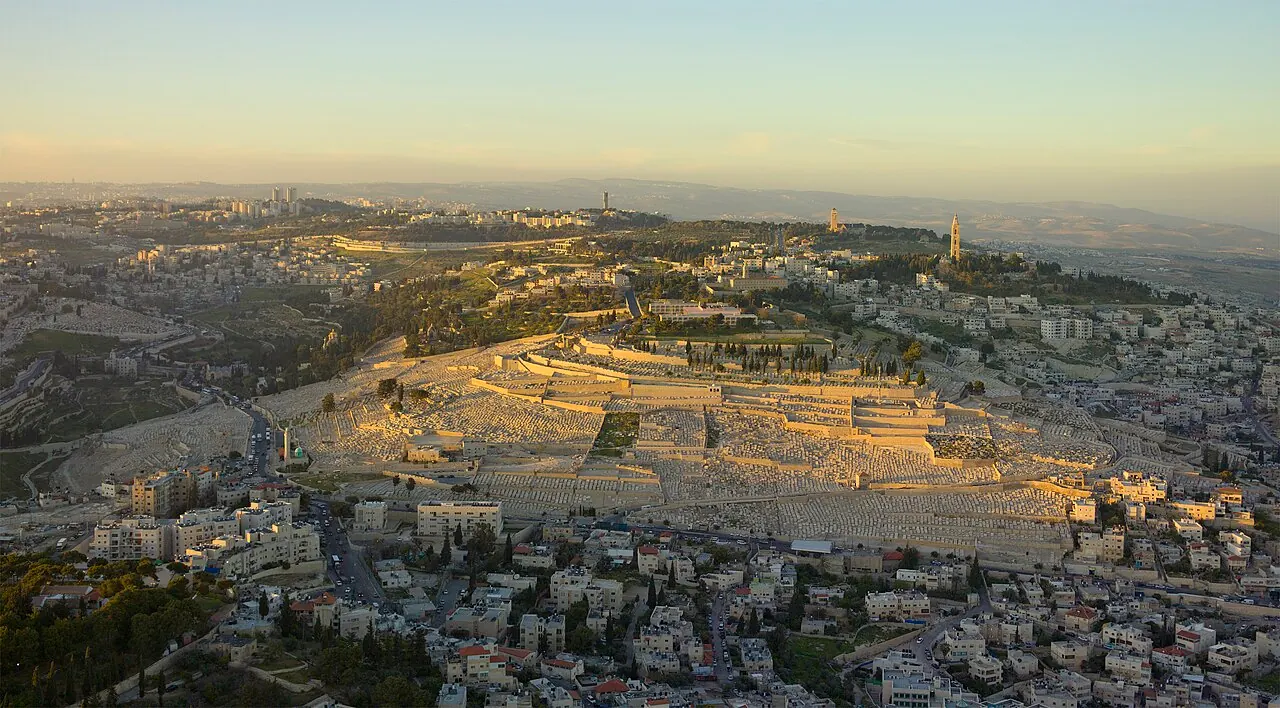
The Mount of Olives offers a geographical perspective that the Old City's narrow streets cannot. The ridge, cemetery and views towards the walled city show how religious places sit within a much wider landscape. Approach the outing as more than a lookout photograph: the cemetery remains a place of burial and remembrance, and the churches have their own histories and visiting arrangements. Keep to appropriate public routes and avoid stepping between graves for a better angle.
A hilltop outing needs an actual transport plan, particularly if a steep descent would be difficult or current conditions limit movement. Check local advice and arrange the return before extending the walk. Gethsemane is a possible second stop at the foot of the ridge, not proof that every connecting route is suitable or open. Individual church doors and compounds are separate access decisions; leave time to change the plan without turning a closure into an improvised detour through unfamiliar streets.
Plan it well: Discuss the exact route and return with a suitable local operator; do not assume the downhill walk is accessible or appropriate that day.
Jerusalem tourism: Mount of OlivesPause among the olive trees at Gethsemane
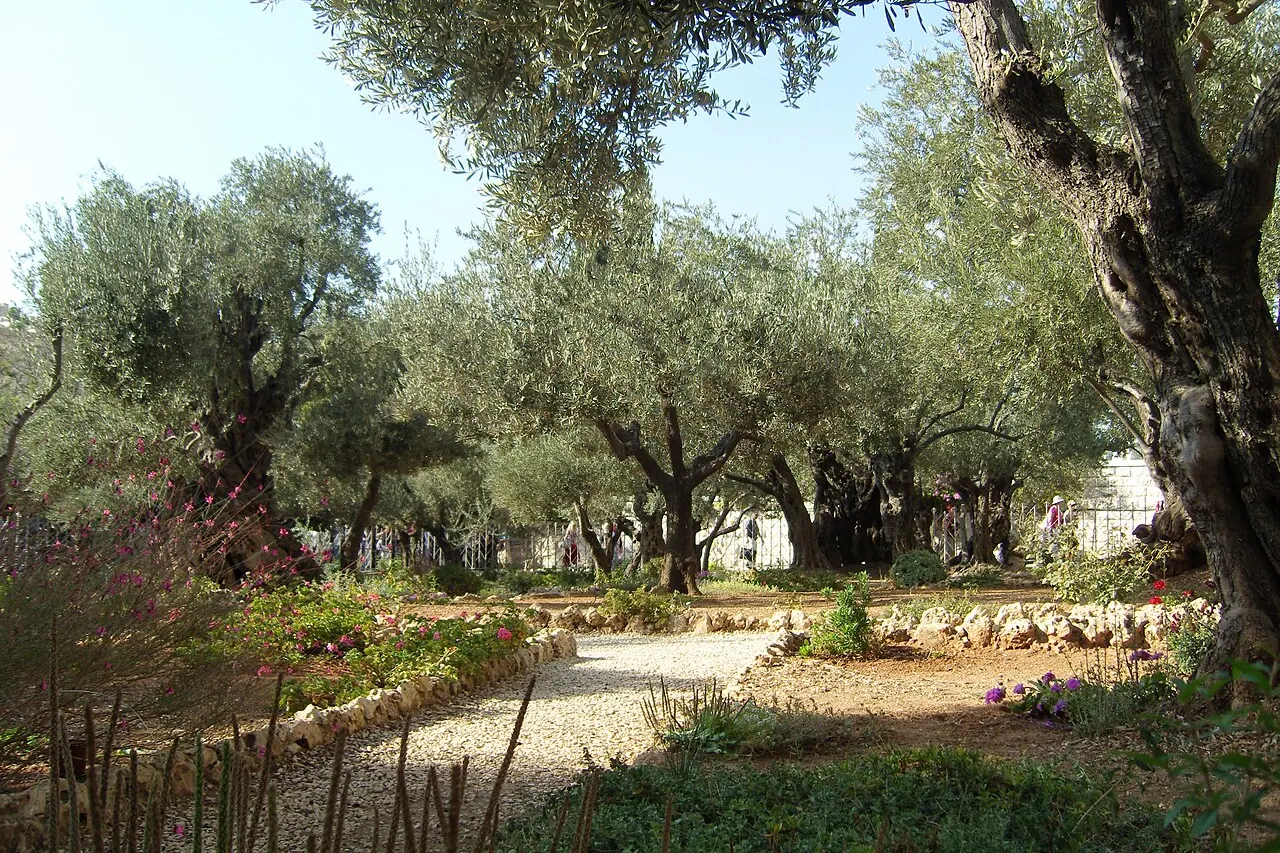
Gethsemane offers a more intimate setting than the broad panorama above it. The olive garden and nearby Basilica of the Agony are connected with the Christian tradition of Jesus' prayer before his arrest. Read the sanctuary's interpretation and let the contrast between garden and church shape the visit. The trees are not there to be handled for photographs, and the garden should not become a shortcut around a queue elsewhere.
The Custody of the Holy Land provides information for this sanctuary; check its current visiting arrangements and any local restrictions rather than relying on an old pilgrimage timetable. A garden visit, church visit and organised service can have different requirements. Modest clothing and quiet behaviour suit all three. If you combine Gethsemane with the Mount of Olives, leave space for transport and changes to access instead of assuming that nearby points on a map form a straightforward walking circuit.
Plan it well: Stay on permitted paths, avoid touching or removing anything from the garden, and keep worship areas clear.
Custody of the Holy Land: GethsemaneChoose a theme at the Israel Museum
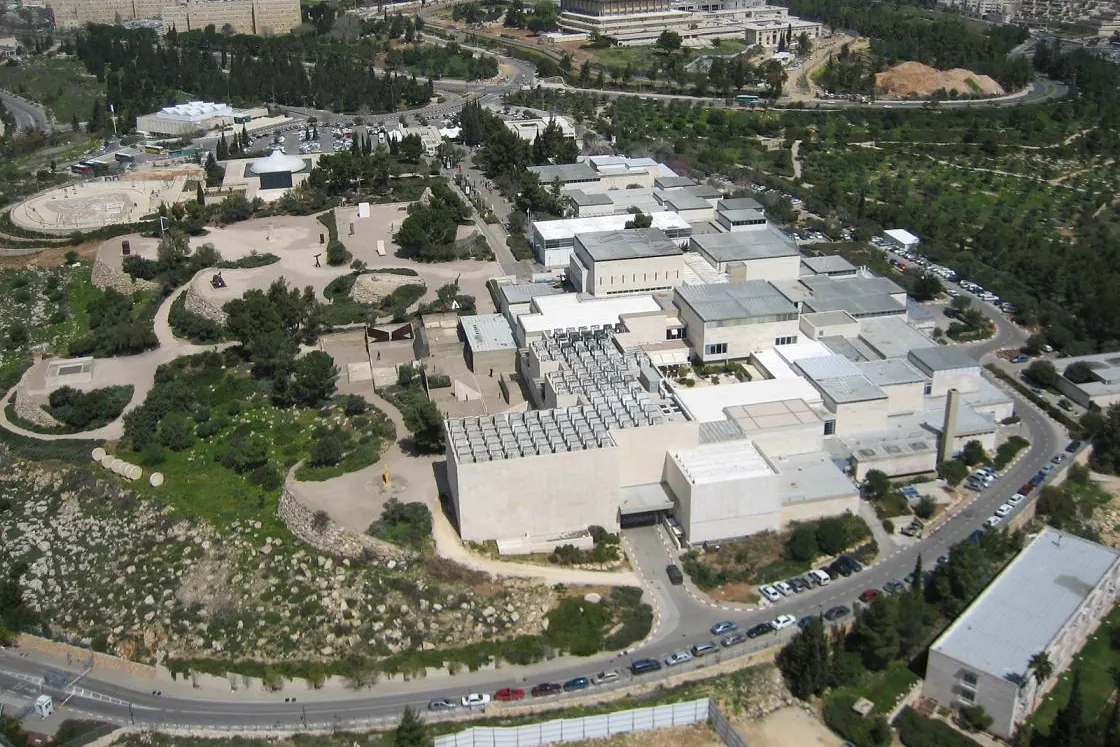
The Israel Museum is an opportunity to step out of the Old City circuit and spend time with objects, art and interpretation. Its range is broad enough that choosing a focus matters: archaeology, Jewish art and life, or fine art can each sustain a substantial visit. The Shrine of the Book is a distinctive part of the campus, but it need not be the only reason you go. Orient yourself before moving between buildings.
Check the museum's own visitor and exhibition information for what is accessible on your date, especially if you are planning around a particular collection. Its location in Givat Ram makes transport a separate decision from an Old City walk. Avoid pairing two large museums merely because both appear on a list of essential sights. Leave room for a meal and a return journey, and treat any emergency closure or local instruction as more important than keeping a reservation.
Plan it well: Pick one main collection and confirm its current availability; a museum-wide opening notice does not guarantee every gallery is operating.
Israel Museum official visitor and exhibition informationMake Yad Vashem a deliberate memorial visit
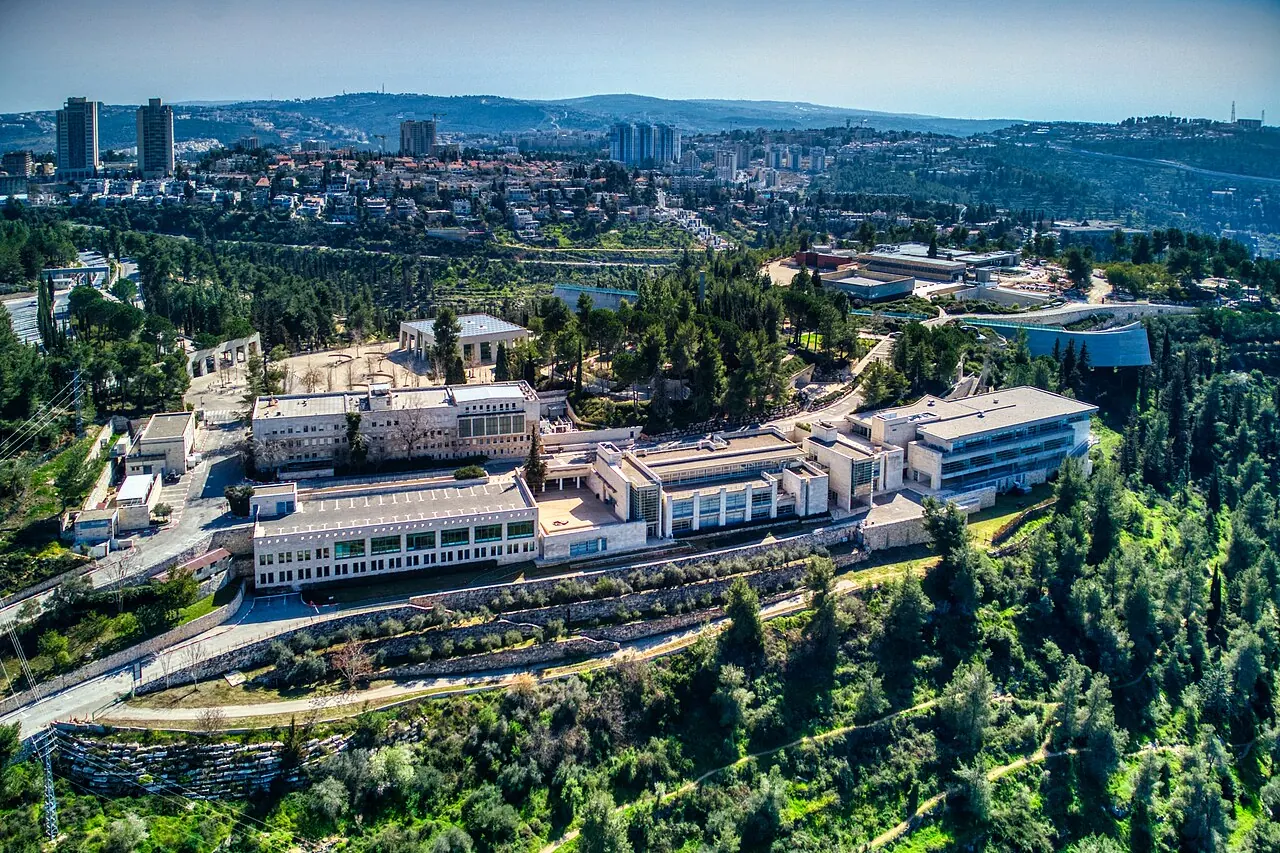
Yad Vashem should be chosen with enough time and emotional space to engage with its purpose as a Holocaust remembrance and education institution. The museum and memorial grounds are not simply another attraction to fit after lunch. Read the visitor guidance in advance, think about which parts you want to experience, and allow a quiet period afterwards rather than placing a nightlife or shopping activity immediately against the end of the visit.
Consult Yad Vashem directly for current reservation arrangements, group rules and guidance about visiting with children. A recommendation suitable for adults does not establish that every exhibition is appropriate or accessible to every age. Plan transport to the Mount Herzl area separately from your central-city route, and verify operation before departure under changing security conditions. Give the interpretation your attention; photography, where allowed, should never obstruct visitors or take precedence over the dignity of the memorial setting.
Plan it well: Make this the day's main commitment and leave the later schedule light; confirm current visitor requirements directly with Yad Vashem.
Yad Vashem official visitor informationExplore the food lanes of Mahane Yehuda
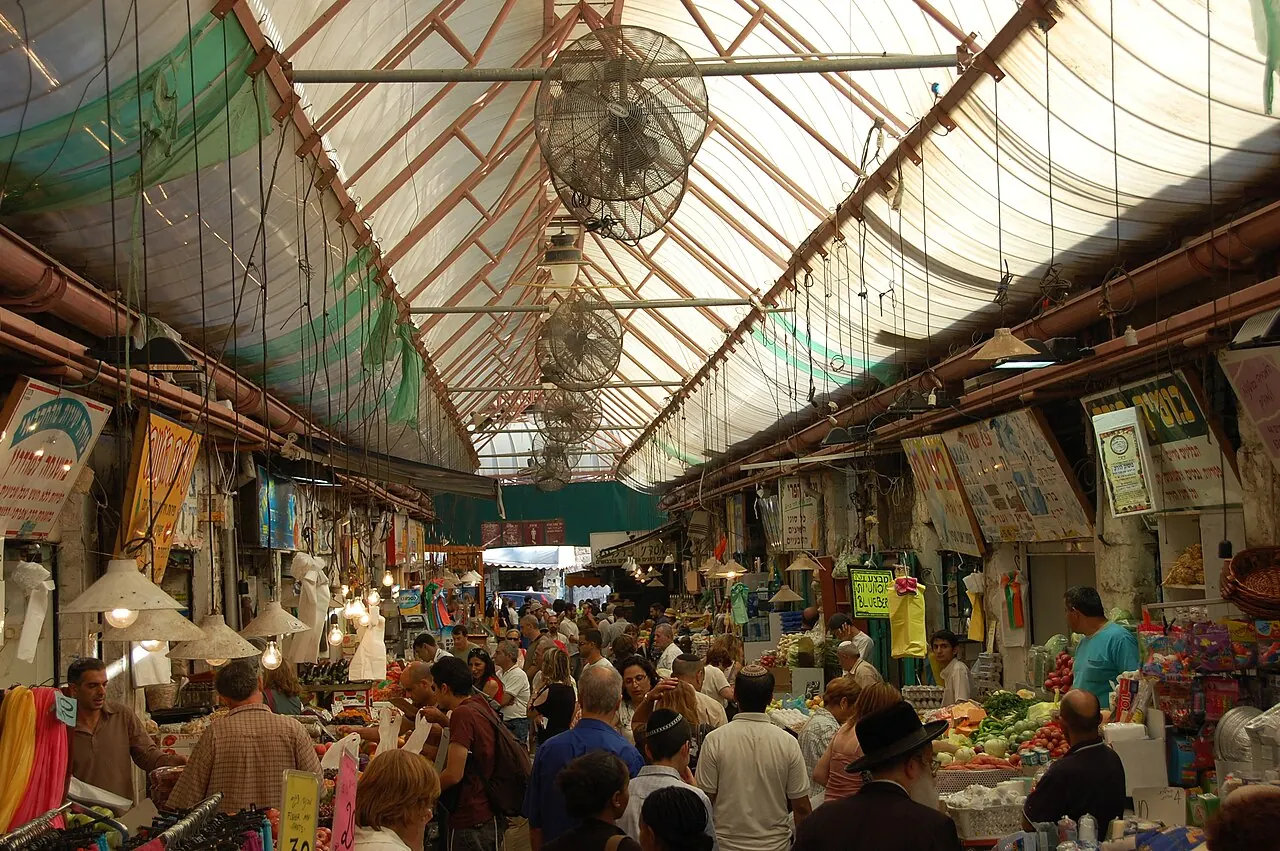
Mahane Yehuda is a chance to see Jerusalem through food shopping and everyday trade rather than monuments alone. Begin by walking the lanes and comparing what is being sold before choosing a snack or meal. The fresh-food market and its surrounding bars and restaurants are related but not identical experiences. Decide whether you want to browse ingredients, have a seated lunch or explore the later dining scene instead of expecting all three at once.
Religious observance and individual business hours shape the market, so check the current information before choosing a day and time. A busy pre-holiday shopping period can feel very different from a quieter visit, and some food needs a sit-down setting rather than being carried between crowded stalls. Confirm portions and prices, keep bags close, and do not photograph traders at close range without asking. If current local guidance advises avoiding crowds or movement, postpone the market visit.
Plan it well: Do not rely on a Friday-evening or Saturday food-shopping plan without checking which businesses will actually be operating.
Mahane Yehuda market informationConsider the Garden Tomb as a distinct pilgrimage site
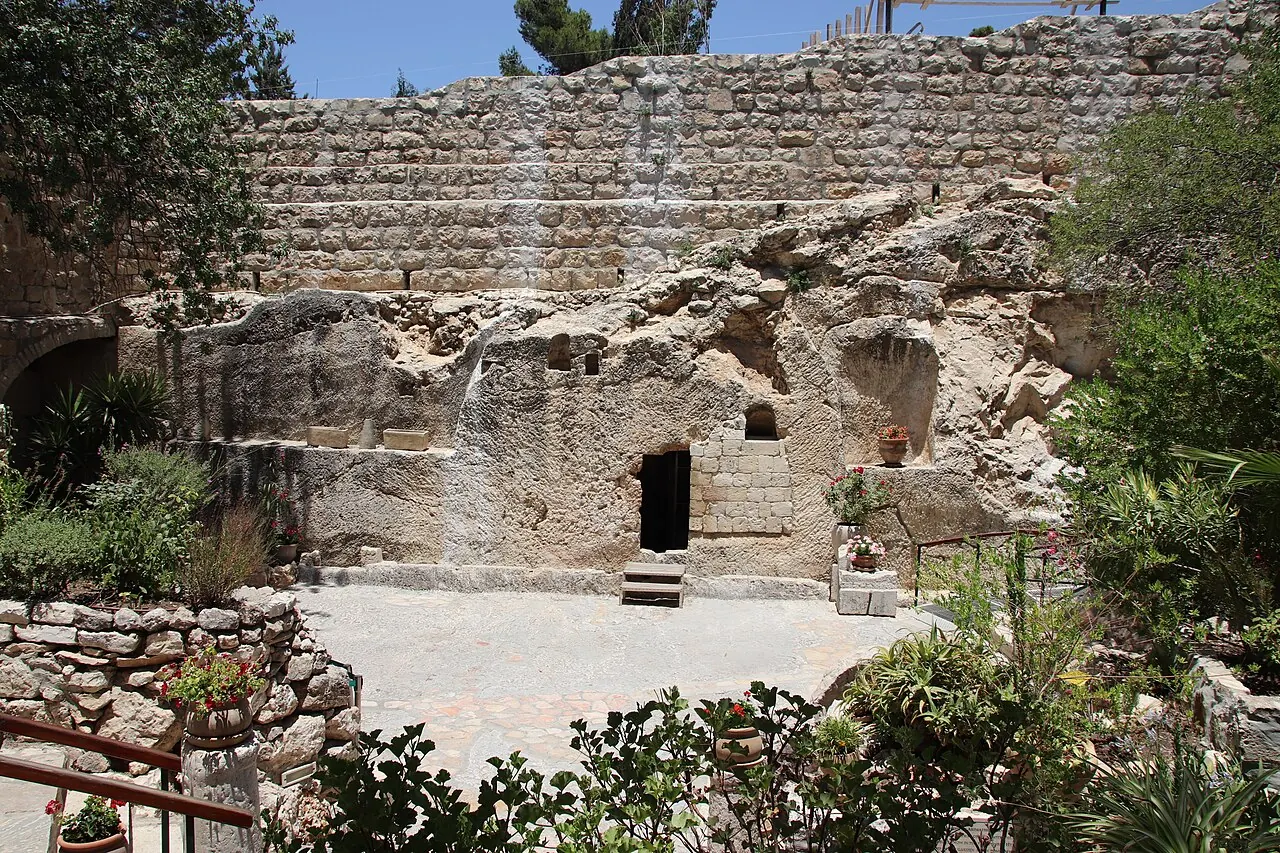
The Garden Tomb is a distinct Christian place of worship outside the Old City walls, not another entrance to the Church of the Holy Sepulchre. Its own organisation presents the rock-cut tomb as a possible place associated with Jesus' burial and resurrection. That is a religious interpretation rather than an established identification. The garden, interpretation and space for reflection are the reasons to consider a visit, particularly if this tradition matters to you.
Use the site's official calendar and booking information before setting out. It currently lists Friday and Sunday closures, so older recommendations for an unrestricted daily visit are not reliable. Organised worship and group activities need their own arrangements. The location outside Damascus Gate also means checking the approach against current local advice rather than assuming access follows automatically from an Old City visit. Keep conversations and photography respectful of groups using the garden for prayer.
Plan it well: Verify the current visiting days directly; a proposed historical association should be explained as a belief, not presented as archaeological certainty.
Garden Tomb official visitor informationChoose the Biblical Zoo for a different kind of day
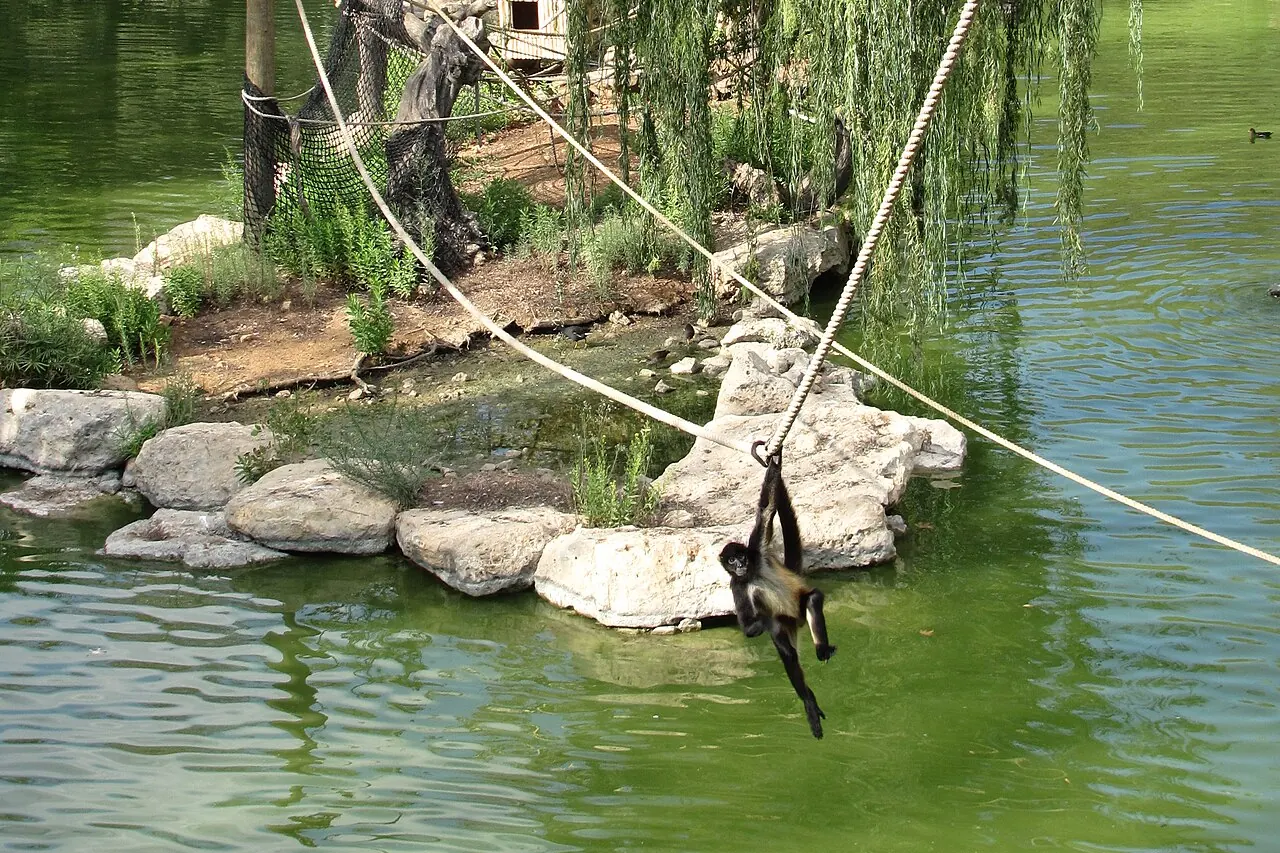
Jerusalem Biblical Zoo is an alternative for travellers who want a family-oriented outdoor outing rather than another sequence of historic interiors. Its grounds and animal enclosures create a different pace from the Old City, with room to choose a shorter circuit instead of completing every part of the site. Read the zoo's conservation and interpretation material as well as looking at the animals; the name alone does not explain the institution's whole purpose.
Because it is in the southwest of the city, give transport and the visit a separate block of time. The official planning pages distinguish ticket-sale cutoffs from final entry, which matters if you arrive later in the day. Check current operation, accessibility and local travel instructions before departure. Bring suitable clothing for outdoor paths, and follow the zoo's rules about feeding, touching and photographing animals. This is an alternative day choice, not a quick detour between two Old City appointments.
Plan it well: Confirm both ticket availability and last entry; arriving before closing does not necessarily mean you can begin a worthwhile visit.
Jerusalem Biblical Zoo official planning informationA conditional two-day outline for Jerusalem
Day one: context and places of worship
Only if current advice and local access permit: begin with the Tower of David museum, then choose the Holy Sepulchre and Western Wall rather than attempting every sacred site. Keep entry procedures, worship and breaks in the schedule. Add the Garden Tomb on an operating day only if its distinct religious tradition interests you.
Day two: choose one wider outing
Choose the Israel Museum, a deliberate Yad Vashem visit, or the Biblical Zoo as your main commitment. A Mount of Olives and Gethsemane outing is another option when the exact route is appropriate and available. Mahane Yehuda can be a separate meal stop if business hours and local guidance permit; do not force all these options into one day.
Before you go
Review current official travel advice first
As checked on 5 October 2026, FCDO advice describes unpredictable regional tensions, potential disruption and a risk of attacks. Restrictions differ by area. Read the current page, your own government's advice and your insurance terms; this guide is not a safety assessment.
FCDO Israel and Palestine travel adviceFollow local emergency and access instructions
Check roads, venue operation and transport before moving around. Follow local authorities and Home Front Command instructions, and ask your accommodation about the relevant protected space rather than assuming a sightseeing booking establishes safe conditions.
Plan around worship and religious calendars
Bring clothing suitable for sacred sites, check photography rules, and confirm market and transport arrangements around Shabbat and holidays. Different religious communities observe different calendars; one opening pattern does not apply to the whole city.
Where to stay in Jerusalem
Compare central locations by the actual permitted journey to your chosen stops, not just by a map radius. Old City settings can involve stairs and narrow approaches, while an area near your main museum may suit a different kind of visit. Ask accommodation providers about current access, protected spaces, emergency arrangements and cancellation conditions before committing. A convenient hotel location is not evidence that travel is safe or that surrounding routes will remain open.
Explore Jerusalem hotels