
Mumbai city guide
10 things to do in Mumbai
Plan Mumbai by neighbourhood: harbour landmarks and art in the south, a considered island visit, and time for the sea, living heritage and northern green space.
Plan your visit
Mumbai is easier to enjoy when you think in clusters, not a line drawn between ten pins. A southern-city day can combine the waterfront, a museum and the architecture of Fort; Juhu and the national park need their own travel time. Give heat, rain, ferry conditions and traffic a role in the plan, and leave space to observe a working city without treating its daily life as a performance.
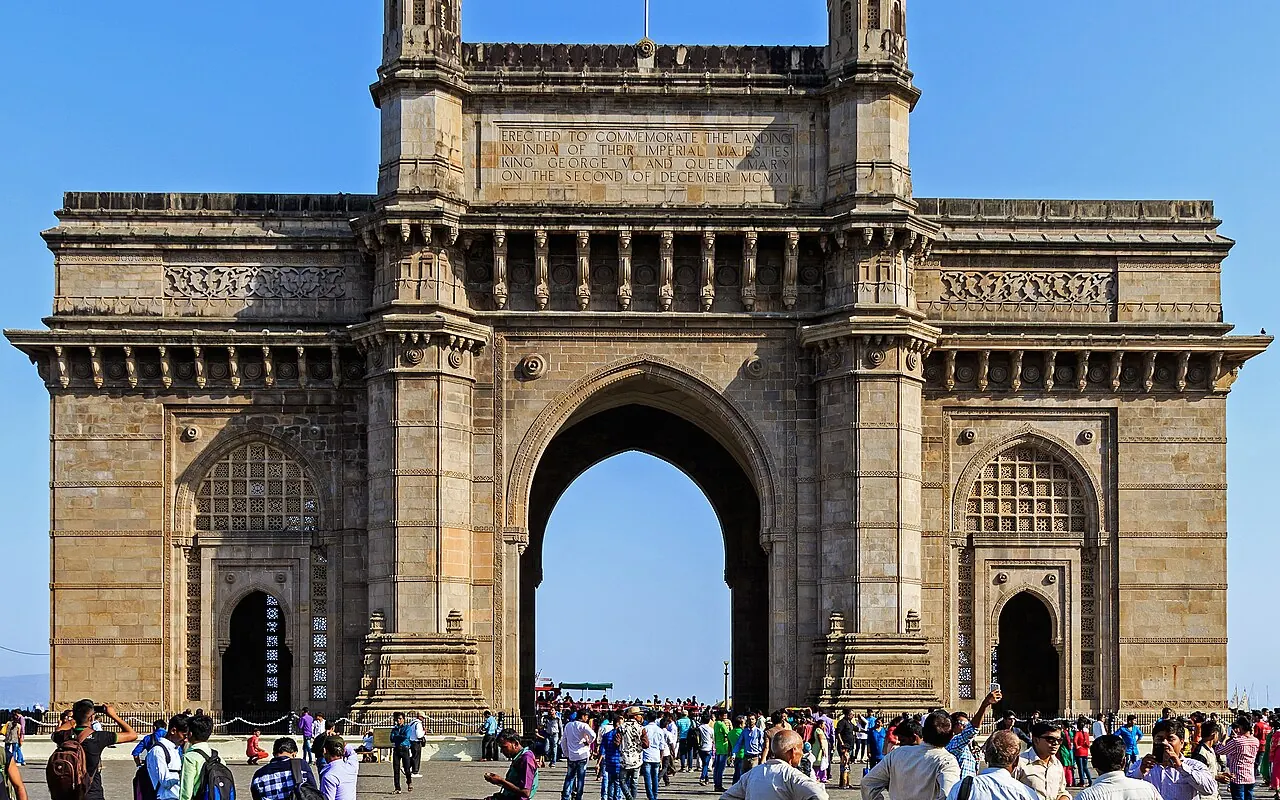
Begin at the Gateway of India
The Gateway of India is a sensible starting point for a southern-city visit because you can see the relationship between harbour, monument and Colaba streets without buying an organised excursion. Look closely at the arch and the waterfront activity before moving into the neighbourhood. The open setting feels quite different from the dense streets behind it, and the view across the water gives a first sense of Mumbai's coastal geography.
Keep this as a deliberate stop rather than assuming a few minutes between taxi rides will be enough. If you are continuing to Elephanta, separate the monument visit from the ferry arrangements: confirm the sailing and return plan before boarding, not with a promise from an unrelated seller. Otherwise, use the Gateway as the beginning of a walk towards the museum and Fort. Shade and a seated break are useful additions when the waterfront feels hot or crowded.
Plan it well: A harbour walk and an Elephanta ferry trip are different commitments; arrange the boat outing separately.
Gateway of India: Mumbai City districtLeave an evening for Marine Drive
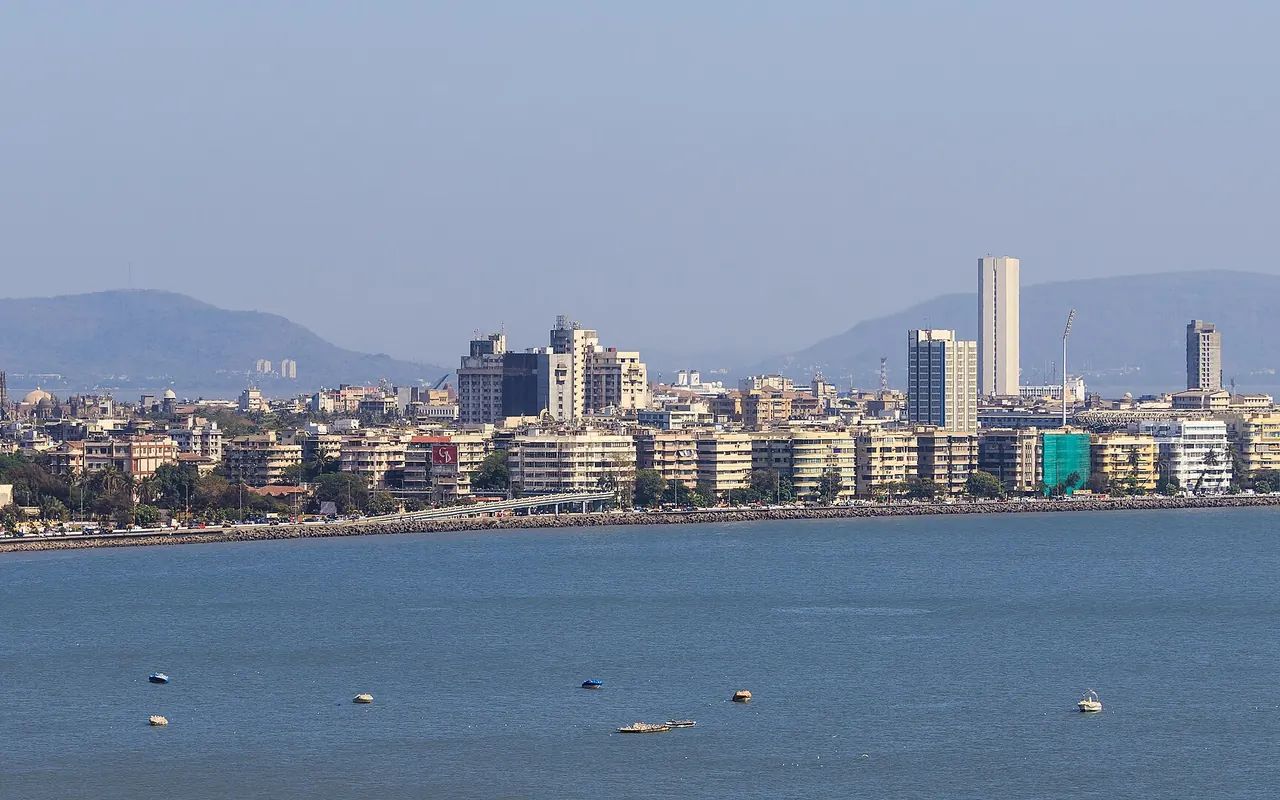
Marine Drive gives you a different view of Mumbai from the enclosed streets of Fort. The promenade follows the curve of Back Bay, so even a modest walk lets the skyline change gradually instead of presenting one fixed viewpoint. Choose a stretch that matches your energy and spend some of the visit sitting and watching the waterfront. There is no prize for covering the whole arc if a shorter walk is more enjoyable.
Use the sea-facing walk as a flexible end to a museum or architecture day, rather than another timed attraction. Leave the seawall and water alone when conditions are rough, and move inland if weather or local restrictions make the promenade unsuitable. A sunset plan also needs to account for the journey from wherever you have spent the afternoon. Pick a meeting point and return arrangement before separating from companions, especially when the area is busy.
Plan it well: Plan a stretch of the promenade, not the entire bay; allow travel time if coming from outside South Mumbai.
Marine Drive: Incredible IndiaGive Elephanta its own day space
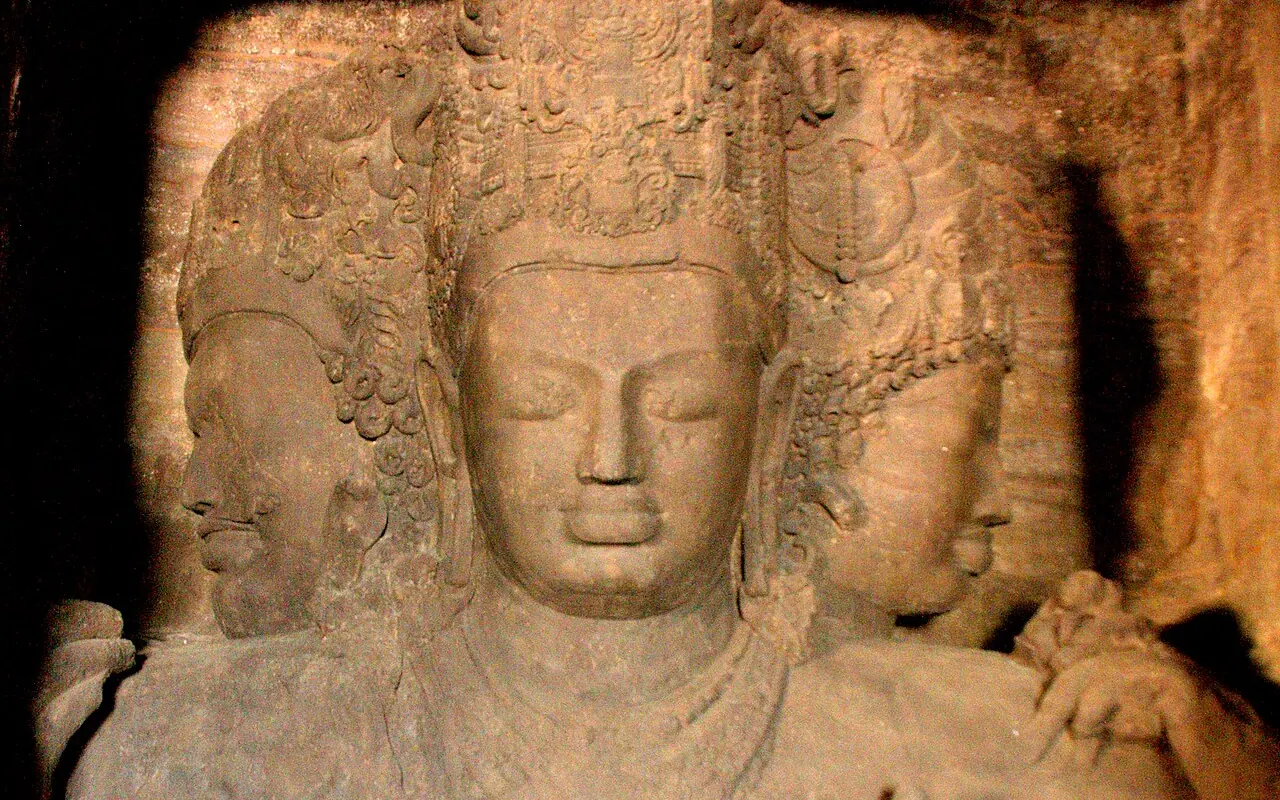
Elephanta is not an extra monument to squeeze into a spare city hour. The island journey changes the pace of the visit, and the rock-cut halls ask for enough time to look at the carving rather than hurry between photographs. In the main Shiva cave, pay attention to how the sculpture, columns and dark interior work together. The setting rewards a focused visit to the principal spaces more than a rush to cover every corner.
Maharashtra Tourism identifies the Gateway of India ferry as the approach to the island. Confirm the current sailing conditions, monument access and return arrangements before departure; a cave admission and boat transport are separate pieces of the day. The island approach involves walking and steps, so check your own access needs and bring appropriate footwear and water. Weather can affect the journey, making it sensible to keep an alternative South Mumbai plan rather than an inflexible evening reservation.
Plan it well: Confirm the return sailing before boarding; allow for the island walk and stair approach as well as the boat trip.
Elephanta: Maharashtra Department of TourismRead the architecture of the working terminus
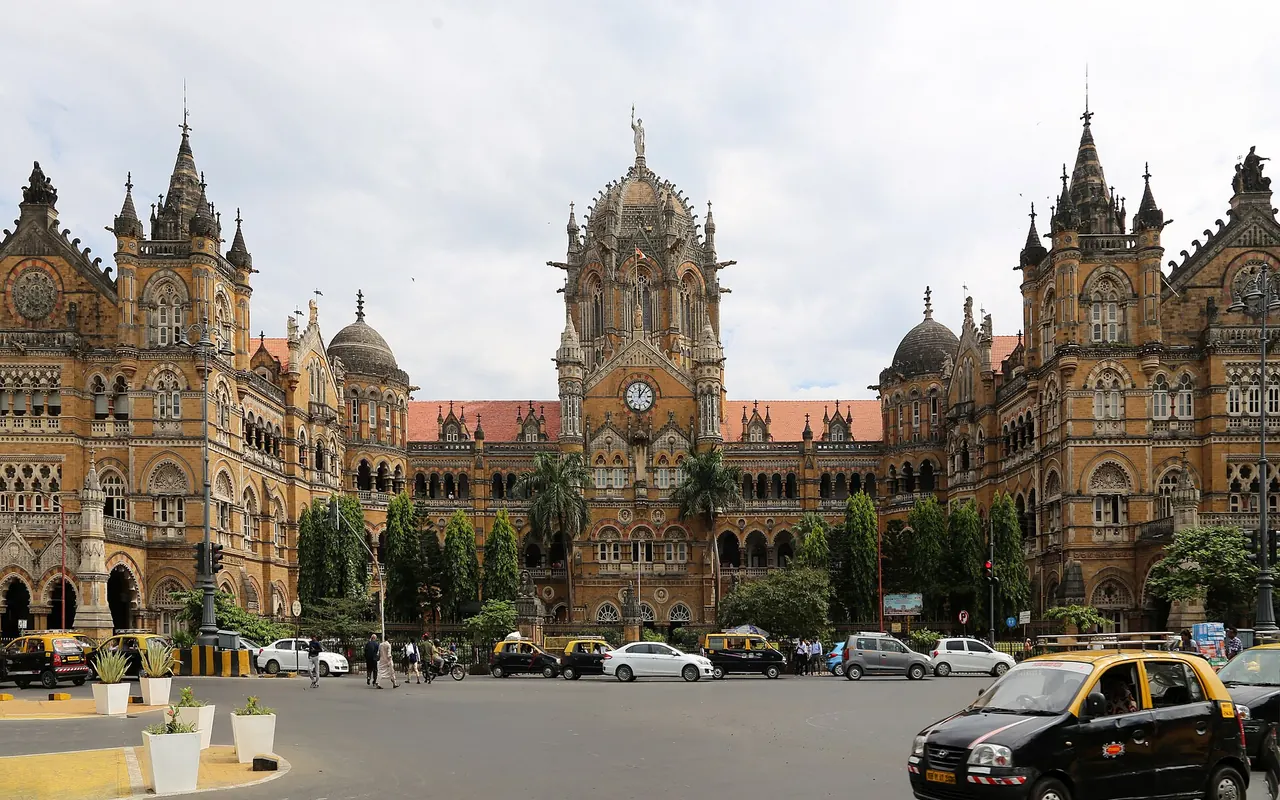
Chhatrapati Shivaji Maharaj Terminus is both a major railway station and a remarkable architectural landmark. Study the roofline, stone detail and overall composition from a suitable public viewpoint instead of assuming the most useful view is inside a crowded concourse. UNESCO describes a meeting of Victorian Gothic Revival design and Indian architectural traditions. Looking for that combination makes the stop more meaningful than treating the station as an elaborate facade with an unfamiliar name.
The working railway takes priority over sightseeing. Follow station restrictions, avoid obstructing passengers and do not enter controlled areas simply to obtain a photograph. A visit to a heritage display or an organised interior tour, if currently offered, needs its own confirmation; this guide does not promise access beyond public areas. Combine the exterior with a Fort architecture walk, keeping crossings deliberate and leaving the next museum booking far enough away that traffic and crowds do not turn the stop into a rush.
Plan it well: Treat the terminus as a working station; an exterior architecture stop does not include restricted railway or heritage rooms.
Chhatrapati Shivaji Terminus: UNESCO World Heritage CentreChoose a collection at CSMVS
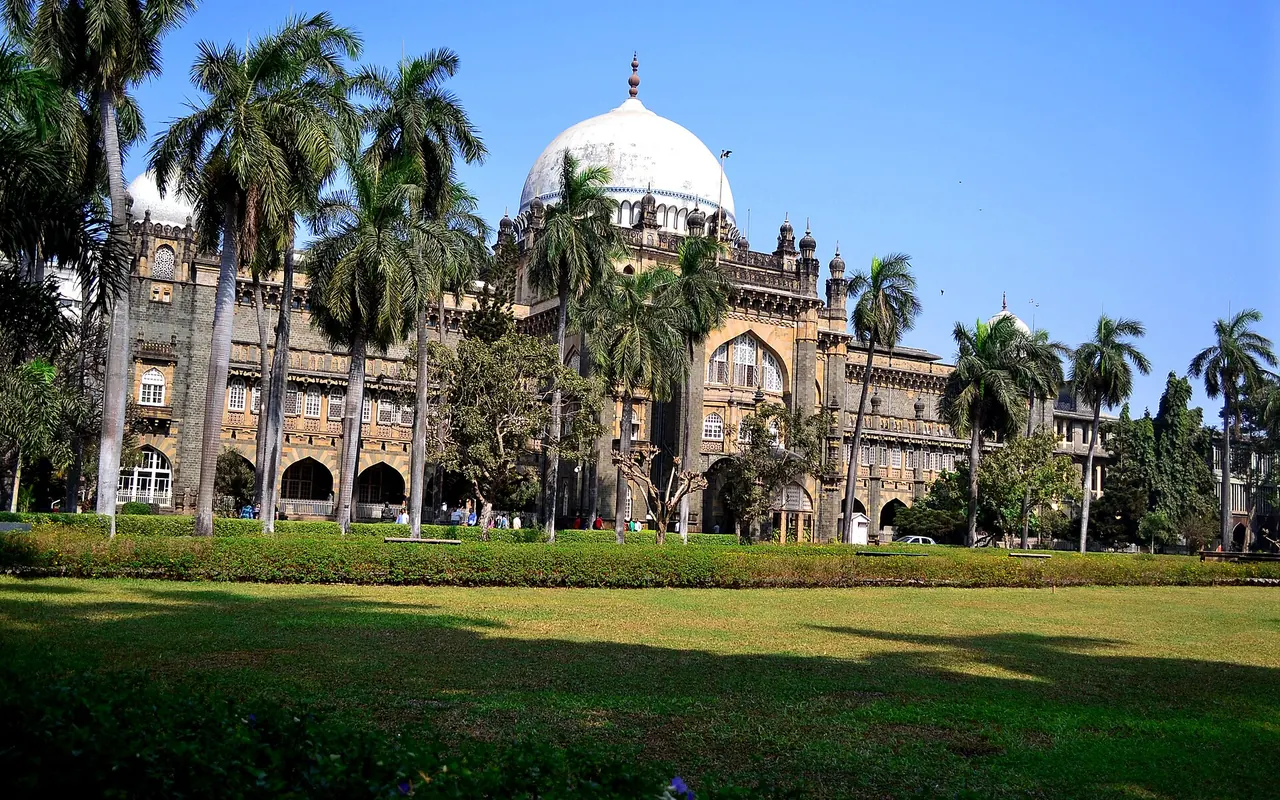
Chhatrapati Shivaji Maharaj Vastu Sangrahalaya, usually shortened to CSMVS, is a strong indoor anchor for a southern-city day. Browse the current collection and exhibition descriptions before going, then choose an area of Indian art or history you want to understand better. The building and garden setting offer their own contrast with the busy roads outside, but the museum is more rewarding when you give a handful of objects real attention.
The museum's visitor information explains admission and behaviour in the galleries, while its booking page lets you check the selected visit date. Follow the current photography rules rather than assuming every object can be photographed in the same way. Keep the visit separate from a general Kala Ghoda walk: they can share an afternoon without needing to be rushed into one activity. Store unnecessary luggage elsewhere and plan a meal break before deciding whether another gallery or the waterfront still appeals.
Plan it well: Read the exhibition and photography information first; leave space for a meal before your next South Mumbai stop.
CSMVS: official visitor informationMake Mani Bhavan a reflective visit
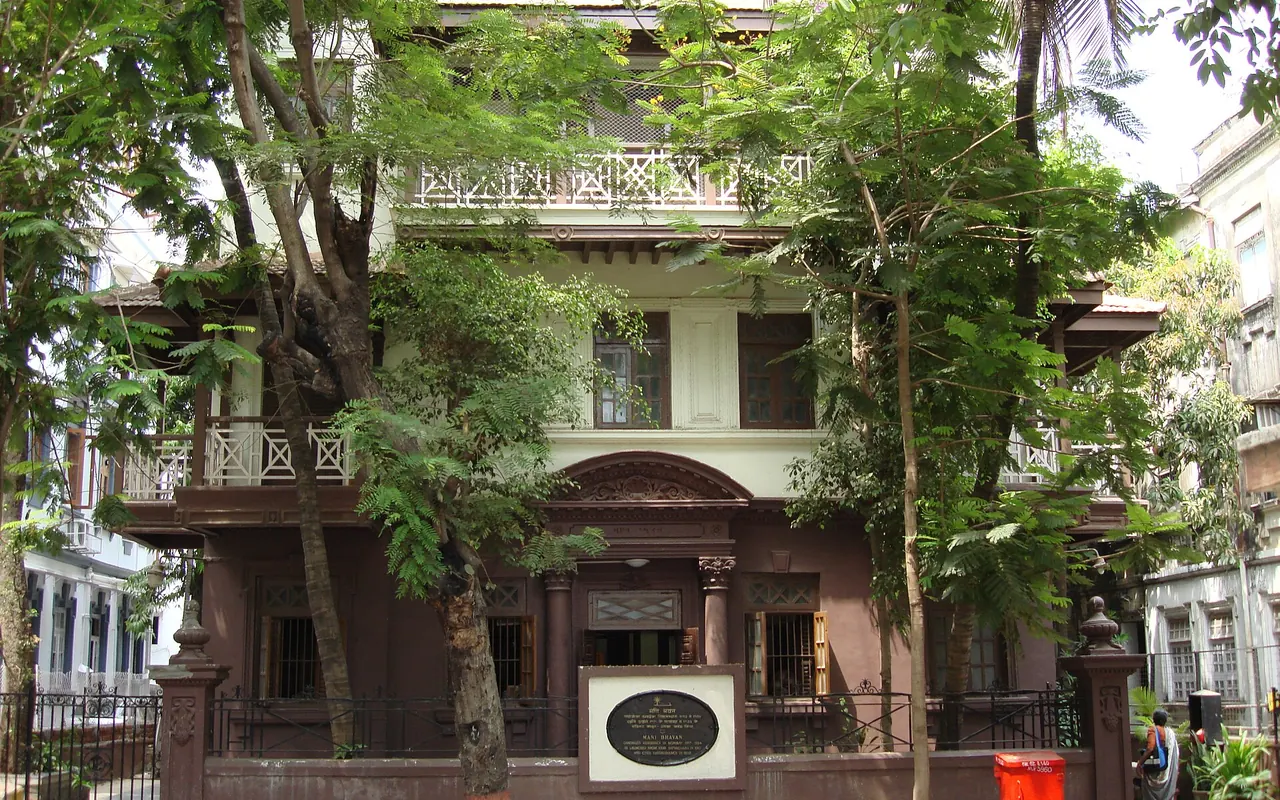
Mani Bhavan gives Mumbai's independence history a more intimate scale than a monumental square or station. The museum and reference library occupy a house associated with Gandhi's work in the city, making it a useful place to connect political history with an actual urban address. Spend time with the documents and interpretation rather than expecting a large, spectacle-led exhibition. It is a visit for reading and reflection as much as looking.
Use the institution's official information to check visitor arrangements before travelling, particularly if you have a specific research or access need. This house setting should not be treated as evidence that every floor is straightforward for every visitor. Group the museum with a Gamdevi or nearby coastal outing instead of sending yourself back across the city between small stops. Give the visit a quiet beginning and finish, allowing its historical questions to stay with you before the next busy street.
Plan it well: Check access requirements with the museum; combine the visit with nearby places rather than a distant northern attraction.
Mani Bhavan Gandhi Sangrahalaya: official museumApproach Haji Ali as a living shrine
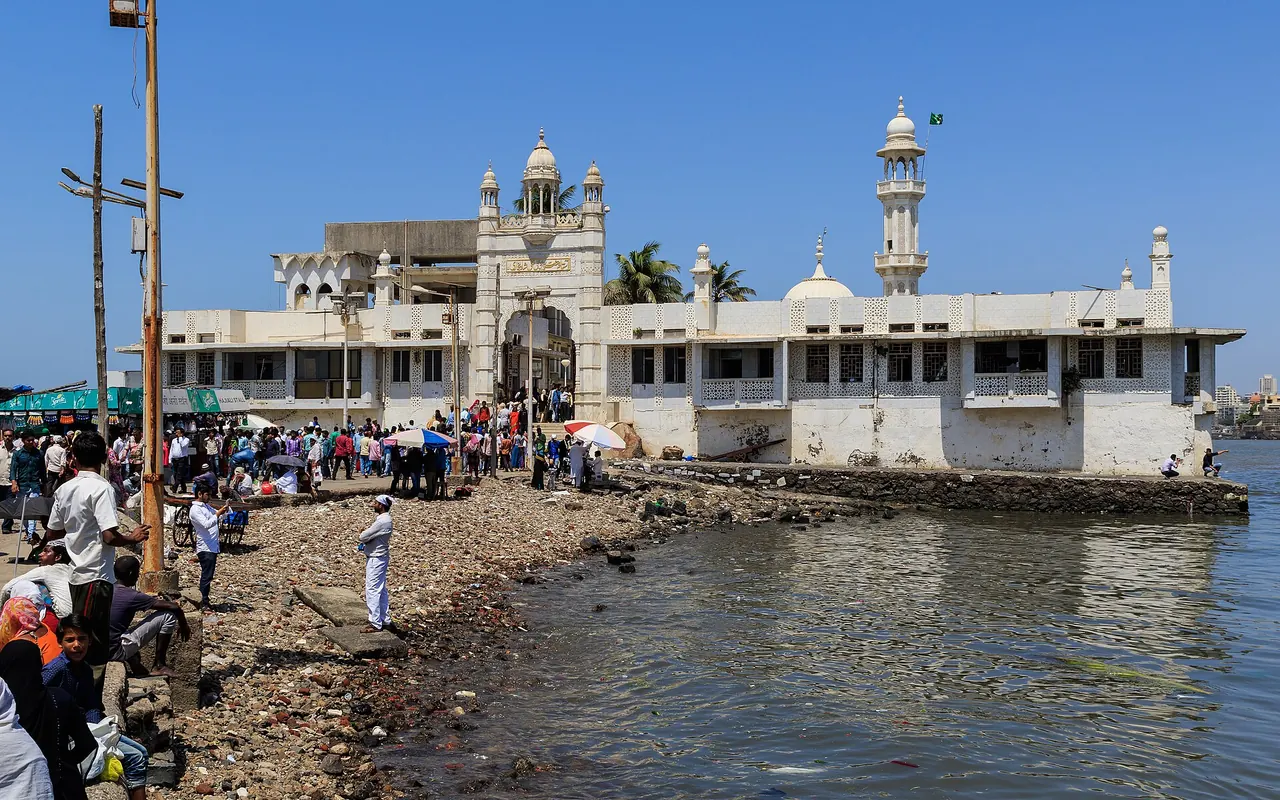
Haji Ali's island setting makes an immediate visual impression, but the reason for the visit is a living place of devotion. The official trust welcomes visitors of different faiths, including non-Muslims. Approach respectfully, dress modestly and follow the instructions given at the entrance rather than treating the complex as an unrestricted waterfront photo location. Notice the relationship between the shore, the causeway and the shrine before deciding how far your visit should continue.
The causeway is part of the access problem, not merely a picturesque walkway. Check the conditions and any local restrictions before starting across, and do not attempt the crossing when water or weather makes it inappropriate. The trust's own site is the place to distinguish official information and donations from people claiming to act on its behalf. Leave the visit flexible around conditions; seeing the setting from the mainland is a reasonable alternative when access is not suitable.
Plan it well: Check the causeway locally before crossing; respect shrine rules and use the official trust for donation information.
Haji Ali Dargah Trust: official visitor informationSet aside a northern outing for Sanjay Gandhi National Park
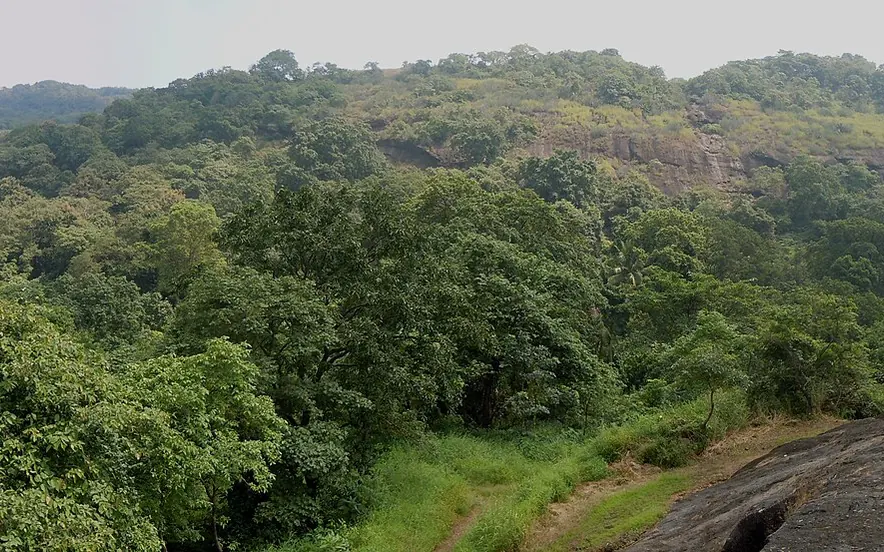
Sanjay Gandhi National Park changes the scale of a Mumbai visit from street blocks to woodland and hills. It is a separate northern outing, not a short garden stop on the way between Colaba sights. Decide whether you want an organised activity, a permitted walk or a visit connected with Kanheri, then read the arrangements for that specific plan. The attraction is the landscape and its history, not a promise of seeing particular wildlife.
Maharashtra Tourism identifies the park and the Kanheri cave complex, but admission to the park should not be assumed to include every activity or monument. Confirm current routes, transport within the park and any separately required booking. Stay on permitted routes and follow staff instructions; an urban location does not make this ordinary street walking. Allow generous time for reaching and leaving the northern city, and choose footwear and water appropriate to the outing rather than to a museum day.
Plan it well: Treat the park as its own trip; check separate Kanheri access and activity arrangements before travelling.
Sanjay Gandhi National Park: Maharashtra TourismEnjoy Juhu from the sand, not a packed schedule
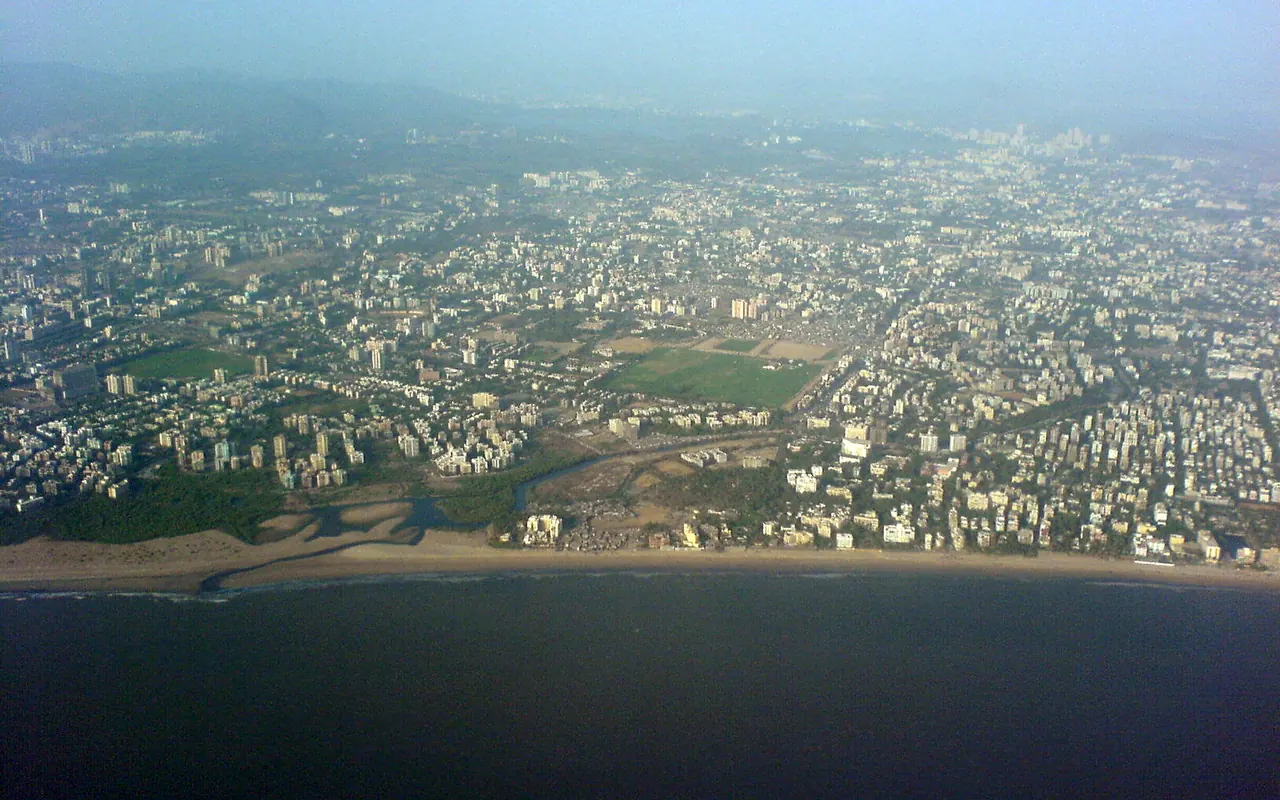
Juhu offers a different coastal outing from Marine Drive: a beach setting in the western suburbs rather than a stone promenade in the south. Choose it when you want space to walk on the sand, watch the changing light and browse the surrounding food scene. The beach's everyday popularity is part of the experience; arrive without expecting an isolated resort shore. A modest walk and a seated meal nearby can make a satisfying visit.
Do not describe this as a swimming recommendation or assume coastal conditions suit entering the water. Follow local warnings and keep plans flexible in rain or rough weather. Food choices also deserve ordinary judgement about preparation, ingredients and your own dietary needs rather than a compulsory list of snacks. Most importantly, allow for the journey: Juhu and Colaba belong to different parts of Mumbai. Build a western-suburbs afternoon around the beach instead of using it as a distant final stop before a South Mumbai booking.
Plan it well: Plan Juhu with the western suburbs, not as a quick detour from Colaba; this guide does not recommend sea swimming.
Mumbai Suburban district: Maharashtra TourismObserve Dhobi Ghat without intruding
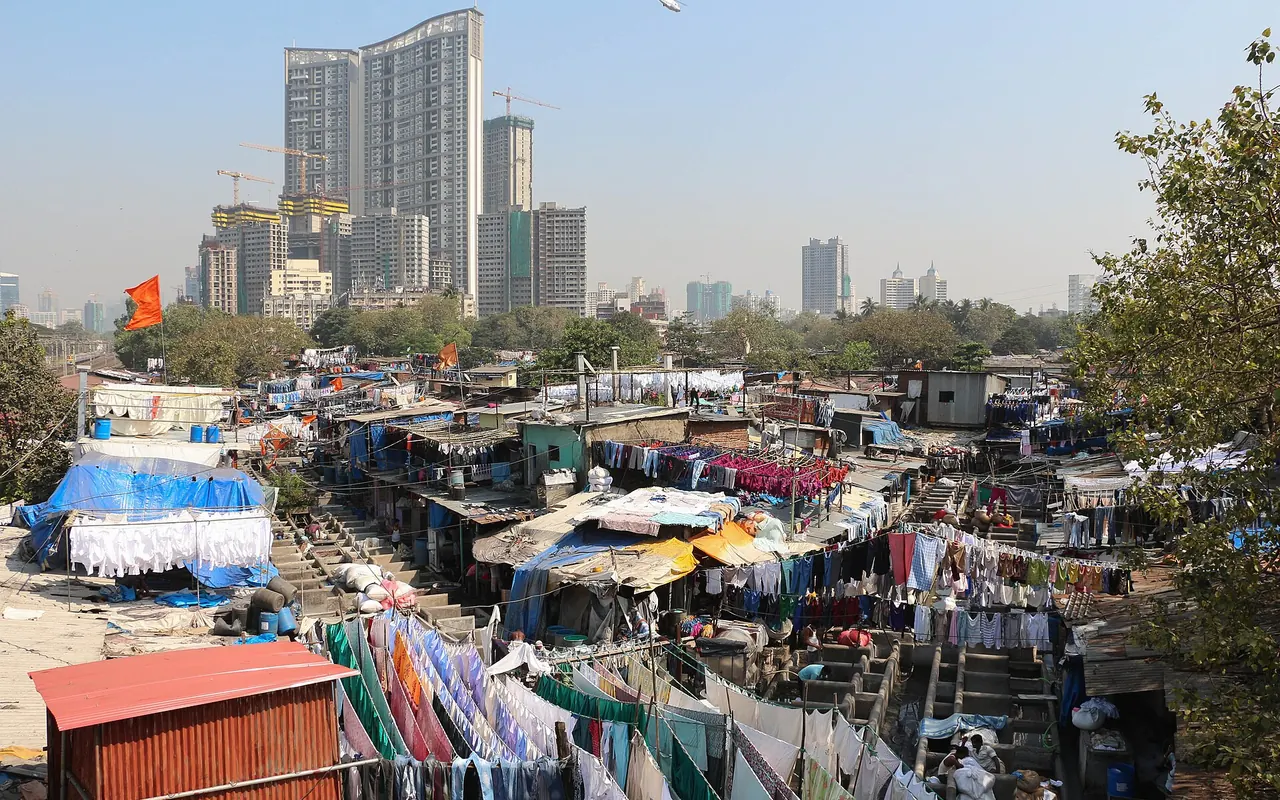
Dhobi Ghat is a working laundry, not a purpose-built exhibit of somebody else's daily life. Its washing pens, drying lines and movement of textiles reveal an important urban service, but the people working there are not obliged to become subjects for visitors' photographs. Begin with a public view where you are not obstructing anyone, and pay attention to the organisation of the place rather than trying to collect close-up images of workers.
An organised visit, if you choose one, should explain who grants access, what is included and how the activity respects the people doing their jobs. Do not follow an unsolicited offer into private working areas or assume that a sightseeing listing establishes permission to wander. Ask before photographing identifiable people, accept a refusal and avoid interrupting the work. This is a short, considered stop near Mahalaxmi rather than a spectacle to schedule for maximum activity; leave if the situation feels intrusive.
Plan it well: Use public viewpoints without blocking them; obtain permission before entering working areas or photographing people.
Dhobi Ghat in Incredible India's Mumbai itineraryHow to spend two days in Mumbai
Day one: the harbour and Fort
Start at the Gateway of India, then choose CSMVS as the main indoor visit. Explore a manageable part of Fort and the terminus exterior. Finish with a stretch of Marine Drive if conditions suit it, leaving plenty of time for meals and transport.
Day two: choose an island or another city cluster
Give Elephanta a substantial outing only after confirming ferry and monument arrangements. Alternatively, combine Mani Bhavan with a condition-dependent Haji Ali visit and a respectful public view of Dhobi Ghat. Juhu and Sanjay Gandhi National Park belong to separate northern or western outings, not the same compressed day.
Before you go
Use neighbourhood clusters
Traffic and the city's north-south extent matter. Confirm the actual journey between stops rather than treating ten map pins as a single two-day route.
Let conditions change the plan
Ferries, causeways and coastal walks can be affected by weather. Check the local operating advice and keep an indoor alternative instead of forcing an outdoor booking.
Respect working and religious spaces
Station passengers, laundry workers and worshippers take priority. Follow access rules, ask before photographing people and avoid offers that cannot explain their authority.
Stay near the places that matter to you
Colaba and Fort are practical bases for harbour sights, CSMVS and architecture, while a Back Bay address can suit an evening Marine Drive walk. Juhu works better for a western-suburbs stay than for repeated South Mumbai sightseeing. For a park-led trip, compare northern locations and the real journey to Borivali. Check the exact hotel address, transport options and room details, and treat airport and sightseeing convenience as separate questions.
Explore Mumbai hotels