
Delhi city guide
10 things to do in Delhi
Follow Delhi's layers through a Mughal garden tomb, Old Delhi's monumental streets, places of living worship and green spaces that make room between longer journeys.
Plan your visit
Delhi rewards a little geographical discipline. The Red Fort and Jama Masjid belong together in Old Delhi, while Qutb Minar and the Lotus Temple require separate journeys south. A first visit feels more coherent when you explore one area properly instead of spending the whole day crossing the city. These ten stops bring together grand architecture, quieter gardens and active religious communities. The suggested two-day route deliberately selects from them rather than promising all ten. Keep transport buffers, check the day's admission arrangements and let weather, air quality and prayer schedules shape the order.
1. Walk the garden axes at Humayun's Tomb
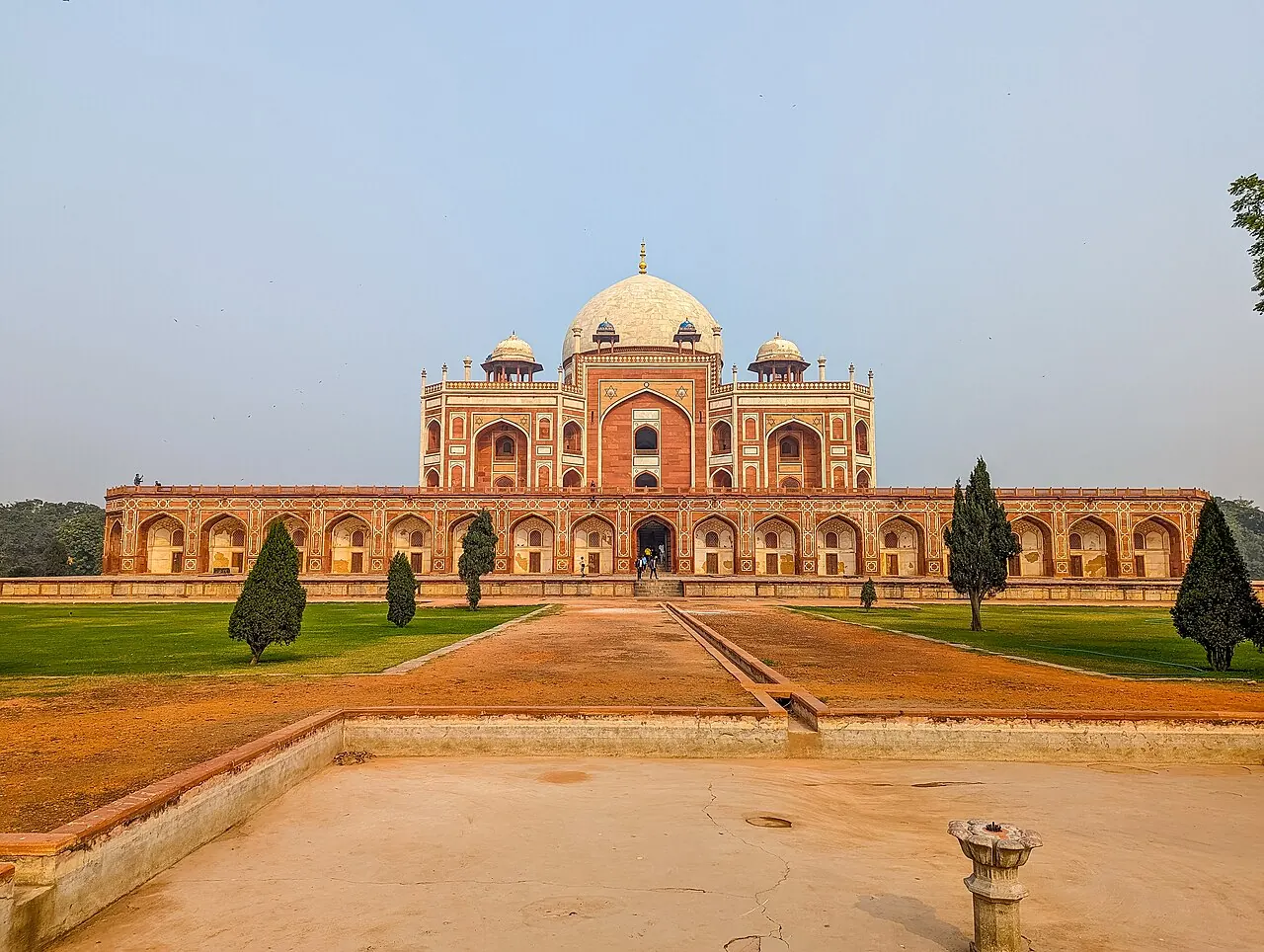
Humayun's Tomb is a rewarding introduction to Mughal Delhi because its architecture makes sense before you have learned a long list of names. Paths and garden divisions draw your eye towards the elevated mausoleum, where red sandstone meets a pale dome. Follow one of those axes towards the building, then move away from the central approach to see how the proportions change. The garden is part of the experience, not simply the space you cross to reach the tomb.
Give the enclosure enough time for a second circuit rather than taking the same photograph at the entrance and leaving. Look at the arched openings, the relationship between the terrace and garden, and the smaller monuments within the wider complex. This is an outdoor visit with stretches of exposed walking, so build in water and rest breaks. It combines more naturally with nearby eastern Delhi sights than with a hurried detour to Qutb Minar.
Plan it well: Keep Humayun's Tomb and Purana Qila on the same side-of-city plan, but treat each as a separate visit with a transport interval.
Delhi Tourism: Humayun's Tomb2. Look beyond the tower at Qutb Minar
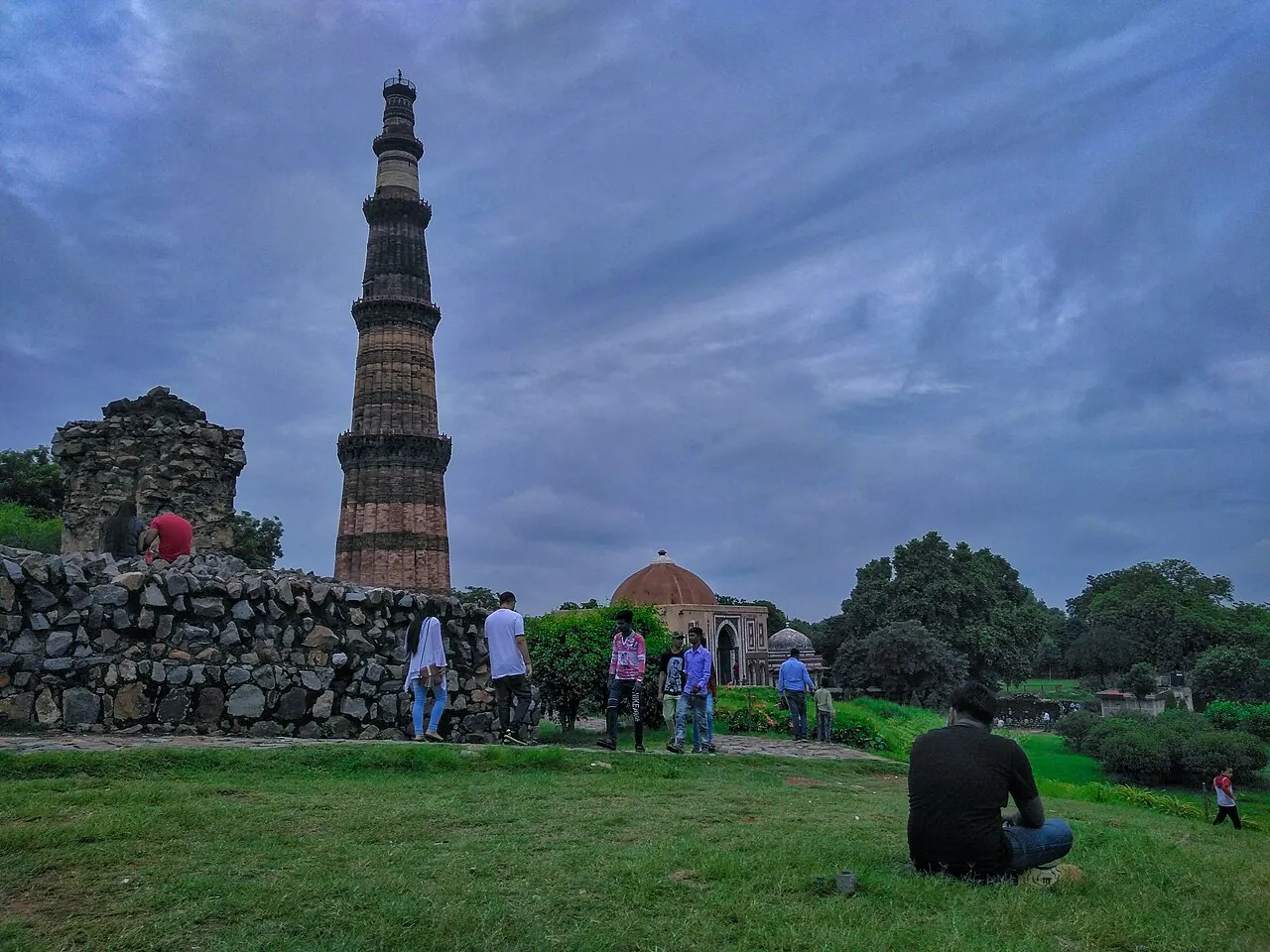
Qutb Minar is the obvious focal point, but the surrounding archaeological complex is what turns a tower photograph into a substantial visit. Start by taking in the minaret's changing bands of stone and projecting balconies, then follow the ground-level route through the mosque remains, carved columns and adjoining structures. The differences between surfaces are worth your attention: a plain stretch of masonry can make the density of an inscribed or sculpted panel more striking.
Use the site signs to keep individual buildings and different periods distinct. The Iron Pillar and the surviving mosque architecture are not simply decorative scenery around the minaret. Leave space to walk between them and stop where you can see the tower in relation to the rest of the site. Plan this as a South Delhi outing with its own travel allowance; combining it with Old Delhi in a short morning would sacrifice time at both ends.
Plan it well: Base the visit on the ground-level complex and current marked routes; do not make a tower climb the reason for coming.
Delhi Tourism: Qutab Minar3. Trace the palace city inside the Red Fort
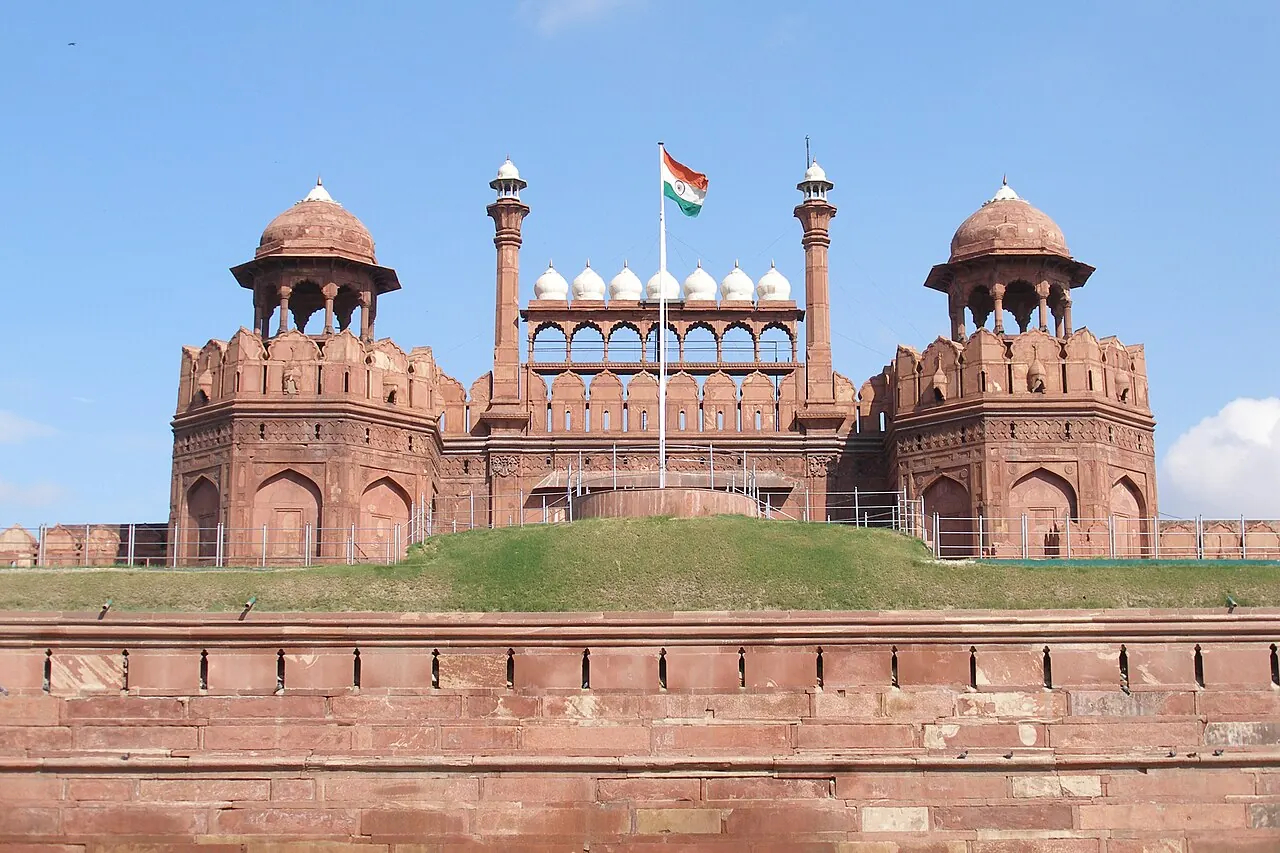
The Red Fort's immense walls announce a fortress, but the site also needs to be understood as a palace. Shah Jahan's capital brought ceremonial rooms, private pavilions and gardens into a planned enclosure. Looking only at the entrance leaves out that change of scale. Once inside the visitor route, compare the imposing outer defenses with the more delicate architectural language of the palace buildings and the spaces that originally linked them.
This is a large, layered monument, not an intact set of rooms frozen in one period. Later military use and changes to the surrounding city are part of its history too. A guide or clearly identified official interpretation can help separate those layers. Reserve a substantial portion of an Old Delhi day for the fort, check current entry and security instructions, and establish separately whether any museum or evening programme you want is operating and included.
Plan it well: Combine the fort with Jama Masjid geographically, but allow a break between the two instead of booking a tight onward appointment.
UNESCO: Red Fort Complex4. Enter Jama Masjid with the right expectations
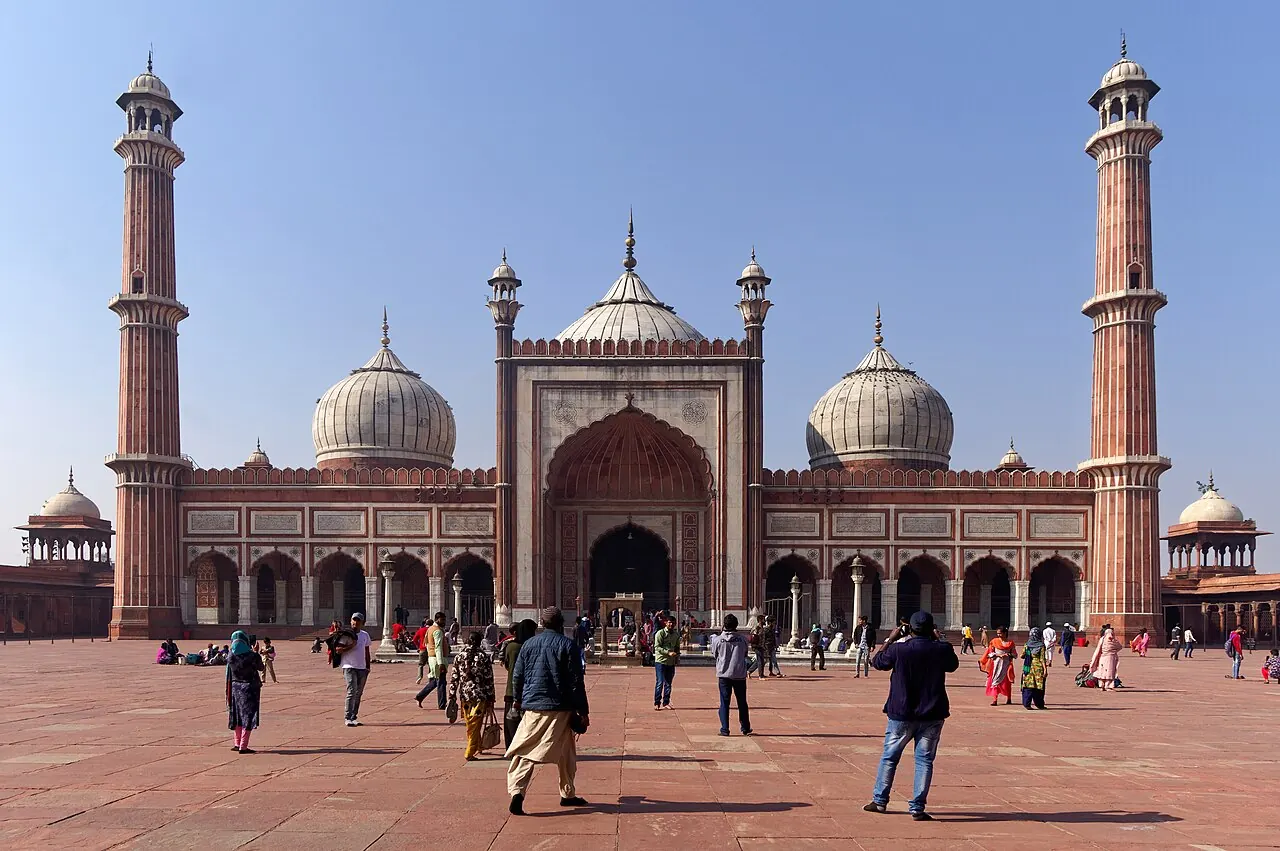
Jama Masjid opens a different kind of space above Old Delhi's close-packed streets. Its courtyard gives the prayer hall, domes and striped minarets room to be seen together. Take a moment to notice the transition from the approaches outside to the open enclosure, rather than treating the building as another hurried monument on a checklist. It is an active mosque, and worship takes priority over any sightseeing plan.
Confirm visitor access at the gate and dress modestly, following staff instructions about footwear, clothing and where you may go. Delhi Tourism publishes specific tourist arrangements and says that access after sunset is for devotees; an evening exterior view is not a promise of tourist entry. Ask before photographing people or moving into a prayer area. A respectful visit can fit alongside the Red Fort, with a separate pause for the surrounding Old Delhi streets.
Plan it well: Plan sightseeing for the published visitor period, confirm any applicable charges at the gate, and never assume prayer-time access.
Delhi Tourism: Jama Masjid5. Pause at the Lotus Temple
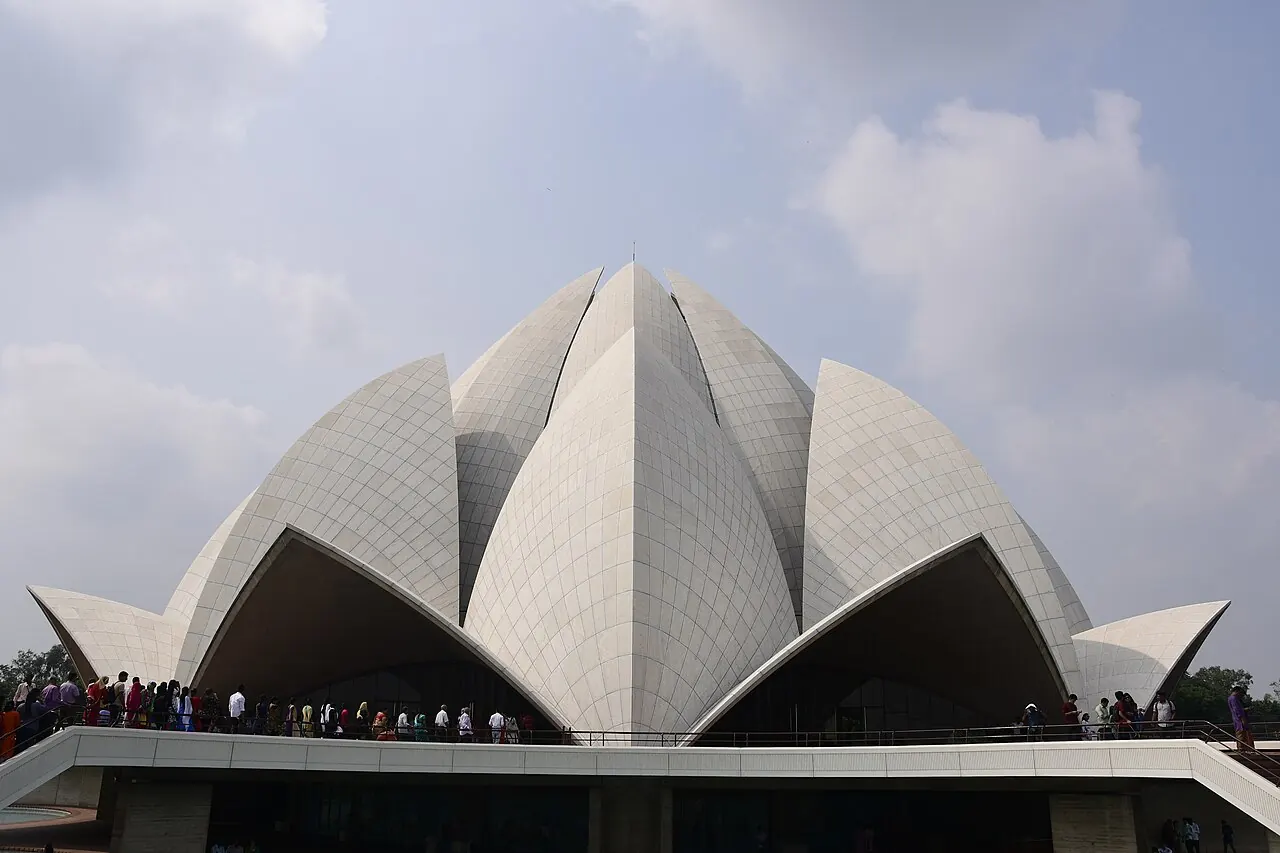
The Lotus Temple offers a striking change from Delhi's red sandstone and domed monuments. Its white marble forms open like overlapping petals, and the approach allows you to understand the building's silhouette before going closer. The surrounding gardens and pools contribute to that impression, so do not rush straight from the entrance to the hall. This is a Bahai House of Worship, open to people of different faiths for prayer or meditation.
Inside, the point is quiet attention rather than a sequence of exhibits. Follow the current instructions for entry and silence, and distinguish permission to photograph the exterior from permission to photograph inside. Delhi Tourism lists Monday as a closed day, so confirm the current visitor schedule before travelling across the city. Keep this stop within a South Delhi plan and leave time for the approach, any queue and a genuinely unhurried pause.
Plan it well: Check the visitor calendar before setting out, especially for Monday, and ask staff about photography rather than assuming it is unrestricted.
Delhi Tourism: Lotus Temple6. Follow the paths between Lodhi Gardens tombs
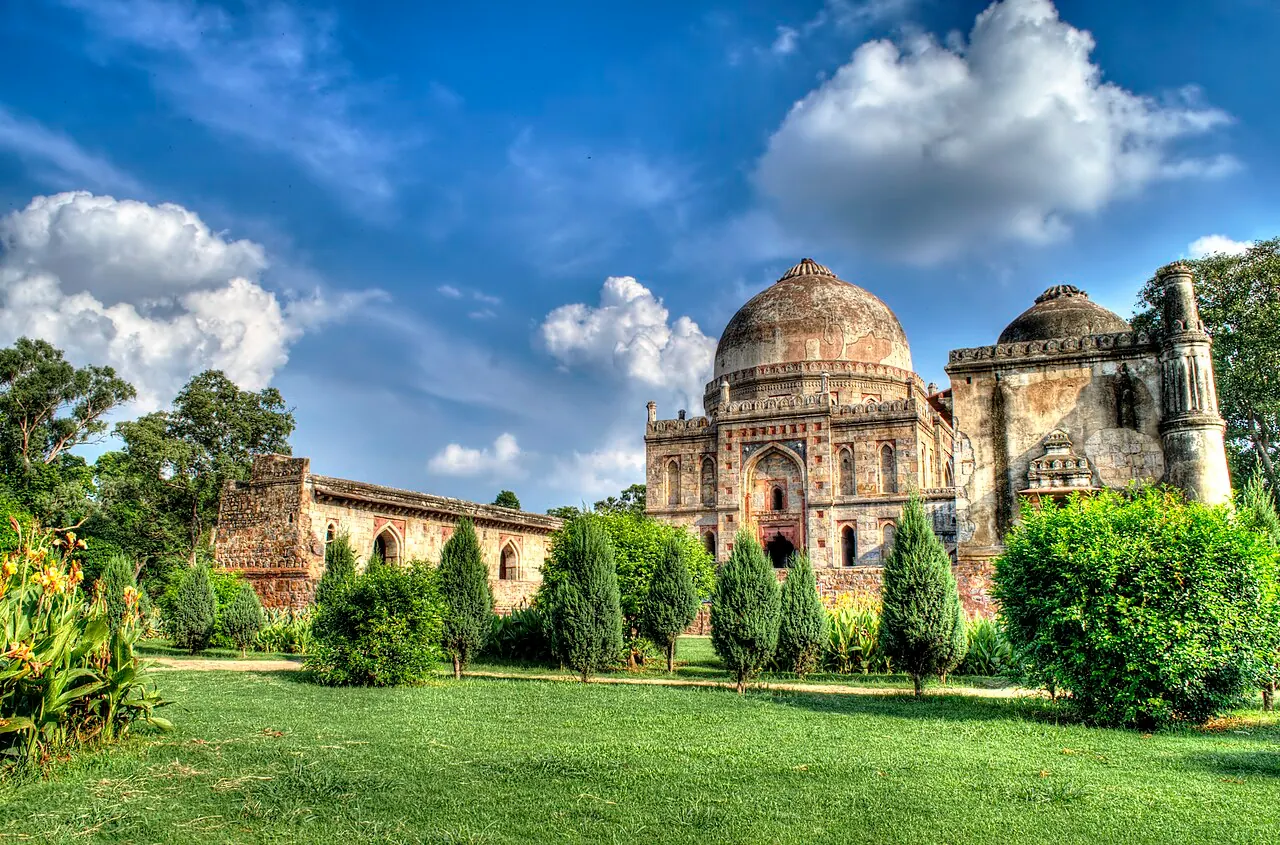
Lodhi Gardens lets you encounter Delhi's older architecture at walking pace. Tombs, mosque remains and other monuments from the Sayyid and Lodi periods sit among paths and greenery rather than behind one ceremonial entrance. Start with the shape of each building: some tombs are octagonal, while the prominent domed structures elsewhere in the garden have a different mass and outline. Those contrasts are easier to remember than a rapid list of dates.
Allow the park to be a real break in your day. Walkers and people resting on the lawns give it a character quite different from a tightly scheduled monument circuit. Follow established paths, respect any restricted structures and leave the stonework alone. A morning stroll or a later walk can work well between visits in central and eastern Delhi, but the grounds are still outdoors; adjust the duration to conditions rather than treating shade as guaranteed.
Plan it well: Choose a loose circuit between a few monuments and a rest stop; the garden does not need to become another exhaustive checklist.
Delhi Tourism: Lodi Tomb and Lodhi Garden7. Read India Gate as a memorial
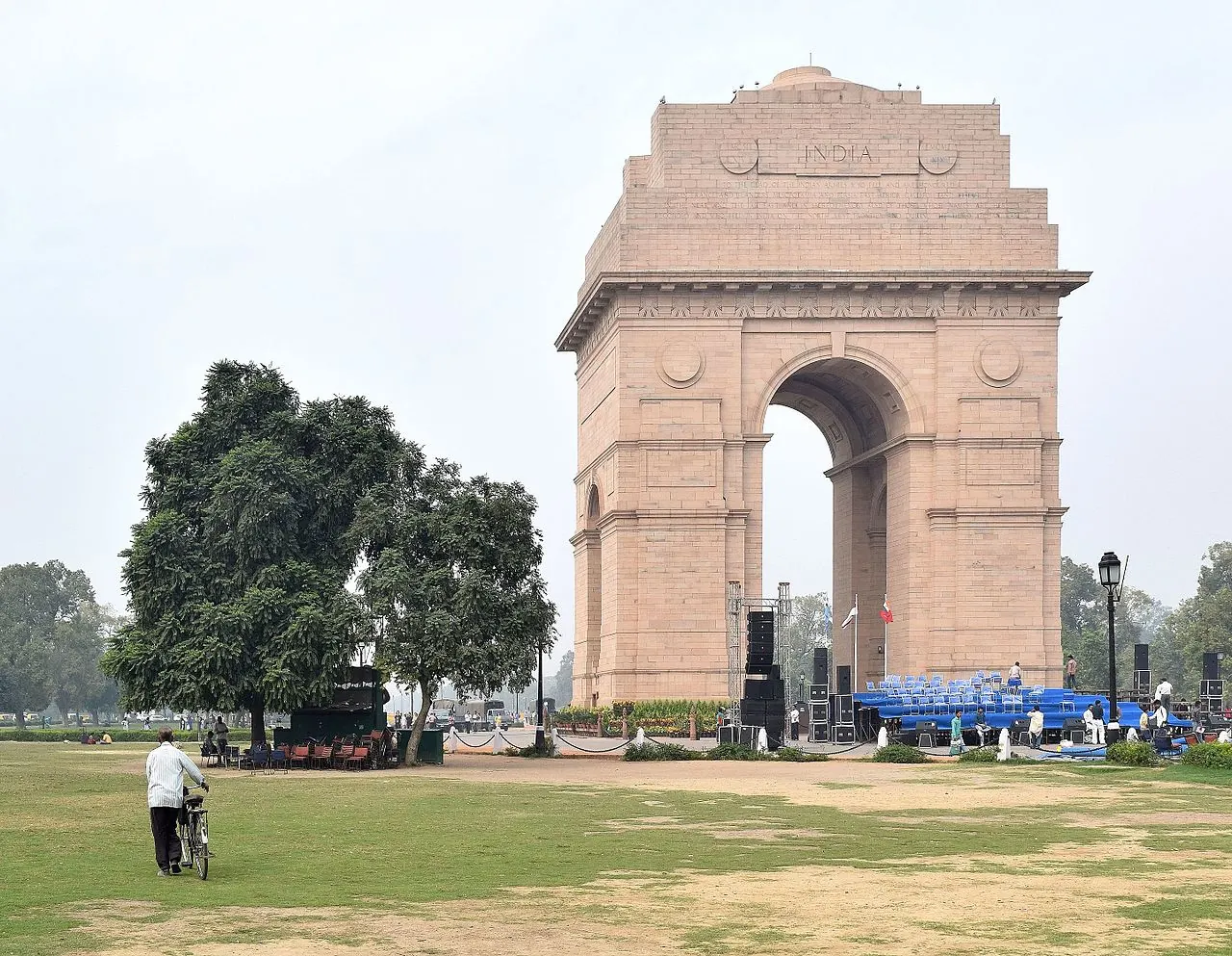
India Gate belongs to New Delhi's monumental public landscape, where broad spaces replace Old Delhi's enclosed streets. Approach it as a war memorial before treating it as a skyline landmark. The arch's inscribed names and commemorative dates make a closer look more meaningful than a distant photograph alone. Taking a wider view afterwards helps place the structure within the surrounding avenues and lawns without confusing it with a palace entrance or a temple.
Keep the plan flexible around security barriers, official events and the walking routes available on the day. The open setting means that the walk from your drop-off point matters as much as the apparent distance on a map. Agree a clear pickup location and take care at road crossings rather than improvising a shortcut towards the arch. This is a useful central stop between longer visits, not a reason to pack another cross-city journey into the afternoon.
Plan it well: Arrange pickup at a permitted, recognisable point and follow the current pedestrian access route; do not plan to drive directly up to the memorial.
Delhi Tourism: India Gate8. See the depth of Agrasen ki Baoli
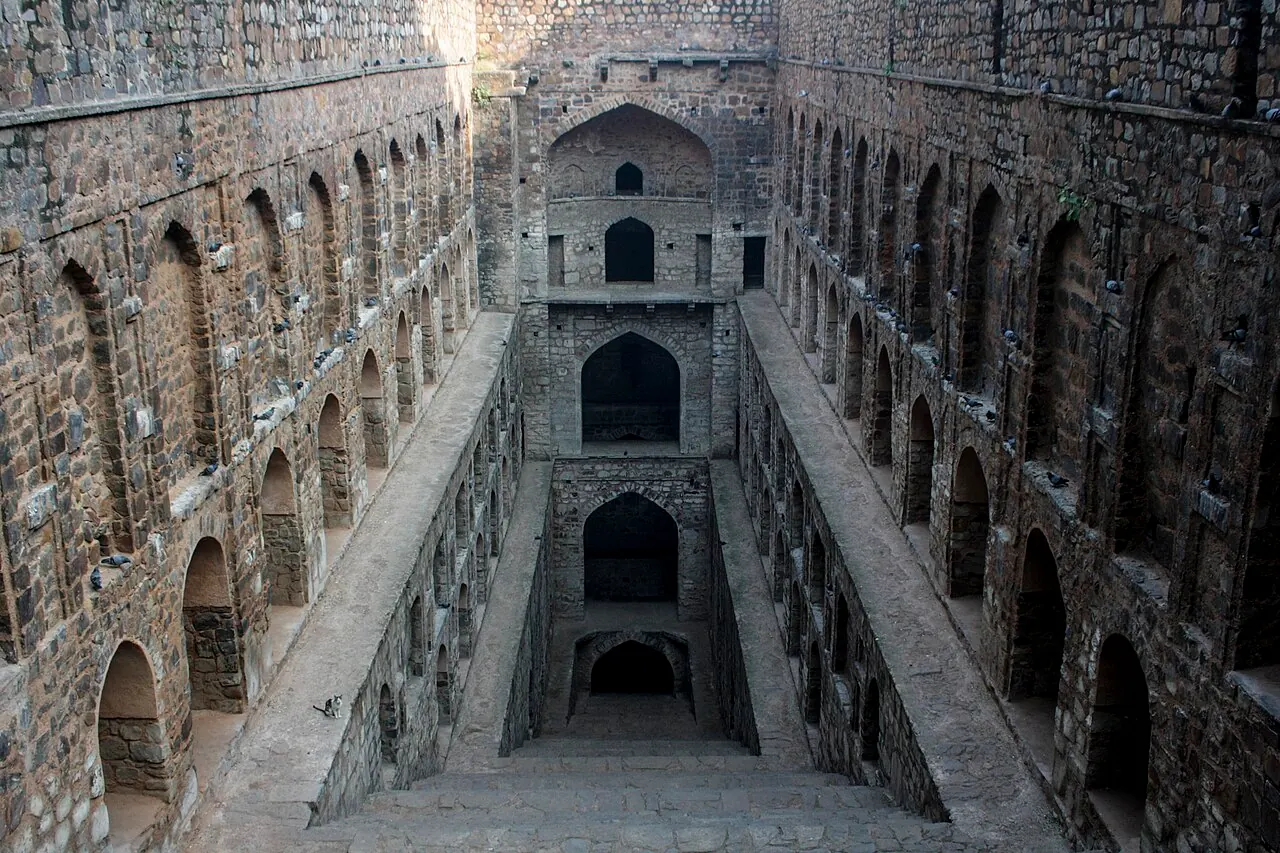
Agrasen ki Baoli makes an unexpected architectural encounter within central Delhi. Instead of looking upwards at a tower or dome, you look down a long flight of steps towards the depth of a historic water reservoir. Repeated arches along the sides make that descent visually legible. Begin from the upper level, where the whole arrangement is easier to understand, and notice how light reaches the stone surfaces at different depths.
You do not need to descend every step to appreciate the structure. The stairs can be demanding, and the edge of a photograph is not a reason to move beyond a barrier or climb onto masonry. Keep to the permitted areas, check the current opening arrangements and allow a little time to find the entrance from the surrounding streets. This is a manageable addition to a central Delhi day, especially if your larger visits are already chosen.
Plan it well: Make the upper-level view your starting point and descend only as far as conditions, permitted access and your mobility allow.
Delhi Tourism: Agrasen ki Baoli9. Visit the living community at Bangla Sahib
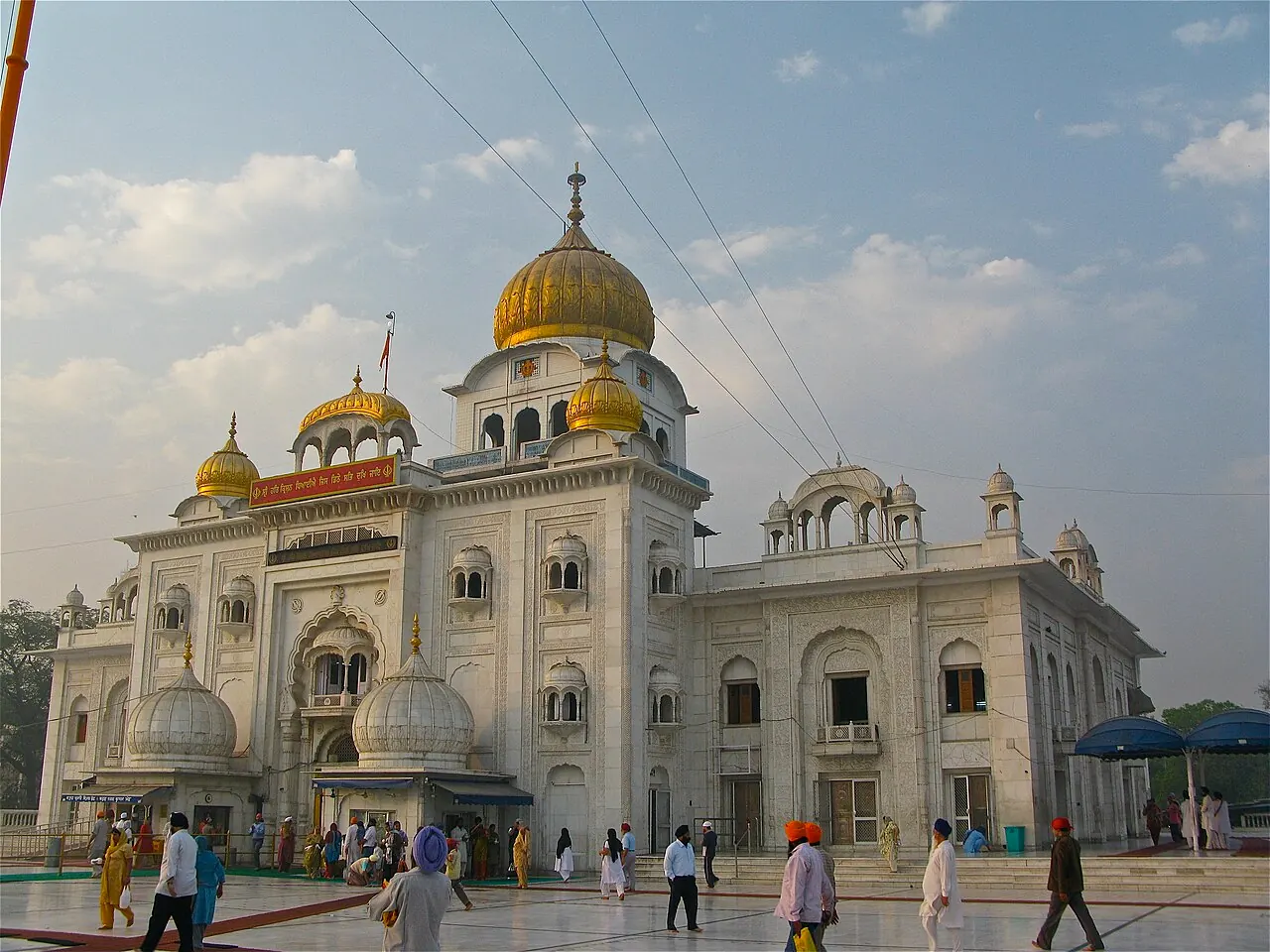
Gurudwara Bangla Sahib is a place of worship and community life, not simply a white-and-gold architectural stop. Its association with Guru Har Krishan is central to its identity. Give the visit enough time to understand the rhythm of the place: people arrive to pray, serve and share food, rather than follow a museum route. The sound and movement of the congregation matter as much as the building's domes or the water within the complex.
Cover your head, remove footwear as instructed and follow the staff's guidance about washing and the appropriate route. Visitors need not be Sikh, but welcome does not remove the responsibility to respect worshippers and photography restrictions. If you wish to participate in the community meal or offer service, ask how to do so appropriately rather than turning it into a spectacle. A visit fits naturally with central Delhi, with time afterwards to return to your hotel or explore nearby streets.
Plan it well: Bring a suitable head covering and ask the visitor helpers where to leave footwear and whether photography is permitted in the area you enter.
DSGMC: Gurdwara Bangla Sahib10. Make space for the walls of Purana Qila
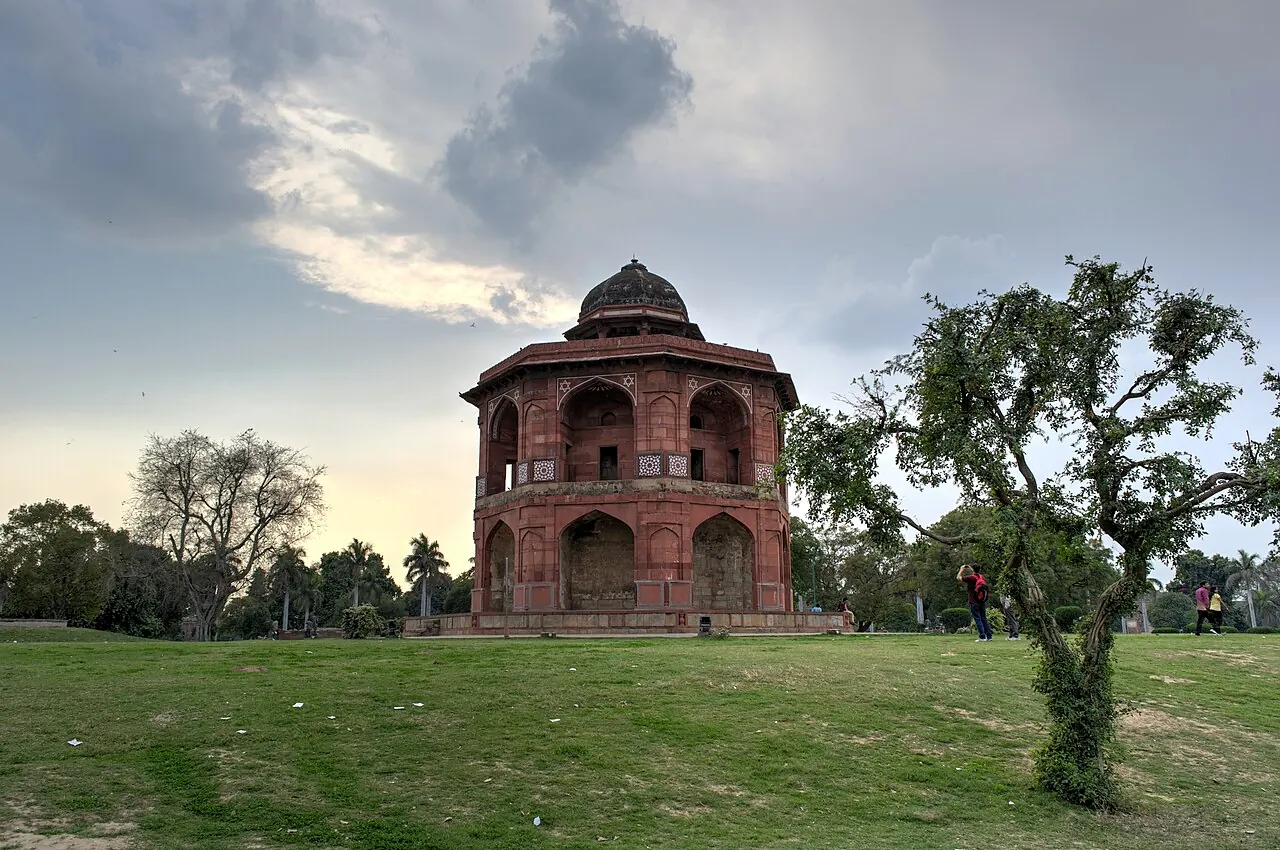
Purana Qila offers another perspective on Delhi's fortified past, distinct from the Red Fort's ceremonial palace setting. Its broad ramparts, substantial gateways and surviving buildings invite a slower outdoor exploration. Look at the combination of pointed arches, projecting details and roofline forms in the gateways, then take a wider view of the enclosure. The building programme is associated with Humayun and Sher Shah Suri, giving the visit a useful place within the city's changing capitals.
Allow time to move between the structures rather than assuming the entrance is the principal attraction. Some of the reward is in their separation: a pavilion becomes easier to read when you see the open ground around it. Check current access to individual buildings and establish separately whether the archaeological museum or any evening programme is operating. For a short trip, this can replace another large monument visit instead of being squeezed in after an already full day.
Plan it well: Choose Purana Qila or a longer Humayun's Tomb circuit when time is short; their proximity does not make both effortless additions.
Delhi Tourism: Purana QuilaHow to spend two days in Delhi
Day one: Old Delhi, then a central pause
Start with the Red Fort, leaving a generous interval for entry and the palace route. Take a proper break before Jama Masjid during the published tourist period, then spend some time in the surrounding streets. Travel to central Delhi for Bangla Sahib if energy and access arrangements suit; otherwise keep it for another day. Do not add Qutb Minar to this route.
Day two: a garden tomb and open spaces
Give the morning to Humayun's Tomb, then pause for lunch and continue to Lodhi Gardens. India Gate can be a final exterior stop if the day's pedestrian access and conditions work. Prefer fort architecture? Substitute Purana Qila for the tomb, rather than rushing both. Qutb Minar and the Lotus Temple form an alternative South Delhi day.
Before you go
Plan the journey, not just the station
Use the official Delhi Metro journey planner for current routes and interchanges. Check the walk or onward ride from the station to the actual entrance, and leave time for security, road crossings and traffic on any connecting car journey.
Delhi Metro Rail CorporationLet conditions change the outdoor plan
Check the local forecast and official air-quality information before a long outdoor circuit. Keep a shorter route and a rest stop available, and avoid stacking several exposed monuments into the same part of the day.
Delhi Department of Environment: ambient air qualityDistinguish worship from sightseeing
Visitor arrangements differ between Jama Masjid, the Lotus Temple and Bangla Sahib. Confirm access, dress and photography rules at each site; religious occasions and prayer periods can alter a carefully planned sequence.
World Sikh Organization: gurdwara etiquetteStay near the day you want to have
Connaught Place and nearby central areas give a useful starting point for a first visit, especially when a well-placed Metro entrance matters. South Delhi may suit a slower trip focused on Qutb Minar and southern neighbourhoods. An Old Delhi base brings atmospheric streets close but calls for careful checks of noise, vehicle access and the hotel entrance. Compare the actual location with your planned journeys, and make arrival arrangements explicit if landing late. Airport-area convenience is not the same as convenient sightseeing across the city.
Explore Delhi hotels