
Reykjavik city guide
10 things to do in Reykjavik
Connect Reykjavik's church, concert hall and harbour with archaeology, contemporary art and coastal scenery. Keep outdoor plans flexible and give each museum a clear purpose.
Plan your visit
Reykjavik is compact enough for walks between major central sights, but its coastal weather and outlying attractions reward a flexible plan. Combine one substantial indoor visit with a manageable outdoor route, then decide whether the afternoon calls for another collection, a concert or the sea.
Orient yourself around Hallgrimskirkja
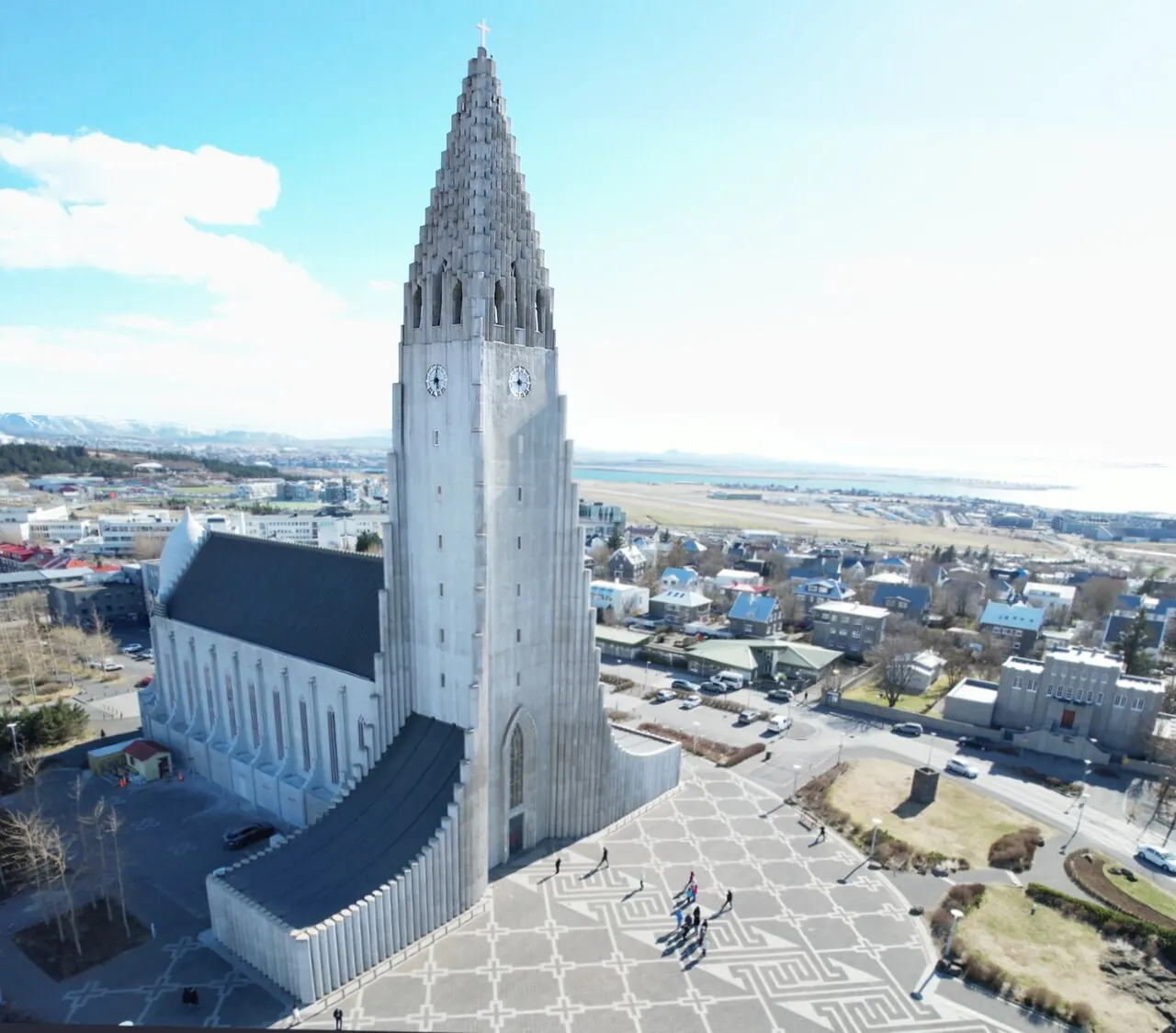
Hallgrimskirkja is a useful first landmark because its tower makes the surrounding streets easy to place. Approach through the city rather than arriving only for a photograph at the door, then look at the church's stepped exterior before deciding whether to go inside. The building is an active church, so its interior asks for a quieter pace than the busy space in front.
Church visiting and tower admission have different arrangements, and services, concerts or other events can limit access. Check both before building your morning around an ascent. If visibility is poor, the exterior and nearby streets can still make a satisfying walk without a tower visit. Keep your later plans flexible enough to return, and remember that a concert is a separate activity requiring its own programme and ticket check.
Plan it well: Use the official church notice, not a generic map listing, to check whether visitors can enter during an event.
Hallgrimskirkja: visitor accessExplore Harpa beyond its glass facade
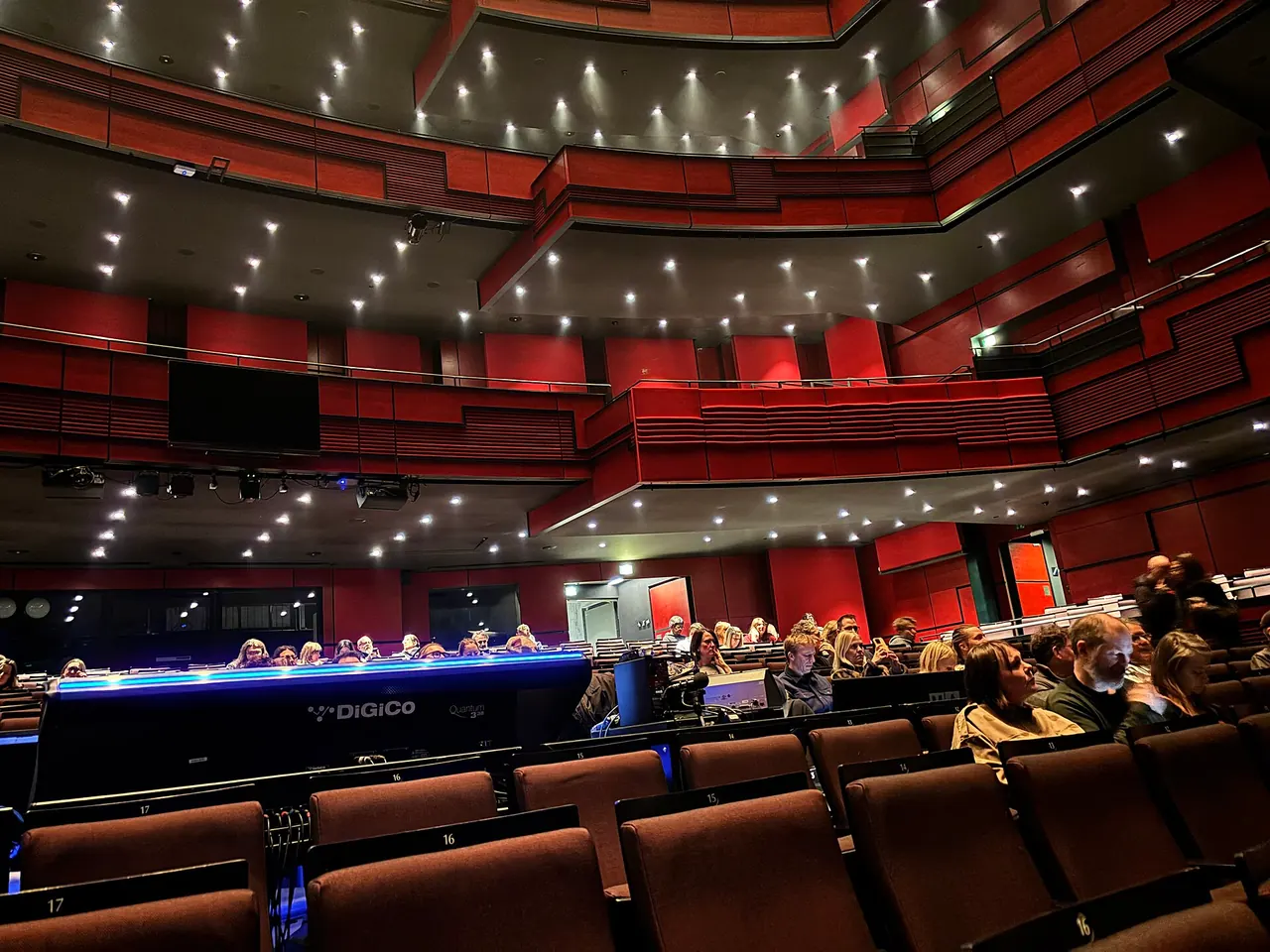
Harpa connects Reykjavik's working waterfront with its contemporary cultural life. Look at the geometric glass from outside, then explore the public interior if it is available. Changes in light and viewpoint make the building interesting even without attending a concert. Leave room to sit and look back towards the harbour instead of treating the foyer as a quick shelter from the weather.
Public building access is not the same as admission to a concert hall, a guided tour or a performance. Read the current visitor information and the programme separately, particularly if one specific interior is the reason for coming. A confirmed evening concert can anchor a central day, while an unbooked daytime visit works naturally with the harbour or Sun Voyager walk. Allow time for entry and cloakroom arrangements rather than arriving at the advertised start with outdoor luggage.
Plan it well: Choose a performance for its programme and language, not merely as a way to see the building.
Harpa: visitor informationLook closely at the Sun Voyager
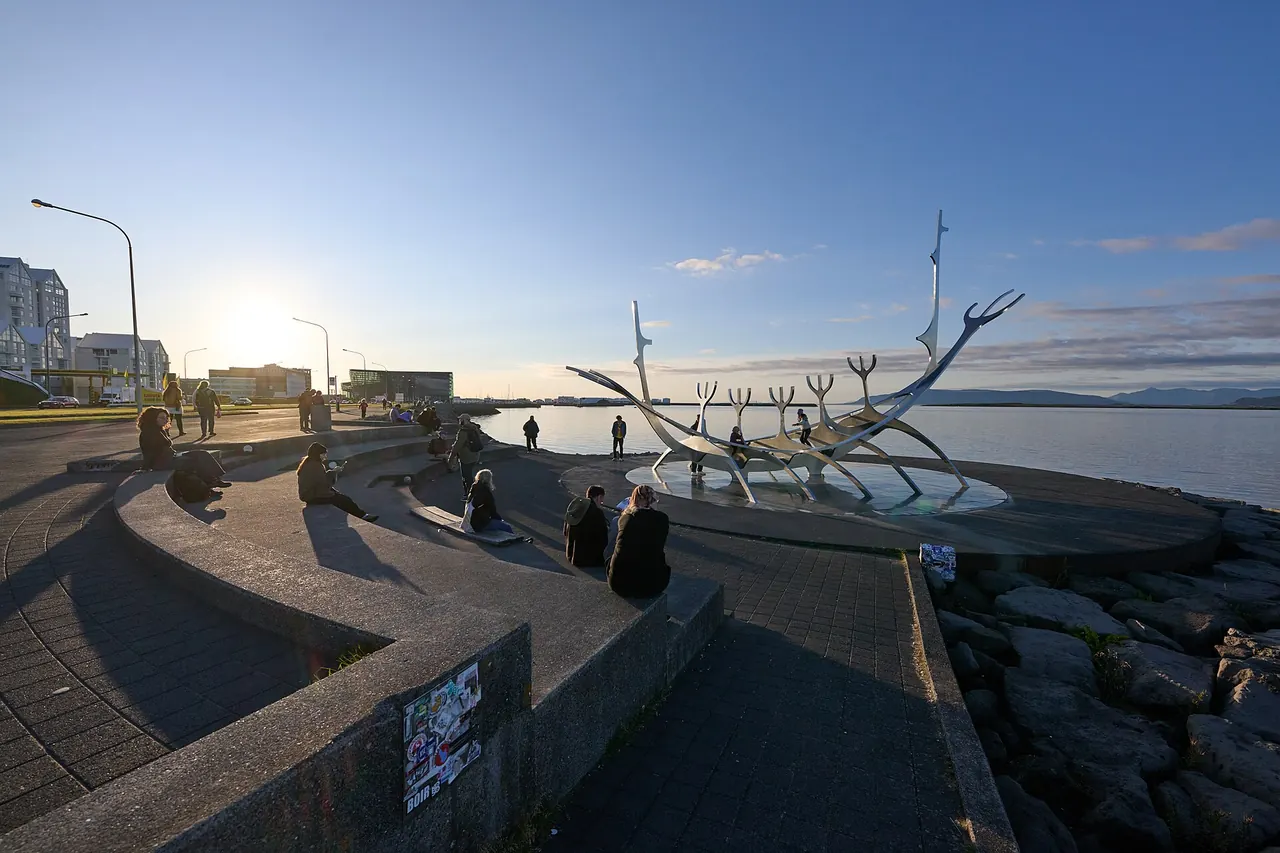
The Sun Voyager is a good reason to pause on the waterfront rather than simply keep walking towards the next building. Its open steel form changes against sea, sky and the distant shore as you move around it. Although its outline suggests a ship, the artwork is a dream boat and an ode to the sun, not a surviving historical vessel.
Approach it as a short outdoor art stop that can extend into a longer coastal walk when conditions suit. Wind along the water can be stronger than it felt among the central streets, so carry a layer and make the return plan before continuing far. Sunset is an optional mood, not a guaranteed spectacle or a requirement for appreciating the sculpture. Let other visitors enjoy the space too, and avoid climbing onto the work for a photograph.
Plan it well: The paved artwork area and the neighbouring rocky shoreline are different places; stay on appropriate public paths.
Visit Reykjavik: Sun VoyagerFollow Iceland's story at the National Museum

The National Museum of Iceland gives context to a trip that might otherwise remain a series of landscapes and buildings. Follow objects through the country's history, looking at how ordinary work, belief and political life appear in material things. A deliberate chronological route can be helpful on a first visit, but stop for the objects that make you ask questions rather than trying to read every label.
This is a substantial indoor outing, not just a brief alternative while waiting for better weather. Check the museum's current exhibitions, admission and visitor facilities before deciding how much of the day to reserve. Cloakroom and locker information is especially useful if you are moving between accommodation and transport. Do not assume a cafe or every service is operating because it appeared in an older guide; arrange a meal around the confirmed facilities.
Plan it well: Leave time to connect the collection with what you have seen around the city, not only to reach the final gallery.
National Museum of Iceland: plan a visitSeparate Perlan's science from the landscape outside
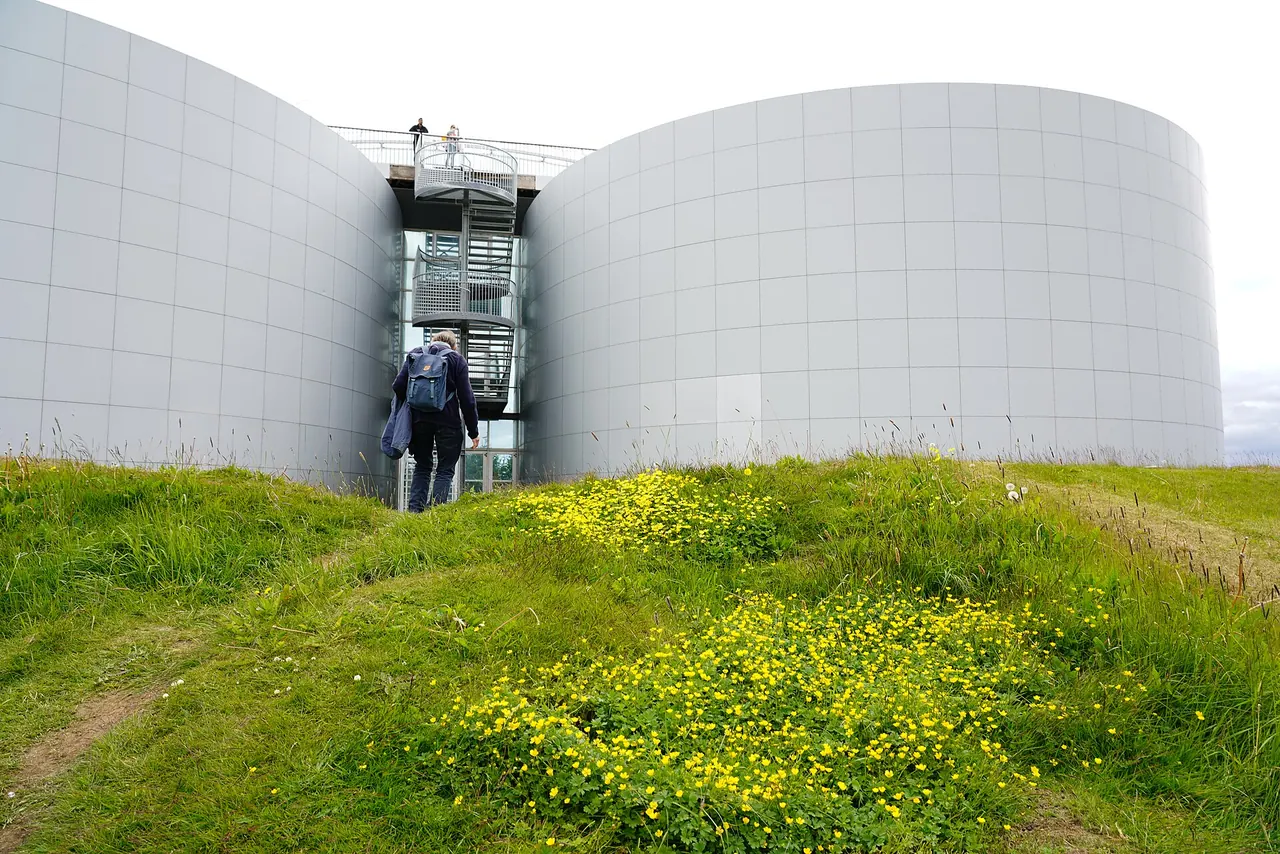
Perlan suits visitors who want an accessible introduction to Iceland's natural processes alongside a wider view of the city. Its exhibition setting and hilltop position offer different experiences, so decide which is your priority before buying. The indoor ice cave is a constructed exhibition environment, not an excursion into a natural glacier; that distinction matters when comparing it with trips beyond Reykjavik.
Likewise, an aurora presentation is a film experience rather than a promise of seeing northern lights outdoors. Review the current ticket inclusions, show arrangements and viewing access, then leave time for the journey up and back. Perlan is outside the compact central walking cluster, even if it looks close on a map. A planned afternoon here can be more comfortable than adding it to a harbour day after several museums have already absorbed your attention.
Plan it well: Compare exhibition and viewing access explicitly; do not infer inclusions from the building's skyline photograph.
Perlan official exhibitions and visitor informationMake Tjornin a lakeside pause
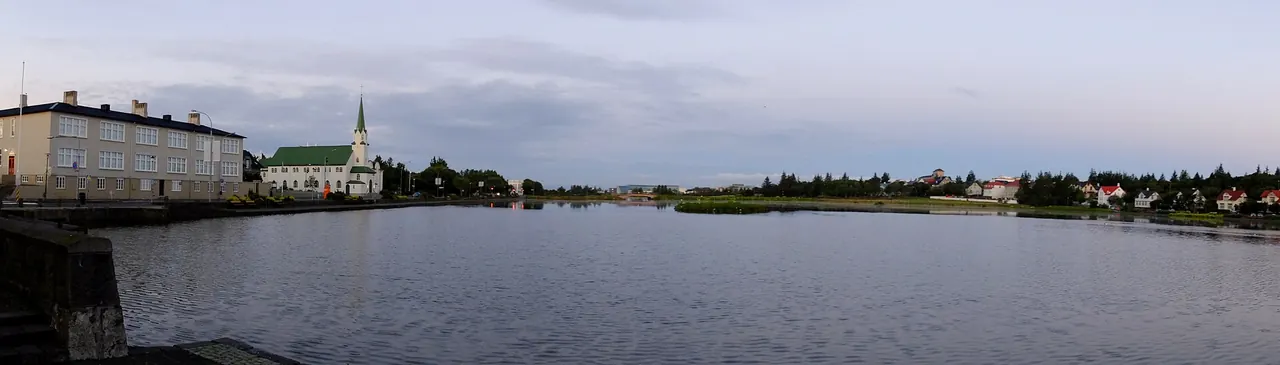
Tjornin is a helpful place to let the centre settle around you. Walk along a manageable section of the lakeside, noticing the buildings reflected in the water and the changing relationship between quiet paths and nearby streets. It works especially well between a museum and a meal, when a seated pause is more useful than searching for another major attraction.
The lake is part of everyday city life, not a visitor-only space. Keep paths clear, observe birds without crowding them and avoid treating the shore as a place to feed whatever food is left in your bag. In colder conditions, snow or ice changes footing and visibility; a frozen-looking lake is not an invitation to walk onto it. Choose a shore route that leaves an easy return to the centre instead of committing to a complete circuit regardless of weather.
Plan it well: Waterfront weather and winter footing can make a short circuit more sensible than walking around the whole lake.
Visit Reykjavik: Tjornin and central viewpointsUnderstand the working harbour at the Maritime Museum
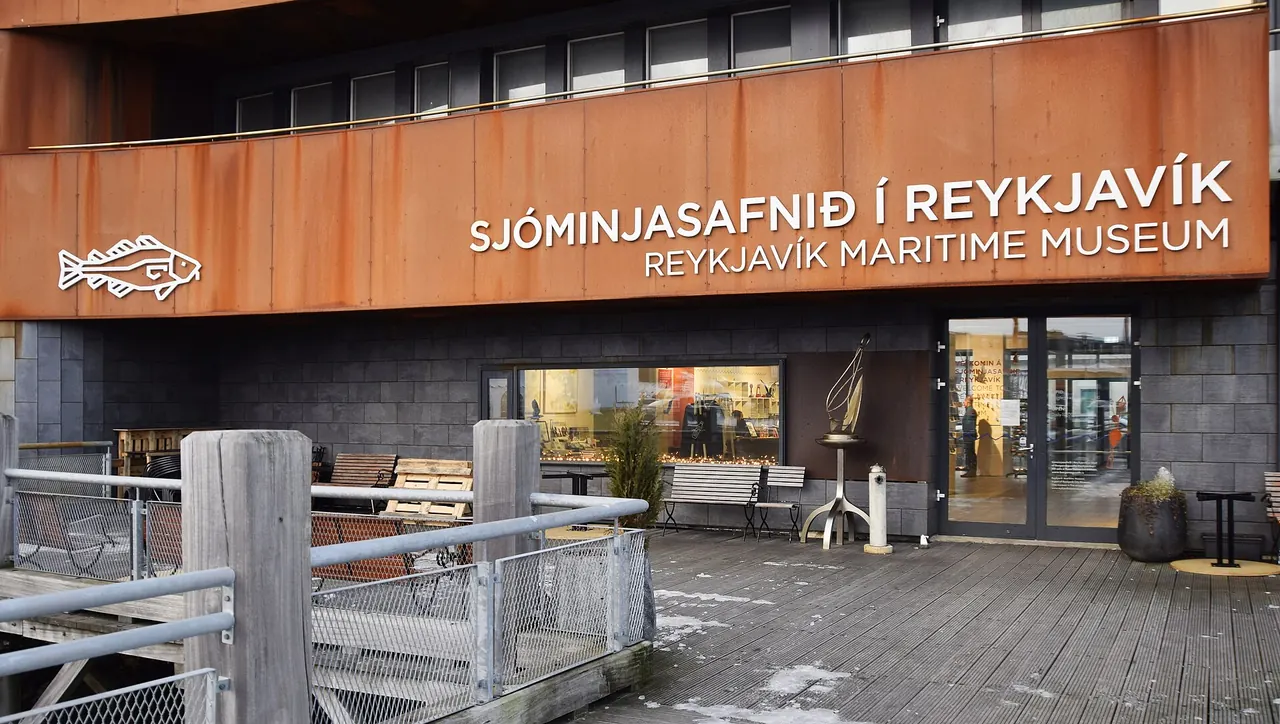
Reykjavik Maritime Museum connects the harbour outside with the work that has shaped Iceland's relationship with the sea. Choose it if boats, fishing and the lives behind the waterfront interest you. The exhibitions can make an ordinary harbour walk more meaningful, especially when you pay attention to tools, working routines and the difference between a tourist boat and a working vessel.
The museum visit and a tour of the coast-guard vessel Odinn have different physical and scheduling requirements. Check both with the operator before assuming they form one unrestricted experience. A vessel route can involve narrow spaces and steep stairs, so ask about access if those are difficult for you. Exhibitions can also include sound and bright lighting; the museum's access information helps with sensory planning. Leave a little time afterwards to walk through Grandi rather than immediately transferring to another distant attraction.
Plan it well: Confirm the vessel tour separately from ordinary museum entry, including access needs for your group.
Reykjavik City Museum: access and Maritime Museum facilitiesFind contemporary Iceland at Hafnarhus
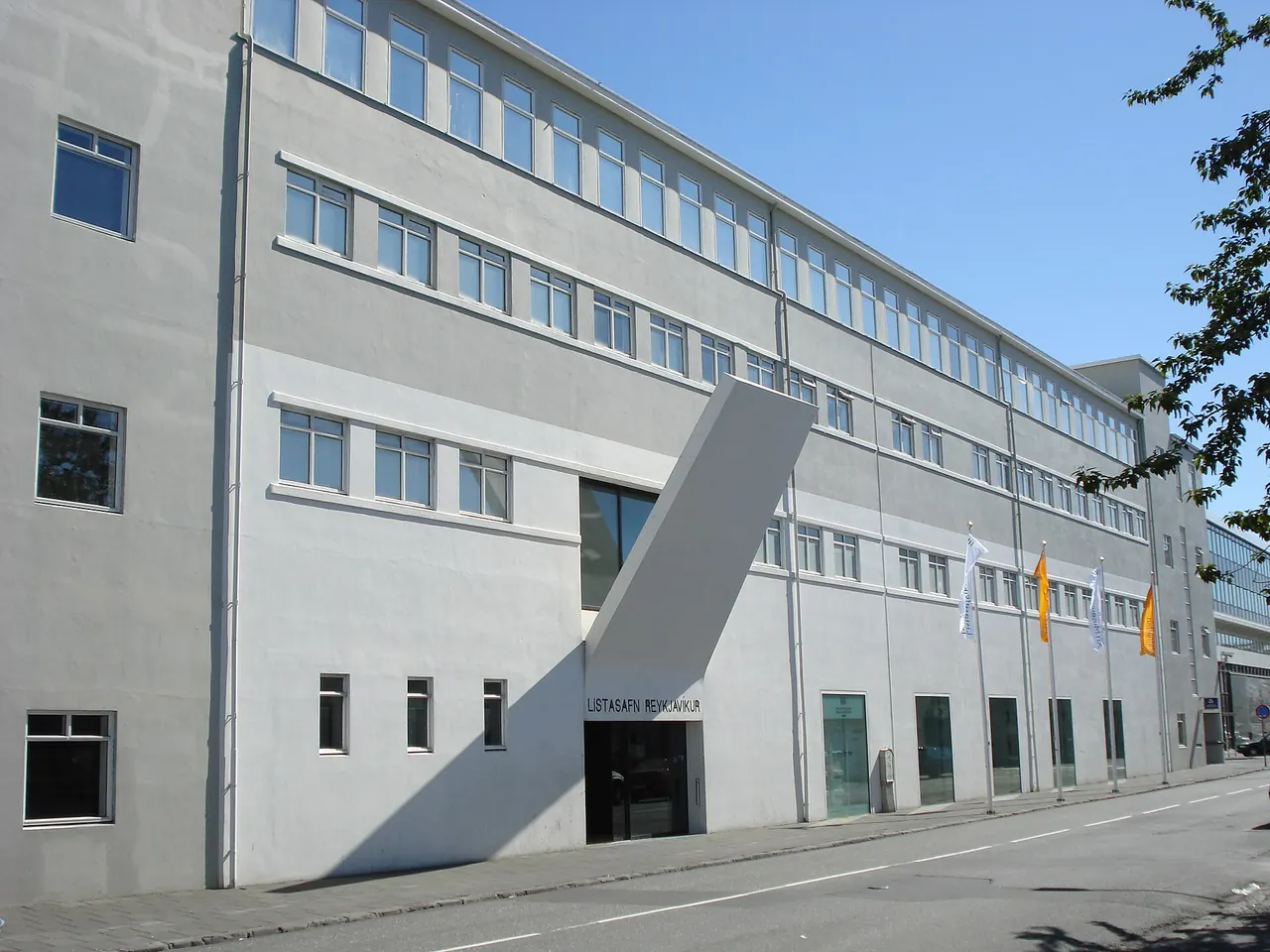
Hafnarhus gives a harbour-area day a contemporary-art dimension rather than another account of the distant past. The museum presents changing exhibitions and works by Erro, so begin with what is actually on show instead of expecting one fixed route to define every visit. Pick a few works to spend time with and allow the building's quieter spaces to slow the day down.
Reykjavik Art Museum has three locations; Hafnarhus is the one at Tryggvagata near the harbour, not a collective address for all of them. Check current admission conditions if you want to combine sites, and include the travel between them in your plan. Bags and bulky items may need storage, while exhibition sound and lighting can vary. A visit here pairs particularly well with a modest harbour walk, keeping contemporary art and the surrounding city in the same afternoon.
Plan it well: Use the Hafnarhus address for navigation and verify any multi-site ticket conditions before buying.
Reykjavik Art Museum: HafnarhusMeet the early city beneath Adalstraeti
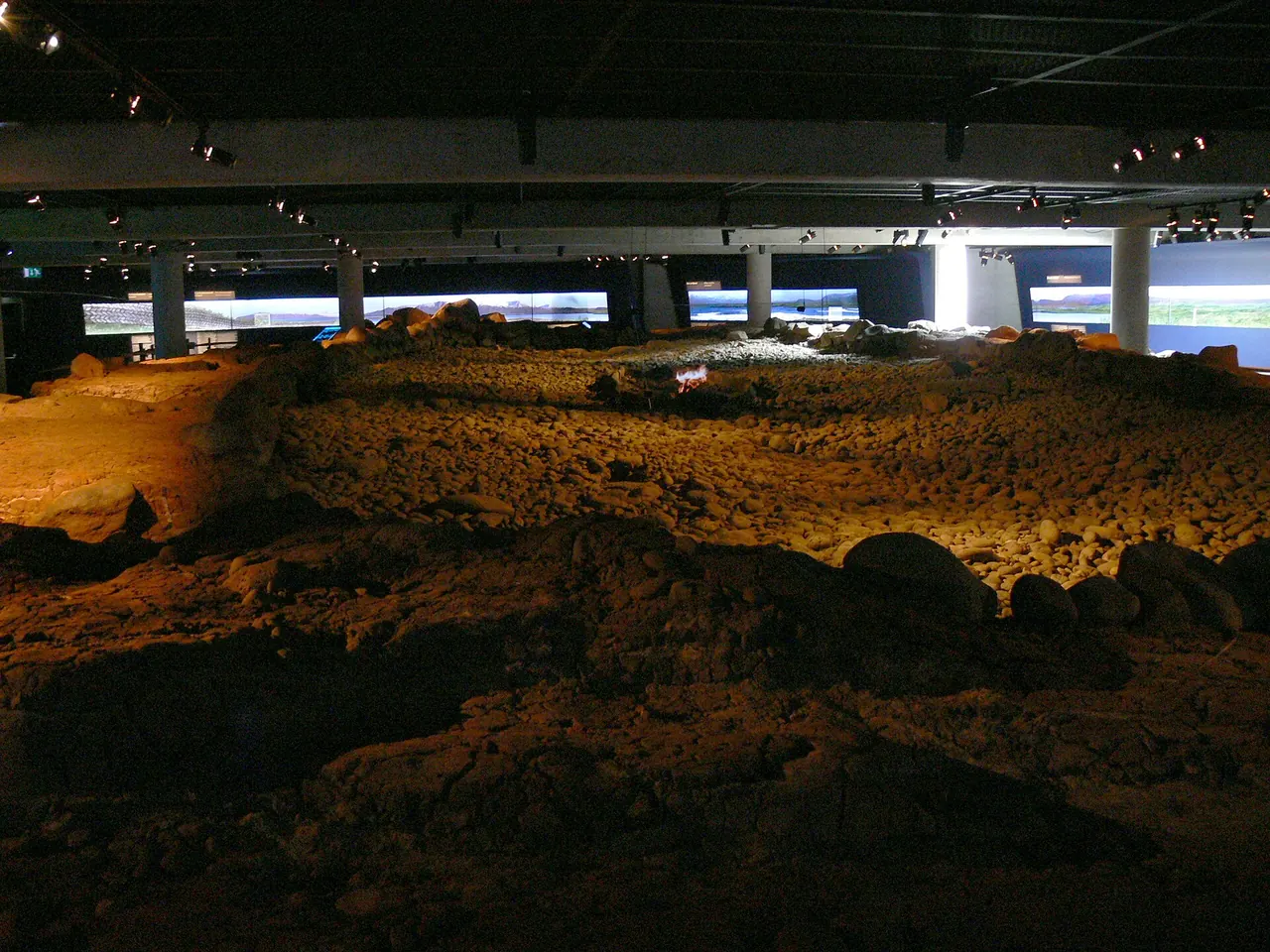
The Settlement Exhibition makes early Reykjavik tangible by keeping excavated remains within the centre rather than moving the whole story into a distant monument. Take time to look at the footprint and materials before reading interpretations of the people who lived here. Archaeology is often about small traces, so this visit rewards concentration more than an expectation of a fully reconstructed Viking village.
The linked displays extend the story into later urban life, giving you a way to connect the excavation with the street above. Check the current visitor route and access arrangements, particularly if you need step-free movement or have questions about lighting. It is a focused central visit that combines naturally with Tjornin or Hafnarhus, but there is no need to book several history museums merely because they are close together. Choose the depth of history that interests you most.
Plan it well: Look for the actual remains first, then use the interpretation to understand what evidence survives.
Reykjavik City Museum: Settlement ExhibitionPlan Grotta around the tide
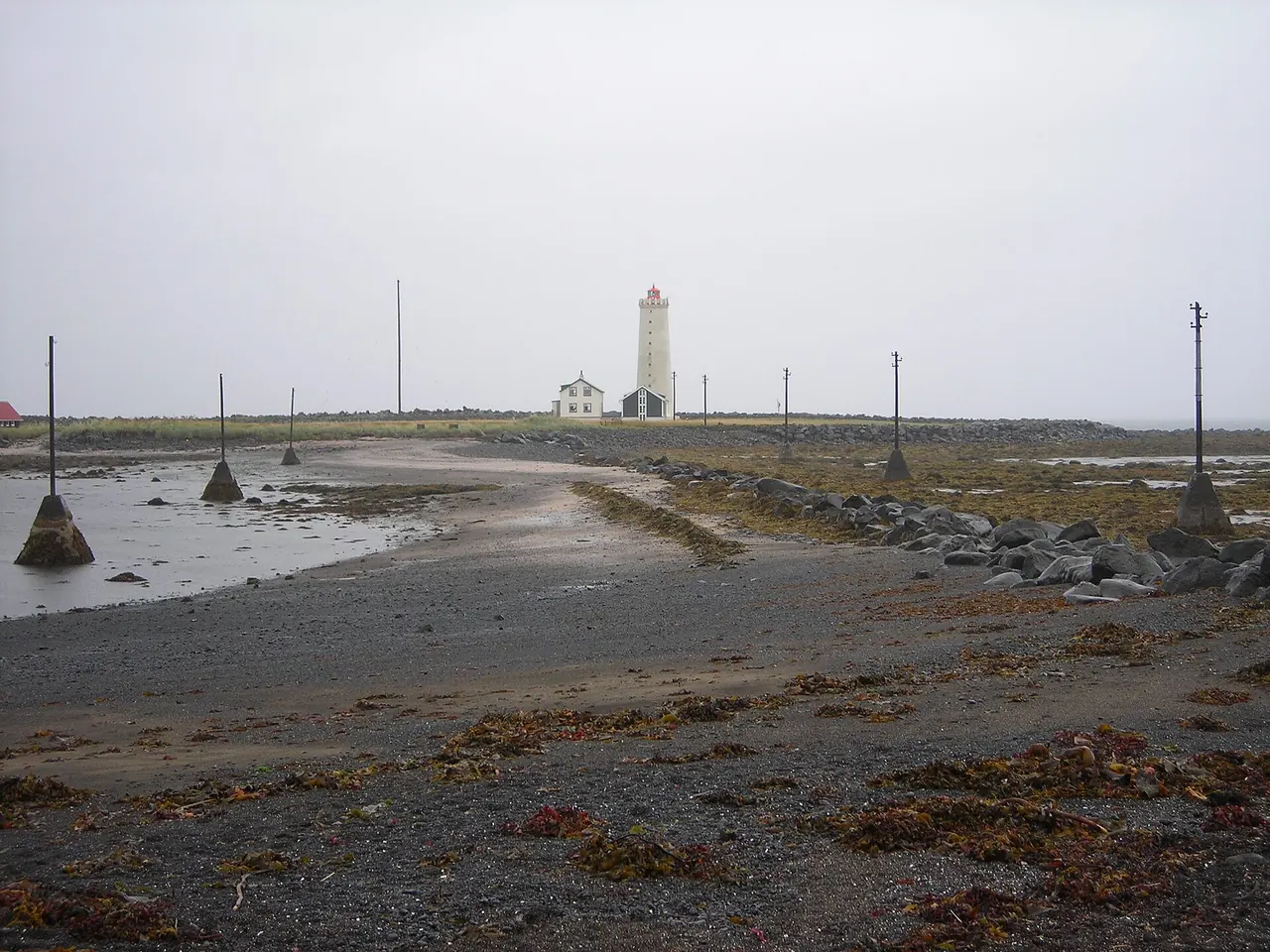
Grotta brings a first Reykjavik visit to the edge of the metropolitan area, where the lighthouse, sea and birdlife create a different setting from the central waterfront. It lies on the Seltjarnarnes peninsula rather than in the downtown sightseeing cluster. Treat it as a deliberate coastal outing, with time to observe from the shore instead of assuming every visit must reach the lighthouse.
The lighthouse approach is tidal: official visitor information says access is possible only at low tide. Check local conditions and reserve notices, and do not cross simply because other people appear to be doing so. Birdlife is a reason for careful observation and respect for any restricted areas. Arrange the return journey before staying for evening light. Northern lights depend on darkness, cloud and activity; this location does not guarantee them, and a forecast is not a reason to ignore tide or weather.
Plan it well: The lighthouse remains visible from the shore at high tide; crossing is not essential to enjoy the setting.
Visit Reykjavik: Grotta reserveHow to spend two days in Reykjavik
Day one: centre and waterfront
Start at Hallgrimskirkja when church access permits, then walk through the centre to Tjornin. Choose the National Museum or Settlement Exhibition as your history visit. Add Harpa and the Sun Voyager waterfront if conditions suit, without making a tower visit or sunset compulsory.
Day two: harbour and a chosen outlook
Explore the old harbour, choosing the Maritime Museum or Hafnarhus for an indoor anchor. Make the afternoon a Perlan outing, or head to Grotta after checking weather, tides and transport. A booked Harpa performance can close the day; avoid trying to fit both outlying sites into a hurried gap.
Before you go
Consult live travel alerts
Check ICE-SAR travel conditions before outings beyond the centre, including any proposed Reykjanes excursion. A city stay does not mean nearby volcanic or coastal areas are unrestricted.
ICE-SAR Safetravel official alertsUse the weather forecast, not a season label
Wind, precipitation and short daylight can change an outdoor route. Carry appropriate layers and use the Icelandic Meteorological Office for current forecasts and warnings.
Icelandic Meteorological OfficeCompare the actual included visits
Museum passes, tower tickets and exhibition packages do not all cover the same activities. Check venue names, dates and transport requirements against the few visits you actually intend to make.
Where to stay in Reykjavik
The centre suits walks to Hallgrimskirkja, shops and the lake, while the harbour and Grandi work well for museum-focused days. Laugardalur offers a different neighbourhood base but needs more transport planning for central visits. Compare the exact pickup point for airport or excursion transport, room noise and walking conditions with luggage. Grotta is an outing, not a substitute for checking the location of a Reykjavik hotel.
Explore Reykjavik hotels