
Abano Terme city guide
Abano Terme: Thermal Water, Fango and the Art of a Slow Spa Stay
Plan a spa break in Abano Terme around the Veneto town's distinctive thermal water and matured fango, with practical guidance on choosing a hotel, booking pools or treatments, observing local spa routines, managing heat, and arriving from Padua or the region's airports.
Plan your visit
Abano Terme is best understood as a whole thermal town rather than a place built around one famous bathhouse. Hotels across Abano and neighbouring Montegrotto operate their own thermal facilities, so pools, mud departments, relaxation rooms and accommodation often sit under the same roof. That makes the hotel decision unusually important: it determines not only where you sleep, but also which water spaces, schedules and treatment teams shape your stay. The local signature is fango-balneotherapy. Official destination material traces the hot water to rainfall in the Lessini Mountains and Alpine foothills, followed by a decades-long underground journey before it reaches the Euganean basin. The water is then used to mature local clay in dedicated tanks. Visitors can enjoy the destination simply as a warm-pool break, but understanding that water-and-mud cycle gives Abano a much stronger sense of place.
Why Abano's Water and Fango Are Different
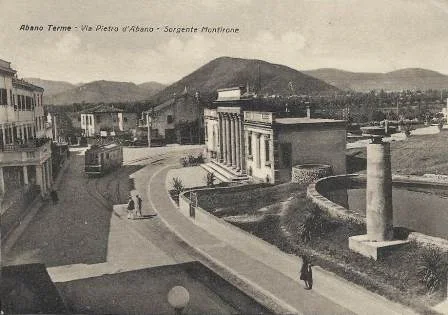
The official destination describes Abano-Montegrotto's water as rainfall that filters from the Lessini Mountains and Alpine foothills, descends deep underground and travels roughly 80 kilometres over an estimated 25 to 30 years. Along the way it acquires minerals and returns to the Euganean basin at temperatures that can reach 87 C. Hotels cool and manage that water for pools and spa use; guests should never treat the source temperature as a bathing temperature.
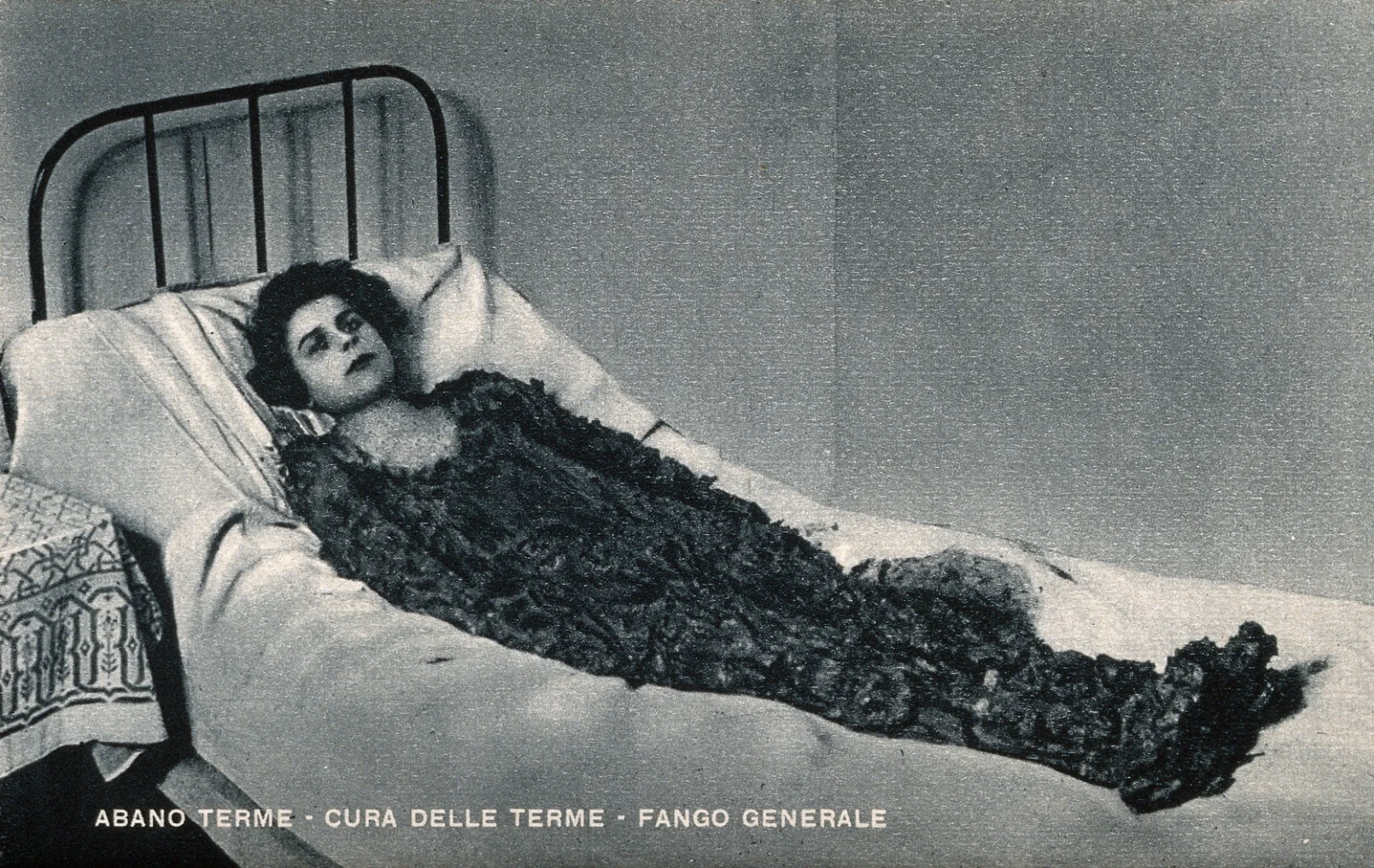
Fango is the second half of the story. Local clay is kept in contact with flowing thermal water for a maturation period of about two to three months, allowing a characteristic biological layer to develop. This is why a traditional Abano mud session should not be described as an ordinary beauty wrap. It belongs to a local system of water, clay, specialist staff and a defined sequence that has made the town distinctive.
Plan it well: Ask whether the experience uses locally matured thermal fango and whether a consultation is included; a generic spa mud wrap is not the same product.
Thermae Abano Montegrotto: Thermal waterChoose the Spa Before You Choose the Room
In Abano, a thermal hotel is often the bathhouse as well as the accommodation. Hotels commonly have their own springs and spa departments. Some focus on large interconnected pools and long bathing hours; others put more emphasis on supervised fango programmes, rehabilitation facilities, quiet adult zones or short day-spa packages. A central address alone therefore says little about the experience you will actually have.
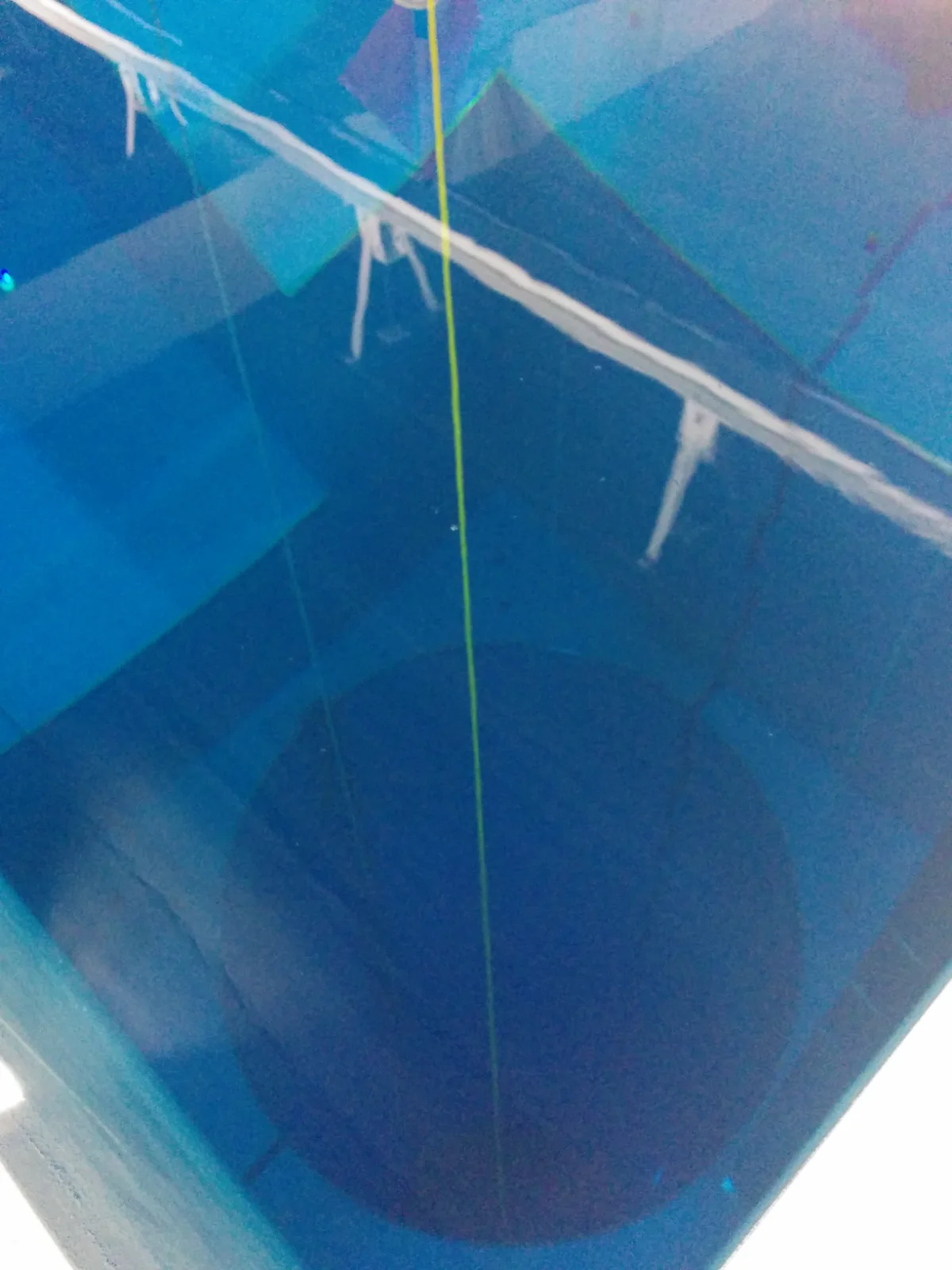
Start by deciding whether you want casual pool time, a single treatment, a day package or a multi-day programme. Then compare the exact water spaces included in the room rate, whether outdoor pools remain open in your season, and whether day visitors share the same facilities. The deep Y-40 pool in Montegrotto is visually part of the wider thermal district, but it is a diving facility rather than a template for a standard Abano spa stay.
Plan it well: Before booking a hotel, request the current pool timetable and a written list of what overnight guests may use without an extra spa package.
Thermae Abano Montegrotto: Abano TermeBook Pools and Treatments as Separate Decisions
A room reservation does not automatically secure every treatment or a day-spa place for companions staying elsewhere. Contact the chosen hotel directly for appointment availability, consultation requirements and the time you should arrive. Weekend day access and popular treatment times are the first to become constrained, while quieter midweek periods can make a structured spa schedule easier to arrange.
Ask practical questions before payment: Is thermal-pool entry included? Are a robe, towel and pool cap supplied or charged separately? Does the facility require a medical intake for fango? How much time is reserved for post-treatment rest? Cancellation rules belong in the same conversation, particularly for multi-session programmes. The property's current written confirmation should outrank any general destination article.
Plan it well: Send one concise email listing room dates, desired pool access and treatment requests; ask the hotel to confirm each item and its cancellation deadline.
Terme Tritone: Thermal pools and day spaWhat a Traditional Fango Session Usually Involves
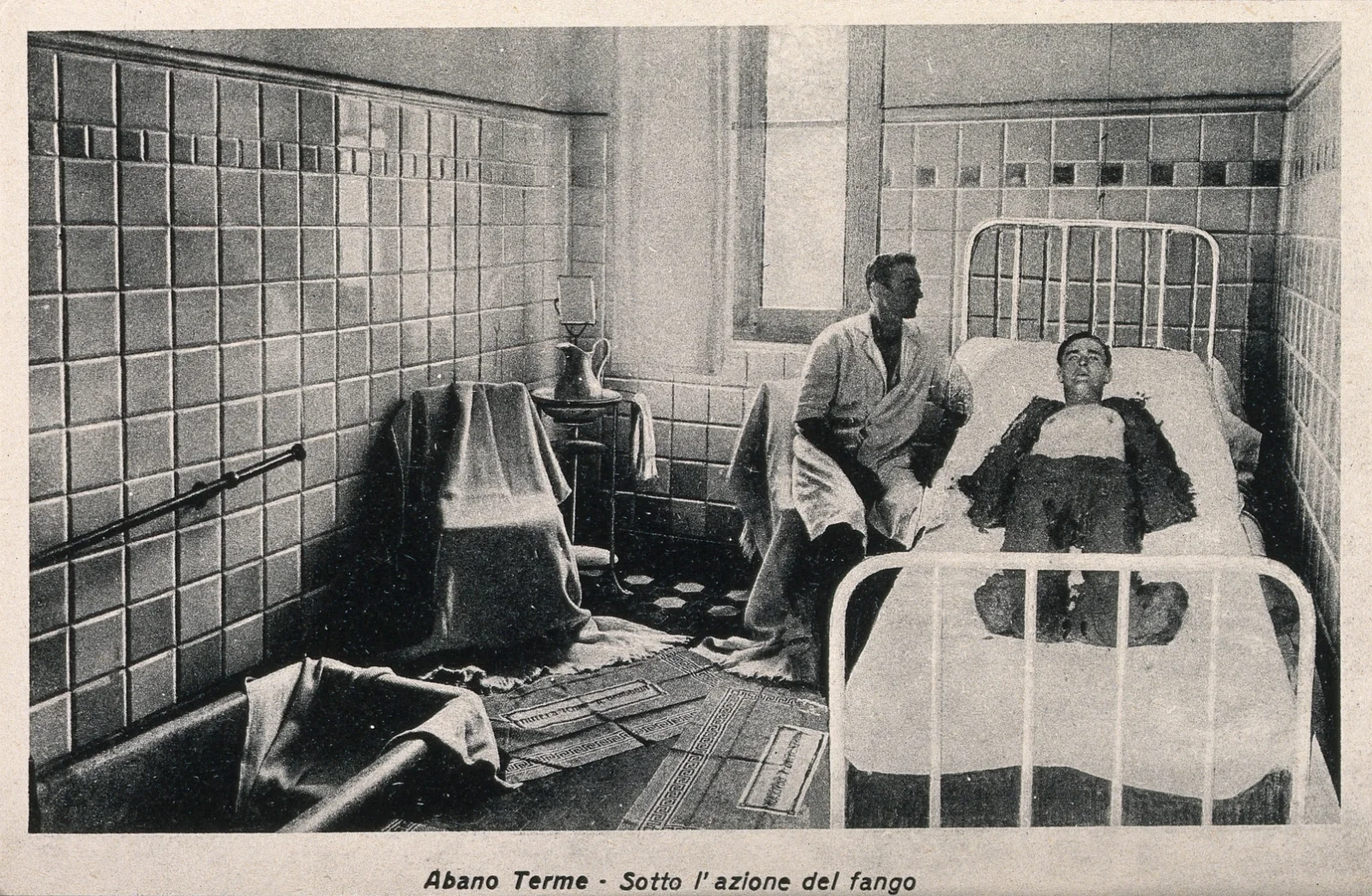
The destination presents fango as a sequence rather than a stand-alone application: warmed matured mud is applied by trained staff, followed by washing and a thermal bath, a covered rest period that allows the body to cool gradually, and often massage. Exact timing, temperature and steps are set by the facility and the supervising team. Guests should follow those instructions instead of trying to reproduce the process independently.
Spa etiquette is quieter and more procedural than at a resort pool. Arrive with time to change, keep phones out of treatment rooms, and tell staff promptly if the temperature or pressure feels uncomfortable. Pool caps are common in Italian thermal facilities, but policies differ. The rest period is part of the appointment: do not schedule a rushed checkout or a train immediately after a heat-intensive session.
Plan it well: Leave at least half an hour of unscheduled time after a fango appointment and keep the rest of that day deliberately light.
Thermae Abano Montegrotto: Mud therapyTreat Heat and Screening as Part of the Plan
Abano's official materials place traditional thermal treatments under specialist supervision and list circumstances in which mud and heat may be unsuitable. That is a reason to use the facility's intake process, not a reason to self-diagnose. If you are pregnant, have a cardiovascular or kidney condition, are acutely unwell, take medication affected by heat, or know that hot environments cause problems for you, discuss the proposed activity with an appropriate professional and the spa before booking.
Even for a straightforward pool visit, heat can be tiring. Follow the posted time limits, take cooling breaks, drink water and avoid stacking a hot pool, sauna and fango session without guidance. Stop and alert staff if you feel faint, unwell or unusually short of breath. These are common-sense planning measures, not claims that bathing will treat a condition.
Plan it well: Share relevant health or heat-sensitivity information with the thermal department before paying for a multi-session package, so the team can explain its screening policy.
Thermae Abano Montegrotto: Thermal careA Year-Round Spa Town, Best Enjoyed at a Measured Pace
Thermal hotels operate across the year, so there is no single bathing season. Cooler months sharpen the contrast between outdoor air and warm water and suit travellers who want the spa to dominate the day. Spring and autumn make it easier to divide time between pools and the Euganean Hills, while summer calls for earlier walks, shaded breaks and more selective use of the hottest facilities.
A good Abano itinerary alternates rather than accumulates. Pair one substantial spa block with a pedestrian-centre stroll, a gentle cycle, a visit to Padua or a low-effort hill outing. Seasonal offers change, and some tourist services run only part of the year, so check exact dates rather than assuming every excursion operates alongside the year-round hotel pools.
Plan it well: In warm weather, reserve outdoor activity for morning and use the thermal facilities later; in winter, confirm that the specific outdoor pool you want is operating.
Thermae Abano Montegrotto: ItinerariesArriving via Padua and Choosing the Right Base
Padua is the main rail gateway, about 12 kilometres away, with frequent bus connections to the thermal area. Terme Euganee station in Montegrotto is useful for properties in the southern part of the district. The official destination also lists Venice as the nearest major airport, followed by Treviso, Verona and Bologna; some hotels arrange transfers on request. Confirm the final connection with the hotel because an address marketed under the same thermal district may be in Abano or Montegrotto.
Stay near Abano's pedestrian centre for evening restaurants and an easy town stroll, or choose a quieter edge property if large grounds and pool space matter more than walking out at night. Montegrotto can work better for Terme Euganee station and certain specialist facilities. In every case, compare the spa itself before the room category: an attractive bedroom cannot compensate for pool hours or treatment access that do not fit your plan.
Plan it well: Send your train or flight details to the hotel and ask for the exact recommended stop, bus line or transfer price before departure.
Thermae Abano Montegrotto: Getting here