
Florence city guide
10 things to do in Florence
Balance Florence's celebrated art with river walks, garden space and a hillside view, choosing reservations carefully rather than racing between masterpieces.
Plan your visit
Florence looks compact on a map, but its museums and churches can easily fill more days than you have. Choose one major art visit each day, use the Arno as a way to connect neighbourhoods and keep the hillside viewpoint or gardens dependent on the weather. The best short trip leaves enough attention for the places you actually enter.
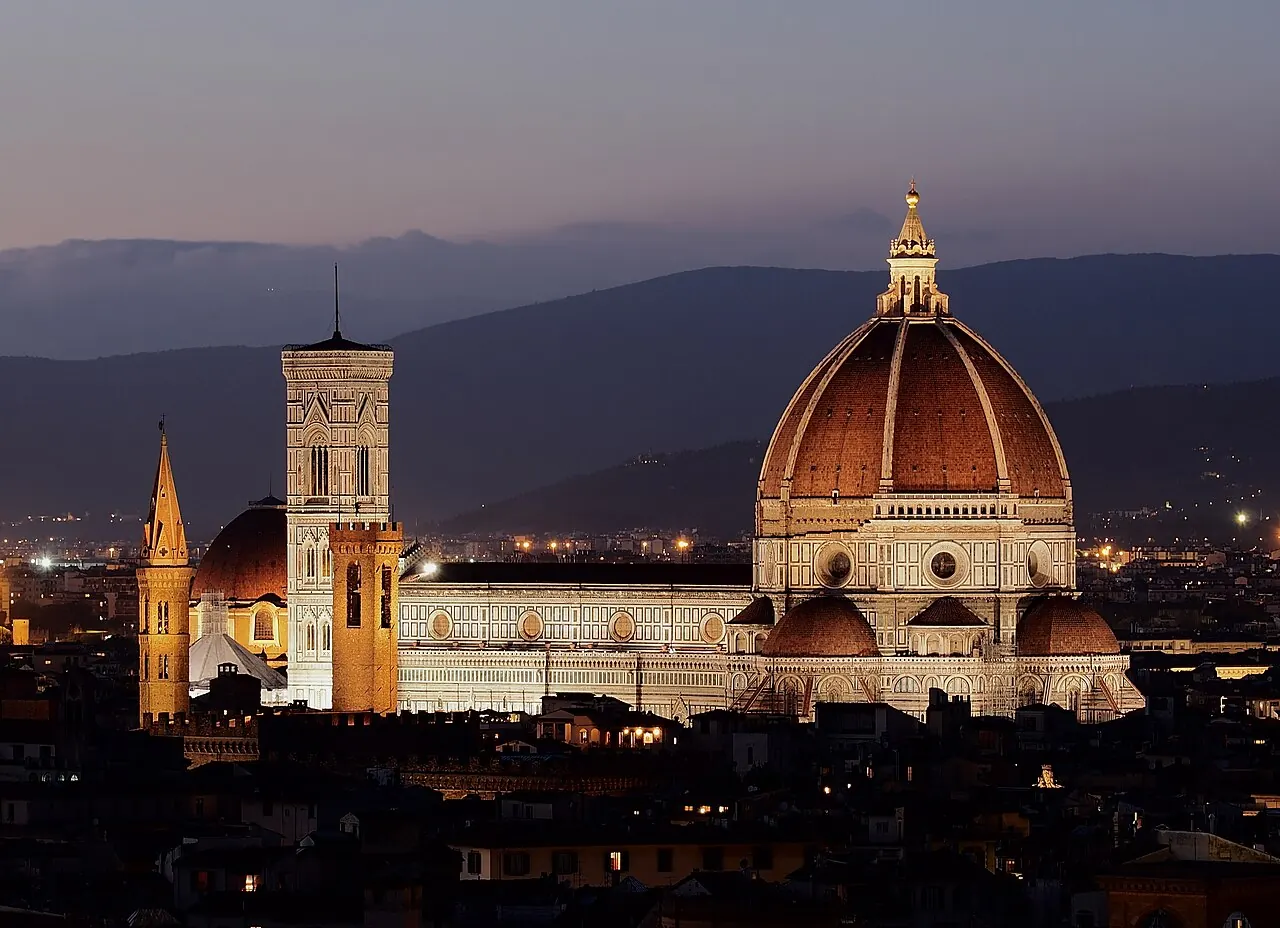
Understand the cathedral complex before choosing a climb
The cathedral is more than the dome that dominates Florence's skyline. Walk around the complex to understand the relationship between the cathedral, bell tower and baptistery, noticing how coloured stone creates patterns across very different structures. Starting outside helps you appreciate the scale before deciding what to enter. The cathedral interior, a climb and the museum offer different experiences, so there is no need to treat them as one indivisible activity.
If a dome climb is important, use the Opera del Duomo's official planning information to check reservations, admission coverage and physical requirements before selecting a pass. Do not assume a cathedral visit includes every adjoining monument or that one ticket removes every separate entry arrangement. For a less strenuous day, concentrate on the exterior and an indoor collection. Leave lunch comfortably beyond the end of your chosen visit rather than timing everything around an optimistic queue.
Plan it well: Check the exact pass inclusions and climb conditions; cathedral, dome, bell tower and museum access are distinct planning decisions.
Opera del Duomo official informationGive the Uffizi a small, meaningful shortlist
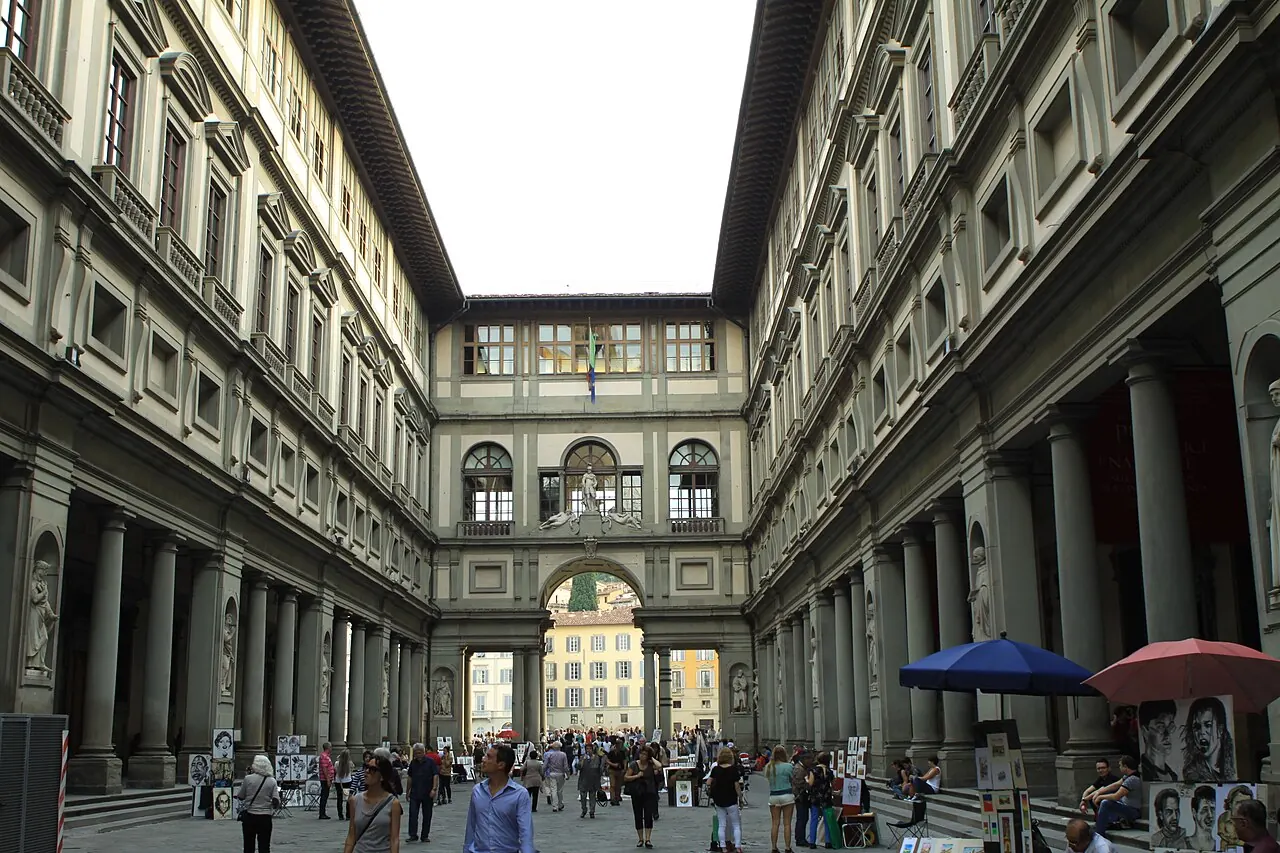
The Uffizi can be overwhelming if every familiar name becomes another obligation. Before visiting, pick a few paintings or a theme that you want to understand, then spend time on their details: a gesture, the arrangement of a group or the relationship between a figure and a landscape. Leave space for works you have never heard of. Recognition is a useful starting point, not the only measure of a rewarding art visit.
Read the gallery's current ticket information and notices, including works temporarily unavailable, before planning around a particular masterpiece. Admission arrangements for other sites in the Uffizi group or the Vasari Corridor should not be inferred from an ordinary gallery ticket. Afterwards, step towards the river for a change of visual scale. An unhurried lunch or short walk is a better companion to a concentrated museum morning than an automatic second major collection.
Plan it well: Check current gallery notices and reserve through the official ticket route; do not assume the Vasari Corridor is included.
Uffizi official gallery planningSee Ponte Vecchio from the bank as well as the bridge
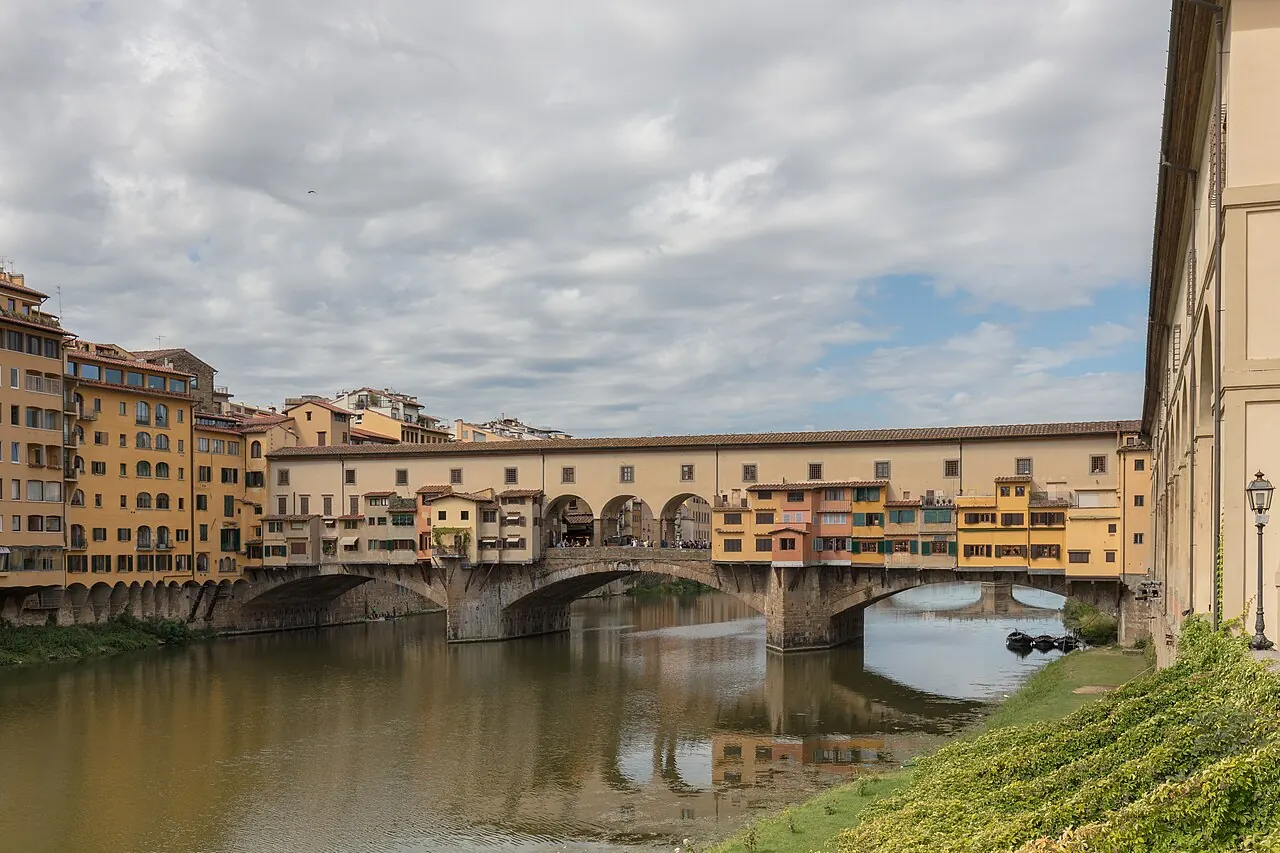
Walking across Ponte Vecchio gives you the shop-lined passage; looking at it from the riverbank explains the bridge itself. Make time for both perspectives. Its buildings seem to hang over the water, while the route across feels more like a short street than an exposed bridge. You do not need to shop to appreciate it, and there is no advantage in forcing a photograph from the busiest point of the crossing.
Use the bridge to move into Oltrarno, then continue far enough that the day becomes a neighbourhood walk rather than a turn immediately back. For a wider view, choose a nearby riverside position where you can stop without obstructing people. The elevated Vasari Corridor is a separate cultural route, not something you enter by walking through the bridge's shops. Keep the crossing outside your tightest reservation interval because crowds can make the short distance slower than expected.
Plan it well: Pair the crossing with a riverbank view and an Oltrarno walk; the elevated corridor has separate access arrangements.
FeelFlorence Ponte Vecchio informationLook beyond the first photograph of David
Michelangelo's David is a powerful reason to choose the Accademia, but the visit is more satisfying if you look before photographing. Notice how the figure changes as you move around it, and compare the finished surface with the sense of work and emergence in the nearby unfinished sculptures. That contrast gives you something concrete to observe, even without a long background in Renaissance art.
The museum strongly recommends reservations, and its official ticket page identifies the authorised purchase route. Check the current collection layout and admission conditions rather than building the visit around an outdated third-party package. Allow time for other rooms that match your interests, including the musical-instrument collection if available during your visit. Keep this as a separate art anchor from the Uffizi unless you specifically enjoy a museum-heavy day.
Plan it well: Use the museum's official ticket page to find the authorised booking channel and check the entry instructions.
Accademia official ticketsSee Florence's civic ambition at Palazzo Vecchio
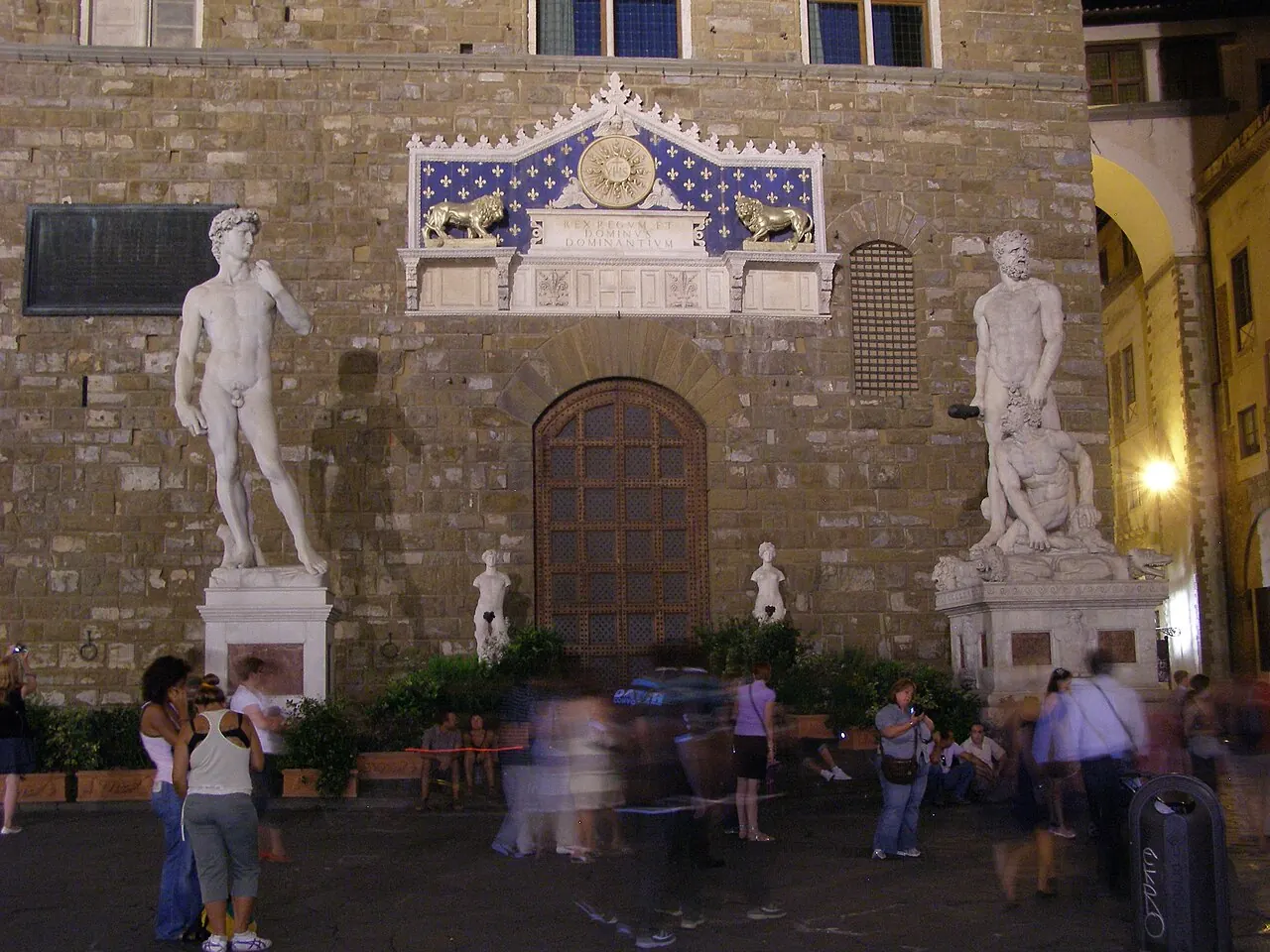
Palazzo Vecchio offers a different Florence from the artist-centred galleries: the building is about government, ceremony and the display of power. Start in Piazza della Signoria to understand how the palace addresses the public space, then look inside with that purpose in mind. Painted rooms and grand halls become easier to interpret when you ask who was meant to see them and what impression they were designed to create.
Choose between the museum, any organised visit and the tower rather than assuming every part of the palace follows the same ticket or access rules. The civic museum's information includes inclusive visitor resources, useful when preparing a route around individual needs. A tower outing also needs a weather and mobility check. If your day already includes the Uffizi, make the square your flexible stop and leave the palace interior for another day.
Plan it well: Check museum and tower arrangements separately, and use the official inclusive visitor resources when planning access.
MUS.E Palazzo Vecchio visitor resourcesChoose a garden route rather than all of Boboli
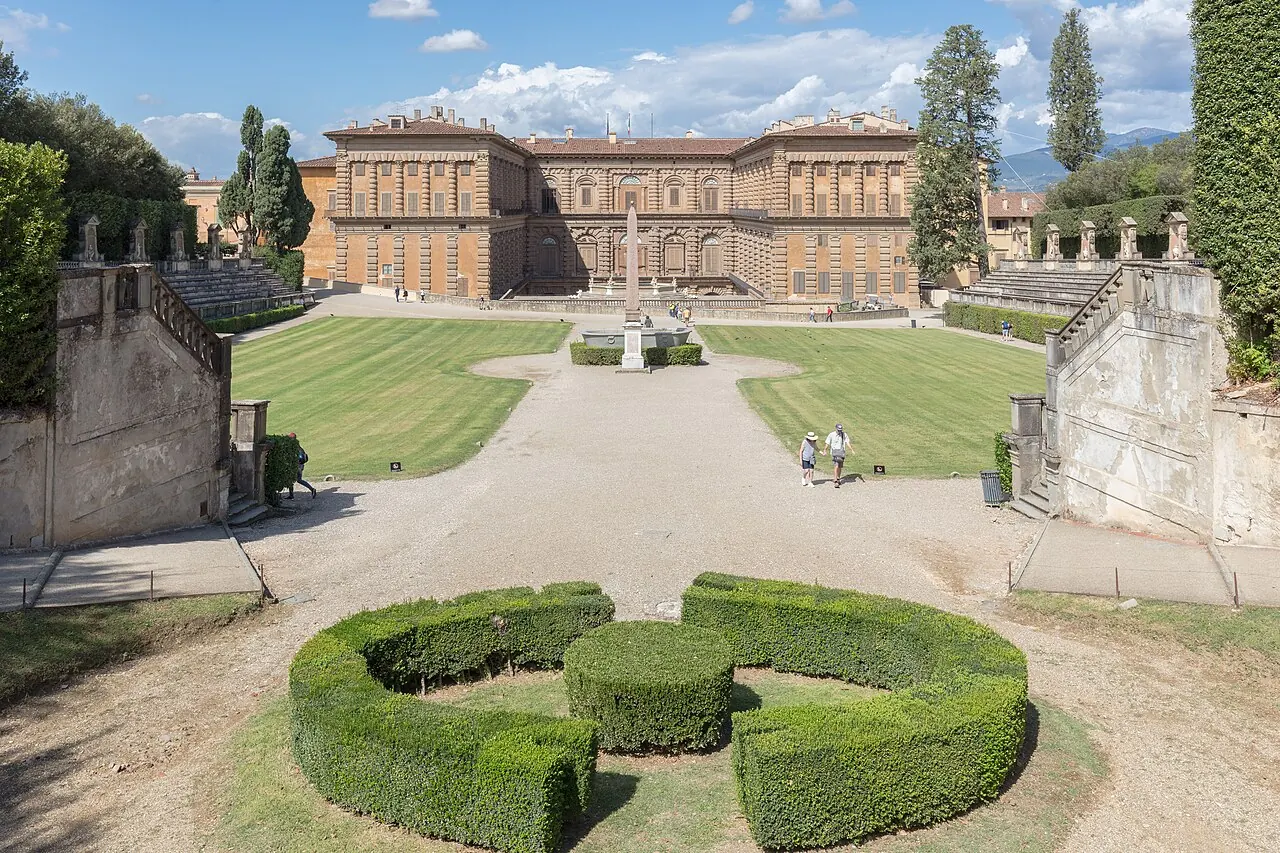
Boboli changes the subject from gallery walls to designed landscape. Look at how paths, terraces, planting and sculpture guide your eye through the grounds instead of treating the garden as a single green area behind the palace. A short, deliberate route can reveal that structure better than a long circuit undertaken only because the map shows more to cover. Choose a few features and leave room to enjoy the spaces between them.
The grounds involve slopes and outdoor exposure, so plan around the weather and the stamina of everyone in your group. Use the official map and visitor notices to check accessible routes and any closed areas. Bring water in warm weather, even if you intend a modest walk. Garden access and the interiors of Pitti Palace need their own ticket checks; do not automatically add a palace visit after an already substantial outdoor outing.
Plan it well: Check current paths and access information, carry water and make the garden route shorter when heat or hills would reduce the enjoyment.
Uffizi Galleries Boboli visitor informationRead the art and memorials of Santa Croce together
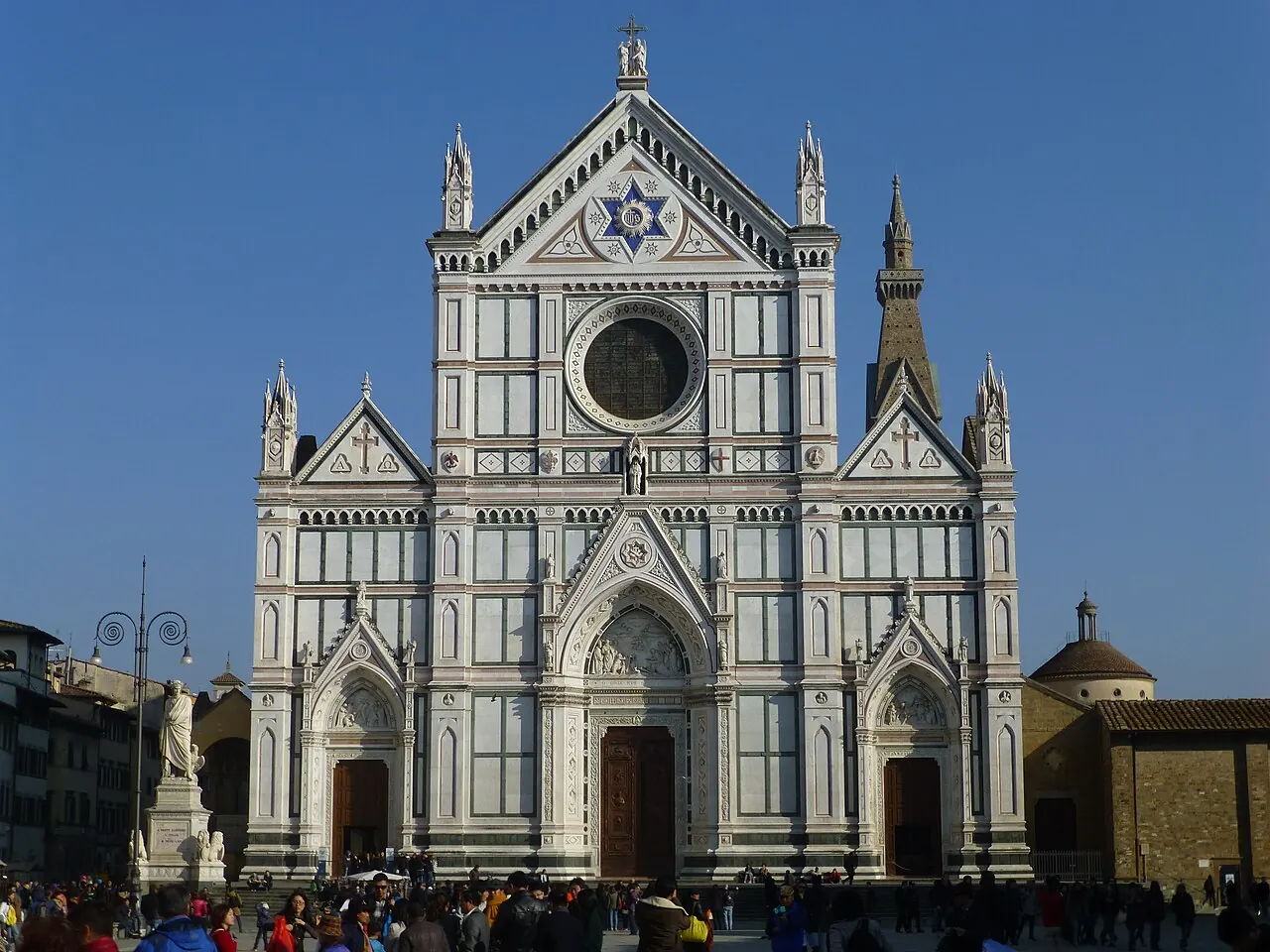
Santa Croce rewards a visit that connects its art with the way Florence remembers people. Look at the chapels and monuments as parts of a shared space rather than moving from famous name to famous name. The contrast between painted narratives and commemorative sculpture offers several routes into the church, whether your interest is artistic technique, religious imagery or the city's public memory.
The visitor site describes the wider monumental complex, so check what can currently be entered and choose a route that leaves time to look rather than simply pass through. This remains a religious setting, and services or conservation work can affect access. Dress appropriately and follow the current photography rules. Afterwards, the surrounding streets make a useful quieter continuation of the day, particularly after the more congested Duomo and Signoria areas.
Plan it well: Use the official route information to check included spaces and temporary restrictions, and respect worship and conservation work.
Santa Croce official visit organisationEarn a wider view at Piazzale Michelangelo
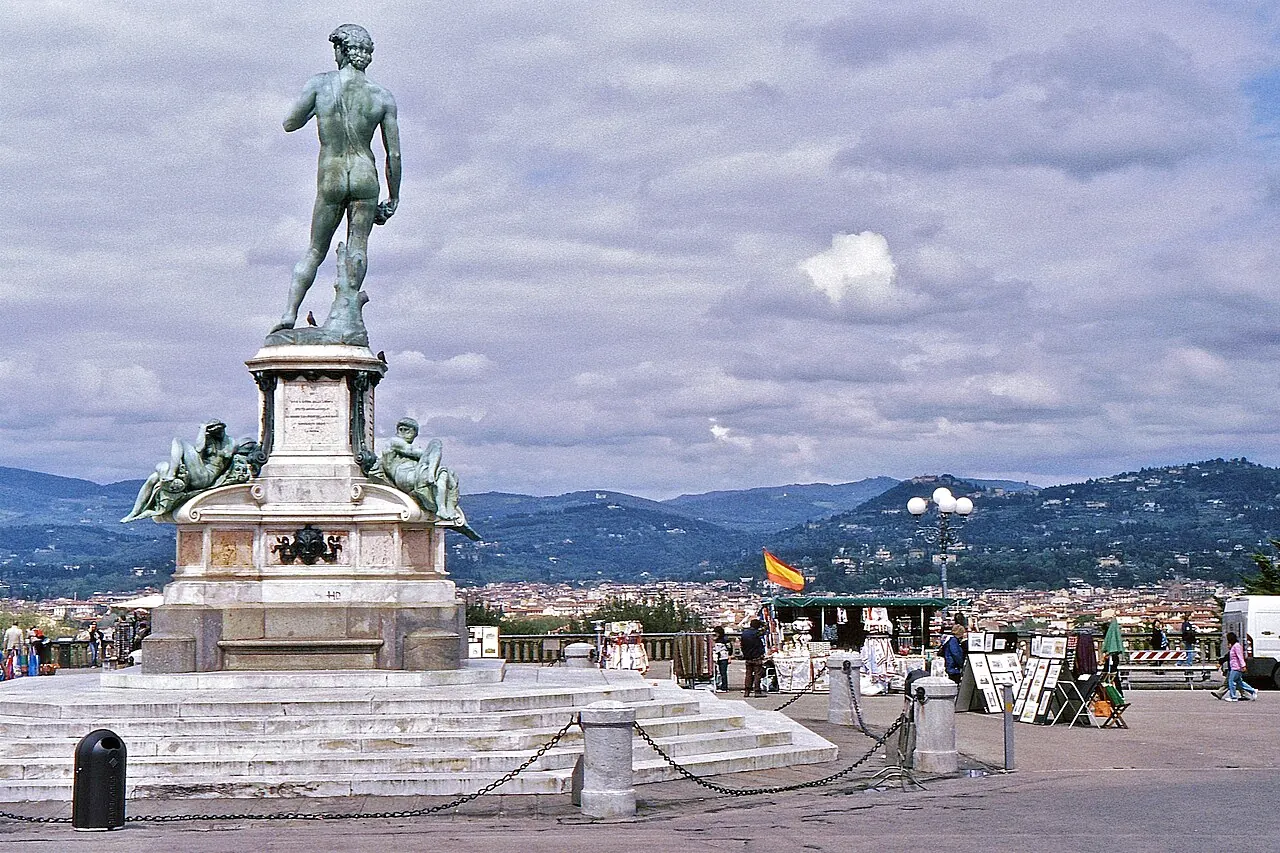
Piazzale Michelangelo lets you read Florence as a whole after time spent looking at individual artworks and buildings. From the terrace, identify the cathedral, the river and the neighbourhoods you have crossed, then allow the view to settle without immediately chasing a different angle. The skyline helps explain why the dome feels so dominant when you are walking beneath it, and why a short trip can still involve several distinct areas.
Decide how to reach the hillside before committing to the outing. An uphill walk after a museum day is a different proposition from arriving by suitable transport, especially in heat or with limited mobility. Evening light is attractive, but a popular sunset is not necessarily the quietest experience. Check the weather and your return route, and avoid placing the viewpoint between admissions that leave no room for a slow climb or a longer pause.
Plan it well: Treat the ascent and return as part of the plan, and choose transport if the gradient would make the viewpoint less enjoyable.
FeelFlorence official tourism informationGive San Lorenzo its own architectural attention
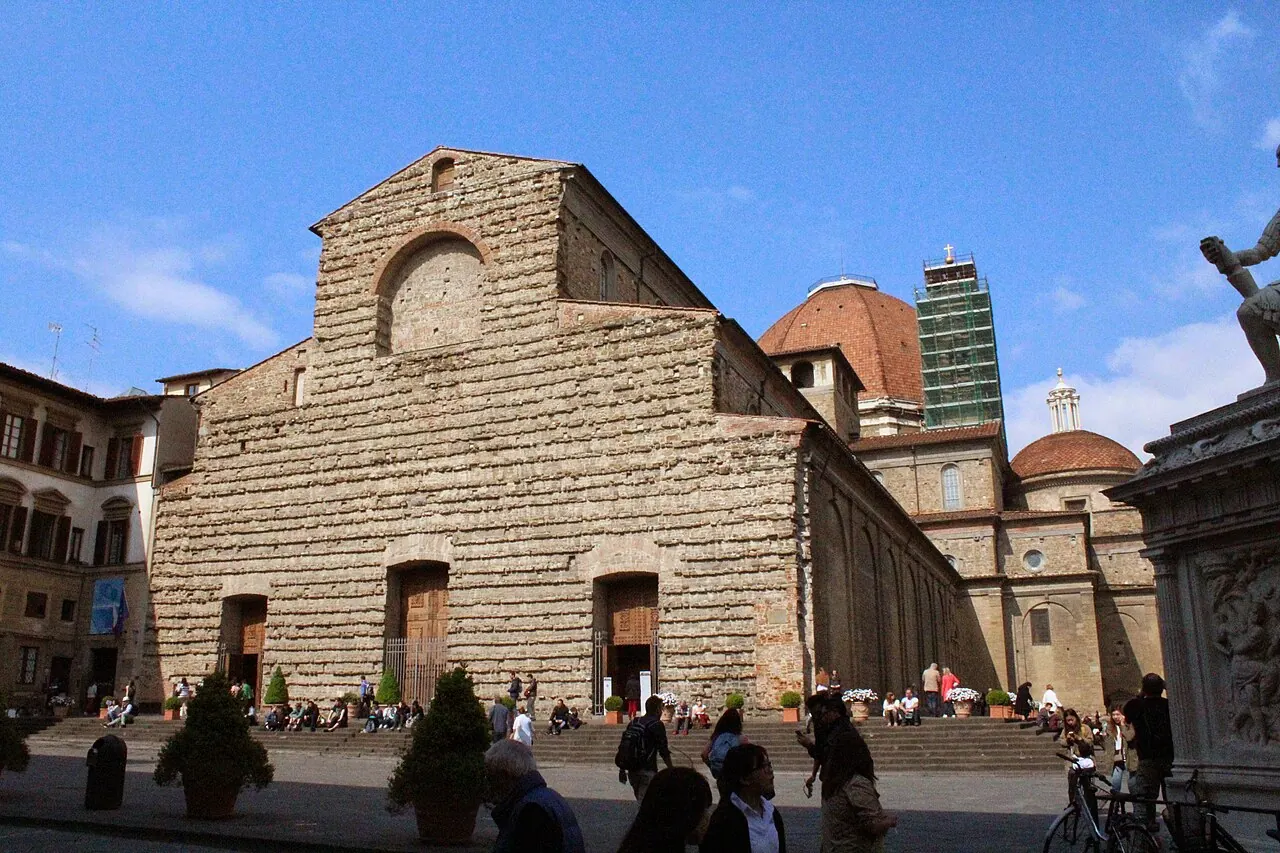
San Lorenzo is a useful counterpoint to Florence's highly decorated exteriors. Begin with the plain facade, then notice how the basilica's interior uses proportion and repetition to organise the space. The visit does not need a long catalogue of names to be interesting: following the rhythm of columns and the relationship between aisles and nave gives you a concrete way to look.
The basilica sits within a larger cultural setting associated with the Medici, but the church, chapels and library should not be treated as one ticketed attraction with identical opening arrangements. Consult the official visitor information for the part you intend to see. Allow some time for the surrounding San Lorenzo streets without confusing a church visit with the nearby market outing. This is a good choice when architecture interests you more than adding another picture gallery.
Plan it well: Verify admission separately for the basilica, Medici Chapels and library; proximity does not establish shared ticket coverage.
San Lorenzo official visitor informationDo not rush past Santa Maria Novella
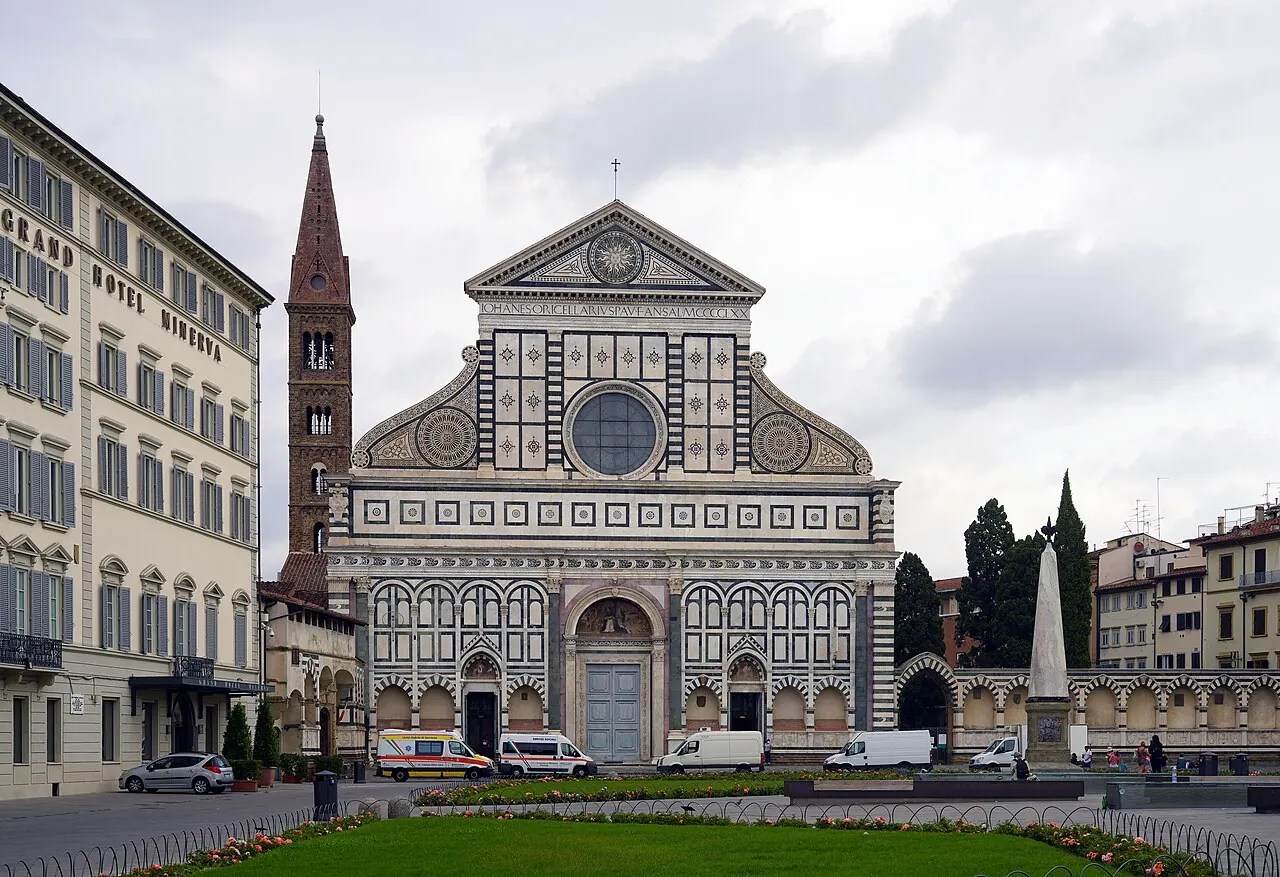
Santa Maria Novella is easy to underestimate because many visitors encounter it while heading to or from the railway station. Give it a deliberate place in the trip instead. The facade opens onto a broad square, while the interior and cloister spaces ask for a slower, more attentive visit. Choose a few frescoed areas or individual works rather than trying to remember every artist attached to the complex.
The official visitor information distinguishes religious use from the cultural visit and explains the spaces covered by admission. Check the timetable for your actual day, since worship and holidays can affect the arrangements. On a departure day, organise luggage storage before entering and leave a sensible margin for the train. Its station-side location is convenient, but that should not turn the visit into a rushed final checklist item.
Plan it well: Check the complex's current visiting timetable, especially on religious holidays, and do not bring a tight train deadline into the galleries.
Santa Maria Novella official visitsHow to spend two days in Florence
Day one: the cathedral and northern Florence
Choose your cathedral-complex visit, then make the Accademia the main art stop. Add San Lorenzo or Santa Maria Novella according to your interests and reservation times. Leave an unplanned interval for lunch and the streets between the churches.
Day two: art, river and the south bank
Reserve the Uffizi as the day's anchor, then cross Ponte Vecchio into Oltrarno. Choose Boboli Gardens or Piazzale Michelangelo for the outdoor afternoon rather than assuming both will feel effortless. Palazzo Vecchio and Santa Croce are alternatives for a more indoor day.
Before you go
Verify the official ticket channel
Florence's best-known museum names appear on many reseller sites. Follow the venue's own booking link, compare the exact inclusions and keep the reservation confirmation and identification requirements together.
Plan for cobbles, slopes and summer heat
Central distances can look short while queues and uneven surfaces add effort. Keep midday outdoor plans modest in hot weather and check each venue's access route rather than assuming historic buildings are uniformly step-free.
Keep the station name precise
Check which railway station your service uses. Santa Maria Novella is convenient for the centre, but not every Florence train arrives there. Leave luggage and departure planning independent of an optimistic last museum visit.
Stay near the day you want to have
Compare the Duomo and San Marco areas for northern-city art visits, Santa Maria Novella for rail convenience and Oltrarno for a south-bank base. The central address is only part of the decision: check room noise, luggage access and the route across the river to your first reservation. A quieter street within walking distance may suit better than a room directly on a busy square.
Explore Florence hotels