
Milan city guide
10 things to do in Milan
Plan Milan around the Duomo, a carefully chosen art visit and time by the canals, with church, theatre and park stops grouped into manageable days.
Plan your visit
Milan rewards a mix of grand interiors and ordinary city life. Start with the Duomo to understand the centre, reserve the one collection or painting you most want to see, then leave space for Brera streets, a park bench or dinner beside the canals. These ten options are a menu, not a requirement to fill every hour.
Look closely at the Duomo, then consider the terraces
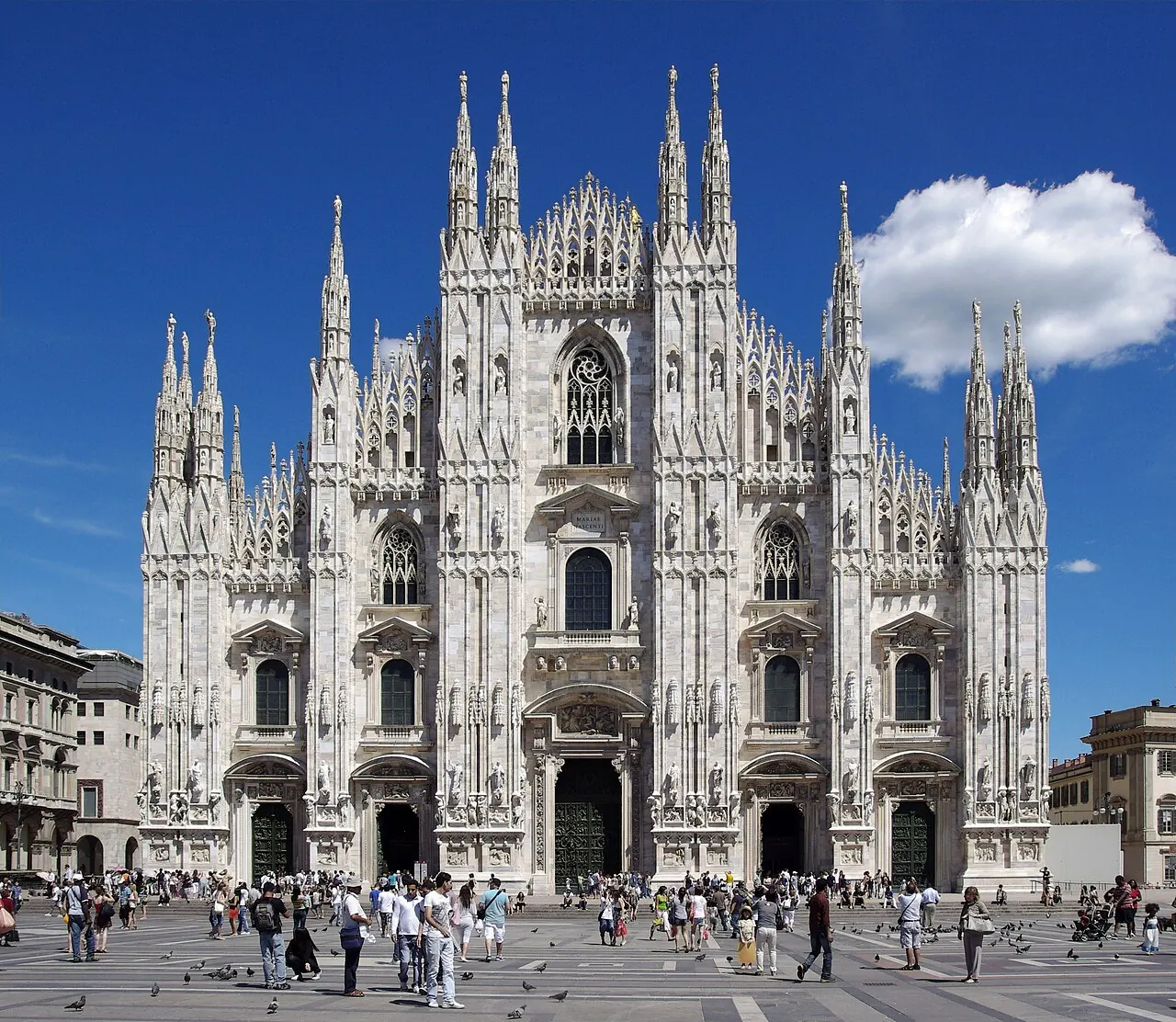
The Duomo is an architectural visit before it is a viewpoint. Stand back in the square to read the outline of the facade, then move closer to notice how figures, door panels and carved details change the scale of the building. Inside, let the height of the nave set the pace. A few deliberate pauses are more rewarding than photographing every bay while trying to keep moving.
The terraces offer another encounter with the cathedral, this time among its buttresses and spires. Decide whether you want the interior, the rooftops or both before selecting admission, because products cover different areas. The official terrace description distinguishes lift access to the first level from steps to the higher central terrace. A lift ticket therefore should not be taken as a promise that the entire rooftop route is step-free.
Plan it well: Check the official access page for your mobility needs and the exact areas included in your chosen ticket.
Duomo official terrace informationWalk through the Galleria without making it a shopping task
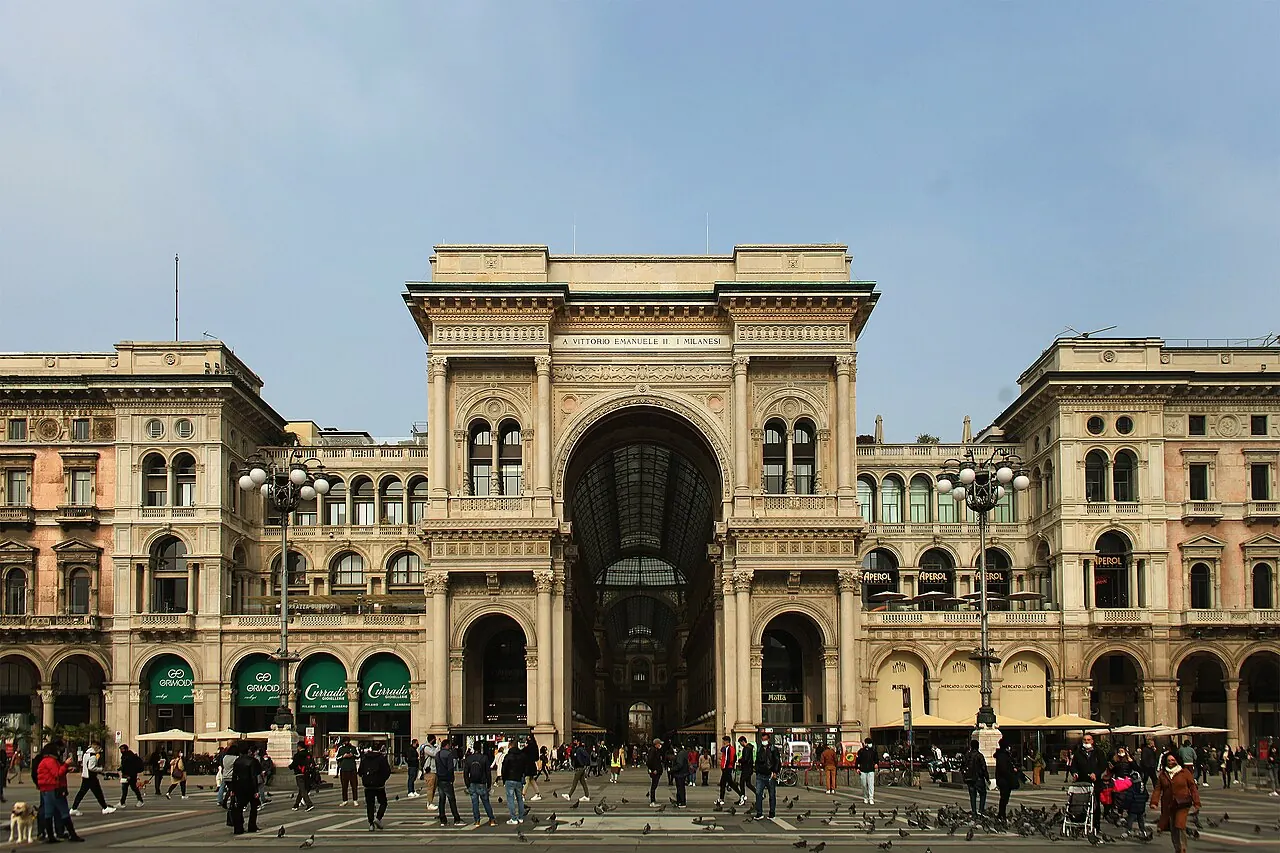
The Galleria is the natural connection between the cathedral square and La Scala, but it deserves more than a hurried crossing. Look upwards at the glass roof and central dome, then return your attention to the patterned floor and the shopfronts. The attraction is the public arcade itself: you can appreciate its proportions and changing light without buying a luxury item or booking a meal.
Walk through once to get your bearings, then choose whether to linger over coffee or continue towards the theatre. Prices and service styles vary between establishments, so read the displayed menu before sitting down. At busy times, stepping out of the main flow makes it easier to inspect the details without blocking other people. Keep this stop short if you have an entry reservation elsewhere; it works equally well on the return journey.
Plan it well: Use the arcade to link the Duomo and La Scala, leaving time for the surrounding squares rather than scheduling a separate transfer.
YesMilano guide to the GalleriaChoose a collection inside Sforza Castle
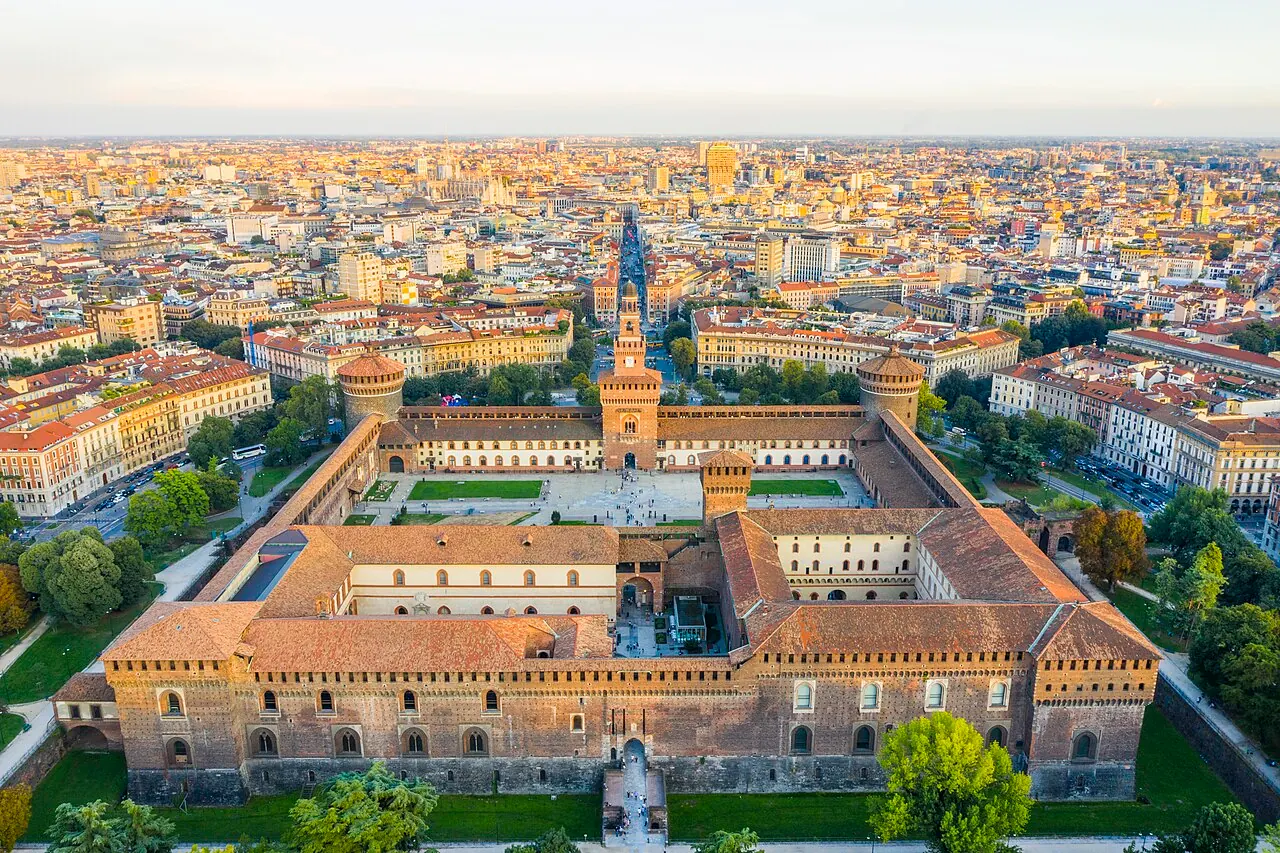
Sforza Castle changes the feel of central Milan from commercial streets to a fortified residence. Start by understanding the arrangement of towers, gates and courtyards before deciding which museum collection to enter. The complex contains several cultural destinations, so a castle visit need not mean attempting all of them. Sculpture, decorative objects and musical instruments offer different ways into the city's history.
Use the municipal museum information to choose a specific collection and check current room closures before buying admission. A courtyard walk, a museum visit and access to special routes are separate experiences; do not assume one reservation includes everything. Afterwards, continue into Parco Sempione for a change of pace. This pairing is particularly useful when travelling with people whose appetite for museum rooms is different from your own.
Plan it well: Check the castle's notices for closed rooms or altered access, then give your chosen collection enough time.
City of Milan castle visitor informationMake Brera your focused art visit
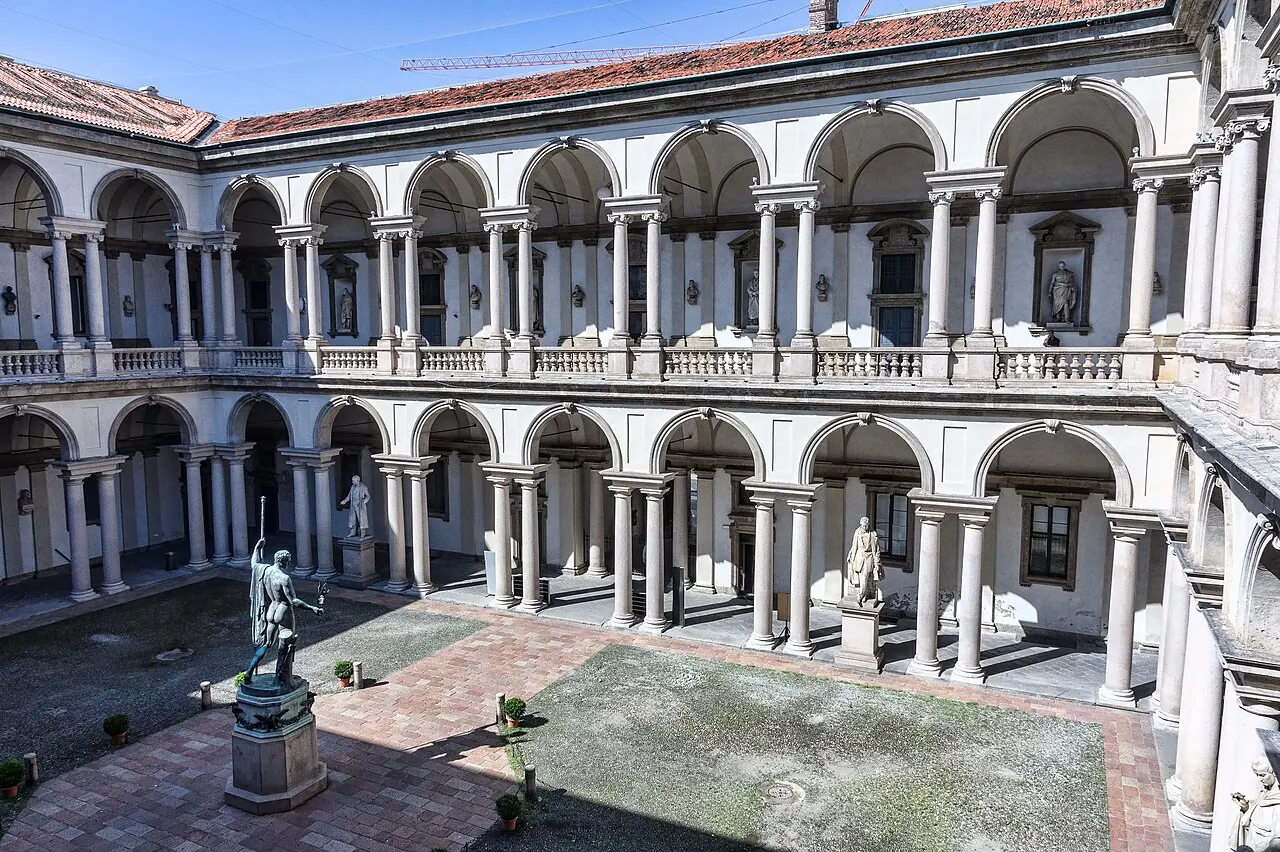
The Pinacoteca di Brera is a strong choice for visitors who want paintings to be the centre of their day. Before arriving, browse the museum's collection online and identify a handful of works that genuinely interest you. Comparing the arrangement of figures, the use of light or the setting of a scene gives the visit a thread, especially if Renaissance painting is unfamiliar territory.
Treat the surrounding neighbourhood as the quieter half of the outing. After the galleries, explore the streets around Via Brera and choose lunch away from your museum deadline. Consult the museum's current admission arrangements rather than assuming a pass or a free-admission day removes the need to reserve. Leave the afternoon adjustable: a second major collection can be enjoyable, but it can also blur everything you have just taken time to see.
Plan it well: Make a short personal shortlist of paintings and check the museum's reservation requirements before planning lunch.
Pinacoteca di Brera hours and reservationsDistinguish Santa Maria delle Grazie from the Last Supper visit
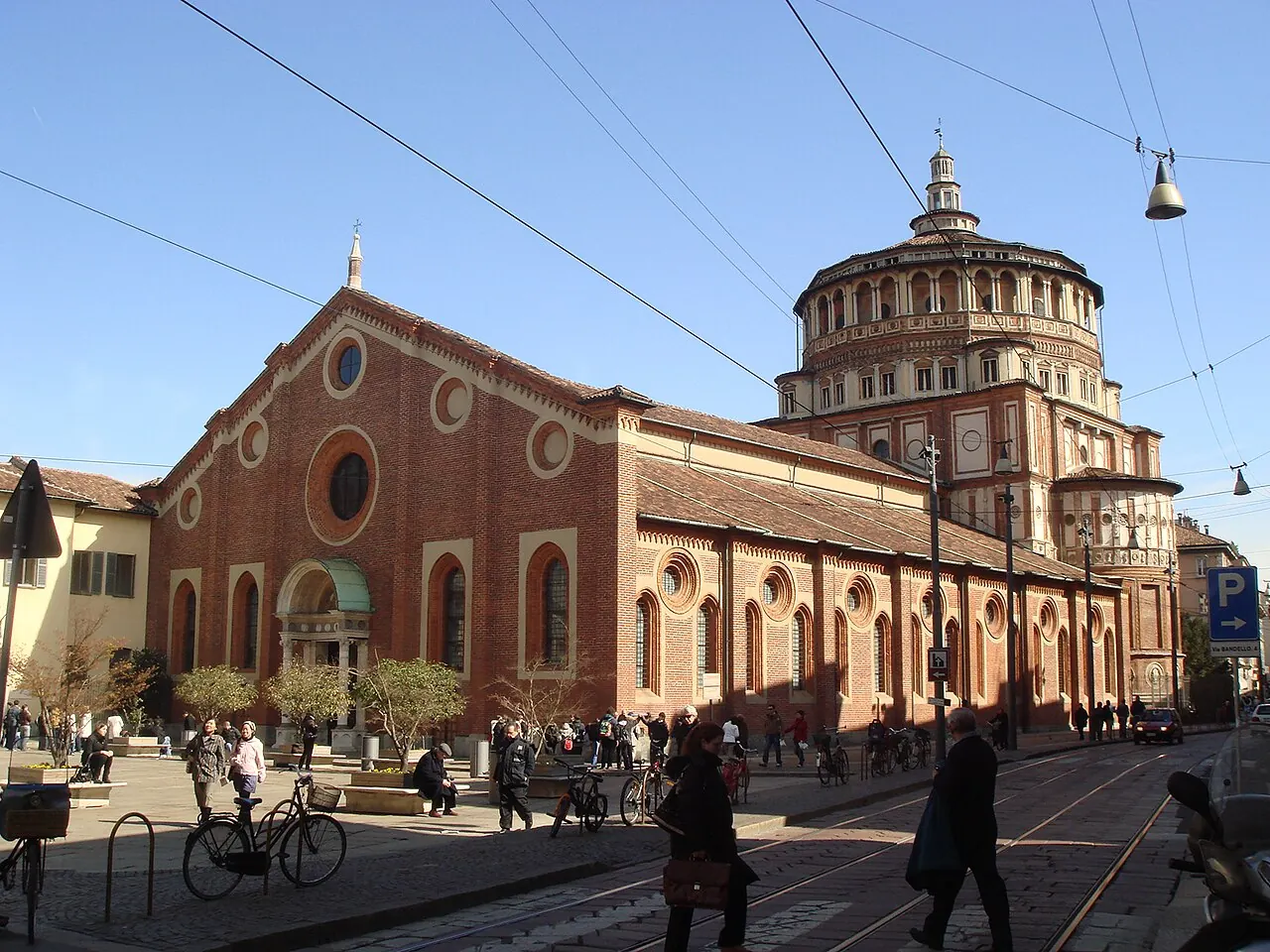
Santa Maria delle Grazie is worth understanding as a church and convent complex, not simply the address attached to a famous painting. Its exterior and architectural spaces put Leonardo's Last Supper in context, while the refectory experience asks you to concentrate on one work. If the painting is your priority, arrange that visit first and allow the rest of your western-city day to fit around it.
The church and the Last Supper Museum do not share a single casual walk-in visit. The museum requires advance reservations for every visitor, limits time in the refectory and asks ticket holders to arrive ahead of their slot. Read the current instructions after booking, including identification and ticket collection requirements. If no museum place is available, visiting the church does not get you access to the painting; keep expectations clear when considering third-party tours.
Plan it well: Follow the museum's arrival instructions precisely; a church visit or neighbourhood tour is not a Last Supper admission.
Cenacolo Vinciano official admissionsMeet La Scala through its museum or a performance
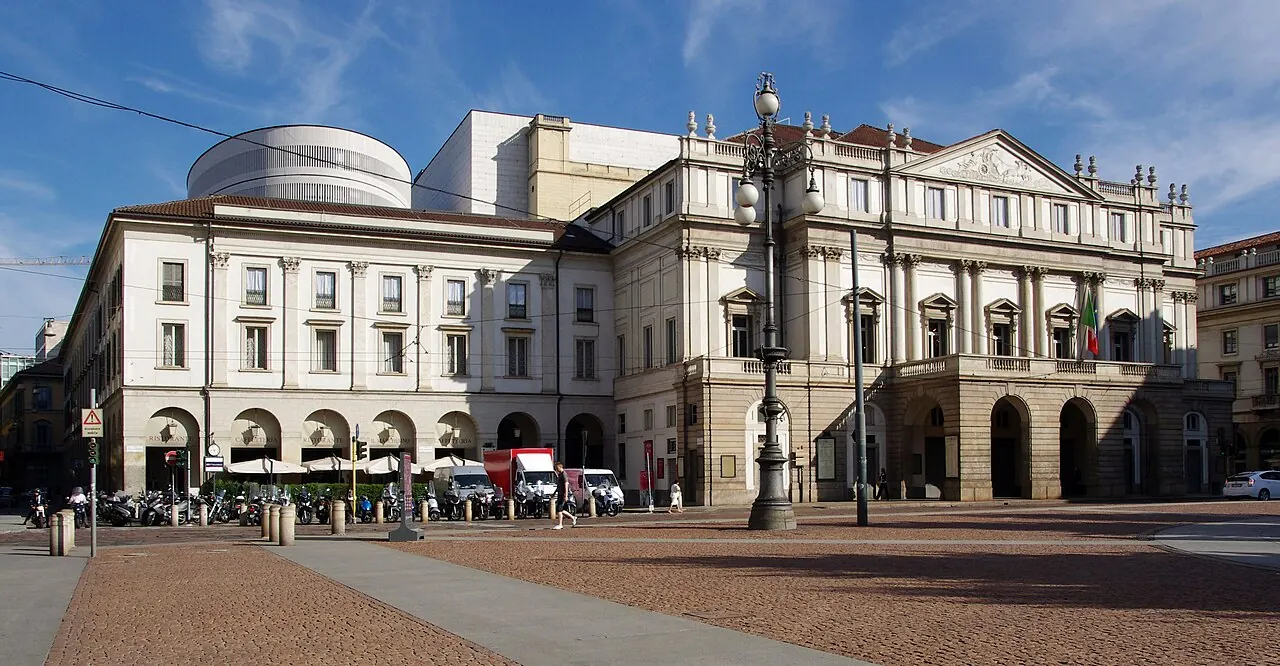
La Scala has two quite different visitor experiences: the theatre museum during the day and a performance as an evening commitment. The museum's portraits, instruments and theatrical memorabilia help explain the institution even if you are not an opera specialist. Choose it for that history, then regard a view into the auditorium as an additional opportunity rather than the sole purpose of your ticket.
The official museum guidance makes theatre visibility conditional on rehearsals, performances and other events. Check the current visibility information if the auditorium matters especially to you. A museum ticket is not a performance ticket, and a guided theatre visit has its own arrangements. For an evening show, consult the actual programme, ticket conditions and arrival guidance, then leave dinner timing generous enough that a slow restaurant service does not become a problem.
Plan it well: Read the museum's theatre-visibility notice before booking a daytime visit specifically to see the auditorium.
Museo Teatrale alla Scala planningLet Parco Sempione soften the museum day
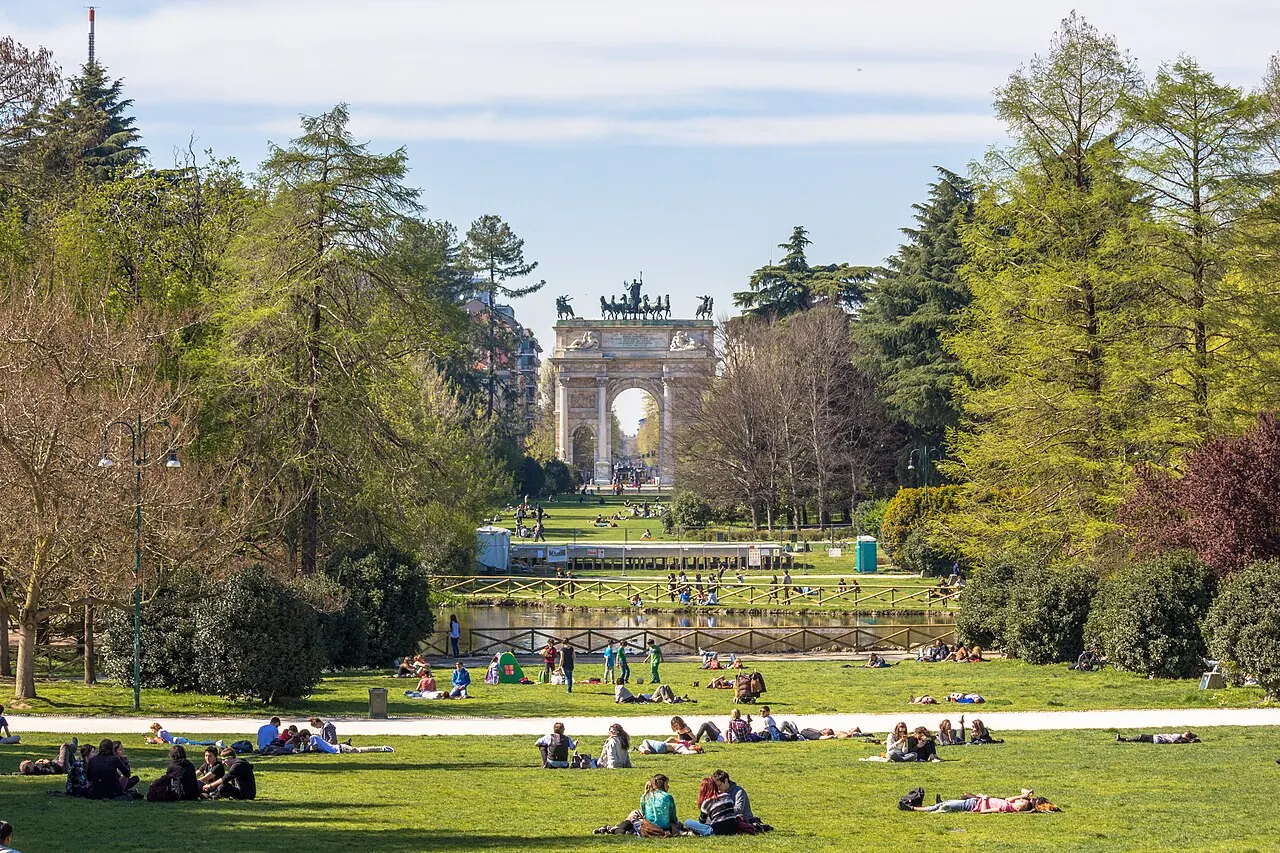
Parco Sempione is most useful when it is allowed to be a park rather than another compulsory monument. Coming out of the castle, follow a path into the green space and let the day slow down. The combination of open lawns, trees and views towards the Arch of Peace gives you room to look back on what you have seen, especially after a concentrated museum visit.
Choose a modest loop instead of trying to connect every building around the park. In warm weather, a shaded pause can matter more than another attraction; in rain, shorten the walk and keep an indoor alternative nearby. The civic park information is the right place to check access notices or special arrangements. If you want to add a neighbouring museum or a tower viewpoint, treat that as a separate decision with its own admission check.
Plan it well: Pair the park with the castle and keep any extra indoor attraction optional, especially on a short visit.
City of Milan Parco Sempione informationSpend an unhurried evening by Naviglio Grande
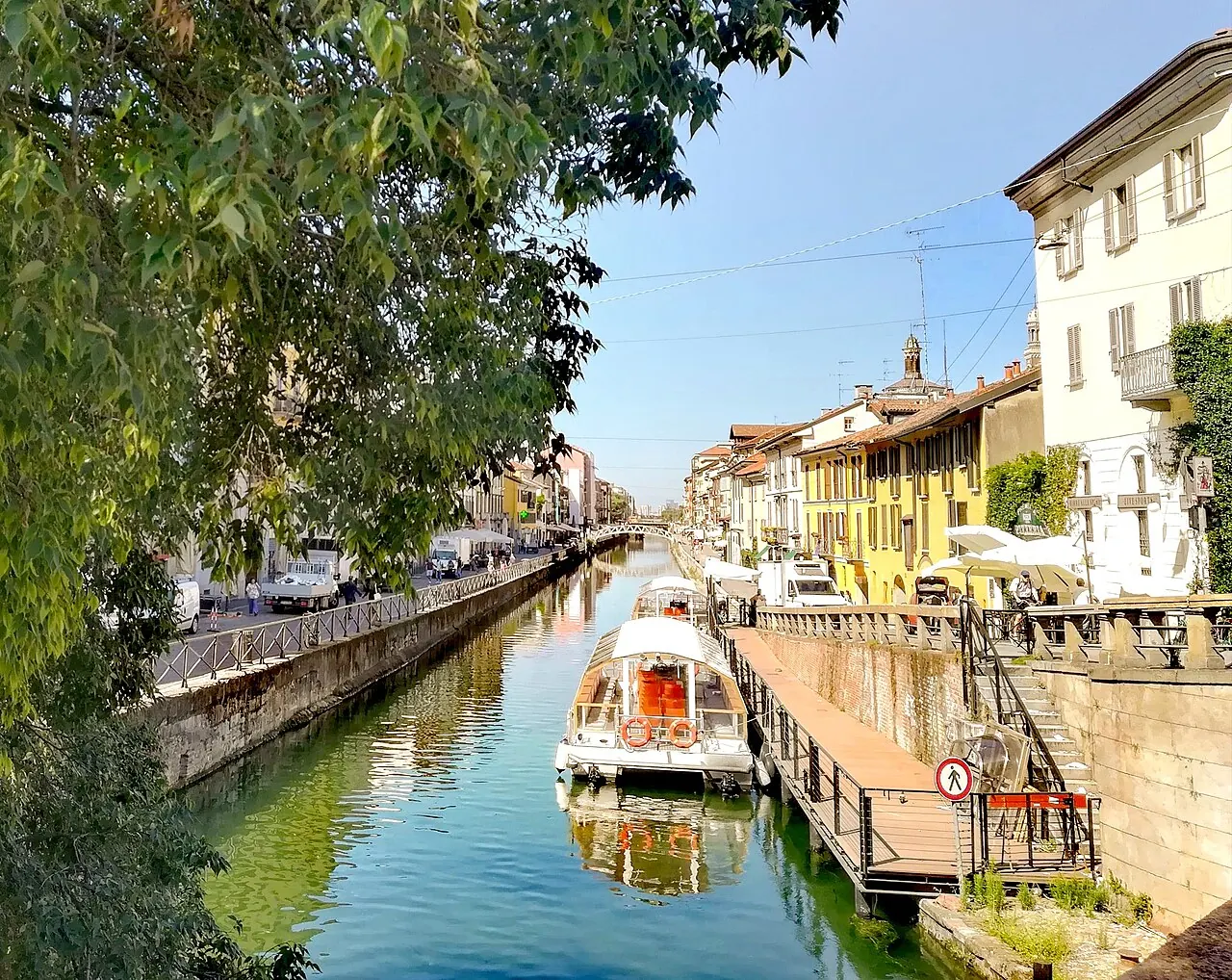
For a first Navigli outing, concentrate on the urban stretch of Naviglio Grande near the Darsena rather than thinking of the entire canal as a walking route. The water, bridges and closely spaced buildings create a setting very different from the cathedral district. Arrive with time to walk before deciding where to sit, so your evening is not reduced to the first available restaurant table.
Aperitivo is one possible way to spend the visit, not a guaranteed buffet format shared by every bar. Look at the menu and ask what is included before ordering. Continue towards the Darsena if you want a broader waterfront space, or stay on one bank and watch the evening change. This is a lively district with homes as well as venues, so keep noise down when leaving and plan your return transport before the night becomes late.
Plan it well: The map pin uses Wikidata's Milan endpoint of the long canal; focus your walk near Porta Genova and the Darsena.
YesMilano Navigli neighbourhood guideRead Milan's older history at Sant'Ambrogio
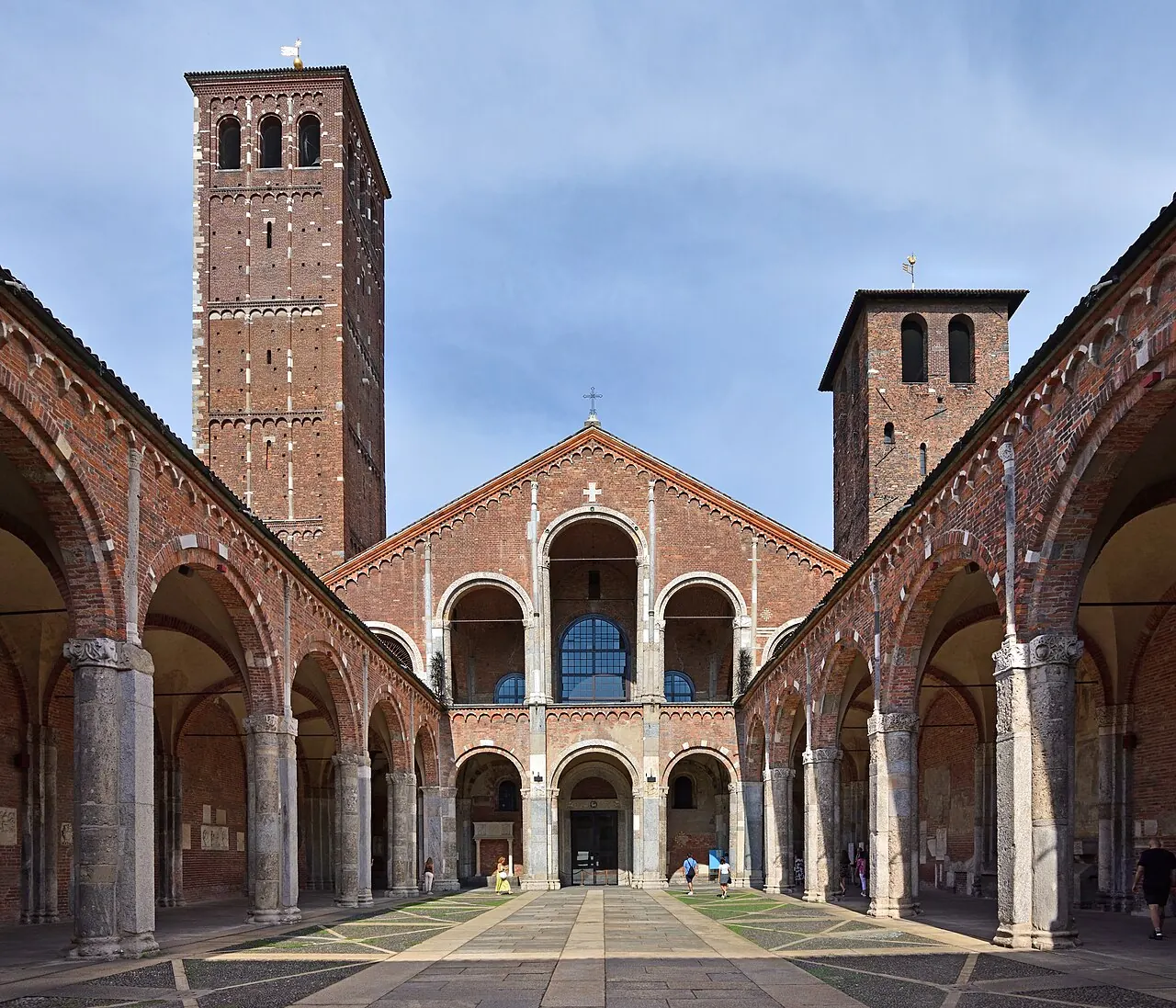
Sant'Ambrogio offers an architectural contrast to the Duomo: the approach through the atrium, the brickwork and the lower, more contained spaces give the visit a different rhythm. It is a useful stop for understanding that Milan's religious history is not confined to the great cathedral. Look at the relationship between the courtyard and church before moving inside, rather than treating the entrance as a passage to hurry through.
This remains a place of worship, so allow services and local use to determine how much you can see. Dress respectfully and follow posted photography instructions. Combine it with Santa Maria delle Grazie if those two churches interest you, but do not force the walk into a tight interval around a Last Supper reservation. The value here is in noticing a different building tradition and giving the quieter setting your full attention.
Plan it well: Check the basilica's visitor arrangements and make the visit flexible around religious services.
YesMilano major churches itineraryVisit the Monumental Cemetery as a place of memory
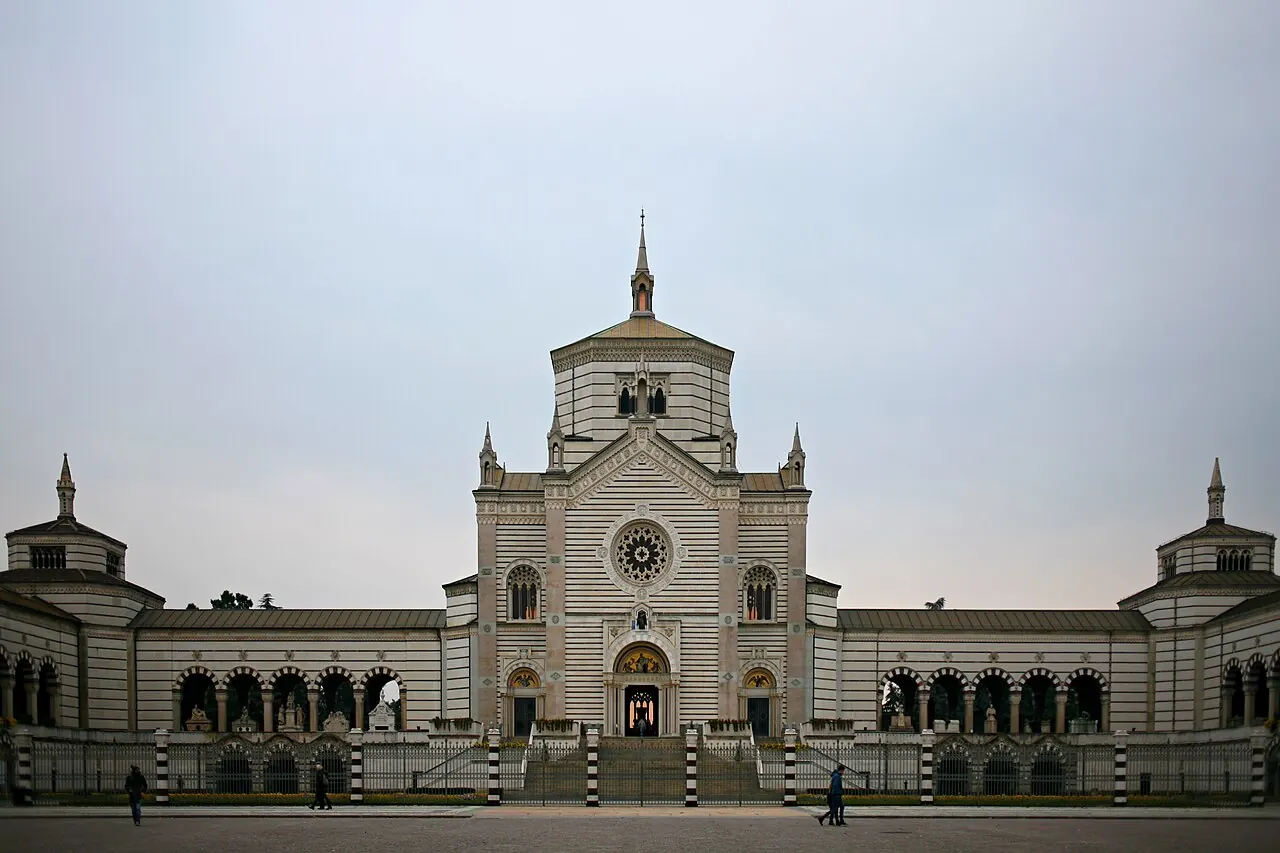
The Monumental Cemetery brings sculpture and architecture into a setting that needs a quieter kind of attention. Start with the entrance buildings and then follow a manageable part of the grounds, noticing how families used materials, symbols and scale to express remembrance. You do not need to identify every tomb to appreciate the variety, but a site plan helps prevent the visit becoming a random search for the most elaborate monument.
Use the cemetery's civic website for current access information and any guided visits, then allow yourself enough time to return to the entrance without rushing. This is an active cemetery, not an outdoor stage set. Give funerals and people visiting graves plenty of space, keep conversations subdued and avoid intrusive photographs. The outing works well as an alternative to another art gallery, particularly if you are interested in how public history and private memory overlap.
Plan it well: Consult the official map or visitor information, and keep your route modest enough to respect both the setting and closing arrangements.
Milan Monumental Cemetery official siteHow to spend two days in Milan
Day one: cathedral, arcade and Brera
Start with your chosen Duomo visit, cross the Galleria and stop at La Scala if its museum appeals. Make Brera the principal painting collection, leaving its surrounding streets for lunch or an afternoon pause. Choose one large indoor visit if you prefer a lighter day.
Day two: the western city and canals
Build the day around a Last Supper reservation if secured, adding Sant'Ambrogio without rushing the arrival deadline. Visit Sforza Castle and Parco Sempione as a pair if time allows, then travel to Naviglio Grande for a relaxed evening. The Monumental Cemetery is an alternative daytime outing, not an extra obligation.
Before you go
Use one payment device consistently
ATM asks contactless travellers to use the same card or device to touch in and out at metro gates. A phone-wallet version and the physical card are not interchangeable during a journey.
ATM contactless guidanceProtect the reservation you most care about
If the Last Supper is essential, secure it before filling the day. Check name, identification and arrival requirements on the official confirmation. Leave flexible walks between booked visits.
Separate Milan's airports and railway stations
Check the exact arrival airport and onward rail or bus stop when choosing accommodation. A hotel described as central may not simplify a very early flight. Compare the full transfer, not just the map distance.
Stay near the day you want to have
For a short art-focused stay, compare the Duomo, Brera and Castello districts for walking access to your first visit. Navigli suits an evening-focused trip, but check street noise and the last leg home. A station-area hotel can simplify rail travel; compare the exact station, nearby transport and room details rather than relying on the word central.
Explore Milan hotels