
Rome city guide
10 things to do in Rome
Ancient monuments, baroque squares and exceptional art, with clear booking choices and enough time left to enjoy the streets between them.
Plan your visit
Rome rewards a small number of well-chosen reservations and plenty of space between them. Choose an ancient-city day and an art or Vatican day, then use the squares and fountains to connect the gaps. The list below separates museum admission, church access and street-level sightseeing so one booking does not become a mistaken promise of another.
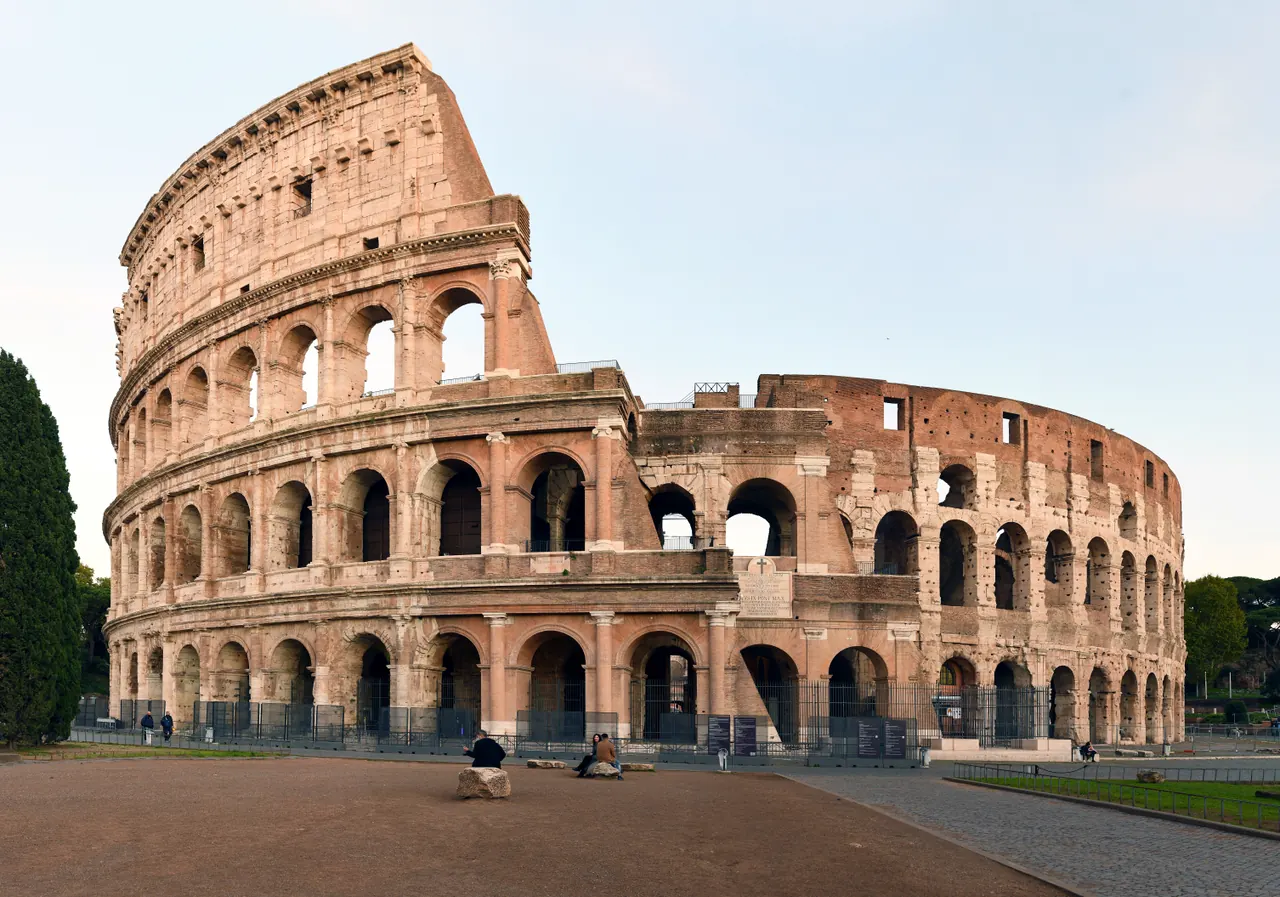
Choose the Colosseum visit you actually want
The Colosseum is easier to understand when you look at its circulation as well as its size. Repeated arches, corridors and tiers show how a huge audience moved into a building designed for spectacle. Inside, consider the relationship between the arena and the exposed structures below, rather than trying to photograph every angle before continuing to the next monument.
Start with the archaeological park's official ticket descriptions. Arena, underground and standard visits are not identical, and a product name should not be taken as permission to enter every level. Check the booking name and identification requirements, bring the requested document and leave time for entry checks. If ancient Rome is a priority, make this the day's anchor and fit the Forum around the chosen ticket conditions rather than squeezing in a second major museum.
Plan it well: Check the visitor name, permitted areas and entry time on the actual ticket, not just a reseller's headline.
Colosseum Archaeological Park: official ticketsGive the Roman Forum a route and a few landmarks
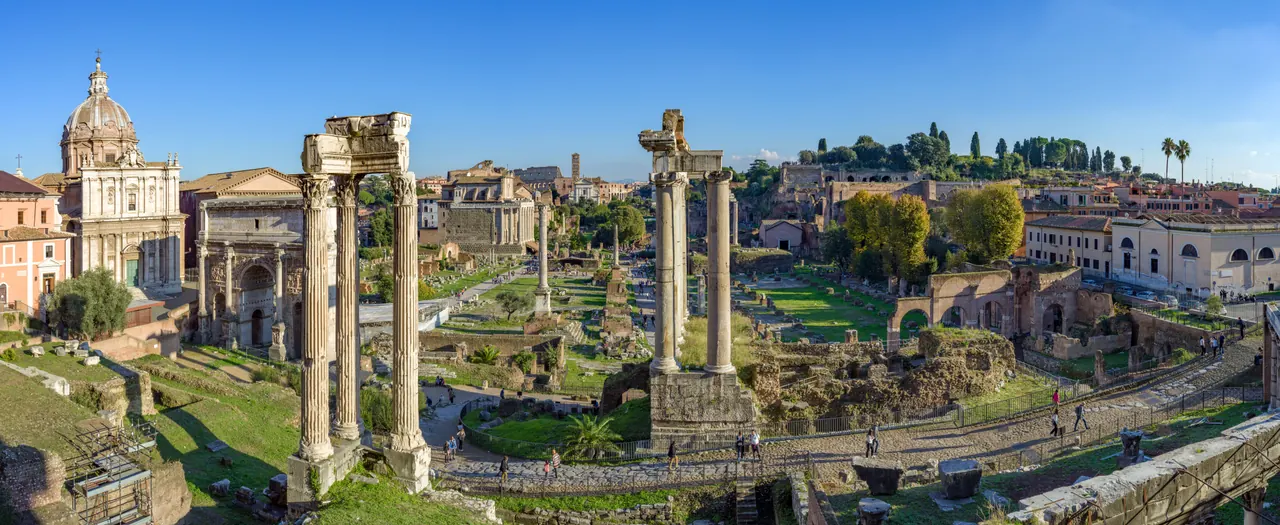
The Roman Forum is a landscape of fragments, so a little orientation does more than another long list of ruins. Start with the main route and choose a few recognisable features, such as an arch, a temple colonnade and the open spaces between them. A plan or guide helps turn disconnected stones into a picture of a civic centre that changed over time.
Make the Forum a substantial walk, not a quick corridor between the Colosseum and lunch. Exposed ground, uneven paving and additional climbs toward the Palatine affect both energy and accessibility. Read the current archaeological park ticket validity and included sites before deciding how to divide the visit. In warm weather, keep an easier afternoon afterwards; understanding three landmarks well can be more satisfying than covering every branch of the site without stopping.
Plan it well: Bring a site plan and shoes with grip; access to special interiors depends on the ticket and current openings.
Colosseum Archaeological Park: Roman Forum visitsLook up, then look around the Pantheon
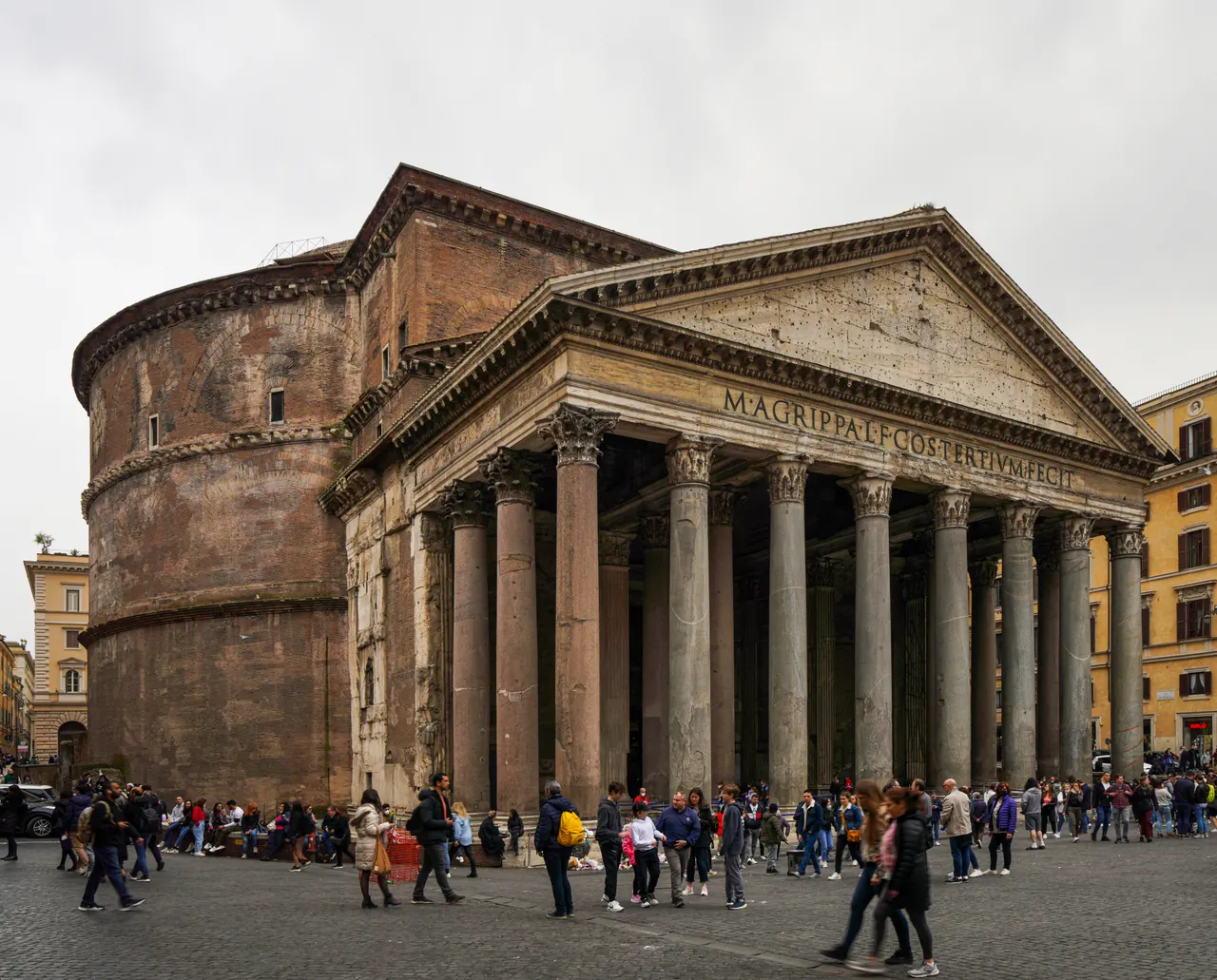
The Pantheon's portico prepares you for one scale, and the circular interior reveals another. Once inside, follow the curve of the dome toward the oculus, then bring your attention back to the walls and floor. The daylight changes the experience, but even a brief visit is richer when you allow your eyes to adjust instead of immediately searching for a single camera position.
This is an active church as well as an ancient monument, with visitor access and religious services serving different purposes. Use the Italian culture ministry's visitor page for current admission arrangements; an audio guide or outside walking tour is not automatically an entry ticket. The surrounding square can be crowded, so leave enough arrival time and keep bags compact. Combine the Pantheon with Piazza Navona for a central walk that does not require another major reservation.
Plan it well: Buy entry through the official channels linked by the museum authority and check service-related visitor restrictions.
Italian Culture Ministry: Pantheon visitsGive the Trevi Fountain a little breathing room
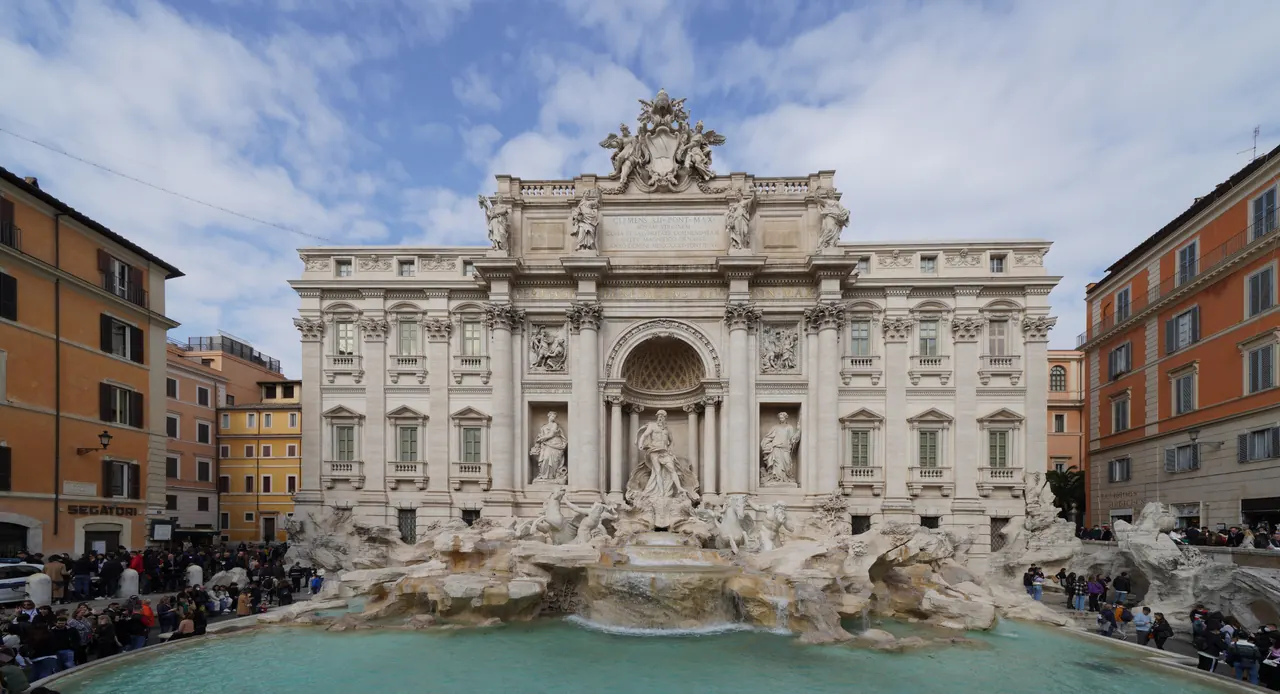
Trevi works as a piece of urban theatre: a grand sculptural facade fills a surprisingly tight space among ordinary streets. Look at the relationship between the central figure, the rocky setting and the water before joining the crowd nearest the basin. You can appreciate the composition from several positions, so the closest possible viewpoint is not the only worthwhile one.
Rome introduced controlled, ticketed access to the area closest to the fountain in 2026, while viewing from the wider square remains a different experience. Check the city tourism page for current rules rather than relying on older advice that treats every part as unrestricted. Keep the stop flexible around a central-city walk, avoid blocking the narrow approaches and do not sit on or enter the monument to improve a photograph.
Plan it well: Distinguish ordinary square-level viewing from access to the controlled area beside the basin.
Turismo Roma: Trevi access updateWalk the length of Piazza Navona
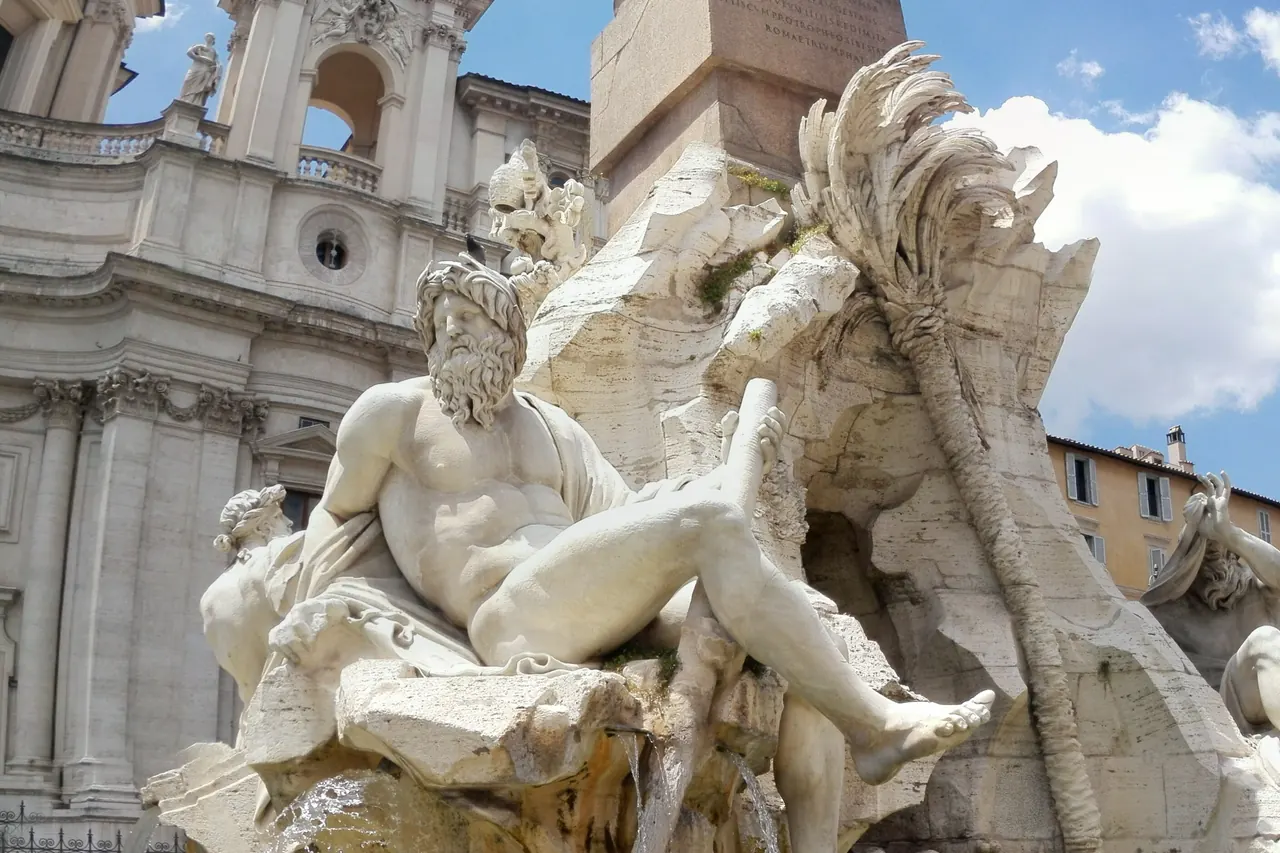
Piazza Navona invites more than a glance at its central fountain. Walk from one end to the other to understand the long outline inherited from an ancient stadium, then return to the Fountain of the Four Rivers and the church facade opposite it. Looking at the square as a whole helps its individual monuments feel connected rather than competing for attention.
Use this as the relaxed part of a Pantheon-area outing. A restaurant table is one way to linger, but you can also enjoy the architecture before choosing lunch on a nearby street. Fountain viewing, church entry and archaeological visits beneath the area have separate access arrangements, so do not assume a public square grants admission to everything around it. Leave space in the plan for a short detour without turning every building into a compulsory stop.
Plan it well: Look at all three fountains and the square's elongated shape before deciding whether to add an indoor visit.
Turismo Roma: Piazza NavonaChoose a focus inside the Vatican Museums
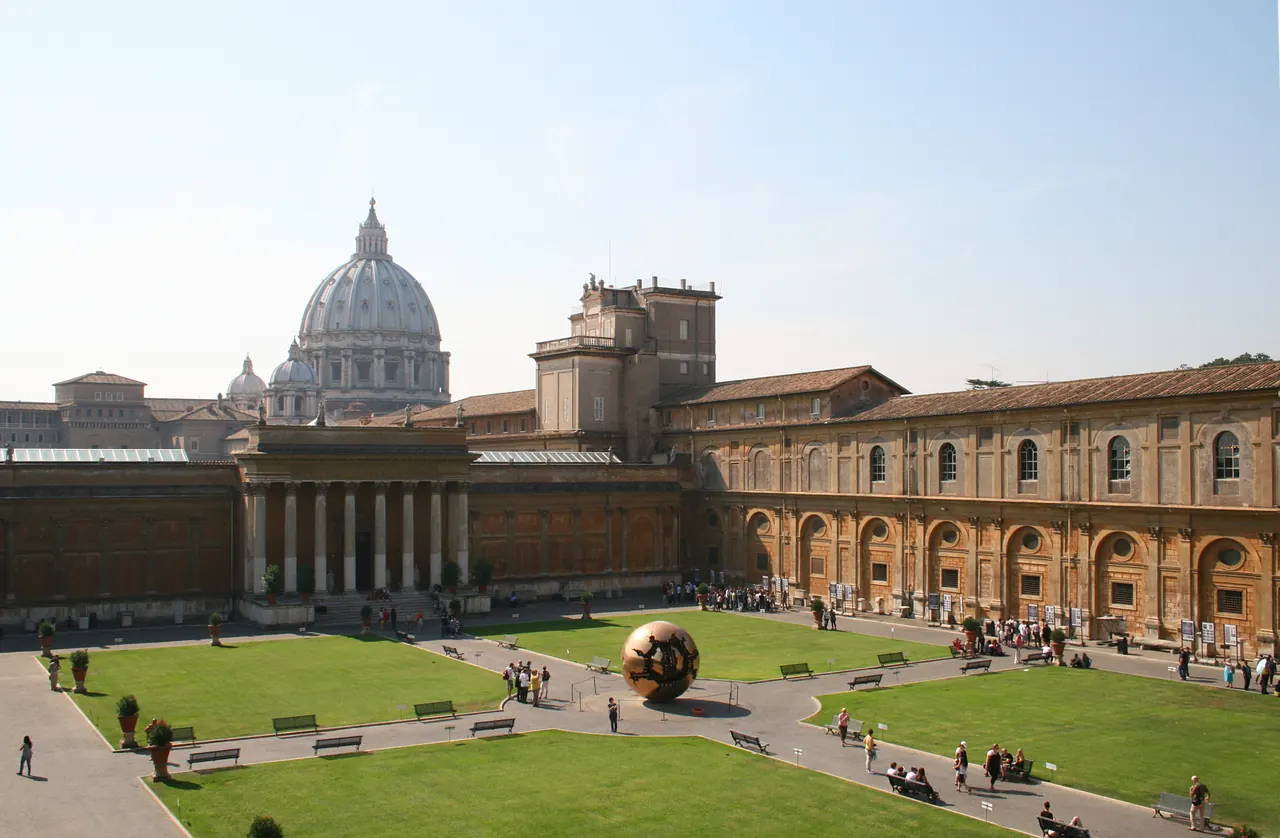
The Vatican Museums are too extensive to treat as a room-by-room obligation. Choose a focus before entering: classical sculpture, painted galleries or the major Renaissance rooms can each give a visit a coherent shape. The courtyards and corridors are part of the setting, but fatigue can arrive well before you reach the work you most wanted to see.
Book the official admission product and read its arrival instructions, dress requirements and photography restrictions. A Vatican Museums ticket is not a universal pass to every Vatican site, and access to Saint Peter's Basilica should be planned separately. Do not rely on an assumed shortcut from the Sistine Chapel. Keep luggage out of the day if possible, give the museum several unhurried hours and leave the next timed reservation far enough away to accommodate crowds.
Plan it well: Plan Saint Peter's separately; a museum reservation does not guarantee a basilica shortcut or admission to other Vatican visits.
Vatican Museums: useful visitor informationAllow time to take in Saint Peter's Basilica
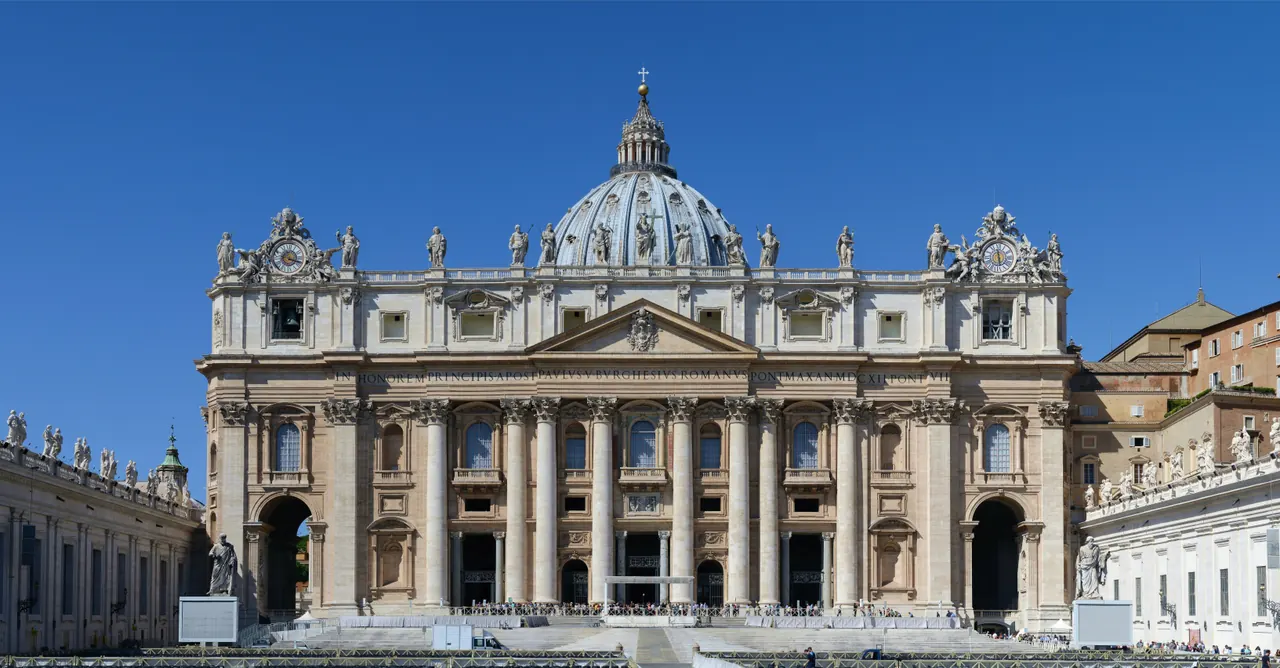
Saint Peter's has a scale that is difficult to judge from the square alone. Inside, let the nave, piers and dome establish the overall space before concentrating on individual artworks. It is also a place of prayer, not only an architectural attraction; areas used for worship deserve a different pace and quieter behaviour than a museum gallery.
Check the basilica's current visitor information for religious events, security and any booked service you want to use. Cover shoulders and knees and keep baggage small, since the venue warns that cloakroom storage is not available. The dome, necropolis and other associated visits have their own arrangements, so choose deliberately rather than assuming they follow automatically from entering the church. A long Vatican Museums visit may leave little energy for another extensive interior on the same afternoon.
Plan it well: Separate ordinary basilica access from dome and necropolis visits, and arrive dressed for a working church.
Saint Peter's Basilica: official visit guidanceGive sculpture your full attention at Galleria Borghese
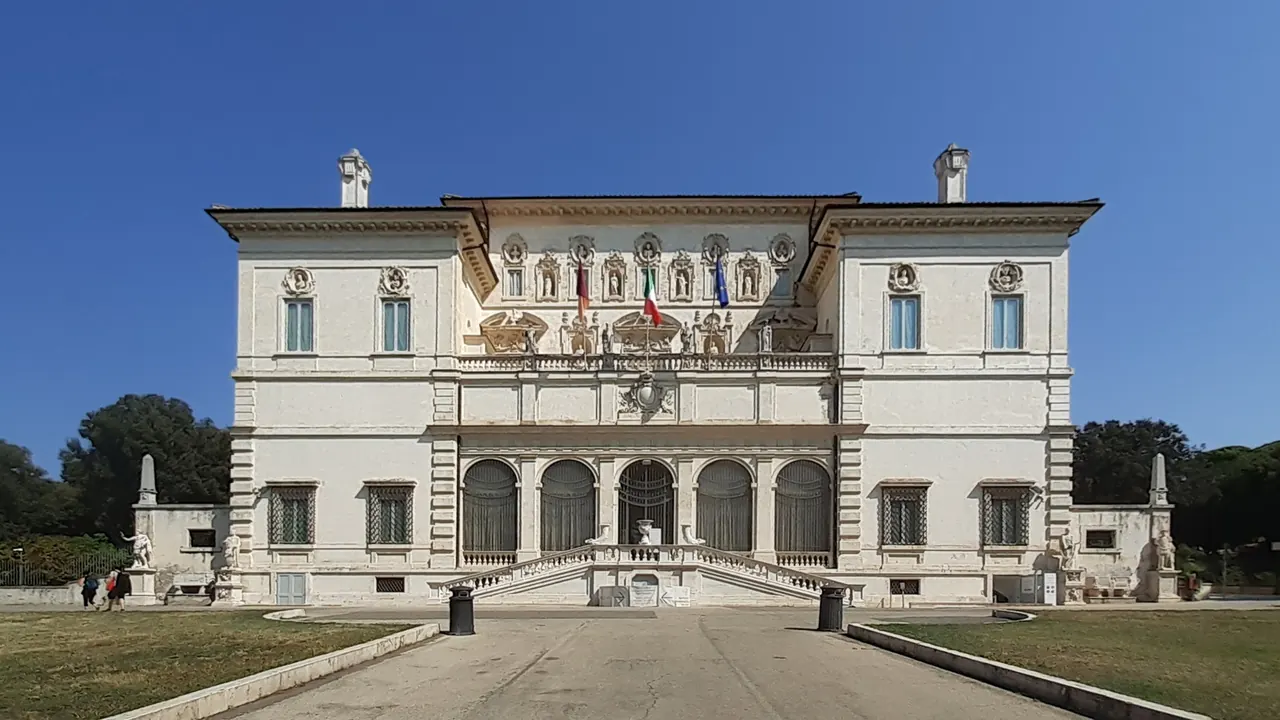
Galleria Borghese offers a more concentrated art visit than the Vatican Museums, with the villa setting bringing painting, sculpture and decoration into close conversation. Sculpture is particularly rewarding here: change your viewing angle and notice how movement and expression emerge from solid material. Rather than racing to tick off famous names, choose a handful of works and give each room time.
The gallery requires advance booking, while the surrounding park is a separate, freely accessible place. Read the museum's current admission and baggage instructions before arranging the day; a walk in Villa Borghese does not guarantee a gallery ticket at the door. Pair the collection with a park break or a gentle route toward the Spanish Steps, not another large museum simply because both appear on a top-ten list.
Plan it well: Reserve the gallery itself; the park and the museum have different access arrangements.
Galleria Borghese: official visit informationFollow the layers of Castel Sant'Angelo
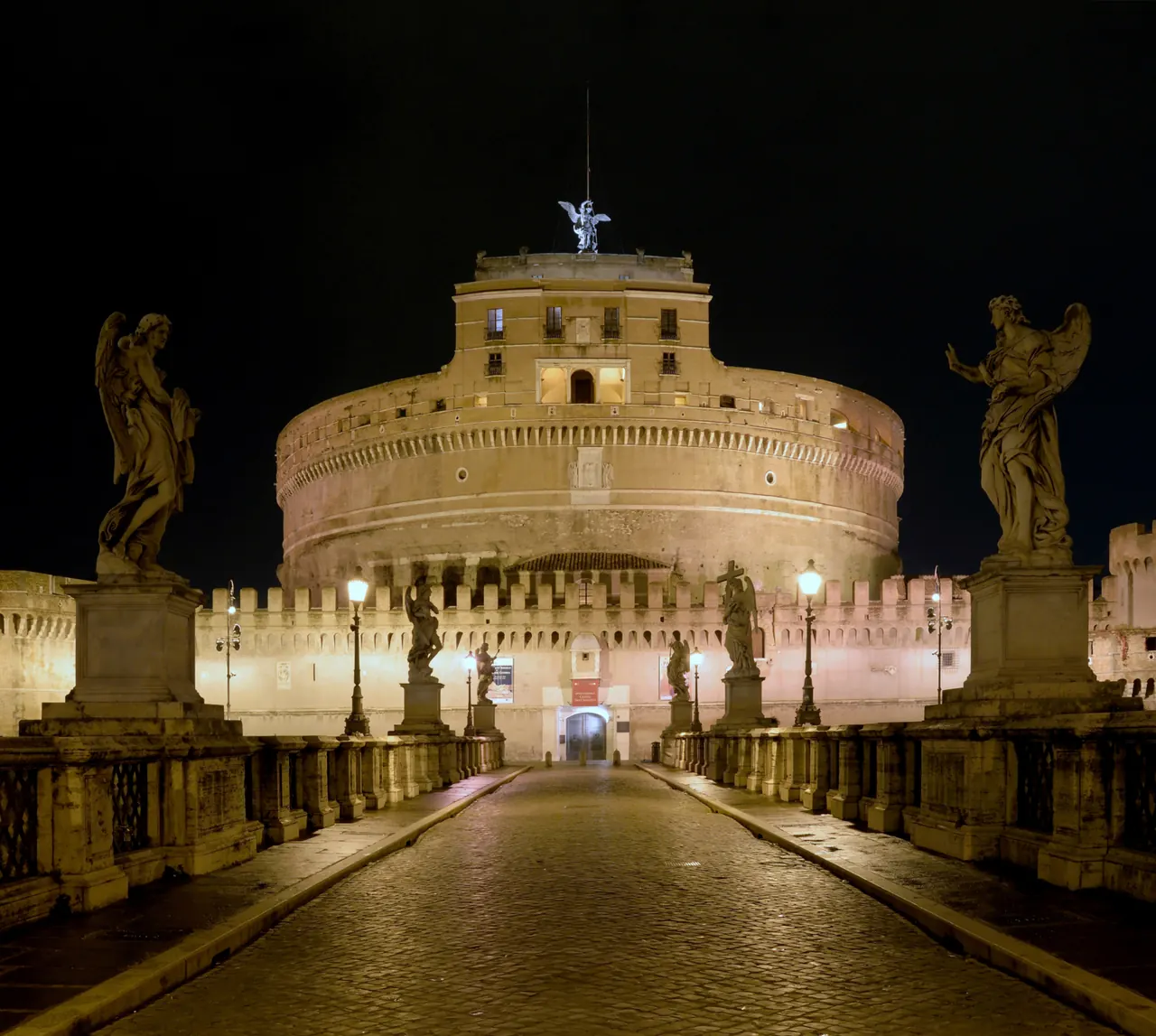
Castel Sant'Angelo is interesting because its purposes changed: a monumental tomb became a fortress, residence and museum. The heavy circular form remains visible even as you move through passages and decorated rooms. Follow that change of use as the thread of the visit, rather than expecting the building to explain itself as soon as you pass its entrance.
Choose an interior ticket if the rooms and history appeal, or keep the bridge and riverside as an exterior walk on a shorter day. The museum route involves movement between levels, and room closures can change what is available; consult the official visitor page for your needs. It pairs naturally with a Vatican-area outing, but adding it after a full museum morning and basilica visit can make an otherwise enjoyable day exhausting.
Plan it well: Decide between an interior museum visit and an exterior bridge walk before adding another admission to the day.
Italian Culture Ministry: Castel Sant'AngeloSee the Spanish Steps as a connection between levels
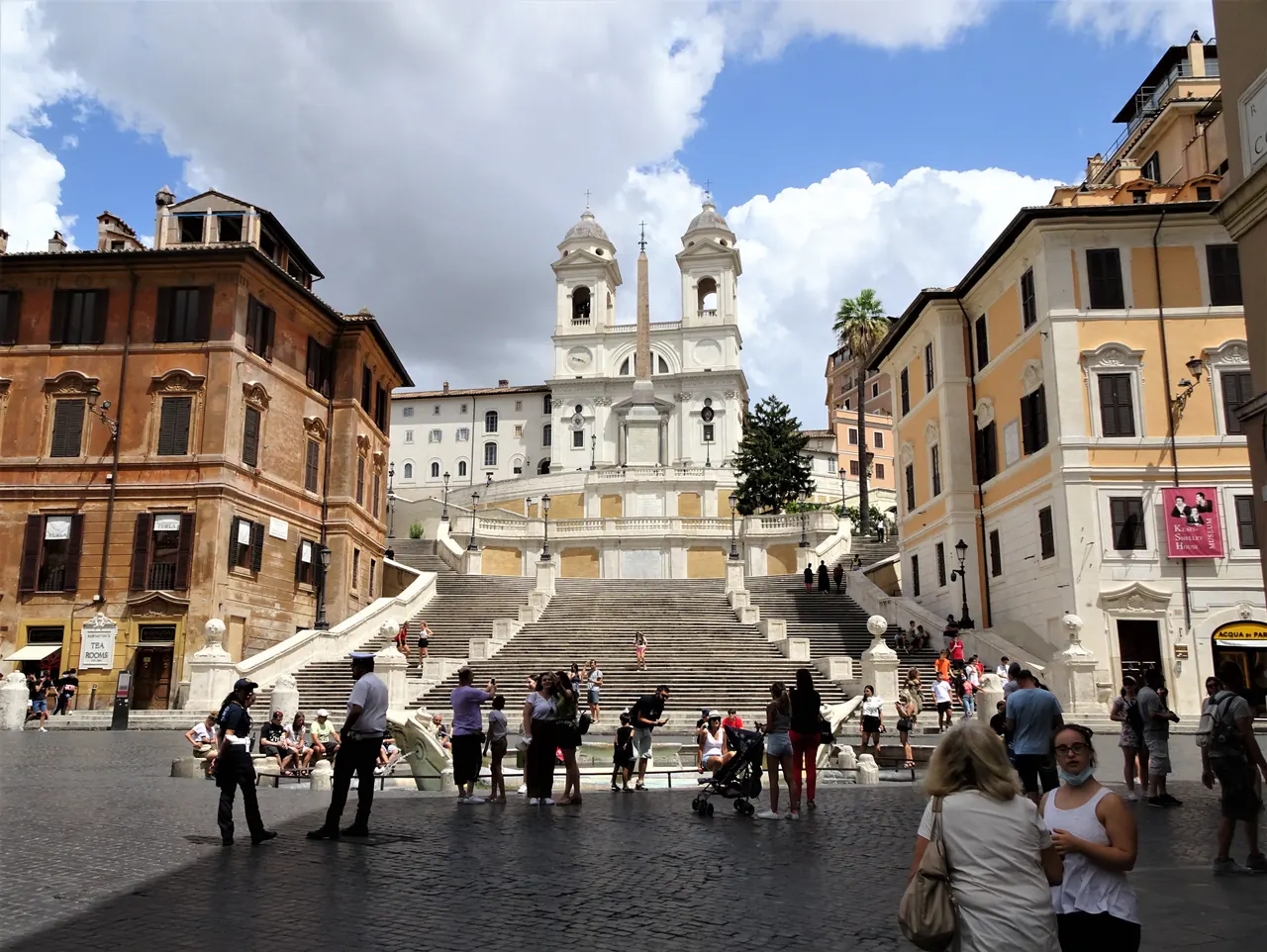
The Spanish Steps connect the busy square below with the church and streets above, making their shape clearer when you look both up and back down. Notice the changing width and landings rather than treating the staircase as a uniform climb. Piazza di Spagna and its fountain provide an equally worthwhile view if you do not want to tackle the ascent.
Use the steps as part of a northern-centre walk, perhaps after a Villa Borghese outing, with a cafe break on a nearby street instead of blocking the monument. Respect the current posted rules and keep the stairs clear for circulation. The climb is not a certified step-free route, and reaching the top does not mean you have reached Galleria Borghese itself; consult the map before committing a tired group to another uphill walk.
Plan it well: Enjoy the view from Piazza di Spagna if the climb is unsuitable, and follow the monument's posted visitor rules.
Turismo Roma: the Spanish StepsHow to spend two days in Rome
Day one: ancient Rome, then the central streets
Use a Colosseum reservation as the anchor and give the Forum a meaningful walk within the ticket conditions. After a proper lunch, choose the Pantheon and Piazza Navona or a shorter Trevi stop, depending on energy and available entry. Do not attempt every ancient site and every fountain before dinner.
Day two: choose your art day
Choose either the Vatican Museums, with Saint Peter's considered separately, or Galleria Borghese followed by the park and Spanish Steps. Castel Sant'Angelo is an alternative main visit near the Vatican, not a compulsory addition to an already long museum day.
Before you go
Use official booking links
Start from the museum or monument authority and follow its ticket link. Match names and documents where requested, and read what the chosen product actually includes.
Colosseum Archaeological ParkKeep church clothing with you
Clothes suitable for a hot street walk may not meet church entry rules. Carry a light covering and check each venue's requirements before an interior visit.
Saint Peter's dress requirementsGive rough paving and heat a margin
Wear shoes comfortable on stone and include water and seated breaks. Site coordinates identify landmarks, not guaranteed accessible entrances or routes through archaeological ground.
Choose a base for the places you want to see
The Pantheon and Piazza Navona area suits evening walks through the historic centre. Monti and the Colosseum area suit an ancient-city start, while Prati is practical for a Vatican-focused day. A Termini-area stay can simplify rail arrivals but still needs a plan for each sightseeing district. Compare the exact street, noise and transit access instead of relying only on a neighbourhood label.
Explore Rome hotels