
Rome city guide
Where to stay in Rome
Compare the historic walking core, Spagna, Celio, Trastevere, Prati/Borgo, Testaccio, Termini and Pinciano by evening atmosphere, sights and airport-rail practicality.
Plan your visit
Rome's best base depends on which journeys you want to make easy. A room near the Pantheon favors walks, one near Termini favors trains, and a Trastevere address favors evenings in the quarter but still needs a last-mile airport plan. These eight choices compare real neighbourhood settings, including quieter park edges and food-led districts, without treating a famous landmark as proof that every nearby hotel has the same access.
Choose your base
Pantheon and Navona put walking first; Spagna adds shopping and Metro A. Celio suits ancient-Rome days, while Prati and Borgo favor Vatican visits. Trastevere and Testaccio offer different food-led evenings on opposite banks. Choose Termini for rail logistics, or Pinciano for Villa Borghese and a less compact sightseeing itinerary.
Pantheon and Navona: a first visit mostly on foot
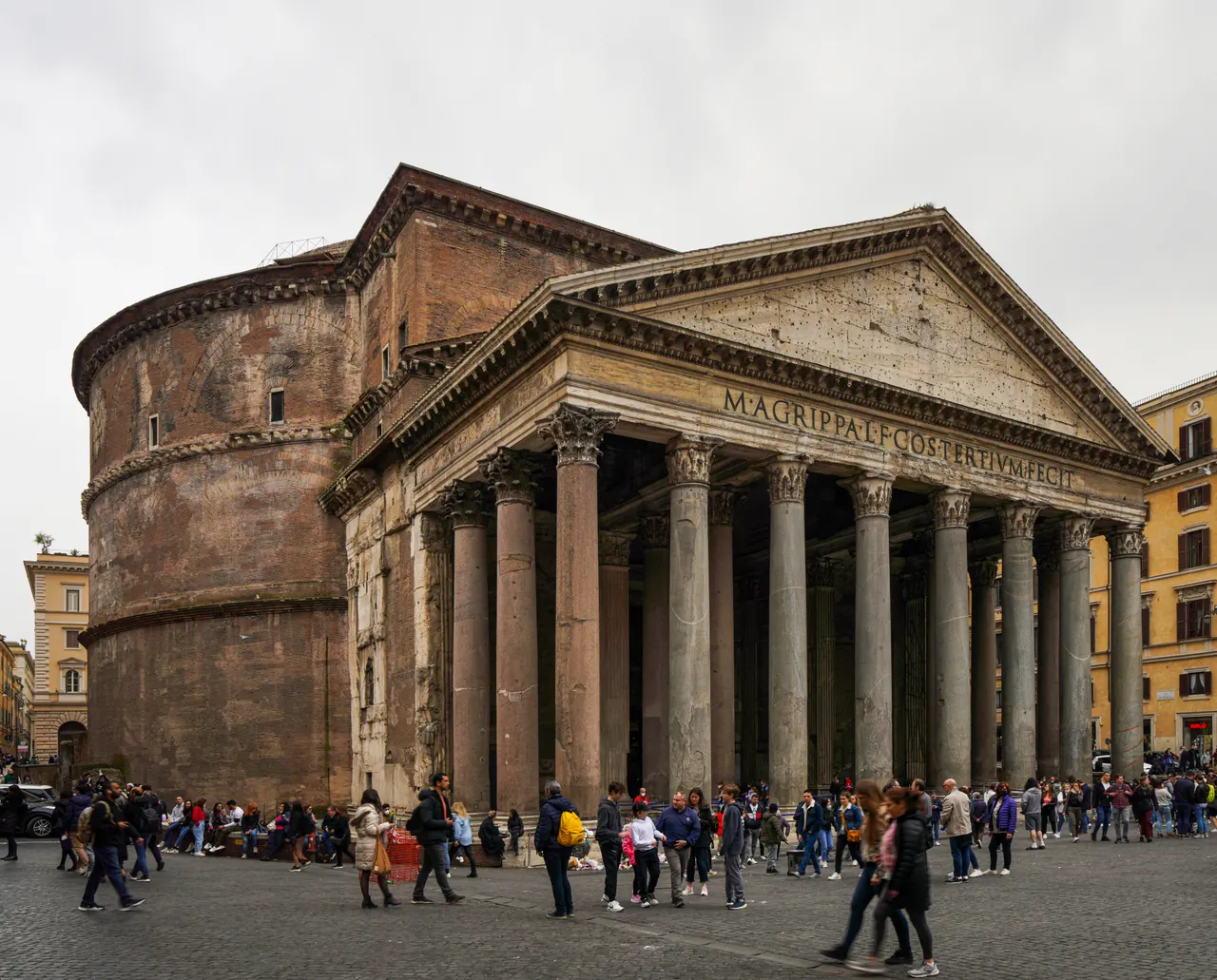
Between the Pantheon, Piazza Navona and Campo de' Fiori, a hotel can put several of Rome's essential walks around the corner. The useful distinction is street-level: Campo's market and evening bars create a different setting from a side lane near the Pantheon or Via Giulia. Palazzo Braschi, Palazzo Spada and smaller church visits fill the gaps between the headline sights. This is a good base when the evening meal is part of the walk home, rather than another cross-city journey.
There is no metro station in this historic core. ATAC's surface connections around Corso Vittorio Emanuele and Largo Argentina matter more than an airport train's arrival at Termini. Narrow lanes can leave a final walk from a vehicle drop-off, and restaurant frontage matters for sleep. Choose Spagna if Metro A is important, or Termini if early rail departures dominate. The convenience here is proximity to a particular group of sights, not effortless access to every transport hub.
Plan it well: The map marks the Pantheon, a landmark within this historic-center cluster, not a hotel entrance.
Turismo Roma area guideSpagna and Tridente: shopping with a central metro connection
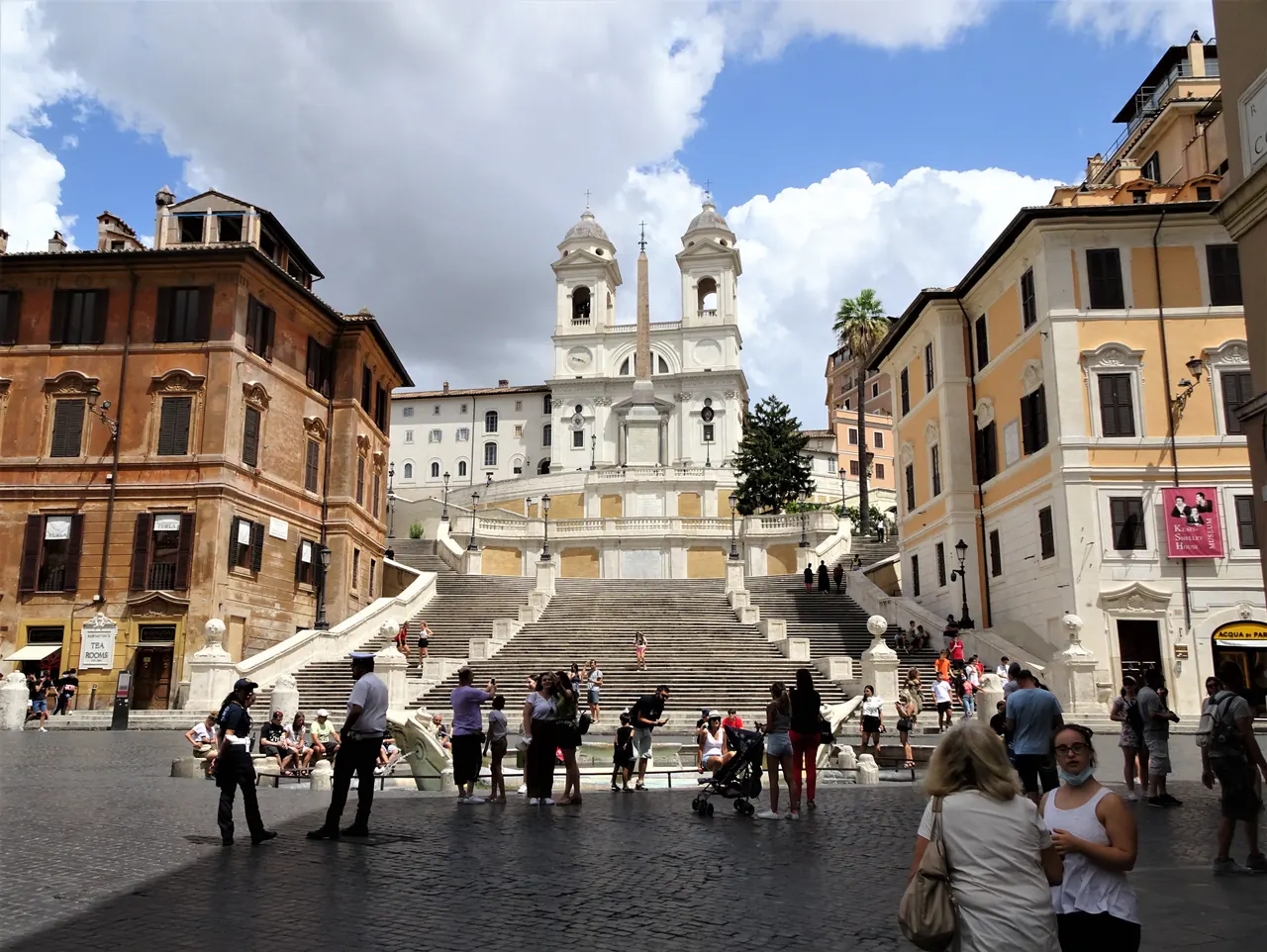
The streets radiating from Piazza del Popolo toward Spagna make a practical base for shopping and central sightseeing. Via del Corso, Via del Babuino and Via di Ripetta each lead through a different slice of this district; Via Condotti and the Spanish Steps concentrate the busiest visitor activity. Babingtons is a named tea-room landmark at the square. Villa Borghese's southern approach is nearby, while Trevi is a separate walk rather than a reason to rename the whole area.
ATAC Metro A at Spagna or Flaminio gives this cluster a useful connection with Termini and the Vatican side. A room above the steps or toward the park may still involve a climb and a different last mile from a room on the lower shopping streets. Crowds and evening frontage are meaningful trade-offs for the central address. Choose Pantheon/Navona for a historic-core walking trip, or Pinciano if park time matters more than stepping straight into shopping traffic.
Plan it well: The Spanish Steps are the photographed map anchor; a hotel above them and one beside Spagna station have different access.
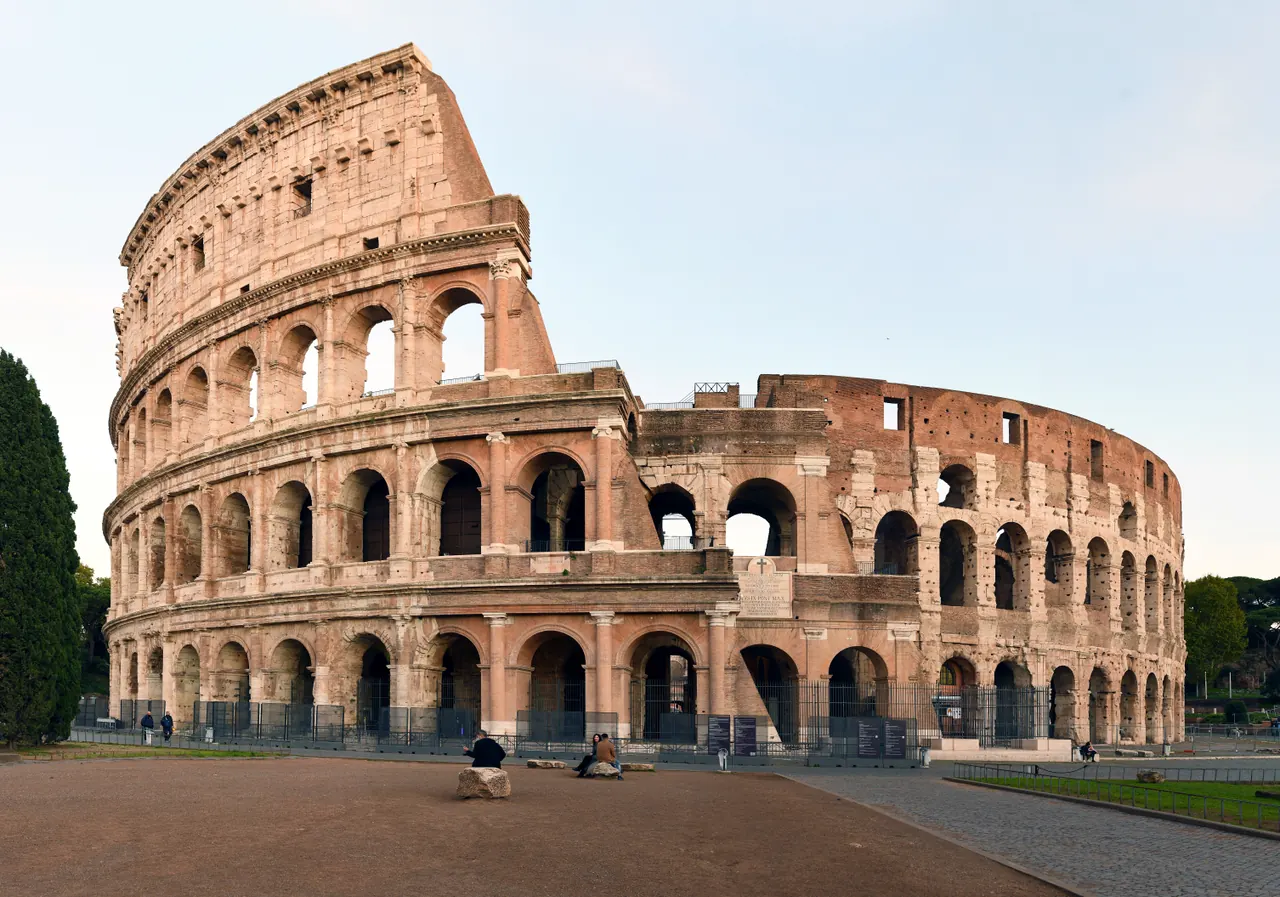
Turismo Roma area guideCelio and the Colosseum: ancient-Rome visits with a residential edge
Celio is a real residential rione, not simply a hotel marketing label for being somewhere near the Colosseum. Via Capo d'Africa and the streets rising behind the amphitheatre offer restaurants and accommodation, while Villa Celimontana, the Roman Houses beneath Santi Giovanni e Paolo and the Celio archaeological park add visits beyond the main ticketed monument. Choose it when the Colosseum and surrounding ancient sites occupy a large part of the trip, rather than only one afternoon.
ATAC Metro B at Colosseo serves the lower edge, with Termini as a useful rail interchange. Streets higher on the hill still need a walk or a local connection; the station is not beside every Celio room. Archaeological grounds and major roads interrupt the straight-line route to other central districts. Monti's wine-bar lanes are nearby but distinct, and Navona or Trastevere requires another leg. Choose a more central walking base if ancient Rome is only a small part of your itinerary.
Plan it well: The map and photograph show the Colosseum in Celio, not the adjoining Monti neighbourhood.
Turismo Roma area guideTrastevere: trattoria evenings in the old quarter
Trastevere is most rewarding when you want the lanes around Santa Maria and Santa Cecilia, dinners in the quarter's trattorias and an evening that does not depend on reaching a distant station. Villa Farnesina, Palazzo Corsini and the Botanical Garden add daytime reasons to stay on this bank. The old core and the area beside Roma Trastevere railway station are different accommodation choices, even though both can appear under the same hotel-search label.
There is no metro inside the old quarter. ATAC surface services along Viale Trastevere and the river roads handle the wider connections; check actual tram or replacement-bus operation. Trenitalia's FL1 links Fiumicino with Roma Trastevere station, south of the dining lanes, so allow a separate last mile. Cobbles and nightlife frontage are part of the trade-off. Choose Termini for a station-first stay, or Testaccio for a food-led base with Piramide and Ostiense toward its eastern edge.
Plan it well: The marker is Trastevere's verified district point, not Roma Trastevere station. Check the property's position within the quarter.
Turismo Roma area guidePrati and Borgo: Vatican visits without staying across the city
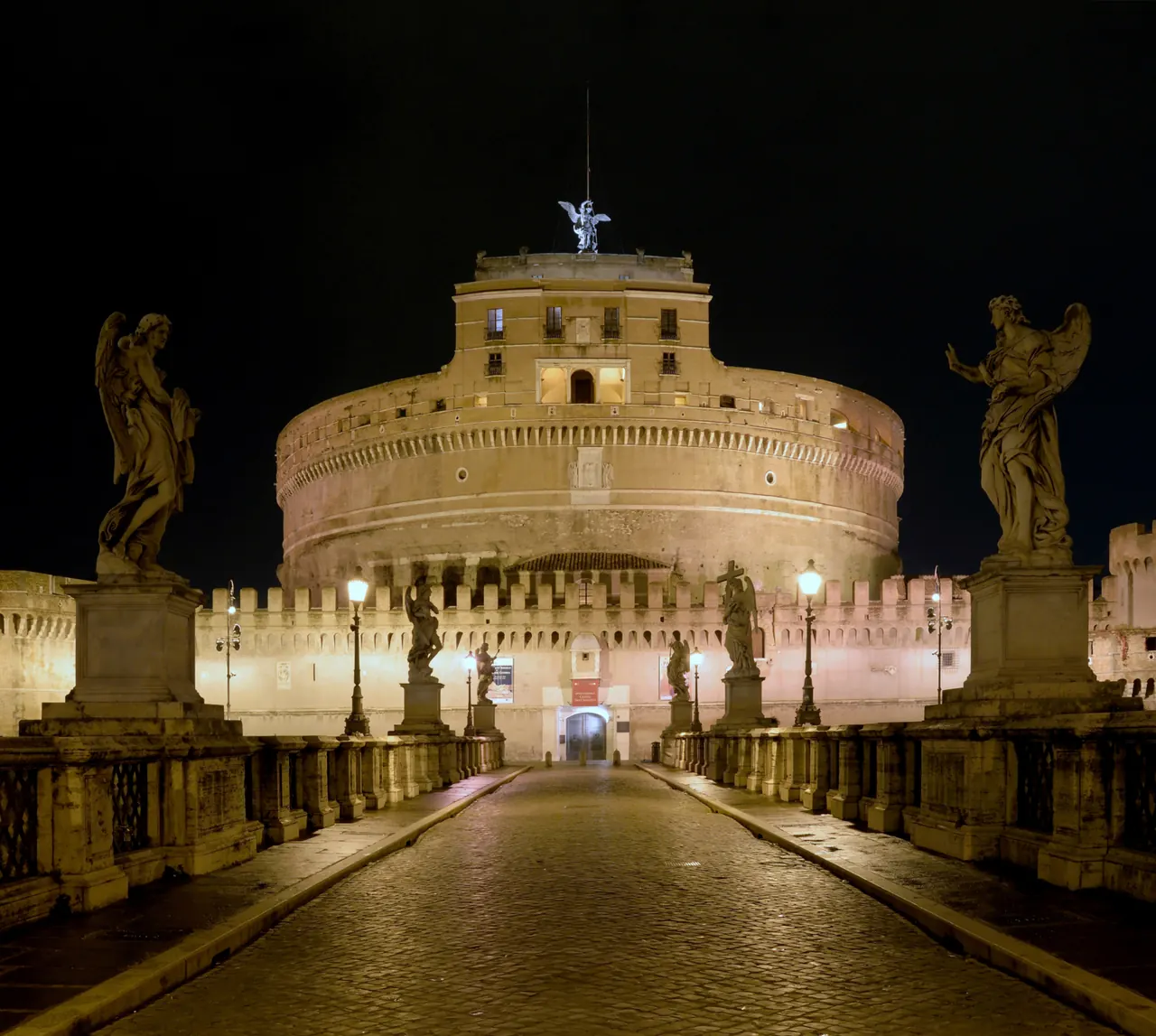
Prati's shopping streets and Piazza Cavour offer a different setting from Borgo's lanes approaching the Vatican. Via Cola di Rienzo gives the stay a commercial, everyday focus; Castel Sant'Angelo belongs to the Borgo side of this combined base. Vatican Museums and St Peter's are adjoining visits, not Italian neighbourhood landmarks. Choose around the entrance you actually need, because the museums and basilica do not share a doorway or a simple interchangeable meeting point.
ATAC Metro A at Ottaviano or Lepanto connects the district with Termini and Spagna. River-facing Borgo addresses can have a separate walk or bus leg from the station. The benefit is being on the right side of the city for Vatican-heavy plans; the disadvantage is crossing the Tiber again for Navona, Monti or other evening destinations. Choose Pantheon/Navona for a more balanced central walking trip. A hotel advertised as Vatican-side is not accommodation inside Vatican City.
Plan it well: Castel Sant'Angelo is the map anchor and pictured Borgo landmark. It is not Prati's center or the Vatican Museums entrance.
Turismo Roma area guideTestaccio: market lunches and Roman neighbourhood dining
Testaccio suits a return visit where meals and neighbourhood time matter as much as the famous squares. The market on Via Galvani, Piazza Testaccio, Monte dei Cocci and the former Mattatoio make a coherent food-and-culture cluster. Trattorias and venues around the old amphora mound give evenings a character different from Trastevere's narrow visitor lanes. The Non-Catholic Cemetery and Pyramid of Cestius sit toward the eastern side, adding visits without turning the district into a checklist of distant monuments.
ATAC Metro B at Piramide and nearby Roma Ostiense station are useful, but not at every hotel's door. Fiumicino's FL1 service to Ostiense can avoid an unnecessary trip through Termini. A western-side address still needs its own last mile. The trade-off is transport to much of the historic center, plus nightlife around selected streets rather than universal quiet. Choose Navona for landmark walks from the room, or Termini if rail departures outweigh restaurant-led evenings.
Plan it well: The map uses the verified Testaccio rione point, not the market entrance or Piramide station.
Turismo Roma area guideTermini and Esquilino: airport rail and onward train trips
This is a logistics-led choice, but the station district is not one uniform block. Piazza della Repubblica and the Baths of Diocletian are on the northwest side; Santa Maria Maggiore and Piazza Vittorio draw you toward Esquilino. Termini itself has a shopping and dining gallery, while the surrounding streets include a broader mix of food shops and restaurants. Choose the actual station exit and street, not just a hotel description saying close to Termini.
Termini is an ATAC Metro A/B interchange and the destination for Trenitalia's Leonardo Express from Fiumicino. Ciampino Airlink also ends here after its airport-bus and regional-train connection. Repubblica or Vittorio Emanuele on A may suit a particular address better than walking around the station footprint. Busy roads and the extra distance to the historic walking core are the disadvantages. Choose Pantheon/Navona for a sightseeing-first stay; the station advantage is strongest when your schedule genuinely uses rail.
Plan it well: The map marks Roma Termini railway station, not all of Esquilino. Identify the exit nearest your hotel.
Turismo Roma area guidePinciano and Villa Borghese: art, park time and longer stays
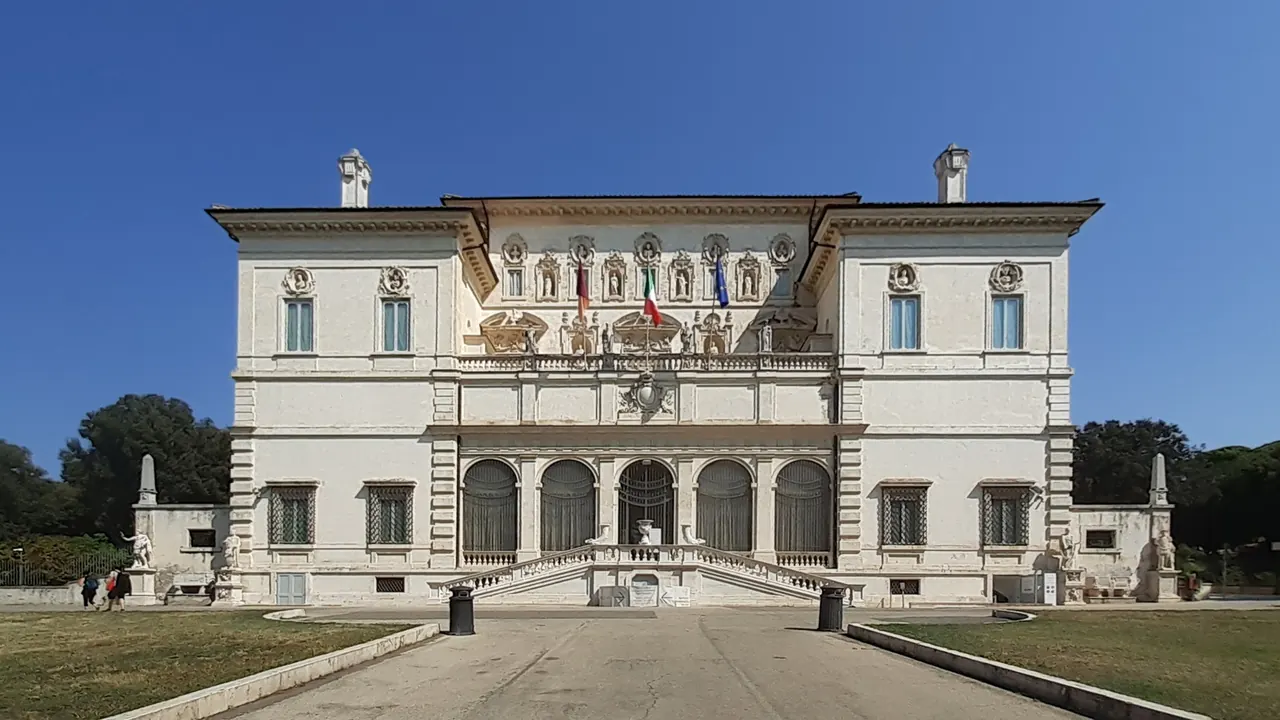
Pinciano around Villa Borghese works when the park and its museums are part of the daily rhythm, rather than an occasional detour from the historic center. Galleria Borghese is inside the park, with the Bioparco and other cultural stops spread through the wider green space. Via Pinciana and the surrounding residential streets provide a different hotel setting from Spagna's shopping core; Via Veneto's cafes and hotel dining lie toward the southern approach, not throughout the whole district.
Check ATAC's surface connections from the exact park-edge address. Spagna or Barberini on Metro A can be useful for southern approaches, but neither places every Pinciano hotel beside a station. Crossing a park and descending into central Rome is attractive for a leisurely day, less convenient for tightly scheduled appointments or repeated late returns. Choose Spagna for shopping and a clearer metro-first plan, or Termini for railway logistics. The gallery marker identifies a real landmark within the base, not accommodation inside the museum grounds.
Plan it well: The photograph and map show Galleria Borghese inside Villa Borghese. Check the hotel's park-side approach separately.
Turismo Roma area guideArriving in Rome
Fiumicino: choose the useful railway station
Leonardo Express runs non-stop to Termini. For Trastevere or Testaccio, check the FL1 connection to Roma Trastevere or Ostiense instead, then the property's last mile. A station name is not the same as the old quarter or a hotel entrance.
Trenitalia airport connectionsFL1 stops and railway changes
The Lazio regional timetable documents the Fiumicino route through Trastevere and Ostiense. Check the actual train for your travel date, especially during engineering works, rather than relying on an extracted combined timetable row.
Trenitalia Lazio regional timetableCiampino has an airport-bus leg
Ciampino Airlink combines the bus to Ciampino railway station with a train to Termini. It is not a train departing directly from the terminal, and a historic-center hotel still needs an onward connection.
Trenitalia Ciampino AirlinkUse the current surface-service map
Trams, bus replacements and road works can change the most useful last mile. Check ATAC's maps and journey planner for the hotel address, particularly in Trastevere and the metro-free historic core.
ATAC maps and routesFind a Rome hotel in your chosen neighbourhood
Compare Rome hotels by the streets and station approaches that fit your days. A central landmark label is less useful than the exact address, river bank, room frontage and luggage route.
Explore Rome hotels