
Venice city guide
10 things to do in Venice
Plan Venice around one reserved interior, a thoughtful canal journey and quieter walks, with art and lagoon islands chosen to fit the time you really have.
Plan your visit
Venice is not best understood as a sequence of queues around St. Mark's Square. Reserve the interior you most want to see, take a canal journey for perspective and walk far enough into a neighbourhood to experience a different pace. Lagoon islands deserve their own time, while bridges, boat stops and weather need more planning than straight-line distances suggest.
Read St. Mark's Square before joining a queue
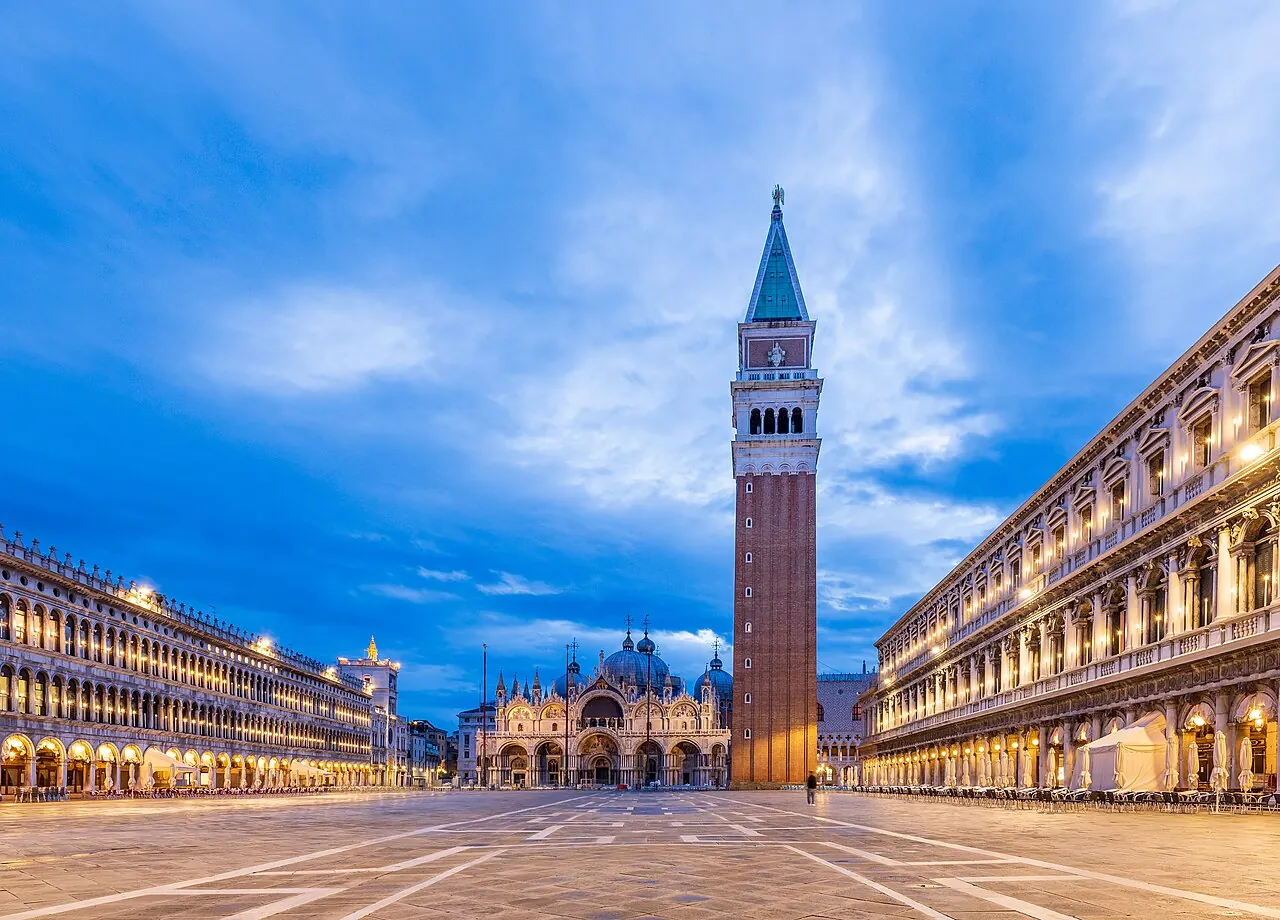
St. Mark's Square brings several different Venice experiences into one setting, which is exactly why it helps to pause before deciding where to enter. Look at the relationship between the basilica, the long arcades and the space opening towards the lagoon. The square is an architectural experience in its own right, not just a waiting area for tickets. Returning at a different time can reveal a different atmosphere without adding another admission.
Decide which adjoining monument deserves your attention and let the rest remain optional. A café table is a separate purchase, so read the menu and any service conditions before sitting down for the view. The city's responsible-visitor guidance explains how the square should be used; it is not a place to spread out a picnic or obstruct the passage of others. Keep luggage and an overpacked schedule out of this part of the day whenever possible.
Plan it well: Follow the city's guidance for the square, and choose one nearby interior as your anchor instead of booking every monument.
Venezia Unica St. Mark's Square guidanceFollow power through the Doge's Palace
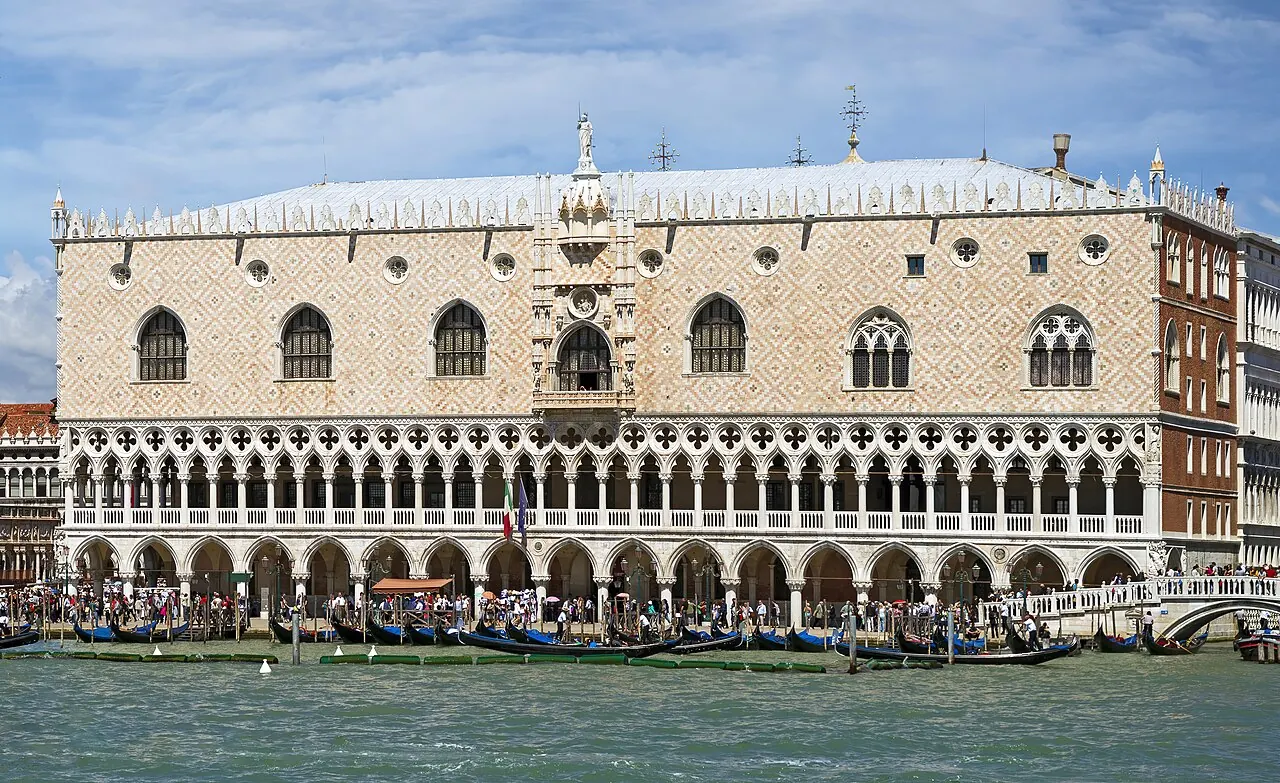
The Doge's Palace is a way to understand Venice as a governing state rather than only a picturesque city. Move through its ceremonial spaces asking how architecture and painting conveyed authority: who entered a room, what decisions took place there and how visitors were meant to feel. That thread makes the richly decorated interiors more coherent than a hurried hunt for the single most impressive ceiling.
Consult the museum's current visitor information to separate the normal route from any special guided itinerary. Do not assume a ticket description mentioning the palace includes every behind-the-scenes area. Give the main visit time, including transitions through courtyards and the prison-related route where included, rather than placing it in a narrow gap before another reservation. Afterwards, a short waterfront pause is a useful contrast to the concentrated indoor experience.
Plan it well: Check the precise route covered by the ticket and the museum's notices; special itineraries can have separate conditions.
Doge's Palace official visitor informationGive St. Mark's Basilica time for the details
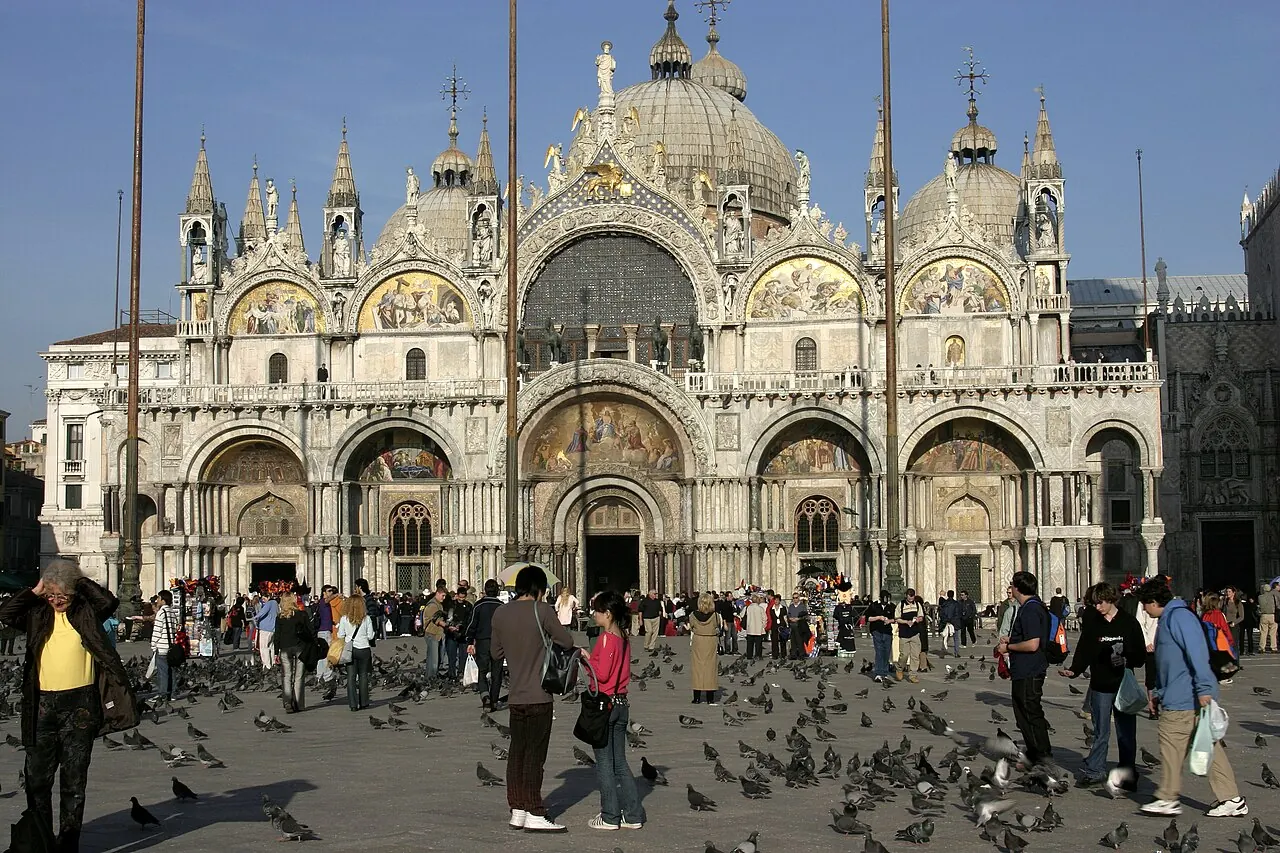
St. Mark's Basilica changes the scale of the square from open public space to an intricate religious interior. Instead of trying to absorb every mosaic and detail at once, choose a few areas and look at how light, surface and imagery work together. The building connects Venice to artistic traditions beyond the lagoon, so noticing differences between its exterior and interior is a useful starting point even without specialist knowledge.
Use the basilica's official site to check the current visitor route, reservations and access to additional areas. The basilica, museum and other ticketed parts should not be assumed to share one undifferentiated entry. Worship remains central to the building, so visitor access and conduct must follow the posted arrangements. Dress appropriately, travel with a modest bag and read photography rules before entering rather than assuming those of a neighbouring museum apply.
Plan it well: Check ticket inclusions for the areas you actually want to see, and follow the basilica's clothing, bag and photography instructions.
St. Mark's Basilica official siteLook at Rialto from beside the water
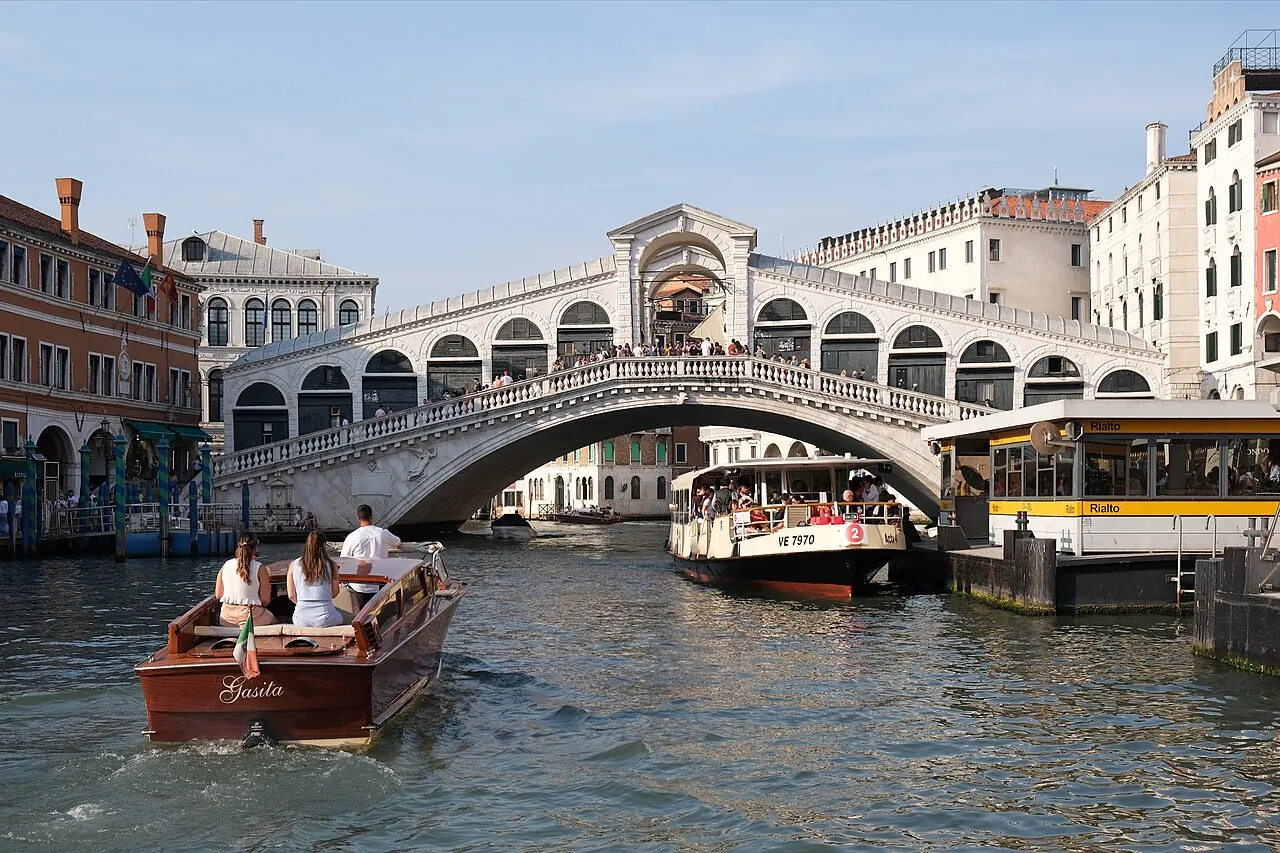
Rialto Bridge is both a crossing and a place to understand the Grand Canal's movement. Walk across when you have room, then find a nearby waterside position where you can see its full arch without standing in the flow of people. Watching boats turn, stop and pass under the bridge gives the scene a working dimension that a quick photograph from the busiest steps can miss.
Continue into the surrounding lanes instead of repeatedly crossing back to find a different angle. The market area is another possible part of this walk, but stall schedules and the bridge's public access are separate matters; check current market information if food shopping is your purpose. The bridge involves steps and congestion, so confirm an appropriate route if mobility is a concern. Avoid putting this crossing immediately before an admission that leaves no buffer.
Plan it well: Choose a view from a nearby bank and keep moving across the bridge; check accessible-route information if steps are a concern.
Venezia Unica San Polo district informationTake a purposeful vaporetto journey on the Grand Canal
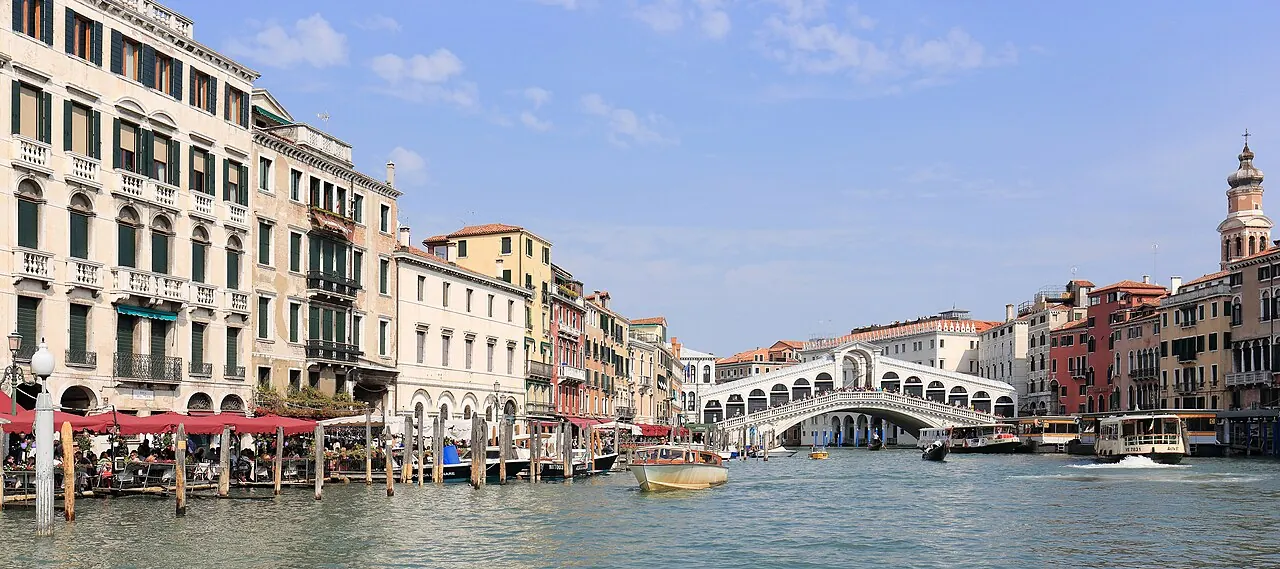
A Grand Canal journey by vaporetto is public transport that also offers a different way to look at Venice. Choose a service that actually follows the canal section you want, and watch the buildings as waterside entrances rather than backs of streets. Their relationship to the water becomes much clearer from a boat. You do not need a private gondola ride to appreciate that perspective, although it is a separate experience you may choose.
Use ACTV and AVM information to check the current route, direction and boarding stop; the nearest platform is not automatically the correct one. Validate the required ticket or pass as instructed before boarding. Busy boats are working transport, so keep doors and luggage spaces clear and do not rely on securing an outside seat. The map pin identifies the canal, not a specific boarding platform, which you must select from the service map.
Plan it well: Check the route and platform for your journey, validate as required and treat an outdoor viewing position as a bonus.
AVM official vaporetto guidanceTrace Venetian painting at the Accademia
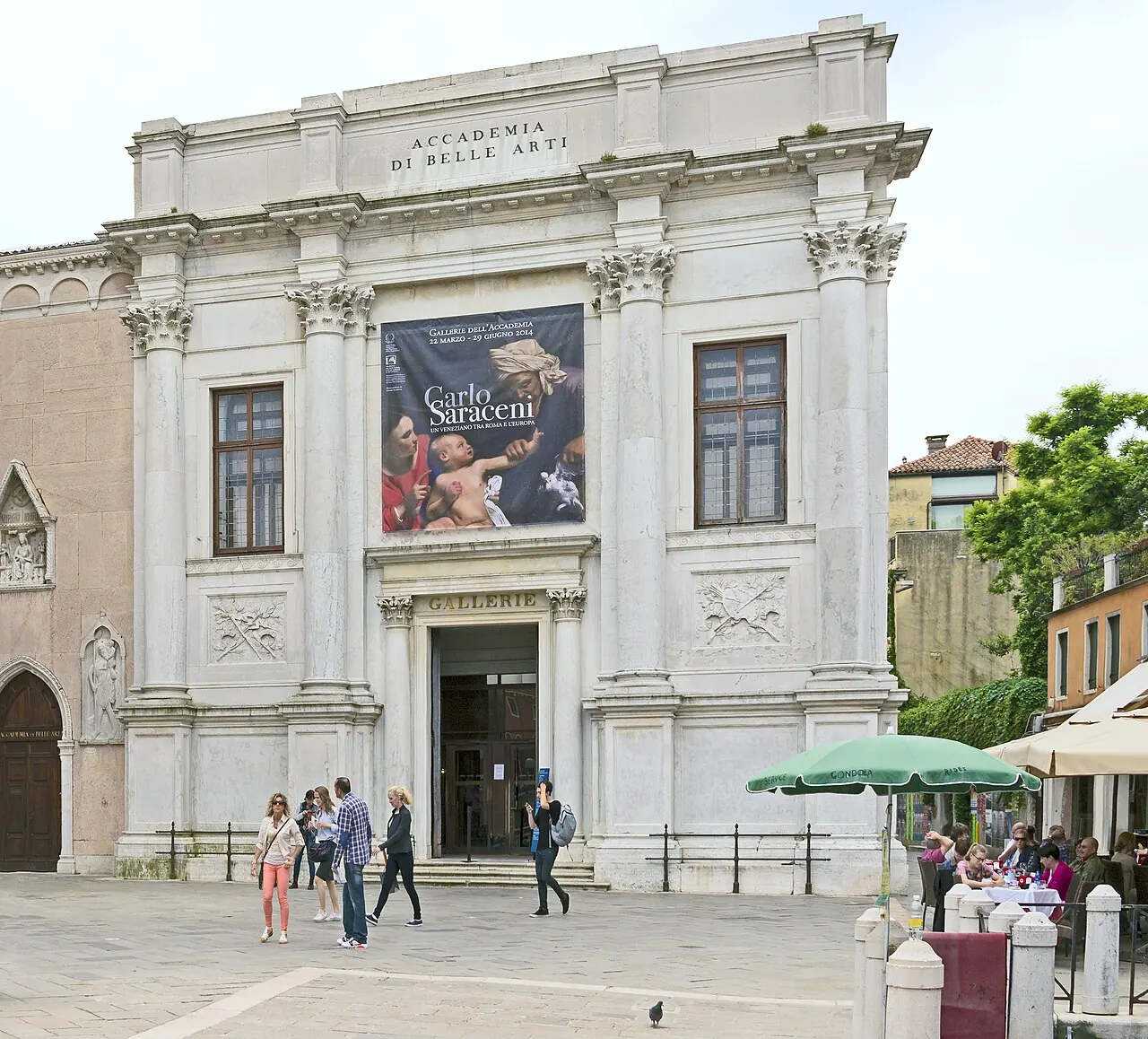
The Gallerie dell'Accademia gives a painting-focused visitor a way to connect Venice's streets with its artistic history. Look for how colour, light and public ceremony appear across different works, or choose a small group of paintings before arriving. A focused route makes it easier to see relationships between pictures instead of treating each room as another collection of names to remember.
The museum's official visit page identifies the authorised online ticket channel and directs visitors to its opening calendar. Check that calendar for your date rather than carrying over an old guide's weekly schedule. After the gallery, keep the surrounding Dorsoduro walk flexible, with time by the water or in a quieter campo. Pairing it with the Guggenheim makes an art-heavy day; choosing only one leaves more attention and energy for the neighbourhood.
Plan it well: Consult the official opening calendar and follow its authorised booking link before arranging the rest of a Dorsoduro day.
Accademia official hours and ticketsMeet modern art in the Peggy Guggenheim Collection
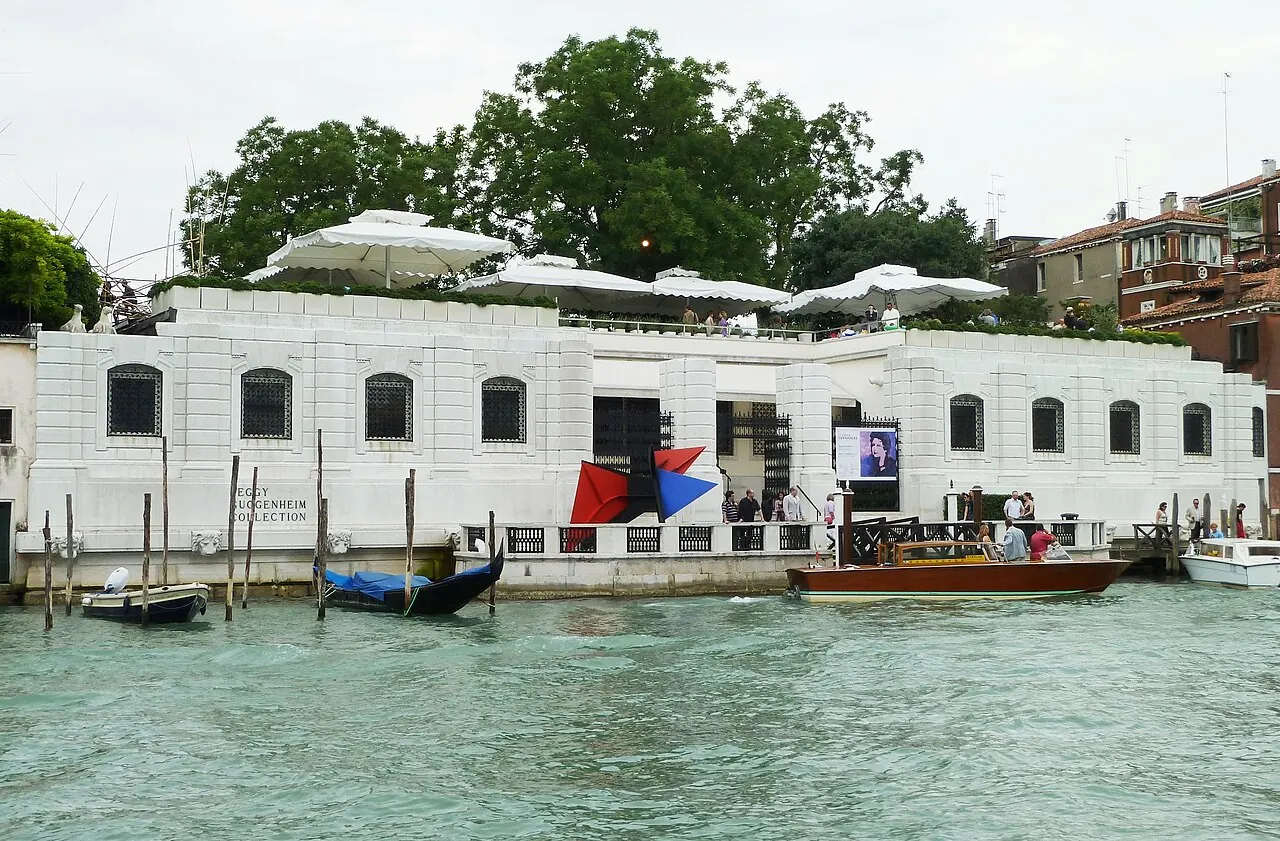
The Peggy Guggenheim Collection offers a different art experience from the monumental interiors around San Marco. Its palace setting and modern works encourage closer comparisons: shapes, materials and ways of representing a figure or a space. Let a few pieces hold your attention rather than judging the collection only by the famous names you recognise. The relationship between the building and the canal is part of the visit too.
Check the museum's official admission page before choosing a day; it currently lists Tuesday as closed, so a Dorsoduro itinerary cannot assume access throughout the week. Review exhibition inclusions and any specific access requirements when booking. Keep some time afterwards for the waterfront and nearby streets rather than rushing straight to another gallery. If travelling with mixed interests, this more contained art outing may suit better than an attempt to cover several collections in succession.
Plan it well: Check the weekly calendar, especially Tuesday, and use the official access information for the route you need.
Peggy Guggenheim Collection official visitsCross to San Giorgio Maggiore for a different foreground
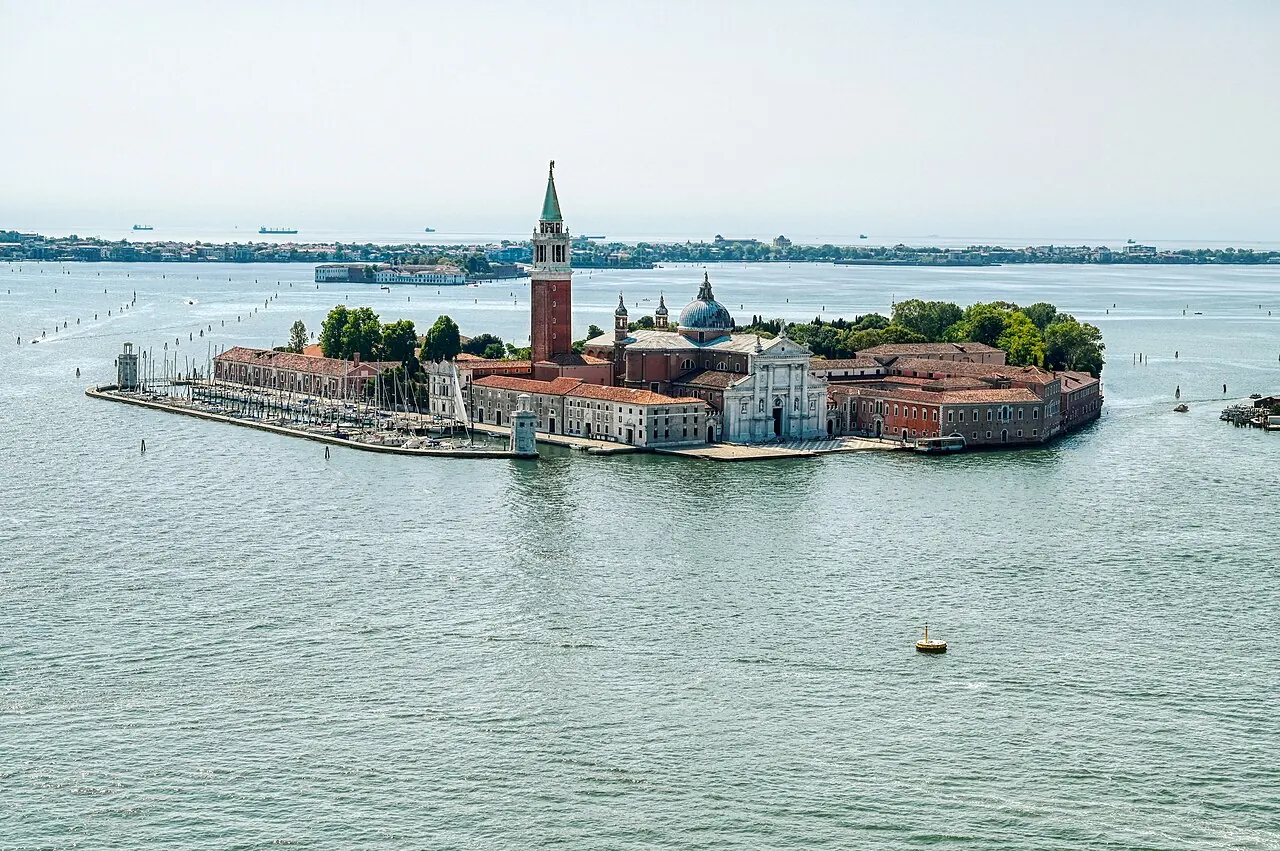
San Giorgio Maggiore changes the relationship between the city and the lagoon. From the island, the familiar San Marco waterfront sits across the water instead of surrounding you, while the church gives the outing a clear architectural focus. Make the crossing because you want that change of perspective, not because every Venice visit must include another viewpoint. A modest stay on the waterfront and an attentive church visit can be enough.
Check the abbey's own notices before planning around the bell tower. At review, its official site marks the tower temporarily closed for maintenance, so this guide does not promise a climb or panoramic access from above. Church visits, tower tickets and any wider organised visit also need separate checks. Read the current boat service before leaving and keep the return flexible; the photograph shows the island from elsewhere, not a guaranteed view from a booked activity.
Plan it well: The bell tower is marked temporarily closed on the abbey site at review; recheck before planning a tower visit.
San Giorgio Maggiore abbey official informationGive Murano a glass-focused purpose
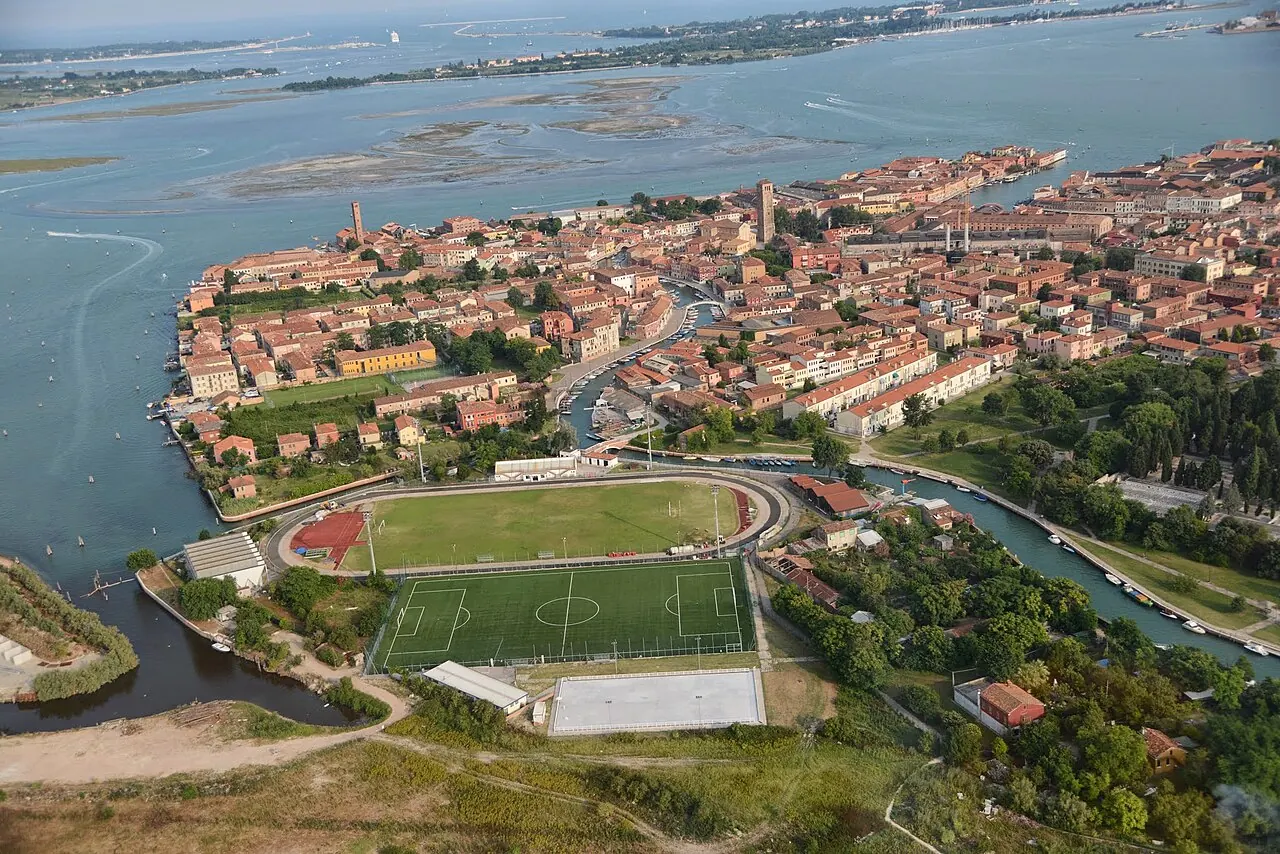
Murano is more rewarding when glass is the reason for the trip rather than an excuse to tick off another island. The Glass Museum provides a structured way to look at forms, techniques and changing uses of the material; a workshop visit offers a different, practical perspective if arranged through a trustworthy operator. Leave time to walk between canals and see the island's ordinary streets as well as its shop windows.
Check museum access or workshop arrangements before boarding, including what an organised visit costs and whether a demonstration involves a sales presentation. Do not assume every offered boat transfer is neutral public transport or that every glass object in a souvenir shop was made locally. Read the maker's information and purchase terms if buying matters to you. Keep enough time for the ferry back rather than attaching Murano to a string of timed central-city admissions.
Plan it well: Use the official museum information or a clearly identified workshop, and check demonstration and purchase conditions independently.
Murano Glass Museum official siteSee Burano beyond its colourful facades
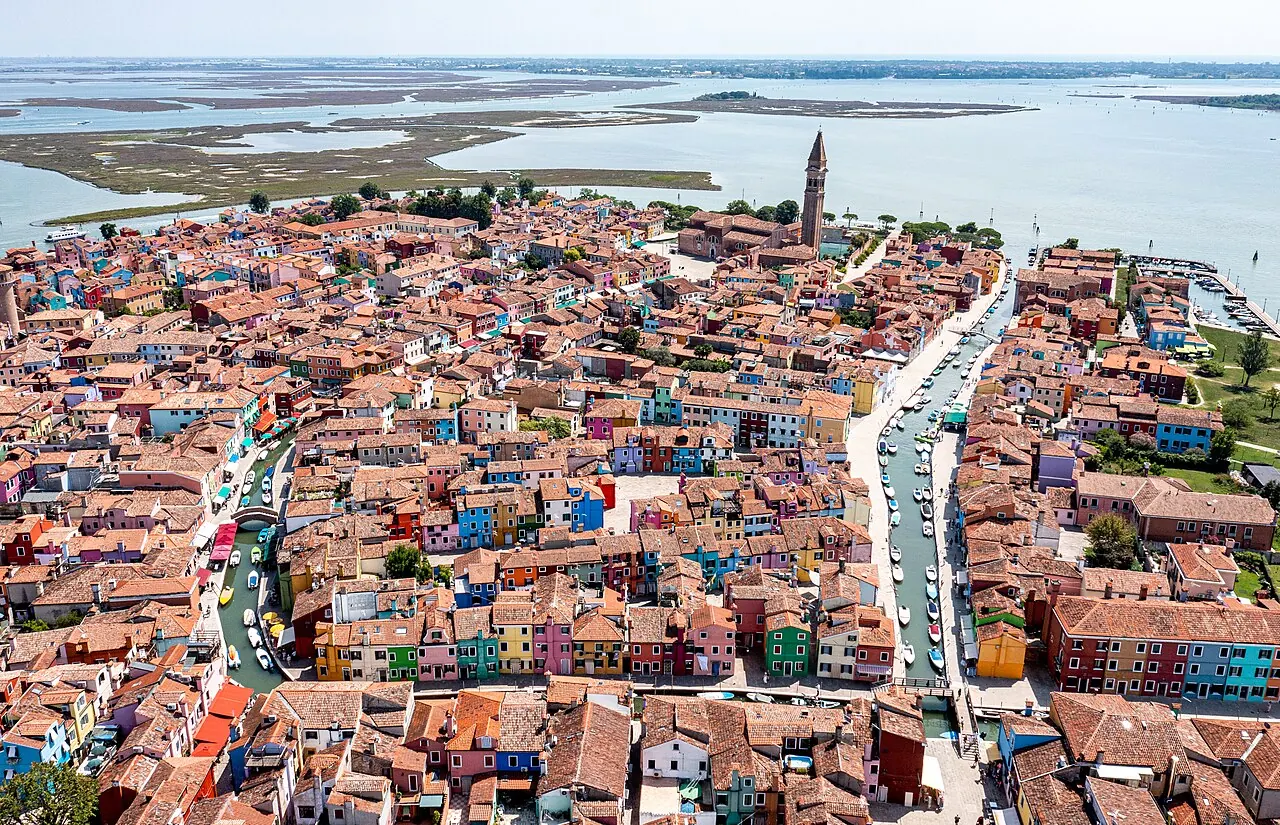
Burano's painted houses create a striking arrival, but the visit improves when you continue beyond the first canal photograph. Notice how narrow lanes open into small spaces and how everyday life shares the setting with visitor activity. The Lace Museum adds a different subject, connecting the island to a craft rather than leaving it as a collection of coloured backgrounds.
Check the museum's current visitor information if lace history is important to your trip, then allow time for the boat journey and a relaxed island walk. Burano should not be treated as a brief stop immediately before an essential appointment back in central Venice. The houses are homes, so stay out of doorways, avoid photographing residents intrusively and do not move private belongings to improve a picture. Compare return services before deciding whether another island would fit.
Plan it well: Allow for the full outward and return boat journey, and keep photography respectful around homes and doorways.
Burano Lace Museum official siteHow to spend two days in Venice
Day one: San Marco, Rialto and the canal
Choose the Doge's Palace or basilica as your main reserved visit. Give the square time before walking towards Rialto, then take a planned Grand Canal vaporetto journey. Keep the evening close to your accommodation instead of adding a distant island return.
Day two: Dorsoduro or a lagoon day
Choose the Accademia or Guggenheim, checking the opening calendar, and keep Dorsoduro walks as the flexible part. San Giorgio Maggiore is an alternative short crossing with tower access rechecked. For Murano or Burano, replace most of the mainland-style sightseeing day with a proper island outing rather than adding both as quick extras.
Before you go
Check access-fee dates and requirements
Use the official Venice access-fee portal for the calendar, your visitor category and any registration requirement. Do not assume that paying a transport fare or staying overnight automatically completes every required step.
City of Venice access-fee portalValidate boat travel correctly
AVM instructs visitors to validate the appropriate ticket or pass each time they board. Confirm the platform and direction as well as the line number, especially at stops with several boarding points.
AVM vaporetto guidancePlan around bridges and changing water conditions
Check accessible routes for your particular journey and consult current water-level or weather notices. A short map distance can involve several bridges. Keep a boat alternative and leave luggage-transfer time generous.
Stay near the day you want to have
San Marco suits an early reserved visit but can be busy. Dorsoduro is convenient for art collections, while Cannaregio can suit a longer neighbourhood-focused stay. Compare the route from your actual arrival point, including bridges and the nearest useful boat stop. Mainland accommodation changes the daily journey substantially; compare transfer time and last services, not only the room price.
Explore Venice hotels