
Venice city guide
A romantic weekend in Venice: light, water and quieter sestieri
Experience Venice for two beyond the midday crowds, with Grand Canal views, Dorsoduro walks, thoughtful art choices, island light and evenings shaped around the lagoon.
Plan your visit
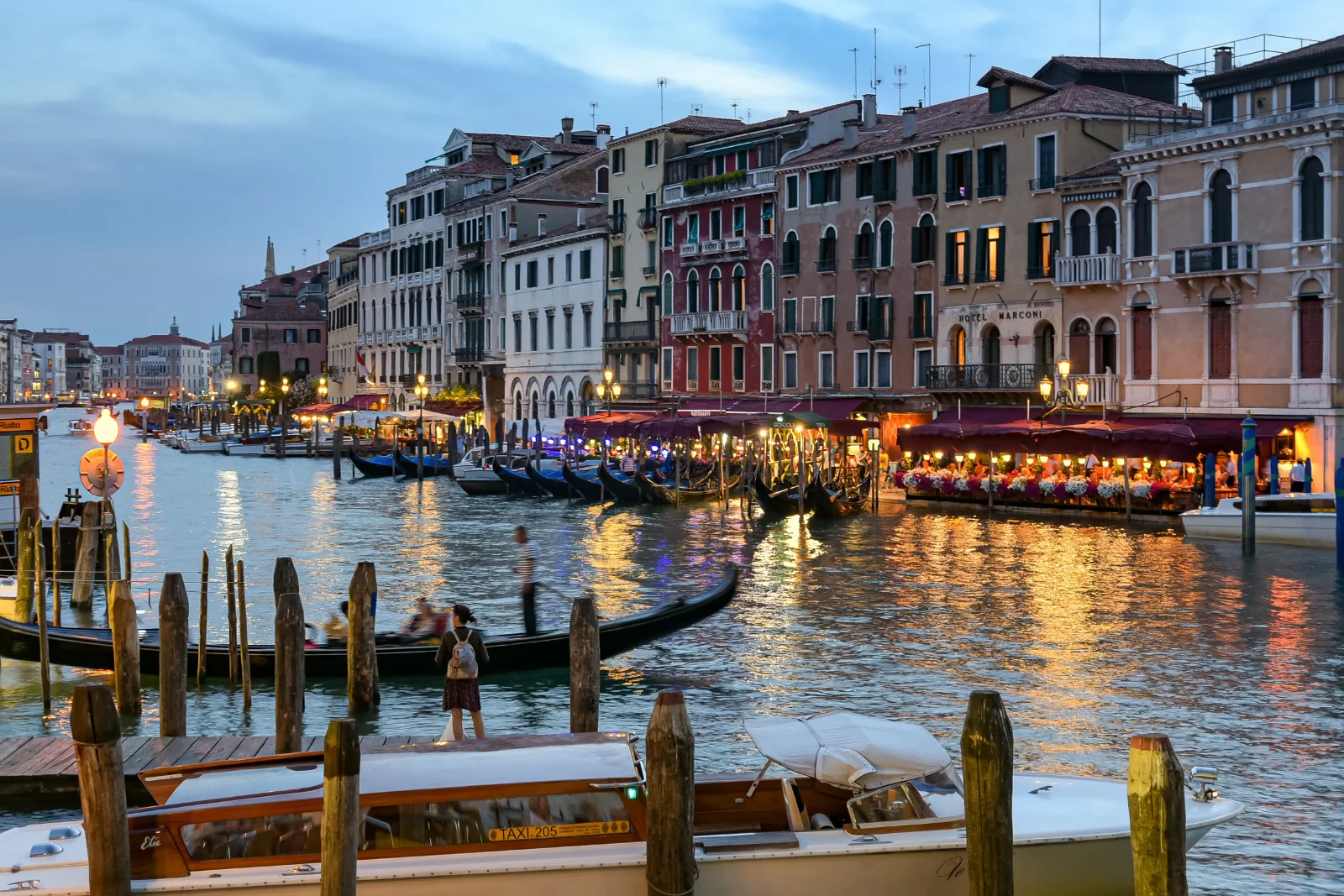
Venice becomes more intimate when you plan around its daily rhythm. Famous squares and bridges are busiest in the middle of the day, while early mornings, later evenings and the quieter sestieri reveal the sound of water, local streets and changing lagoon light. This guide builds a weekend around one or two areas at a time. It combines the Grand Canal with Dorsoduro, a carefully chosen museum, an island viewpoint and practical transport choices so romance does not become a sequence of queues and bridge crossings.
Plan around Venice’s daily tide of visitors
Venice is most rewarding when the itinerary respects both geography and crowd patterns. Use one half-day for San Marco and Castello, another for Dorsoduro and the Grand Canal, and avoid repeatedly crossing the city through Rialto. Begin early in a famous area, slow down in a quieter sestière, and return to the water after day visitors start leaving. Bridges make short map distances physically demanding, especially with luggage or limited mobility, so leave generous transfer time. If acqua alta is forecast, follow municipal information and adjust the route rather than treating raised walkways as an attraction.
Plan it well: Put San Marco or Rialto at the edge of the day and keep midday for Dorsoduro, a museum or lunch away from the main corridor.
Venezia Unica: official visitor portalRide the Grand Canal as a moving city panorama
The Grand Canal is Venice’s principal architectural route. A vaporetto ride allows you to see palaces, warehouses and churches in the sequence for which they were built, without turning the experience into a private-tour expense. Line 1 is slow and makes many stops, which suits sightseeing when it is not overcrowded; other services are faster but reveal less. Board away from the busiest central stops if possible and ride in daylight or early evening so façades remain legible. A gondola offers a different, quieter scale on smaller canals, but confirm the official fare, duration and route before departure and do not assume every gondola follows the Grand Canal.
Plan it well: Use an ACTV waterbus outside the busiest boarding periods and validate the correct ticket. Stand clear of boarding areas until passengers have left the vessel.
ACTV Venice: waterbus informationLet Dorsoduro carry a slower afternoon
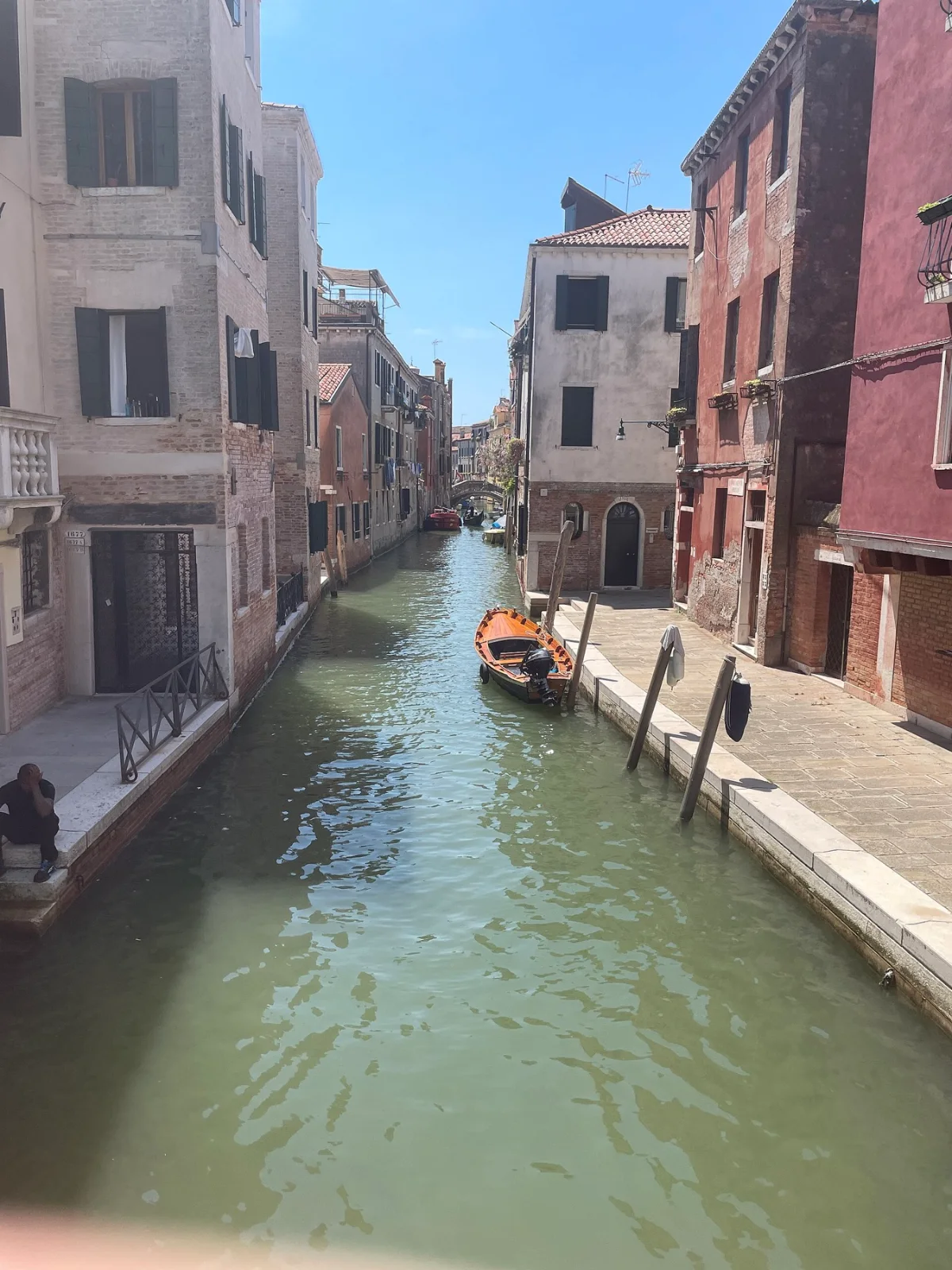
Dorsoduro offers a useful balance of major art, residential lanes and open lagoon views. Begin near the Accademia bridge, choose either the Gallerie dell’Accademia or the Peggy Guggenheim Collection, then continue to Punta della Dogana and the Zattere. The walk changes from narrow canals to broad water, making it feel varied without covering a large distance. Pause where the Giudecca Canal catches the evening light and finish with dinner in the same area. Avoid filling the route with every church and gallery; one substantial cultural stop makes the neighbourhood itself easier to notice.
Plan it well: The Zattere is exposed to sun and wind. In warm months, use the later afternoon; in winter, choose the brighter part of the day.
Venezia Unica: DorsoduroChoose one museum that deepens the city
A museum in Venice should explain the city rather than simply remove you from the streets. Ca’ Rezzonico places eighteenth-century art and furnishings inside a Grand Canal palace; the Accademia traces Venetian painting; the Peggy Guggenheim Collection offers modern art in a more compact setting. Choose according to the period you both enjoy and allow at least ninety minutes. Ca’ Rezzonico is especially useful for understanding how noble interiors related to the water and ceremonial life. Follow the visit with a nearby walk, not another museum across town, so the architecture you have just seen continues into the neighbourhood.
Plan it well: Reserve only when required and check closing days. Venice’s museums often occupy historic buildings, so accessibility and room temperature can differ from modern galleries.
MUVE: Ca’ RezzonicoCross to San Giorgio Maggiore for space and perspective
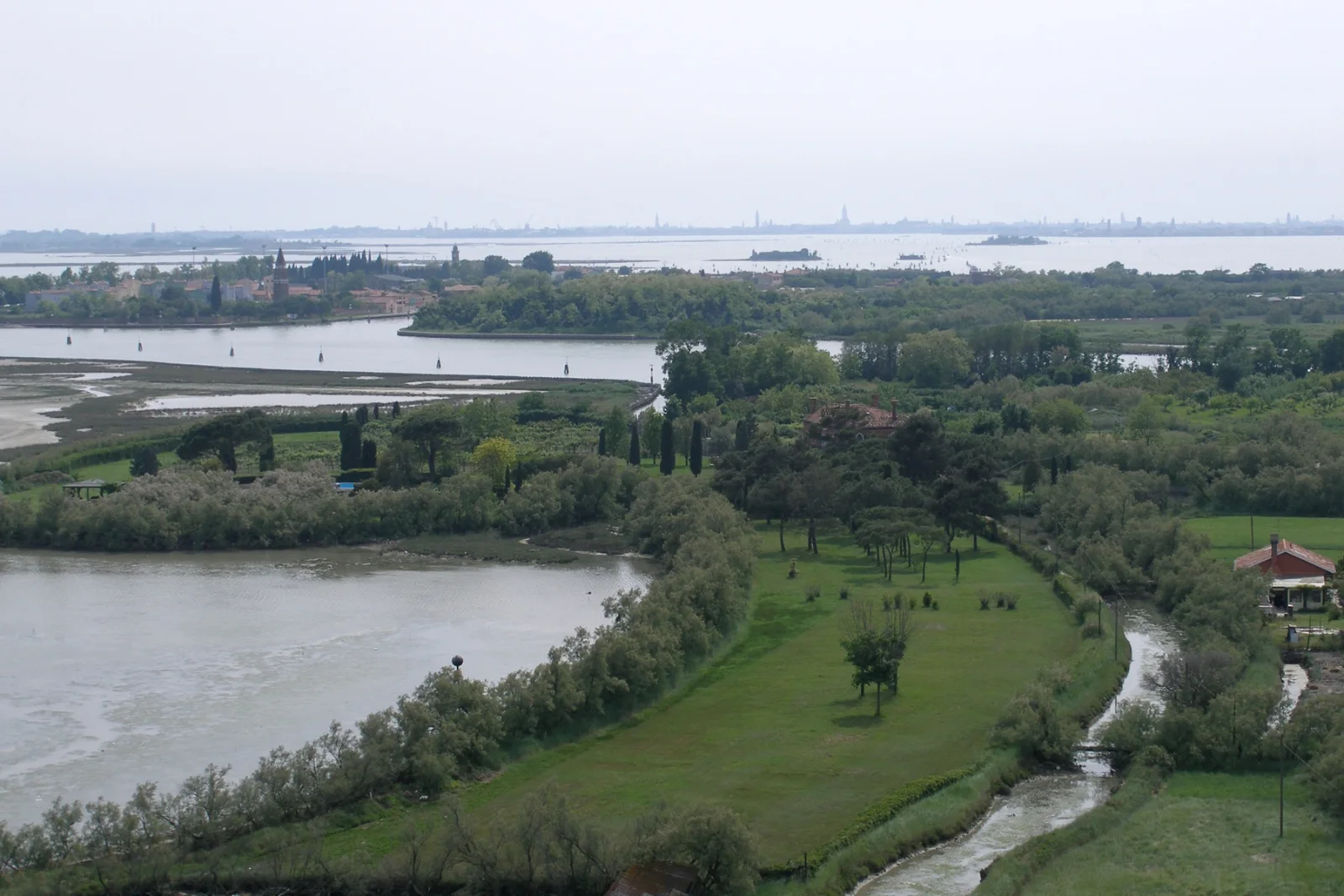
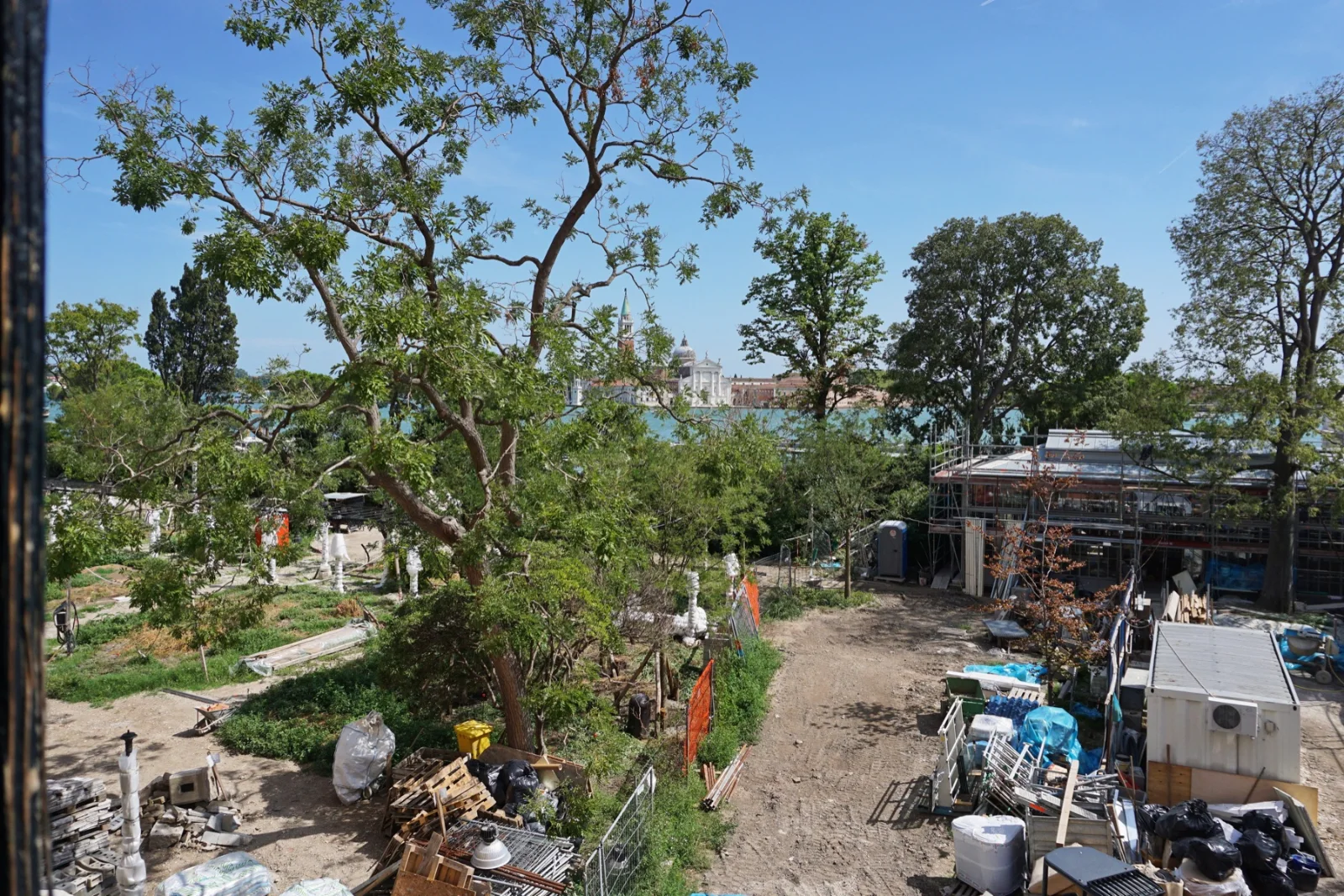
San Giorgio Maggiore sits directly across the basin from Piazza San Marco, but the short water crossing creates a calmer sense of distance. The church and island provide a clear view back towards the Doge’s Palace, campanile and waterfront. If the bell tower is open, its elevated panorama can be less compressed than central viewpoints, but verify current access before travelling. Time the return for late afternoon when the façade and lagoon light begin to change. Keep enough margin for the vaporetto; watching the city from the island is more enjoyable when you are not counting minutes to a reservation.
Plan it well: Check church, bell-tower and vaporetto times separately. Services or maintenance can alter access even when the island itself remains reachable.
Fondazione Giorgio Cini: visitor informationSee Rialto and San Marco at their best edges
Rialto and Piazza San Marco are essential parts of a first visit, but timing determines whether they feel cinematic or exhausting. Cross Rialto early, before the main shopping route fills, and explore the market area only when trading is active. Visit Piazza San Marco near opening time or return after dinner for the illuminated arcades and waterfront. If you plan the basilica or Doge’s Palace, use official ticket channels and treat each as a dedicated reservation. The square itself is not the place to improvise a long rest; move into Castello or towards the quieter waterfront when you want to slow down.
Plan it well: Never feed pigeons and follow local rules around eating, sitting and luggage in monument areas. Respect temporary barriers during high water.
Venezia Unica: St Mark’s areaMake the evening specific to you
Venice evenings can be formal or deliberately simple. A performance at Teatro La Fenice gives the night a clear cultural centre; a chamber concert suits a shorter commitment; a carefully chosen dinner followed by one quiet canal route can feel more personal. Bacari are social wine bars rather than private dining rooms, so visit one or two as part of the neighbourhood instead of attempting a checklist crawl. Avoid long cross-city reservations after dark unless the walk itself is part of your plan. Venice is generally navigable on foot, but empty lanes and repeated bridges can make a tired return feel much longer than expected.
Plan it well: La Fenice performances and tours are separate products. Check programme, dress expectations, start time and the walking route back to your accommodation.
Teatro La Fenice: official programmeTurn the ideas into a balanced 48-hour stay
On day one, visit Rialto early, follow the Grand Canal by vaporetto and spend the afternoon in Dorsoduro with one museum and Zattere light. Keep the evening nearby or book La Fenice. On day two, reserve San Marco for the first hours, continue through Castello, then cross to San Giorgio Maggiore before returning for a final lagoon walk. This structure reduces unnecessary bridge crossings and leaves both days with a clear change of scale. Check ACTV notices, acqua-alta forecasts and museum updates on the day, and keep a weather alternative within the same sestière rather than abandoning the route.
Plan it well: Travel light, store the accommodation address offline and confirm the correct vaporetto stop. Wheeled luggage over bridges is difficult and inconsiderate in crowded lanes.
City of Venice: high-water information