
Venice city guide
Where to stay in Venice
Compare five Venetian sestieri for landmark access, art, market streets, canal-side dinners and the Biennale, with realistic boat-stop and luggage trade-offs.
Plan your visit
In Venice, the name of the sestiere is only the beginning of a useful hotel search. A canal-facing address may be several bridges from the boat stop; a room near a famous square can make sightseeing simple while putting you on the busiest walking routes. These five bases stay within the historic city and offer different reasons to return there after dinner. Match the exact address to the arrival landing and the places you expect to visit repeatedly.
Choose your base
Choose San Marco for a short trip centred on the basilica and Doge's Palace, or Dorsoduro for major art collections and evenings around the Zattere or Campo Santa Margherita. San Polo suits market browsing and a position between Rialto and the station approaches. Cannaregio is the stronger choice for the Ghetto, canal-side dinners and northern-lagoon departures. Castello makes sense for the Arsenale and Biennale, provided you distinguish its western sightseeing streets from its much farther eastern end.
San Marco: a short landmark-focused visit
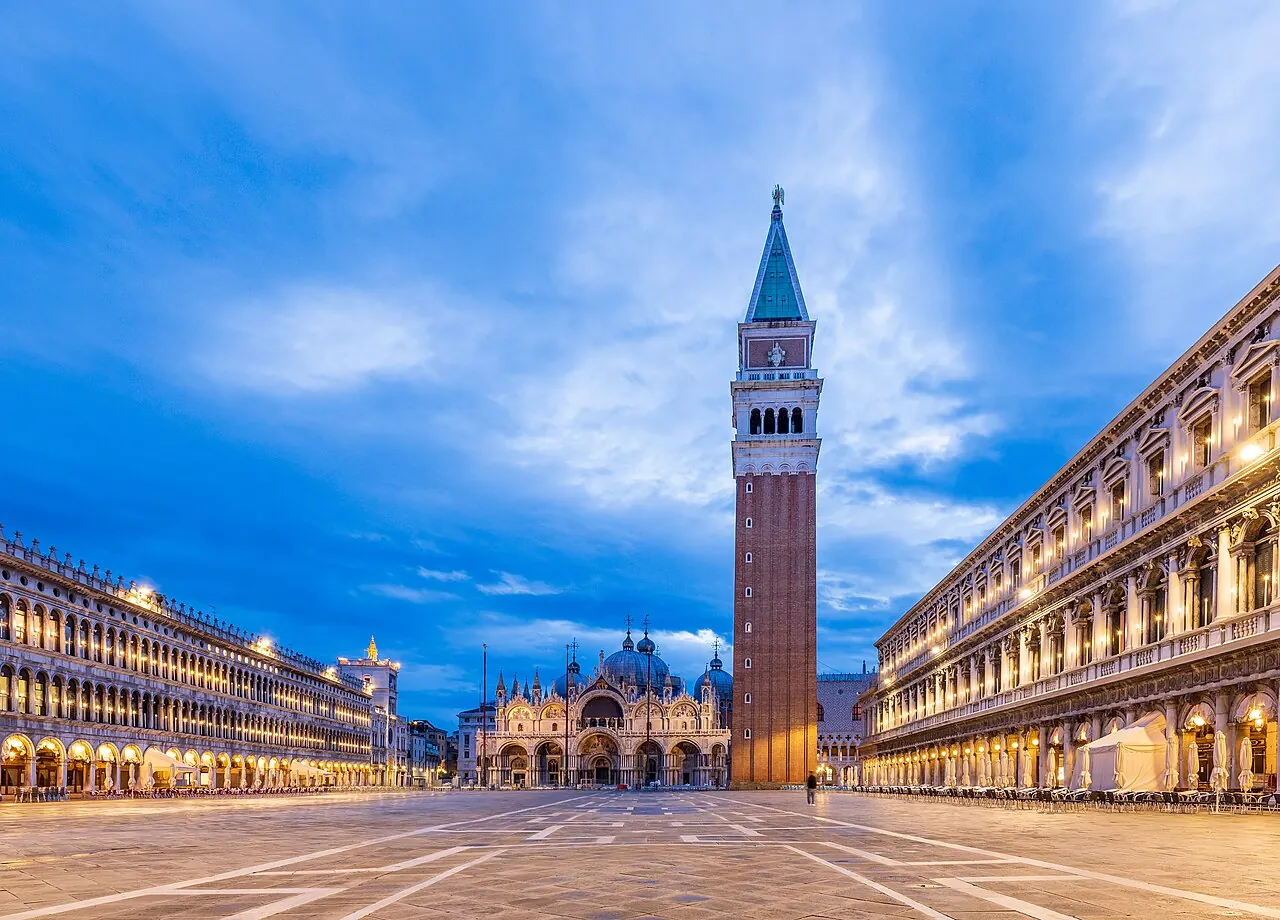
San Marco works when the square, basilica and Doge's Palace are the reason for coming, rather than one stop in a wide-ranging itinerary. Staying nearby lets you return between a museum visit and an evening performance at La Fenice, with the lanes around Campo Santo Stefano offering another dining setting beyond the main square. The district also includes the Correr and Fortuny museums, so there is substance beyond the familiar waterfront view. The advantage is proximity, not a promise that every San Marco address looks onto a canal.
ACTV's Grand Canal services connect the Rialto and San Marco approaches with Ferrovia and Piazzale Roma. For Marco Polo airport, Alilaguna lists San Marco Giardinetti on its Blue route and Santa Maria del Giglio on Orange; neither stop makes every hotel bridge-free. The compromise is heavy visitor movement on principal routes and a strongly tourism-focused restaurant setting around the square. Choose Dorsoduro for an art-led trip with a different evening centre, or Cannaregio when northern canals and the Ghetto matter more than repeatedly walking back to San Marco.
Plan it well: The pin marks Piazza San Marco. Ask the hotel which landing and walking route suit your luggage.
Venezia Unica: San MarcoDorsoduro: art collections and waterside evenings
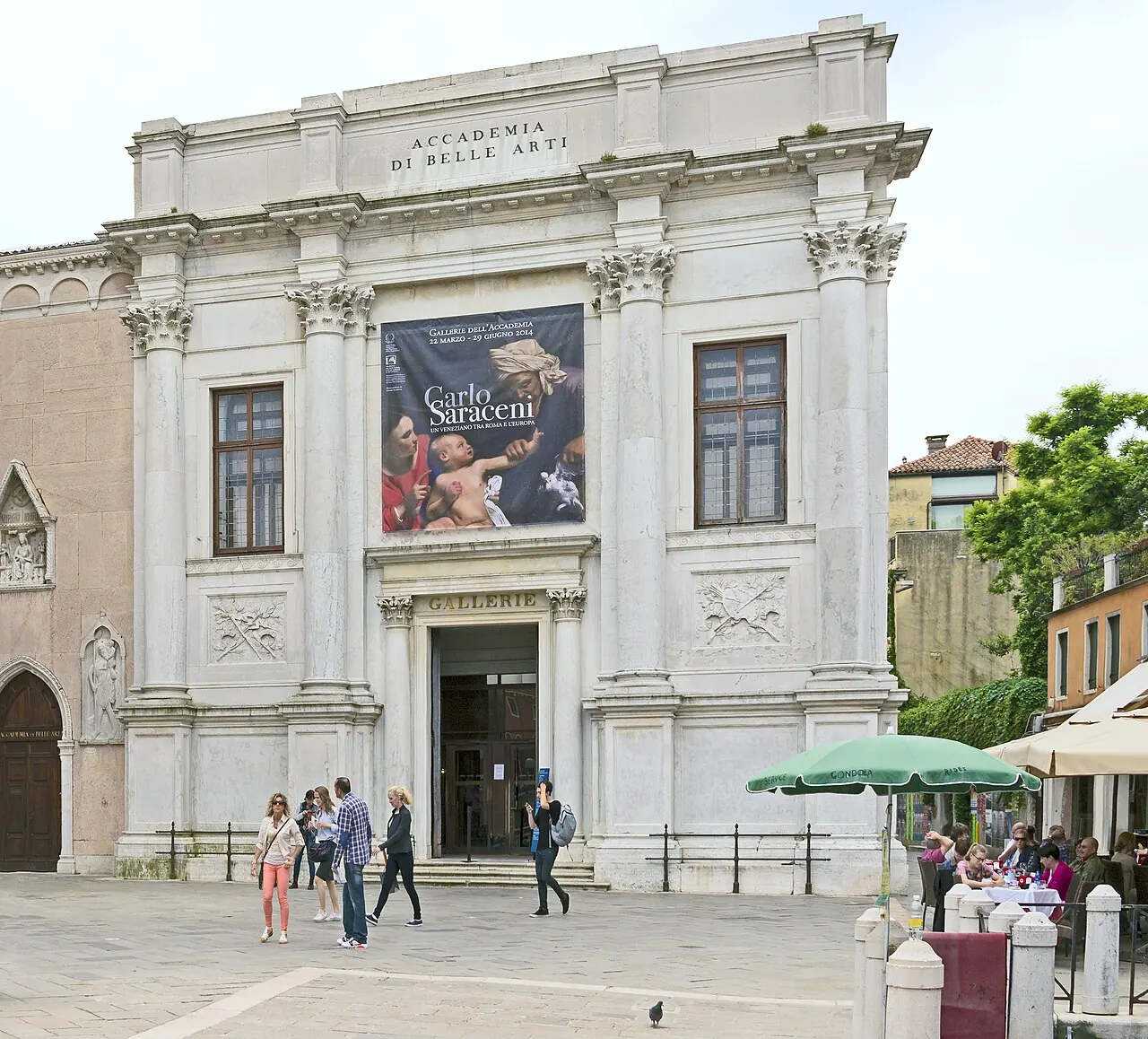
Dorsoduro puts the Gallerie dell'Accademia, Peggy Guggenheim Collection and Punta della Dogana on your side of the city. The Zattere offers a broad waterfront walk, while Campo Santa Margherita has a more social, student-influenced dining and drinking scene. These are different micro-settings: a museum-side address near the Accademia bridge does not have the same evening atmosphere as a room opening onto the campo. This base suits visitors who want art to structure their days and somewhere distinct from San Marco to return afterwards.
Accademia is an ACTV Grand Canal stop; Zattere serves the district's southern waterfront. Alilaguna's airport routes list Ca' Rezzonico on Orange and Zattere on Blue, which makes the exact hotel side important before choosing a boat. Staying farther west can add a substantial walking leg to San Marco, and the livelier campo streets are not an automatic quiet-room choice. Choose San Marco for repeated early starts at its monuments, or San Polo if access towards Rialto and the station matters more than these art collections.
Plan it well: The pin and photograph identify the Gallerie dell'Accademia in Dorsoduro, not the entire district.
Venezia Unica: DorsoduroSan Polo: market streets and a central walking base
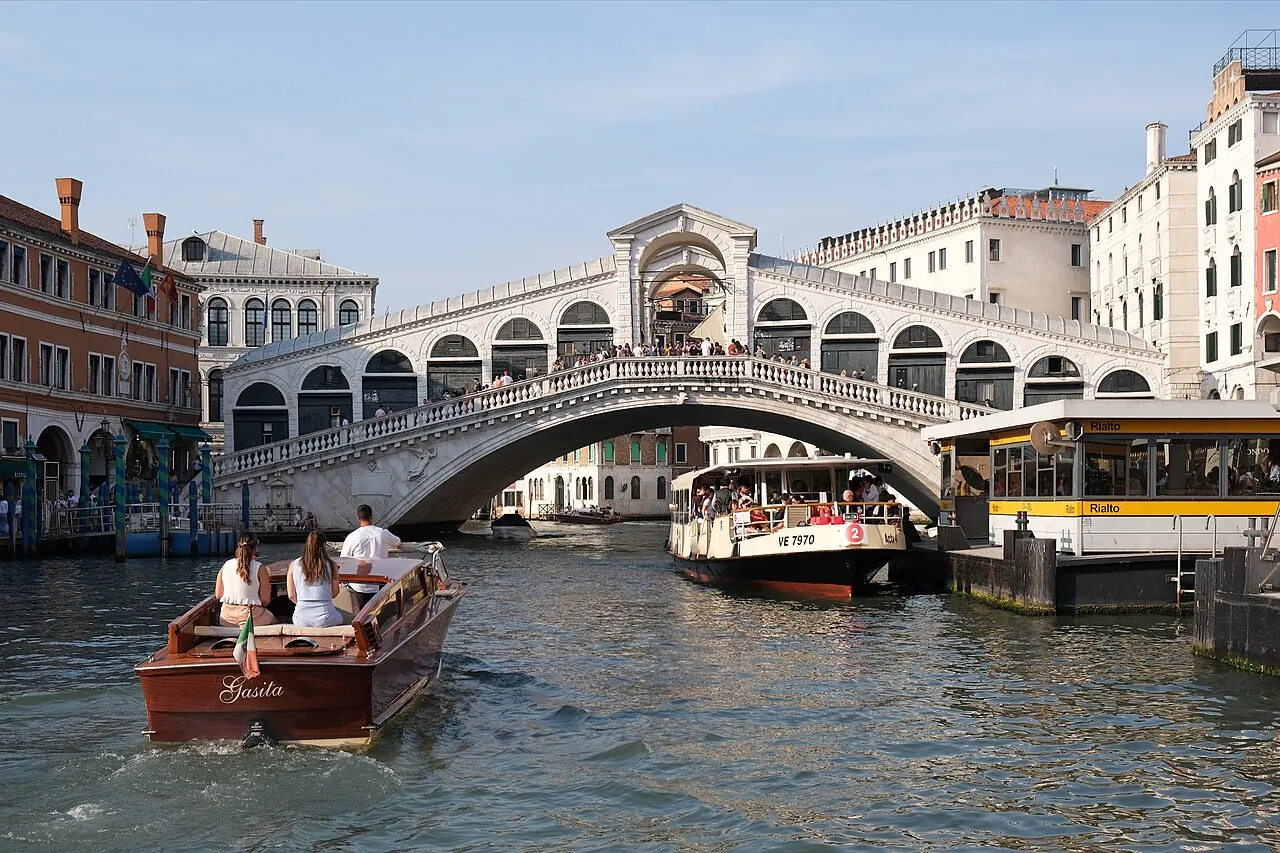
San Polo is useful when you want to move between Rialto's market streets and the western side of the historic city without making San Marco your home base. Stay on the western bank near Rialto for the produce and fish-market setting, or look towards Campo San Polo and the Frari for a different daily route. The Scuola Grande di San Rocco adds a major art stop, and small bacari make this a good district for a sequence of snacks and walks rather than one waterfront dinner.
ACTV connects Rialto with the station and Piazzale Roma; San Toma is another useful landing for the Frari side. Alilaguna's Orange airport route calls at Rialto, but the landing and your hotel can be on opposite banks of the Grand Canal. Check the actual bridge crossing rather than relying on a short straight-line distance. Market approaches can be busy and active early, and the interior lanes still involve luggage handling. Choose Dorsoduro for the Accademia and Guggenheim, or western Cannaregio if the railway approach is the greater priority.
Plan it well: Rialto Bridge is the map anchor at San Polo's eastern edge. Choose the western-bank address separately; the pin is not a neighbourhood boundary.
Venezia Unica: San PoloCannaregio: the Ghetto and canal-side dinners
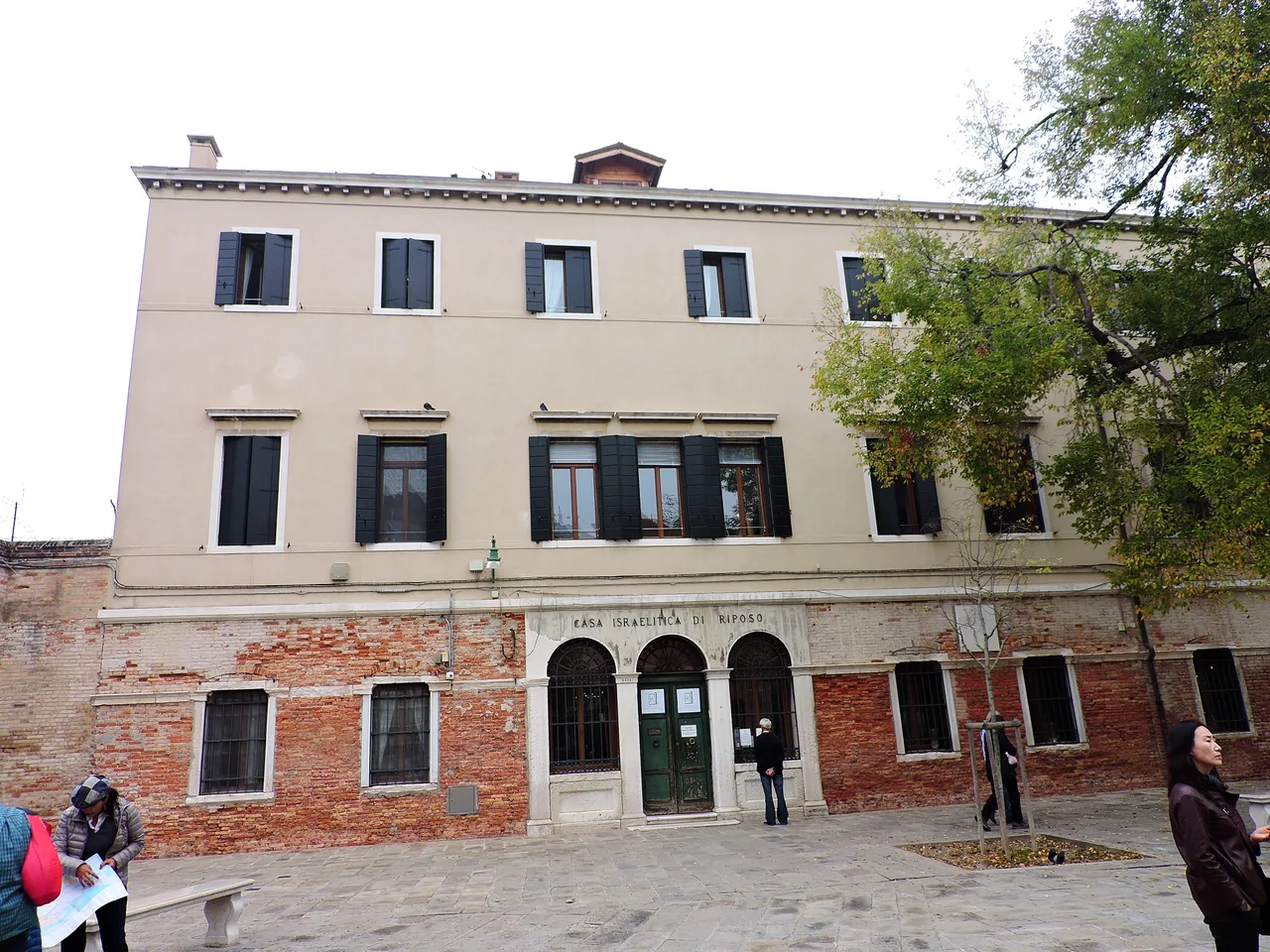
Cannaregio suits a longer stay when the Ghetto, Madonna dell'Orto and northern canal walks belong in the itinerary. The streets around Campo del Ghetto Nuovo offer a different historical focus from San Marco, while Fondamenta della Misericordia and nearby Ormesini are useful evening dining corridors. Staying near the western station approach is a different decision from staying by Fondamente Nove in the east: both are Cannaregio, but they support different arrival routes and island outings. Choose an actual canal or campo, not a broad district label.
Alilaguna's Orange airport route lists Guglie and Madonna dell'Orto; Blue calls at Fondamente Nove. ACTV also uses Fondamente Nove for northern-lagoon routes, including services towards Murano and Burano. The useful stop therefore depends on which end of the district you choose. Busy Strada Nova and lively restaurant canals are not inherently quiet, and a northern address adds walking or boat travel to San Marco. If your trip is only a brief basilica-and-palace visit, stay nearer San Marco; choose Cannaregio for its own streets and the journeys they support.
Plan it well: The pin identifies the Venetian Ghetto; the photograph shows Casa Israelitica di Riposo on Campo del Ghetto Nuovo.
Venezia Unica: CannaregioCastello: the Arsenale and Biennale
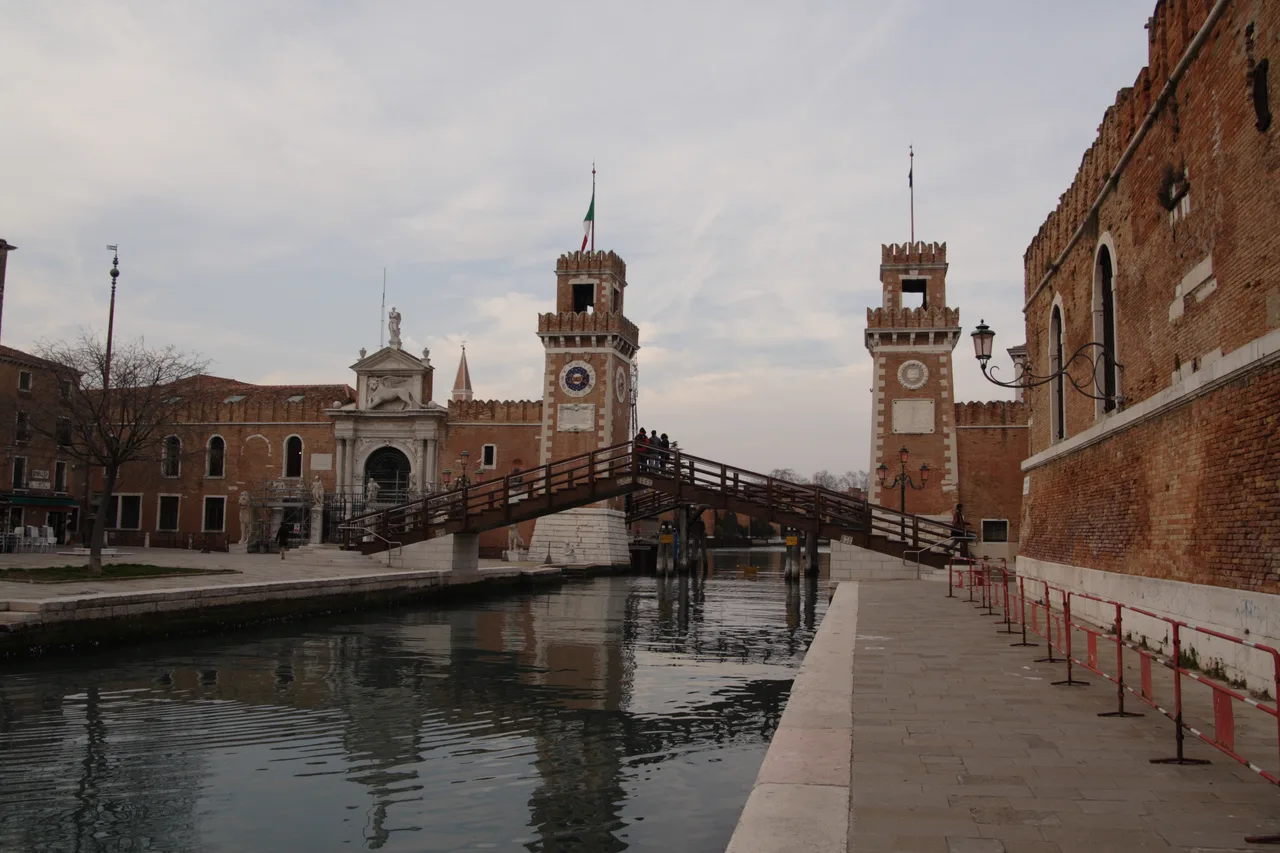
Castello is the purposeful base for an Arsenale or Biennale-led trip, not simply a label for a quiet hotel near San Marco. Around the Arsenale and Via Garibaldi, you have naval heritage, everyday shops and places to eat between exhibition visits. Farther east, the Giardini and the approach towards San Pietro di Castello change the scale of the daily walk. Western Castello, around San Zaccaria and Santa Maria Formosa, is more closely tied to the central sightseeing circuit. Select the part that matches your programme.
ACTV's waterfront stops and Alilaguna's Blue airport route at Arsenale or San Zaccaria can suit this district; northern Arsenale addresses need a different approach from the sea-gate side. Exhibition venues may have separate entrances, so do not use a general Arsenale map pin as a ticketed entrance. The trade-off is a longer return to Rialto or the railway station from the eastern end, with event crowds around the venues when exhibitions are running. Choose San Polo for a more central walking base, or Dorsoduro for museum visits unrelated to the Biennale.
Plan it well: The pin represents the Arsenale complex, not a Biennale entrance; the photograph shows its sea gates.
Venezia Unica: CastelloPlan the arrival landing, not just the district
Marco Polo road and water arrivals are different
The airport lists ACTV line 5 and ATVO express buses to Piazzale Roma, plus Alilaguna water services. Road vehicles do not continue through the historic city's lanes. From Piazzale Roma or Santa Lucia, match the final walking or waterbus leg to the hotel entrance.
Venice Marco Polo Airport: city connectionsUse the airport operator's actual stop list
Alilaguna Orange includes Guglie, Rialto, Ca' Rezzonico and Santa Maria del Giglio. Its route is distinct from ACTV's city waterbus network; choose the landing according to the hotel side and bridge crossings.
Alilaguna: Orange route and mapCheck the Blue route for northern and southern landings
Alilaguna Blue lists Fondamente Nove, Arsenale, San Zaccaria, San Marco Giardinetti and Zattere among its stops. Check the operator's timetable and notices for your travel date before arranging a late arrival.
Alilaguna: Blue airport routeRead ACTV's map for the onward city journey
ACTV's current waterborne routes include the Grand Canal corridor, circular services and northern-lagoon departures. Different routes and directions use different landing stages; account for bridges between the chosen stage and your hotel.
ACTV: current navigation routes and stop mapCompare hotels in your chosen Venice base
Explore Venice hotels on Roomundo and compare the exact landing-to-door route before choosing. For a Biennale trip, confirm the relevant exhibition entrance; for a late arrival, ask how check-in and the final luggage walk work. Canal views, a lift and a bridge-free route are individual property features, not benefits guaranteed by a sestiere.
Explore Venice hotels