
Hakuba city guide
10 things to do in Hakuba
Choose appropriate resort days, Olympic heritage and seasonal mountain views, with separate regional outings kept explicit.
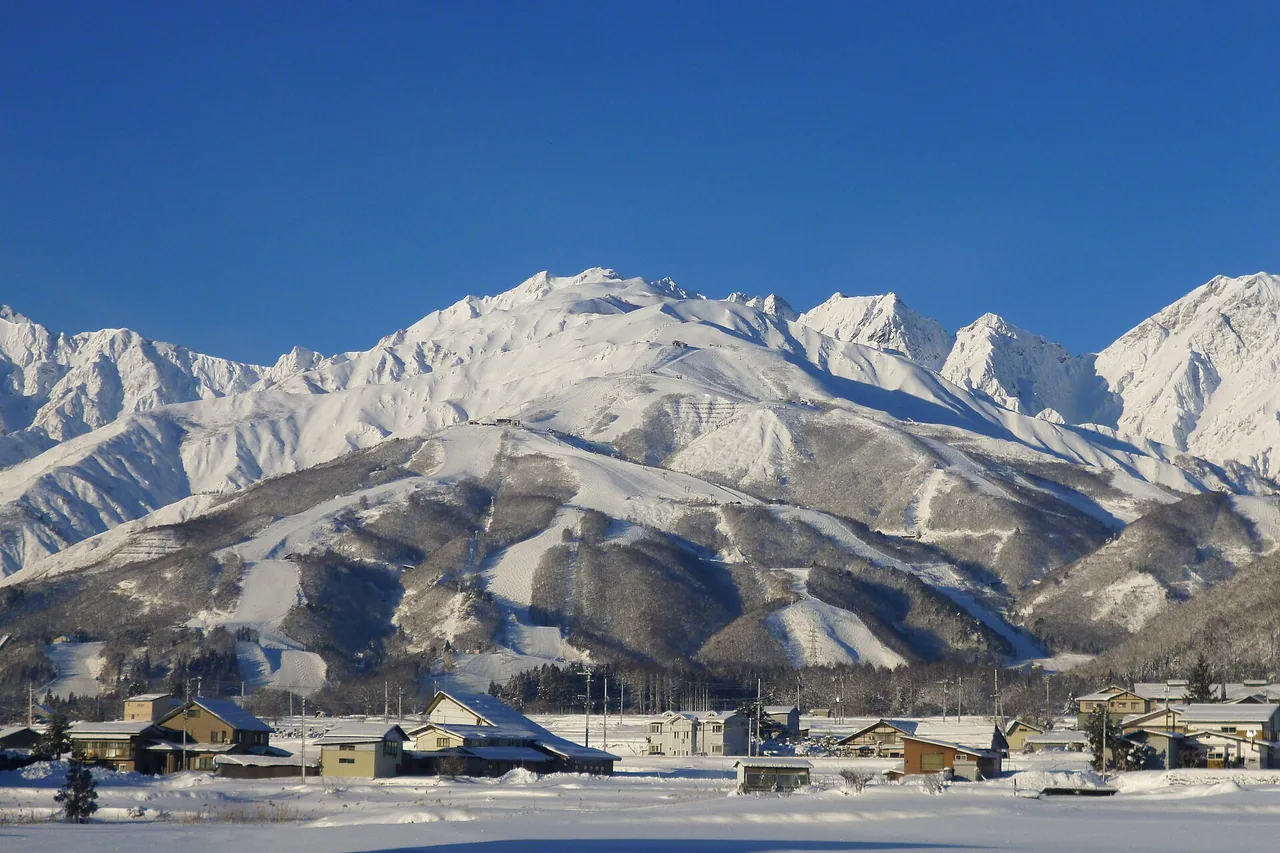
Plan your visit
Hakuba is a village in Nagano, while the wider Hakuba Valley ski network also includes Otari and Omachi. Choose a local resort and a workable arrival plan before trying to visit the whole valley. Goryu and Hakuba47 share a mountain connection, but other resort journeys require their own transport. Green-season pond trails and serious mountain objectives are not casual winter walks. This guide keeps Hakuba village as the destination and identifies regional excursions separately.
1. Choose a suitable Happo-one ski day
Happo-one is a major Hakuba ski resort, but a first day should begin with appropriate terrain and the actual lesson meeting point rather than an attempt to cover every lift. Consult the current resort map and open-run information for the least confident member of the group. The Happo accommodation area and the mountain departure are related but not identical, so locate equipment collection and the correct boarding approach before leaving the hotel.
Non-skiers need a separately checked visitor plan, particularly when lift operation or sightseeing access differs from ski admission. A summer trail toward Happo Pond does not establish a winter pedestrian outing. Use the operator's current access and return information, and keep the day within suitable managed routes. The map anchor identifies the resort base area rather than a particular lesson desk. A local mountain day with a clear descent can be more useful than a rushed transfer to a second resort.
Plan it well: Check the specific Happo departure and lesson meeting point.
Official visitor information2. Explore Goryu from the correct base
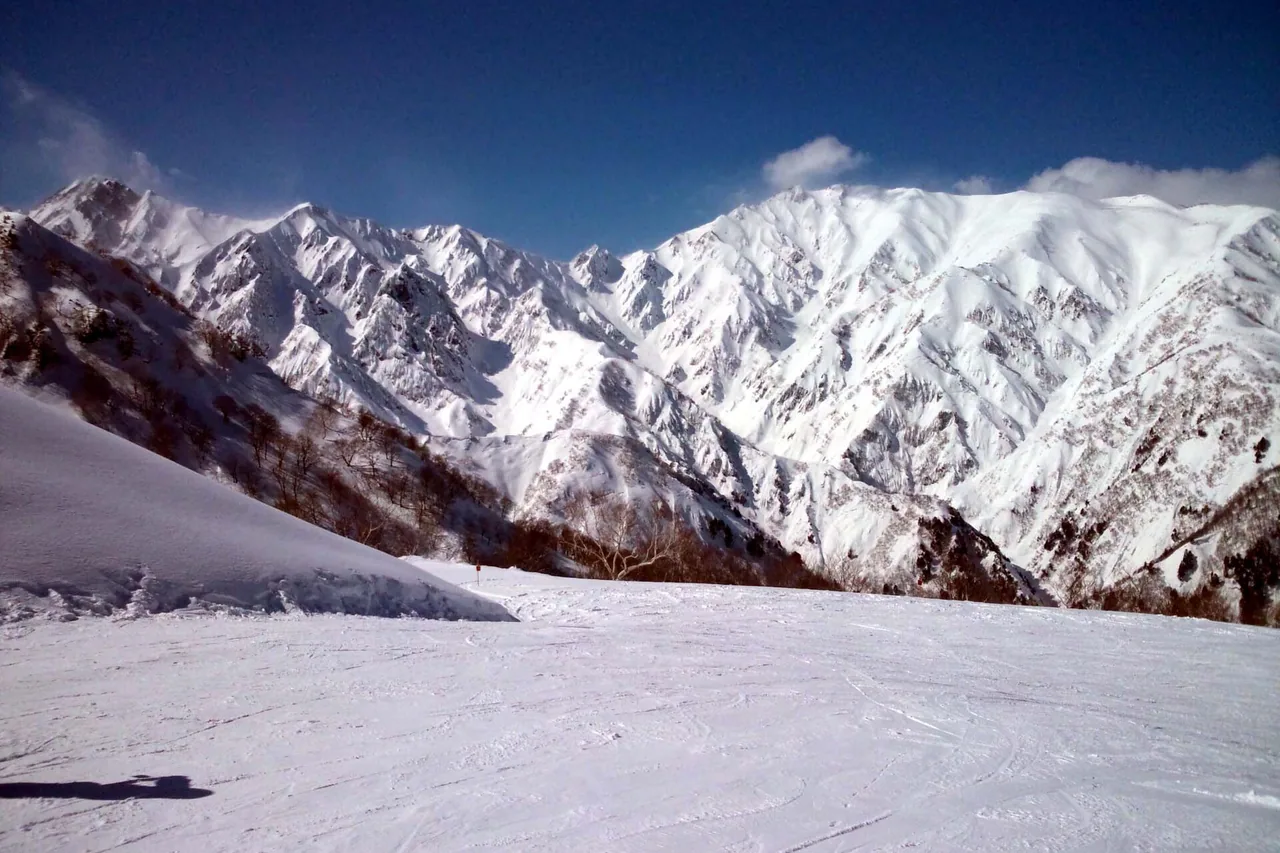
Goryu provides another substantial ski-day choice in the southern part of Hakuba. The operator distinguishes its base areas and upper mountain, so match the departure to equipment collection and lessons before planning the day. Kamishiro Station is the nearby rail arrival to investigate, but it is not the ski lift entrance. A train journey and the final resort connection need separate checks, especially when arriving with luggage or ski equipment.
Goryu and Hakuba47 have a mountain connection when the required lifts and routes operate. That does not remove the need to consider ability, closing connections and the return to the chosen base. The photograph shows a mountain view from Goryu rather than a hotel or a guaranteed current snow condition. Summer botanical and walking visits use different operator information. Start with one appropriate local sector and add the neighboring resort only when the operating map and the group's ability support it.
Plan it well: Kamishiro rail arrival still needs a final connection to the resort.
Official visitor information3. Add Hakuba47 with an explicit return route
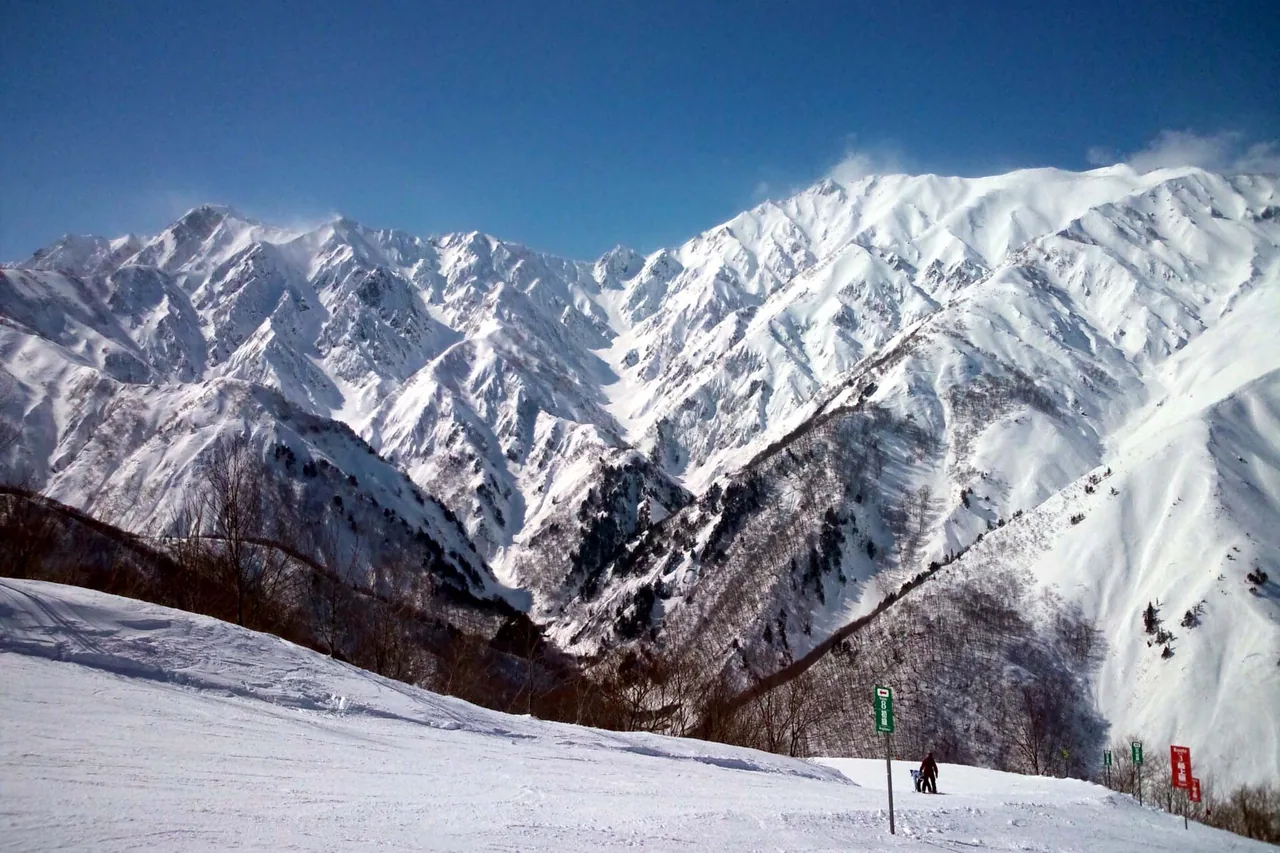
Hakuba47 is a named resort within the Hakuba Valley network, not simply a numbered trail at another ski area. Its connection with Goryu can support a varied ski day, but beginners should not be committed to a crossing solely because the resorts share a mountain map. Check the suitable open runs, lesson arrangements and return connection before leaving the base. A focused visit on the Hakuba47 side remains a complete day.
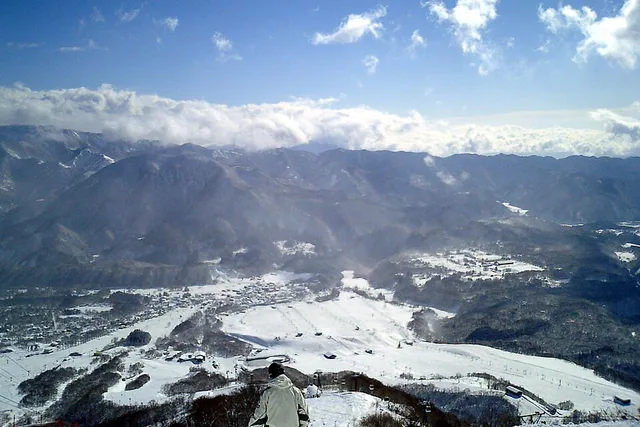
The photograph is a panorama taken from Hakuba47 and illustrates the mountain setting rather than a particular visitor facility. For non-skiers or a green-season outing, consult the operator's seasonal information independently. Road transport between accommodation and the base follows a different plan from an on-mountain ski connection. Keep the last operating lift and the hotel return in mind, and do not assume a valley-wide pass creates a continuous lift link to Happo-one, Iwatake or every other resort.
Plan it well: The Goryu connection is operating-mountain access, not a valley-wide lift link.
Official visitor information4. Enjoy Iwatake with a seasonal visitor plan
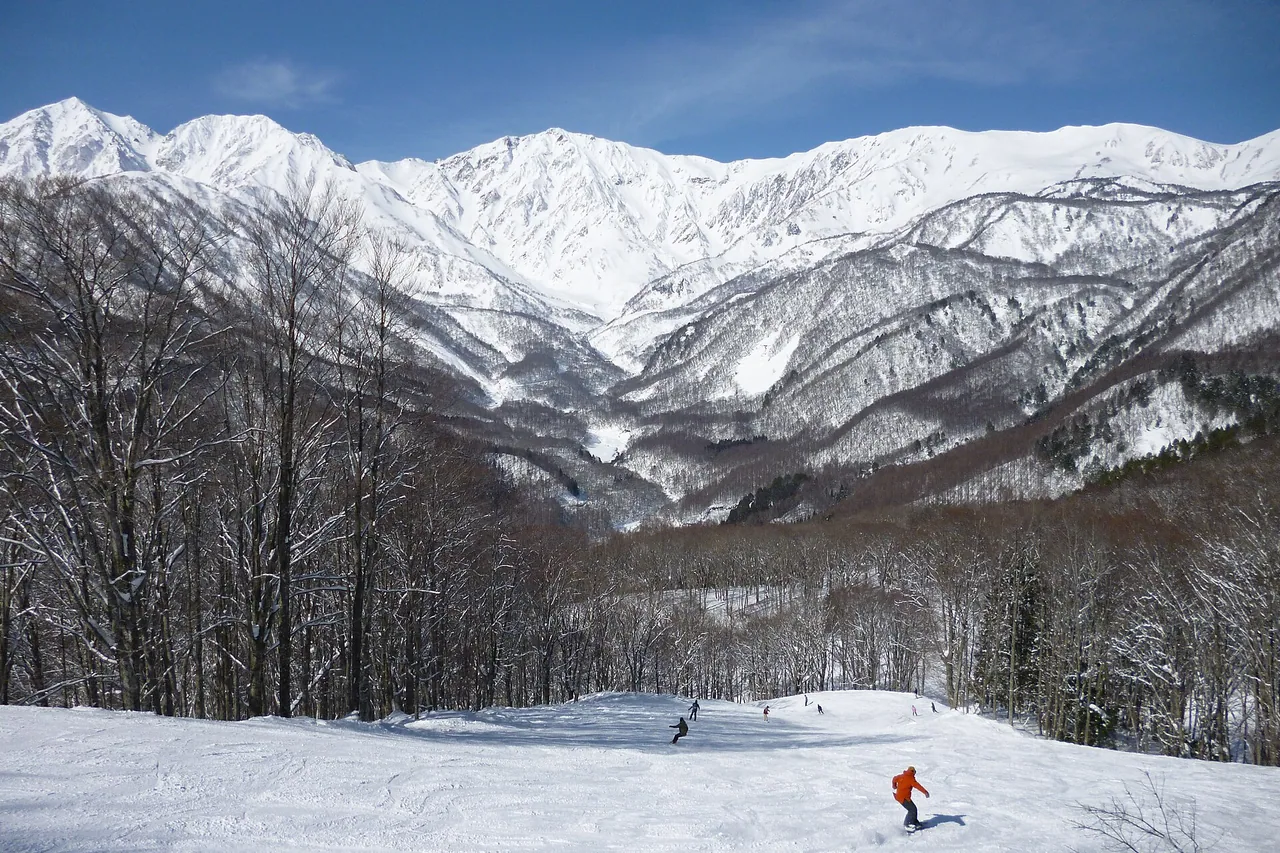
Iwatake offers a distinct mountain setting within Hakuba and is worth considering for both suitable skiing and an explicitly researched sightseeing visit. The operator publishes separate winter and access information, which should define the activity and departure. Choose the actual ticket and open visitor facilities rather than assuming that every promotional viewpoint or summer experience is available throughout winter. The surrounding mountain panorama can be the purpose of the day without adding another resort.
Check current road or shuttle arrangements to the base and plan the return independently from a ski itinerary. The Iwatake accommodation area is separate from Happo and the railway station, so a regional lodging label does not establish walking access. The photograph shows the resort landscape rather than the entrance to a specific viewpoint terrace. If weather limits the mountain visit, keep a village alternative available. Do not use an attractive summer photograph as evidence that an outdoor route is safe under snow.
Plan it well: Confirm the seasonal sightseeing offer and operating descent.
Official visitor information5. Make Tsugaike a deliberate Otari resort day
Tsugaike-Kogen is part of the wider Hakuba Valley network but lies in neighboring Otari, not Hakuba village itself. It has a real base village with visitor facilities and accommodation, making it a credible destination for a locally organized ski day or stay. Read the resort's current terrain and facility information before choosing it for a group, then match the meeting point and rental collection to the actual base.
Travel from a Hakuba hotel requires a separate road or dated shuttle plan. Check the applicable season, stop and ticket entitlement rather than assuming that a valley pass guarantees every transfer at every hour. Tsugaike's nature-garden and green-season mountain access form a different visit and must not be converted into a casual winter walking itinerary. The pin identifies the resort anchor, not a hotel or a particular boarding entrance. Leave the return explicit before arranging an evening meal elsewhere in the valley.
Plan it well: Tsugaike is in Otari; check the dated valley transfer and return.
Official visitor information6. See Hakuba Ski Jumping Stadium
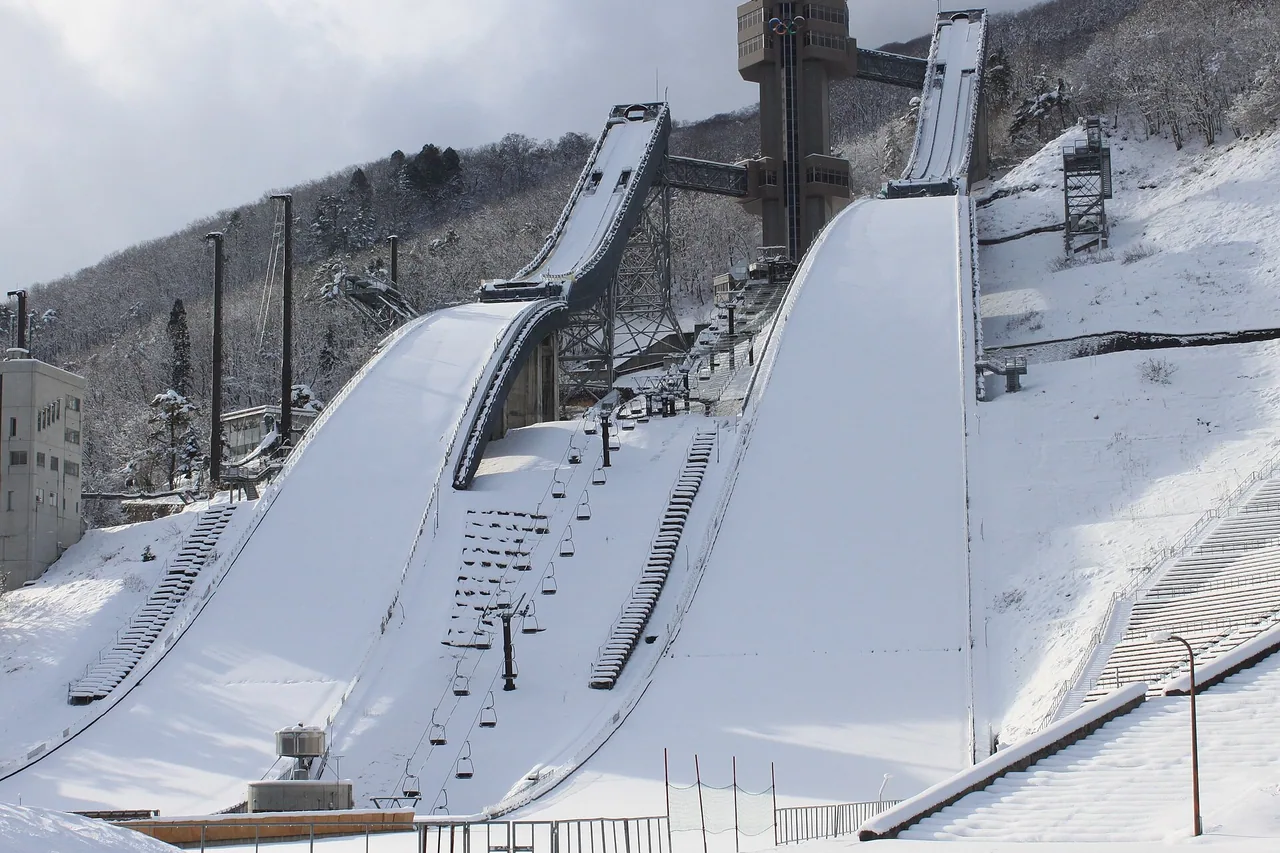
Hakuba Ski Jumping Stadium gives a first visit a concrete connection to the 1998 Winter Olympics. The municipal visitor page is the right starting point for a heritage outing, including access to visitor facilities when they operate. Seeing the jumping structures from the permitted public approach helps explain the scale of the venue even when there is no event or training session to watch. It is a different activity from an ordinary ski-resort ascent.
Check current visitor operation before expecting tower access, a lift ride or a sporting demonstration. Training, maintenance or events can change the practical visit, and a historical photograph is not a live program. Use the actual venue approach rather than walking across neighboring ski terrain. Pair the stadium with a village outing if the group wants a non-ski day, keeping the return to accommodation clear. The map pin marks the stadium itself, not an assertion that every part of the sporting facility is open to visitors.
Plan it well: Verify visitor facilities independently from sporting events.
Official visitor information7. Keep Happo Pond for a suitable green-season hike
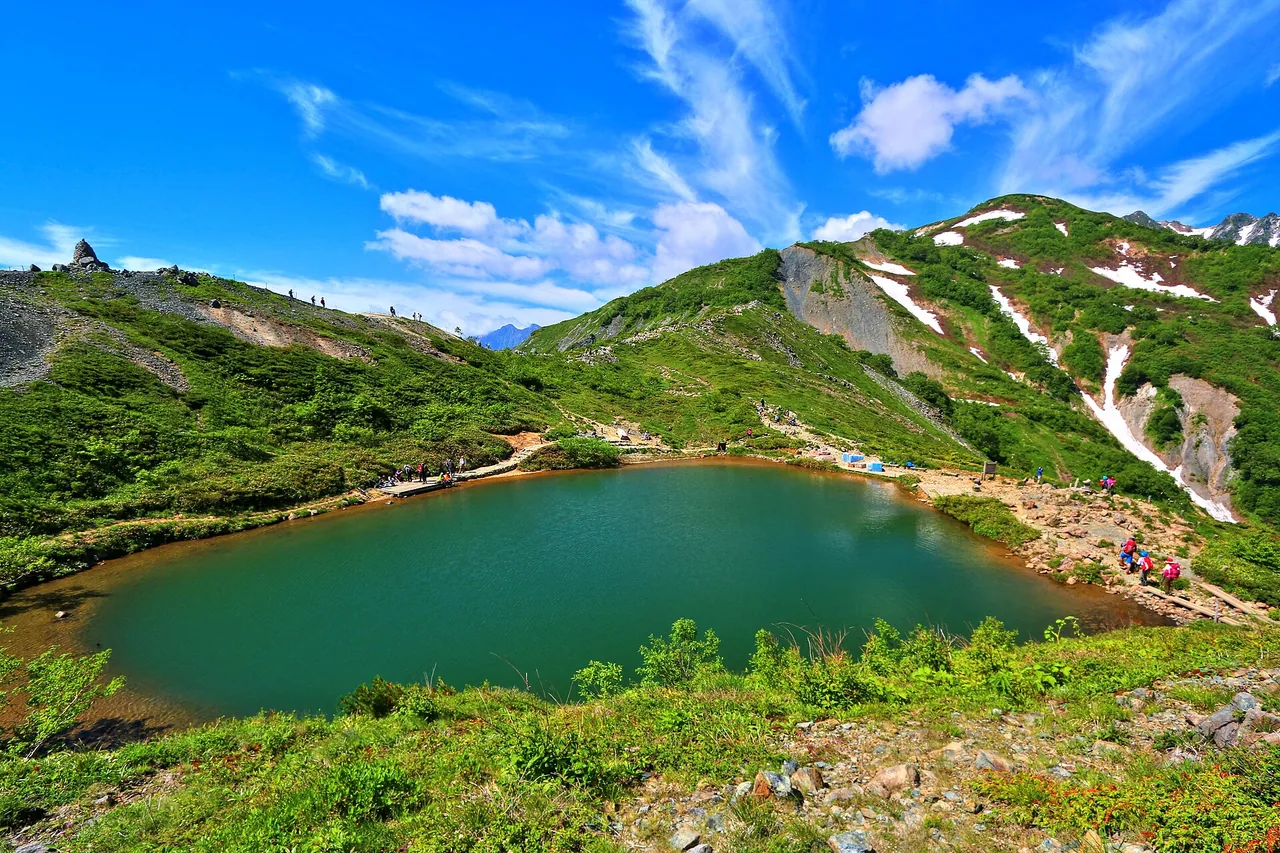
Happo Pond is a distinctive green-season walking objective, with mountain reflections possible when conditions cooperate. The resort publishes trekking information and cautions about the uneven, rocky approach, so treat it as a real hike rather than an effortless extension of a cable-car ride. Choose footwear, weather protection and a route suited to the group. A mountain photograph may show an appealing destination without revealing the footing or the exposure encountered along the way.
Confirm seasonal lift operation and the return before setting out, and consult current local mountain information rather than copying an old route description. This is not a casual winter walk from the ski resort: snow changes the risks and the required preparation. Do not continue toward higher summits simply because a path appears to extend beyond the pond. The pin marks the pond, not the safe starting point. Turn back when conditions or the operating return no longer support the plan.
Plan it well: Use green-season trekking guidance; the pond is not a winter sightseeing path.
Official visitor information8. Spend time in Hakuba village between mountain days
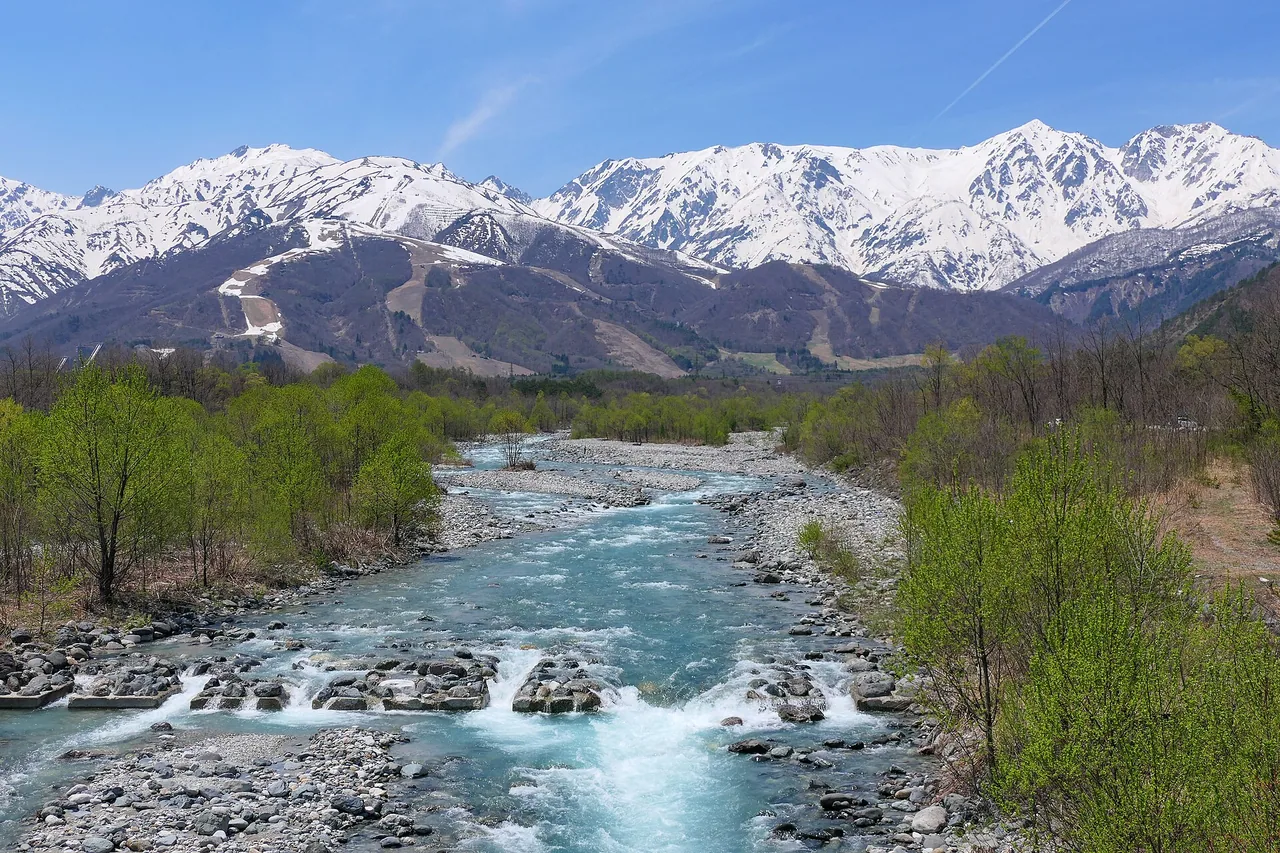
Hakuba village is worth understanding beyond the names of its ski resorts. The station area, Happo base and other accommodation districts occupy different parts of the valley, so a modest village outing helps explain the layout before arranging repeated transfers. Choose a cleared public route and a specific meal or stop rather than treating the entire settlement as a compact pedestrian resort. The photograph shows the Matsukawa river and mountain backdrop within the Hakuba valley setting.
Use the official village and valley maps to identify the actual destination and final approach. Scenic riverside surroundings do not establish unrestricted access or a maintained winter footpath everywhere along the water. A village day can work well for a mixed group while others ski, provided the transport and return are checked independently. Keep Hakuba village distinct from the wider network's Otari and Omachi destinations. A lodging label using Hakuba Valley may refer to another municipality with a different daily journey.
Plan it well: Hakuba village and the wider three-municipality valley network are different scopes.
Official visitor information9. Visit Lake Aoki as a separate Omachi outing
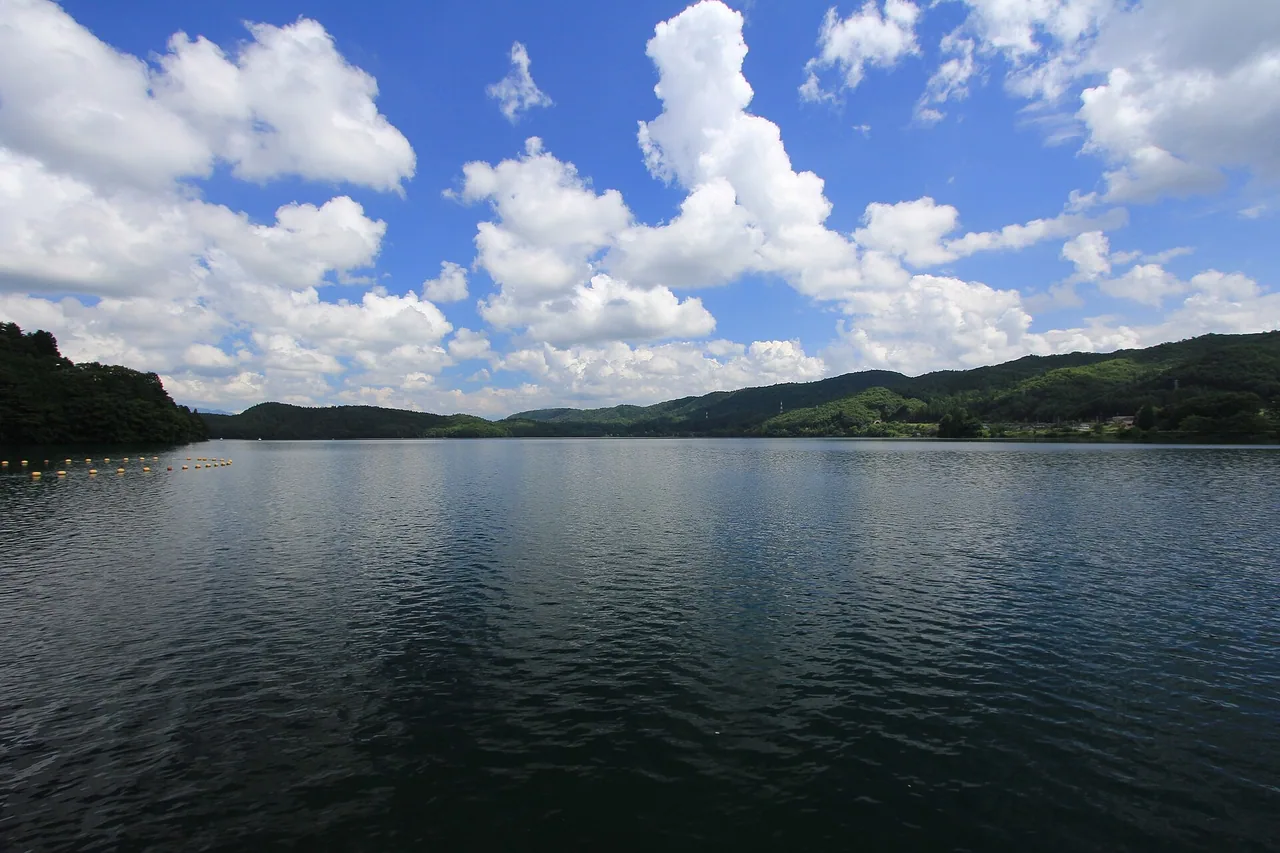
Lake Aoki adds a different landscape to a longer regional holiday, south of Hakuba in the Omachi area. The official Omachi tourism association describes seasonal lakeside scenery and organized outdoor activities, making it a deliberate green-season alternative to the mountains. Select an actual visitor facility or permitted public approach rather than navigating to the lake pin. A landscape visit can be enough without assuming that a water activity is appropriate for every traveler.
The tourism association warns that lakeside land is private and directs visitors to activity facilities for access. Arrange any boating or paddling with an appropriate operator and equipment; clear-looking water does not establish safe swimming. Winter lake scenery is not permission to walk on ice or reuse a summer cycling itinerary. Plan the road journey and return separately from resort shuttles. The photograph and pin identify Lake Aoki in Omachi, not a claim that this regional excursion lies within Hakuba village.
Plan it well: Respect lakeside ownership and arrange activity access through the relevant facility.
Official visitor information10. Appreciate Mount Shirouma without assuming a summit route
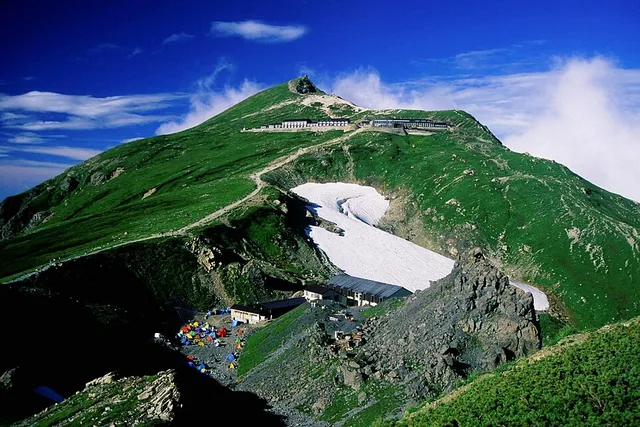
Mount Shirouma is one of the major peaks that gives the Hakuba landscape its character. The official village tourism material distinguishes serious mountaineering from simpler resort-based visits, and a first holiday can appreciate the mountain from an appropriate operating viewpoint without climbing it. The summit photograph illustrates the peak, not a route recommendation. A high mountain objective needs suitable experience, equipment, preparation and current local advice, with qualified guidance where appropriate.
Check the village's live mountain notices before considering any approach. At this guide's review, the official site carried a September 2026 closure notice for the Daisekkei route, demonstrating why an older model itinerary is insufficient. Do not assume that another route is open or suitable merely because the familiar approach is unavailable. Winter travel belongs to a different technical category and is not an extension of a sightseeing lift ride. For a first visit, a mountain view can be the complete objective rather than a failed summit attempt.
Plan it well: Read current closure notices before using any published mountain itinerary.
Official visitor informationA three-day introduction
Choose one local resort at a time and adapt the non-ski day to the season.
Day 1: arrival and a local base
Confirm the hotel transfer, rental collection and lesson point, then use suitable open terrain at the chosen resort.
Day 2: another planned mountain day
Choose Iwatake or Tsugaike with a dated transfer plan, or stay locally on the connected Goryu and Hakuba47 system.
Day 3: Olympic or seasonal alternative
Choose the ski jumping stadium and village. Happo Pond and Lake Aoki need their own appropriate seasonal plans.
Seasonal transport and mountain boundaries
Use dated operator information and current village safety notices.
Check the shuttle season
A previous winter PDF does not establish next season's departures or evening service.
Hakuba Valley shuttlesSeparate the final arrival
Nagano buses, local rail and the last hotel connection are different legs.
Alpico access informationDo not convert summer hikes to winter walks
Pond trails and high peaks require season-specific preparation and current route checks.
Find hotels in Hakuba
Compare Happo, the station area, Kamishiro and Goryu, Iwatake and the separate Tsugaike village in Otari. Confirm the municipality, departure base and final hotel connection rather than relying on a valley-wide label.
Explore Hakuba hotels