
Hakuba city guide
Hakuba ski season 2026/27: resorts, powder and where to stay
A practical guide to choosing among Hakuba Valley's ten ski areas, arranging lessons and equipment, using passes and shuttles, and skiing powder terrain safely.
Plan your visit
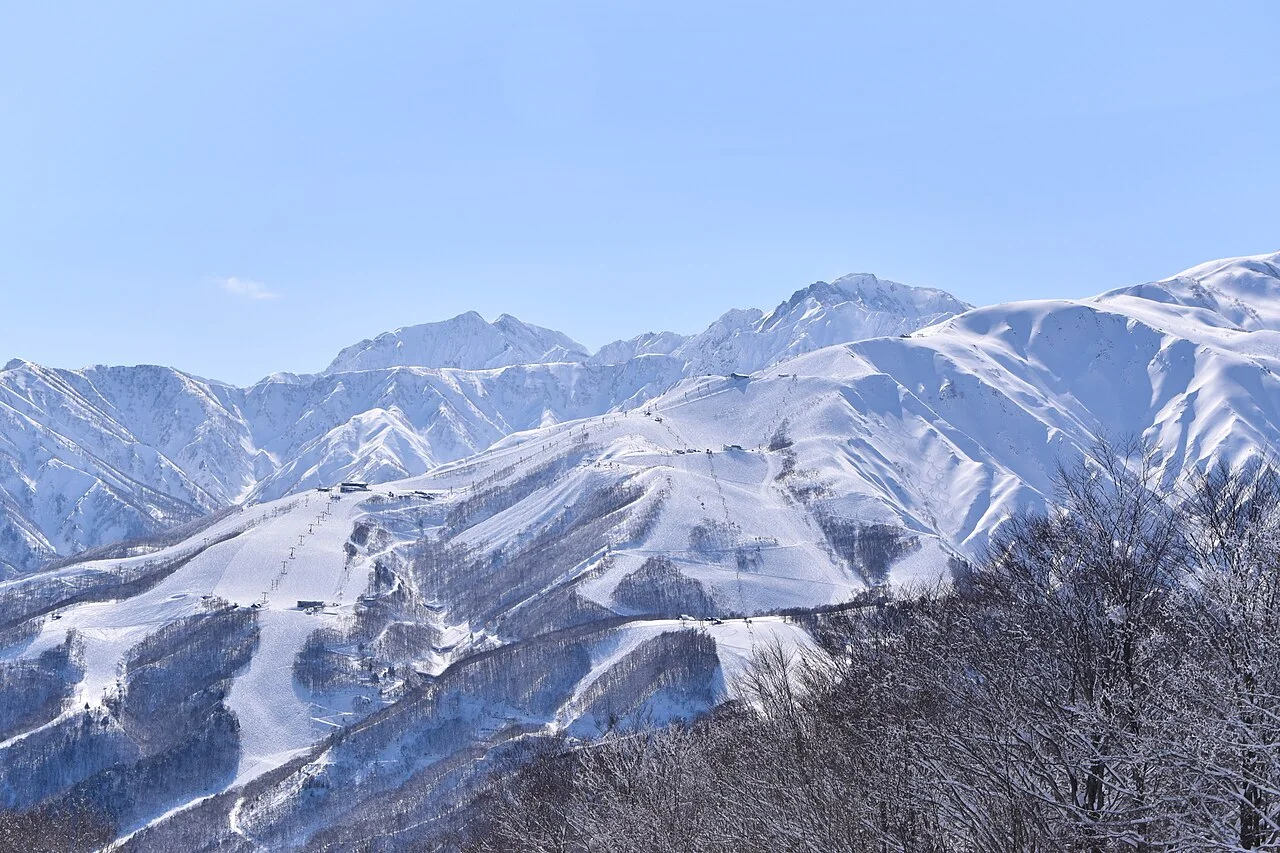
Hakuba Valley is a ski region rather than one continuously lift-linked resort. Its ten separate ski areas stretch across Omachi, Hakuba and Otari, ranging from broad learning slopes to Olympic terrain, parks, tree zones and high-alpine backcountry gates. The most efficient trip starts with a primary mountain and a base that suits it. Use the valley pass and shuttle network for selected changes of scenery, while checking the exact lifts, courses and transport operating each morning.
Match the resort to your skiing
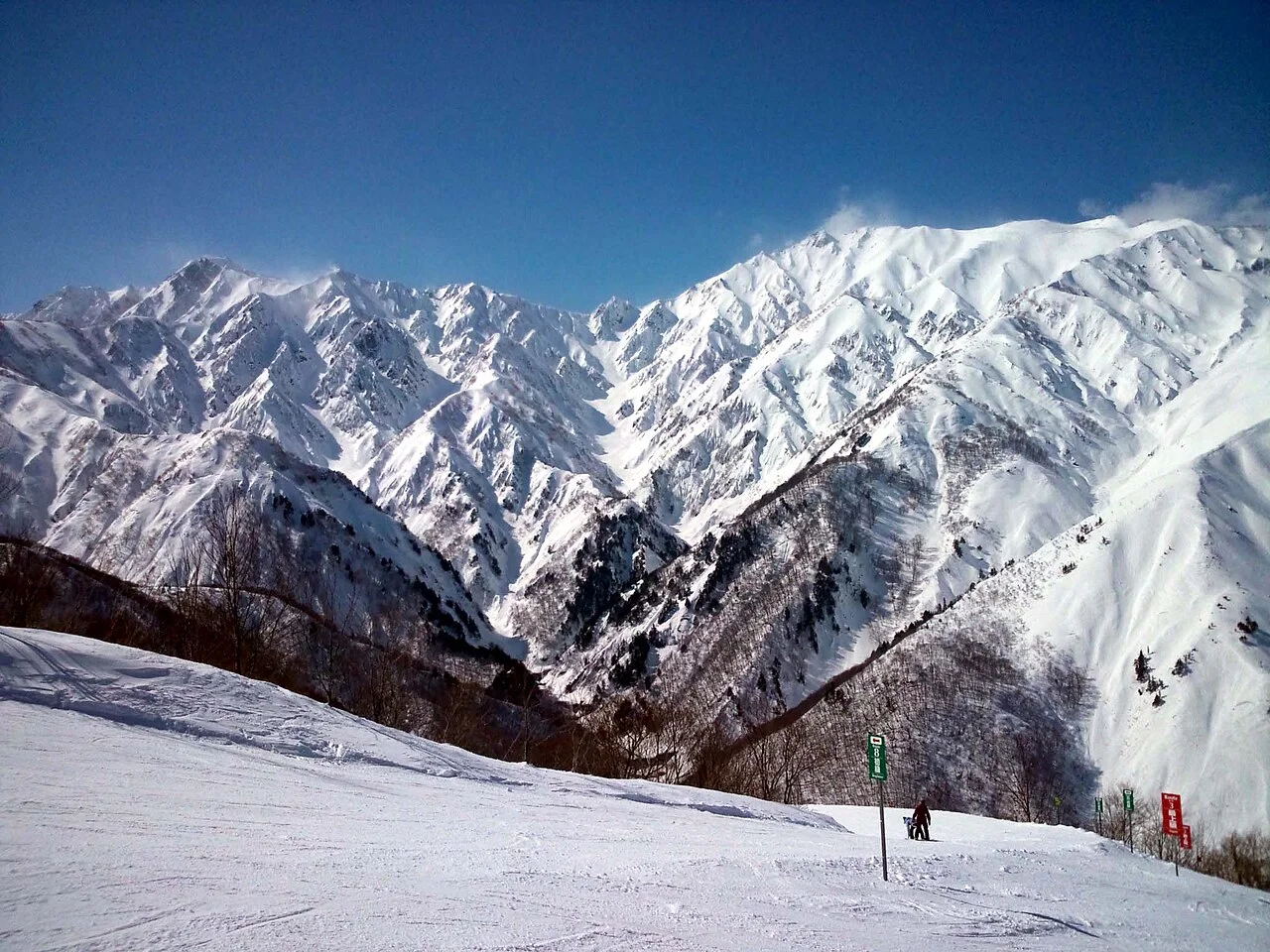
Happo-One is the big-mountain choice, with a 1,071-metre vertical drop, an eight-kilometre maximum descent and demanding terrain around Riesen and Kurobishi. Goryu and Hakuba47 are lift-linked, combining Goryu's Alps-daira, Toomi and Iimori sectors with Hakuba47's long R1 descent and terrain park.
Tsugaike and Jigatake provide more forgiving space for developing skiers, while Iwatake mixes cruising and views. Cortina and Norikura are stronger powder-day candidates, but their natural terrain and steeper lines require more control and better visibility.
Plan it well: Plan one principal resort per day; only Goryu and Hakuba47 form an obvious same-day linked pair.
Hakuba Valley: ten snow resortsPlan beginner days and lessons around one base
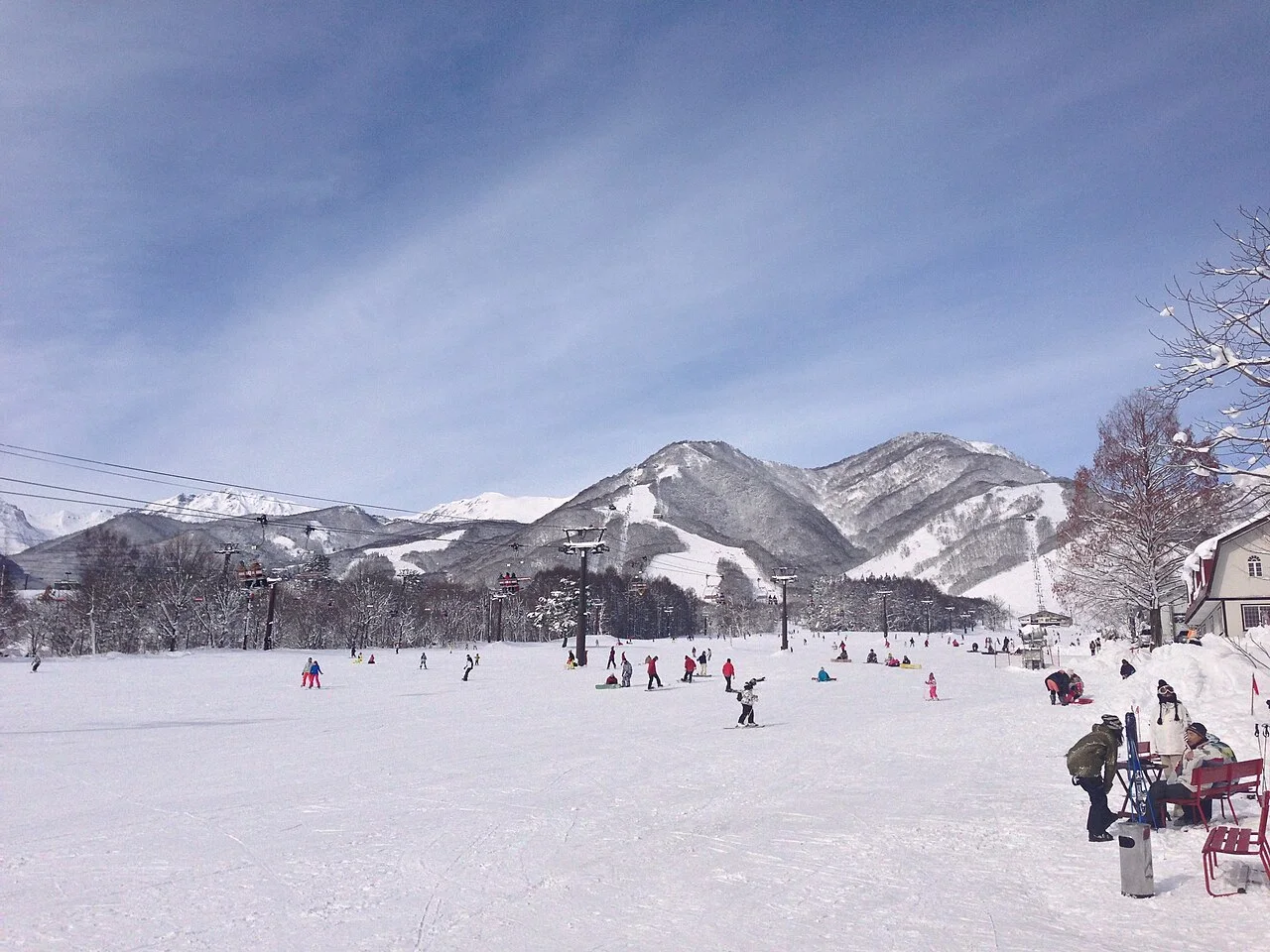
First-time skiers should favour broad lower-mountain terrain such as Tsugaike, Goryu's Toomi and Iimori sectors, or Jigatake, whose main gentle slopes average about 13 degrees. Happo has beginner products and lower learning areas, but these are less useful when early-season snow restricts skiing to the upper mountain.
Ski-school languages, minimum ages and meeting points differ by resort. Hakuba Valley's official directory lists both Japanese schools and international providers, so book English instruction at the mountain where the family will collect equipment and begin skiing.
Plan it well: Keep accommodation, rental shop and lesson meeting point in the same resort area for the first two days.
Hakuba Valley resort and ski-school directoryChoose the right lift pass and equipment
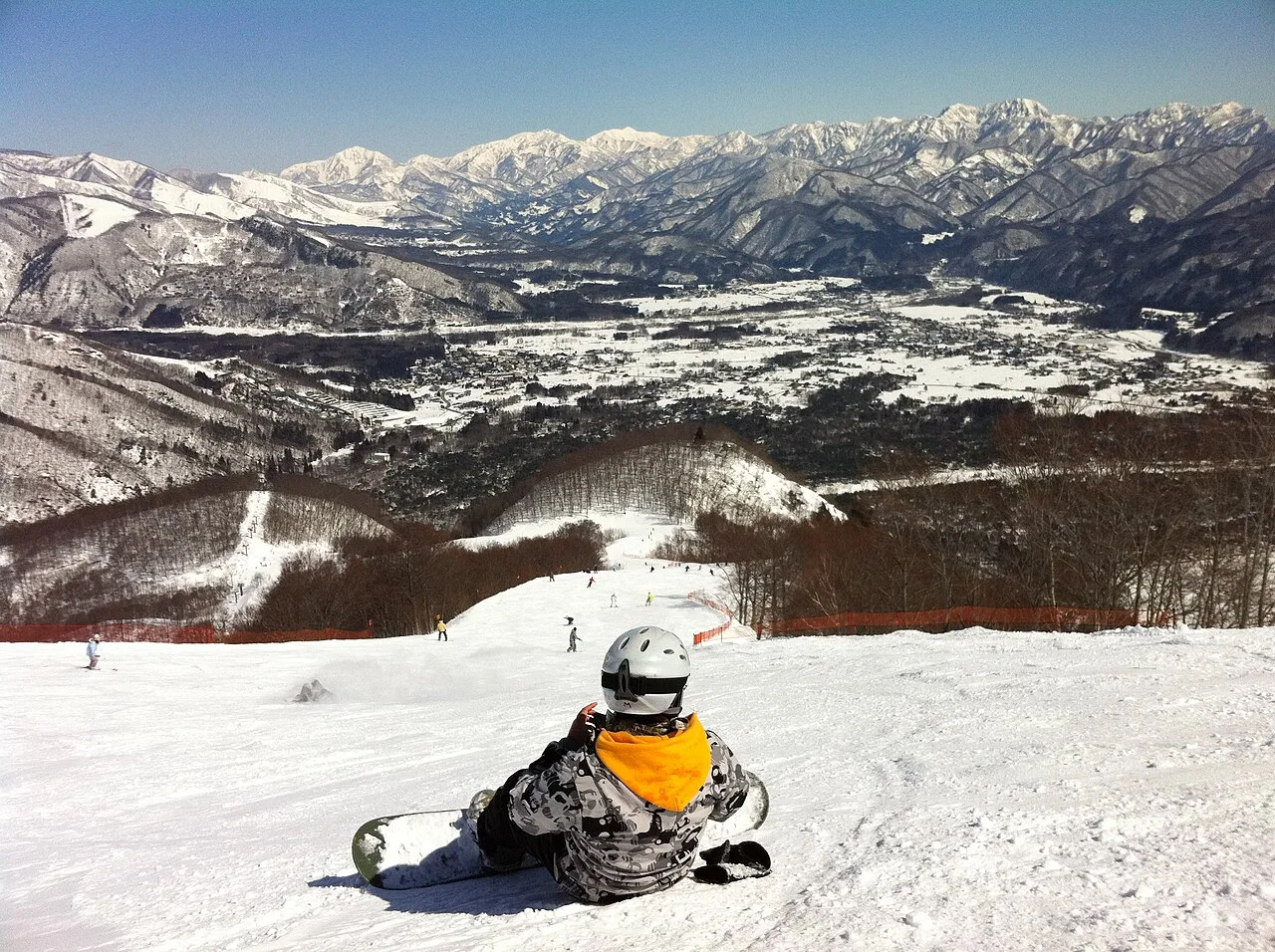
The 2026/27 Hakuba Valley All-Mountain Day Pass covers all ten resorts through common ticket gates. The published one-day price is ¥11,100 for an adult and ¥6,400 for a child; an individual-resort ticket may still be better value when skiing only one mountain.
Rent close to the day's starting lift so equipment changes do not require another shuttle journey. Standard all-mountain skis suit groomed and mixed days; reserve wider powder skis after checking the forecast, and request properly fitted boots and a helmet.
Plan it well: Buy the valley pass for genuine resort-changing days, not simply because it covers more terrain.
Hakuba Valley 2026/27 lift ticketsRespect tree-zone and backcountry boundaries
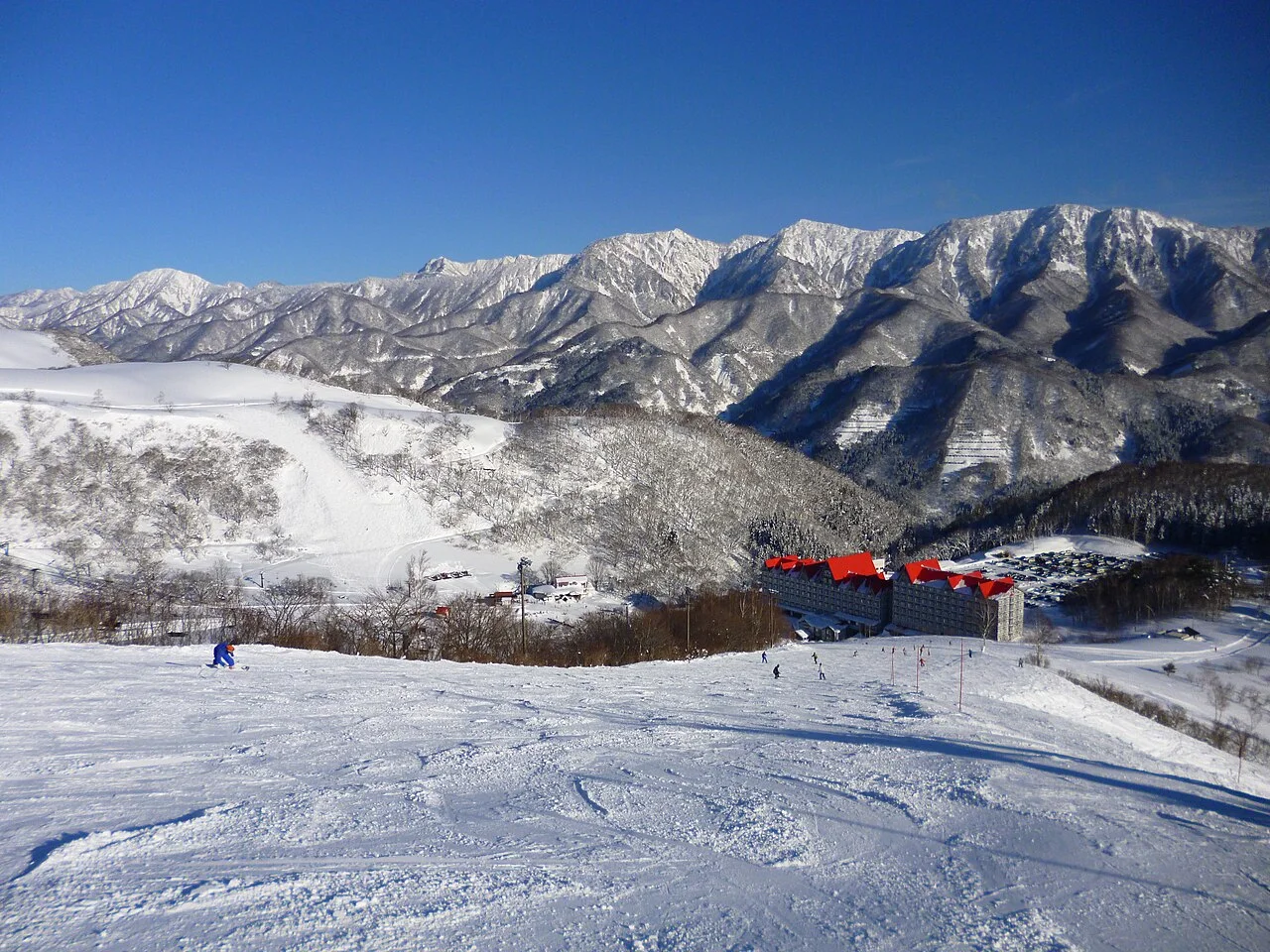
Designated in-resort tree zones are not permission to leave the resort. Hakuba47 requires registration for its tree areas, while Tsugaike's DBD area requires a safety orientation; their access rules and opening status can change with patrol decisions.
Official backcountry gates exist at Goryu, Happo-One, Tsugaike, Norikura and Cortina. Backcountry access from Jigatake, Kashimayari, Sanosaka, Hakuba47 and Iwatake is prohibited, and terrain even one metre beyond a boundary is uncontrolled.
Plan it well: Use a qualified guide unless everyone can assess avalanche terrain and operate a transceiver, shovel and probe.
Hakuba Valley safety and backcountry rulesUse shuttles selectively and choose the right base
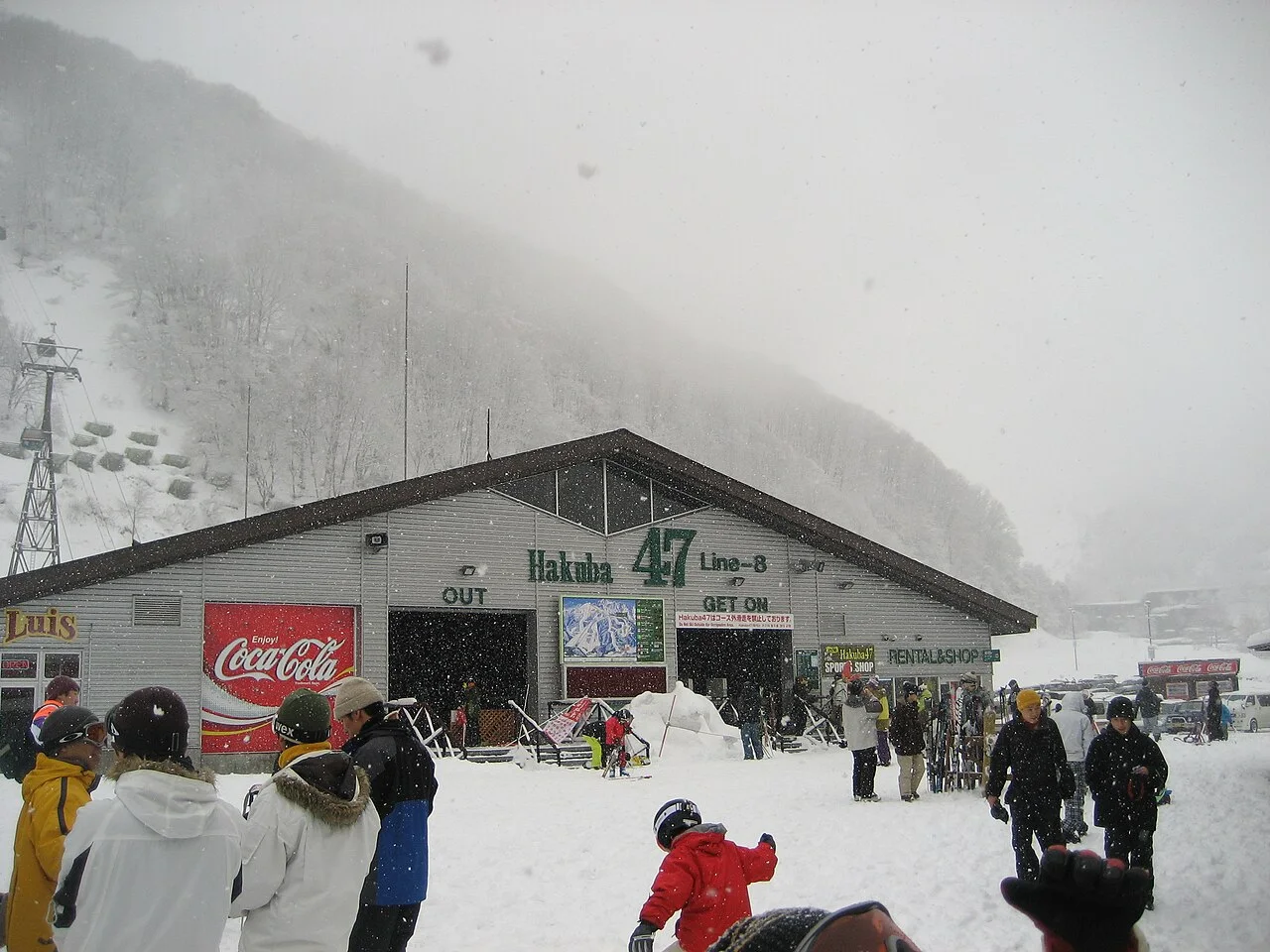
The valley shuttle reaches all ten resorts, but buses can fill, especially on final afternoon departures. All-Mountain passholders receive free travel on qualifying ski days; routes, activation rules and the full 2026/27 timetable must be checked before travel.
Choose Happo or Wadano for Happo-One, Kamishiro for Goryu and Hakuba47, and Tsugaike or northern Otari for Tsugaike, Norikura and Cortina. Echoland is central with shuttle access, but it is not a ski-in, ski-out substitute for staying beside the intended mountain.
Plan it well: Treat the shuttle as useful flexibility, not as the foundation of every ski day.
Hakuba Valley shuttle busesCheck each resort's snow and operating status
Hakuba's individual resorts open and close on different dates. Happo announced a Panorama-only pre-opening for 21 November 2026 and a grand opening for 22 November, with its lower mountain closed and gondola downloading required; operations remained conditional on snow and weather.
Later in winter, wind, visibility, avalanche control and snowfall can still produce different lift status at neighbouring resorts. Check the target resort's lift map that morning rather than treating a valley-wide snowfall figure as evidence that a planned course is open.
Plan it well: Confirm the open descent back to base before boarding the first gondola.
Happo-One 2026/27 opening announcement