
Hiroshima city guide
10 things to do in Hiroshima
Give Hiroshima's peace sites time and attention, then balance museums, gardens and food with an explicitly separate Miyajima island day trip.
Plan your visit
Hiroshima deserves a plan with space for reflection as well as sightseeing. The Peace Memorial Museum, Dome and park are related but different visits, and it helps to leave an unhurried interval around them. Gardens, art and food offer another way to understand the city. The final two places in this guide are on Miyajima in Hatsukaichi, reached as a separate island day trip; they are not downtown Hiroshima. These suggestions describe editorial routes, not included transport, guaranteed openings or a single afternoon checklist.
Give the Peace Memorial Museum time
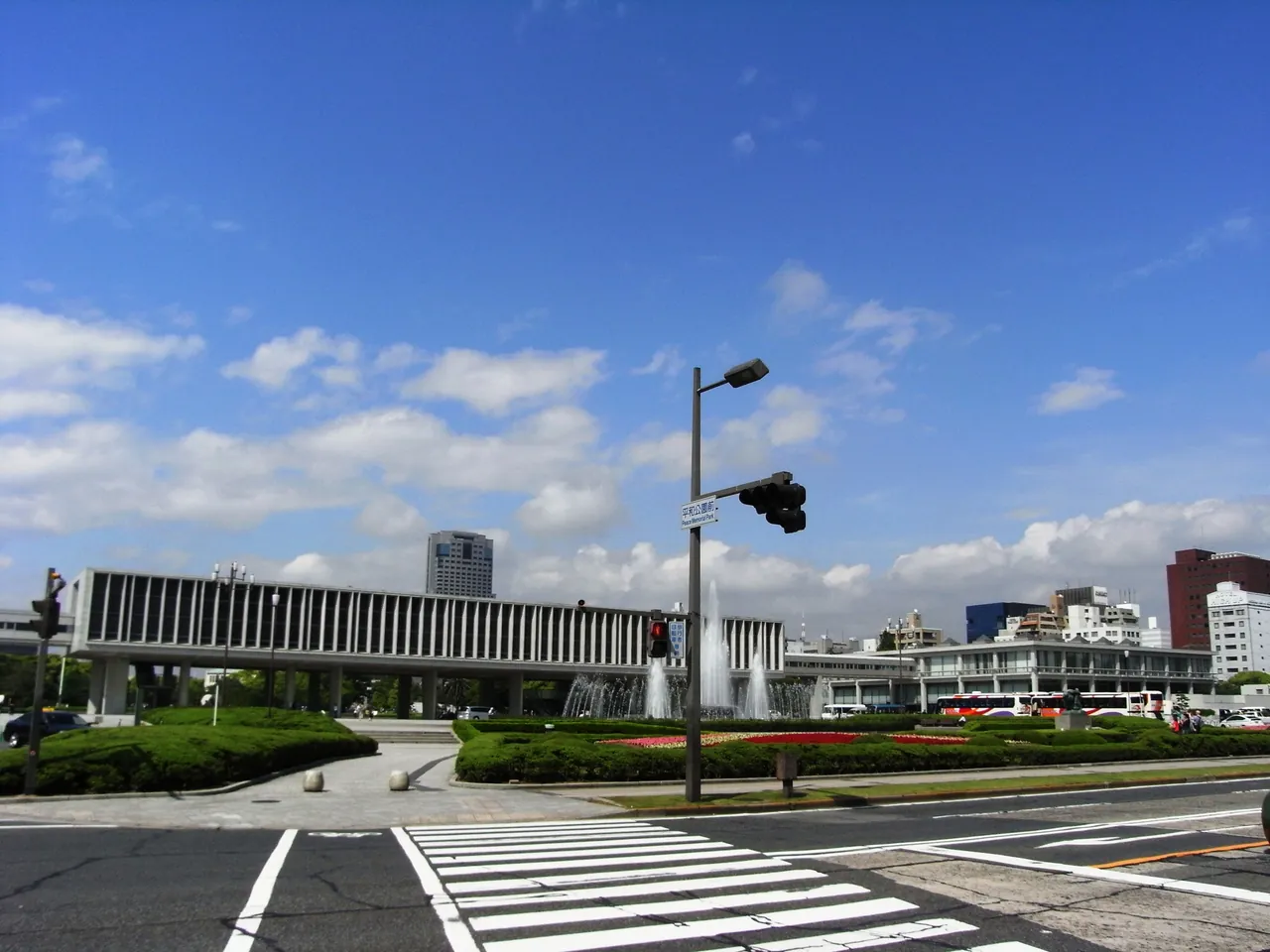
The Hiroshima Peace Memorial Museum provides human context for the atomic bombing through objects, testimony and accounts of lives changed by it. It is a serious museum visit rather than a brief introduction to a photo stop outside. Read a selection of displays carefully and allow yourself to pause. Visitors respond differently to the material, so a good plan gives each person enough space instead of expecting the group to move through every room at the same pace.
Consult the official visitor information for the current admission process before travelling, including any advance ticket arrangements. Discuss the nature of the exhibition before visiting with children and keep the following part of your day adjustable. A walk in the surrounding park can help create that interval, while lunch or a quieter garden is preferable to an immediate race towards another large collection. The museum and outdoor memorials are distinct experiences, even though they share the same area.
Plan it well: Keep the next appointment flexible so you can spend longer or take a quiet break if needed.
Hiroshima tourism official Peace Memorial Museum visitor informationView the Atomic Bomb Dome from the riverside
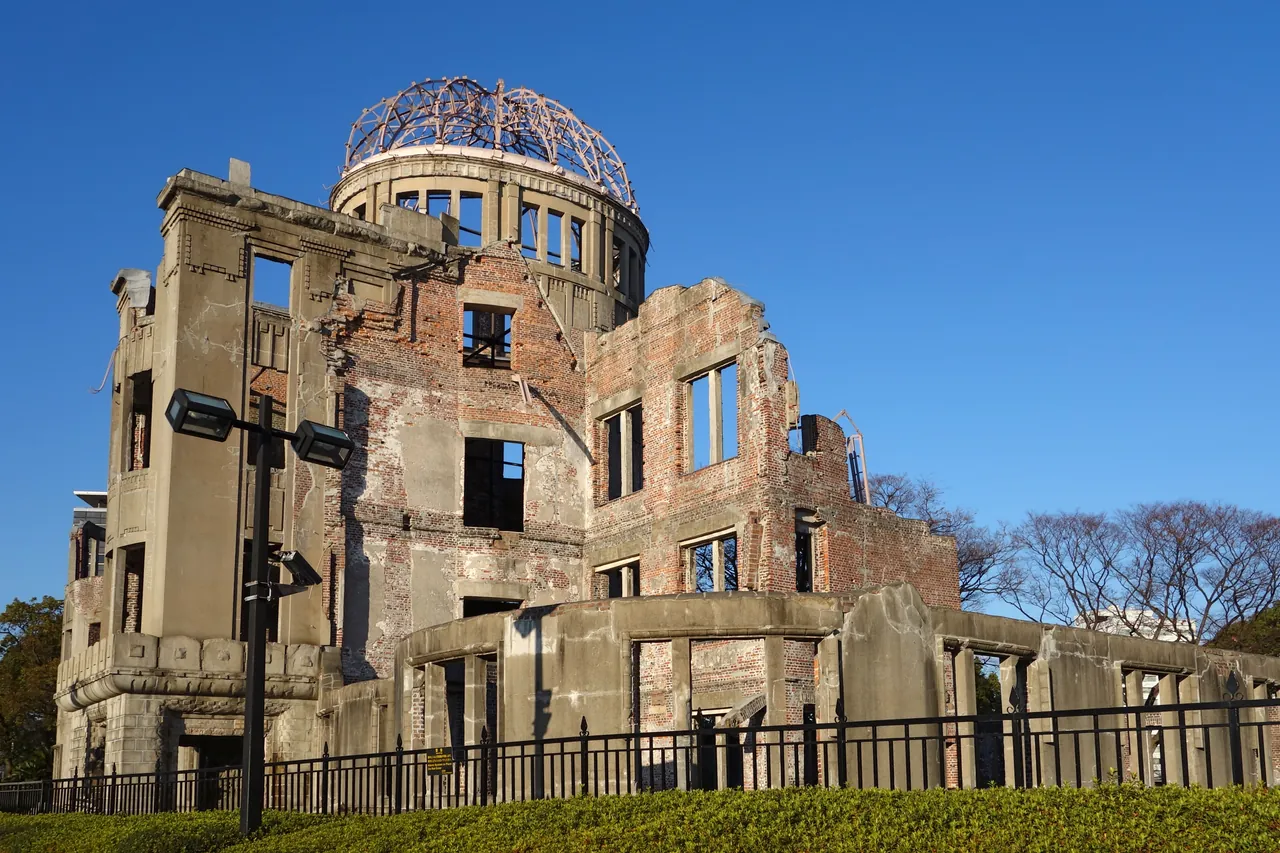
The Atomic Bomb Dome preserves the remains of the former Hiroshima Prefectural Industrial Promotion Hall. Its damaged walls and exposed framework have become an enduring memorial, but seeing it after reading the surrounding information gives the ruin more meaning than taking a photograph alone. Walk the permitted exterior paths, notice its position beside the river and leave room for other visitors to stop. The building is a preserved structure, not an interior attraction to enter.
Pair the Dome with the Peace Memorial Museum or park while keeping each stop distinct in your plan. The outdoor view can be brief, yet the subject deserves attention rather than being treated as a backdrop for playful poses. Follow signs and barriers, and photograph from public space without leaning into protected areas. A riverside pause afterwards gives you time to absorb what you have seen before continuing to another part of the city.
Plan it well: Respect the preservation barriers and the memorial setting when choosing where and how to photograph.
Japan National Tourism Organization Atomic Bomb DomeWalk between the memorials in Peace Memorial Park
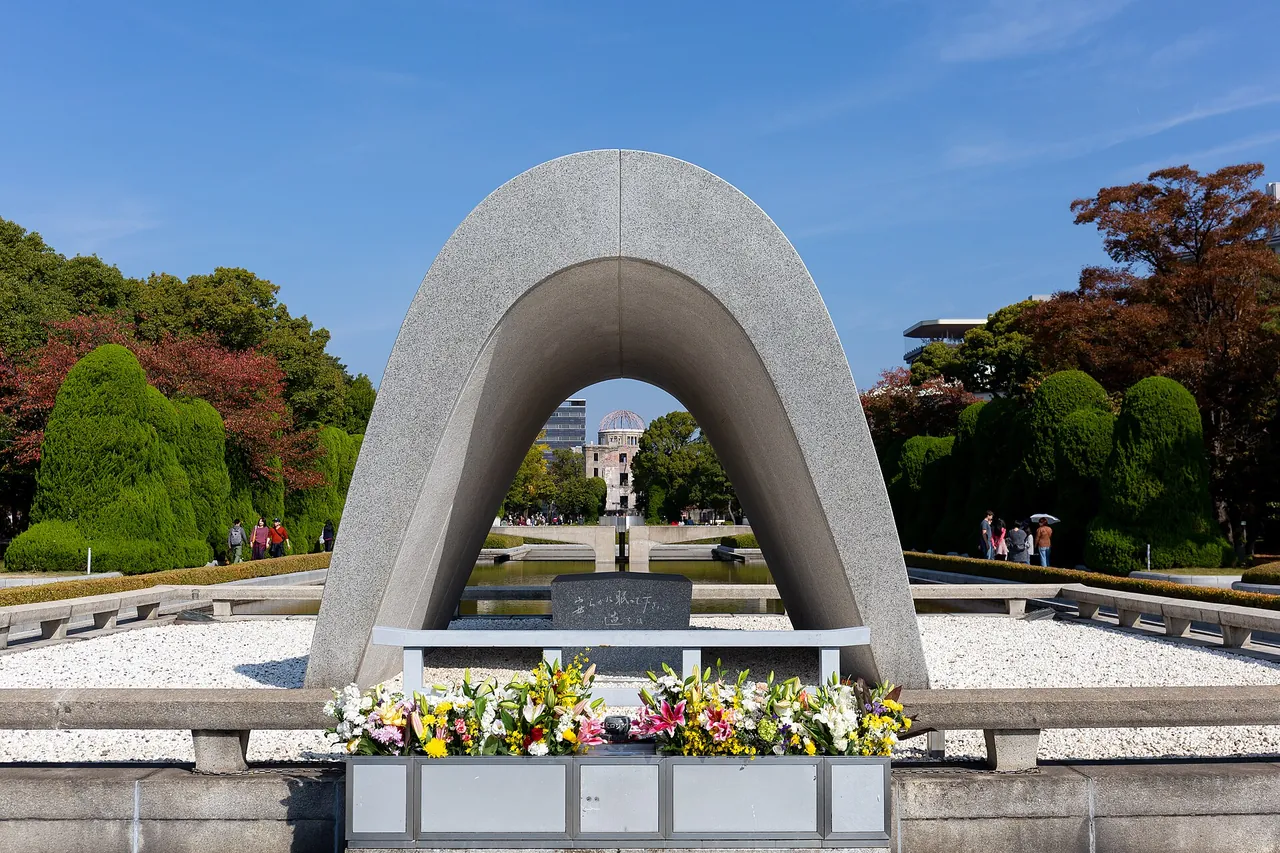
Peace Memorial Park brings together separate places of remembrance rather than one interchangeable monument. Use the park map to locate the Memorial Cenotaph, the Peace Bell and other memorials that interest you, then read their explanations. The open space, trees and water provide a setting for reflection between them. Avoid turning the walk into a competition to find every marker; a few understood memorials can make a more meaningful visit than a hurried circuit.
The park also helps you connect the museum and the Dome geographically without confusing their different purposes or admission arrangements. Keep conversations considerate around ceremonies and people paying respects, and give groups room to gather without pushing through for a photograph. Weather still affects the outdoor walk, so carry what you need for heat or rain. Leave a flexible interval after the museum instead of assuming the lawns automatically make its difficult subject a light sightseeing break.
Plan it well: Read a memorial's inscription before taking its photograph, and keep any ceremony or remembrance gathering clear.
Hiroshima tourism official Peace Memorial Park informationSlow down around Shukkeien's pond
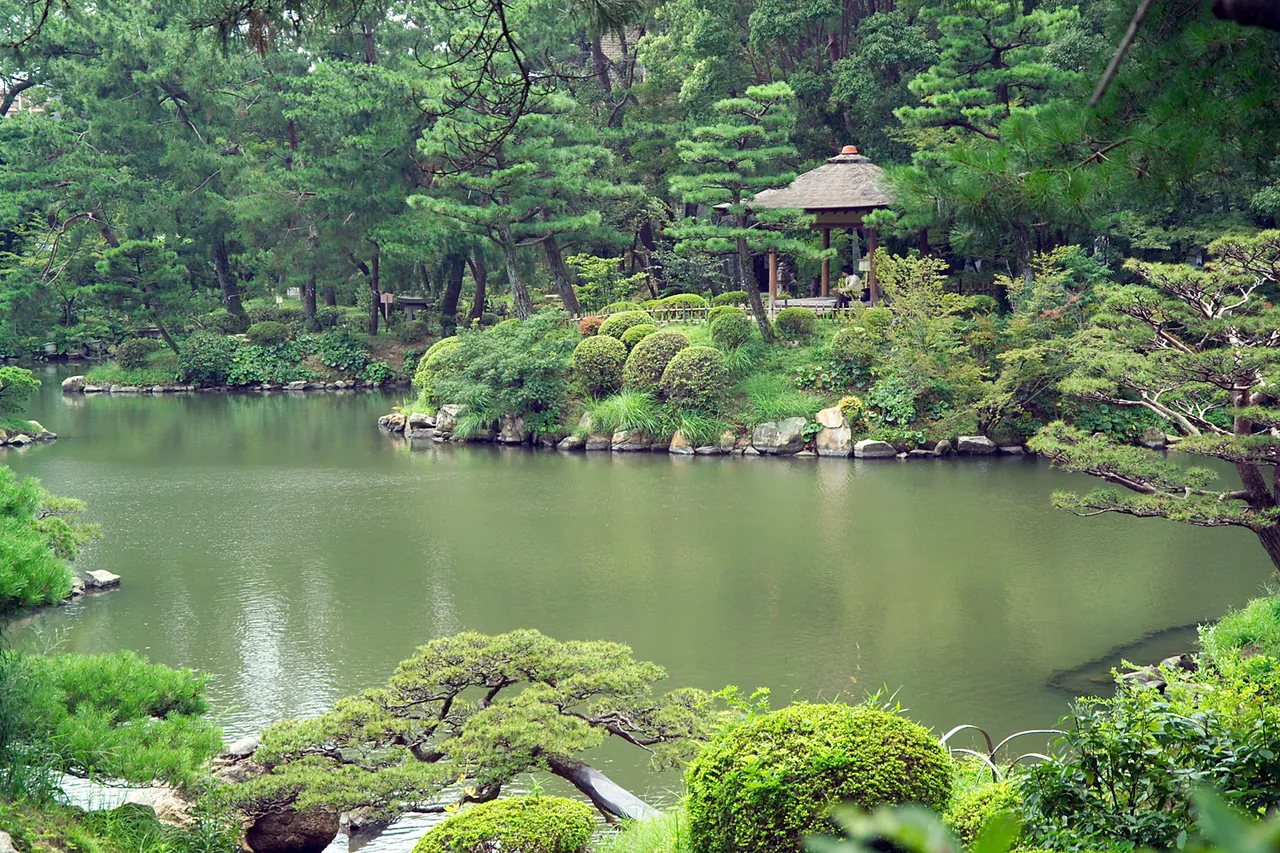
Shukkeien offers a deliberately composed landscape within the city, with water, bridges and planting arranged around a central pond. The garden dates to the early seventeenth century, but its value on a present-day visit is also simple: it asks you to slow your walking and notice changes of viewpoint. Choose a short loop from the garden map and pause beside the water rather than treating every bridge as a target to reach as quickly as possible.
Seasonal planting and weather change the experience, so an image of blossom or autumn leaves should not decide your expectations for another month. Check the garden's current visitor notices, take care on uneven or wet paths and choose shoes suited to outdoor walking. The adjacent Hiroshima Prefectural Art Museum is a separate institution with separate arrangements; it is also different from the Hiroshima Museum of Art listed below. A garden visit can stand on its own without adding both collections.
Plan it well: Use the official garden map to choose a comfortable loop rather than assuming every bridge and path is step-free.
Shukkeien official garden information and visitor mapSee Hiroshima Castle's exterior and grounds
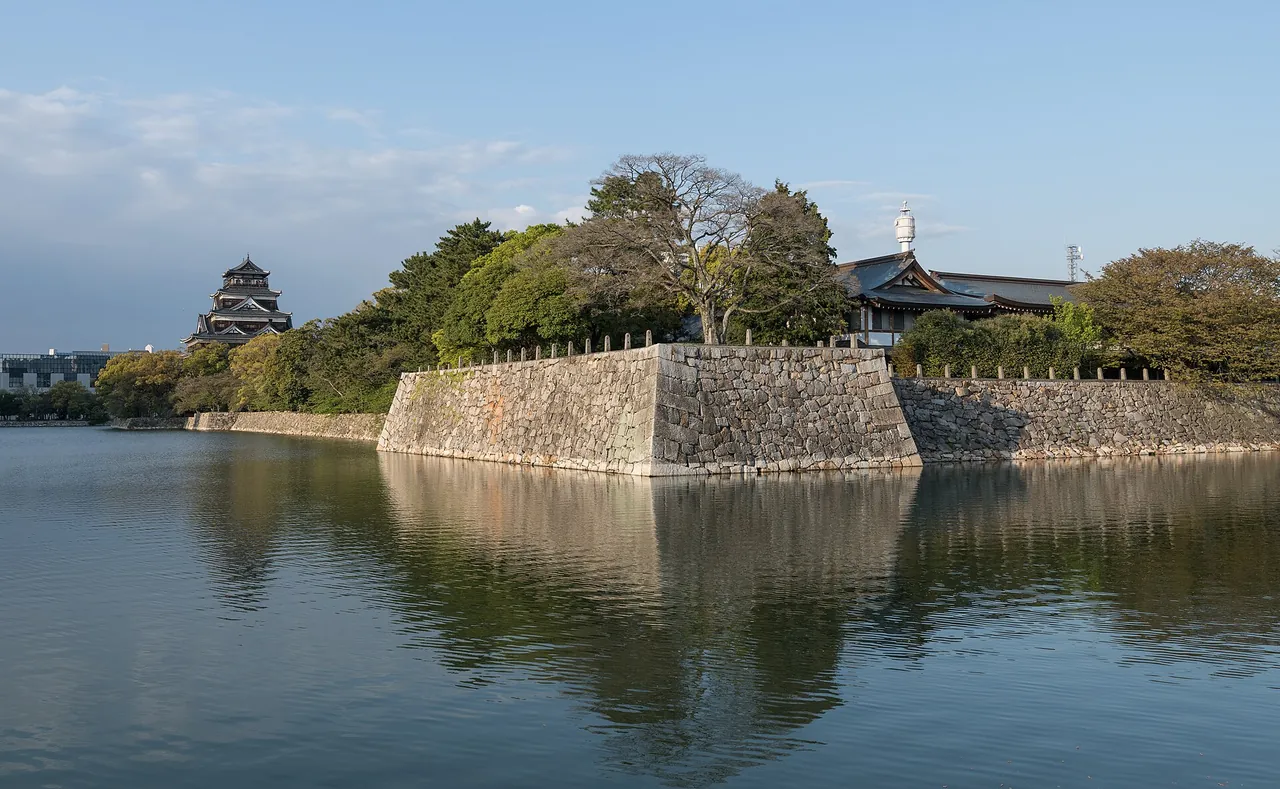
Hiroshima Castle remains a recognisable landmark within its moat and grounds, but the keep closed to visitors on 22 March 2026. This guide therefore suggests an exterior and grounds visit, not an ascent or an open museum inside the tower. Look at the building across the water and use the current site information to understand which other areas can be visited. The photograph records the exterior; it does not demonstrate that the interior is available today.
The operator's closure notice distinguishes the keep from continuing facilities in the Ninomaru and Sannomaru areas. Confirm the particular building or exhibition you want before setting out, since a closed tower does not establish the schedule of every nearby space. Pair the castle landscape with central Hiroshima or the Museum of Art if its calendar suits. Avoid reserving a tight sequence around an imagined tower tour, and leave time to appreciate the setting from the public routes that are actually open.
Plan it well: Check the official closure notice and current grounds information; do not rely on older descriptions of a tower museum visit.
Hiroshima Castle official keep closure notice, 23 March 2026Choose an exhibition at Hiroshima Museum of Art
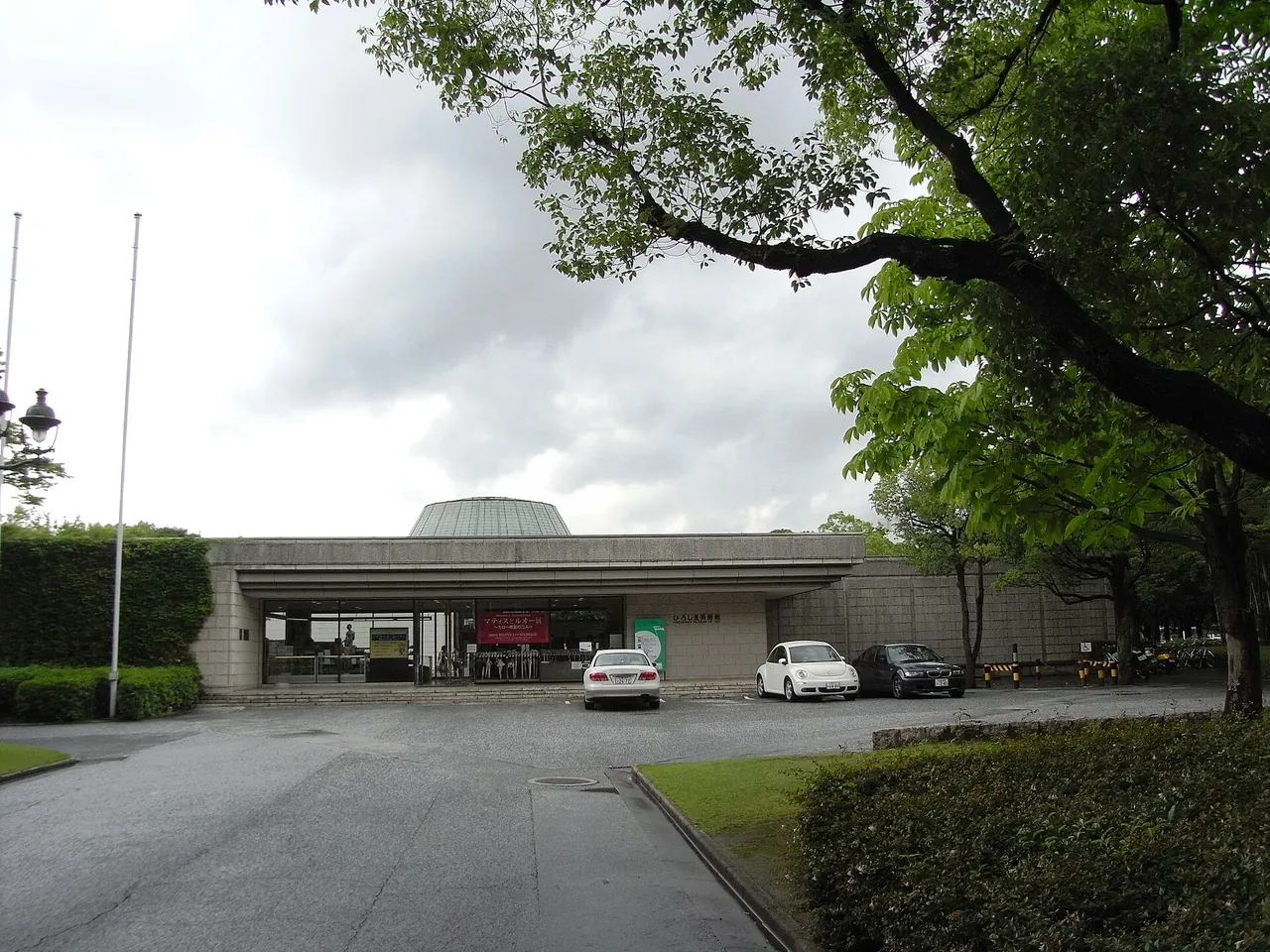
The Hiroshima Museum of Art offers a focused indoor visit in central Motomachi. Look at the current exhibition programme and decide what draws you to the collection before arriving, rather than choosing a museum solely because rain begins. Give a few works enough time to become memorable and use the gallery labels to understand their context. A modest, attentive visit is more useful than trying to look at every painting with one eye on the next sightseeing appointment.
Displays and special exhibitions change, and the museum can close during exhibition changeovers. Verify the calendar and ticket arrangements for your dates; a work shown on the website is not a guarantee that it will be displayed when you arrive. This is the Hiroshima Museum of Art near the castle, distinct from the Hiroshima Prefectural Art Museum beside Shukkeien. Check the exact name and address when planning the journey so that a museum recommendation does not send you to another institution.
Plan it well: Choose the exhibition first and verify the institution's exact name before checking transport.
Hiroshima Museum of Art official exhibitions and visitor informationMake time for the hillside paths at Mitaki-dera
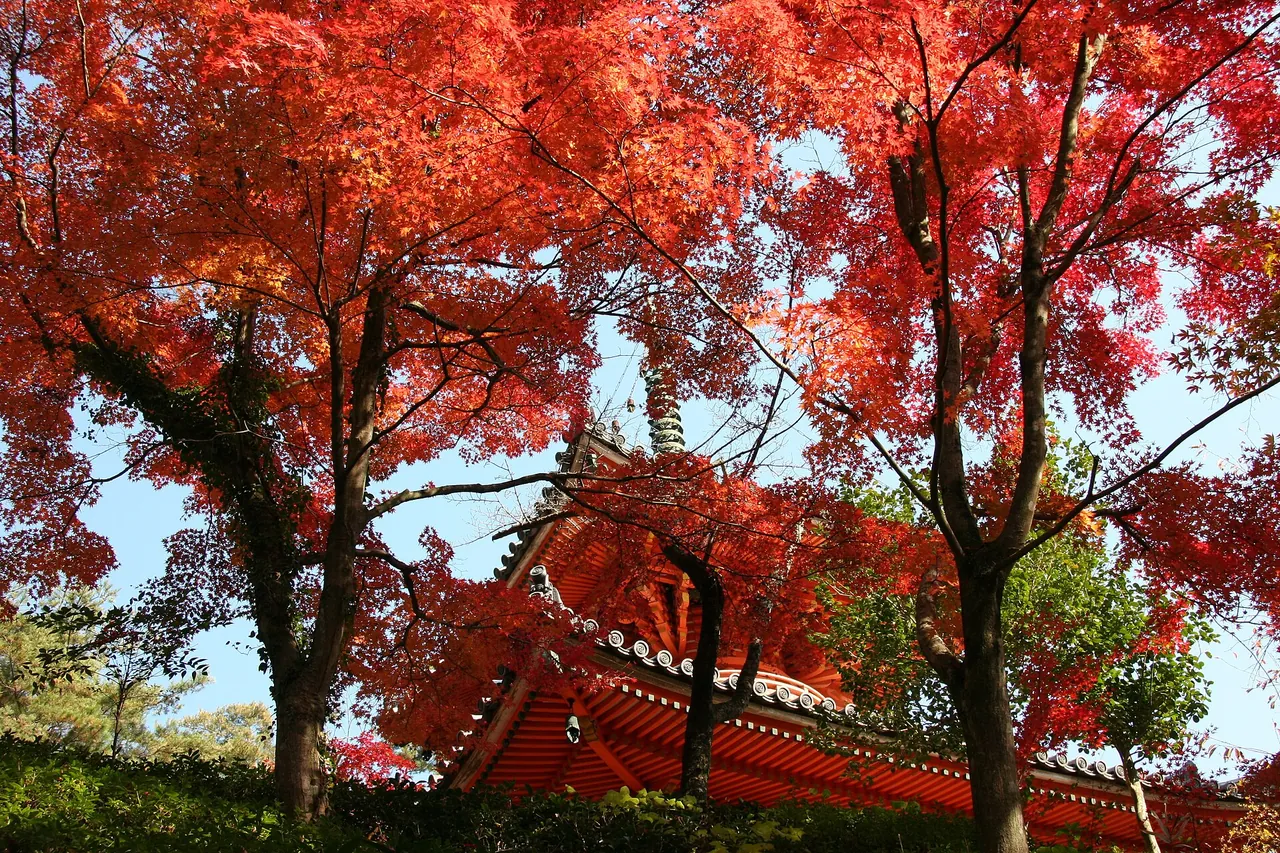
Mitaki-dera changes the scale of a Hiroshima day from central streets to a wooded hillside temple setting. Its waterfalls, stone figures and pagoda give the approach several reasons to pause, but this remains an active Buddhist place rather than a landscaped amusement trail. Stay on permitted paths, respect people worshipping and keep photographs away from restricted interiors. Let the setting determine a slower visit instead of trying to convert it into another quick city-centre stop.
The journey and uphill walking need their own place in your plan. Check the transport approach, wear shoes with useful grip and consider whether steps or uneven ground suit everyone in your group. Wet weather can change how comfortable the paths feel, and a city map pin does not certify an accessible route. Mitaki works as a separate outing when you have time and energy; leave it optional on a day already devoted to the museum and memorials.
Plan it well: Check the uphill approach before choosing this visit for anyone who needs a flat or step-free route.
Hiroshima tourism official Mitaki-dera informationWatch a Hiroshima-style meal at Okonomi-mura
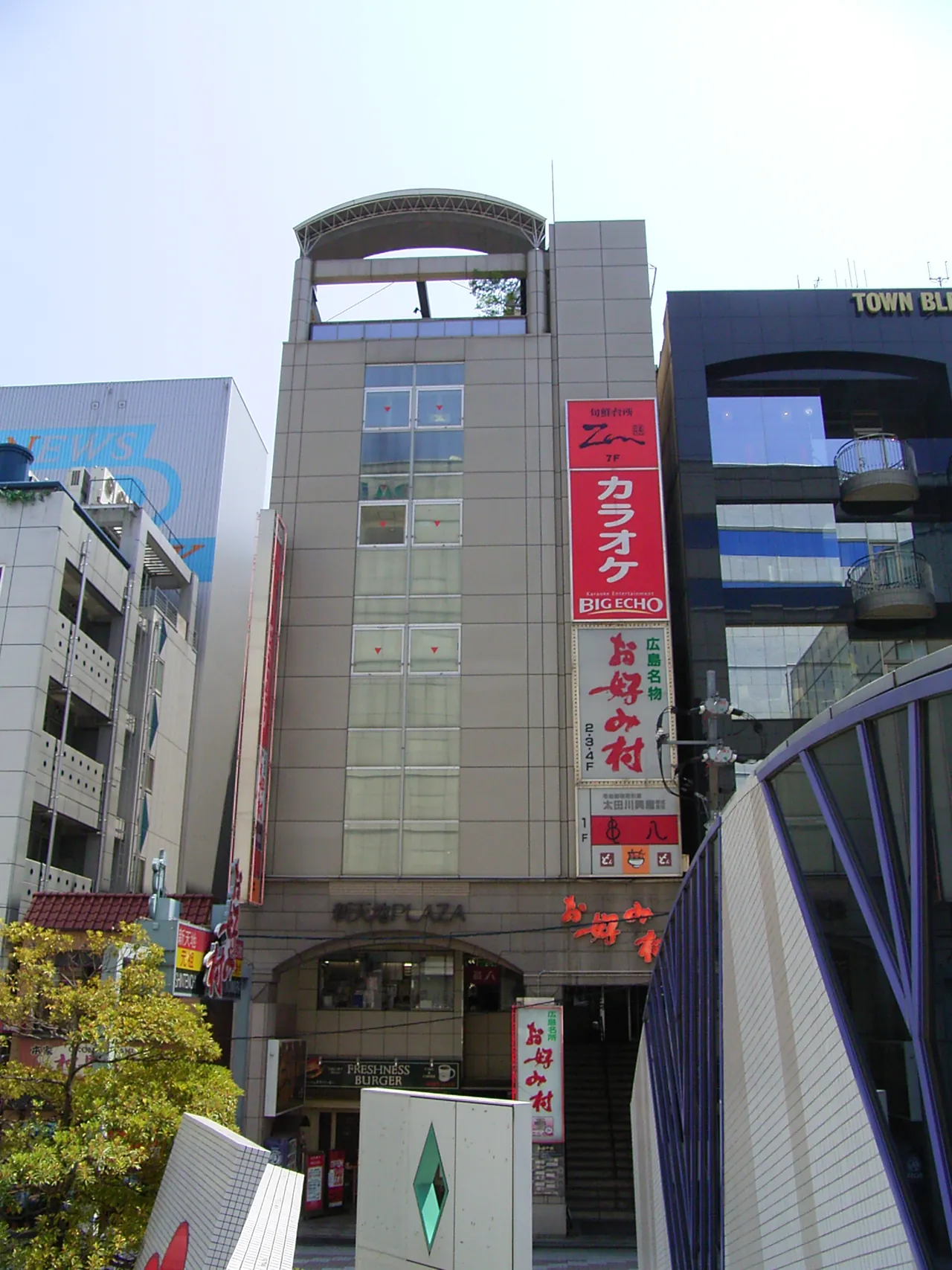
Okonomi-mura gathers individual restaurants around Hiroshima-style okonomiyaki, giving a meal a clear local focus. At a counter you can see ingredients being assembled and cooked, rather than treating the dish as an anonymous snack to eat while moving on. Look at the menus and choose a restaurant that suits your group. The building's shared name does not mean every counter offers an identical menu, service style or opening schedule.
Ask about ingredients and preparation before ordering if you have allergies or dietary requirements. A familiar dish name is not enough to establish what a particular cook uses or whether substitutions are possible. Allow for a queue, keep luggage clear of narrow seating and take photographs only where the restaurant agrees. Make this your actual lunch or dinner stop instead of adding a hurried tasting between two booked attractions; watching the cooking and sitting down are part of its appeal.
Plan it well: Confirm dietary needs with the restaurant you choose rather than relying on a general description of the building.
Hiroshima tourism official Okonomi-mura informationTake an island day for Itsukushima Shrine
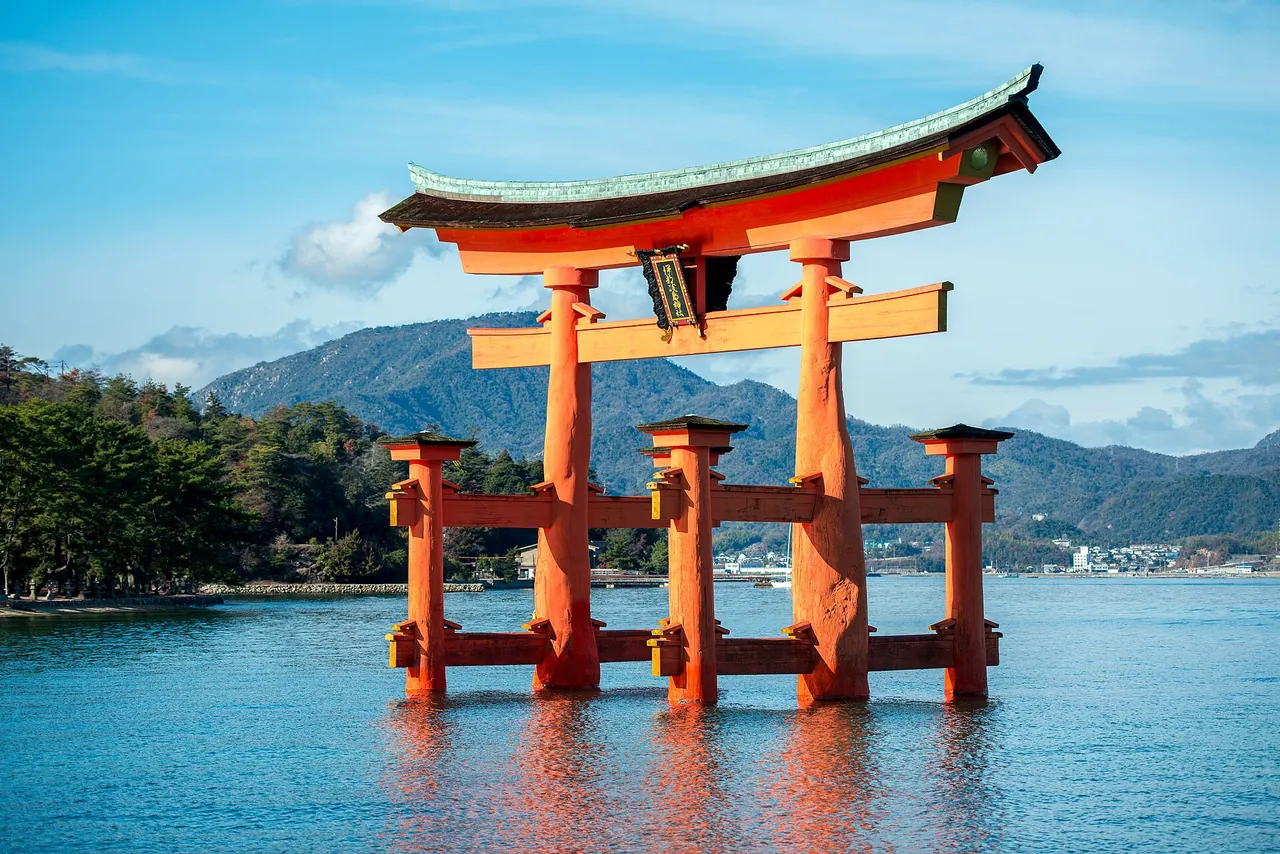
Itsukushima Shrine belongs to Miyajima, an island in Hatsukaichi, and should be planned as a separate trip from Hiroshima's downtown memorials. The waterfront shrine and offshore torii are shaped by the relationship between buildings, sea and shore. Follow the shrine's permitted visitor route and give the architecture attention as well as the famous gate. This is a sacred site with its own admission and conduct rules, not simply a public waterfront photo platform.
The tide changes the scene around the torii, so choose your expectations using current tide information rather than one photograph. Verify the train or other mainland connection, ferry departure and return journey before committing to additional island stops. None of that transport is included merely because the shrine appears in a city guide. Allow a proper day or generous half-day, and keep time for a meal and an unhurried return instead of treating Miyajima as a short walk from central Hiroshima.
Plan it well: Check the tide and return ferry arrangements separately from shrine admission.
Miyajima Tourist Association Itsukushima Shrine informationVisit Daisho-in on your Miyajima day
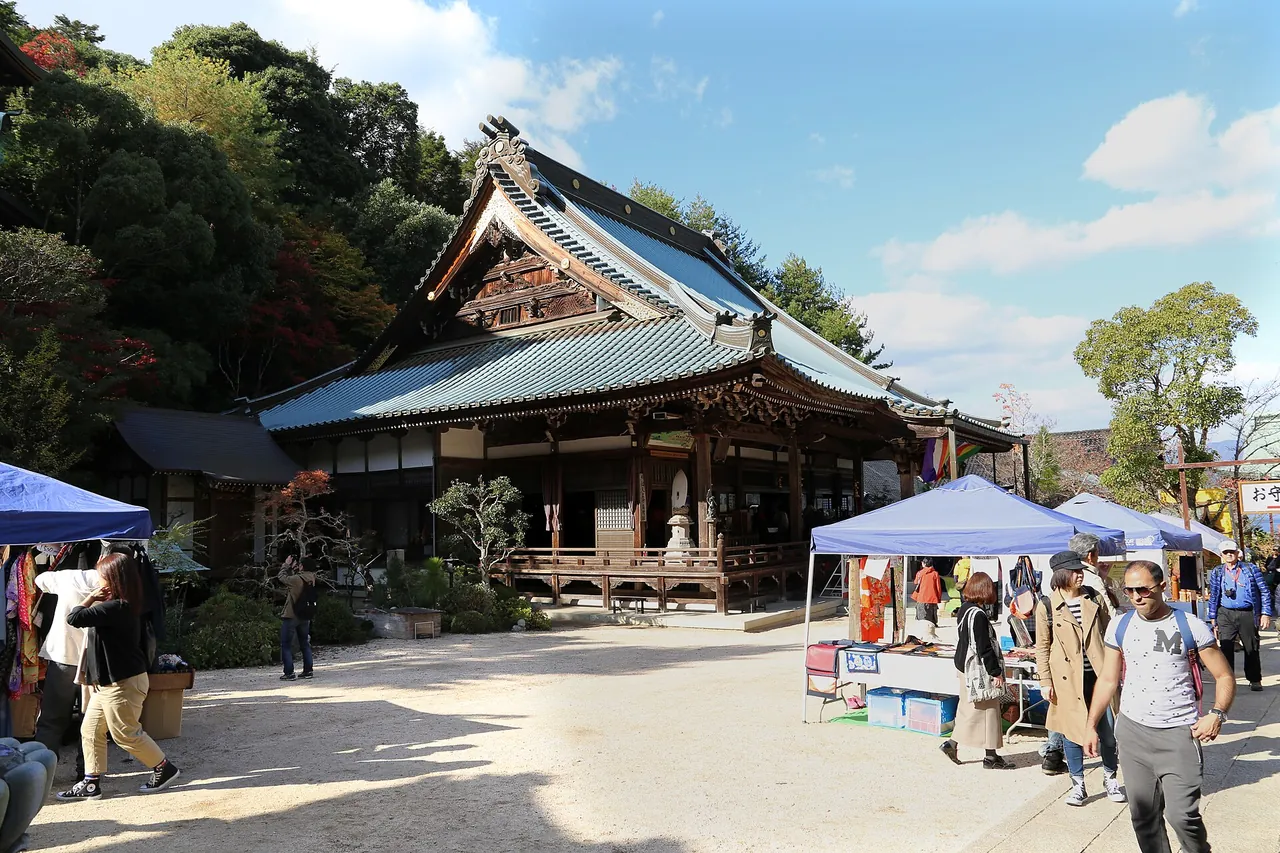
Daisho-in offers a Buddhist temple visit on Miyajima, distinct from the Shinto setting of Itsukushima Shrine. Its halls, religious figures and hillside surroundings reward looking carefully rather than collecting a second landmark name. The Miyajima tourism association describes the temple's long connections with the island and imperial history. Use that context to notice differences between the sacred places while following current instructions on worship, photography and visitor access.
The approach involves walking uphill and steps, so leave enough energy after the waterfront visit and consider the needs of everyone in your group. Choose a manageable circuit within the temple rather than assuming the map marker starts a simple, flat route. Daisho-in can form the main companion to Itsukushima on an island day; there is no need to add an unverified mountain ascent to make the journey worthwhile. Check current island access notices and leave a comfortable margin for the ferry home.
Plan it well: Keep the temple walk separate from any Mount Misen plan; check access and transport before adding a longer climb.
Miyajima Tourist Association Daisho-in Temple informationSeparate a Hiroshima city day from a Miyajima island day
Day one: remembrance and central Hiroshima
Give the Peace Memorial Museum your main attention, then walk the park and view the Dome from outside. Leave lunch and the following hours adjustable. Choose Shukkeien or the Museum of Art if you want another visit and its calendar suits; use Okonomi-mura as a considered meal stop. The castle's closed keep is not an interior option.
Day two: Miyajima, if you want an island trip
Verify mainland transport, ferries and tides, then visit Itsukushima Shrine and choose Daisho-in as a companion if the uphill approach suits your group. Leave time for lunch and the return journey. A city-only alternative is Shukkeien, central art and the castle exterior; Mitaki-dera needs its own transport and walking allowance.
Before you go
Check central-city and island journeys separately
Confirm the station connection and last part of the journey to each city stop. For Miyajima, also check ferry routes and the return timetable. A city transport plan does not automatically cover an island day.
Hiroshima tourism official Peace Memorial Park accessRead current venue notices
The castle keep is closed as of this review, museums can change exhibitions, and island access notices can affect longer walks. Verify the particular interior or route that matters to you, rather than trusting an older sightseeing checklist.
Hiroshima Castle current official noticeAllow different reactions to remembrance sites
Give companions time to pause and discuss the museum visit. Keep the next activity flexible, and choose considerate behaviour around ceremonies, inscriptions and people paying respects.
Choose between a city transport base and an island stay
For a Hiroshima city stay, compare access from the main railway station with a more central base near the outings and meals you will repeat. Check the actual stop, station exit and walk to each hotel, particularly with luggage. A Miyajima island stay is a different destination decision with ferry logistics; this guide's Hiroshima hotel search does not substitute for choosing island accommodation. Compare room details and connections without assuming any museum, shrine ticket or ferry journey is included.
Explore Hiroshima hotels