
Kanazawa city guide
10 things to do in Kanazawa
Explore Kanazawa through gardens, castle walls, historic teahouses and art, with ten photographed places and a flexible two-day plan for a first visit.
Plan your visit
Kanazawa rewards a plan that leaves space between its gardens, historic neighbourhoods and collections. Begin with a part of the city, choose one substantial interior visit, and let the surrounding streets complete the day. These ten photographed places cover different aspects of the castle town and its cultural life. The two-day suggestions are flexible groupings, not a timed route or a requirement to visit every museum.
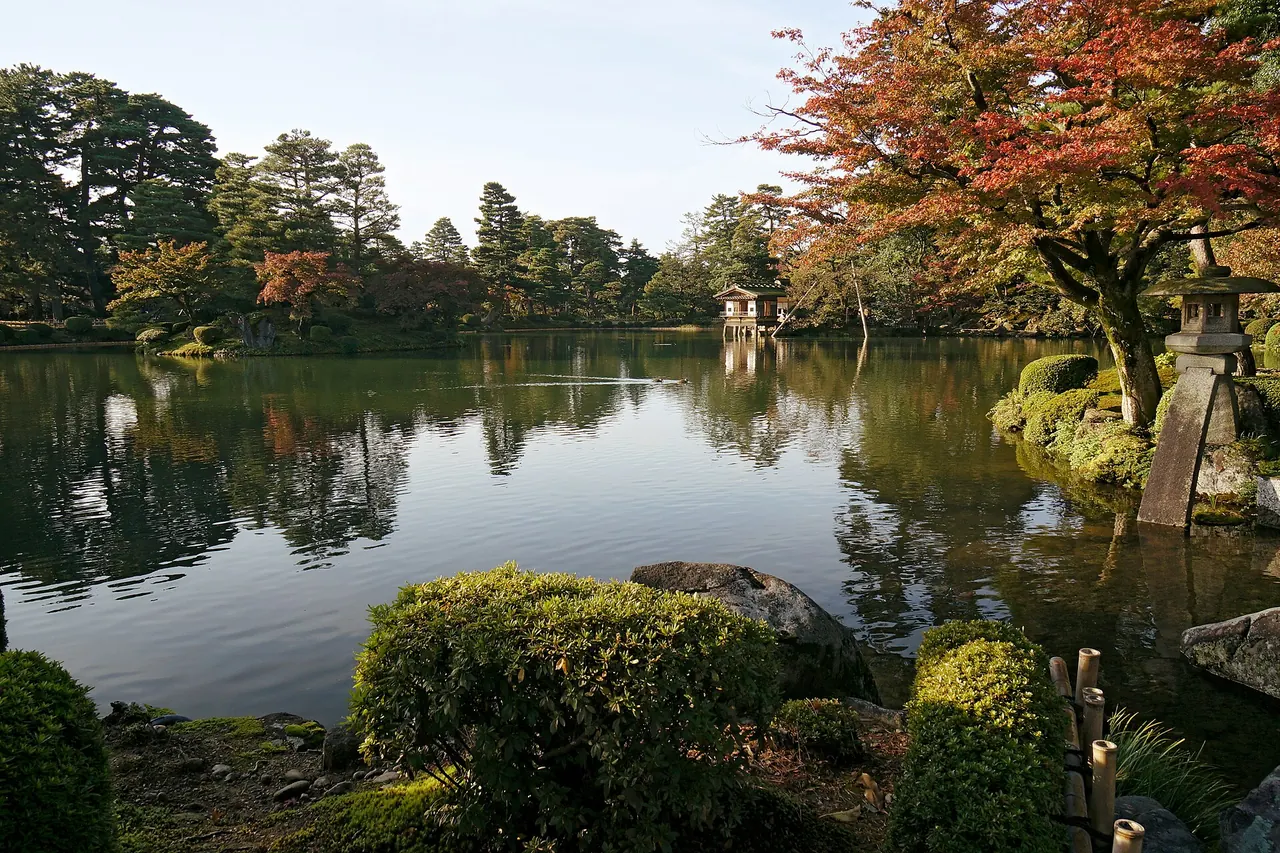
Begin with the changing views of Kenrokuen
Kenrokuen is a garden to discover by moving through it, rather than by heading straight for its best-known photograph. Ponds, stone lanterns, bridges and carefully shaped trees create changing views along the paths. The garden developed under the Maeda family, whose neighbouring castle helps explain the scale of the undertaking. Choose a few features to look at closely and let the rest of the walk connect them.
Pair the garden with the castle grounds, but leave enough energy for uneven paths and weather. Seasonal flowers, autumn colour and the winter tree supports give different visits different characters; none is guaranteed on a particular day. Check the management site's current entrance and access arrangements before choosing your approach. Seisonkaku is a separate interior visit, so include it deliberately rather than assuming every nearby building belongs to the garden ticket.
Plan it well: Choose a convenient garden entrance after checking the official site; the map point identifies the garden, not a step-free gate.
Japan National Tourism Organization: Kenrokuen GardenRead Kanazawa Castle through its walls and timber
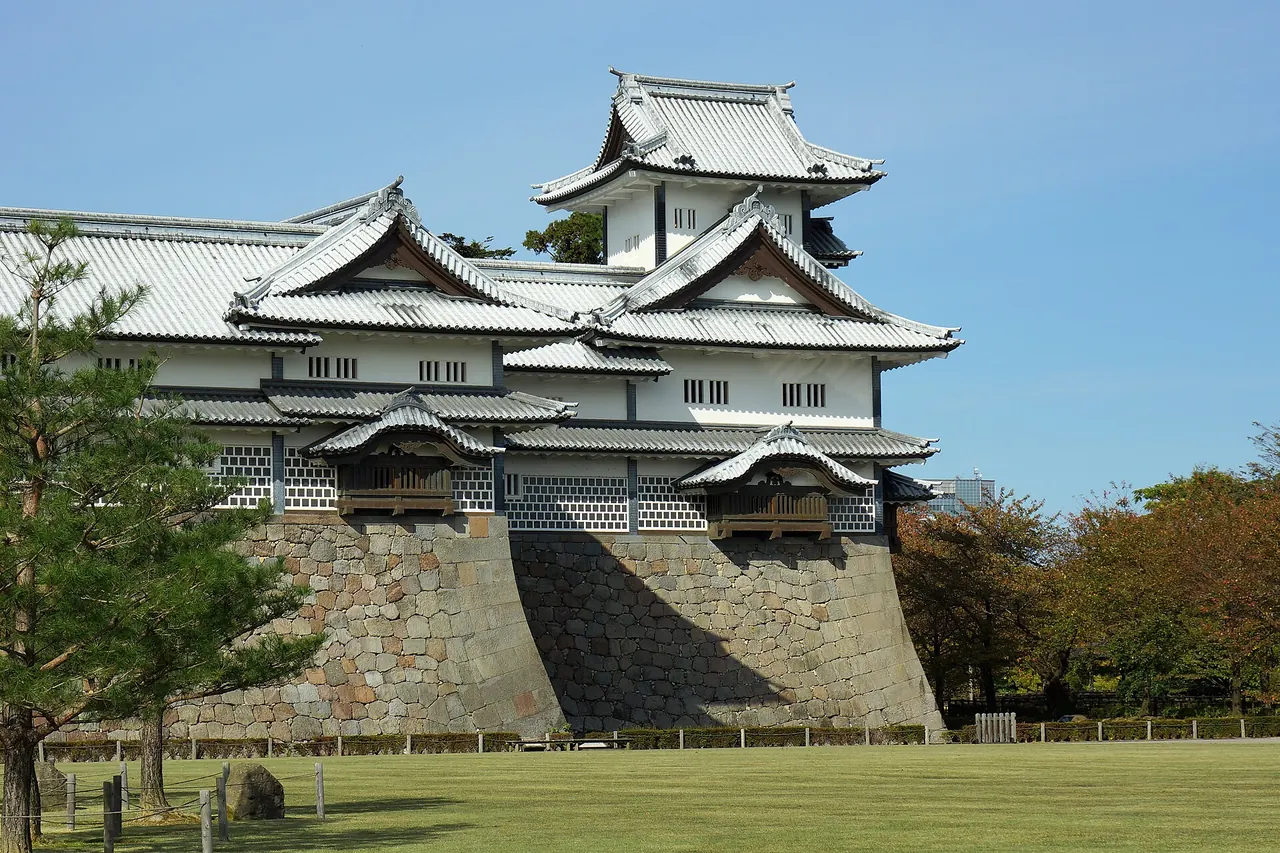
Kanazawa Castle gives the city a political centre as well as a striking skyline of white walls. Start by noticing the stonework, gates and broad spaces between buildings. Some historic structures survive, while other parts have been carefully reconstructed, so the experience is more revealing when you distinguish the original fabric from the work explaining how the castle was built. It complements Kenrokuen without repeating the garden's quieter focus.
The park grounds and the interiors of particular reconstructed buildings have different admission arrangements. Use the prefectural management guide to decide which you want, and check access before relying on a short route across the site. A visit focused on timber construction deserves more attention than a quick exterior photograph. Keep the castle and garden together geographically, then choose one museum afterwards rather than filling every remaining hour with another indoor stop.
Plan it well: Grounds access does not automatically include every castle building or exhibition.
Ishikawa Prefecture: Kanazawa Castle and Kenrokuen visitor guidanceLook beyond the main photograph in Higashi Chaya
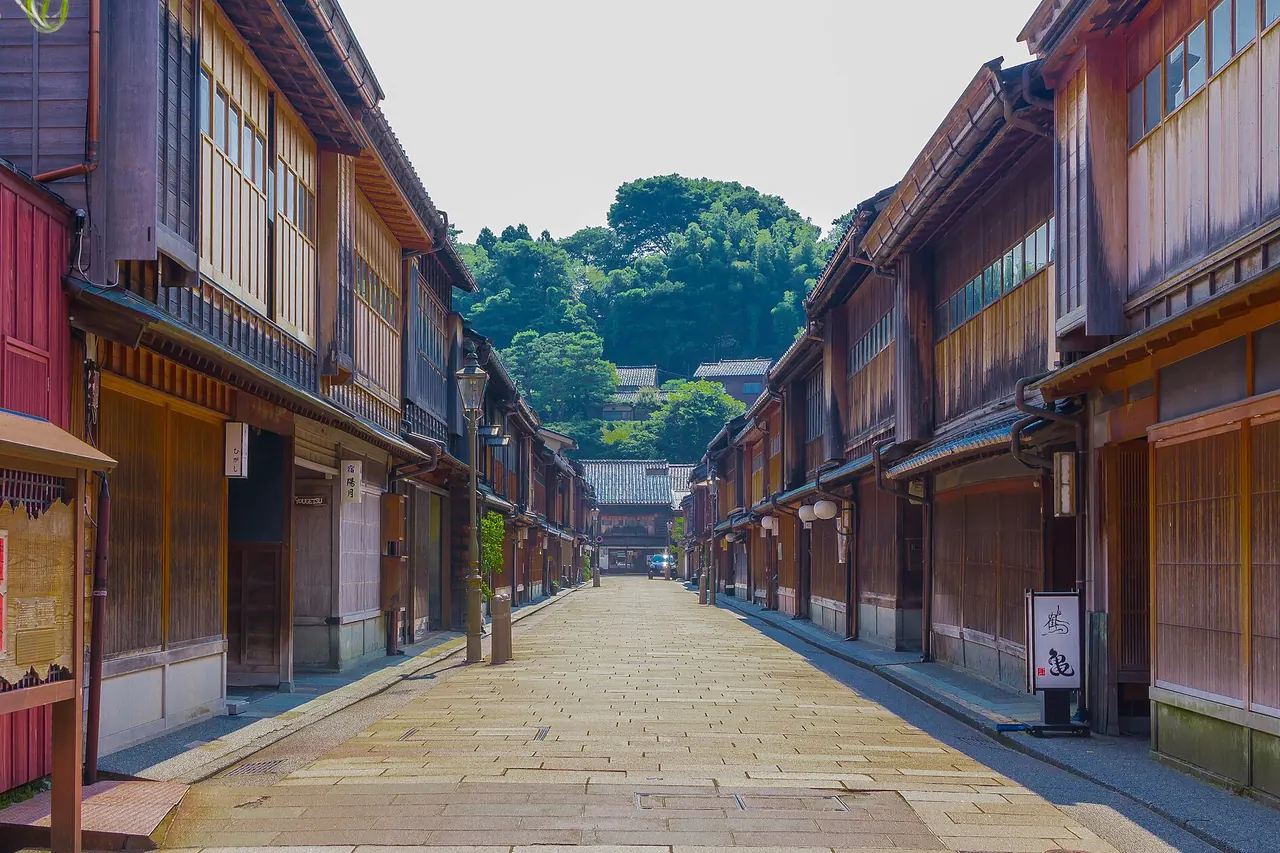
Higashi Chaya's wooden fronts and narrow streets make a strong introduction to Kanazawa's historic entertainment districts. Walk slowly enough to notice the latticework and the difference between preserved buildings, visitor facilities and businesses still working today. A teahouse open to visitors can explain more than a sequence of exterior photographs, while the neighbourhood's cafés and craft shops offer a different way to pause and look at the streets.
Check the particular house or shop you intend to visit, because the district does not have one shared ticket or timetable. Gold-leaf products are part of the local shopping scene, but browsing need not become a compulsory workshop or tasting itinerary. Keep doorways clear and respect signs around private premises. Combine this area with a riverside stroll or a daytime meal at Omicho Market, leaving room for the walk between neighbourhoods rather than treating them as adjoining rooms.
Plan it well: Book a specific experience with its operator; a district visit does not imply access to working teahouses.
Japan National Tourism Organization: Higashi Chaya DistrictMake time for contemporary art and an open architectural setting
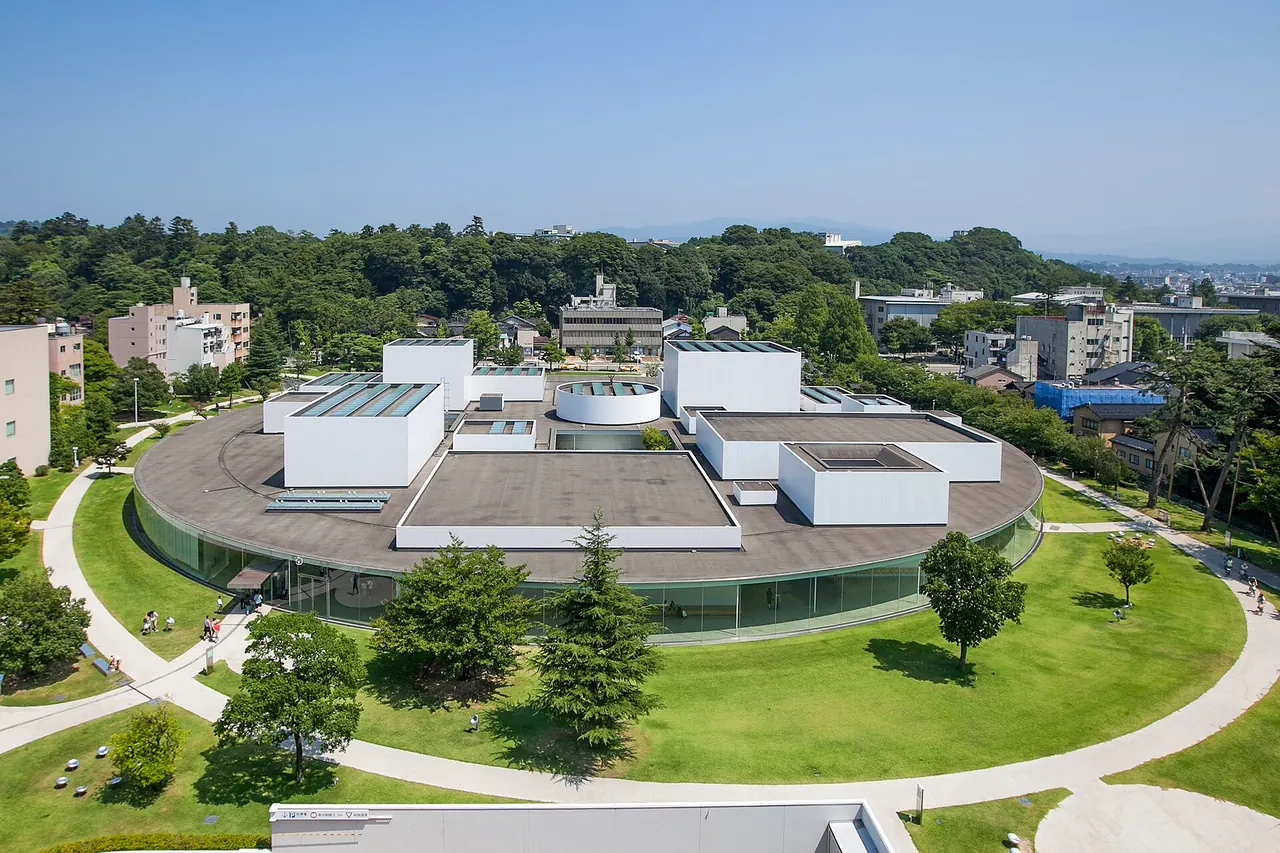
The 21st Century Museum introduces a contemporary counterpoint to Kanazawa's castle and older streets. Its low circular building and glazed edges encourage you to consider how the museum connects with the city around it. Inside, the programme brings together changing exhibitions and collection presentations, so begin with what is actually on during your visit rather than planning entirely around a photograph of one famous artwork.
Public areas, paid exhibitions and access to individual works can have different conditions. Check the museum's current notices and reservation guidance before making a particular installation the centre of your day. An exterior architectural walk can still be worthwhile when you do not want a long gallery visit. Pair it with Kenrokuen or one nearby cultural museum, but give the art time to make an impression instead of trying to collect every museum in the district.
Plan it well: The museum's current programme and the arrangements for an individual artwork matter more than an old attraction-pass description.
21st Century Museum of Contemporary Art official programmeSlow the pace at the D.T. Suzuki Museum
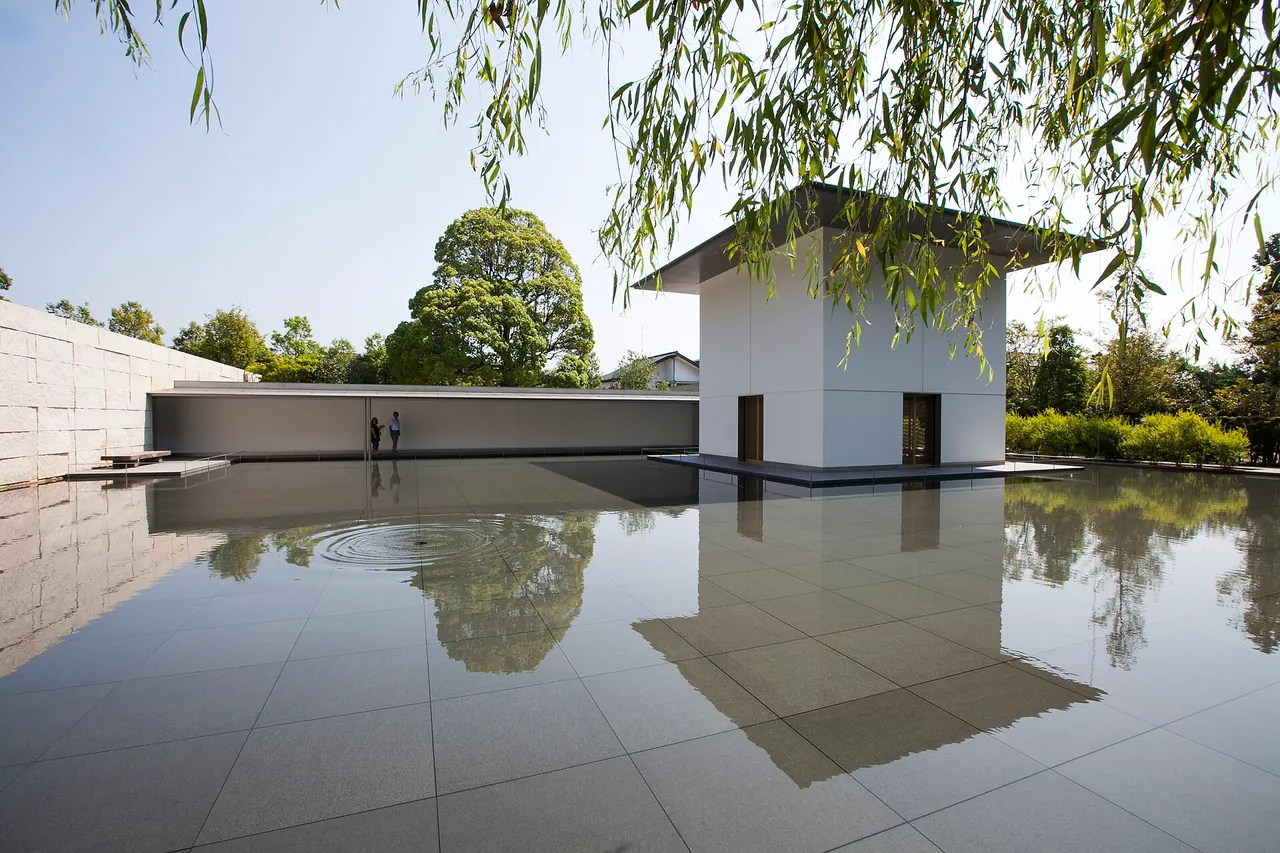
The D.T. Suzuki Museum presents the life and ideas of the Kanazawa-born Buddhist philosopher alongside an architectural setting designed for reflection. The relationship between enclosed rooms, gardens and water is central to the visit. Reading a little about Suzuki before arriving can make the displays easier to engage with, but you do not need specialist knowledge to notice how the spaces encourage a different pace from the surrounding sightseeing circuit.
Treat this as a quieter stop rather than as another large art collection. Keep conversations and photography considerate, and follow the museum's current guidance for each space. The surrounding cultural district offers several possible combinations; choose one that leaves time to sit and look instead of turning the visit into a fast transfer between buildings. If mobility, weather or a particular exhibition affects your plans, check the operator's visitor information rather than relying on the map point as an entrance description.
Plan it well: A quiet museum visit works best when the schedule allows a pause, not just time to reach the door.
Japan National Tourism Organization: D.T. Suzuki MuseumNotice Oyama Shrine's unusual entrance before exploring the grounds
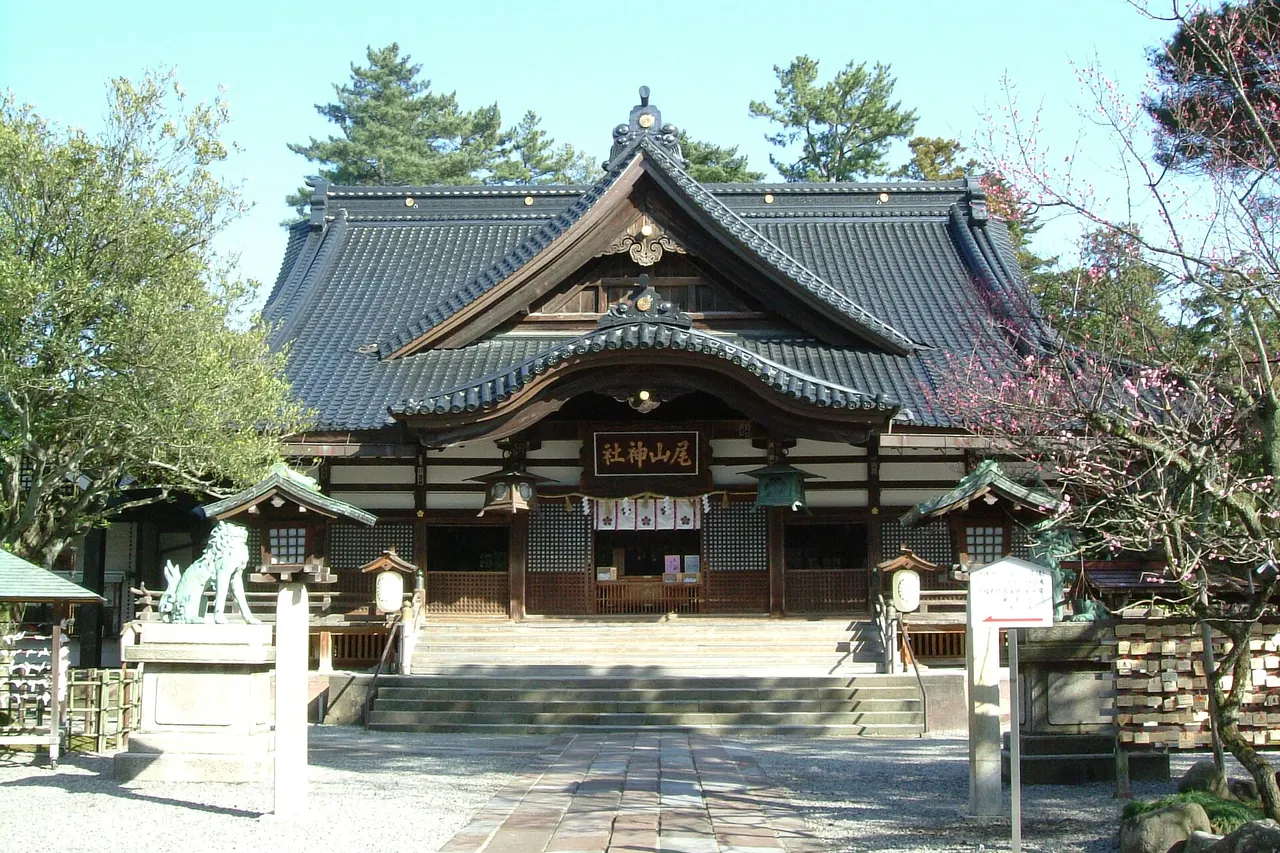
Oyama Shrine connects Kanazawa's public city centre with the memory of the Maeda family. Its distinctive entrance gate is a useful reason to stop, but continue beyond the first photograph to understand the shrine as a place of worship. The buildings and garden setting reward a slower look, especially after a busy stretch of shopping streets or before continuing towards the castle. Keep the visit attentive to the people using the grounds.
Shrine services, offices and general grounds visits are different activities. Consult the official site if you want a prayer service, a particular festival or a visit to an office, and avoid assuming that every part is available whenever the approach is open. The shrine works naturally as a central-city pause between the castle area and other neighbourhoods. Do not crowd the entrance for photographs or interrupt ceremonies; the appeal is the setting and its history, not access to every room.
Plan it well: Use the shrine's official grounds and access information when choosing an approach or planning a service.
Oyama Shrine official visitor informationPlan Myoryuji around its guided interior visit
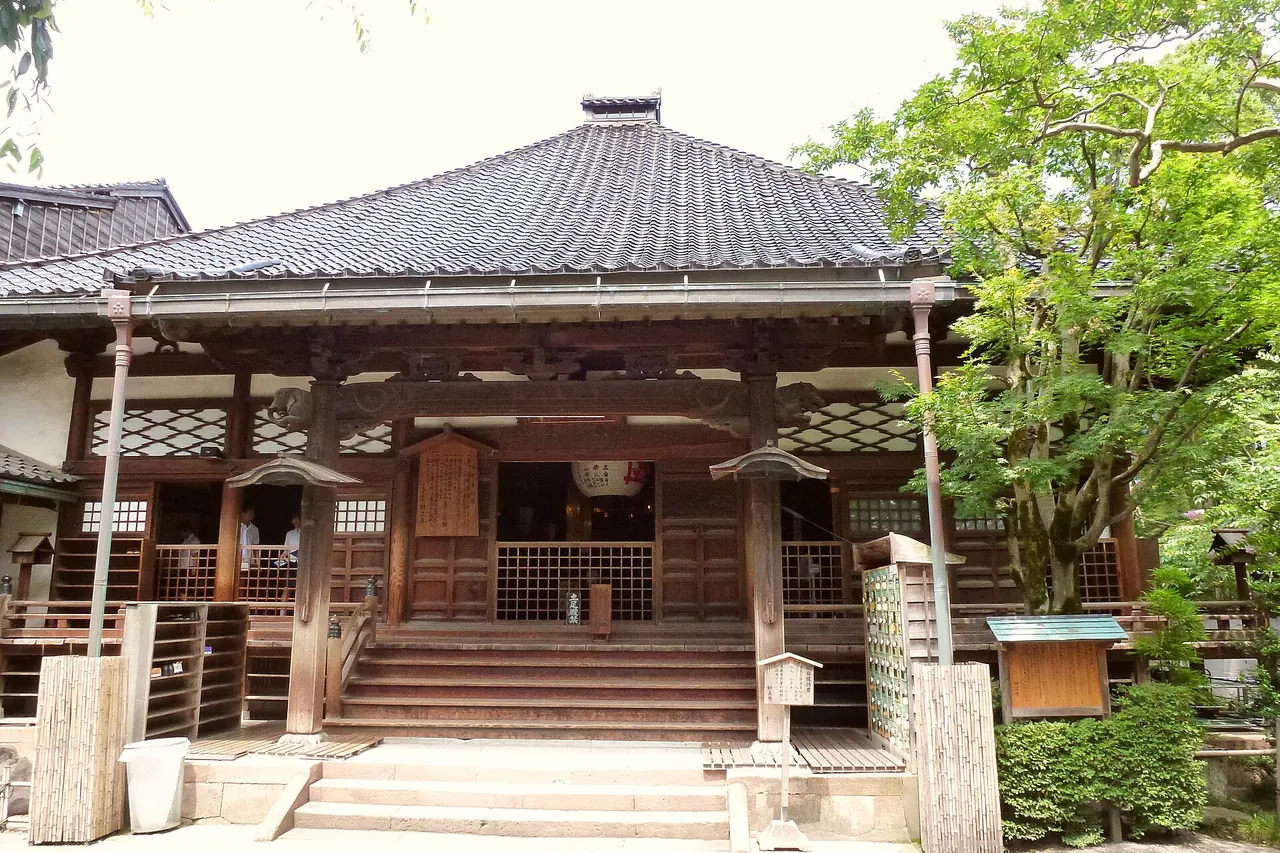
Myoryuji is commonly called the Ninja Temple because of the defensive mechanisms and concealed features in its building, rather than because it offers a performance by modern-day ninja. The official city guide explains its role as a prayer place and a potential defensive stronghold for the Kaga domain. A guided interior visit helps make sense of the hidden stairs and other arrangements, which are easy to misunderstand when reduced to a list of tricks.
This is the stop to organise before you set out: the official visitor guidance requires advance telephone reservations and explains language and admission restrictions. Check the arrangements for your own party, including children, rather than assuming you can enter on arrival. Give the southern temple district its own travel block and keep the rest of that part of the day flexible. An exterior photograph is a separate experience from gaining access to the guided interior.
Plan it well: Confirm the current reservation and visitor restrictions directly before building your day around an interior tour.
Visit Kanazawa: Myoryuji Temple visitor conditionsCompare the domestic spaces and craftsmanship at Seisonkaku
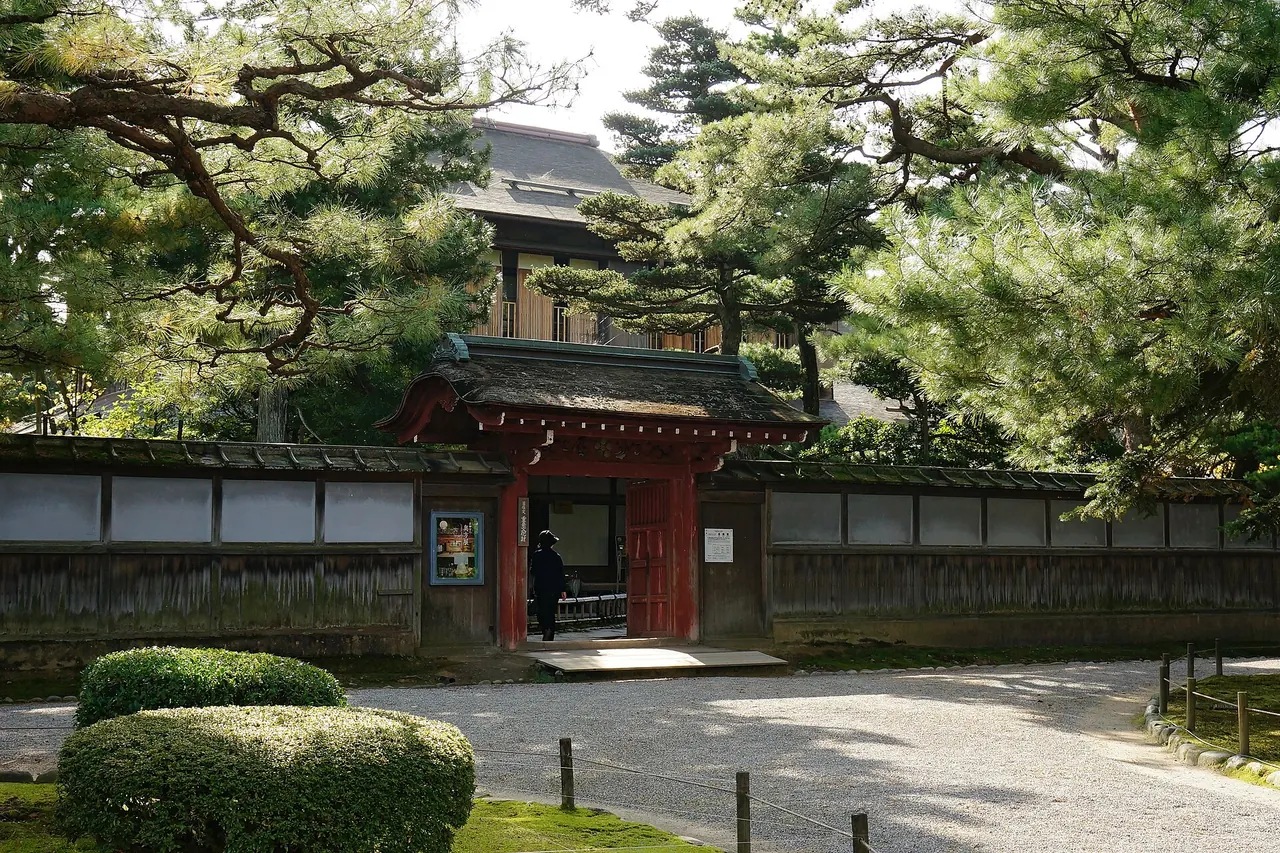
Seisonkaku adds a domestic perspective to a city often introduced through its castle. The Maeda-family villa brings together formal shoin architecture and the more refined spaces associated with sukiya design. Look at how rooms relate to their gardens and at the craftsmanship of the building, rather than treating it simply as another collection of objects. The foundation also exhibits materials associated with the family, giving the setting a more personal scale.
Plan this as a separate interior visit beside Kenrokuen, checking the current exhibition and any spaces included in a special opening. The villa's buildings, gardens and collections are not interchangeable with admission to the neighbouring garden. Follow photography and footwear instructions where posted, and give yourself time to look from a seated or sheltered viewpoint when permitted. If you are choosing between several cultural stops, this is a strong option for an interest in architecture and domestic detail rather than contemporary art.
Plan it well: Some spaces appear in special-opening programmes; do not assume every room and garden is included on an ordinary visit.
Seisonkaku Foundation: architecture and operationPut the city in regional context at the history museum
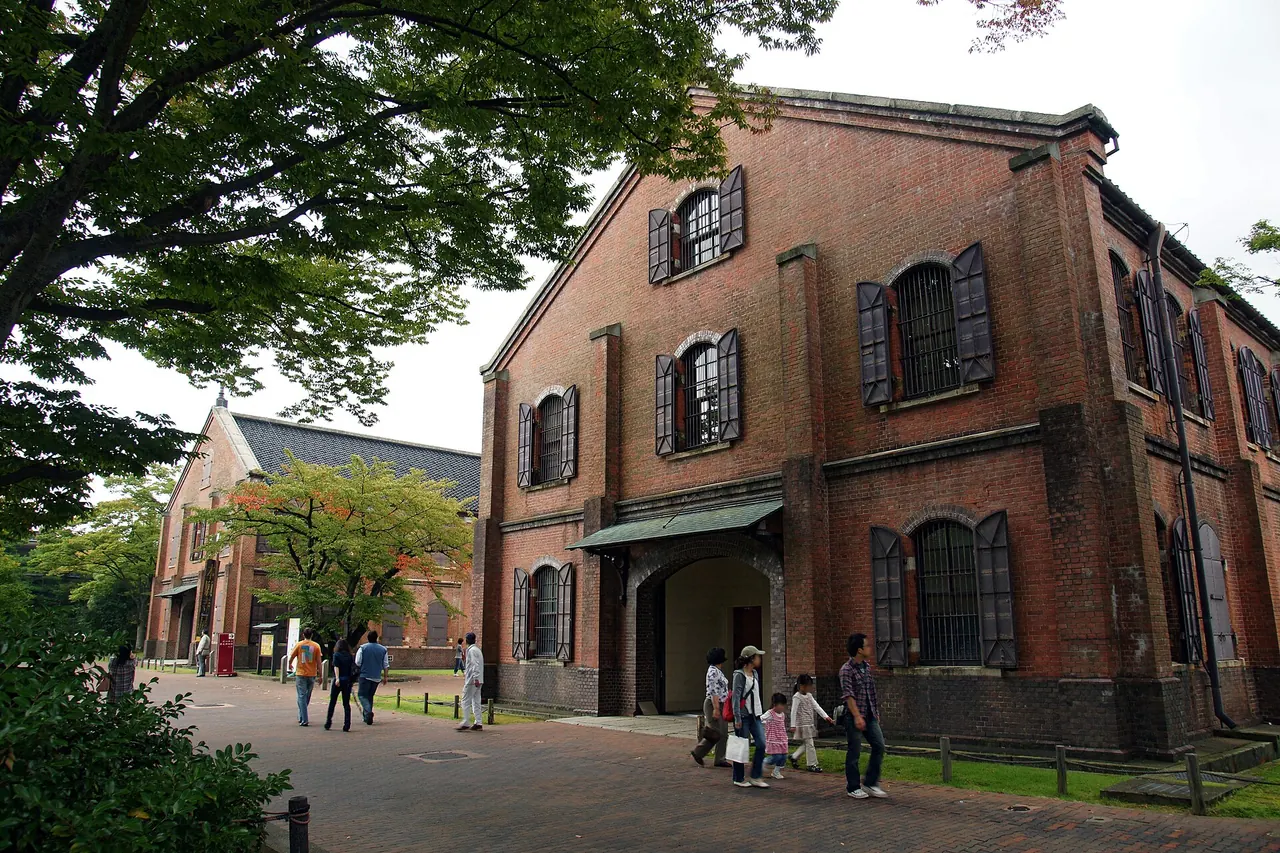
The Ishikawa Prefectural Museum of History broadens a Kanazawa visit beyond the most visible castle-town landmarks. Its three red-brick former armoury buildings are part of the story before you reach the exhibitions. Inside, the displays connect the prefecture's landscapes, livelihoods, politics and cultural traditions, helping explain how the city fits into a wider region. This is a useful choice when you want context for the places already seen outside.
Allow a focused visit rather than trying to read every panel after a long garden walk. The museum's permanent and special exhibitions can involve different arrangements, so check the current programme and access guidance before deciding what to include. It is geographically convenient for other cultural venues around Dewamachi, but proximity is not a reason to visit them all in one afternoon. Choose this museum when historical context interests you, and keep time for the buildings themselves on arrival or departure.
Plan it well: The red-brick setting and the regional exhibitions are complementary; a photograph outside does not replace the historical content.
Ishikawa Prefectural Museum of History: building historyLook for Ishikawa's artistic traditions at its prefectural museum
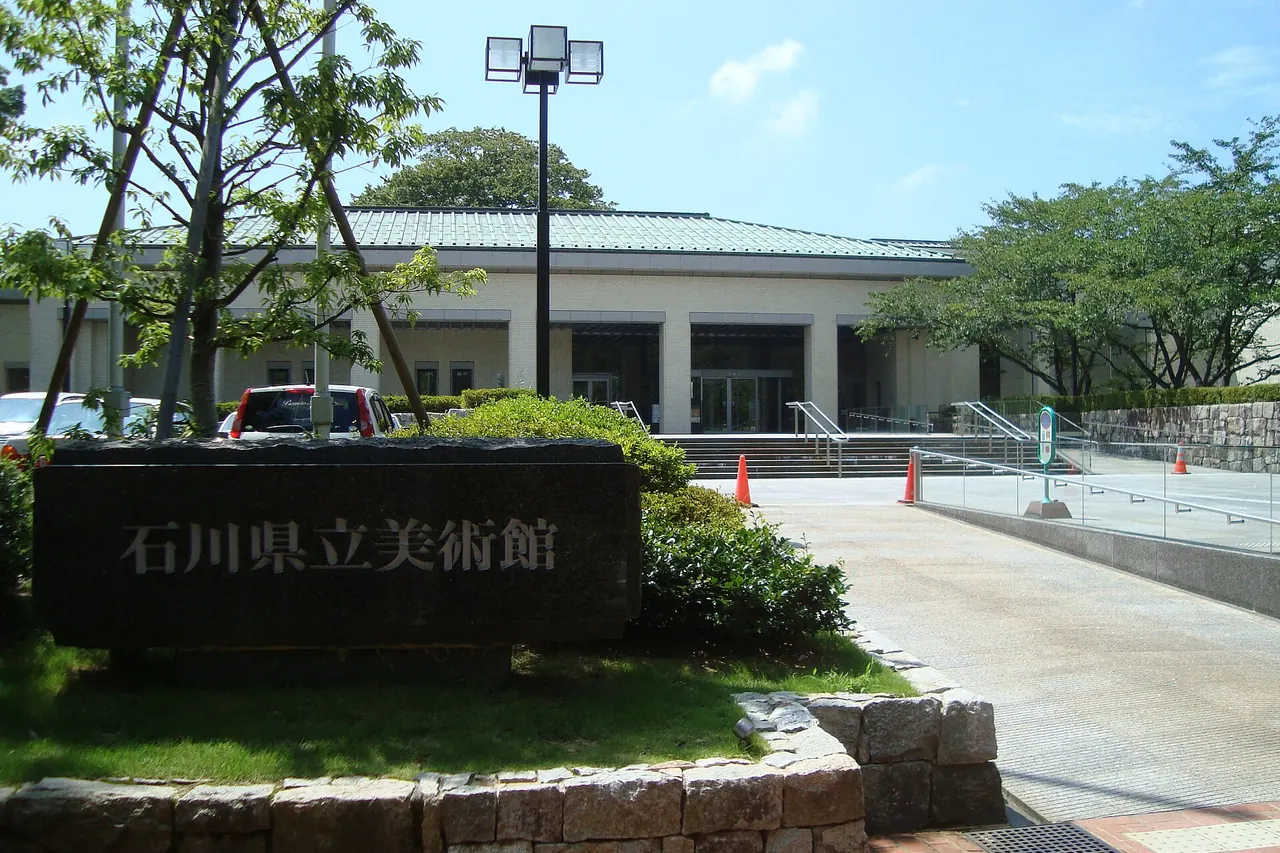
The Ishikawa Prefectural Museum of Art offers a different emphasis from the city's contemporary museum. Its collecting mission focuses on work connected with Ishikawa, making it a useful place to explore the region through art and craft rather than through a single iconic installation. Look at materials and techniques as well as individual subjects, and use the museum's current collection and exhibition information to choose the parts that interest you most.
A collection belongs to the museum, but that does not mean every work is on display every day. The operator notes that exhibition rooms may close for changes, so check the current gallery arrangements before committing to a specialist visit. Combine this stop with a garden or architectural outing nearby, keeping the difference between historical interpretation and art viewing clear. Visitors with limited museum time should choose between this, the history museum and the contemporary programme according to their own interests.
Plan it well: Check both the exhibition listing and gallery-opening notices if you are travelling to see a particular collection or type of work.
Ishikawa Prefectural Museum of Art: mission and collectionHow to spend two days in Kanazawa
Day one: garden, castle and one cultural visit
Begin at Kenrokuen and continue to Kanazawa Castle, allowing time for whichever interiors interest you. Choose Seisonkaku, the history museum, the prefectural art museum or the contemporary museum as the main additional visit. The D.T. Suzuki Museum is a quieter alternative; these are choices rather than a list to complete before dinner.
Day two: historic streets and a central-city pause
Explore Higashi Chaya and continue towards Omicho Market for a daytime meal or a look around its shops. Leave time between neighbourhoods, then use Oyama Shrine as a central-city pause. If you have reserved Myoryuji, give the southern temple district its own travel block and replace part of this plan instead of adding a rushed detour.
Visit Kanazawa: Omicho MarketBefore you go
Check the actual bus and walking route
Group nearby visits, then check the current city transport information for journeys between the station, historic districts and southern temples. The map points identify places; they do not describe every entrance, bus stop or accessible approach.
Visit Kanazawa: getting aroundChoose museums by their current programme
Collections, exhibition rooms and individual installations can have separate opening or reservation arrangements. Pick the museum that interests you most and check its operator before travelling, especially when a particular artwork is the reason for your visit.
Ishikawa Prefectural Museum of Art: gallery and admission noticesReserve the visit that needs organising
Myoryuji's guided interior is a particular booking commitment. Confirm the current telephone reservation, language and admission conditions for your party before choosing the rest of that day. A temple exterior and a booked interior tour are different experiences.
Visit Kanazawa: Myoryuji visitor conditionsLet weather change the outdoor plan
Garden paths, riverside walks and shrine approaches feel different in rain, heat or winter conditions. Keep one indoor option available, wear footwear suited to the day, and treat seasonal photographs as illustrations rather than a promise of blossom or foliage.
Choose a useful base in Kanazawa
The station area is a practical starting point when arrival, departure and luggage handling matter most. A central base around Korinbo or the castle-side streets can suit a visit focused on cultural venues and meals in town, while a historic-district address may appeal when the neighbourhood itself is part of the stay. Compare the property's actual walking route and transport access rather than choosing by a district name alone.
Check the room layout, lift or stair access, luggage arrangements and any meal conditions with the property before booking. A quieter traditional building and a larger station hotel can offer very different experiences even within the same city. This guide does not recommend a particular hotel or imply that accommodation is included; choose a confirmed property after matching its location and facilities to your own plans.
Explore Kanazawa hotels