
Osaka city guide
10 things to do in Osaka
Find Osaka through its castle, shrines, food streets and waterfront, with ten photographed stops and a two-day plan that balances busy evenings with quieter hours.
Plan your visit
Osaka is not only an evening food stop between Kyoto and Tokyo. Its temple precincts, river parks, castle grounds and working waterfront make a varied city break. Use Namba for the lively southern streets and Umeda for the northern skyline, then give outlying sights a deliberate travel block. These are choices for a first visit, not ten obligations to complete in two days.
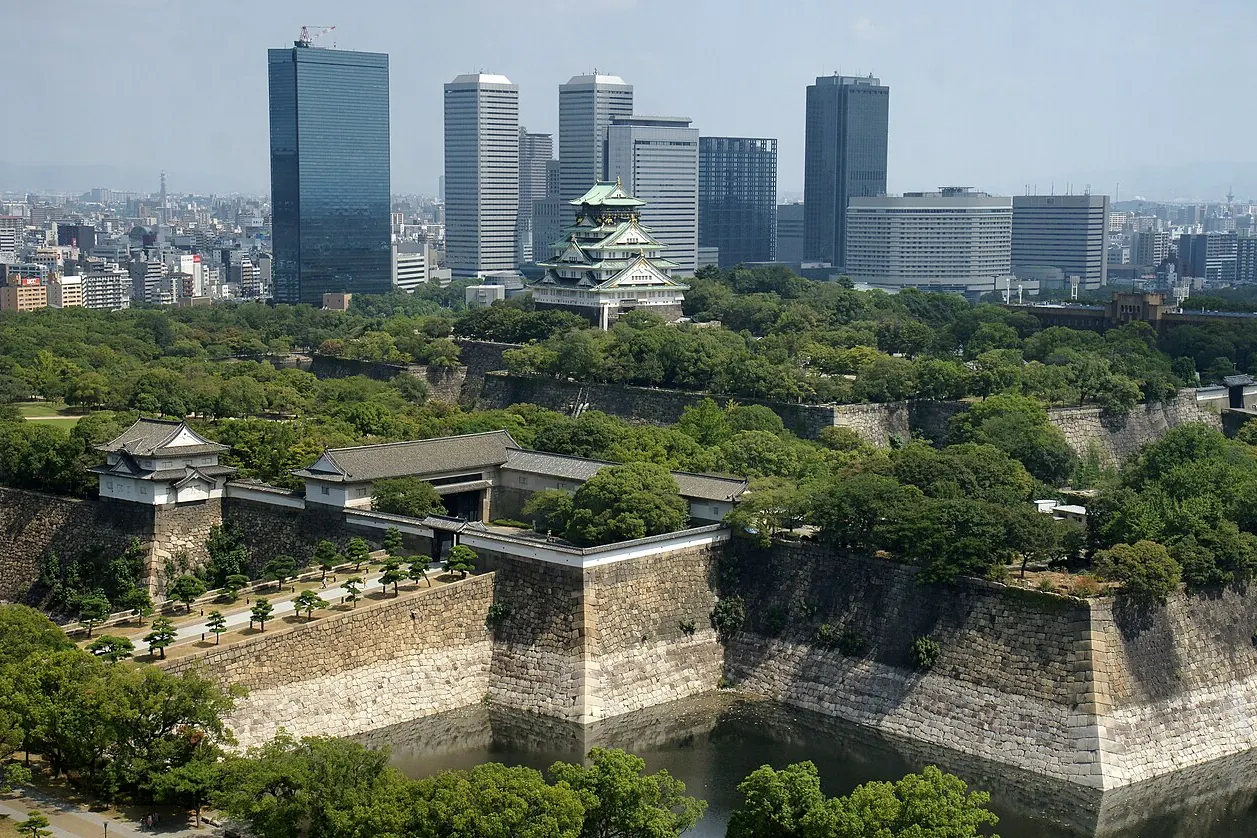
Start with the setting of Osaka Castle
Osaka Castle makes more sense when you approach it through the park and pay attention to its moats and massive walls. The imposing keep is the visual centre, but the surrounding defences help explain why this was a seat of power rather than simply a decorative building. Allow time outside before deciding how long to spend on the historical displays and upper-level views.
Treat the keep as a museum visit rather than expecting a completely preserved original castle interior. Its admission arrangements are distinct from a general park walk, and nearby attractions can have separate tickets. Check the official visitor page for current entry and access details, especially if stairs or queues are a concern. A morning here pairs naturally with a slower afternoon elsewhere in the central city; trying to add every castle-related facility can turn a clear introduction into a tiring checklist.
Plan it well: Decide whether the keep or the grounds are your priority before buying any attraction pass.
Osaka tourism: castle visitor informationReturn to Dotonbori when the signs come alive
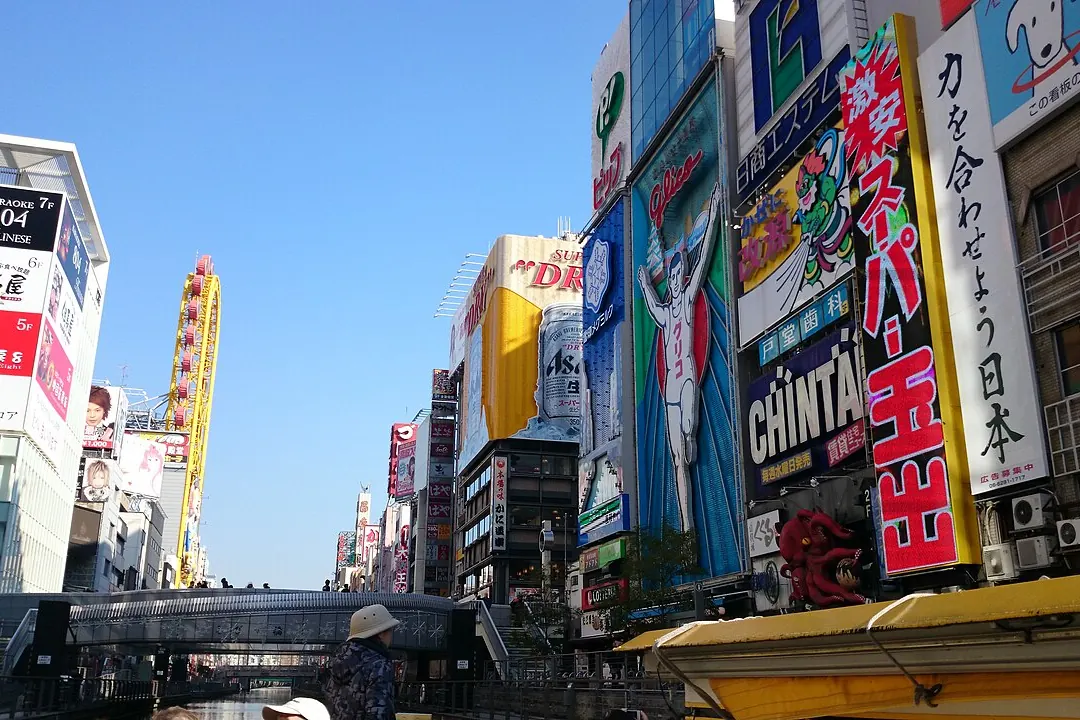
Dotonbori is an evening district to explore with your appetite as well as your camera. The canal, bridges and oversized restaurant signs make a compact stage for the city, but it is worth stepping away from the busiest crossing to find a meal you genuinely want. Choose between a seated dinner and a few snacks instead of ordering continuously until the outing becomes uncomfortable.
Use the riverside walk to get your bearings, then check individual restaurant menus and queues. The district is not one venue with a common closing time, and a boat trip is an optional ticketed activity, not a necessary part of seeing the canal. Keep bridges and entrances clear when taking photographs. Staying nearby makes a second short look after dinner possible without adding another long train journey, while visitors based in Umeda should check their return route before lingering.
Plan it well: Ask for an eating space rather than blocking a busy pavement with takeaway food; restaurant and stall arrangements vary.
Osaka tourism: DotonboriChoose a thoughtful lunch at Kuromon Market
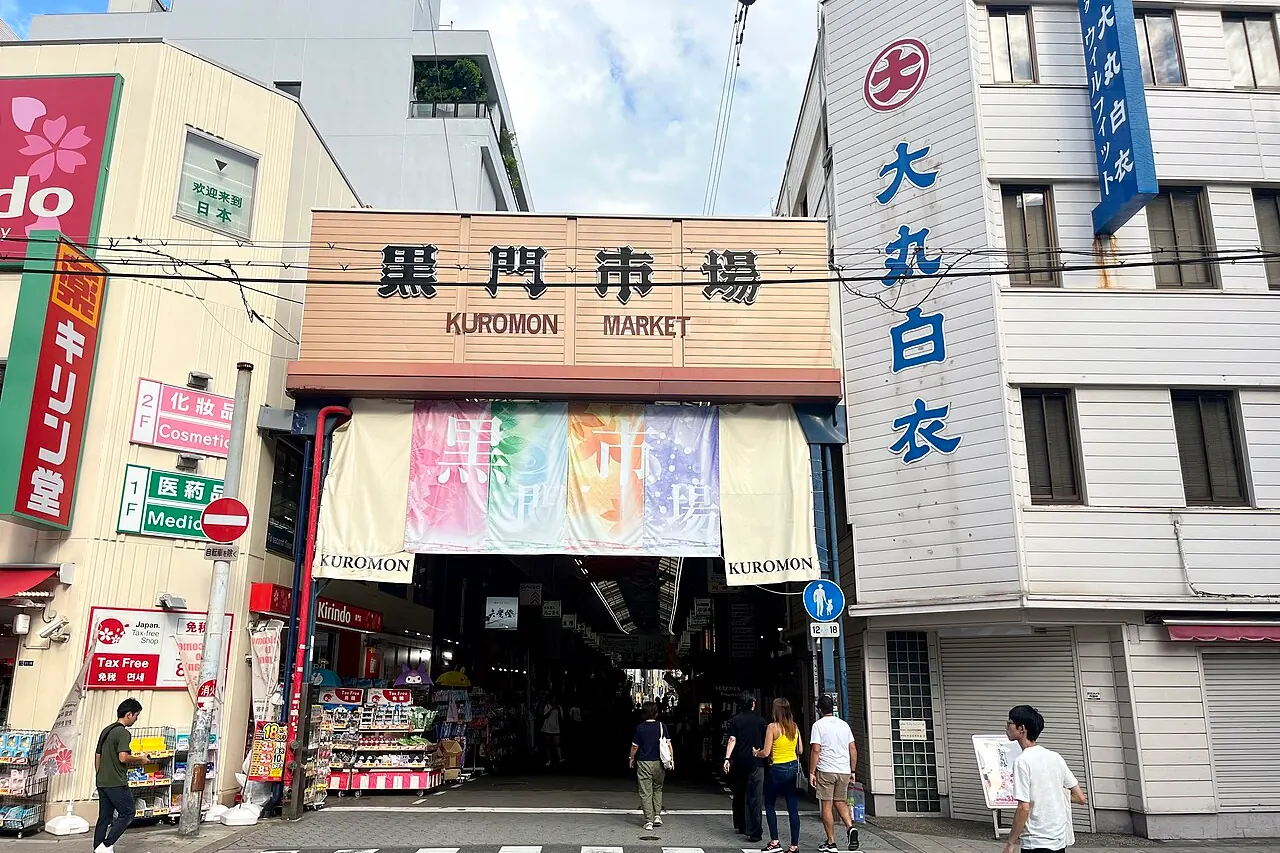
Kuromon Market is a useful place to compare Osaka food choices before committing to lunch. Walk the arcade once, look at displayed portions and prices, and select a small number of things that appeal to you. The experience is different from a formal restaurant meal: preparation, shopping and eating share a relatively tight space, so attention to the people working there matters.
The market directory lists individual businesses with their own opening hours and holidays, including places to sit and dietary categories. Use that information if one specific shop is important or if you need an alternative to seafood. Clarify ingredients and where you may eat before ordering, and avoid assuming that every stall takes the same payment method. Combine Kuromon with nearby Namba sightseeing, keeping Dotonbori for a later meal rather than planning two large food stops back to back.
Plan it well: The covered arcade is not proof every shop is open. Verify the counter you want, especially on holidays.
Kuromon Market official directoryGive Shitennoji room for a quieter visit
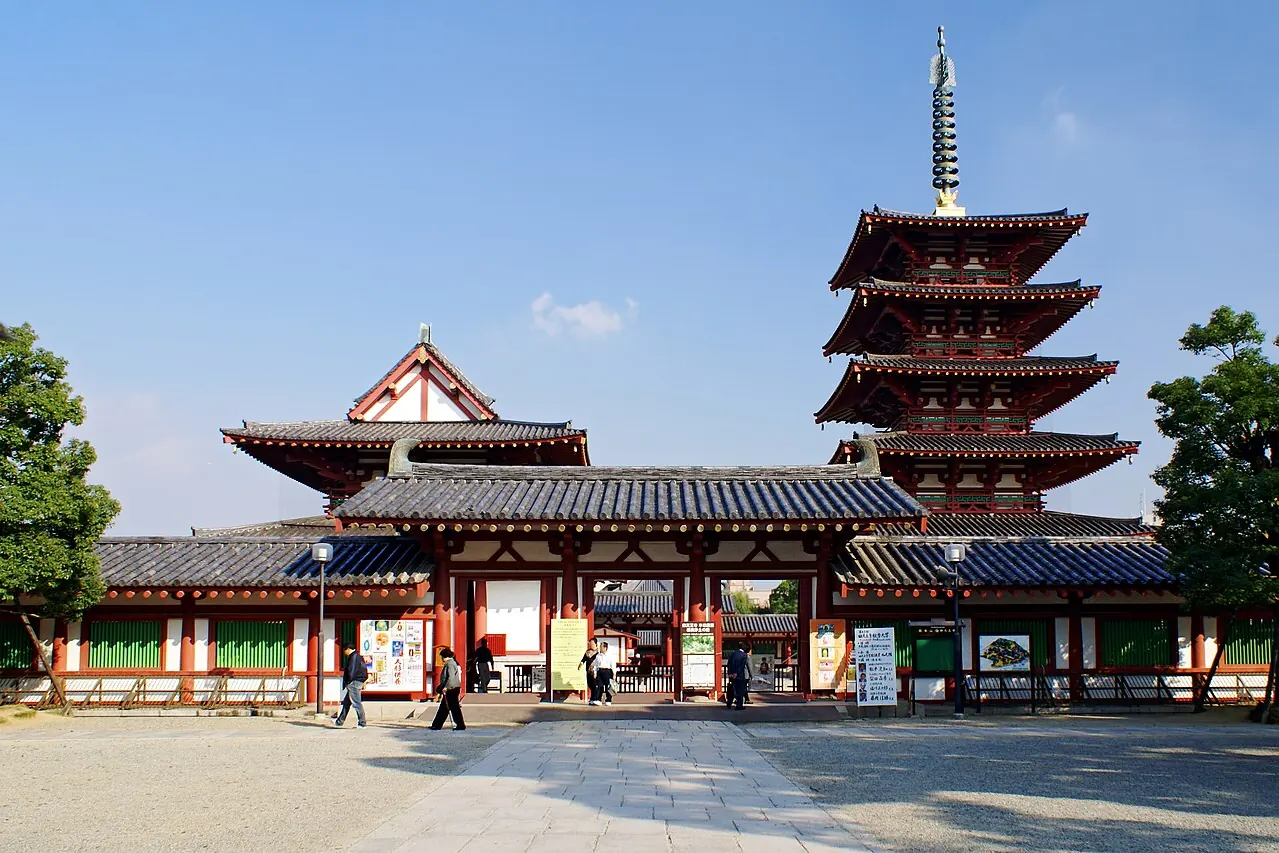
Shitennoji offers a different rhythm from the shopping districts. Move slowly through the temple setting, observing the relationship between gates, halls and the pagoda instead of arriving only for a landmark photograph. It is a functioning Buddhist place, so allow worshippers to use the spaces on their own terms and treat ceremonies as religious activities rather than entertainment scheduled for visitors.
The temple website separates its grounds, central precinct and other facilities, and its event calendar is useful when planning a specific date. Check which areas need admission and whether a garden or exhibition is available instead of assuming the whole complex operates identically. Footwear and photography rules can differ by building. Tennoji makes a sensible southern-city anchor, with a meal or a later look at Shinsekai nearby, but leave time for the walk and a break rather than treating the map as a timed route.
Plan it well: Keep conversations quiet near worship and follow posted notices before entering halls or taking interior photographs.
Shitennoji official temple informationMake Sumiyoshi Taisha a separate southern outing
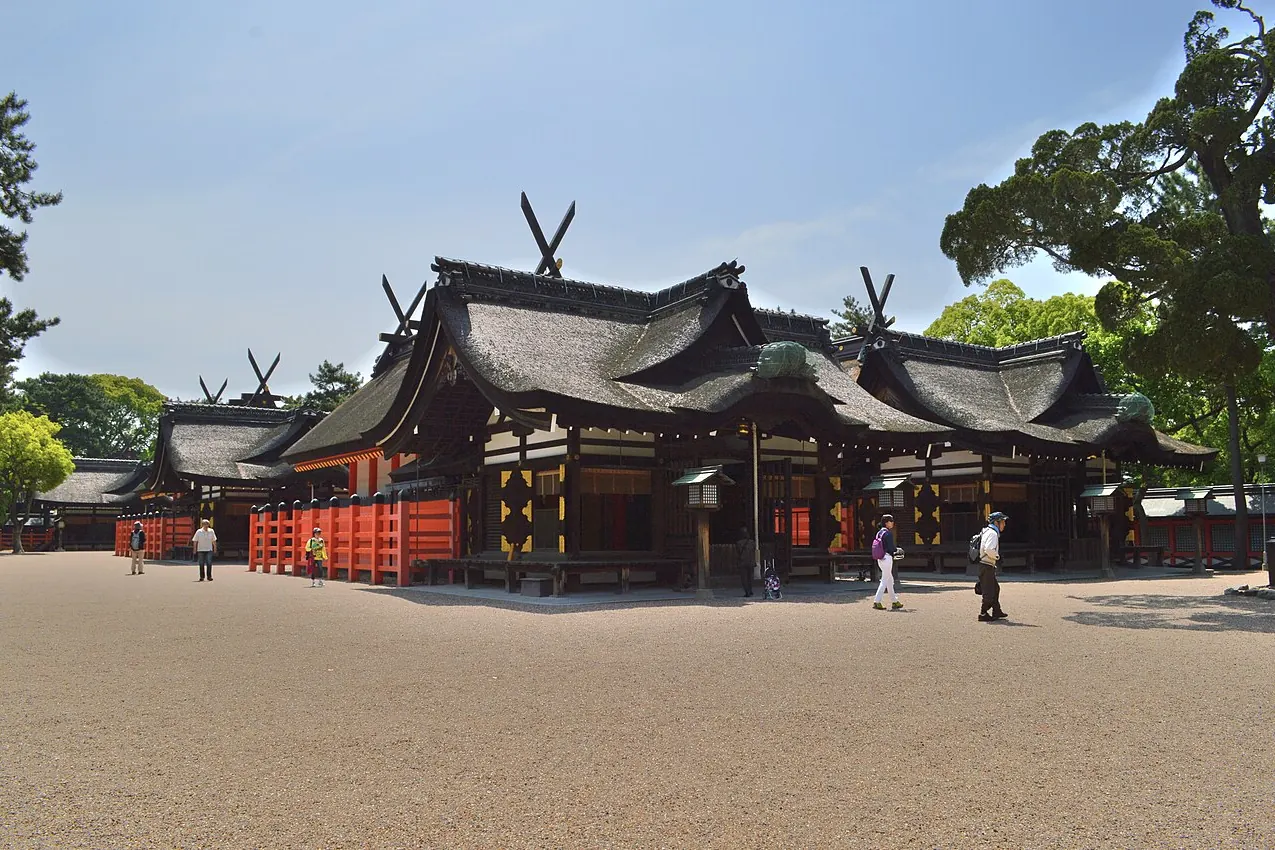
Sumiyoshi Taisha is a worthwhile change of setting for travellers interested in shrines and traditional building forms. Its precinct invites you to look beyond one famous bridge, taking in the approaches and main sanctuaries at a respectful pace. The visit becomes more rewarding when you notice how people use the space for worship rather than reading it only as a collection of picturesque objects.
This is farther south than the Namba attractions, so give the transport leg its own place in the day. The shrine provides access guidance and background in English; review those before choosing a station or attempting to include it between two timed admissions. The arched bridge is not a suitable route for every visitor, and a photograph does not demonstrate step-free access. Check current events if you want a quiet visit, while accepting that worship and festivals rightly take priority over sightseeing.
Plan it well: Use the shrine access map to plan a route suitable for your mobility needs instead of assuming you must cross the arched bridge.
Sumiyoshi Taisha official English guideLook across northern Osaka from Umeda Sky Building
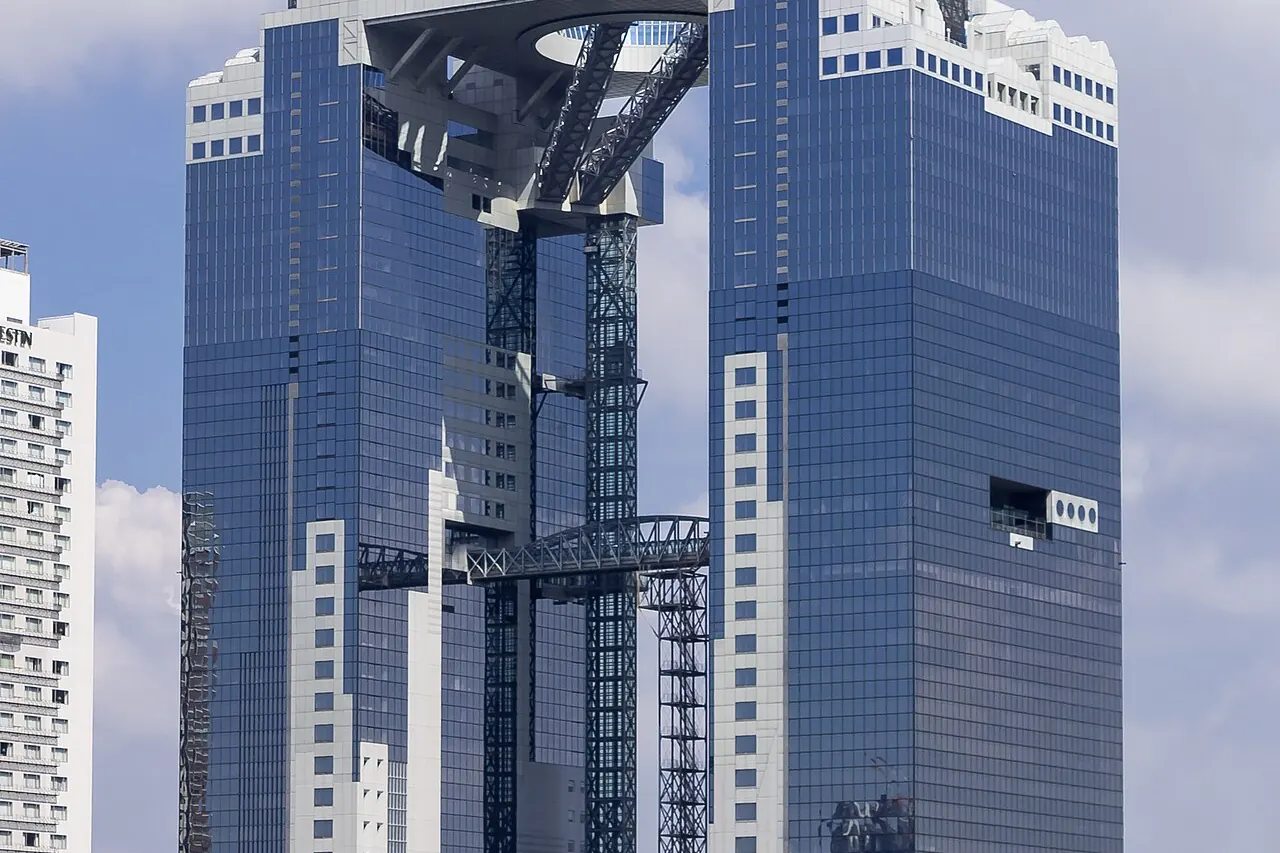
Umeda Sky Building turns Osaka into a landscape of railway lines, towers and distant neighbourhoods. Notice the twin structures and their elevated connection before going up; the engineering is part of the appeal, not merely a way to reach the view. An observatory visit works best when you have enough time to look in several directions rather than racing through before the next appointment.
Choose a time for the experience you want, checking official entry options and weather-related notices beforehand. Indoor viewing and an outdoor rooftop are not the same conditions, so have a layer available and do not promise an open-air visit in unsuitable weather. The Umeda station district is large and can take time to navigate, even when a map makes the building look close. Keep dinner in the northern area afterwards, or leave generous time if you are returning to Namba.
Plan it well: An attraction pass may have different entry conditions from a standard ticket. Check its current terms before relying on it for sunset.
Umeda Sky Building official observatory siteGive Kaiyukan a substantial waterfront visit
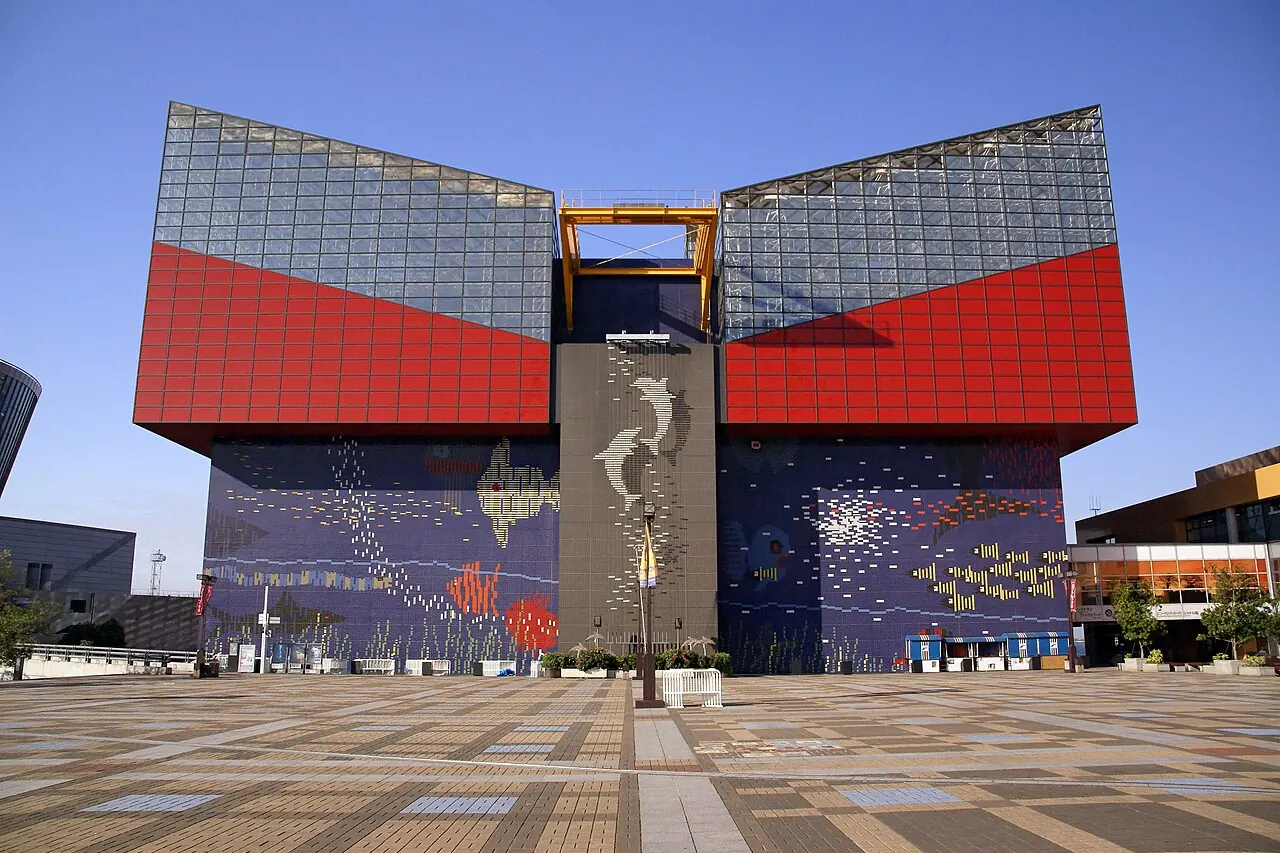
Kaiyukan makes a strong choice for a day shaped around Osaka Bay rather than the central shopping streets. Its aquarium route is something to follow gradually, allowing different tanks and viewing levels to reveal their own details. Avoid building the entire visit around one animal sighting: patient observation and the relationship between marine habitats make a more rounded experience than a quick photograph at the largest tank.
Use the operator ticket page to check the current dated-entry choices and any special arrangements for your party. Reserve enough time for the journey to Tempozan, arrival and breaks, particularly with children who may spend longer at some displays than others. Nearby waterfront attractions are separate admissions and do not automatically come with an aquarium ticket. If this is your main afternoon activity, keep the rest of the day modest; crossing back to the city centre for dinner is already another leg.
Plan it well: Check accessibility and re-entry conditions with Kaiyukan directly; do not assume an old transport-and-attraction pass still has the same inclusions.
Kaiyukan official admission guidanceSee Tsutenkaku in the context of Shinsekai
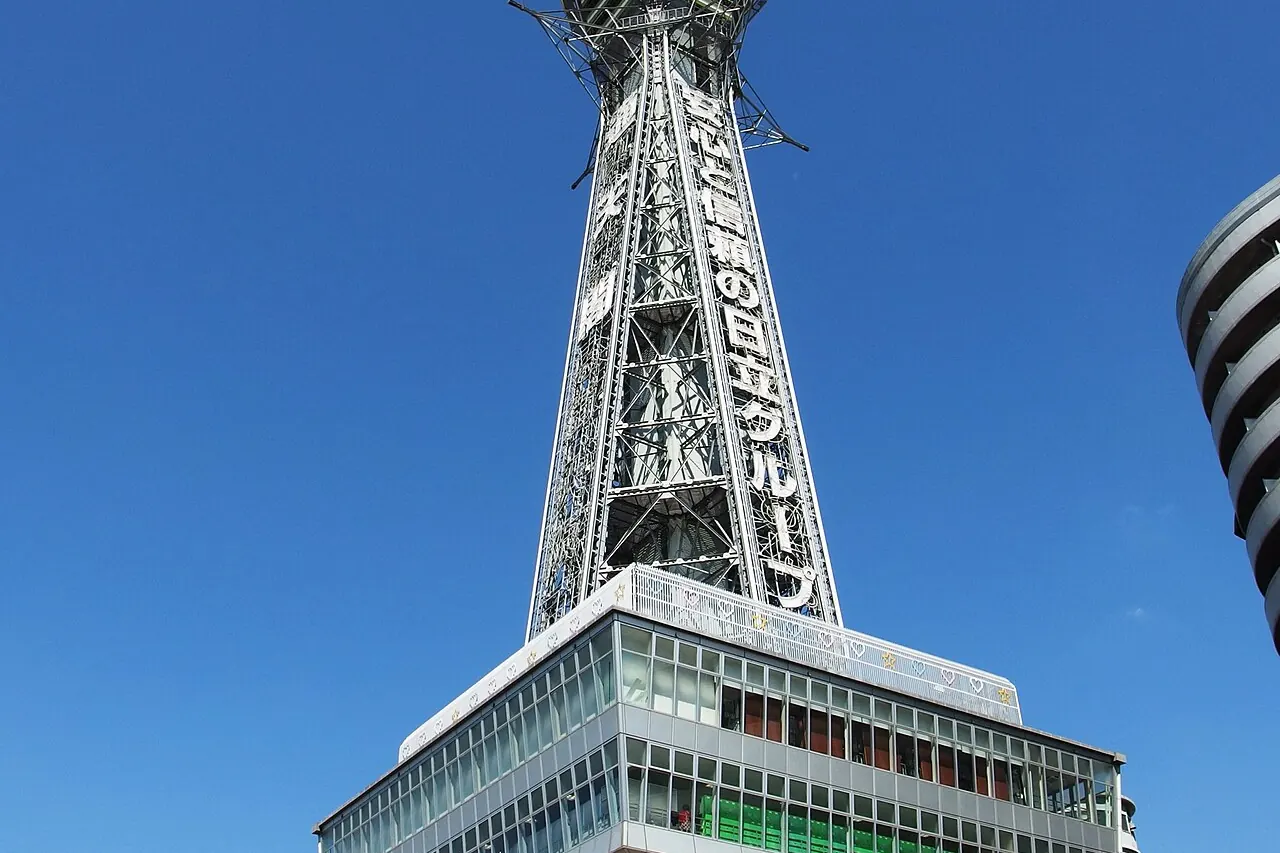
Tsutenkaku is most enjoyable with some time at street level in Shinsekai as well as a possible ascent. The tower gives the neighbourhood a visual centre, while the surrounding restaurant signs and smaller streets provide a very different atmosphere from Umeda. Walk around before choosing somewhere to eat, keeping the visit focused on this district rather than trying to assemble a citywide restaurant ranking.
The operator offers different tower and activity options, so read the ticket descriptions carefully and choose what suits your companions. Observation areas, outdoor additions and thrill activities are not interchangeable admissions, and weather or operating conditions can affect particular experiences. This is a practical partner for a Tennoji day, but a map connection does not mean every path is equally accessible or pleasant in summer heat. If queues are long, decide whether the view matters more than having time in the neighbourhood.
Plan it well: Check the specific activity restrictions before paying. A normal observation visit need not include an outdoor or thrill component.
Tsutenkaku official visitor siteUse Nakanoshima Park as a river-level pause
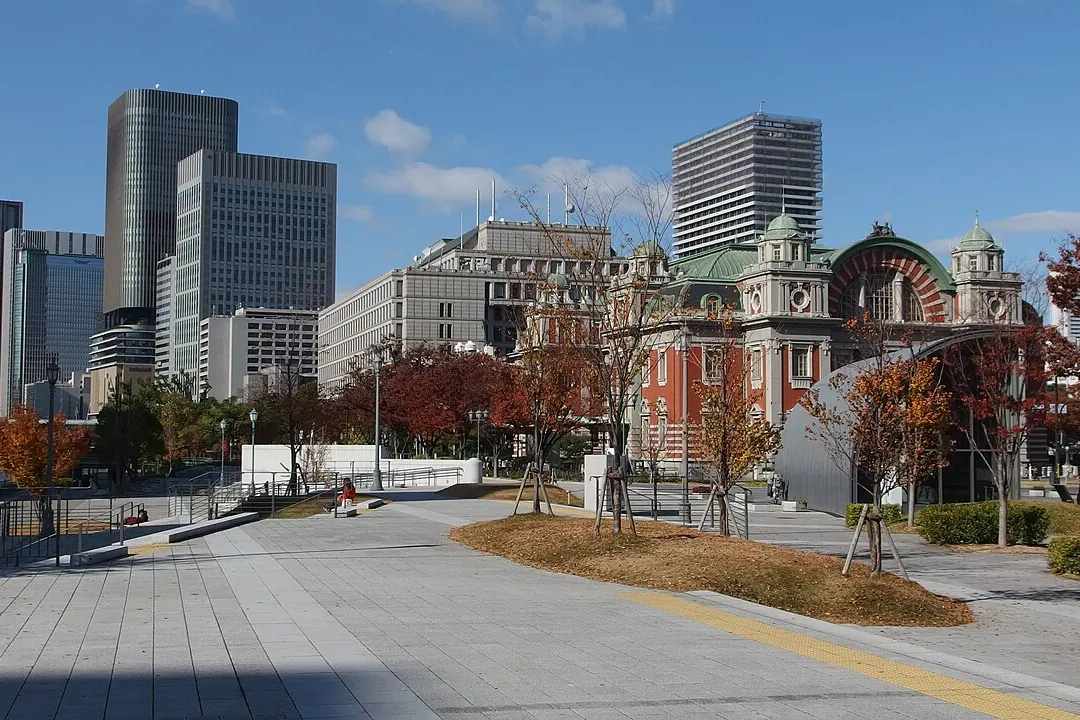
Nakanoshima Park gives Osaka a more open scale after crowded food streets or museum galleries. Follow a stretch of the river setting, sit if you find a comfortable spot, and notice how historic civic buildings and newer towers share the surroundings. This is an adjustable part of the day, useful when you want to keep exploring without adding another demanding ticketed visit.
The official tourism description highlights the park and its rose garden, but flowering is seasonal rather than guaranteed on a particular date. Build the stop around the riverside itself and treat plants or events as possible additions. Choose a manageable section instead of assuming the whole island is one compact park, and review access if you are using a wheelchair or pushchair. A central-river pause can sit between the castle area and Umeda, provided you leave realistic time for the transport between them.
Plan it well: A rose-garden photograph does not guarantee flowers during your trip. Keep this stop flexible in rain or strong heat.
Osaka tourism: Nakanoshima ParkStep away from Namba crowds at Namba Yasaka Shrine
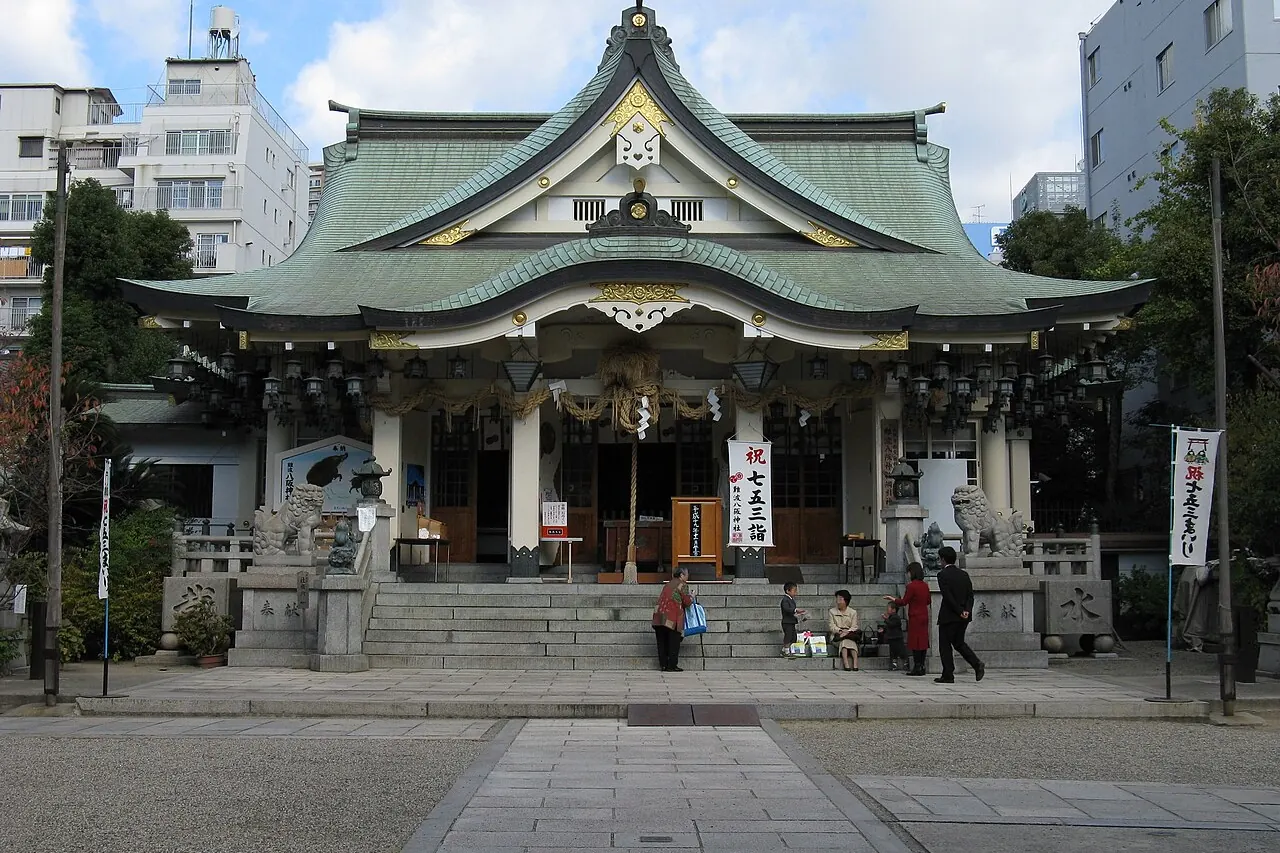
Namba Yasaka Shrine is a small but distinctive religious stop away from the busiest shopping streets. Its striking lion-shaped stage often attracts attention, yet the main shrine and the people coming to pray deserve equal respect. Make time to understand the setting rather than using the precinct solely as a backdrop for a posed photograph, and keep the visit proportionate to its relatively compact scale.
Consult the shrine site for its event notices and approach map, then place it in a Namba morning with room for a meal nearby. It is not an indoor entertainment attraction with guaranteed performances or unrestricted access to every structure. Allow services or ceremonies to shape what is appropriate on the day, follow any photography notices and leave the worship approach clear. You can continue to Kuromon or return later to Dotonbori, but there is no need to treat every Namba landmark as one continuous compulsory circuit.
Plan it well: The famous lion structure is part of a shrine precinct. Do not climb it or interrupt worship for a photograph.
Namba Yasaka Shrine official siteHow to spend two days in Osaka
Day one: castle and the northern skyline
Begin with Osaka Castle and decide how much museum time you want. Use Nakanoshima Park as a flexible riverside pause, then continue to Umeda Sky Building if the weather and ticket options suit. Keep dinner in Kita instead of adding an immediate cross-city return.
Day two: southern shrines and food streets
Choose Shitennoji with Shinsekai and Tsutenkaku, or make Sumiyoshi Taisha your main shrine outing. Return to Namba for a smaller Namba Yasaka stop and dinner in Dotonbori. Kuromon works as a daytime food alternative. Kaiyukan deserves its own bay-focused half-day, replacing part of this plan rather than being squeezed in.
Before you go
Check the operator, not an old pass brochure
Ticket conditions and pass inclusions change. Compare the current castle, observatory and aquarium pages with the specific pass you intend to buy before arranging a day around it.
Name the station and exit
Umeda and Namba each cover several rail operators and interconnected stations. Use an official route planner and allow time inside the station complex.
Osaka Metro English travel informationRespect worship and busy food spaces
Keep temple and shrine approaches clear, follow interior photography notices, and use designated eating areas where provided. Ask individual shops about ingredients and payment rather than assuming common rules.
Choose a base that fits your plans
Namba suits evenings around Dotonbori and the southern food streets; Umeda suits the northern skyline and onward rail connections. Compare the walk to your actual station entrance, not only the straight-line distance. A bay-area base is a deliberate choice for waterfront attractions rather than a substitute for staying centrally.
Explore Osaka hotels