
Osaka city guide
Where to stay in Osaka
Compare Namba's food streets, Umeda's rail hub, Tennoji's southern sights, Nakanoshima's rivers and the Tempozan waterfront before choosing your Osaka base.
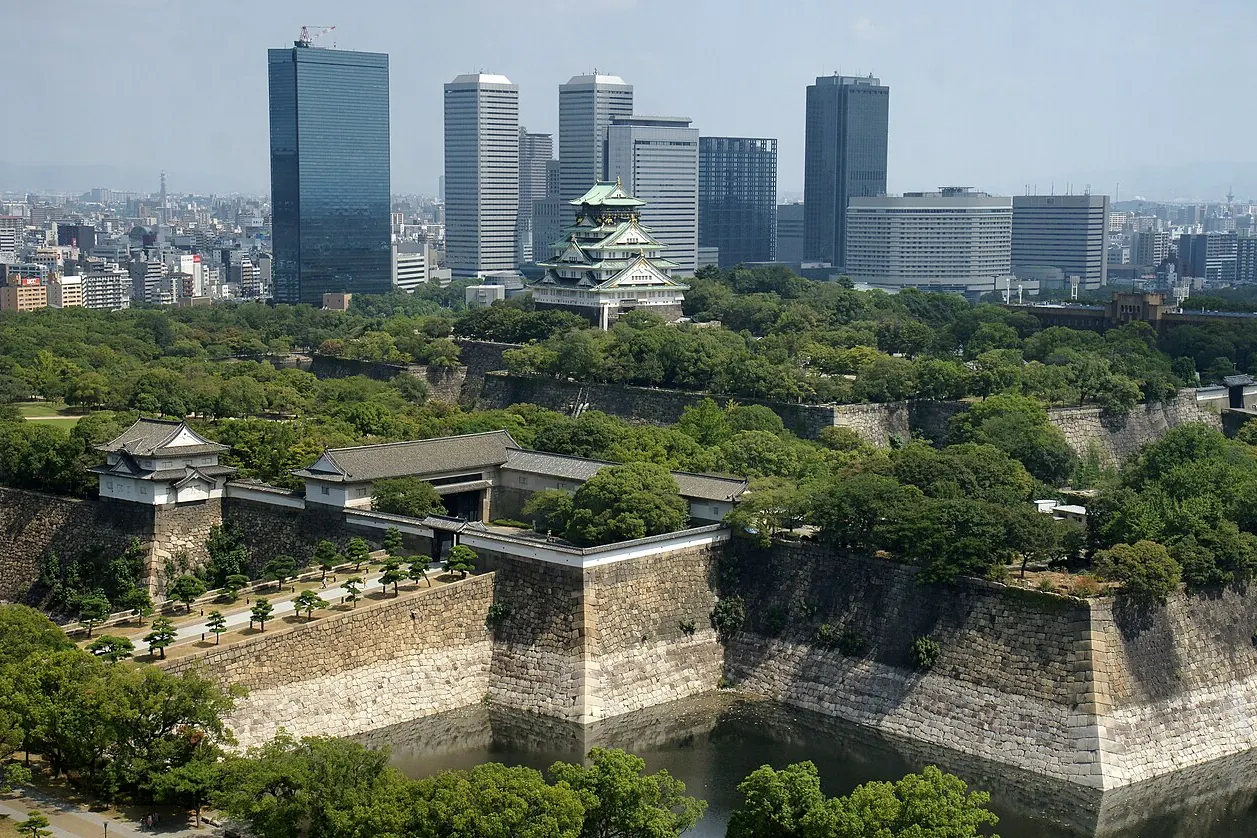
Plan your visit
Osaka has two distinct centres, not one universal best location. Namba puts dinner and evening wandering close to your room; Umeda makes more sense when regional rail journeys shape the trip. The river district, southern station hub and Tempozan waterfront offer different compromises. Choose the station you will actually use, then compare the streets between its exit and your hotel.
Choose your base
Choose Namba for food-led evenings, Umeda for shopping and onward trains, or Tennoji for southern sights and JR airport access. Nakanoshima rewards museum visits and riverside walks but requires attention to which end of the island you book. Tempozan is a specialised aquarium-and-waterfront base, not a shortcut to every Osaka attraction. Shin-Osaka is the Shinkansen station, separate from Osaka Station in Umeda.
Namba: food streets and evenings on foot
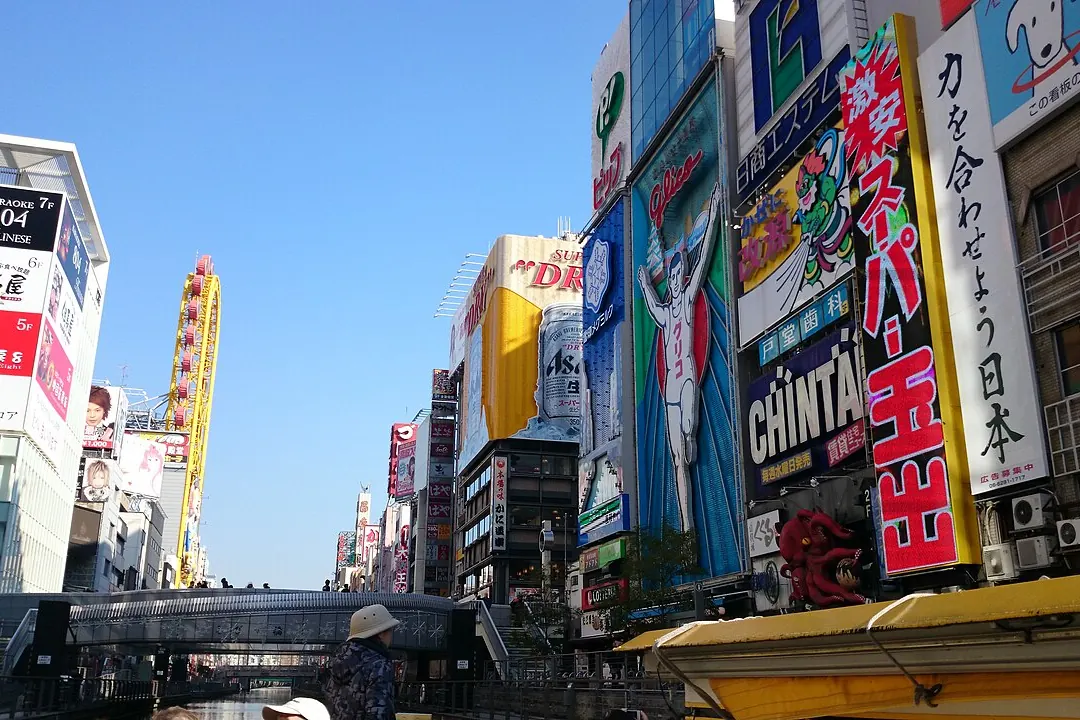
Namba is the strongest match when you want your evenings to unfold around restaurants rather than a final cross-city train ride. Dotonbori supplies the canal-side signs and busy snack counters; Hozenji Yokocho offers a smaller-scale lane, while Ura Namba adds eating and drinking streets south of the main spectacle. Shinsaibashi's shopping arcade lies farther north, and Kuromon Market is on the Nippombashi side. Staying near Nankai Namba or a quieter side street creates a different daily routine from sleeping directly above the Dotonbori crowds.
Nankai's Rapi:t links Kansai Airport with Nankai Namba, while Osaka Metro's Midosuji, Yotsubashi and Sennichimae lines serve the wider station complex. JR Namba is a separate arrival point: a hotel described as near Namba is not necessarily close to your airport platform. The trade-off is crowding and evening noise around the busiest food streets, plus more transfers for some northern rail departures. Choose Umeda if Kyoto or Kobe outings dominate, or Nakanoshima if a less entertainment-led setting matters more than returning from dinner on foot.
Plan it well: The photograph and map pin identify Dotonbori, not every Namba hotel; check the entrance of your chosen rail operator.
Osaka tourism: Minami and NambaUmeda: regional trains and a substantial shopping hub
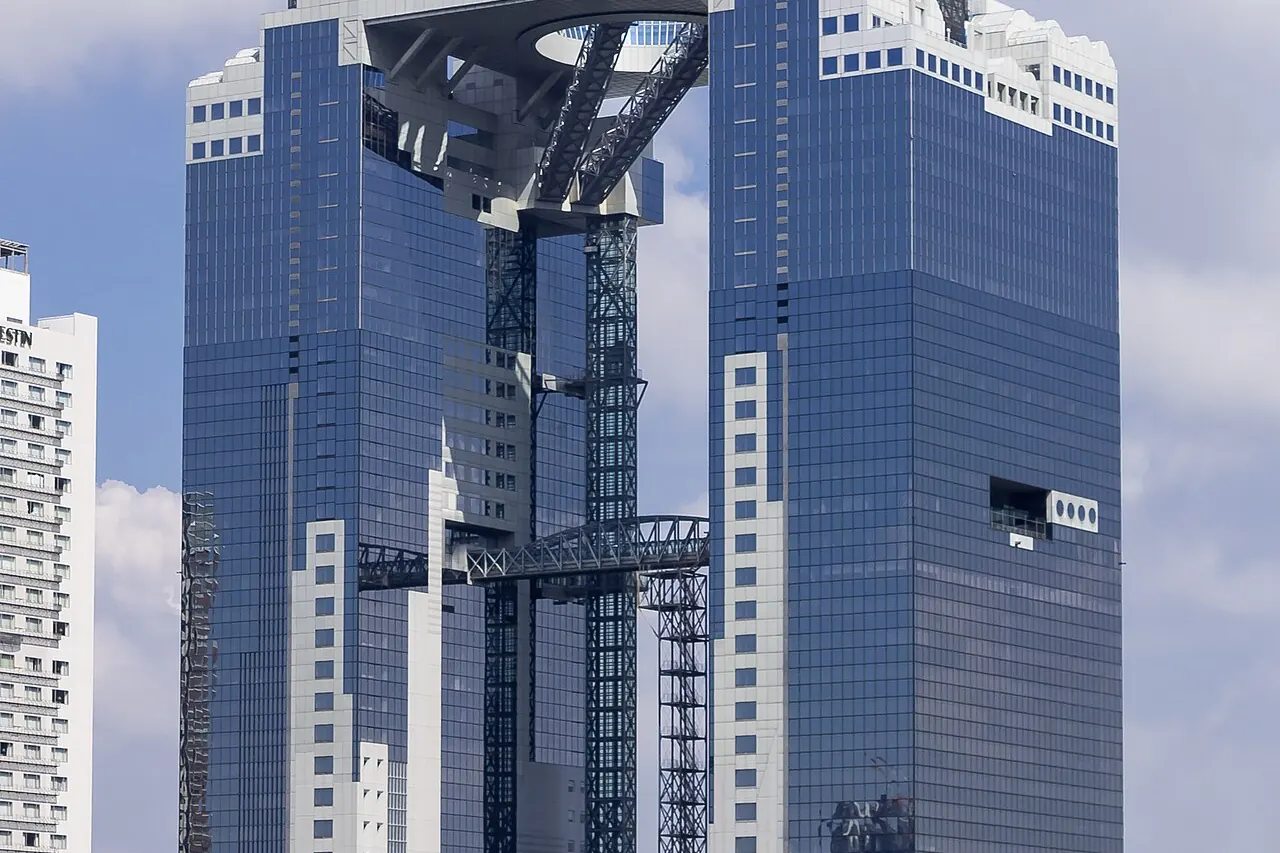
Umeda works well for a trip that repeatedly leaves Osaka or spends time in its northern centre. Osaka Station City and the surrounding department stores give you indoor shopping and plenty of meal choices without arranging a separate outing. Chayamachi has a younger retail-and-dining atmosphere, while the smaller streets of Nakazakicho make a useful change from the station malls. Umeda Sky Building is west of the main station cluster; its photograph should not suggest that every hotel sits beside the observatory.
JR Osaka Station, Hankyu and Hanshin Osaka-Umeda, and Metro Umeda, Higashi-Umeda and Nishi-Umeda belong to a large interconnected district, not one interchangeable entrance. JR-West lists Kansai-Airport Rapid access to Osaka, and the airport bus operator publishes Umeda stops. Compare both with the hotel's actual side of the complex. The downside is navigation through concourses, broad roads and busy commuter flows; arriving with luggage can involve more walking than a station-distance badge suggests. Namba is a better choice if Dotonbori dinners are the main event rather than an occasional southbound outing.
Plan it well: Use Umeda Sky Building as the named western-Umeda anchor. Osaka Station is not Shin-Osaka, where Shinkansen services stop.
Osaka tourism: Kita and UmedaTennoji and Abeno: southern sights with airport rail access
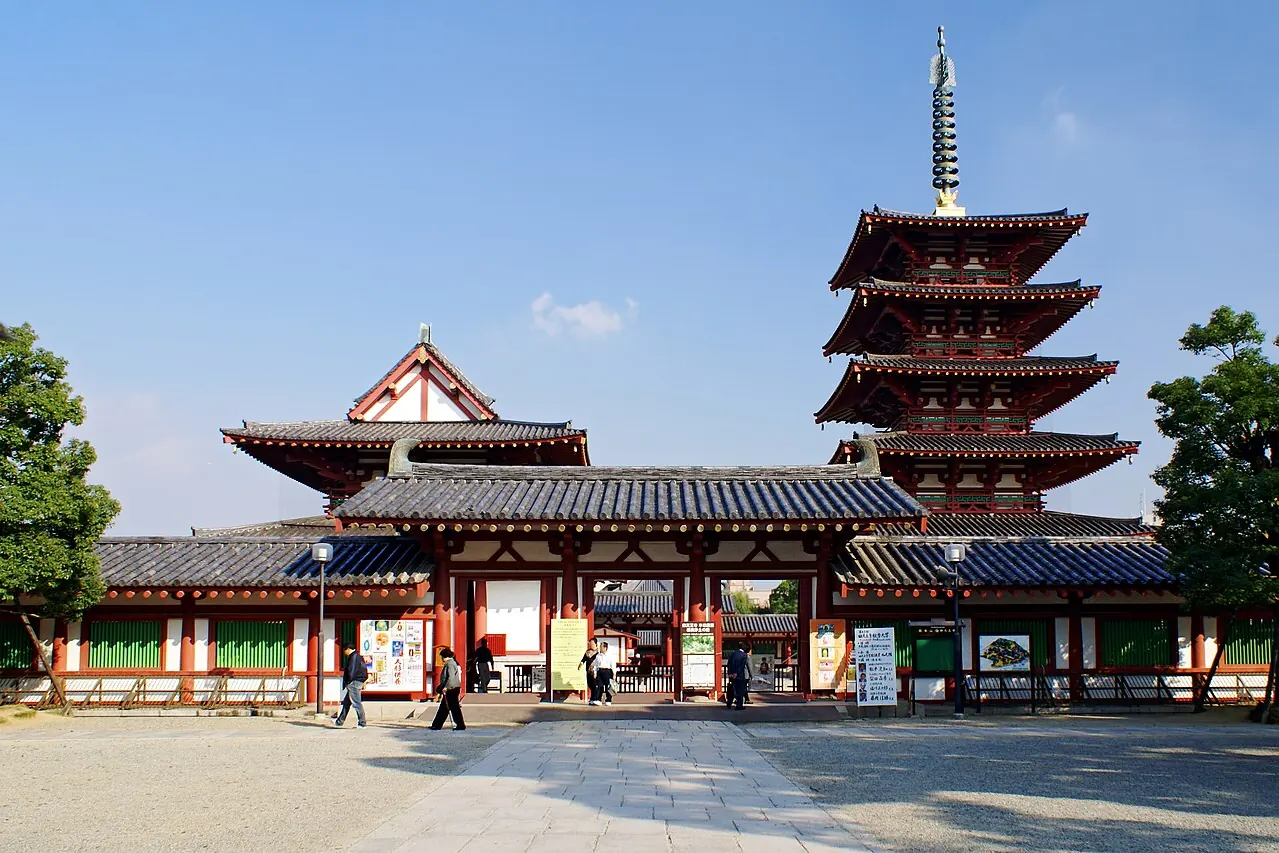
Tennoji and neighbouring Abeno combine a substantial transport hub with a useful concentration of southern sights. Around the station, department stores and shopping-centre restaurants make meals straightforward; Tenshiba and Tennoji Park add outdoor space. Shitennoji's temple precinct is a separate walk northeast, while Shinsekai and its kushikatsu restaurants lie west of the park. A stay on the temple side therefore feels different from a room amid the Abeno shopping towers. This is a practical alternative to Namba for travellers who want those places to shape more than one sightseeing afternoon.
JR-West's airport information includes Tennoji on its Kansai Airport routes, and Osaka Metro's Midosuji and Tanimachi lines provide city connections. Kintetsu's Osaka-Abenobashi is another station name to recognise in the same wider hub. The compromise is that northern shopping and repeated Kyoto departures become deliberate journeys rather than the default route out of your room. Do not treat Tennoji, Shitennoji and every Shinsekai hotel as the same immediate station location. Choose Umeda for a northern rail itinerary or Namba when late dinners around Dotonbori matter most.
Plan it well: The map and photograph show Shitennoji, an area landmark rather than the Tennoji station entrance.
Osaka tourism: Tennoji and Abeno areaNakanoshima: museums and a riverside city setting
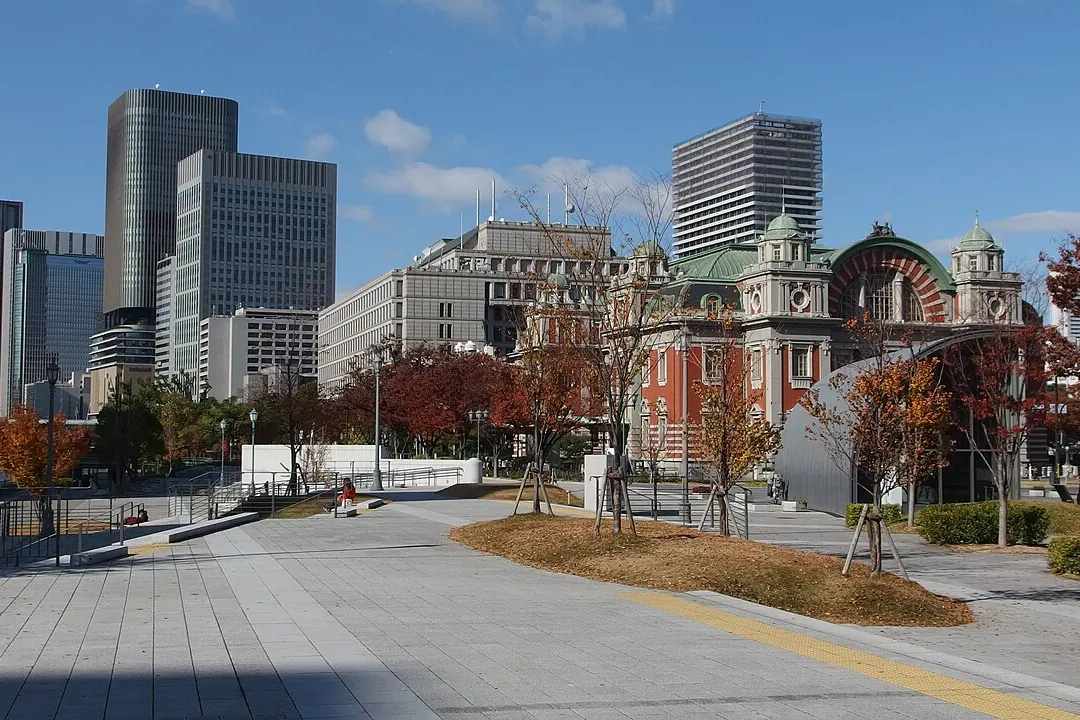
Nakanoshima suits visitors who would rather begin with a river walk than a neon food street. The island contains civic architecture, cultural buildings and offices between the Dojima and Tosabori rivers. At its eastern end, Nakanoshima Park, the Central Public Hall and the Museum of Oriental Ceramics make a coherent cluster; farther west, the National Museum of Art and Nakanoshima Museum of Art support an art-led stay. Riverside cafes and restaurants can supply a pleasant pause, but this is a long island, not one compact park surrounded by every hotel.
Yodoyabashi has Osaka Metro's Midosuji Line and Keihan services; Higobashi gives access to the Yotsubashi Line. Keihan's Nakanoshima Line serves other parts of the island, so choose the stop that matches the building rather than searching only by the district name. Airport arrival normally adds a city connection from the JR, Nankai or bus arrival point. The trade-off is a less concentrated evening restaurant circuit than Namba and potentially longer walks between western hotels and eastern sights. Choose Umeda if immediate regional departures matter, or Namba if nightlife is your priority.
Plan it well: The pin and photograph identify the eastern Nakanoshima Park. They do not mark the whole island or its western museum district.
Osaka tourism: Nakanoshima areaTempozan: an aquarium-focused waterfront stay
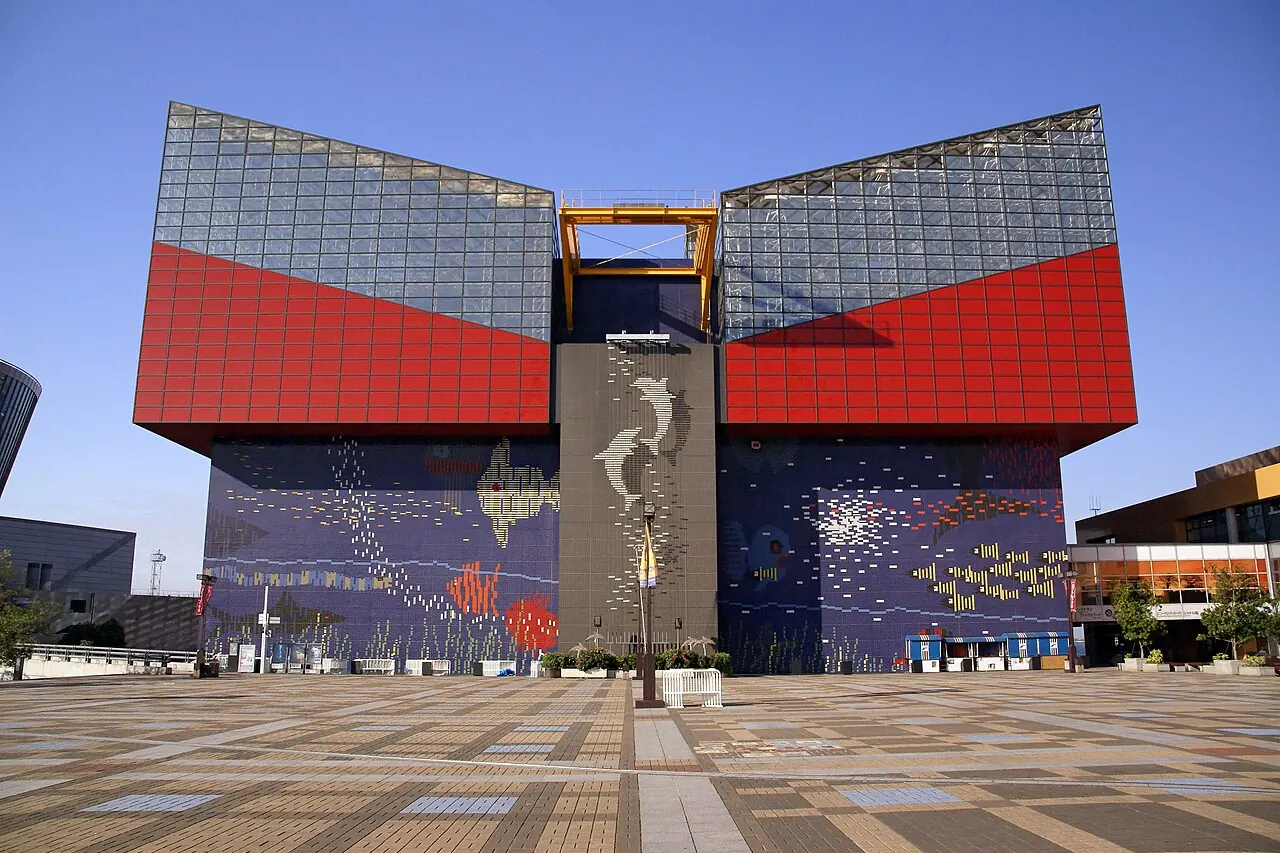
Tempozan makes sense when Kaiyukan and the harbour are central to your trip rather than an attraction squeezed between city-centre meals. The aquarium, Tempozan Marketplace and the Ferris wheel form a recognisable waterfront cluster, with food options around the shopping complex and local streets. A hotel here can simplify an aquarium day and leave time for the bay setting afterwards. It is a more specialised base than Namba or Umeda: choose it because you want to spend time on this side of Osaka, not because every place labelled Osaka Bay is nearby.
Osakako Station is on Osaka Metro's Chuo Line; central outings require that route and sometimes a change, including for the Midosuji corridor. Kansai Airport arrival needs a planned onward connection, with no direct Nankai terminal in Tempozan. The main downside is distance from the food streets and northern regional rail hub. Universal Studios Japan is across a different part of the bay, not a neighbouring attraction you can assume is walkable; verify any boat or rail connection separately. Stay in Namba for a broad first visit, or beside Universal City Station if the theme park, rather than Kaiyukan, is your overriding purpose.
Plan it well: The photograph and pin show Kaiyukan at Tempozan. They are not a Universal Studios Japan location.
Osaka tourism: Kaiyukan and Tempozan accessArrival and local connections
Kansai Airport to Namba
Nankai's Rapi:t runs to Nankai Namba. Compare the airport train arrival with your hotel's side of the Namba complex, and check the current timetable for your landing date.
Nankai Rapi:t route and timetablesKansai Airport to Umeda or Tennoji
JR-West lists direct Kansai-Airport Rapid access to Osaka and Tennoji and explains the airport-bound train split at Hineno. Check the correct cars when returning to the airport. Haruka and Rapid services have different stopping and ticket arrangements.
JR-West airport rail guideChoose the line and exit
Use Osaka Metro's current map for Midosuji, Yotsubashi, Tanimachi and Chuo connections. The district name alone does not reveal the easiest luggage route or whether a hotel requires another transfer.
Osaka Metro route mapAirport buses are stop-specific
Kansai Airport Transportation Enterprise lists separate Osaka destinations and stops. Compare the exact stop with the hotel, and identify whether your flight uses Kansai or Itami before selecting an airport route.
Kansai Airport Transportation EnterpriseFind your Osaka base
Compare Osaka hotels around the station and streets that fit your itinerary: Nankai Namba for airport-and-food convenience, Osaka Station for northern departures, Tennoji for southern sights, or a specific riverside or Tempozan address. A district preference is a starting point; the final walk from your actual arrival station often decides which room is most useful.
Explore Osaka hotels