
Takayama city guide
10 things to do in Takayama
Discover Takayama's merchant streets, morning market, shrines and Hida heritage, with ten photographed places and a flexible two-day plan beyond the old town.
Plan your visit
Takayama combines a compact merchant centre with places that deserve their own outing beyond the old-town loop. Start with the streets and river market, then choose the historic buildings, festival collections or rural architecture that interest you. These ten photographed places are in Takayama; Shirakawa-go is an optional separate excursion. Leave room for transport and weather instead of expecting every stop to fit into a single walking circuit.
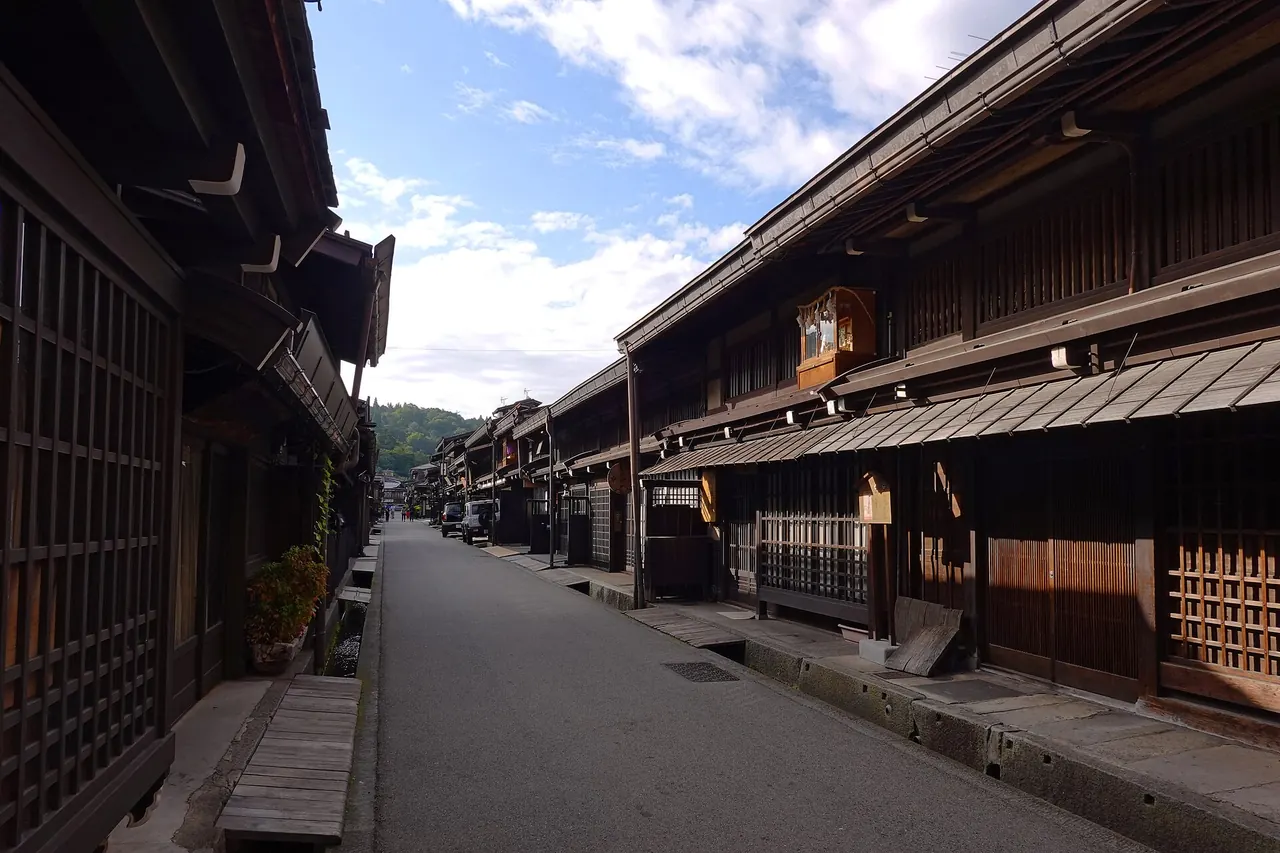
Begin with the merchant streets of Sanmachi
Sanmachi is a good place to understand Takayama as a merchant town rather than just a collection of souvenir shops. Look at the continuous wooden latticework, the channels beside the streets and the way individual buildings address the road. Cedar-leaf balls mark sake breweries, adding a visible link between architecture and local trade. Take a first walk without stopping at every counter, then return to the places that caught your attention.
The preserved streets are an everyday district with businesses and residents, so keep entrances clear and check individual shop arrangements. A brewery sign does not guarantee a tour or tasting, and any experience should be agreed with that business. Combine Sanmachi with the nearby river market or Takayama Jinya, keeping enough room for an actual museum visit instead of only moving between photographs. An early street walk and a later shopping visit offer different experiences without requiring two separate travel days.
Plan it well: Follow notices at private premises and ask individual breweries about visits rather than assuming all doors are open to sightseers.
Takayama City: Sanmachi Traditional Buildings Preservation AreaMake the Miyagawa Morning Market part of your morning
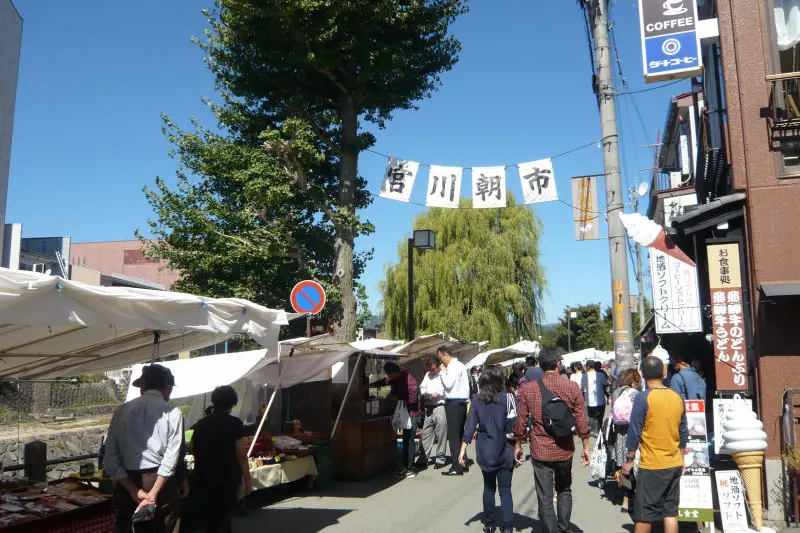
The Miyagawa Morning Market brings a working food-and-craft scene to the riverside. Seasonal produce, pickles, sweets and small handmade goods give you more to look at than a single snack recommendation. Walk along the stalls before choosing what to buy, and ask vendors how an unfamiliar ingredient is used when conversation is possible. The relationship between the river, temporary stalls and permanent shops is part of what makes this stop different from Sanmachi.
Visit in the morning and check the current official information, because the number of stalls varies with weather and season. A rainy or winter visit may have a smaller selection without the market being a different place. Keep cash and a reusable bag available, and use designated eating space where offered rather than blocking the walkway. Takayama also has a market outside Jinya; these are separate locations, so make a deliberate choice instead of assuming one map marker covers both.
Plan it well: Plan around the market you actually want; Miyagawa and the Jinya-front market are distinct stops.
Takayama City: Miyagawa Morning MarketsSee how Hida was administered at Takayama Jinya
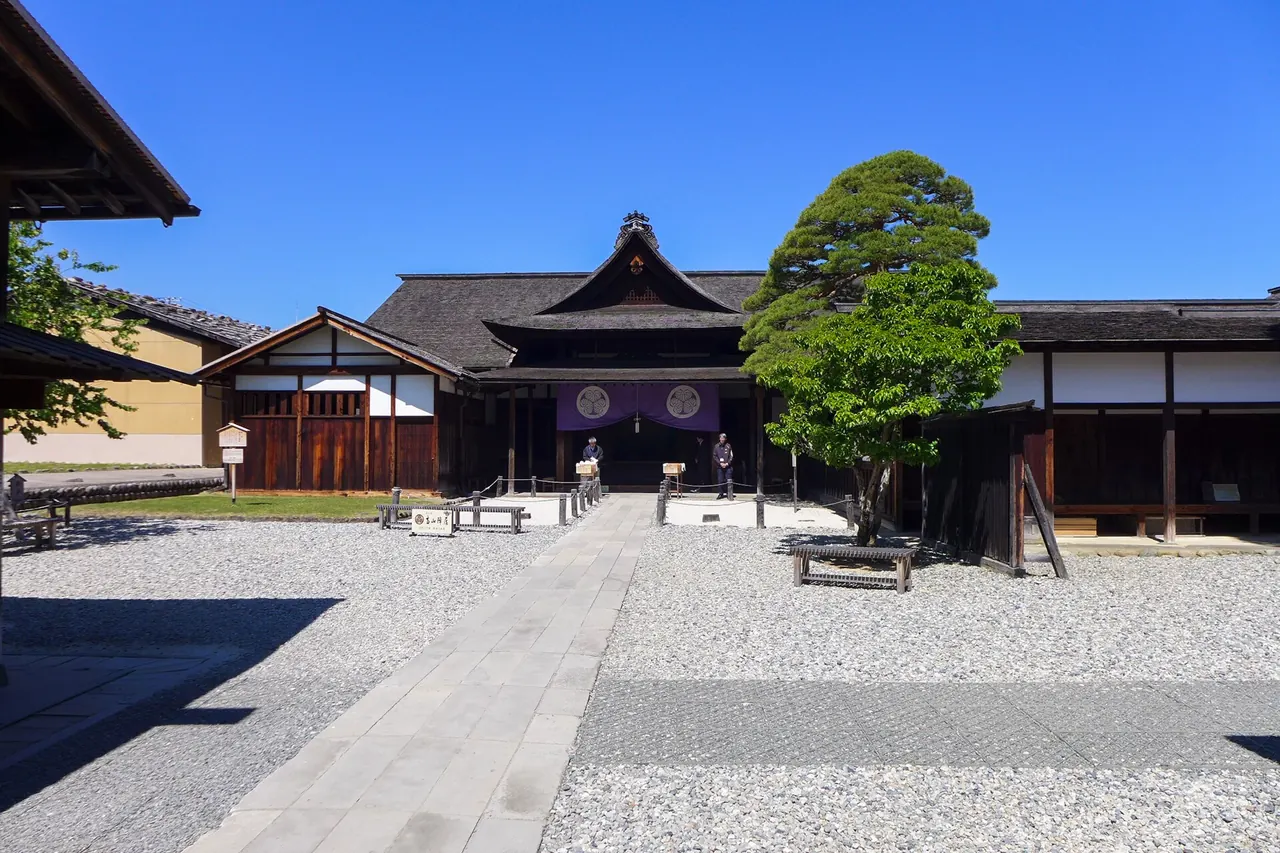
Takayama Jinya explains a different kind of historic building from a castle or a merchant house. The complex served the officials administering Hida, with spaces for government work, residence and the storage of rice collected as tax. Looking at those different functions helps make the region's timber and mineral wealth relevant to the rooms around you. Give the building an interior visit rather than relying on its familiar entrance photograph.
Check the official visitor guidance and the availability of guided interpretation if you want help reading the administrative spaces. A guide is subject to arrangements and availability, not something to assume is included at your preferred moment. The separate market outside can be a useful morning companion, while Sanmachi is another nearby option afterwards. Keep the visit focused on the building's functions and history, and follow room-specific access, photography and footwear instructions as you move through the complex.
Plan it well: Ask the operator about current guide arrangements before planning your entire visit around a particular language or departure.
Takayama City: Historical Government HouseGive Hida Folk Village its own travel block
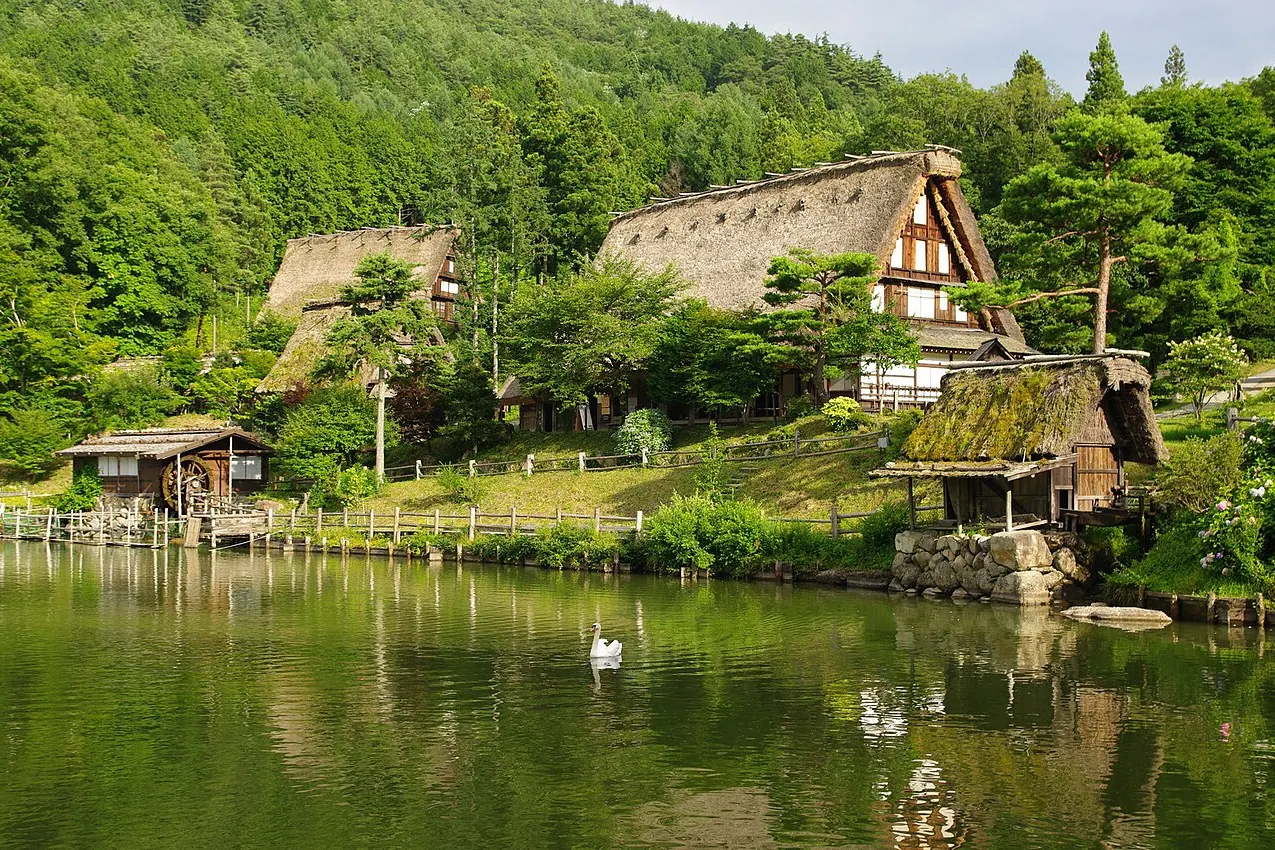
Hida Folk Village brings traditional regional houses together in an open-air setting outside the central merchant streets. The different roofs, interiors and everyday objects help explain how people lived in mountain communities, making it more than a backdrop for one thatched-house photograph. Walk between several buildings and compare how space and materials were used. The outdoor setting is part of the experience, so leave room for pauses instead of hurrying directly from entrance to exit.
Check the operator's current access information and the Sarubobo bus arrangements before travelling from the station area. Paths, weather and the buildings you choose will shape the visit; a craft demonstration or activity should be confirmed separately rather than promised as a standard inclusion. This village is in Takayama and is not Shirakawa-go, which requires a separate excursion. Use it as the main focus of a half-day, replacing some central sightseeing instead of adding a rushed journey to an already full schedule.
Plan it well: Keep Hida Folk Village and Shirakawa-go separate in your plans; their names and thatched architecture do not make them the same destination.
Takayama City: Hida Folk VillagePause beneath the trees at Hida Kokubunji
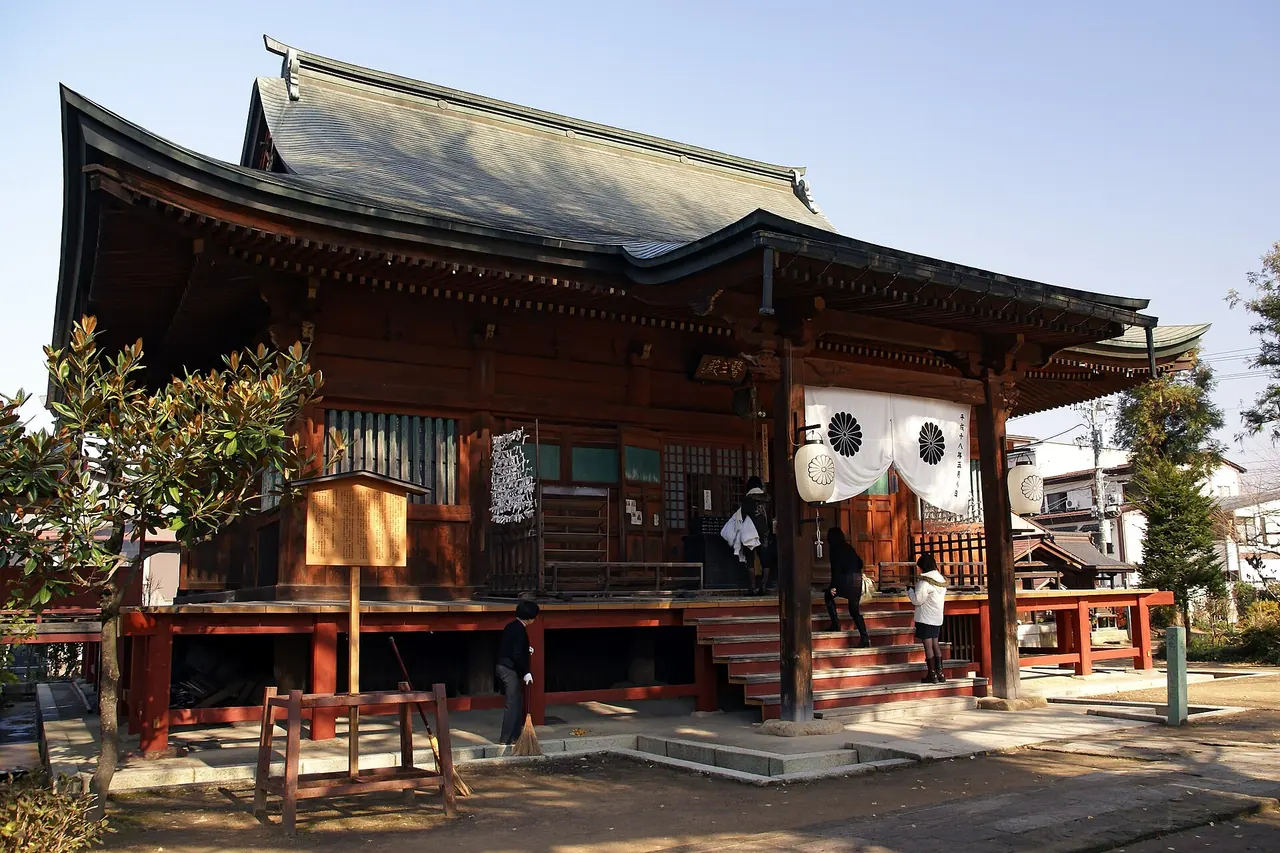
Hida Kokubunji gives a station-side walk a quieter historical stop. Its temple buildings, three-storey pagoda and large ginkgo tree create a compact setting where the relationship between structures and the living tree matters as much as any one photograph. The city's visitor guide points to the old main hall and surviving architectural elements, offering a useful contrast with the commercial streets across the centre.
Treat the precinct as a place of worship, keeping the approach and buildings clear for other visitors. Interior viewing and a short grounds visit can have different arrangements, so check the current temple guidance before promising yourself access to particular treasures. Seasonal colour depends on conditions rather than a fixed travel date. This is a practical beginning or ending to a central Takayama day, especially when you prefer a modest stop before the market or after a museum.
Plan it well: The presence of the temple grounds does not establish that the main hall or every interior is open for viewing.
Takayama City: Hida Kokubunji TempleVisit the shrine behind Takayama's autumn festival
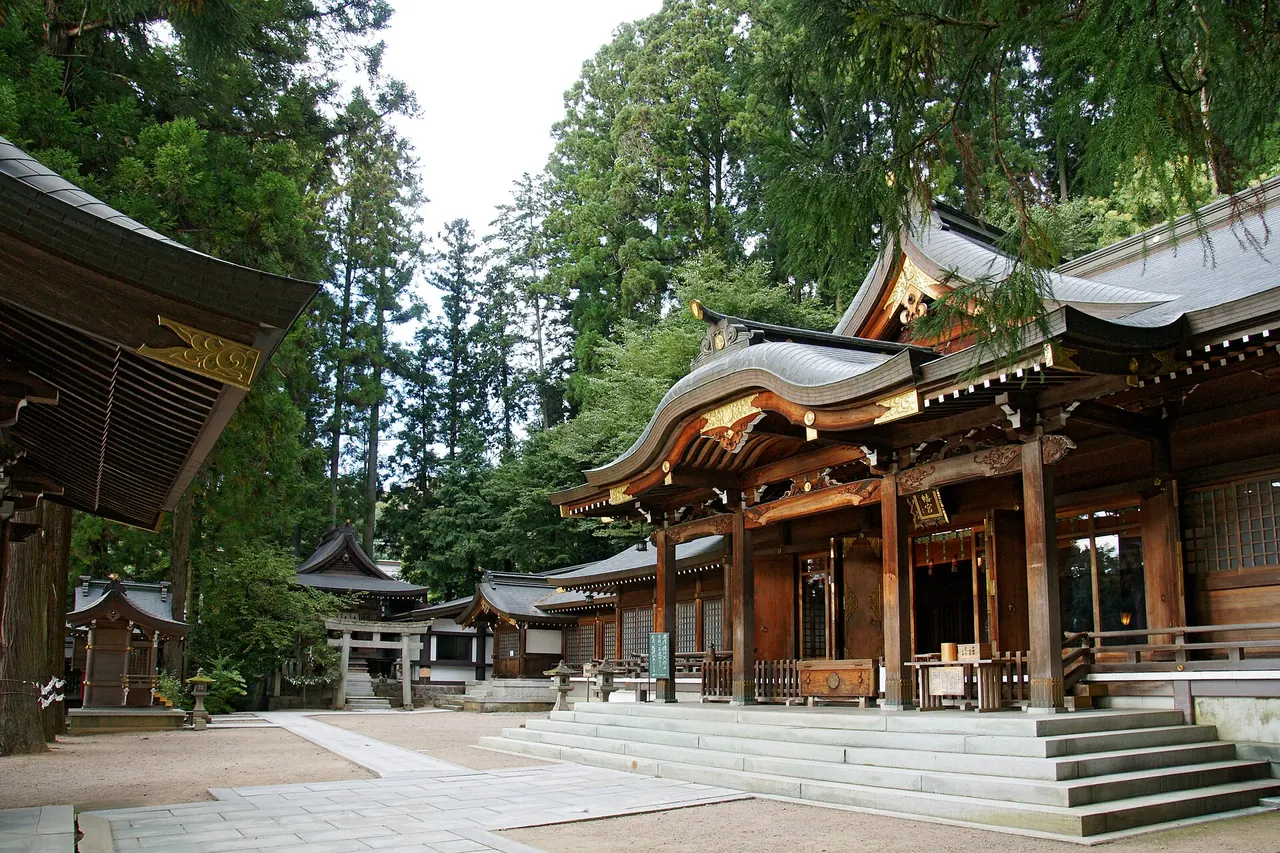
Sakurayama Hachimangu gives the northern part of a Takayama walk a clear cultural destination. It is the shrine associated with the city's autumn festival, but its grounds can be understood without arriving on a procession day. Look at the approaches and timber buildings, and consider how the surrounding neighbourhood connects with the festival traditions. The quieter setting is a useful counterpoint to the market and busy merchant lanes.
A shrine visit and admission to the adjacent festival-floats hall are separate experiences. Choose whether you want one or both, checking current visitor and event information before setting your route. During festival periods, crowd management and ceremonies can change how you move through the area, so do not rely on an ordinary sightseeing sequence. Outside those dates, keep the pace respectful and leave room for worshippers rather than treating every building as a museum exhibit.
Plan it well: Seeing the shrine does not guarantee a festival procession; consult current official event information when the festival is your reason for travelling.
Japan National Tourism Organization: Takayama Autumn Festival and shrine settingLook closely at the craftsmanship of the festival floats
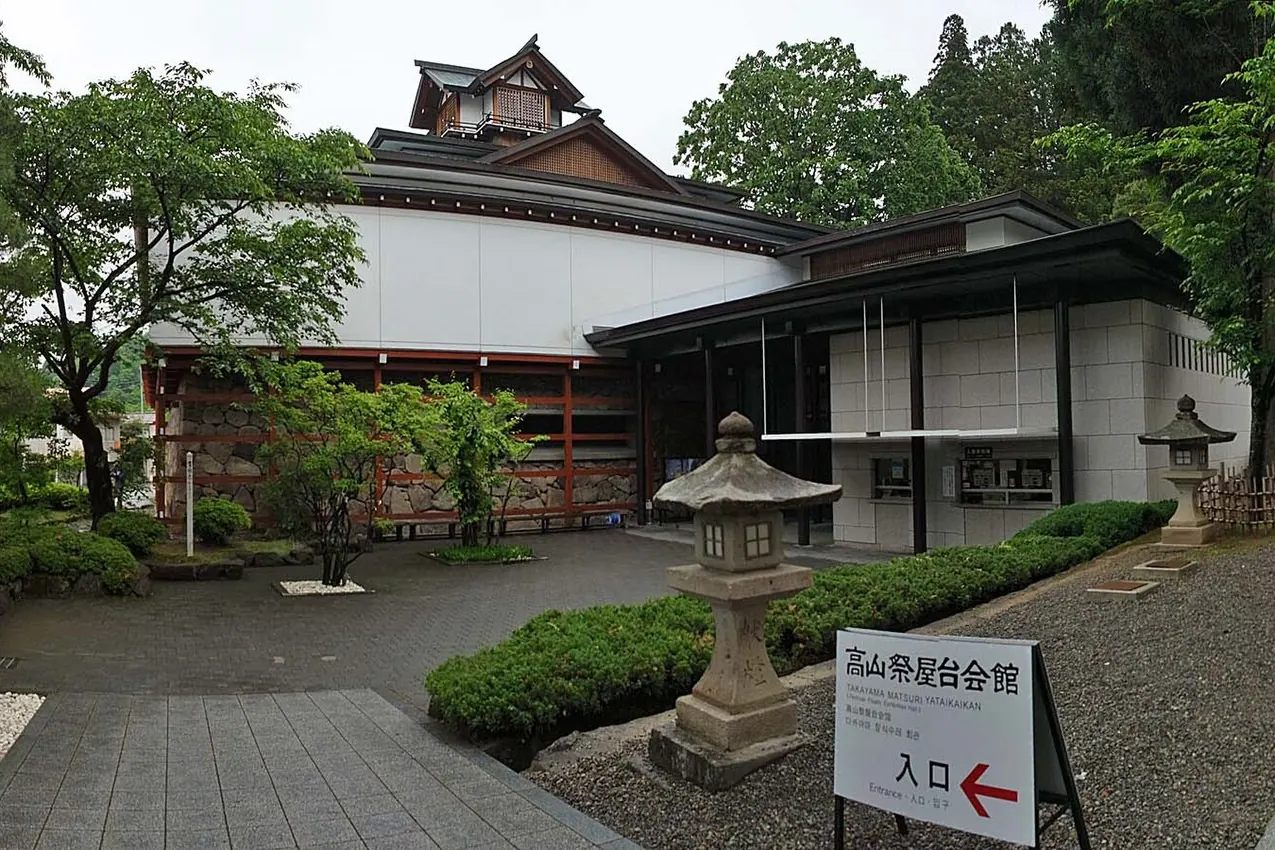
The Festival Floats Exhibition Hall makes Takayama's autumn celebration accessible as a museum visit rather than a date-dependent street event. The displayed yatai invite a closer look at carved ornament, textile decoration and the craft involved in constructing and maintaining them. Seeing their scale in a dedicated hall can make the nearby streets easier to imagine as a procession setting, while also showing why a quick photograph is only part of the experience.
The display rotates, so check current information if a particular float is important to you. A hall visit is not a promise of a live procession, a marionette performance or the presence of every festival float. Read the current admission description before assuming an additional neighbouring exhibition is included. Pair the hall with Sakurayama Hachimangu and the northern old town, leaving time for the objects and interpretation instead of adding the museum as a hurried final stop.
Plan it well: Use the hall's current admission and display information; the annual festival and the museum programme are different arrangements.
Takayama City: Festival Floats Exhibition HallConnect the streets with their history at the city museum
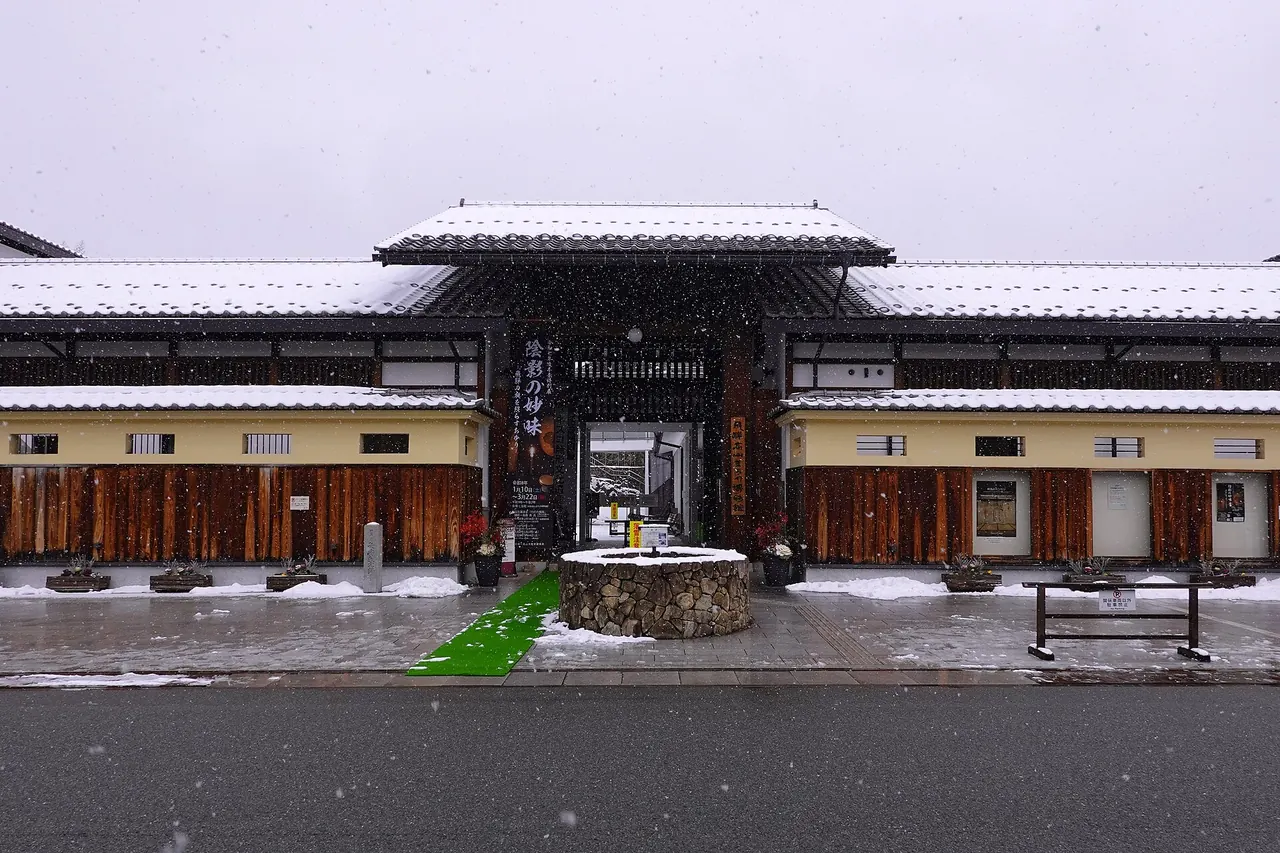
The Takayama Museum of History and Art occupies former merchant warehouses, giving its collections a direct relationship with the town outside. Its themes include the festival, traditional houses, local history, literature and art. Use those subjects to answer questions raised by a walk through Sanmachi rather than treating the museum as an unrelated indoor activity. The buildings themselves also make a useful comparison with the houses and shops seen elsewhere in the centre.
Choose a small number of rooms or themes to explore carefully, especially if you have already spent the morning on foot. Check current access and temporary-closure notices before making the museum your only indoor option. It pairs naturally with the old town or Jinya, but each explains a different aspect of the city. Leave time to read the interpretation and look at the warehouse setting, keeping an unhurried visit more important than finishing every room.
Plan it well: This is the city's history-and-art museum, distinct from the separately operated Hida Takayama Museum of Art.
Takayama City: Museum of History and ArtFollow the southern festival connection to Hie Shrine
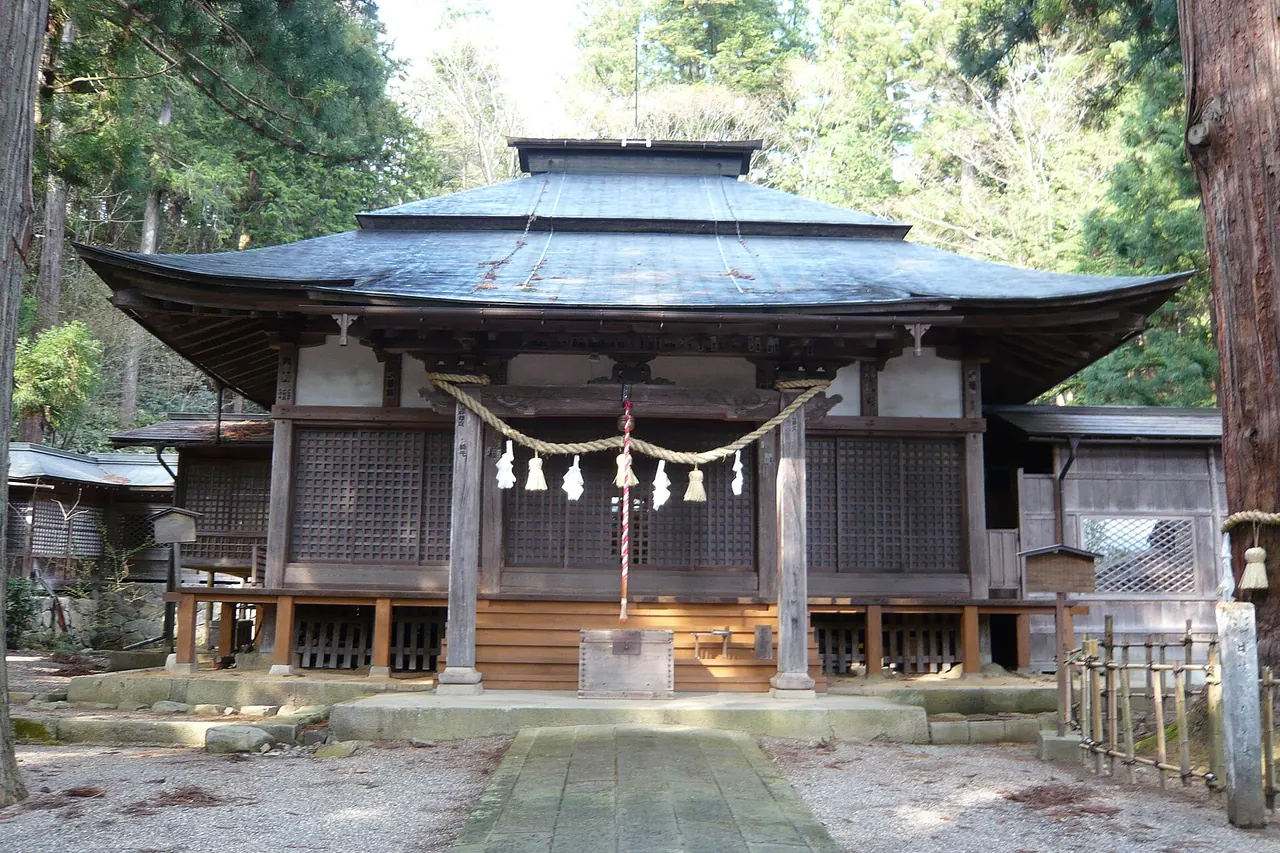
Hie Shrine introduces the southern half of Takayama's festival story. The spring celebration is associated with this shrine, while Sakurayama Hachimangu anchors the autumn festival further north. Visiting both helps avoid treating Takayama's traditions as one interchangeable event. At Hie, give attention to the shrine setting and approach, and let the journey from the central streets become part of a quieter outing rather than expecting another shopping district.
Choose a clear route and check conditions before setting out, especially when rain or winter weather affects footing. Festival dates and arrangements should come from current official notices, not from the assumption that floats are always present at the shrine. Keep ceremonies and worship separate from casual sightseeing, and follow signs at buildings. A visit here can replace another museum when you want more outdoor time; it need not be squeezed into the same hour as a return journey from the folk village.
Plan it well: Specify Hie Shrine in Takayama, Gifu, when planning the route; other Japanese cities have shrines with the same name.
Takayama City: Spring Festival and Hie ShrineMake a deliberate quieter outing to Hida Toshogu
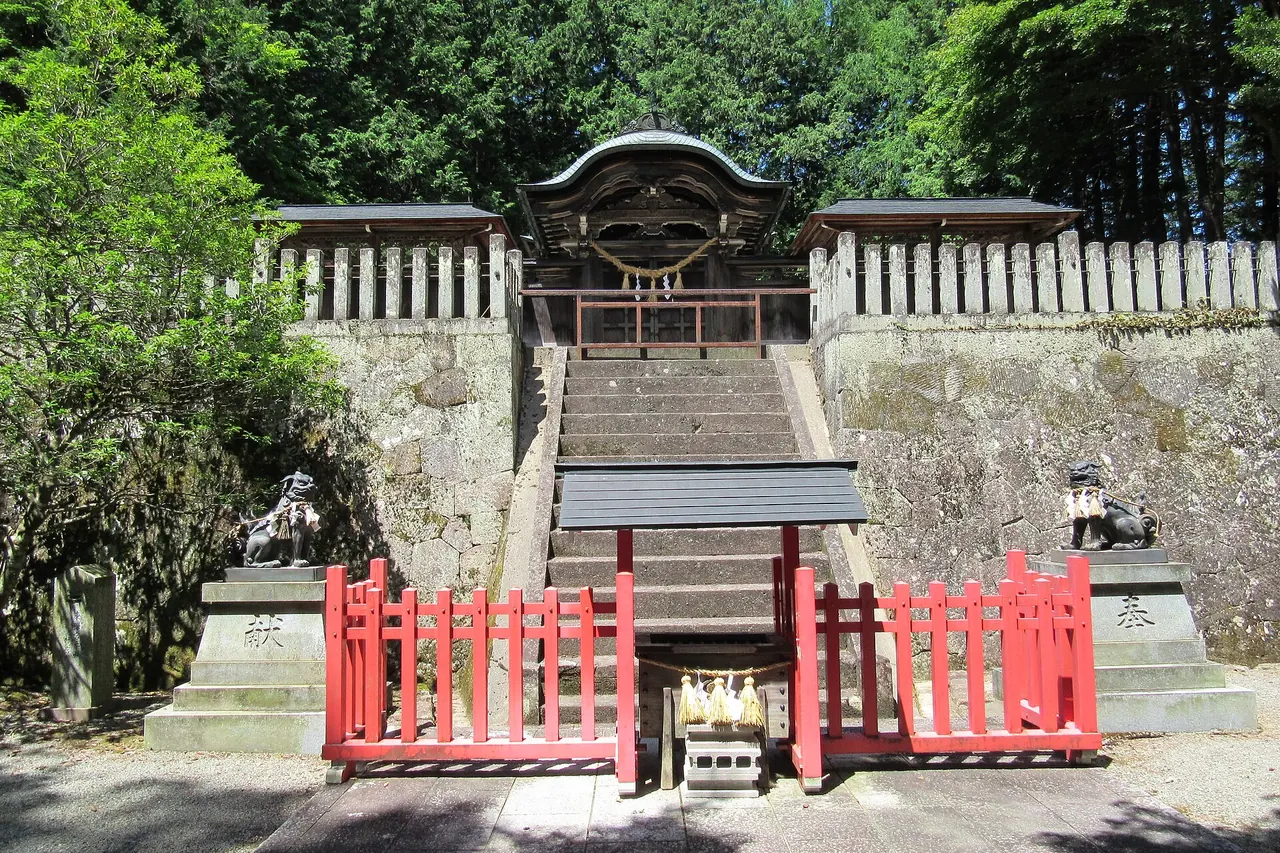
Hida Toshogu lies away from the busiest central sightseeing streets and rewards a deliberate visit by travellers interested in shrine architecture. The city's official tourism guide describes its association with Tokugawa Ieyasu and the craftsmanship of the main sanctuary, gate and surrounding openwork fence. Look at the arrangement of those elements and the wooded setting, rather than expecting the scale or crowds of Nikko's much better-known Toshogu complex.
Plan this as an outing beyond the old-town loop, checking an appropriate transport route and the conditions on the approach. The cultural-property buildings do not imply unrestricted interior access, so use posted guidance or ask the shrine about any specific viewing request. Seasonal flowers and foliage are possibilities rather than guarantees. Choose this quieter architectural stop when it matches your interests, and leave enough time to return comfortably instead of adding it to a tightly packed central-city checklist.
Plan it well: This is Hida Toshogu in Takayama; do not use a Nikko itinerary or admission description for the same-named shrine tradition.
Hida Takayama Tourism Association: Hida ToshoguHow to spend two days in Takayama
Day one: market and merchant town
Start with the Miyagawa Morning Market and explore Sanmachi while there is time to look beyond the shopfronts. Make Takayama Jinya or the Museum of History and Art your main interior visit. Hida Kokubunji is a useful quieter stop on the station side; leave enough time to enjoy a meal instead of adding every museum nearby.
Day two: choose a festival or village focus
Pair Sakurayama Hachimangu with the Festival Floats Exhibition Hall for a northern old-town outing. Alternatively, give Hida Folk Village a half-day and organise the station-side bus connection. Hie Shrine or Hida Toshogu can replace another stop for a quieter shrine visit; they are separate outings, not extras to squeeze into the same loop.
A separate day trip: Shirakawa-go
Shirakawa-go is outside Takayama and needs a separate journey. Check the current Nohi Bus route, whether your chosen service requires a reservation, and the return connection before committing. Leave margin for delays and winter conditions. Hida Folk Village remains a different attraction within Takayama, not a substitute name for the World Heritage village.
Nohi Bus: Takayama–Shirakawa-go route and reservation guidanceBefore you go
Distinguish the two morning markets
Miyagawa and the market outside Jinya are separate locations. Decide which one fits your morning, check the current official information, and allow for a changing selection of stalls with weather and season.
Takayama City: Miyagawa morning marketOrganise the journey beyond the centre
Hida Folk Village and Hida Toshogu are beyond the central old-town circuit. Check the appropriate bus or other transport route and the return journey, especially before choosing an outlying stay. The station-side Nohi Bus Center is distinct from individual city stops.
Takayama City: local transport and bus terminalSeparate festival dates from museum visits
The spring and autumn festivals have different shrine associations and current event arrangements. The floats hall is a museum visit, which does not guarantee a live procession or a performance. Use official notices for the dates you intend to travel.
Takayama City: Spring FestivalPrepare for the day's conditions
Old buildings, outdoor villages and shrine approaches can involve steps or uneven surfaces. Check venue access and the weather, carry footwear suited to the conditions, and leave a practical indoor alternative when a longer outdoor outing would be uncomfortable.
Choose a useful base in Takayama
A station-side base can simplify train arrivals and the bus journeys that leave from the Nohi Bus Center. An address near Sanmachi or the river can suit repeated walks through the merchant streets and an early market visit. Compare the property's actual route with luggage and the parts of town you expect to use, rather than assuming every accommodation described as central has the same approach.
For a traditional stay or a property beyond the centre, confirm transport, arrival conditions, stairs, room facilities and any meal arrangements directly before booking. An appealing rural setting can add a journey each time you return from town. This guide does not nominate a particular hotel or promise included meals, baths or transfers; use the property's current description to choose a stay that fits your own plans.
Explore Takayama hotels