
Tokyo city guide
10 things to do in Tokyo
Find a manageable route through Tokyo: temple approaches, Japanese art, neighbourhood shopping and gardens, with one skyline stop when the weather suits.
Plan your visit
Tokyo is easier to enjoy as several neighbourhood days than as one enormous sightseeing circuit. Give each day a main destination, use the railway to connect districts, and resist crossing the city for every meal. These ten choices balance sacred places, collections, street life and outdoor pauses. The suggested pairings are planning ideas, not timed walking routes.
Approach Sensoji through Asakusa
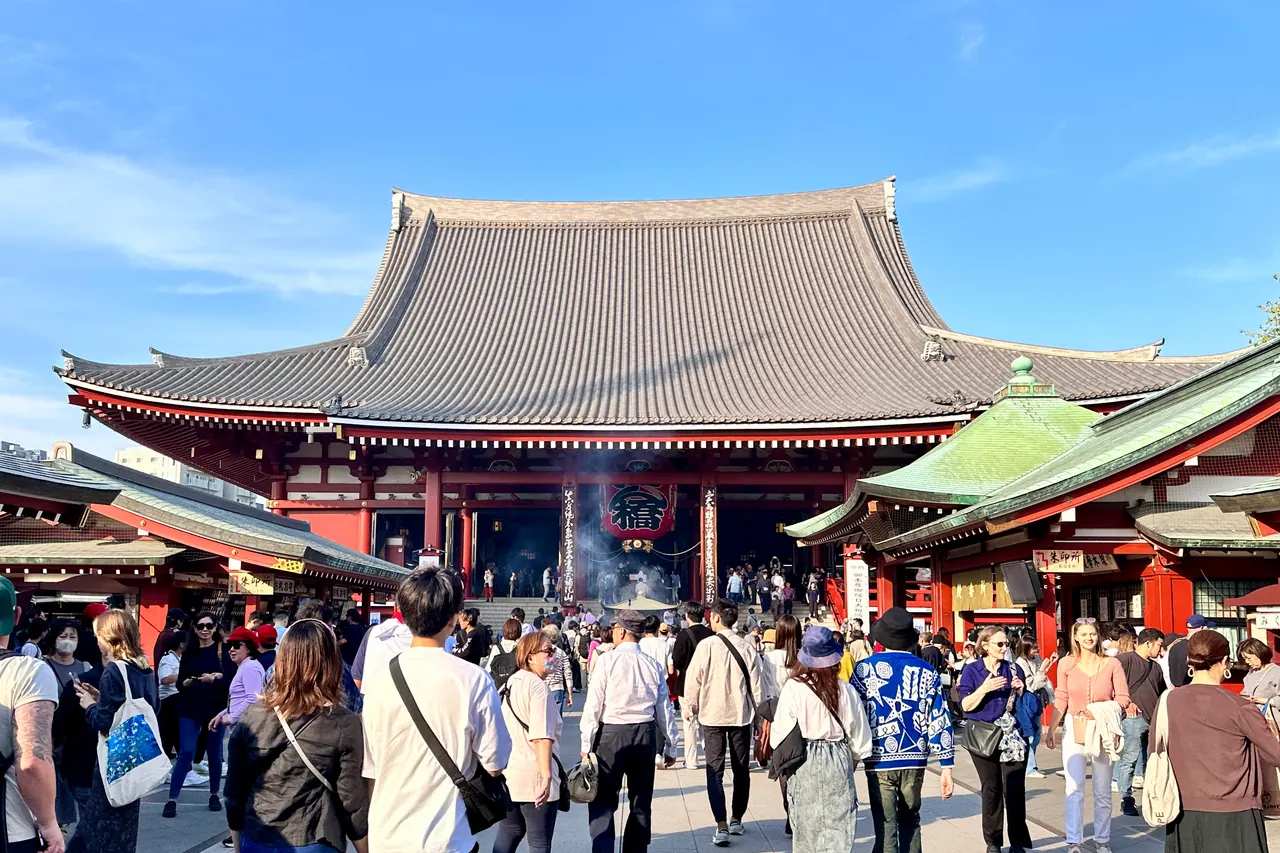
The approach to Sensoji gives a first visit a clear beginning: the Kaminarimon gate, the Nakamise shopping street and the temple buildings unfold in sequence. Look beyond the lantern photograph to the roofs, guardian figures and side paths. This is an active Buddhist temple devoted to Kannon, so leave worshippers room to approach the hall and pause without being photographed.
Use Asakusa as a district to explore rather than a quick transfer between attractions. Browse the shopping approach, then step into surrounding streets for lunch before deciding whether to continue towards the river. The temple grounds and the individual shops do not share one universal schedule. Check the temple website for ceremonies, and avoid assuming every garden or interior is open to visitors.
Plan it well: Keep the central approach clear when stopping for photographs, particularly around gates and incense areas.
Sensoji temple visitor informationWalk the wooded approach to Meiji Jingu
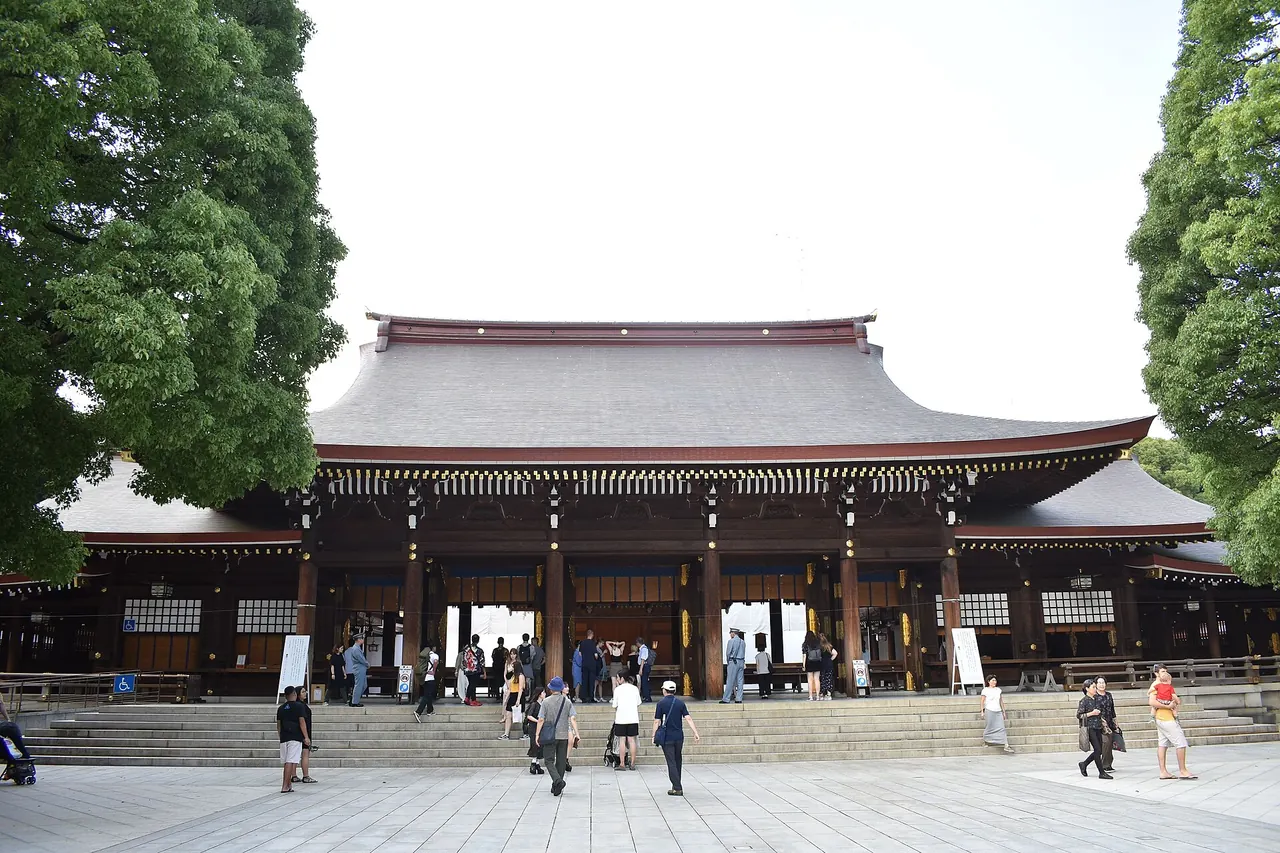
Meiji Jingu changes the rhythm of a western Tokyo day. Broad gravel paths and a wooded approach lead away from Harajuku into a Shinto shrine dedicated to Emperor Meiji and Empress Shoken. The distance between the entrance and the central courtyard is part of the experience; allow yourself a proper walk instead of expecting the shrine building immediately beside the station.
The shrine publishes seasonal opening arrangements, while the Inner Garden and museum have their own admission details. Decide whether those additional visits interest you before allocating time, and follow posted photography instructions around sacred spaces. Harajuku makes a useful meal or shopping stop afterwards, but there is no need to turn the quiet approach into a rushed prelude to every nearby fashion street.
Plan it well: Check which entrance suits your onward journey; the grounds connect with more than one station area.
Meiji Jingu official visit guidanceMake Shinjuku Gyoen a garden visit
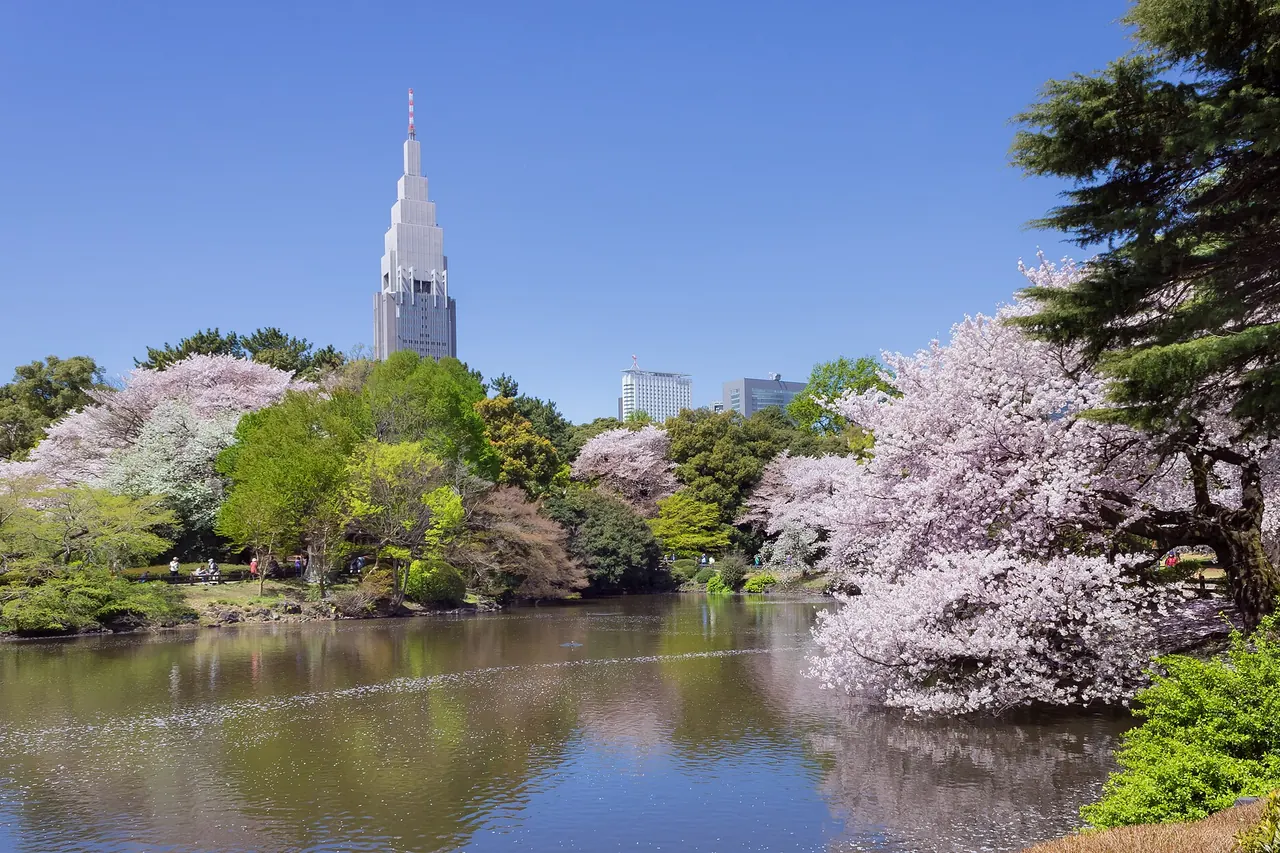
Shinjuku Gyoen is a deliberate garden outing rather than a shortcut across Shinjuku. Its lawns, ponds and different landscape styles reward a slow circuit, with the surrounding buildings reminding you how close the city remains. Choose a gate and a modest loop from the garden map. Trying to see every corner can leave little time to sit and appreciate the planting.
Season changes the reason to visit: blossom photographs do not promise blossom on your travel dates, and warm weather makes shade and water more important than covering ground. The official rules prohibit bringing alcohol, bicycles and drones into the garden. Consult the admission calendar before going, especially around regular closure days and special seasonal arrangements, and keep sports or a drinking picnic for another setting.
Plan it well: Pack a non-alcoholic drink and check the garden rules before planning a picnic.
Ministry of the Environment garden rulesWatch the rhythm of Shibuya Crossing
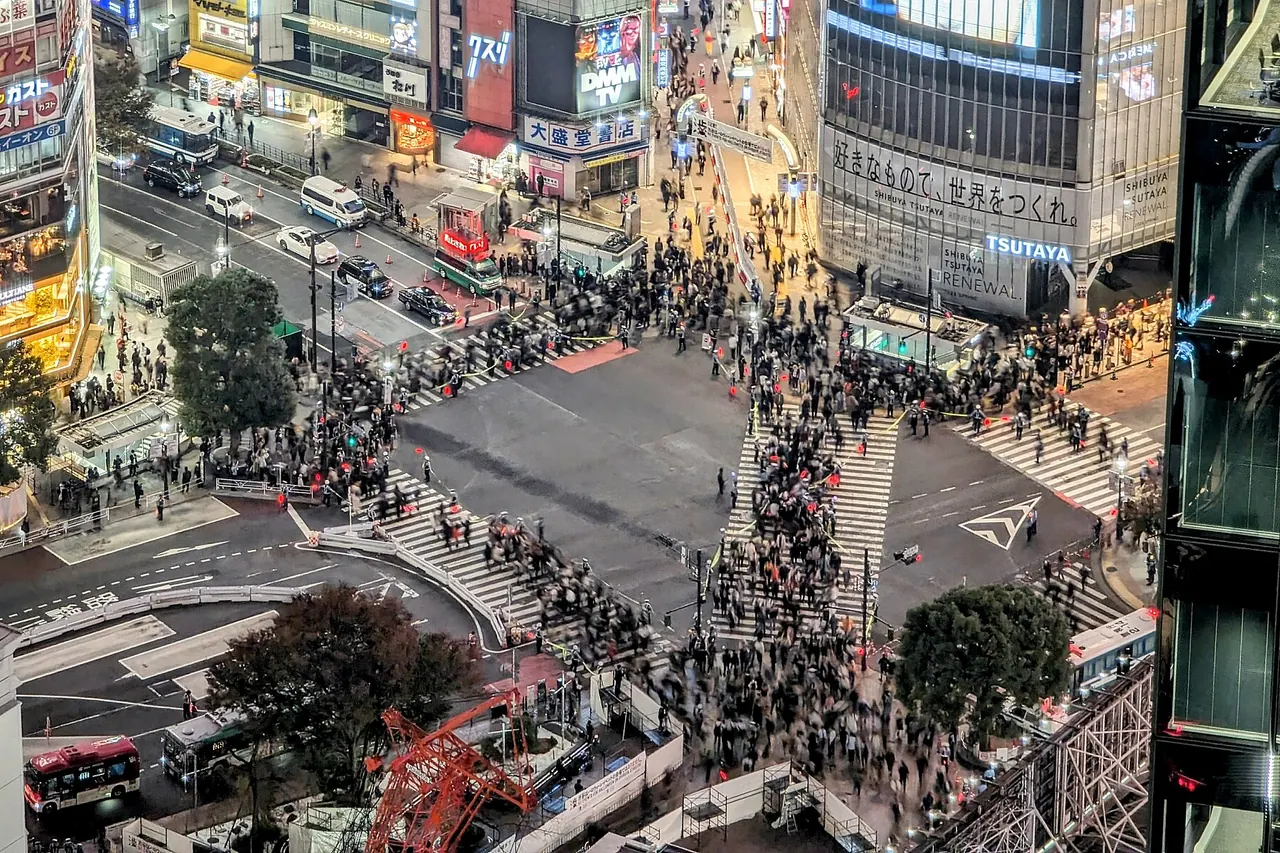
Shibuya Crossing makes sense as a short street-level experience followed by time in the neighbourhood. Watch a signal cycle from the edge, cross with the pedestrians, and notice how the traffic and footpaths fit together. It is a working junction, not a performance staged for cameras, so stopping in the middle to arrange a photograph creates problems for everyone behind you.
Continue into the shops, music stores or cafes that actually interest you rather than repeating the crossing indefinitely. An elevated observation deck is a separate activity, with its own ticket and weather considerations; visiting the intersection does not include access to one. Shibuya station has numerous exits, so agree on a specific meeting point if your group separates and allow time to locate your return platform.
Plan it well: Take photographs from a place where you can stand still without blocking the footway.
GO TOKYO Shibuya district guideChoose a collection at Tokyo National Museum
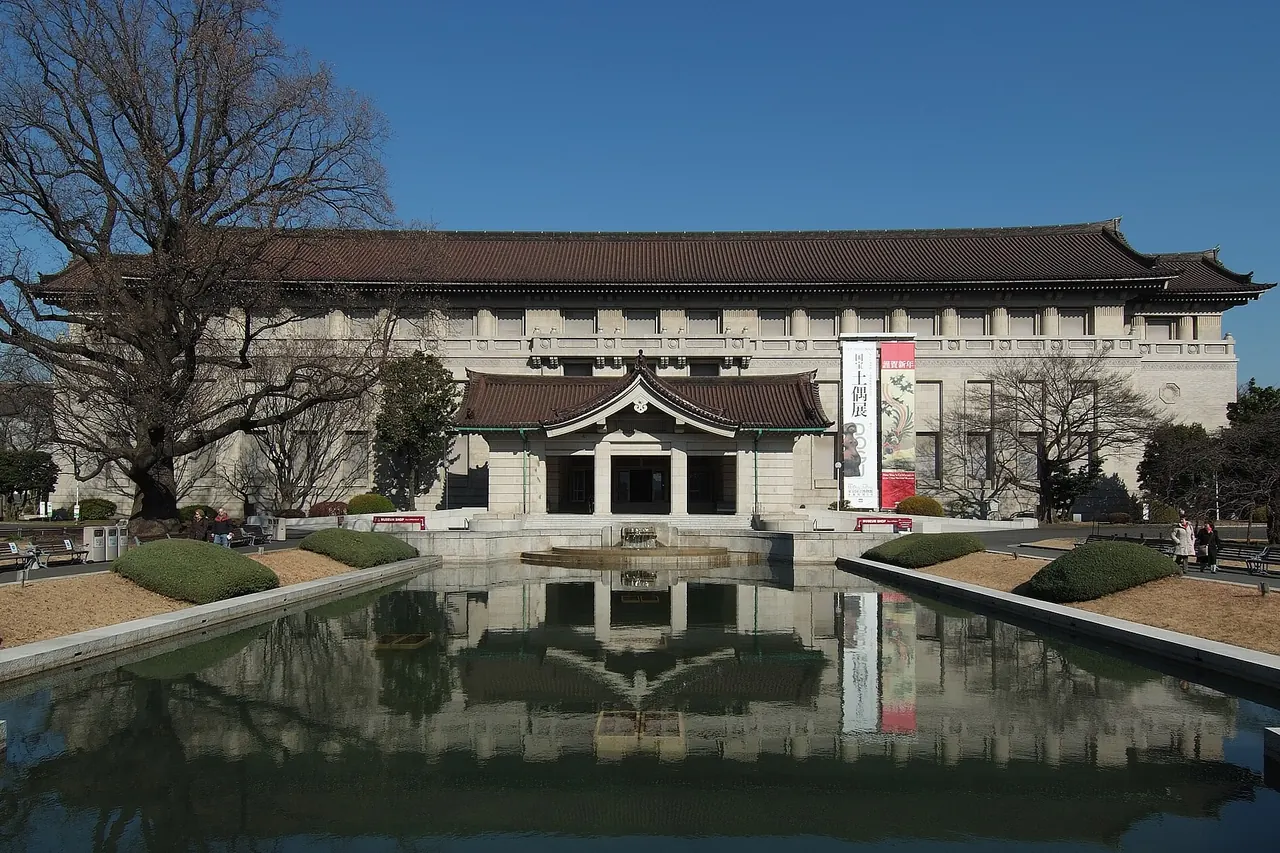
Tokyo National Museum is a good anchor for travellers who want objects and context behind the temples and streets. Start with a collection that draws you in, whether sculpture, ceramics, armour or painting, and read a few labels carefully. The campus contains several buildings, so planning a focused visit is more useful than measuring success by how many galleries you enter.
Distinguish the regular collections from special exhibitions when checking admission. Displayed works rotate, and an image seen online is not a guarantee that the same object will be on view during your visit. Consult the museum calendar for closures and exhibition arrangements before setting out. Ueno Park offers a natural pause afterwards, while a second large museum is best left optional rather than booked automatically.
Plan it well: Look at the current exhibition list first, then choose the appropriate admission rather than assuming one ticket covers everything.
Tokyo National Museum admission and accessLeave room for Ueno Park
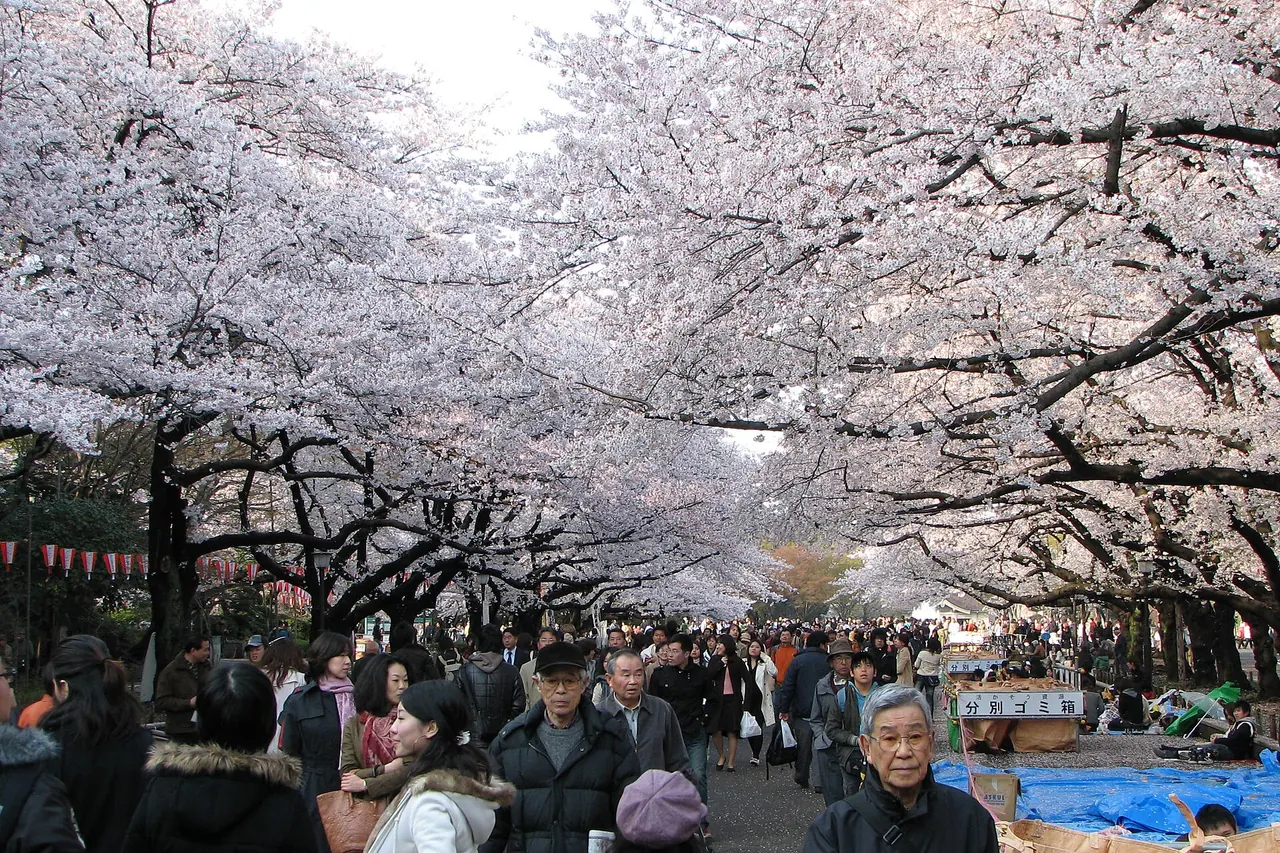
Ueno Park works well as the unbooked half of a museum day. Follow a few paths, compare the busier avenues with quieter corners, and decide whether the pond or another cultural stop suits your energy. The park is a setting for several independent institutions, not a single attraction whose entry automatically includes its museums, zoo or other paid visitor facilities.
Cherry blossom season is one reason people know Ueno, but it also brings crowds and depends on the weather each year. Outside that period, the park remains useful for a break between trains and galleries. Carry what you need for rain or heat, use public paths, and check the park operator for event notices rather than treating a seasonal photograph as a description of current conditions.
Plan it well: Choose one museum as your main commitment, then leave the park walk adjustable to the weather.
Tokyo Metropolitan Park Association Ueno ParkBrowse Akihabara with a particular interest
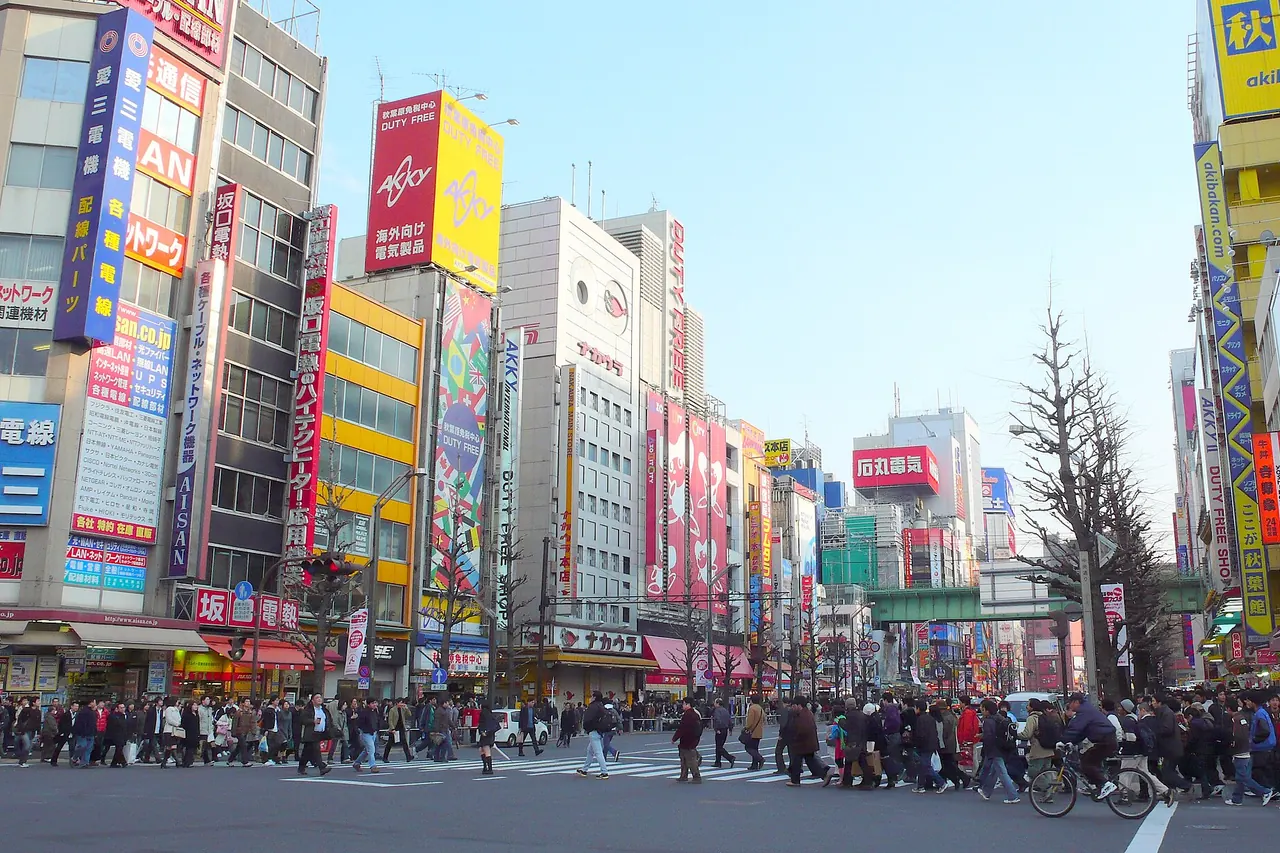
Akihabara is more rewarding when you arrive with a curiosity rather than a shopping obligation. Electronics, games, manga and collectables occupy very different shops, often spread across several floors. Pick one subject, compare a few stores and take a break before the displays blur together. Looking without buying is a perfectly reasonable way to experience the district and its commercial energy.
For an actual purchase, check the product specifications, language options, warranty territory and return policy with the retailer. A Japanese-market device or game is not automatically the right version for use at home. Cafes and entertainment venues also have individual charges and house rules; read them before entering. Combining Akihabara with Ueno makes more geographical sense than inserting it between western Tokyo stops merely because both involve shopping.
Plan it well: Photograph a product model number for comparison, but ask before photographing shop interiors or staff.
GO TOKYO Akihabara guideChoose a clear-weather ascent at Tokyo Skytree
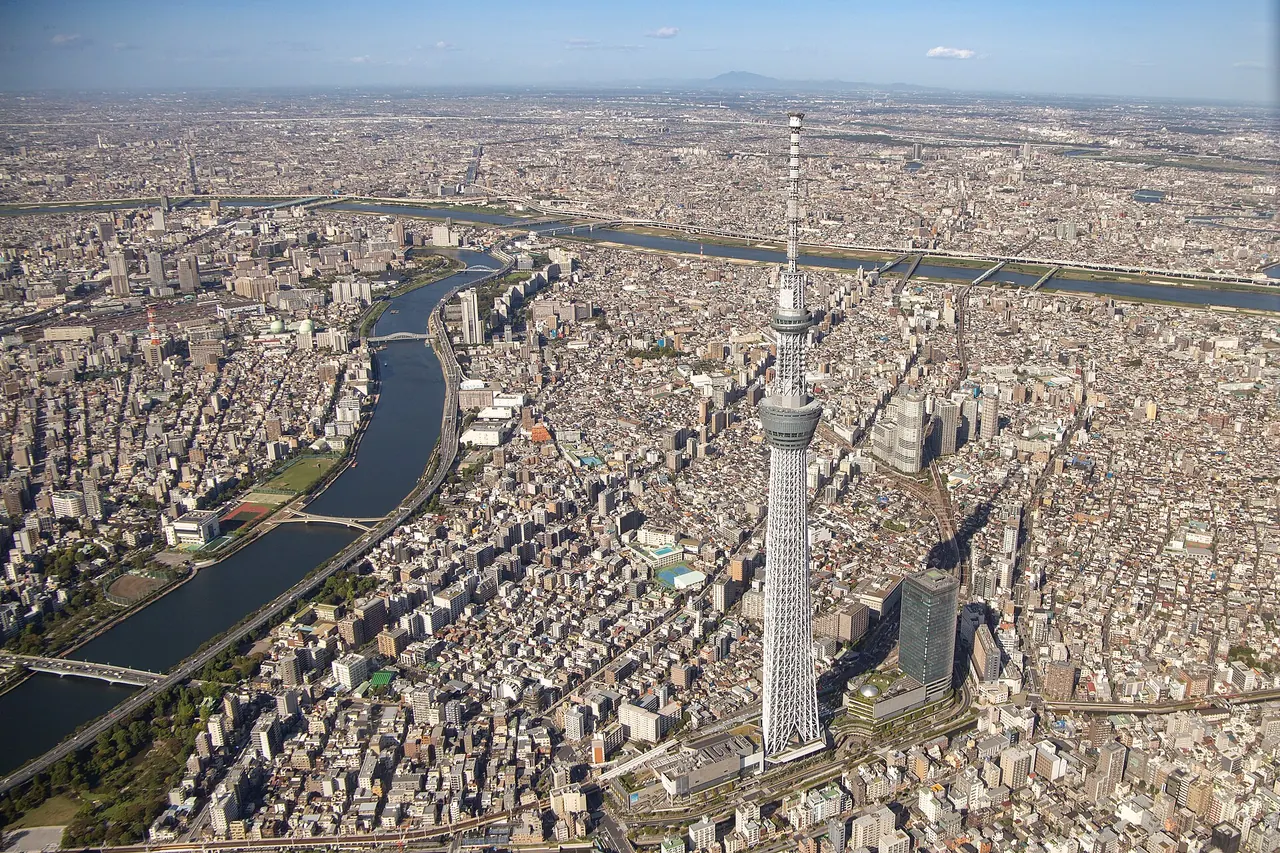
Tokyo Skytree gives scale to a city that can otherwise feel like a succession of station districts. The tower has distinct observation levels, so decide whether the lower deck meets your interests or whether you want the higher gallery as well. A skyline visit works best when you have enough time to look in several directions instead of treating the lift ride as the whole attraction.
Visibility is the most important variable: a booked ascent cannot promise a clear horizon or distant mountain view. Read the official ticket conditions and operating notices before choosing a date, and keep your expectations tied to the forecast. The surrounding Oshiage area and riverside Asakusa can form an eastern-city day, but leave transport time between them rather than assuming that two visible landmarks are immediately next to each other.
Plan it well: Compare the deck options before buying and check visibility before committing to a skyline-focused day.
Official Tokyo tourism Skytree informationFind the water landscape at Hamarikyu
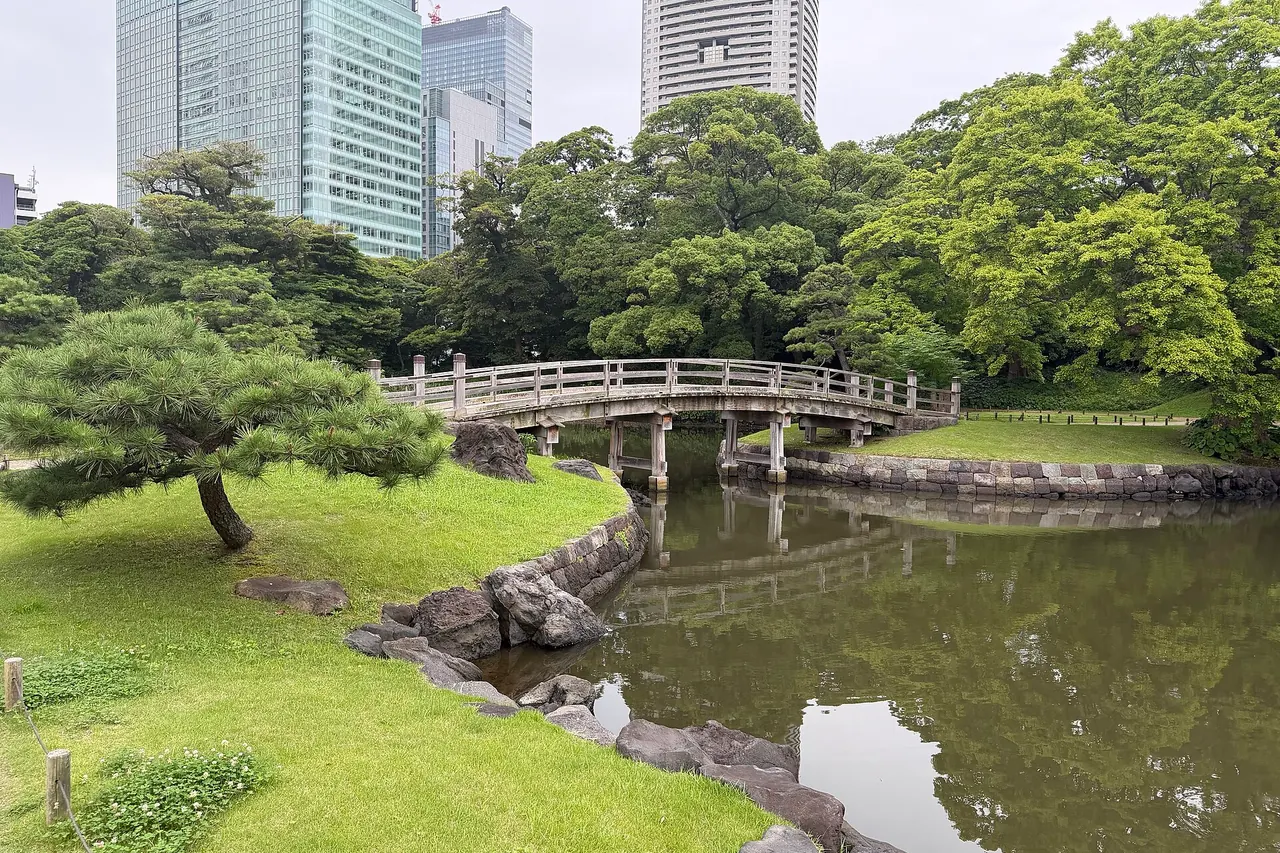
Hamarikyu is a useful choice when you want a composed landscape near the waterfront rather than another shopping district. Ponds, bridges and carefully maintained planting contrast with the towers of Shiodome around the edges. Start with the garden map and follow a loop that leaves time to notice the relationship between water and land, not simply to reach the next photogenic bridge.
Garden admission, refreshments and any water-bus journey are separate planning questions. Check the operator for current entrances, visitor notices and transport departures before designing a route around a boat connection. This is an especially good stop on a day already based in southern central Tokyo. Crossing the city solely for a short garden visit can consume more of your afternoon than the walk you intended to enjoy.
Plan it well: Treat a boat connection as optional until its departure point and current timetable are confirmed.
Hamarikyu garden operatorSee Tokyo Tower as a landmark and viewpoint
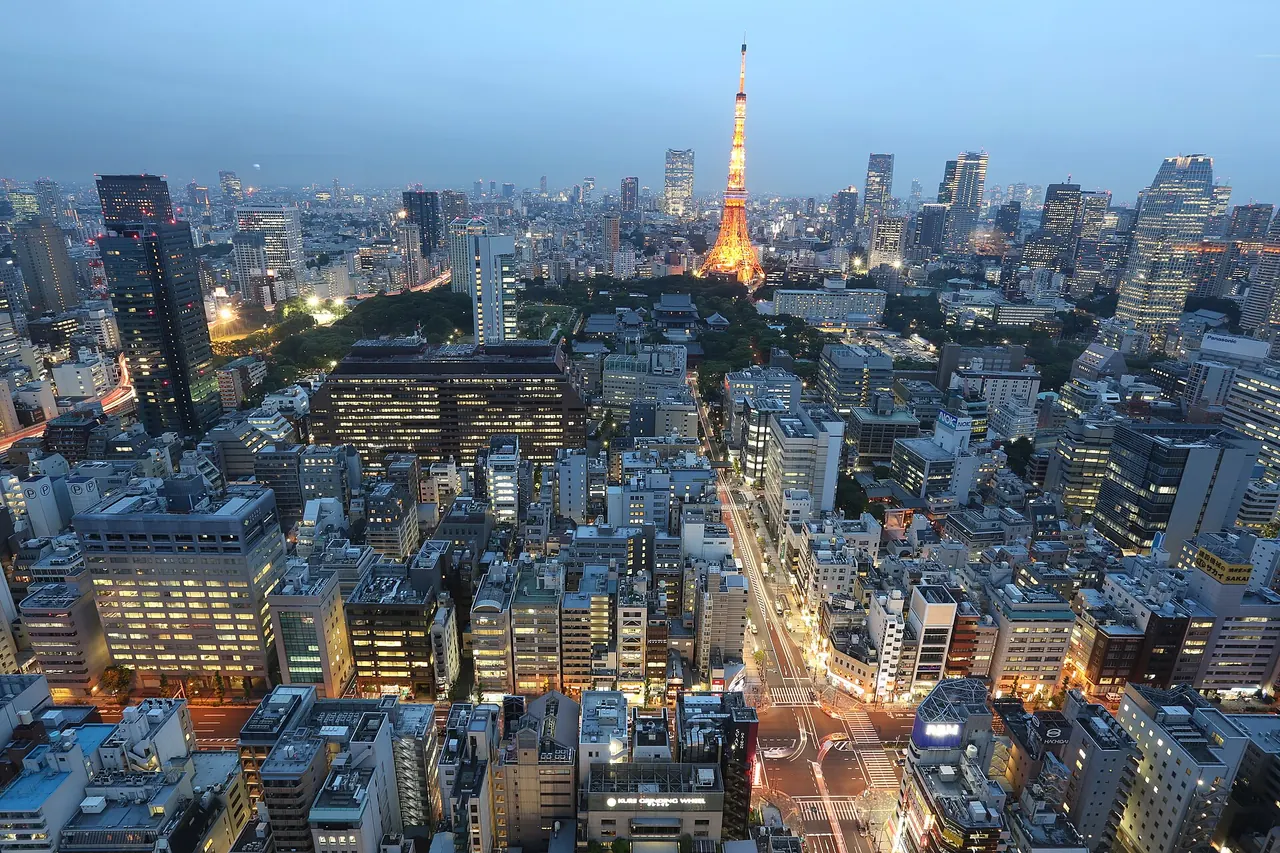
Tokyo Tower offers a different skyline experience from Skytree: its red-and-white structure is itself a prominent part of the view from surrounding streets. Decide whether you primarily want to see the landmark from outside or ascend it. Both are valid visits, and neither requires adding every indoor entertainment attraction in the building simply because it is available on the same site.
For an ascent, use the tower website to compare the Main Deck with the separate Top Deck arrangements and to check operating notices. Weather and visibility still matter, even if your visit is in the evening. Build a Shiba-area outing around the tower rather than booking two observation towers on one short trip. The money and time saved can go towards a collection, a meal or a neighbourhood walk.
Plan it well: Pick Tokyo Tower or Skytree as your main ascent unless comparing viewpoints is a particular interest.
Tokyo Tower official visitor informationHow to spend two days in Tokyo
Day one: eastern Tokyo
Start at Sensoji and explore Asakusa. Choose Tokyo National Museum as the main indoor visit, with a short Ueno Park walk afterwards. Keep Akihabara optional; substitute Skytree for the museum if the skyline is your priority and visibility is good.
Day two: western districts
Begin with Meiji Jingu, continue to Shibuya for the crossing and lunch, then use the train to Shinjuku Gyoen if its calendar permits. Hamarikyu and Tokyo Tower are alternatives for a separate southern-city day, not extra stops to squeeze into this route.
Before you go
Think in station districts
Check the station exit as well as the train line. A large interchange can add considerable walking, especially with luggage. Leave connection time and do not assume every lift serves every platform.
Tokyo Metro travel informationMatch the plan to the season
Heat, rain and blossom crowds change the comfort of outdoor visits. Keep an indoor collection available as an alternative, and use current official weather and venue notices before travelling.
Separate tickets from district walks
A park, shrine approach or shopping street is not the same as a museum, garden interior or observation deck. Check each paid activity separately instead of assuming a city pass covers every option.
Choose a base with useful railway connections
Compare hotels around the districts you will use repeatedly. Ueno or Asakusa can suit an eastern-city plan; Shinjuku and Shibuya favour western outings. Check the actual walk from a useful station exit, room dimensions, luggage arrangements and airport connections. A familiar district name alone does not tell you how convenient a particular hotel will be.
Explore Tokyo hotels