
Tokyo city guide
Tokyo Family Holidays: Tickets, Trains and Breathing Room
Tokyo works best for families when high-demand entries are booked first, journeys are grouped by district, and every major day includes recovery time. This guide translates current ticket, age, height, child-fare, stroller and accessibility rules into a realistic family plan.
Plan your visit
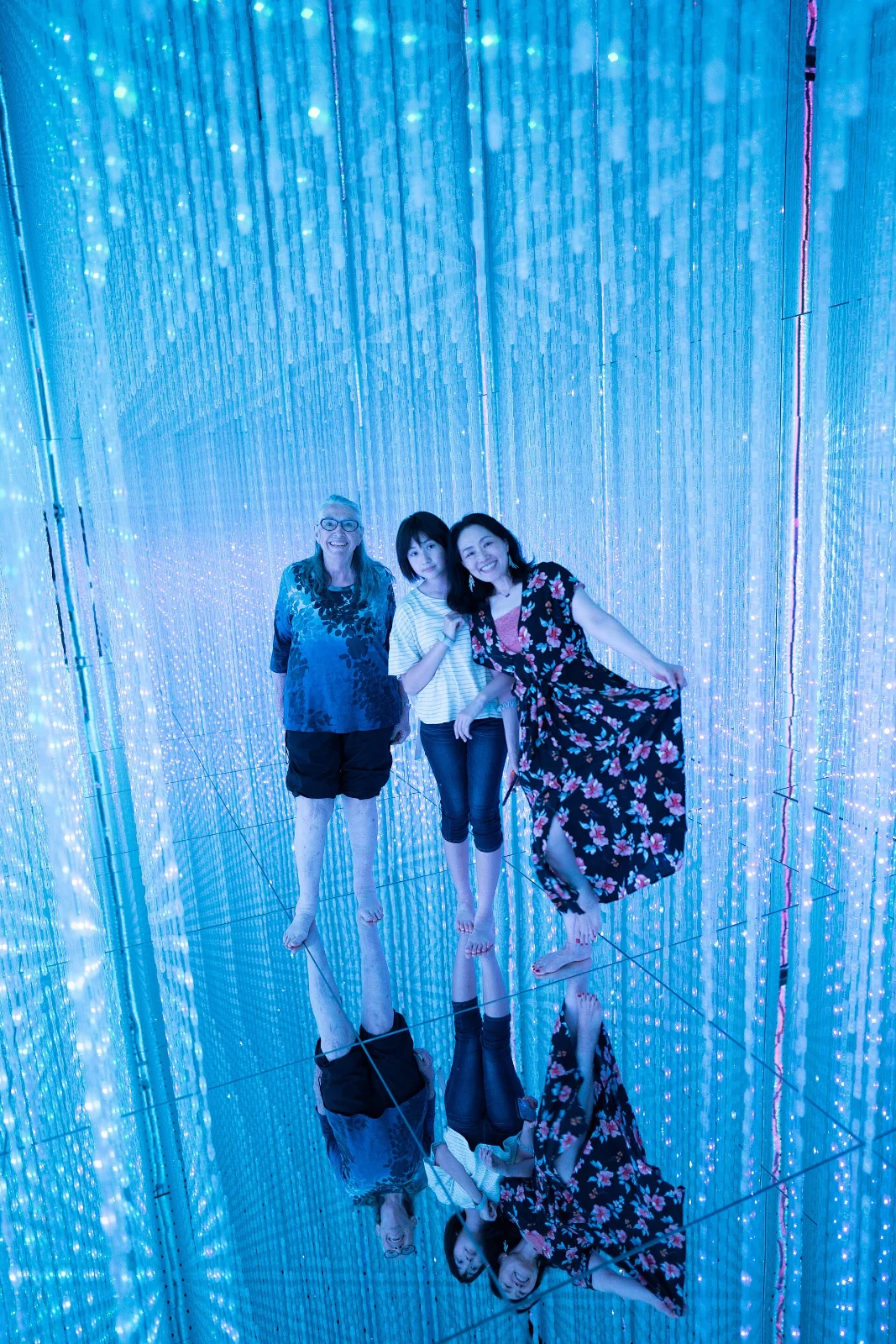
Tokyo’s challenge is rarely finding enough to do; it is preventing reservations, long station transfers and overstimulation from controlling the holiday. The strongest itinerary combines one carefully prepared Tokyo Disney Resort day, a flexible Ueno day, a sensory-aware teamLab Planets visit and shorter neighbourhood days connected by accessible rail routes. The details below were verified against official primary sources on 25 November 2026.
Make the Disney day fit your child before buying
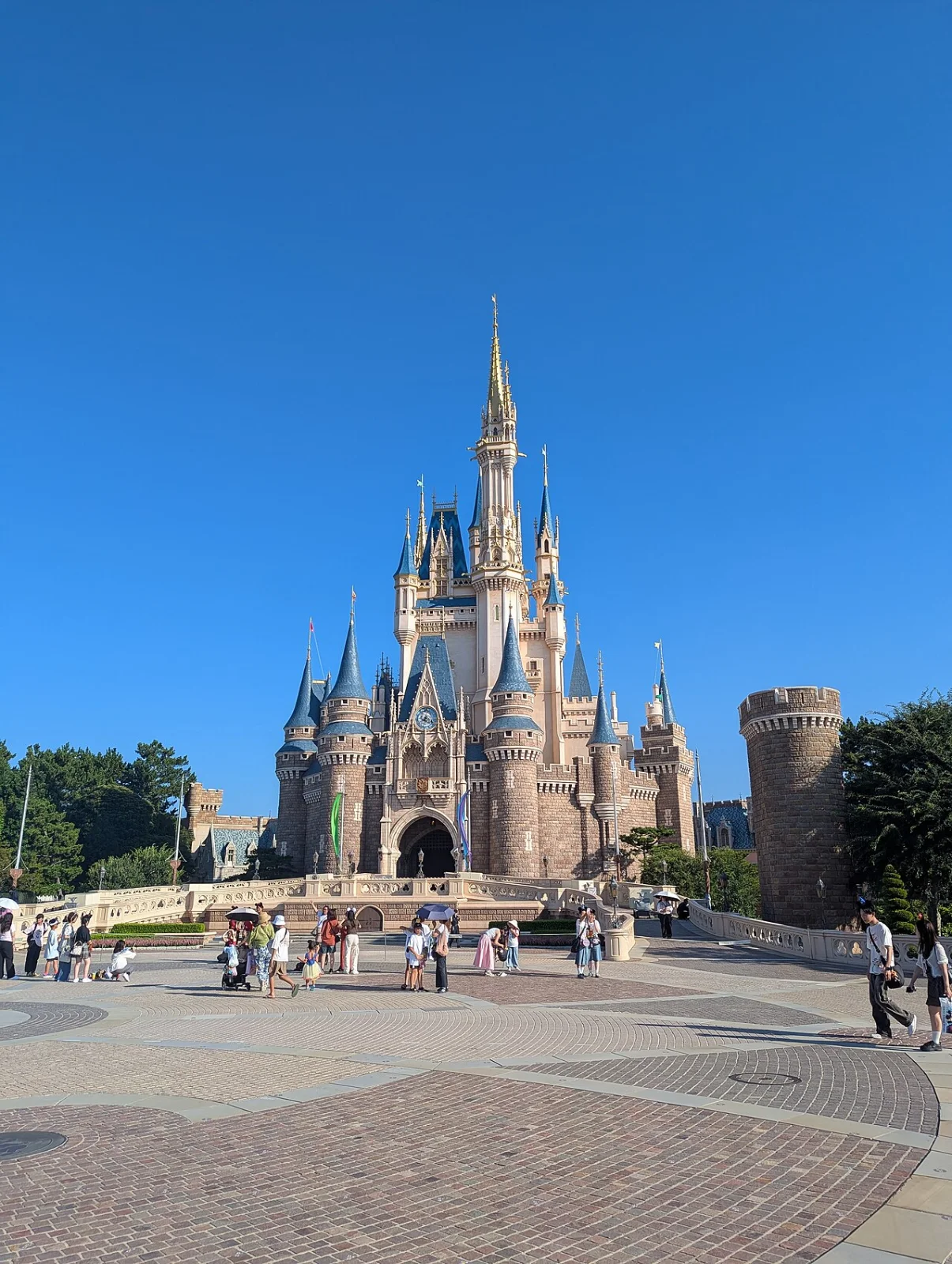
Tokyo Disney Resort tickets go on sale daily at 14:00 for admission on the same date two months later and can be suspended when the daily allocation is reached. Tickets are required from age four; children aged three and under enter free. Measure children before choosing a park: Tokyo Disneyland currently uses “over 81 cm”, “over 90 cm” and “over 102 cm” thresholds, while DisneySea uses “over 90 cm”, “over 102 cm” and “over 117 cm” bands for its restricted attractions. Build the day around two or three suitable priorities rather than an adult-length ride list. After admission, the official app handles services such as paid Disney Premier Access and Standby Pass; these cannot all be organised in advance. Families with two or more adults can request Rider Switch when a child does not meet boarding requirements, but they must speak to a Cast Member before the first adult queues. Park stroller rental costs ¥1,000 per day and is limited to children who can sit unaided, are at least seven months old, no taller than 100 cm and no heavier than 15 kg. A fixed lunch, Baby Center break or indoor show before the post-lunch slump protects the second half of the day.
Plan it well: Prepare a short “eligible now” ride list using each child’s measured height, then deal with app bookings immediately after entry. Leave the evening optional; a successful family day does not require staying until closing.
Use Ueno as a two-speed day, not a checklist
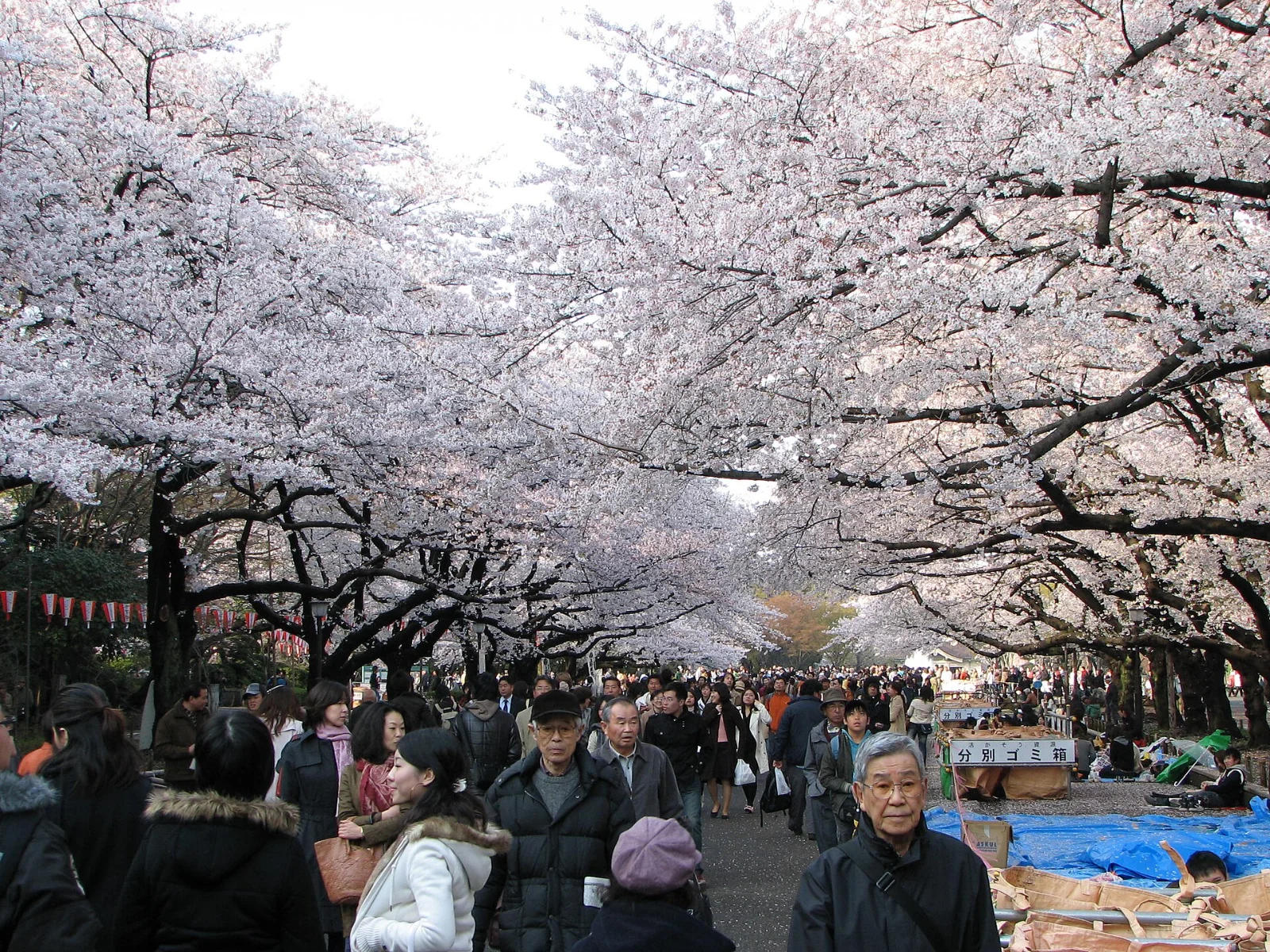
Ueno lets a family change pace without crossing the city, but the zoo, museum and ComPaSS should be treated as alternatives rather than three compulsory stops. Ueno Zoo normally opens 09:30–17:00, with last admission one hour before closing, and usually closes on Mondays or the following day when Monday is a holiday. Admission is free through sixth grade, ¥200 for junior-high students and ¥600 for general visitors; Tokyo-resident or Tokyo-enrolled junior-high students enter free with proof. Date-specific online QR tickets are available. The zoo rents reclining strollers for ¥500 cash per day for children aged seven months to four years and up to 18 kg; it also provides nursing rooms, a stroller and wheelchair map, and a sensory map identifying noisy, crowded, dark or strongly scented areas. The adjacent National Museum of Nature and Science is a dependable heat or rain alternative: permanent-exhibition admission is free for high-school age and younger. Its ComPaSS family area primarily targets ages four to six but accepts children from birth through elementary-school age with an adult guardian aged 18 or over. Every participant, including infants, needs a paid advance reservation for a 45-minute session; strollers remain outside and there are no toilets or nursing facilities inside.
Plan it well: Choose one anchor. On a comfortable morning, visit one zoo garden before a booked ComPaSS session; in heavy rain or heat, drop the zoo and stay in the museum. Complete feeding, toilet and stroller parking before the ComPaSS check-in time.
Treat teamLab Planets as a sensory appointment
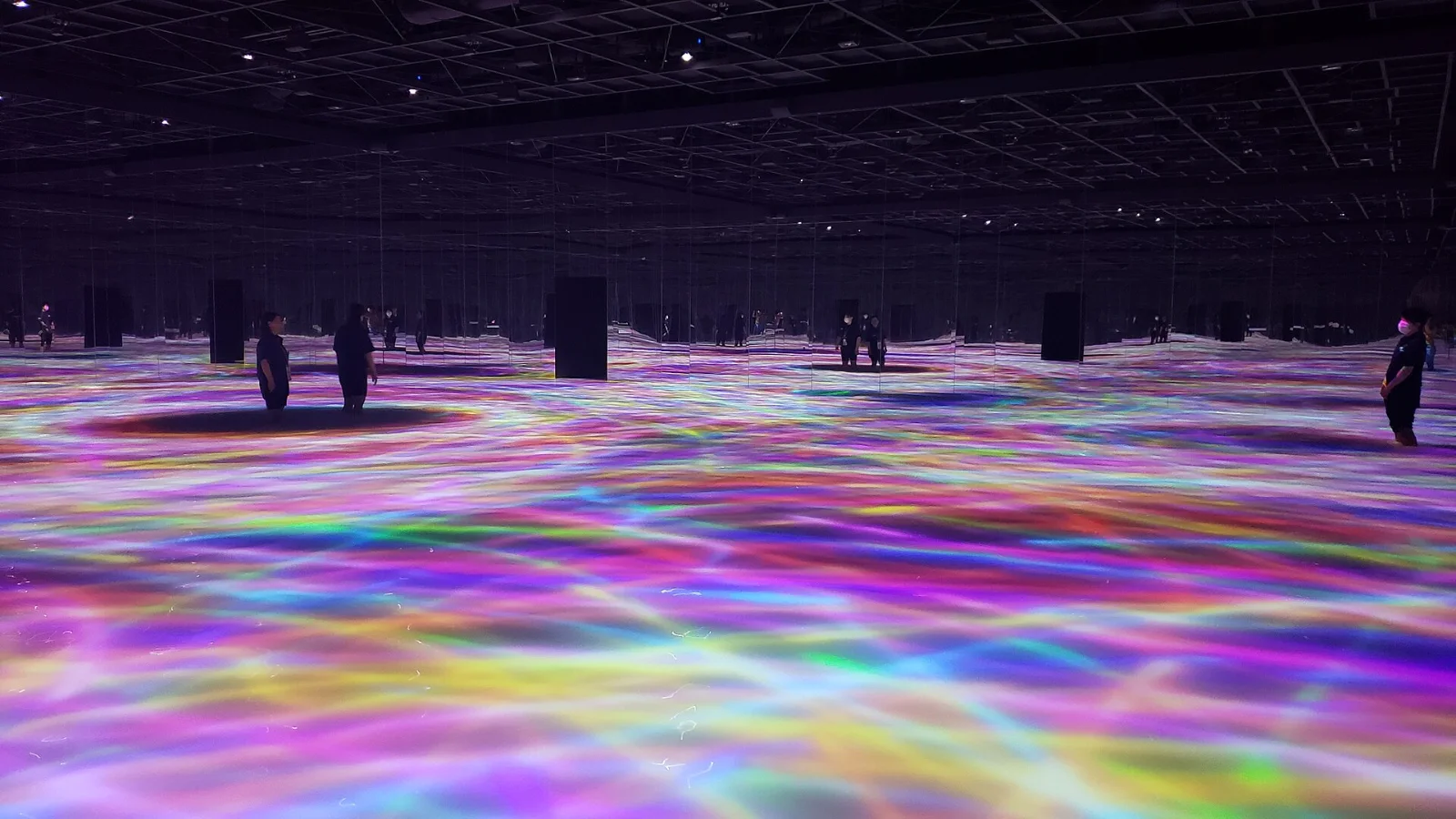
teamLab Planets requires a date-and-time QR e-ticket; tickets are not sold at on-site counters or vending machines. The printed time is an admission window rather than a guaranteed immediate start, and the venue warns that entry can still involve a 30–60 minute wait. Eligible tickets bought through the official store may be changed up to three times, no later than two hours before admission, subject to availability and ticket conditions. The official English guidance says children below age three enter free and requires at least one accompanying adult for every three children, including free-entry children; it does not clearly classify a child who is exactly three, so confirm that age in the official checkout. Strollers cannot enter, although baby carriers are accepted and outdoor stroller parking is provided. Families proceed barefoot through water that may reach an adult’s knees, mirrored floors, dark rooms and strong lighting. Bring children’s dry clothes and use the available detour routes if a child cannot manage an installation. Wheelchair users can enter via guided alternatives, but some works cannot be experienced while seated. There is no re-entry, so toilets, feeding and a proper snack need to happen before joining the queue.
Plan it well: Choose a morning slot, carry a baby carrier and complete breakfast and toilets first. Keep at least two unbooked hours after the advertised entry time so a delayed queue or sensory break does not create a second deadline.
Plan the rail route around the stroller and forecast
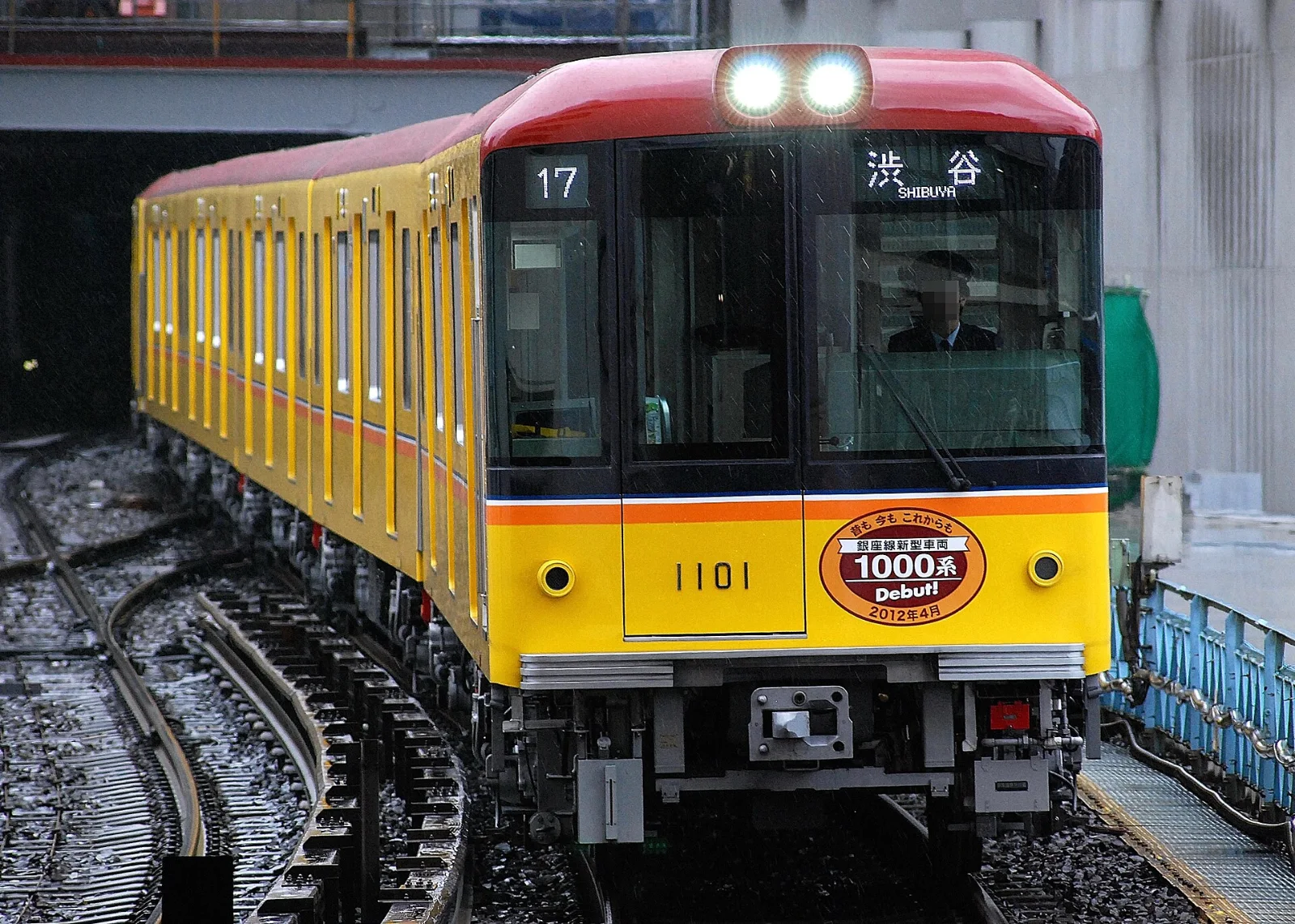
Tokyo Metro’s child rules depend partly on school status. Ages six to eleven pay half the adult fare, but a six-year-old who has not started elementary school remains a toddler, while a twelve-year-old still in elementary school remains a child. Infants under one travel free. Up to two toddlers aged one to six may travel free with an accompanying adult or child passenger; a third toddler, or a toddler travelling without an older passenger, pays the child fare. With a stroller or wheelchair, search both the origin and destination in Tokyo Metro’s barrier-free facility tool before committing to a route: its “one-route” listings identify a step-free path from street to gate to platform using elevators or other accessible equipment. The accessible exit may be less convenient geographically, so cluster each day around one rail corridor and avoid booking consecutive appointments in distant districts. Weather should influence the order, too. JMA’s 1991–2020 Tokyo normals make August the warmest month by mean temperature, while September and October have the highest normal rainfall totals. Pair every outdoor period with a nearby indoor fallback, and allow a longer hotel or café reset rather than replacing cancelled outdoor time with another cross-city journey.
Plan it well: Screenshot the station diagrams and elevator exits while on hotel Wi-Fi, then add 10–15 minutes for each stroller transfer. A direct journey with a slightly longer walk is often easier than an extra interchange.
Planning tips for Tokyo with kids
Plan it well: Book high-demand entries first, alternate demanding and light days, and keep a weather-ready fallback close to each district.
Book in order of scarcity.
Secure the Disney admission date first, then teamLab Planets and ComPaSS. Fit flexible zoo, museum and neighbourhood time around those immovable bookings rather than creating a timetable in which every stop can make the next one late.
Alternate demanding and light days.
Follow Disney or a long arrival day with one compact district and an early finish. For preschoolers, one main experience before lunch may be enough; older children can usually manage a second activity after a genuine seated break.
Pack for the rules, not every possibility.
Carry a compact rain layer, refillable water bottle, dry children’s clothes for teamLab and a carrier if the youngest cannot walk comfortably without the stroller. Keep medicine, tickets and valuables in a small removable bag whenever the stroller must be parked.
Keep a weather and safety fallback ready.
Check JMA forecasts before leaving, follow venue or station staff during earthquakes or severe weather, and save the JNTO Japan Visitor Hotline, 050-3816-2787, which operates 24 hours daily for emergency support. Do not cross the city simply to preserve a plan during a typhoon warning or dangerous heat.