
Seoul city guide
10 things to do in Seoul
Plan Seoul around palace courtyards, living hanok streets and market meals, with a museum, a stream walk and a skyline outing to balance the busy districts.
Plan your visit
Seoul rewards days with a clear geographical focus. The palaces and older neighbourhoods sit north of the river, while a Gangnam temple visit means a different journey. Choose one substantial cultural stop, then add a market, a stream or a neighbourhood walk nearby. Bukchon is a residential area with visitor restrictions, and the royal gardens have their own admission arrangements: neither should be treated as an unrestricted backdrop.
Start with the scale of Gyeongbokgung
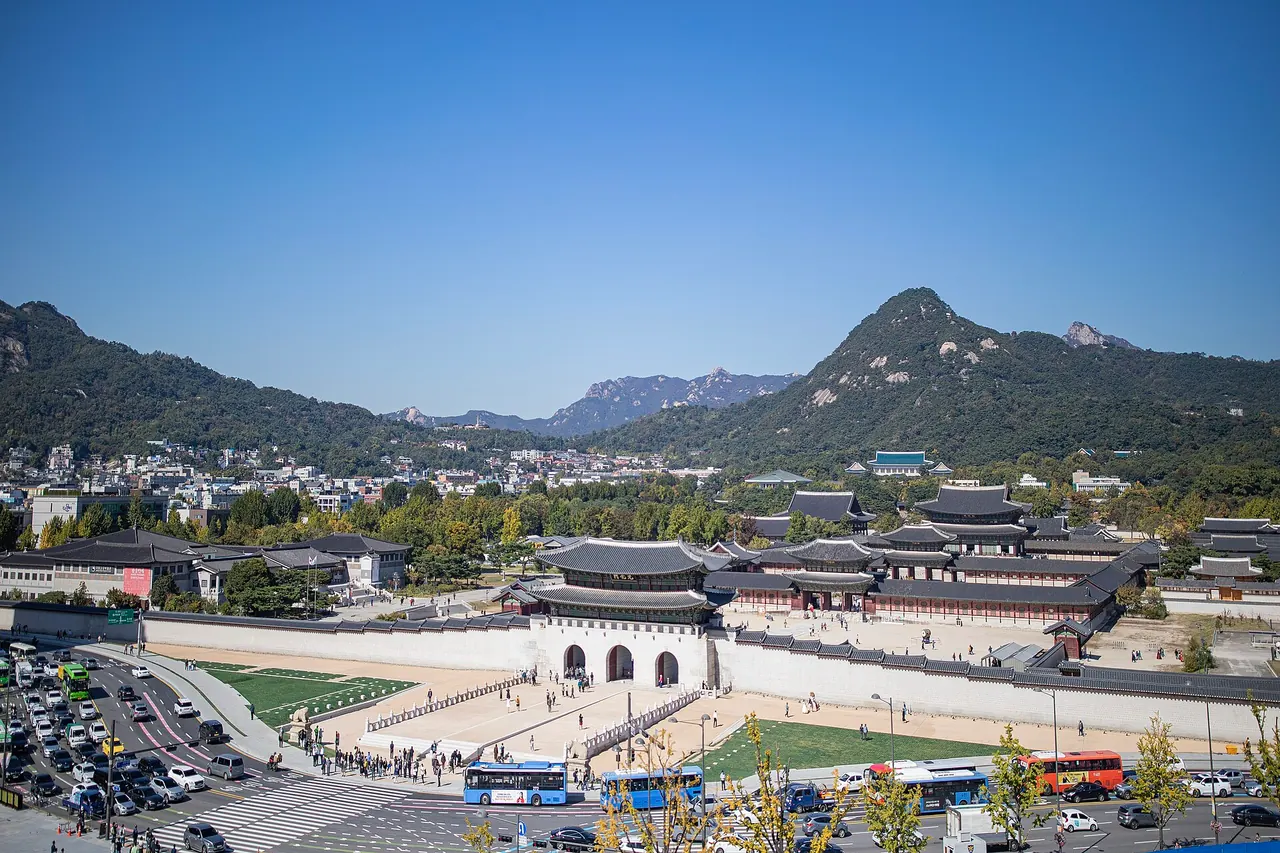
Gyeongbokgung is a strong first palace because its gates, broad courtyards and ceremonial buildings reveal the scale of Joseon royal planning. Begin with the relationship between the main entrance and the central halls, then allow a less linear wander through the grounds. Reading a few building labels adds more to the visit than taking the same distant photograph at every gateway.
Check the current opening calendar and any ceremony schedule before assigning the palace a particular morning. A changing-of-the-guard performance is not guaranteed simply because you arrive at the gate, and neighbouring museums have their own visitor arrangements. Choose this as the main visit for a northern-city day, with lunch and a quieter stop afterwards. Trying to cover both major palaces in detail immediately can make their distinctive features blur together.
Plan it well: Use the palace calendar to anchor your day, and keep any guard ceremony dependent on the published programme.
Visit Seoul Gyeongbokgung informationChoose Changdeokgung for palace and landscape
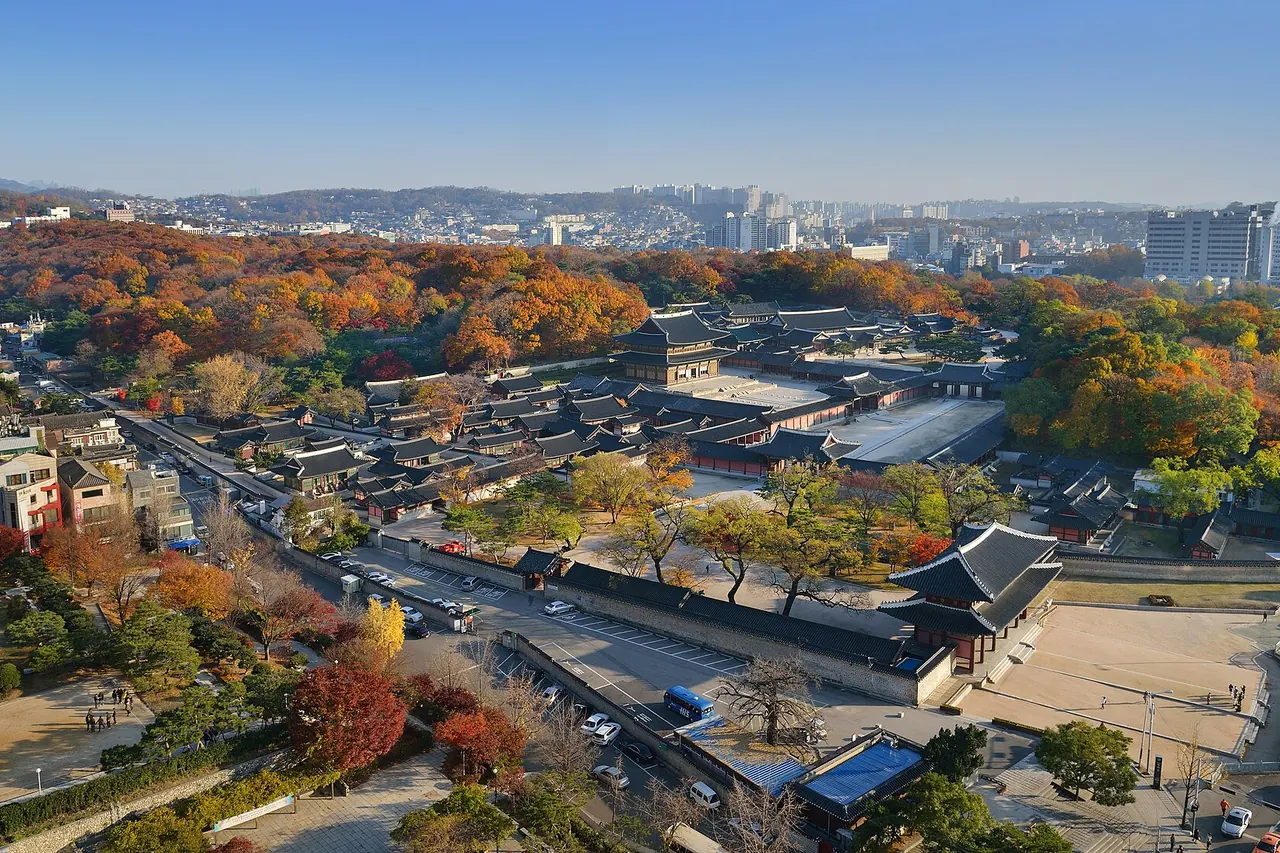
Changdeokgung offers a palace experience shaped by its relationship with the terrain and garden landscape. Look at how the buildings and their approaches sit within the site rather than expecting the same straight ceremonial axis as Gyeongbokgung. The palace complex is a UNESCO World Heritage Site, but that designation is a reason to pay attention to its design, not a requirement to see every accessible building.
The Secret Garden is a separate planning decision from ordinary palace admission. Check the current booking, tour language and access arrangements on the official pages before making the garden the reason for your journey. A general palace ticket should not be assumed to include a garden place. Leave time either side of a confirmed entry for the palace grounds, and choose a nearby meal rather than scheduling a cross-city transfer immediately afterwards.
Plan it well: Verify the garden ticket and tour language before buying a broader palace package.
Korea Tourism Organization ChangdeokgungVisit Bukchon quietly and within its rules
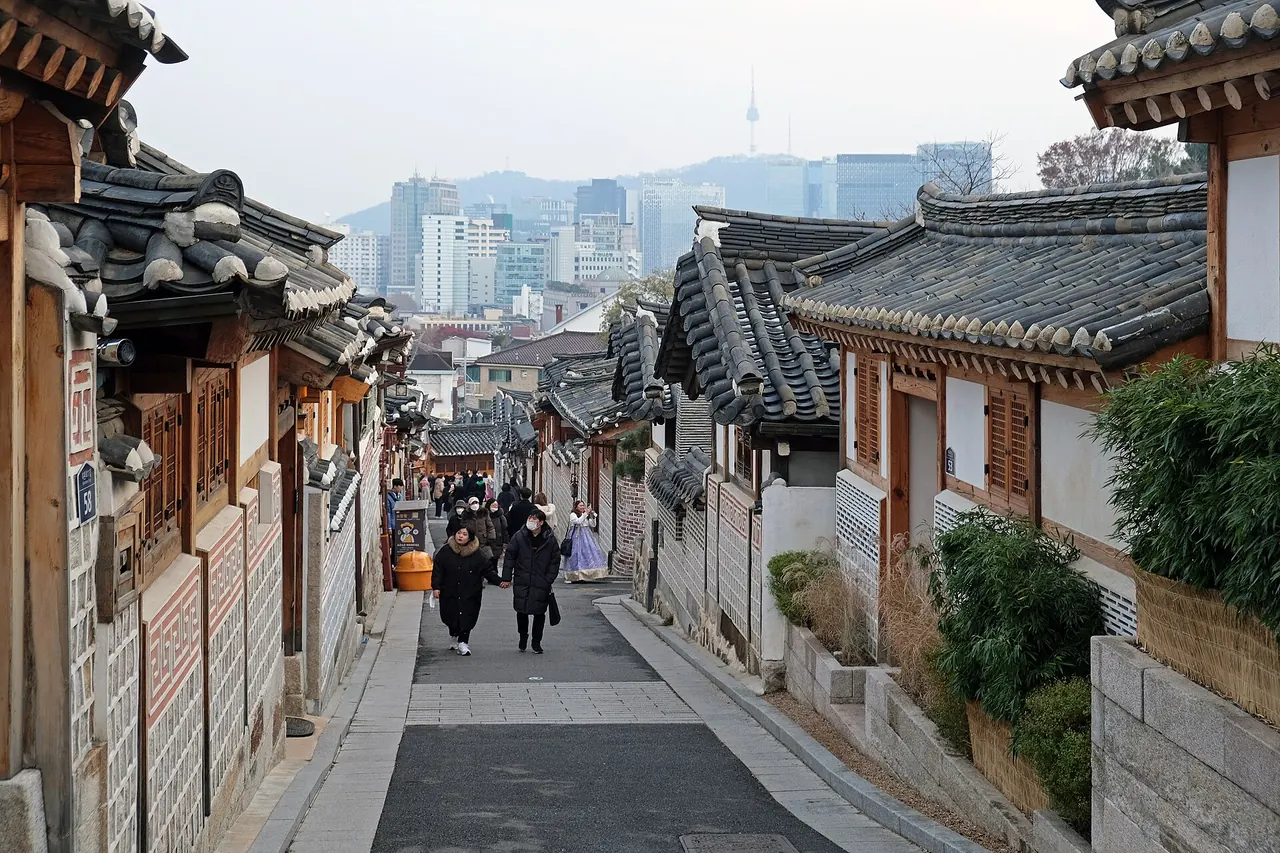
Bukchon is a living neighbourhood of hanok houses, not an outdoor museum built for visitors. Its rooflines and narrow lanes are worth seeing, but the people behind those doors need ordinary access and privacy. Keep your route short, your voice low and your group small. Notice the construction and street pattern without turning an occupied house or doorway into a photographic set.
The official Seoul guide currently lists restricted-area tourist visiting hours of 10:00 to 17:00; visitors are prohibited in those restricted areas outside that window. Check the current Red Zone map and posted signs rather than applying the rule vaguely to every surrounding street. Do not photograph home interiors, even through an open door. Workshops, galleries and public cultural spaces can give the visit a clearer purpose than repeatedly seeking the busiest residential viewpoint.
Plan it well: Read the current restricted-area map and do not plan an early-morning or evening photo walk through the Red Zone.
Visit Seoul Bukchon visitor restrictionsChoose a weather-aware outing to Namsan
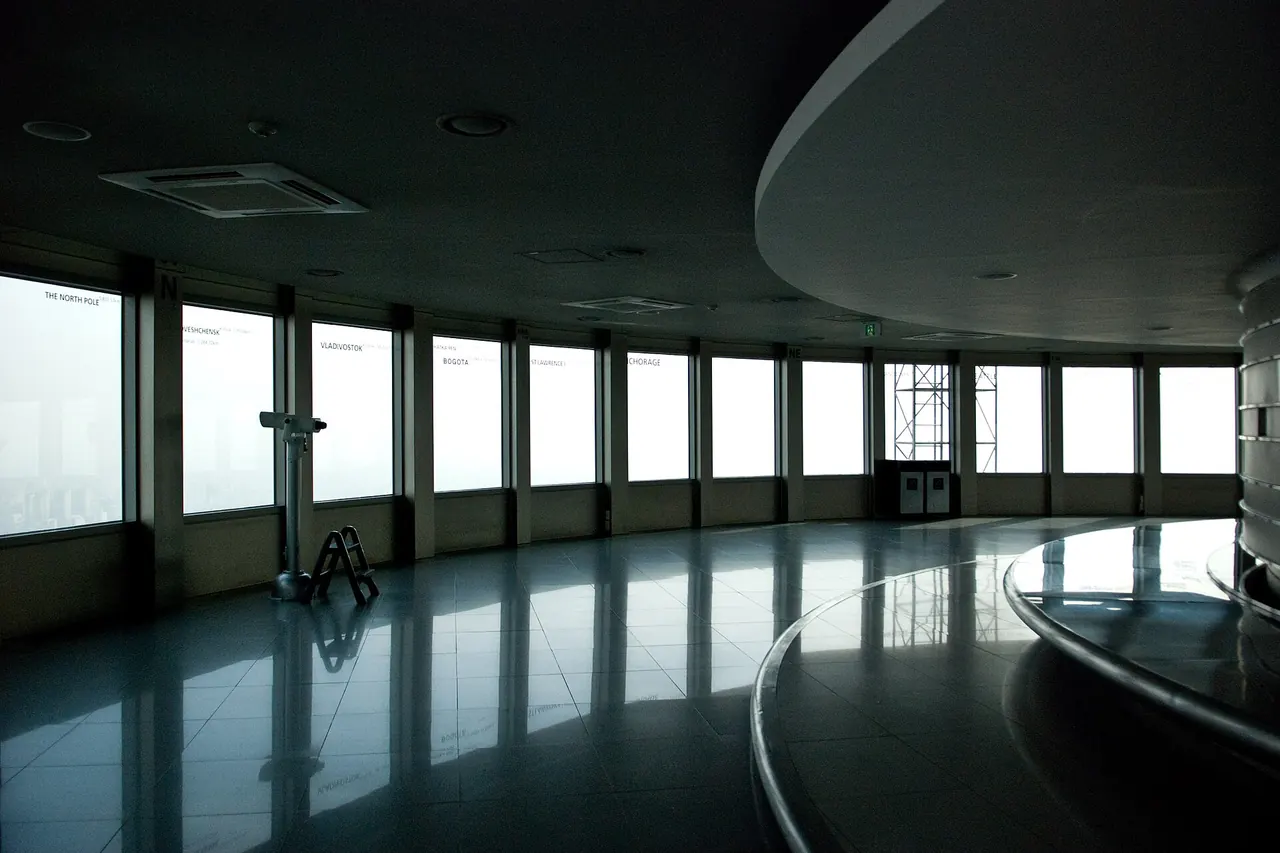
N Seoul Tower makes a useful skyline outing when you want to understand how the hills, river and districts fit together. The tower and the surrounding Namsan setting are related but distinct experiences: enjoying the area is not the same as buying admission to the indoor observatory. Decide which matters to you before building the rest of the afternoon around the ascent.
Check the current transport options, the amount of walking from your chosen arrival point and the tower operating notices. A cable-car ticket, bus journey or organised transfer should not be assumed to include observatory admission. Visibility varies with weather and air conditions, so keep a museum alternative available if distant views are important to you. Leave time for the return downhill rather than booking another attraction immediately after the expected sunset.
Plan it well: Compare the complete journey, including walking and return transport, rather than only the observatory ticket.
N Seoul Tower official visitor informationFind a theme at the National Museum of Korea
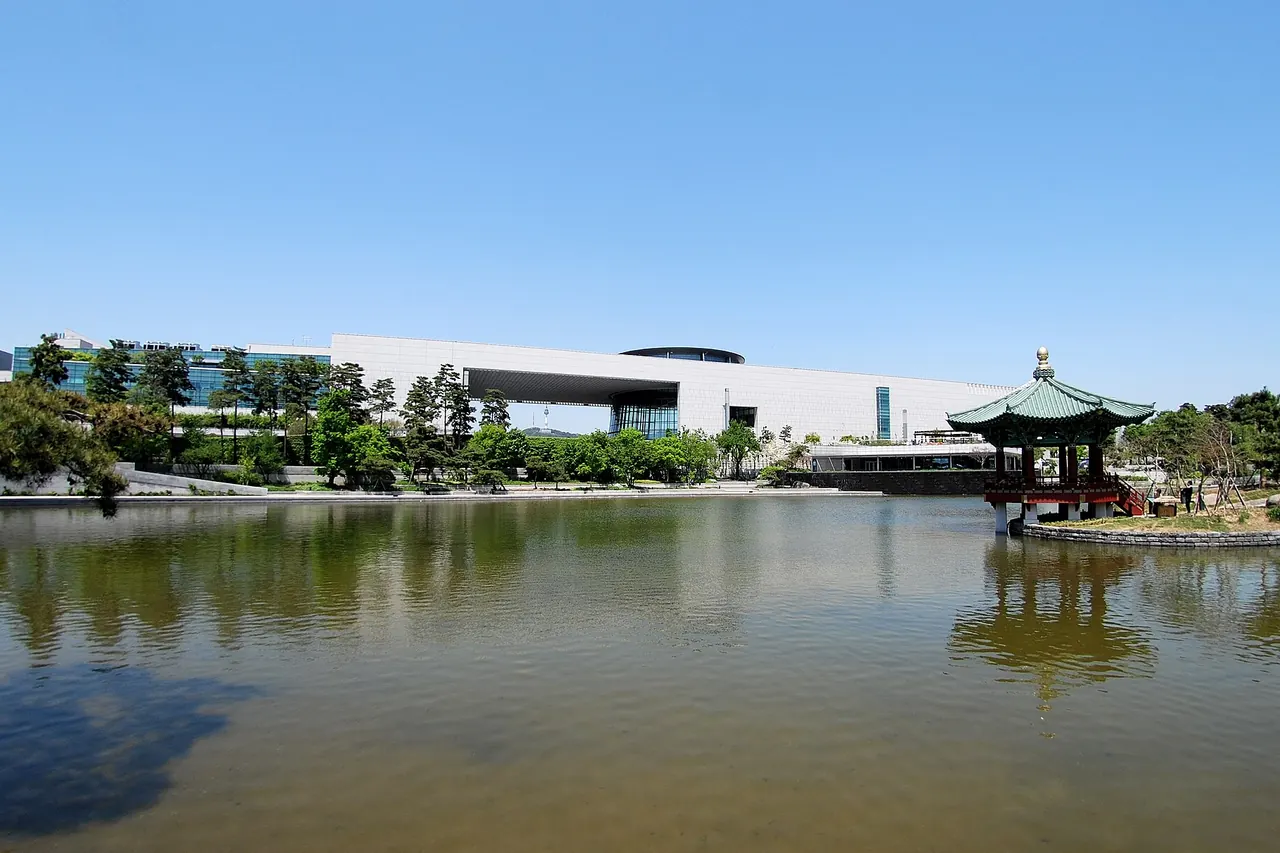
The National Museum of Korea gives context to a trip otherwise dominated by palace exteriors and market streets. Choose a subject such as ceramics, sculpture or archaeology, then give a small number of objects your full attention. The collection is large enough that a focused route will usually be more memorable than a fast circuit of every gallery in the building.
Permanent displays, special exhibitions and any bookable programmes have different visitor arrangements, so check the museum website for your dates. A photograph of a celebrated object is not a promise that it will be displayed during your visit. Allow time for the approach and the surrounding grounds, particularly if you are combining the museum with another Yongsan stop. This is also a sensible alternative when rain or poor visibility makes a tower outing less appealing.
Plan it well: Choose your priority gallery before arriving and check whether a special exhibition needs a separate ticket.
National Museum of Korea official programmeMake Gwangjang Market a deliberate meal stop
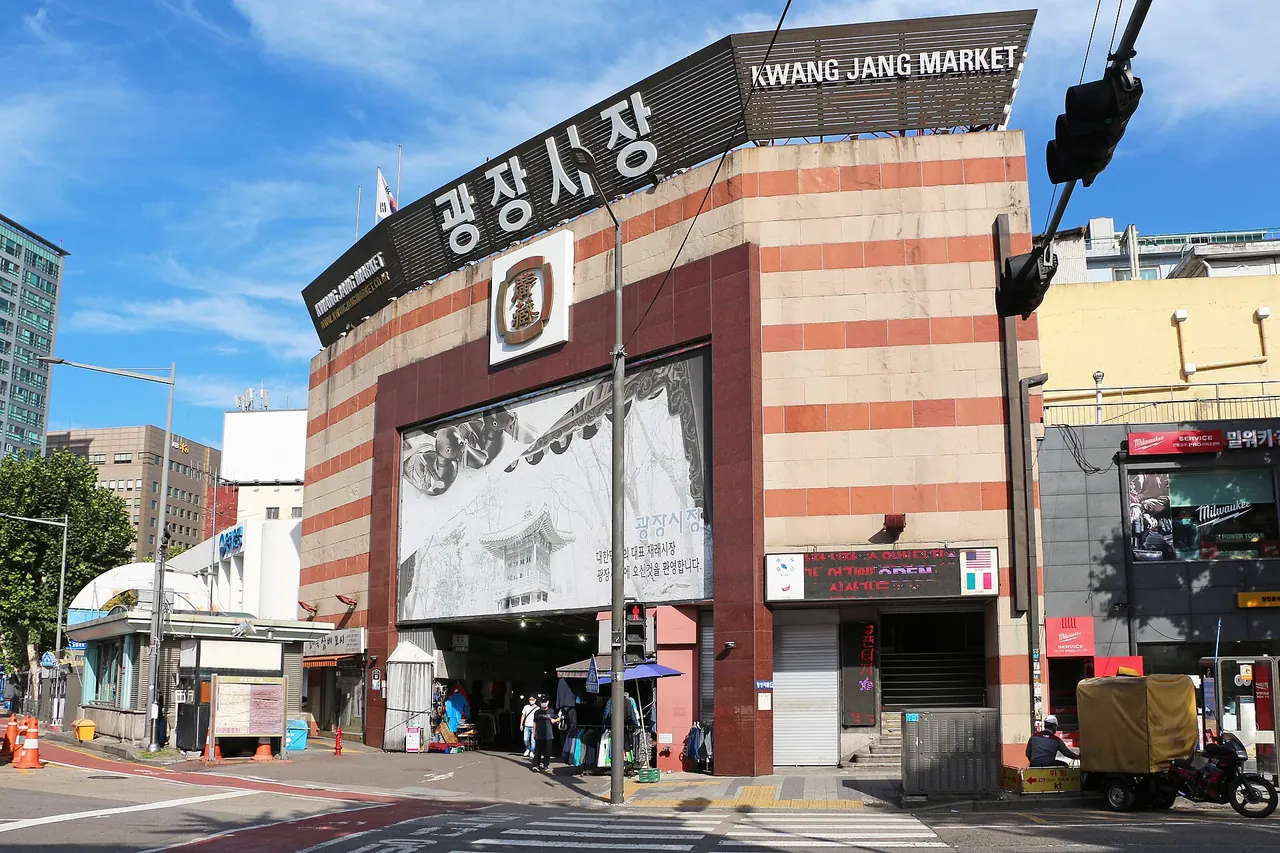
Gwangjang Market brings a food-focused stop into a central Seoul day. Mung-bean pancakes and small gimbap rolls are among the dishes associated with its stalls, but start by looking at menus and watching how each counter serves customers. Ordering one dish you actually want to eat is more useful than trying to reproduce a long list from a television programme.
Individual stalls set their own prices, operating times and payment arrangements. Confirm what an order includes before sitting down, particularly when sharing plates or buying more than one item. Ask about ingredients if you have dietary restrictions, and choose dishes that fit your own comfort with raw or cooked food. Keep bags close in crowded aisles and leave service space for vendors. A market lunch pairs naturally with a nearby stream walk afterwards.
Plan it well: Ask for the price and portion size first; the market name does not imply one uniform menu or opening schedule.
Seoul Metropolitan Government Gwangjang MarketWalk a manageable stretch of Cheonggyecheon
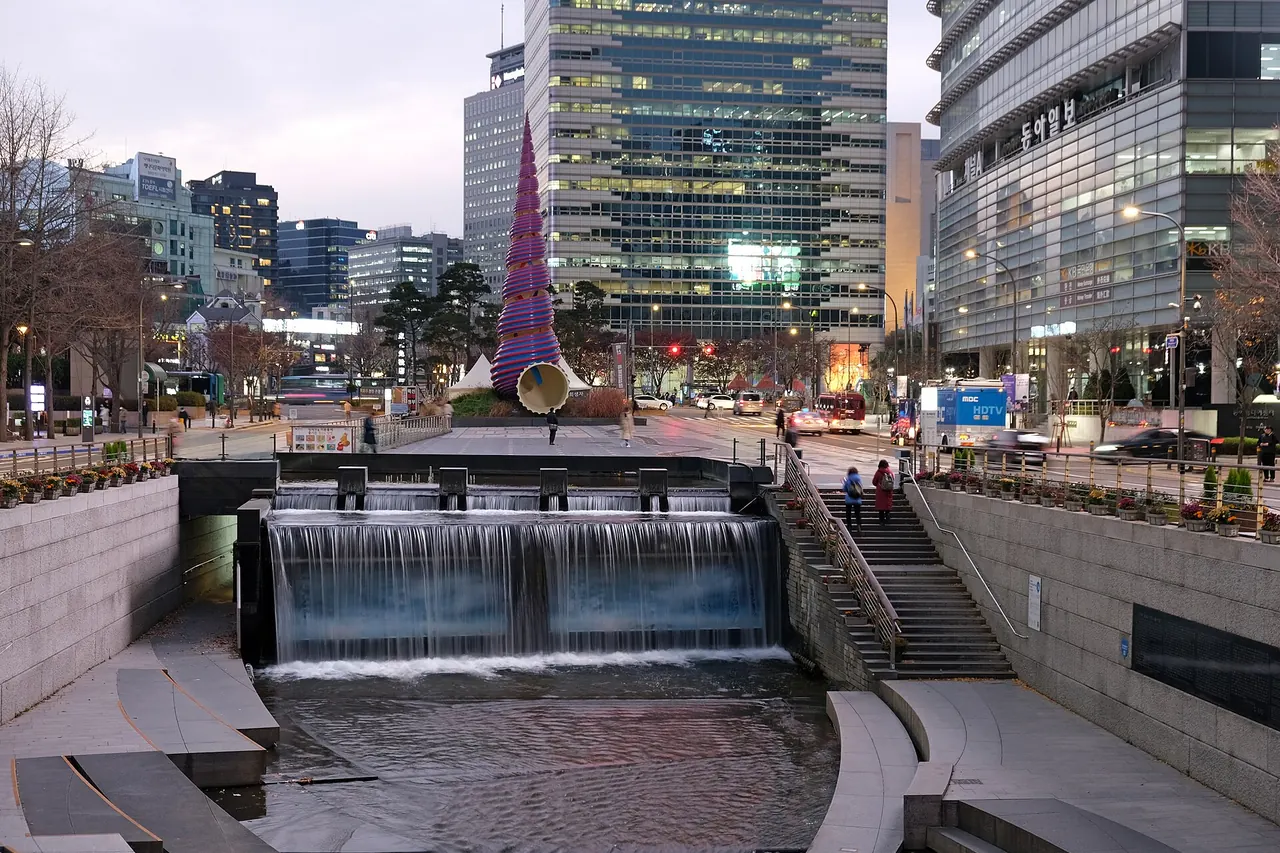
Cheonggyecheon offers a change of level as well as pace: the streamside paths sit below the streets of central Seoul. Choose a short section to connect with lunch or another nearby stop instead of making the entire watercourse a walking target. Bridges, planting and the buildings above create enough variation for a compact visit without committing the whole afternoon to distance.
Access points are not interchangeable when steps, luggage or a pushchair matter. Identify a suitable entrance and exit before descending, and check local notices after heavy rain because paths can be restricted. The stream is an urban walking route, not a place to swim or climb into the channel. Keep the plan flexible around the weather and use street-level alternatives if conditions or access arrangements make the lower path unsuitable.
Plan it well: Plan the exit as well as the entrance, especially when you need a ramp rather than stairs.
Visit Seoul Cheonggyecheon route informationLook at the architecture of Dongdaemun Design Plaza
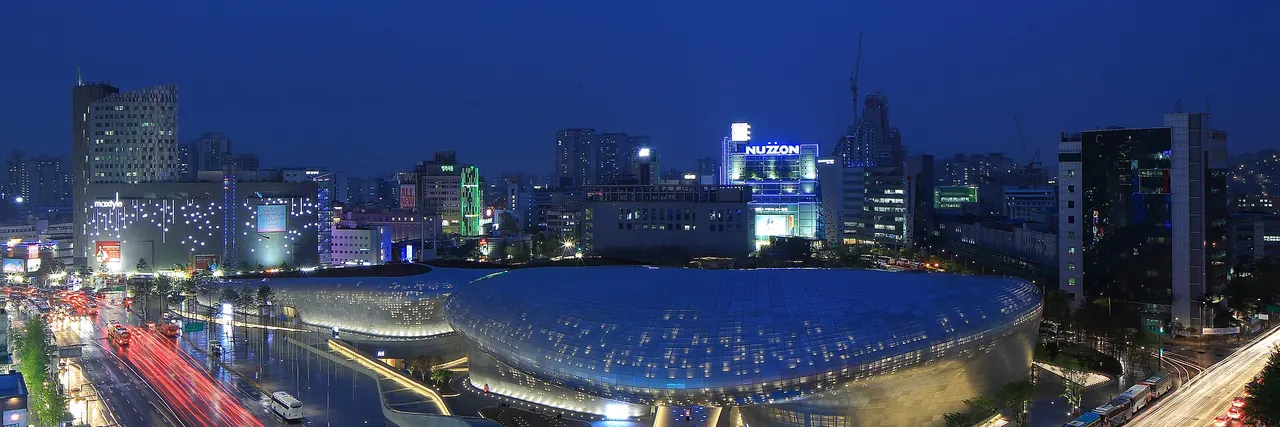
Dongdaemun Design Plaza is worth approaching as a piece of contemporary architecture rather than only an exhibition address. Walk around a portion of the curving exterior and notice how the building meets its surrounding paths and plazas. The fluid shape makes a useful contrast with the formal palace courtyards, giving a first visit a view of another period in Seoul's urban design.
What happens inside depends on the current exhibition and event programme. Look at the official calendar before travelling specifically for a show, and check whether a particular display requires admission or a reservation. Exterior sightseeing does not include every event in the complex. Dongdaemun can also be an evening outing, but retail buildings in the surrounding district have individual schedules; do not assume all shops remain open simply because the architecture is illuminated.
Plan it well: Check the current programme before treating a photograph of an old installation as an attraction available today.
Visit Seoul Dongdaemun Design Plaza informationStep into the courtyard at Jogyesa
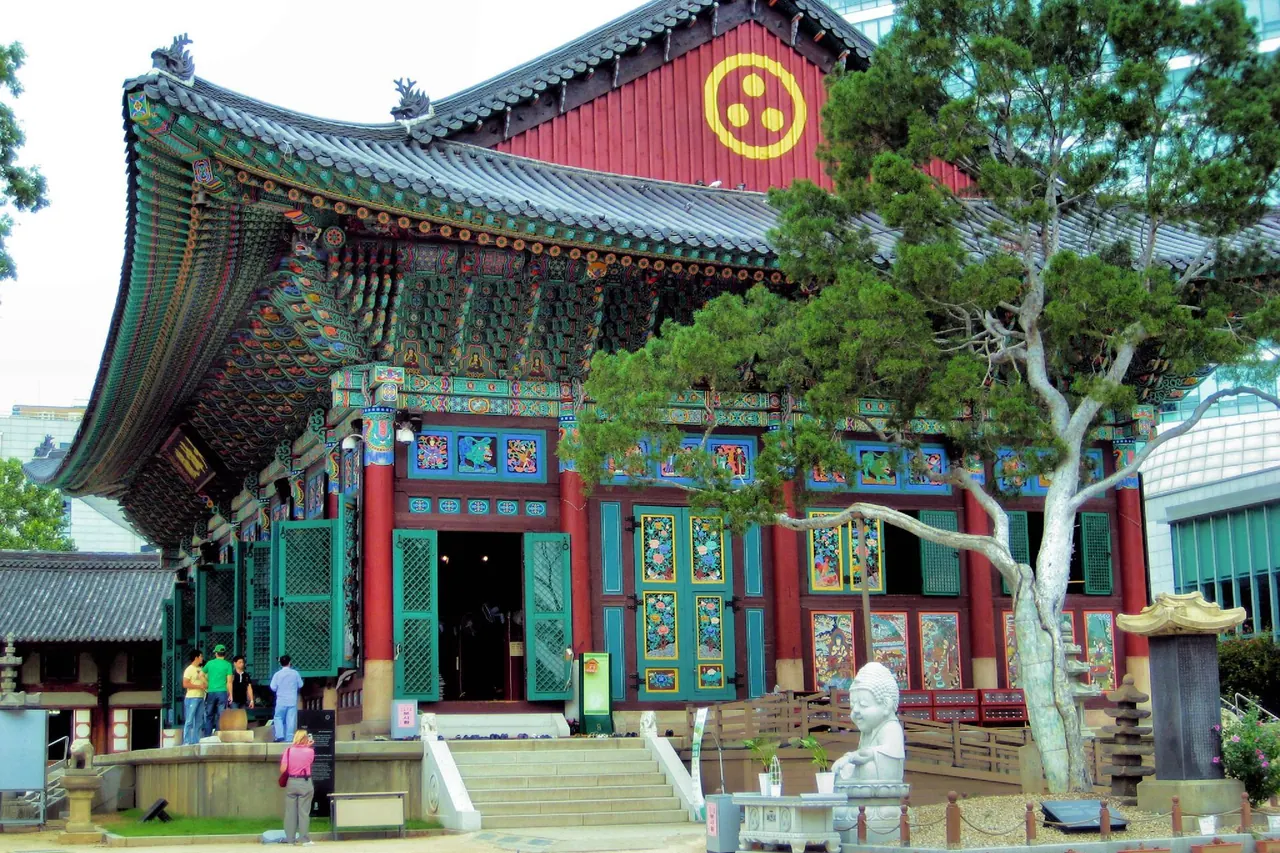
Jogyesa offers a Buddhist temple stop in the middle of the older city districts, without requiring a journey to the mountains. Look at the main hall, the courtyard trees and the relationship between the temple and the busy streets outside. Its appeal is not that it removes you completely from Seoul, but that a religious setting continues to function within the everyday city.
Lantern displays and seasonal events change the appearance of the courtyard, so visit for the temple itself rather than expecting a particular festival photograph to be reproduced. Keep your voice low, do not obstruct entrances and follow photography instructions around worship. If you want a formal temple programme, check the organiser rather than assuming casual entry includes an activity. A short visit can sit comfortably between a palace morning and an Insadong meal or browsing stop.
Plan it well: Keep ceremonies and worship spaces separate from your photo plan, and ask before photographing people.
Seoul Metropolitan Government JogyesaMake Bongeunsa part of a Gangnam day
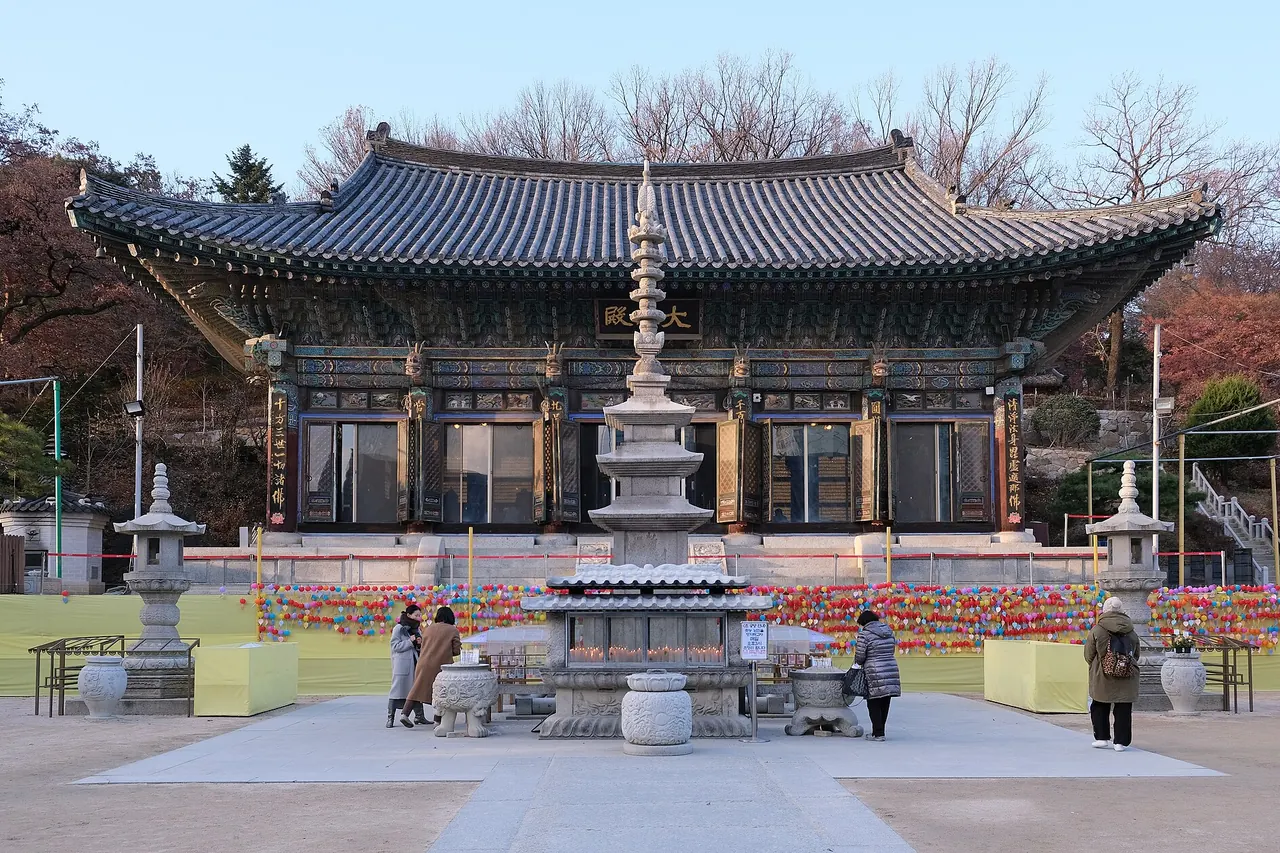
Bongeunsa gives a Gangnam outing a cultural anchor beyond shopping and business towers. The temple grounds let you compare traditional buildings and devotional spaces with the modern district around them. Choose a slow circuit that follows public access rather than trying to enter every building; a working temple contains areas for religious practice that are not simply visitor rooms.
This is south of the river and should be planned as a different geographical cluster from Bukchon and the royal palaces. Pair it with something you want to do in Samseong, then leave time for the return journey. Temple-stay or visitor programmes, if relevant to your plans, need their own confirmation with the organiser. Respectful clothing and behaviour matter for an ordinary visit too, regardless of whether you have booked a structured activity.
Plan it well: Group Bongeunsa with other Gangnam plans rather than adding it between two northern-city attractions.
Visit Seoul Bongeunsa informationHow to spend two days in Seoul
Day one: palace and older districts
Choose Gyeongbokgung or a confirmed Changdeokgung garden visit as the anchor. Add a short Bukchon walk within permitted hours, then Jogyesa and a meal around Jongno or Insadong. Do not assume both palaces and their gardens fit comfortably into one morning.
Day two: collections and city views
Visit the National Museum of Korea, then choose Namsan if visibility suits. Gwangjang Market and a short Cheonggyecheon walk form a central-city alternative, with Dongdaemun Design Plaza as an optional evening stop. Save Bongeunsa for a Gangnam-focused outing rather than crossing the city repeatedly.
Before you go
Confirm neighbourhood restrictions
Bukchon's residential Red Zone has enforceable visitor restrictions. Read the current map and signs, keep noise down and never photograph private home interiors.
Seoul government Bukchon restrictionsKeep an indoor weather option
Rain, heat or poor air visibility can change the value of a long outdoor walk or tower visit. A museum or a confirmed exhibition offers a useful alternative without pretending conditions are predictable.
Use stations, not just district names
Compare the route from your hotel to the relevant station exit, and allow for stairs and interchange walks. Leave time to find the return platform when travelling with luggage.
Choose a base near the districts you will use
Jongno can suit palace and historic-neighbourhood days; Myeongdong and other central areas offer a different mix of transport and dining. Gangnam is more convenient for plans south of the river than for repeated palace trips. Compare the exact station walk, room details and airport connections, and check possible street noise rather than relying on a broad district label.
Explore Seoul hotels