
Seoul city guide
Where to stay in Seoul
Compare Myeongdong shopping, palace-side Jongno and Seochon, Hongdae nightlife, Dongdaemun design, Hannam dining, COEX events and Seongsu's cafe-and-park setting.
Plan your visit
Seoul rewards a base chosen around your actual days. A palace-focused visit works differently from a COEX event or an evening-led Hongdae trip, and the station on the right side of a district can matter more than a broad claim of centrality. These eight bases compare the nearby streets and activities with the onward journeys they require. Airport access is another separate choice: AREX all-stop trains serve Hongik University and Gongdeok, while the express service runs to Seoul Station. Neither turns the hotel approach into a door-to-door ride.
Choose your base
Myeongdong favors shopping and a central first visit. Jongno/Insadong and Gwanghwamun/Seochon put different sides of the palace district close at hand. Hongdae/Yeonnam suits music, cafes and all-stop airport rail; Dongdaemun favors design and markets. Choose Itaewon/Hannam for dining and galleries, Samseong/COEX for the convention district, or Seongsu/Seoul Forest when cafes and the park matter more than palace proximity.
Myeongdong: central shopping and a first visit
Myeongdong is a practical choice when shopping streets, department stores and plentiful places to eat are part of your evenings. The retail core around Myeongdong Street and the cathedral area gives a first visit recognizable walking destinations without making a palace or club district the whole purpose of the stay. Hotels on the northern side can work differently from those around the southern station: compare the actual address with your chosen shops and dinner plans, rather than treating every Myeongdong room as the same base.
Myeongdong station is on Line 4, while Euljiro 1-ga on Line 2 can suit the northern edge. AREX to Seoul Station followed by Line 4 is one airport option; all-stop service to Hongik University followed by Line 2 may suit an Euljiro-side address. Both leave a final station-to-hotel walk. Choose Insadong or Seochon instead if small heritage streets and repeated palace visits dominate the trip. The busy retail setting is also a different choice from a stay organized around quieter park-side evenings.
Plan it well: The pin marks Myeongdong, not a station entrance. Compare the hotel with both the Line 4 and northern Line 2 catchments.
Official Seoul neighborhood and visitor informationJongno / Insadong: traditional streets and palace days
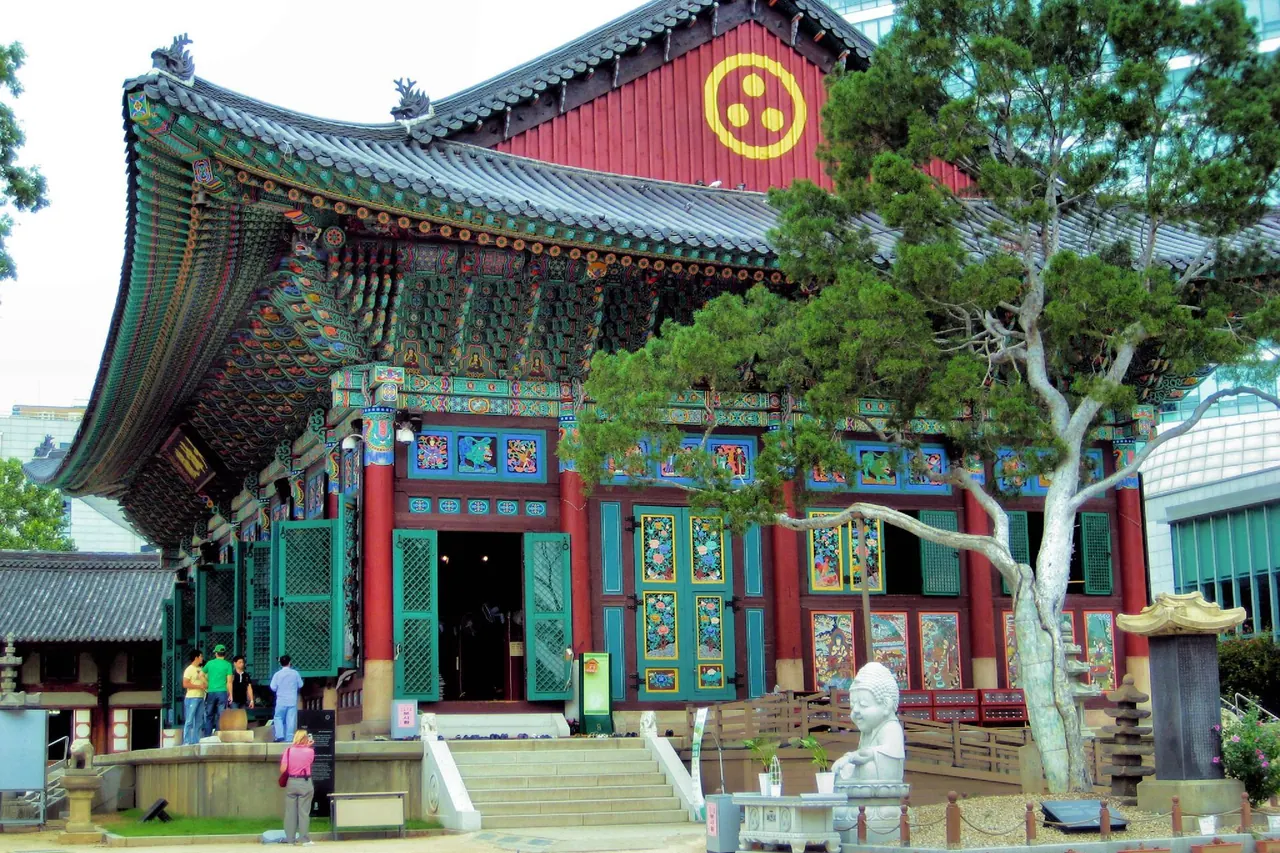
Choose the Insadong and Anguk catchment for craft shops, galleries, tea houses and a heritage-led stay. Jogyesa is close to the Insadong streets, while the Anguk side gives a useful starting point for Changdeokgung and Bukchon. These are adjacent destinations, not interchangeable street names: a hotel near southern Jongno connections can offer a different evening and walking route from one north of Anguk. This base makes more sense when you expect several palace and temple outings than when most appointments are south of the river.
Anguk on Line 3 serves the northern side; Jongno 3-ga brings together Lines 1, 3 and 5 farther south. AREX all-stop to Gongdeok, then Line 5 to Jongno 3-ga, is one possible airport approach, with the final connection determined by the address. Bukchon is residential, and the designated Red Zone has specific tourist visiting restrictions. Those rules are not a curfew for all Jongno accommodation. Choose Myeongdong for a more retail-focused evening or Hongdae for music and nightlife rather than expecting those experiences from a palace-side room.
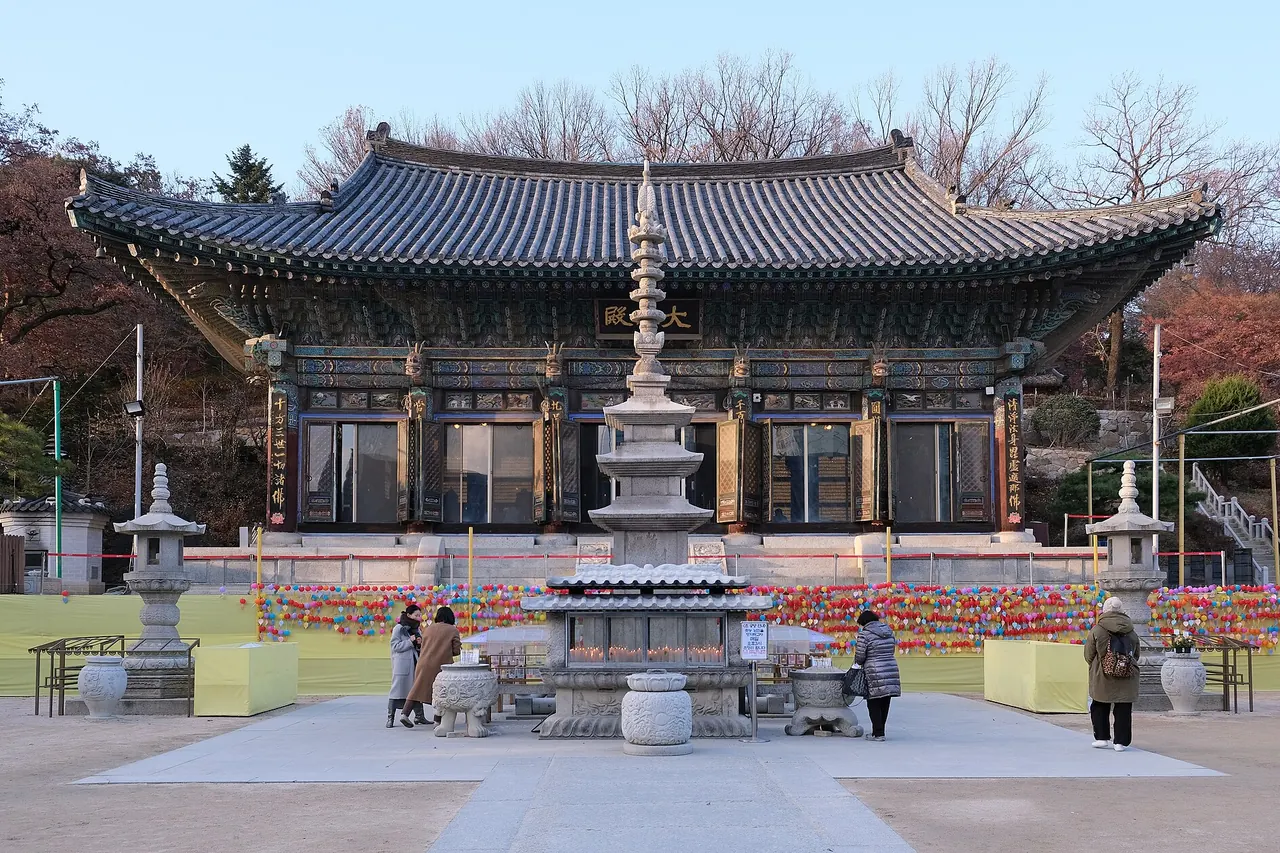
Plan it well: The photograph and pin show Jogyesa, a named temple beside the Insadong catchment, not the boundaries of Jongno or private Bukchon houses.
Official Seoul neighborhood and visitor informationGwanghwamun / Seochon: the western palace side
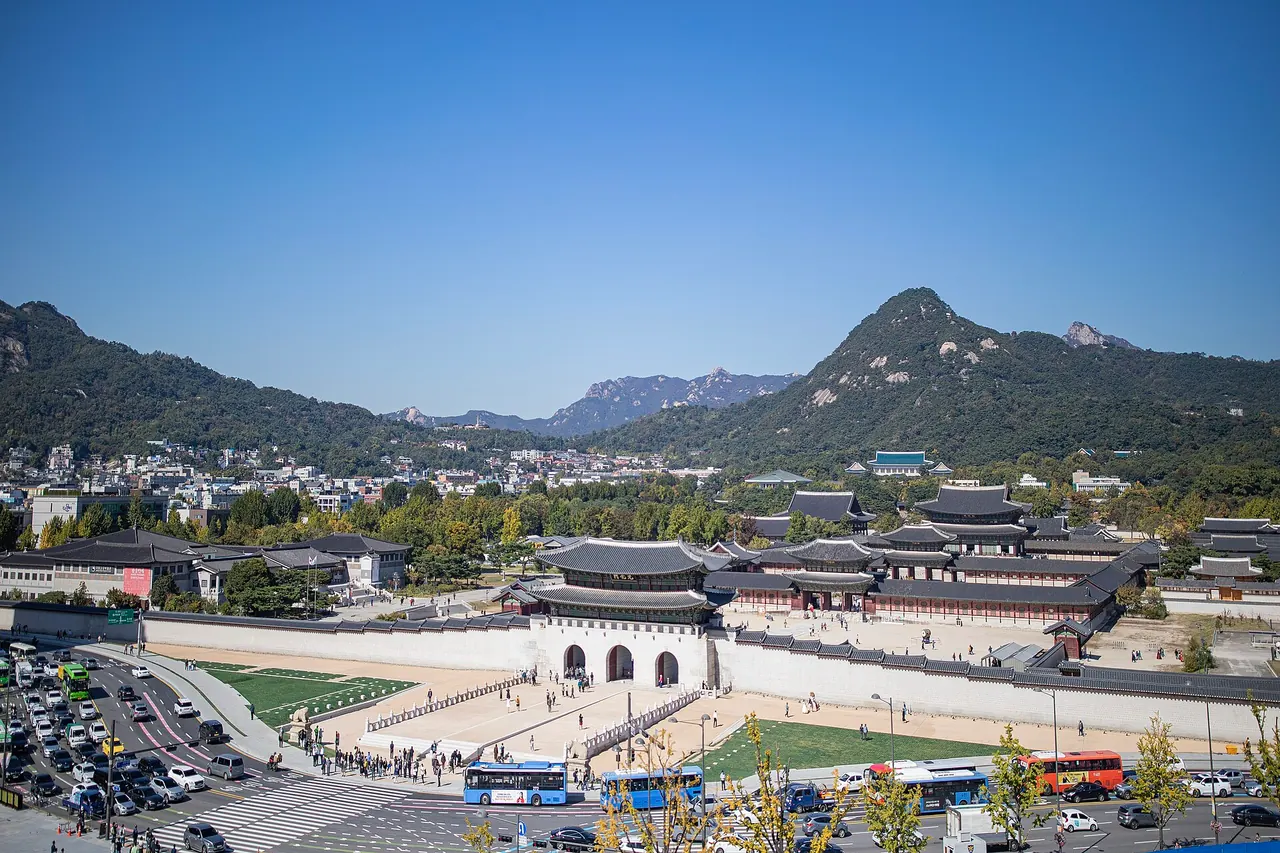
The western palace side suits a visit built around Gyeongbokgung, Gwanghwamun Square and the smaller cafe streets of Seochon. Staying here creates a different daily route from Anguk and Insadong on the other side of the palace. You can combine the formal square and palace frontage with a meal or tea stop in the western streets, rather than travel back from a distant hotel after every heritage outing. Square-side business addresses and Seochon's small-street setting nevertheless offer distinct lodging environments.
Gwanghwamun on Line 5 serves the square's southern catchment; Gyeongbokgung on Line 3 is more useful for the palace's western side. An airport approach through AREX Gongdeok and Line 5 can work for Gwanghwamun, but it does not settle the final route to a Seochon hotel. Repeated trips toward COEX or southeast Seoul reduce this base's advantage. Choose Samseong for an event there, or Hongdae when evening music and a direct all-stop airport station matter more than palace walks.
Plan it well: The photograph shows Gyeongbokgung and its Gwanghwamun forecourt; the pin marks the palace complex east of Seochon, not a neighborhood boundary.
Official Seoul neighborhood and visitor informationHongdae / Yeonnam: music, cafes and airport rail
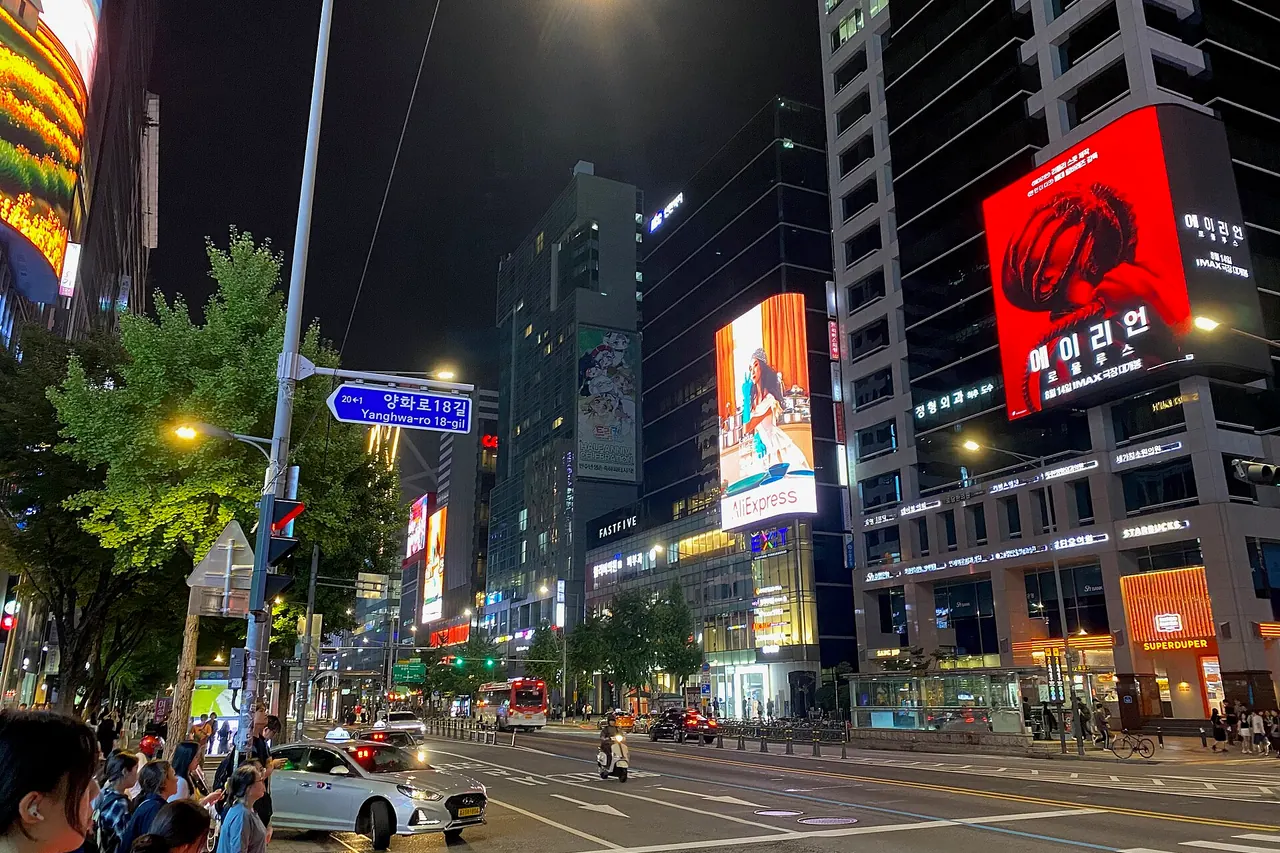
Hongdae is a strong choice when performances, music venues, independent shops and late-evening plans shape the trip. Yeonnam's Gyeongui Line Forest Park and cafe streets provide a different adjoining setting on the other side of the station. Decide which side you want to return to: being close to a nightlife street is useful for an evening-led visit, while the park-side catchment changes the balance of cafes and activity around the hotel. Neither side should be chosen on a blanket promise of quiet rooms.
Hongik University station combines Line 2, AREX and Gyeongui-Jungang connections. The airport convenience is specific: AREX all-stop trains serve the station, but the airport express does not. A southern address toward Sangsu can still involve an appreciable final walk from Hongik's airport platforms. Palace visits and southeast-Seoul plans require onward journeys. Choose Jongno for a short palace-heavy itinerary, or Samseong for COEX, rather than letting the direct airport connection outweigh where you will spend the rest of the stay.
Plan it well: The pin marks Hongdae, not Yeonnam's entire park corridor or a particular Hongik University station exit.
Official Seoul neighborhood and visitor informationDongdaemun: design, markets and eastern central Seoul
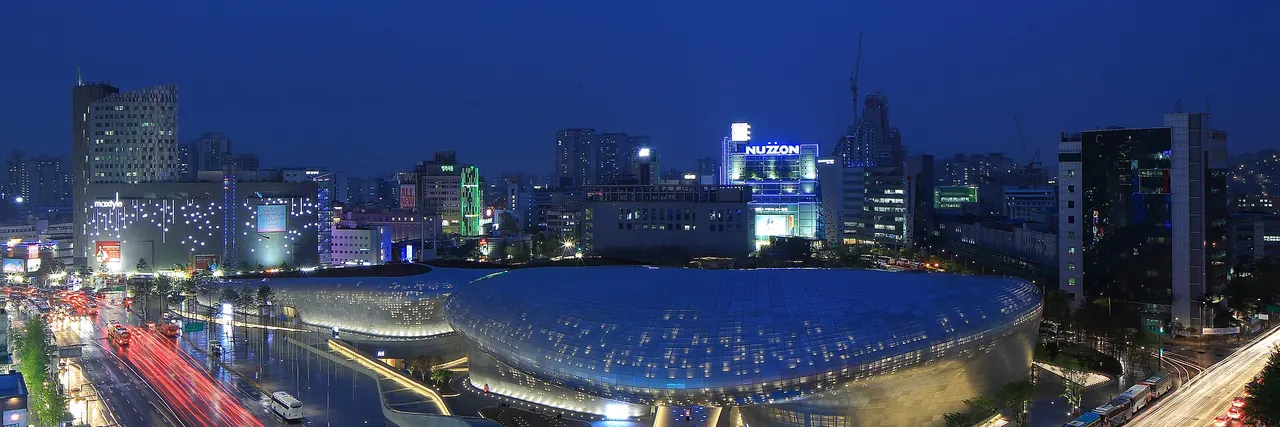
Dongdaemun is useful for travelers who want design and market browsing to be ordinary parts of a stay. Dongdaemun Design Plaza gives the area a clear contemporary landmark, while Heunginjimun and the city-wall route provide a different historical layer. The surrounding market streets offer shopping and meals, but the gate, DDP and individual market blocks are distinct destinations. Choose the side of the district that matches your hotel and interests instead of assuming one large junction serves them all.
Dongdaemun History & Culture Park has Lines 2, 4 and 5 for the DDP side; Dongdaemun station has Lines 1 and 4 near the gate. AREX all-stop to Gongdeok and Line 5 onward is a possible airport route to the DDP catchment. Large crossings and station passages make the final walk worth checking with luggage. Market activity is not a promise of all-night trains or shops. Myeongdong is a different fit for retail-led evenings, while Insadong puts traditional crafts and palace approaches closer to the center of the stay.
Plan it well: The map and panorama identify DDP. Dongdaemun gate and Gwangjang Market are separate destinations, served by different walking approaches.
Official Seoul neighborhood and visitor informationItaewon / Hannam: dining, galleries and evenings out
Itaewon and the Hannam catchment suit a trip that gives international dining, galleries and evening venues a substantial place. Itaewon's restaurant streets offer one setting; around Hangangjin, Leeum and Hannam's cafes and showrooms provide another. A hotel near your preferred dining streets can be more useful than an address chosen solely because it is in Yongsan. The National Museum of Korea at Ichon is elsewhere in that broad district and should be treated as an outing, not as a landmark immediately beside every Hannam hotel.
Itaewon and Hangangjin are both on Line 6. AREX all-stop to Gongdeok followed by Line 6 is one airport approach, but hillside streets and the chosen entrance affect the last leg. That station connection does not remove the need to travel for a palace-focused program. Choose Insadong or Seochon when heritage sightseeing dominates, or Samseong when COEX appointments are the priority. This base earns its place through its dining and cultural setting, not through a claim that every major attraction is equally convenient.
Plan it well: The pin marks Itaewon. Hannam and Leeum-side hotels need their own walking-route and station-entrance check.
Official Seoul neighborhood and visitor informationSamseong / COEX: conventions and indoor shopping
Samseong is the appropriate scale of choice when COEX is the reason for staying in southeast Seoul. The convention complex, mall and dining provide useful nearby destinations, and Bongeunsa gives a contrasting temple setting on the northern side. This is more precise than recommending all of Gangnam, which includes very different station and hotel catchments. Choose a hotel relative to the entrance or event venue you will actually use: the size of the complex makes its north and south approaches meaningfully different.
Samseong is on Line 2 and Bongeunsa on Line 9. Airport connections can involve AREX to Hongik University and Line 2, or a Line 9 interchange at Gimpo or Magongnaru, depending on the hotel and available service. These are alternatives to check, not a single universally fastest route. The main downside is the additional journey for repeated palace and old-city outings. Choose Jongno or Gwanghwamun for that itinerary; stay here when convention access, southeast-Seoul appointments or the COEX shopping setting outweigh those trips.
Plan it well: The pin and image show Bongeunsa beside COEX. They are not a convention-center entrance or a coordinate for all of Gangnam.
Official Seoul neighborhood and visitor informationSeongsu / Seoul Forest: cafes, design and the park
Seongsu suits a visit in which cafes, design shops and park time matter more than being beside the palace district. The official neighborhood routes connect Seoul Forest with nearby cafes and restaurants, while Yeonmujang's showroom and converted-workshop setting supplies another focus farther into Seongsu. Decide whether the hotel should favor the park or the eastern cafe streets. The two make a useful broader base, but are not one station entrance or a guarantee that every listed stop is immediately outside the building.
Seongsu and Ttukseom are on Line 2; Seoul Forest station is on the Suin-Bundang line. An airport approach through AREX Hongik University and Line 2 can suit the Line 2 side, with a different final connection for park-side addresses. Palace days still require onward travel. Choose Insadong or Gwanghwamun for a short heritage-heavy first visit, rather than select Seongsu simply for fashionable cafes. It is more convincing for repeat visitors or an itinerary that deliberately spends time in this part of the city.
Plan it well: The pin marks Seongsu-dong. It is not the entrance to Seoul Forest or an assurance of accessibility along every cafe route.
Official Seoul neighborhood and visitor informationArriving and moving between districts
Choose the right airport-rail product
AREX all-stop serves Hongik University and Gongdeok as well as Seoul Station. Express runs between Incheon airport and Seoul Station, not Hongdae. Select the terminal, station and onward metro connection before departure.
AREX: all-stop route and connectionsMatch the entrance to the hotel
Use the current subway planner/map for the actual hotel approach. Myeongdong/Euljiro, the two Dongdaemun stations and the two sides of COEX are different walking catchments, even when a booking uses one broad neighborhood name.
Seoul government: subway information and mapKeep Bukchon visits within the designated arrangements
The residential Red Zone has specific tourist visiting restrictions. Follow its current map and signs; do not interpret these as a curfew covering all Jongno hotels.
Visit Seoul: Bukchon visitor arrangementsFind your Seoul base
Compare Seoul hotels against the station and streets you expect to use each day. Start with the palace, nightlife, convention or park catchment that matches your itinerary, then inspect the actual entrance and room setting.
Explore Seoul hotels