
Vientiane city guide
10 things to do in Vientiane
Choose a few temples to look at properly, a market to browse and a separate sculpture-park outing, with a relaxed plan for the Lao capital.
Plan your visit
Vientiane becomes more rewarding when the spaces between attractions are part of the day. Keep the old-centre temples together, allow transport to the larger monuments, and set aside a separate half-day if you want Buddha Park. The ten ideas below are alternatives to combine according to your interests, not a challenge to complete every temple in a weekend.
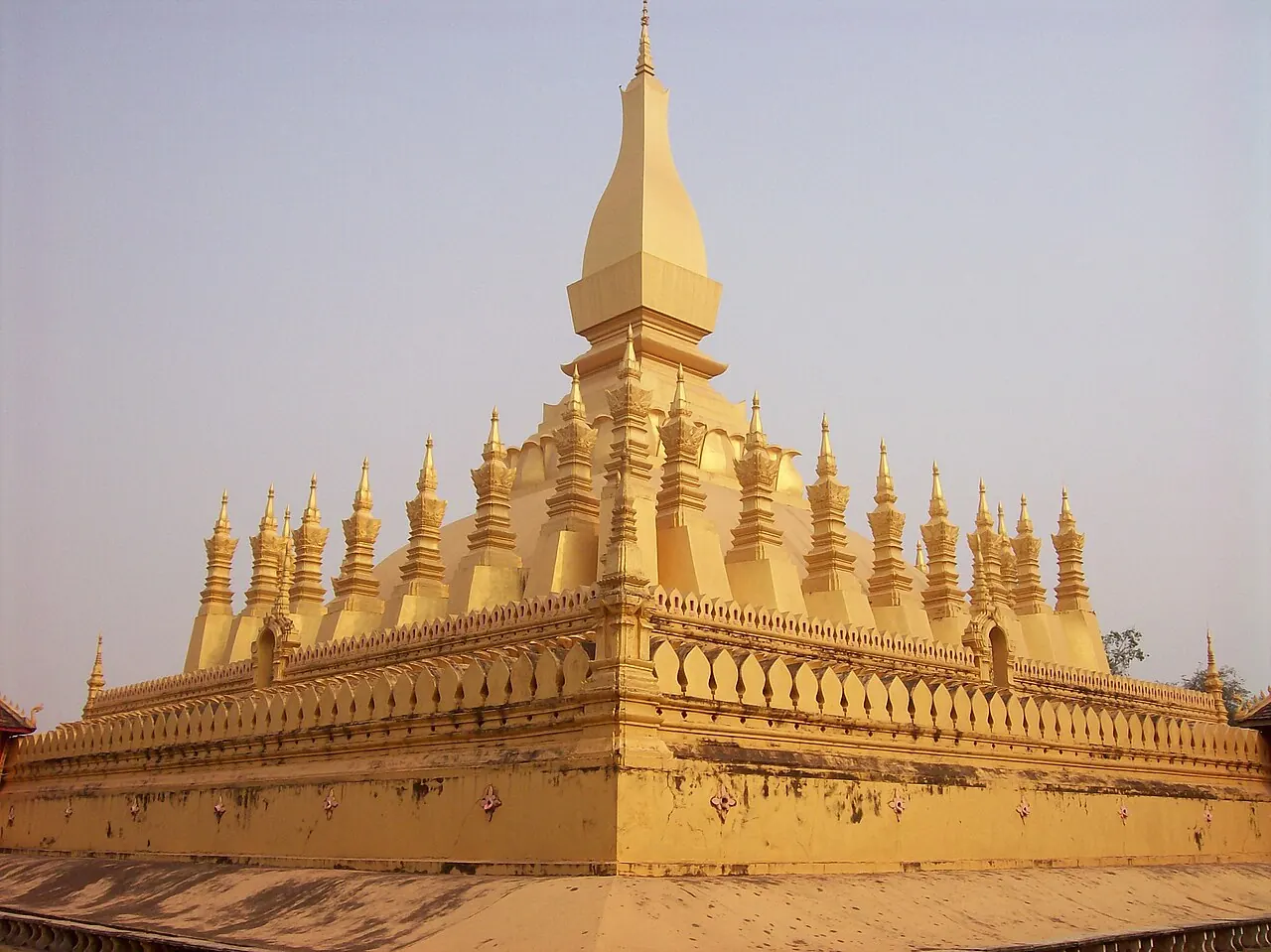
Give Pha That Luang room to make an impression
Pha That Luang is a defining monument of Laos, but the visit works best when you give its setting time as well as the golden stupa itself. Walk the permitted circuit, compare close and distant views and notice the surrounding religious buildings. The broad spaces around the monument feel different from the enclosed courtyards of the old centre. Choose this as the main stop of an eastern-city outing rather than a rushed photograph.
Check current visitor access and admission at the official entrance, especially around ceremonies or the That Luang festival. Dress modestly and follow the rules for each adjoining temple separately; public grounds do not mean every interior is open. Bring water and shade protection, since a clear day can make the open setting demanding. Combine it with Patuxai if transport is straightforward, leaving the museum-temple pair for another part of your stay.
Plan it well: Temple interiors and the stupa precinct have their own access arrangements.
Lao Tourism: Vientiane CapitalLook at Lao detail beneath Patuxai
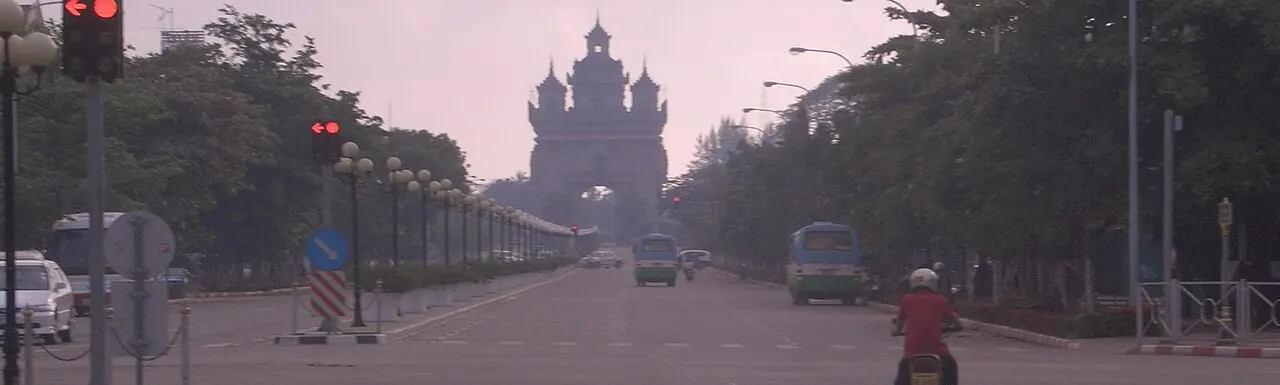
Patuxai is more interesting when you look beyond its resemblance to a European triumphal arch. The painted and sculpted details beneath the arch bring Lao motifs into a major civic monument. Start from the surrounding park and move into the permitted ground-level space to look upwards. The long avenue and broader city setting also help you understand how this part of the capital was laid out.
If the upper levels are open, decide whether the climb fits your ability and the day's heat before buying admission. A photograph from an older guide is not confirmation that access is available now. Use safe crossings around the monument rather than walking directly through traffic for a symmetrical view. This can be paired with Pha That Luang by a short planned transfer, but leave a drink break between exposed outdoor stops.
Plan it well: Check the current upper-level notice; the ground-level architecture is still worth seeing.
ASEAN Tourism Forum: official Vientiane visitor guideSlow down in Wat Si Saket's cloisters
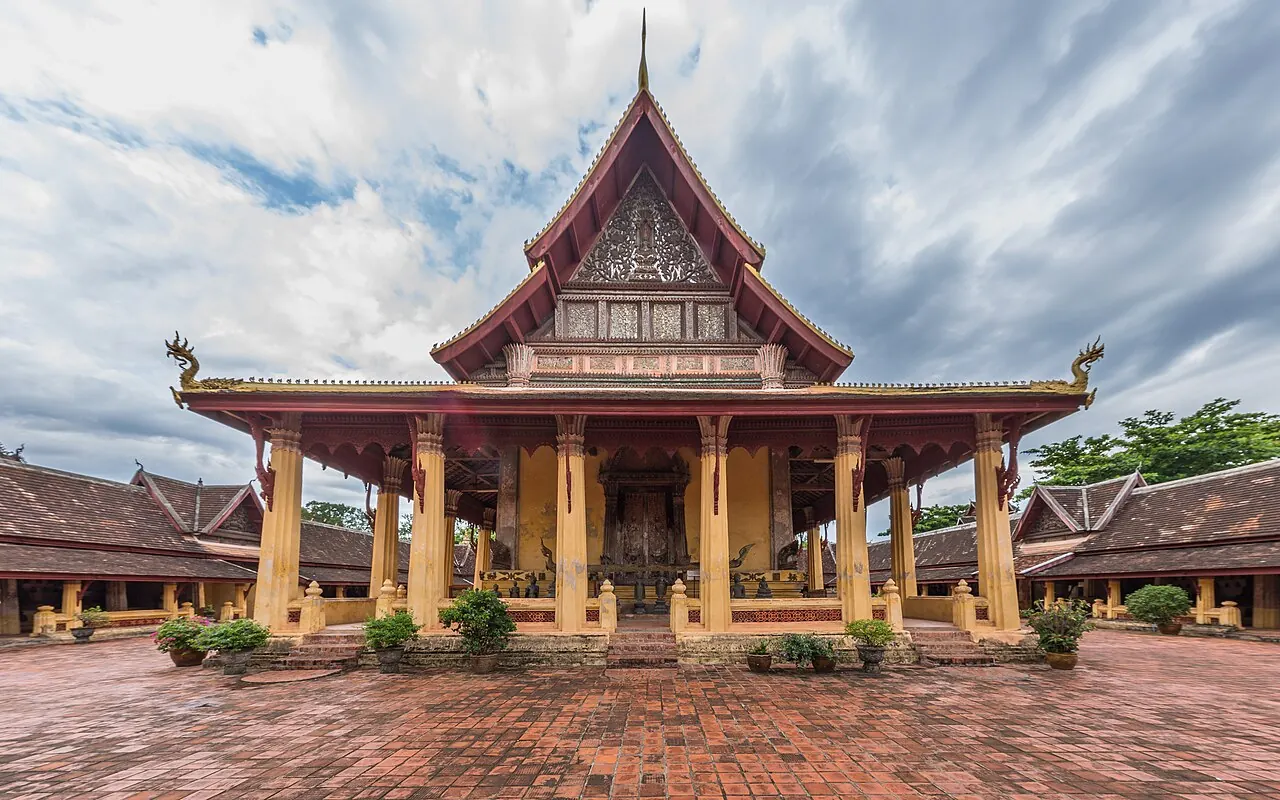
Wat Si Saket rewards a slower kind of looking. Rows of Buddha images and the repeated niches of the cloisters create a rhythm that can be lost when you rush through with a camera. Choose one side of the courtyard first and compare the shapes, materials and small details in front of you. The surrounding architecture is part of the experience, not simply a container for an impressive number of statues.
Follow the site's current visitor signs, cover shoulders and knees and ask about photography inside individual buildings. Do not touch images or lean on display surfaces while posing for a picture. Haw Phra Kaew is nearby across the road, making the pair a sensible morning plan, but check their separate admission and any midday interruption. After one focused visit, a short drink break can make the second site easier to appreciate.
Plan it well: Check both sites' visitor notices before buying tickets for a back-to-back visit.
Lao Tourism: heritage-site visitor informationLook for the museum story at Haw Phra Kaew
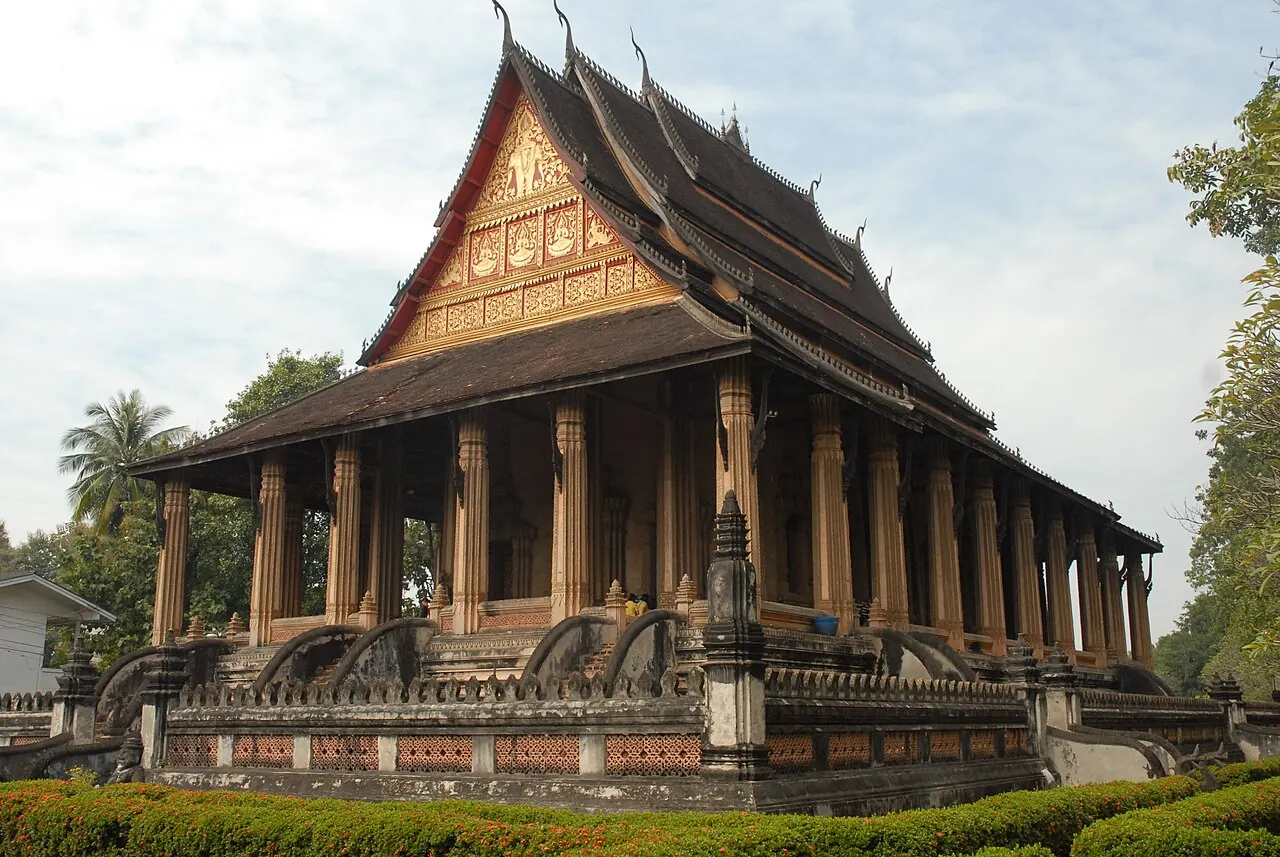
Haw Phra Kaew, also written Hor Pha Keo, is a former royal temple now associated with a collection of Buddhist art. Approach it as a museum visit rather than expect to see the Emerald Buddha implied by its historic name. The building, terrace and sculpture displays make an interesting contrast with Wat Si Saket opposite. Let a few objects and architectural details hold your attention instead of trying to photograph everything.
Check the current admission notice and gallery arrangements before entering, including any break in visitor access during the day. Follow instructions about footwear and photography, and keep hands away from carvings and displayed objects. The nearby road needs a deliberate crossing even though the two sites are close on a map. Make this the second part of a manageable old-centre morning, with lunch afterwards rather than another distant temple immediately added to the route.
Plan it well: Do not expect the original Emerald Buddha here; choose the visit for the building and collection.
Lao Tourism: Haw Phra Kaew and Vientiane heritageReserve a separate outing for Buddha Park
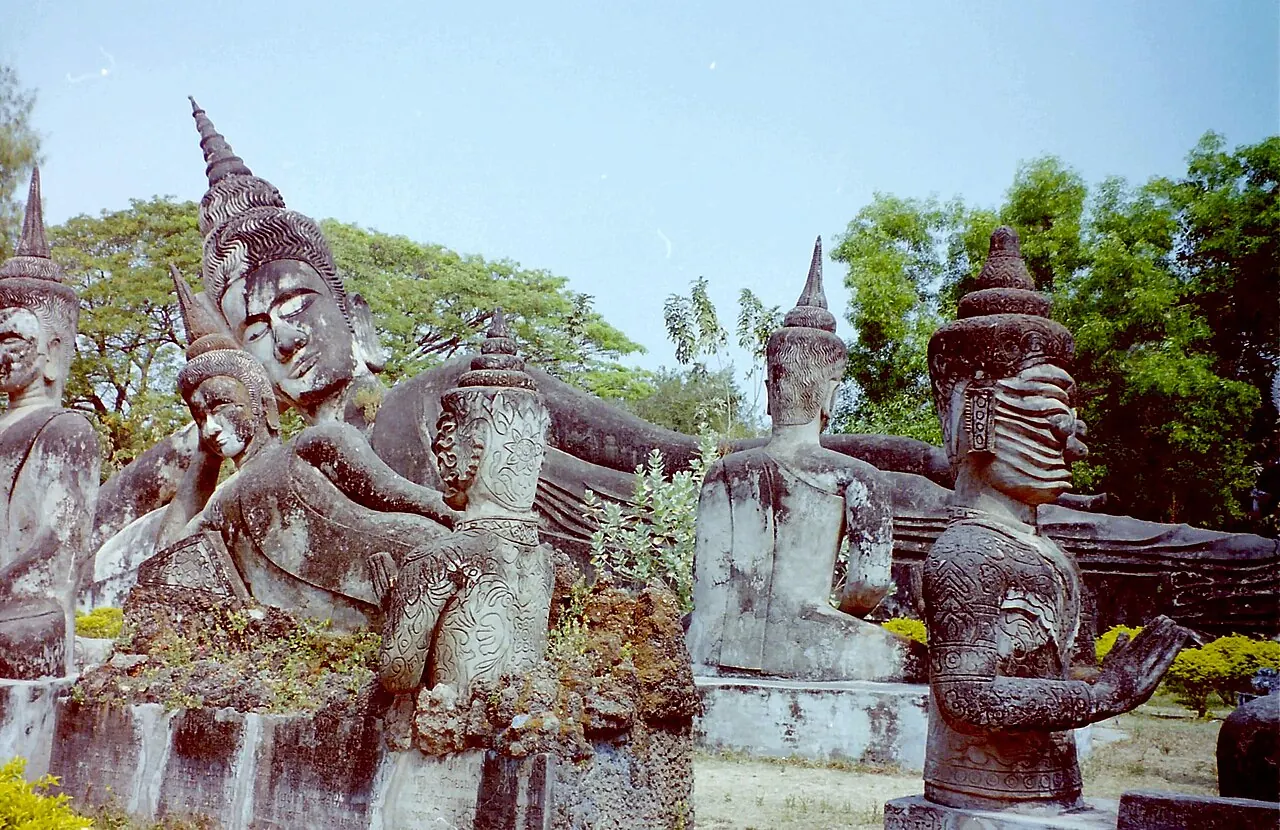
Buddha Park, or Xieng Khuan, is a sculpture park outside central Vientiane, not an ancient temple complex hidden within the city. Large concrete figures draw on Buddhist and Hindu imagery, making the visit visually different from the gilded stupas and temple galleries. Walk a circuit before choosing which pieces to inspect more closely. The mixture of forms is best enjoyed with enough time to move around them.
Set aside a separate half-day including transport and a break, and verify current access and the return journey before departure. Some structures have narrow or steep internal passages; choose only what feels suitable and do not assume every sculpture is intended for climbing. Shade and rain protection matter in an exposed outdoor setting. Avoid pairing the outing with every major central attraction on the same day, particularly if you have an evening train or flight to catch.
Plan it well: Treat this as an out-of-centre excursion and arrange the return before arriving.
Visit Laos: Buddha Park and VientianeObserve everyday devotion at Wat Si Muang
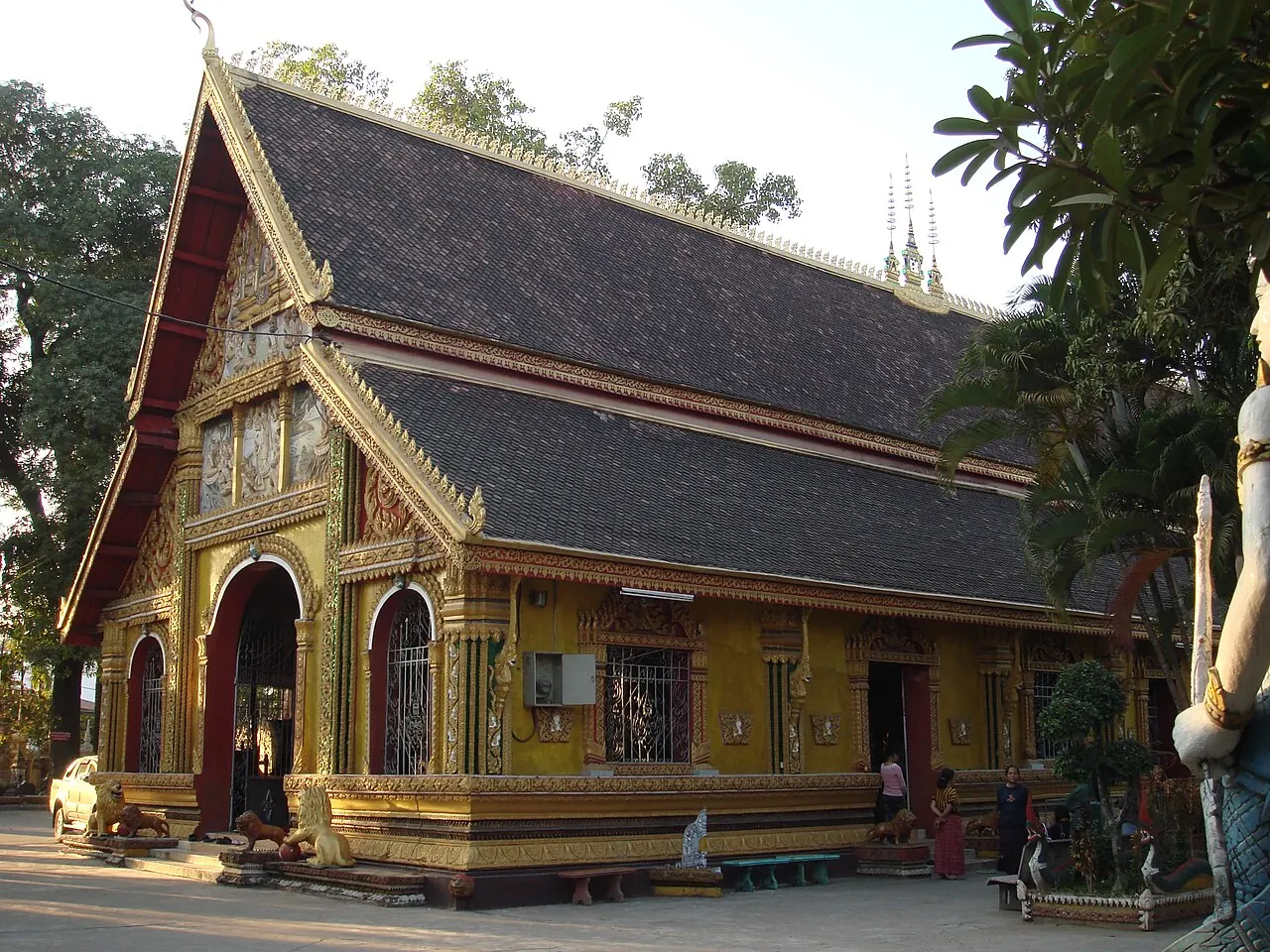
Wat Si Muang gives a temple-focused trip a chance to observe a living place of devotion rather than only a historic collection. Lao Tourism connects the site with the city's pillar and protective spirit. Begin by watching the pace of activity from a respectful position and follow the public route before deciding whether to enter an interior. You do not need to participate in a ritual to appreciate the setting.
Dress modestly, remove footwear where requested and give worshippers space to move and make offerings. Ask before photographing people at prayer and avoid turning a private act of devotion into a souvenir image. Keep the visit flexible because ceremonies can take priority over sightseeing. It is a useful alternative to adding a third museum-style temple in the old centre, followed by a cafe break or a short walk rather than another long cross-city transfer.
Plan it well: Observe quietly and let worshippers have priority around the shrine.
Lao Tourism: Wat Si MuangMake That Dam a short old-centre pause
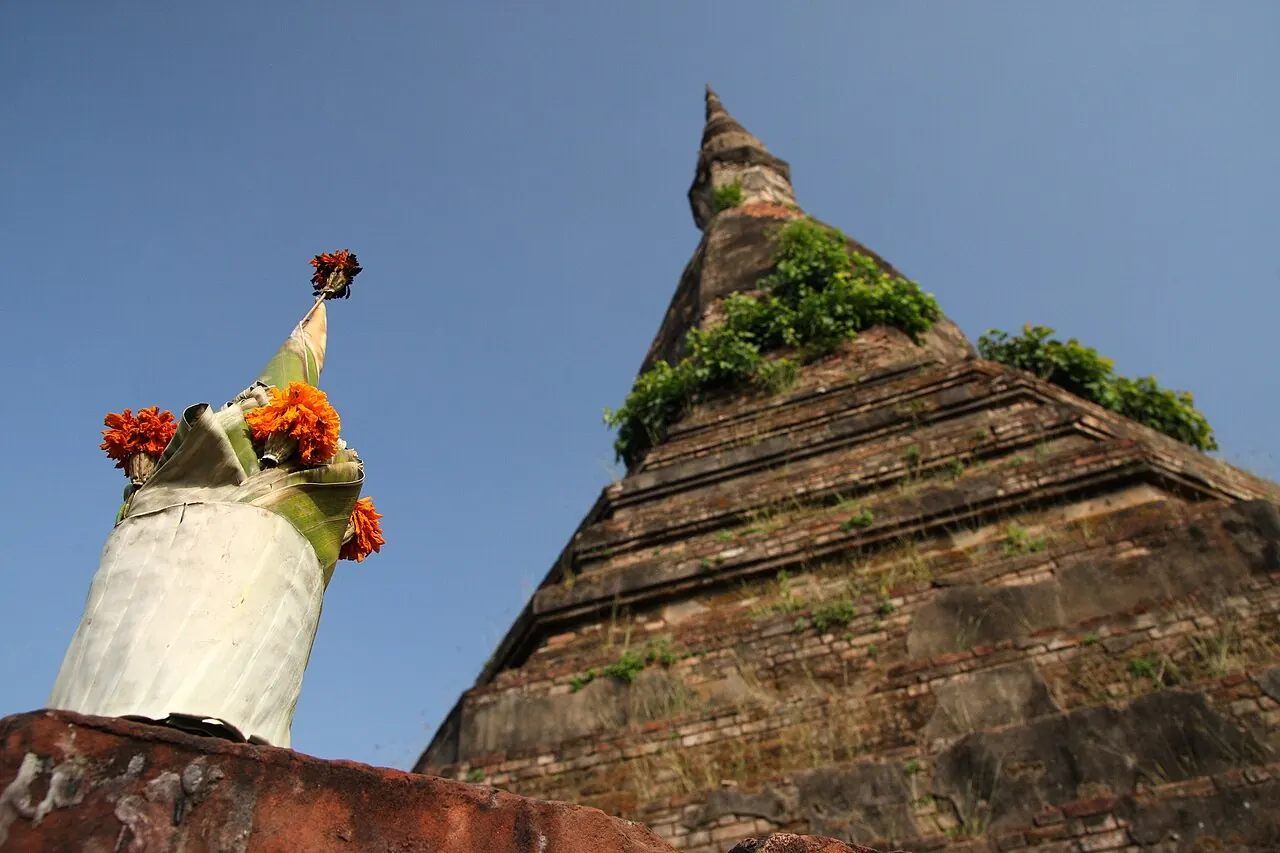
That Dam, the dark stupa in a small urban roundabout, makes an interesting contrast with the gleaming surfaces of Pha That Luang. Its weathered form is part of the appeal, and the surrounding streets keep it connected with ordinary city life. Look from a safe position and give it a few attentive minutes rather than expect a large ticketed complex. This is a compact landmark to notice between other stops.
The practical challenge is traffic, not the size of the attraction. Do not stand in a roadway to get a clear photograph, and use a suitable crossing if you want to change viewpoints. Local legends should be understood as stories rather than verified explanations of the monument's construction. Combine the pause with Talat Sao or a nearby meal, leaving the main cultural visit to Wat Si Saket or Haw Phra Kaew instead of enlarging this into a separate excursion.
Plan it well: Choose a safe public viewpoint and stay out of the roundabout's moving traffic.
Lao Tourism: That Dam and the capitalLook for the large Buddha at Wat Ong Teu
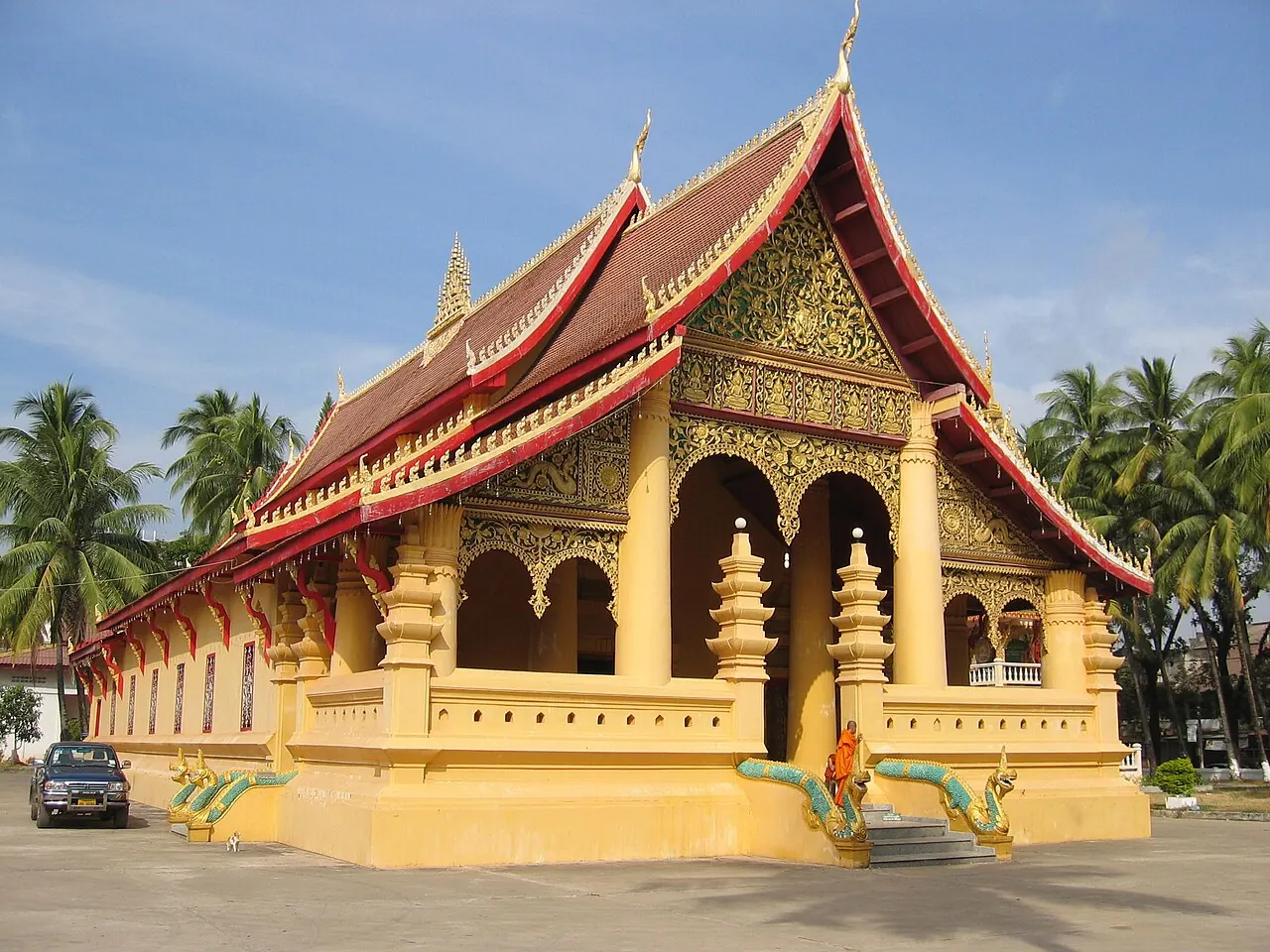
Wat Ong Teu Mahawihan is a useful choice when you want to spend more time in the western old centre instead of travelling between distant monuments. The temple is associated with a large bronze Buddha, and its hall encourages attention to scale, carved decoration and the relationship between image and interior space. Start with the public grounds, then enter only where current visitor arrangements allow.
This is a religious complex, so dress respectfully and avoid interrupting ceremonies or lessons. Ask before photographing indoors, and do not assume a quiet courtyard means every building is open. It pairs naturally with nearby Wat Inpeng, but you can choose one rather than repeat the same style of visit twice. A meal in the surrounding streets gives the outing a practical end and leaves the rest of the afternoon free for the waterfront or another interest.
Plan it well: Let current religious activity determine which areas you visit.
KPL: Wat Ong Teu in Vientiane's living traditionsNotice the gateway and setting of Wat Inpeng
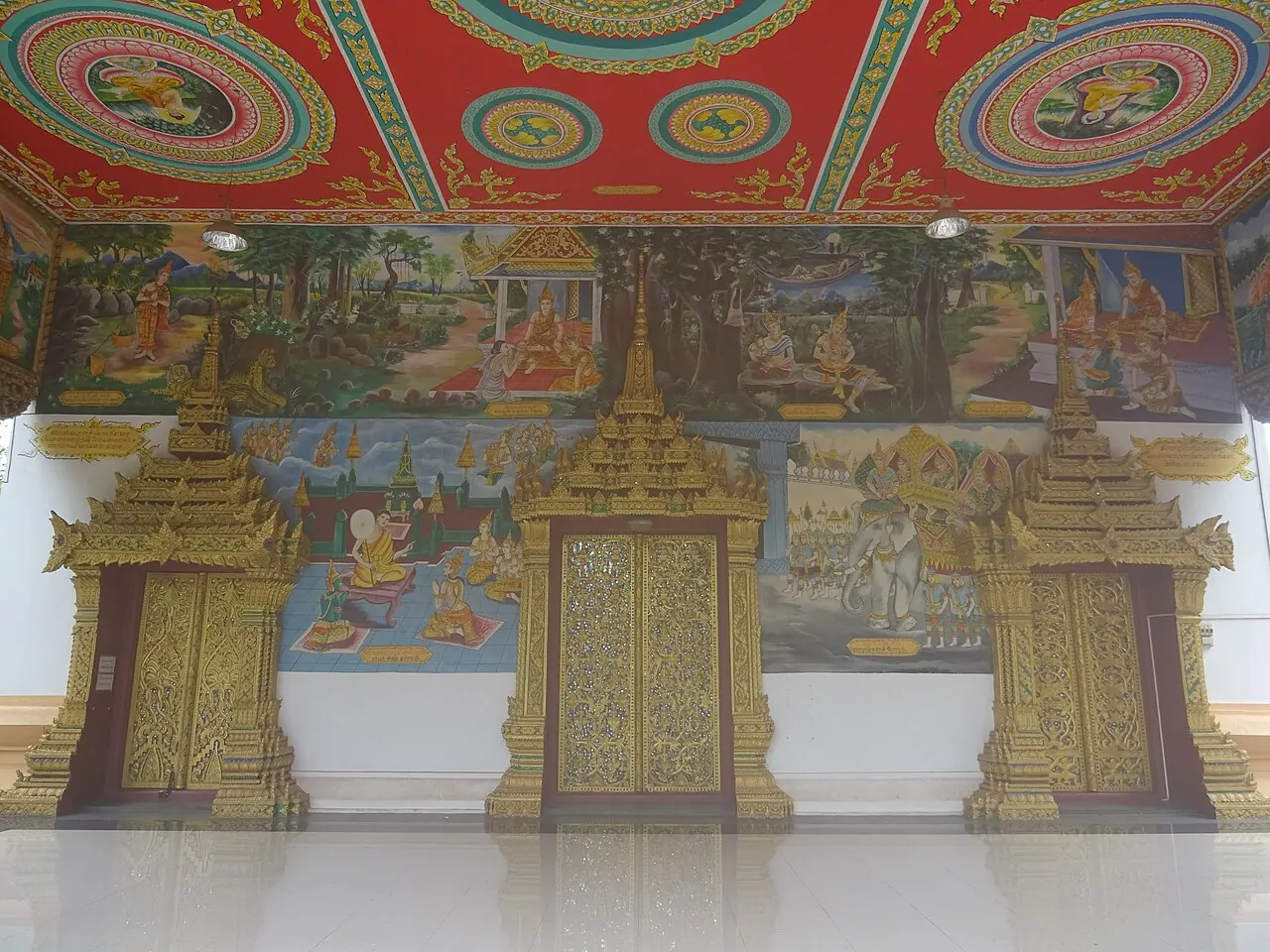
Wat Inpeng is another worthwhile western-centre temple when you enjoy the smaller details of religious architecture. Its gateway, roofs and courtyard setting make a short visit rewarding even without a long interior tour. Take time to compare decorative elements rather than collecting another temple name. The complex is part of the city's living religious network, as its involvement in official Lao New Year ceremonies demonstrates.
Follow the public entrance and ask whether visitors may enter the hall at that moment. Cover shoulders and knees, remove shoes when directed and keep photography away from worshippers unless they consent. Festival arrangements may be very different from an ordinary day, so do not reuse a past event schedule as current opening information. Combine it with Wat Ong Teu only if both interest you, allowing a cafe or lunch stop to keep the morning from becoming repetitive.
Plan it well: Check current access at the entrance instead of relying on a past festival timetable.
KPL: Wat Inpeng and the capital's ceremoniesBrowse textiles thoughtfully at Talat Sao
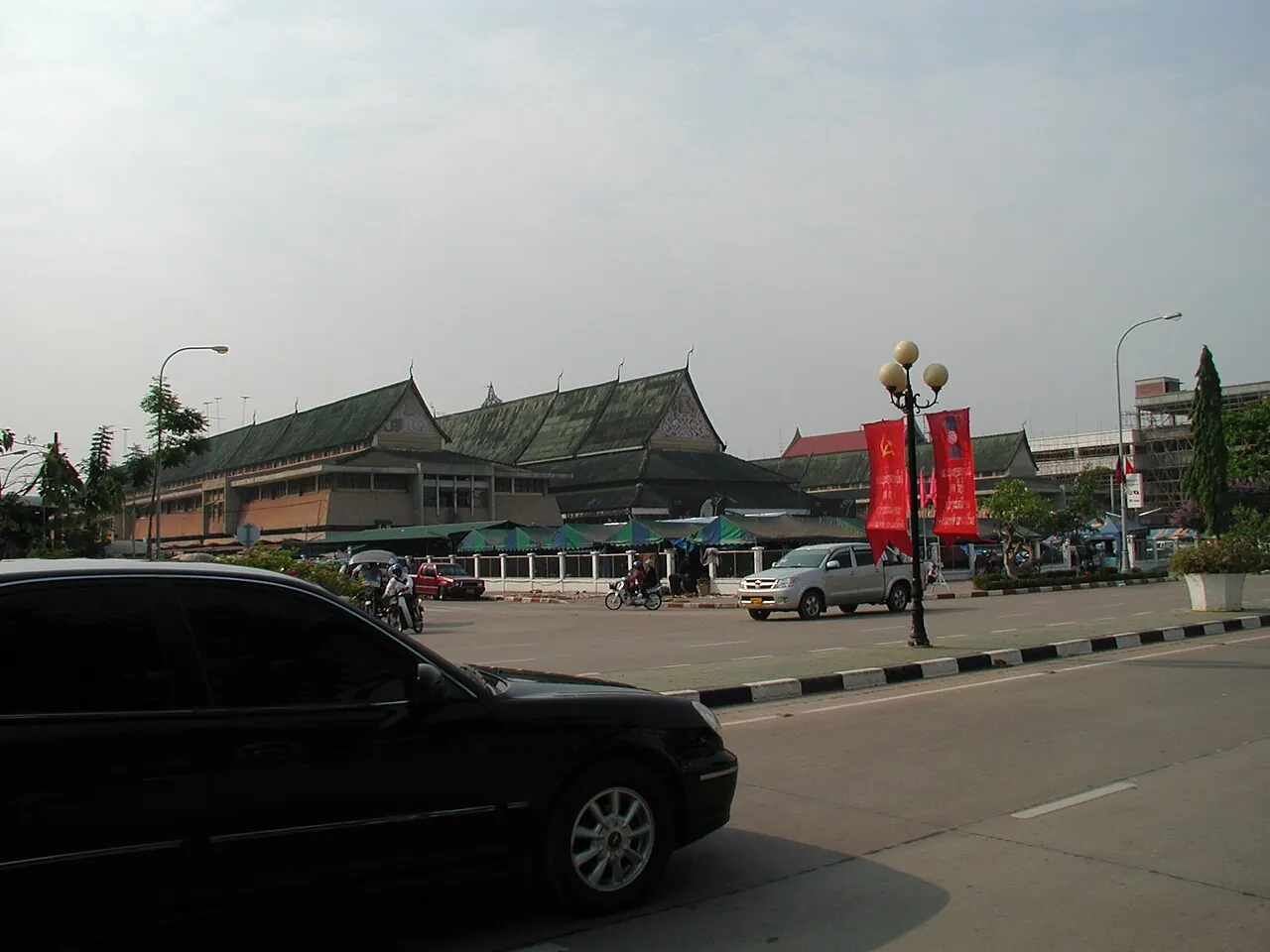
Talat Sao is a shopping stop rather than a single preserved market scene. Market spaces and modern retail sit together, with textiles, jewellery and household goods among the reasons to browse. Start with the products that interest you, especially woven fabrics, and ask about material, origin and workmanship. A deliberate comparison between a few stalls is more useful than buying the first item labelled as a local souvenir.
Carry small cash, agree the full price before paying and avoid assuming every fabric is handmade simply because it is sold in a market. The name means morning market, but individual businesses have their own operating arrangements, so verify a particular shop if it matters. Keep your bag manageable and step aside before checking directions. Pair this with That Dam or the nearby old-centre temples rather than travelling across the city for a rushed shopping stop.
Plan it well: Ask about fabric composition and provenance before comparing prices.
Visit Laos: Talat SaoHow to spend two days in Vientiane
Day one: choose an old-centre temple pair
Begin with Wat Si Saket and Haw Phra Kaew, checking separate admission and any midday break. Add That Dam and a focused Talat Sao browse after lunch. Choose Wat Si Muang or the western-centre Wat Ong Teu and Wat Inpeng pair as an alternative, not all three.
Day two: monuments or sculpture park
Pair Patuxai and Pha That Luang with a shade and drink break and planned transfers. Alternatively, devote a half-day to Buddha Park and keep the rest of the day easy. Do not combine a distant excursion with a tight evening departure.
Before you go
Dress for sacred spaces
Cover shoulders and knees, remove footwear where directed and ask before photographing inside. Monastic activity and ceremonies take priority over tourism.
Check separate visitor arrangements
Neighbouring sites can have different tickets and midday breaks. Use current entrance notices and official tourism updates rather than treating an old itinerary as a timetable.
Lao Tourism: Vientiane CapitalLeave room for heat and transfers
Carry water and rain protection. Agree the fare, destination and return pickup for out-of-centre trips, and leave a separate buffer for a train station or airport journey.
Where to stay in Vientiane
The old centre near Setthathirath Road and the river suits short temple walks and meals between visits. A hotel nearer Pha That Luang may suit that district but is not the same base for the western old centre. Compare exact locations, room noise and departure transfers; the railway station and airport require their own transport planning.
Explore Vientiane hotels