
Riga city guide
10 things to do in Riga
Explore Riga through merchant halls, church towers, a working food market and Art Nouveau streets, with a two-day route that leaves room for the canal parks.
Plan your visit
Riga rewards looking in two directions: upwards at gables, church spires and extravagant apartment facades, then down towards market counters and the canal paths. Its Old Town is compact enough to explore without a rigid timetable, but a first visit is richer when it also reaches Alberta Street and the Central Market. This shortlist combines ten identifiable places rather than treating the entire city as one attraction. Group the Old Town stops together, reserve time for one substantial indoor visit, and use the second day for the market, parks and Art Nouveau district. Church programmes, private events and museum closures can change the order, so the linked visitor sources matter more than an ambitious checklist.
Read Riga's merchant history at the House of the Blackheads
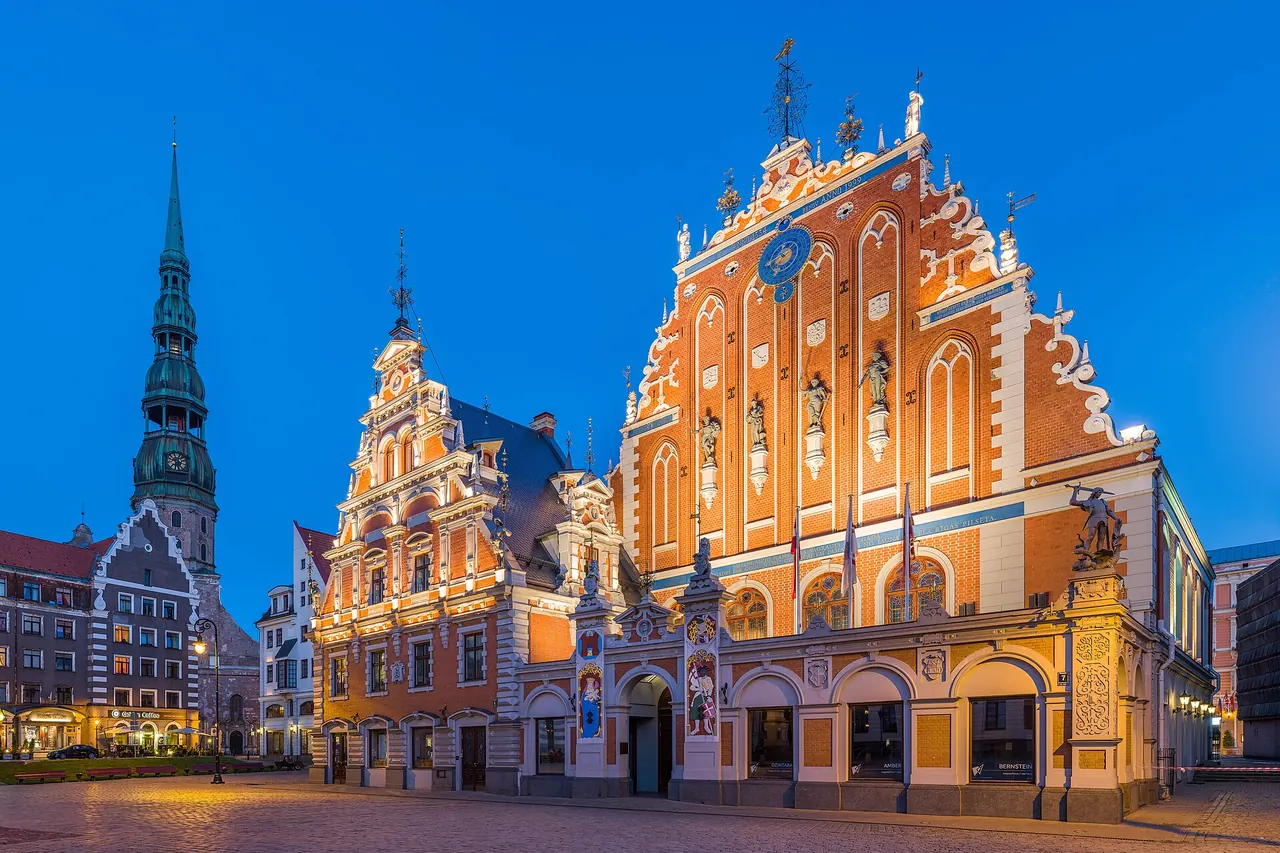
The House of the Blackheads gives Town Hall Square its most theatrical frontage, with decorated gables that reward a pause before you reach the door. Its story concerns Riga's merchant associations, but the building also raises a useful question about historic cities: what survives, what is reconstructed, and how should visitors read the difference? The present house was rebuilt after wartime destruction. Treat the exterior as an introduction to that layered history, rather than assuming every visible detail has stood unchanged since medieval times.
Inside, follow the visitor exhibition rather than judging the house only by its postcard facade. Give yourself time to connect the ceremonial spaces with the commercial world outside, then walk towards St Peter's Church or the Daugava for a different scale of the city. Private events can shorten access or close the exhibition, and the official page lists exceptions by date. Make this your scheduled indoor stop only after checking those notices; the square remains a worthwhile architectural stop when the exhibition is unavailable.
Plan it well: Check the dated exceptions on the official visitor page, not just its general opening schedule.
House of the Blackheads visitor informationFind your bearings at St Peter's Church
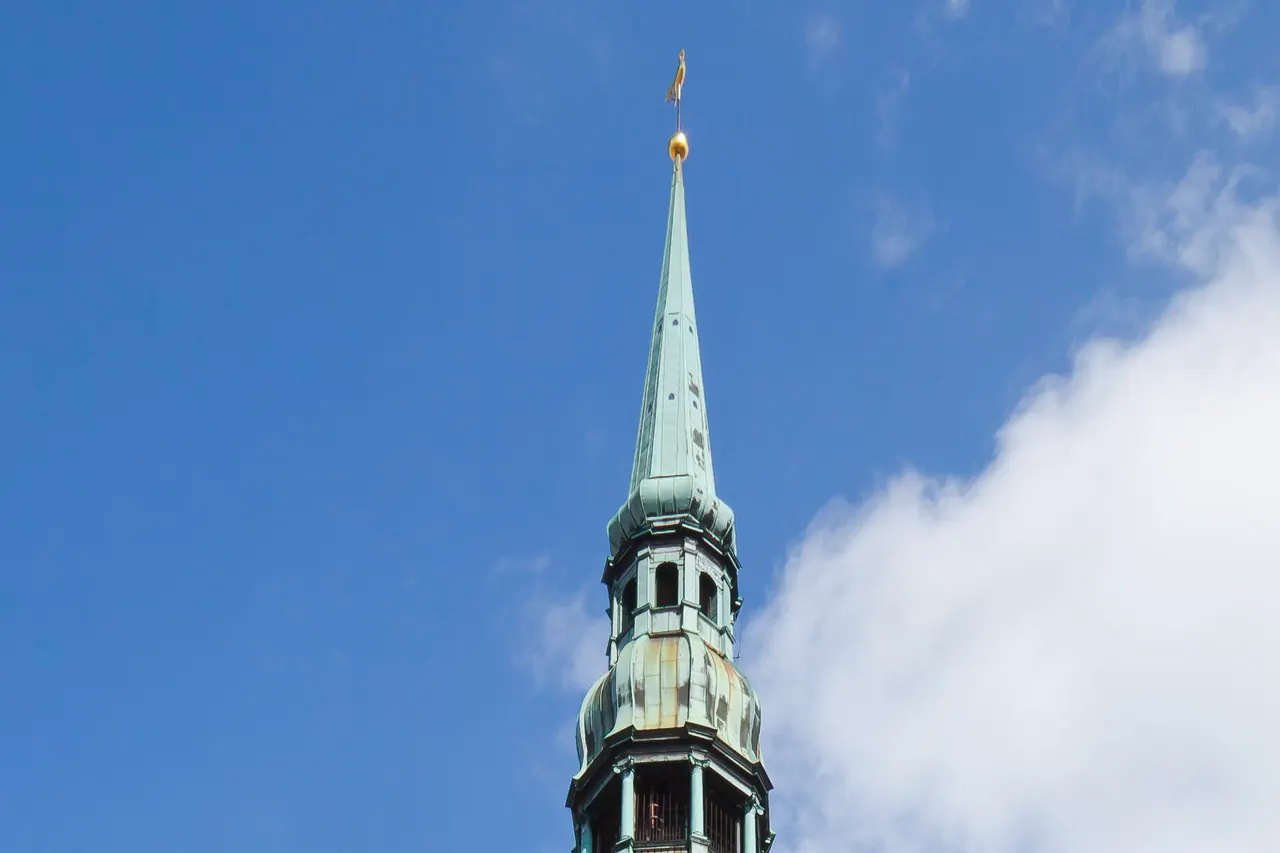
St Peter's is a strong starting point for understanding the Old Town because its tower gives the surrounding roofs, squares and river a legible shape. Look at the church from the small streets around it before deciding whether to include the observation platform. From below, the contrast between the large brick body and the slender upper tower is striking; from above, the attraction is the wider city rather than a single famous building. A clear spell makes that second experience more rewarding than a low-cloud afternoon.
The interior deserves attention even if you came mainly for the skyline. Riga's official visitor account describes surviving medieval elements alongside later memorials and the building's repeated reconstruction, making this a place to notice changes rather than search for one pure architectural period. Ask which visitor areas and tower access are available that day, particularly if mobility is a concern. Afterwards, continue on foot to the House of the Blackheads without adding a separate cross-city journey. Keep the tower optional instead of making the whole morning depend on visibility.
Plan it well: Confirm the current tower route and access arrangements directly before buying admission.
LiveRiga: St Peter's ChurchShop and taste your way through Riga Central Market
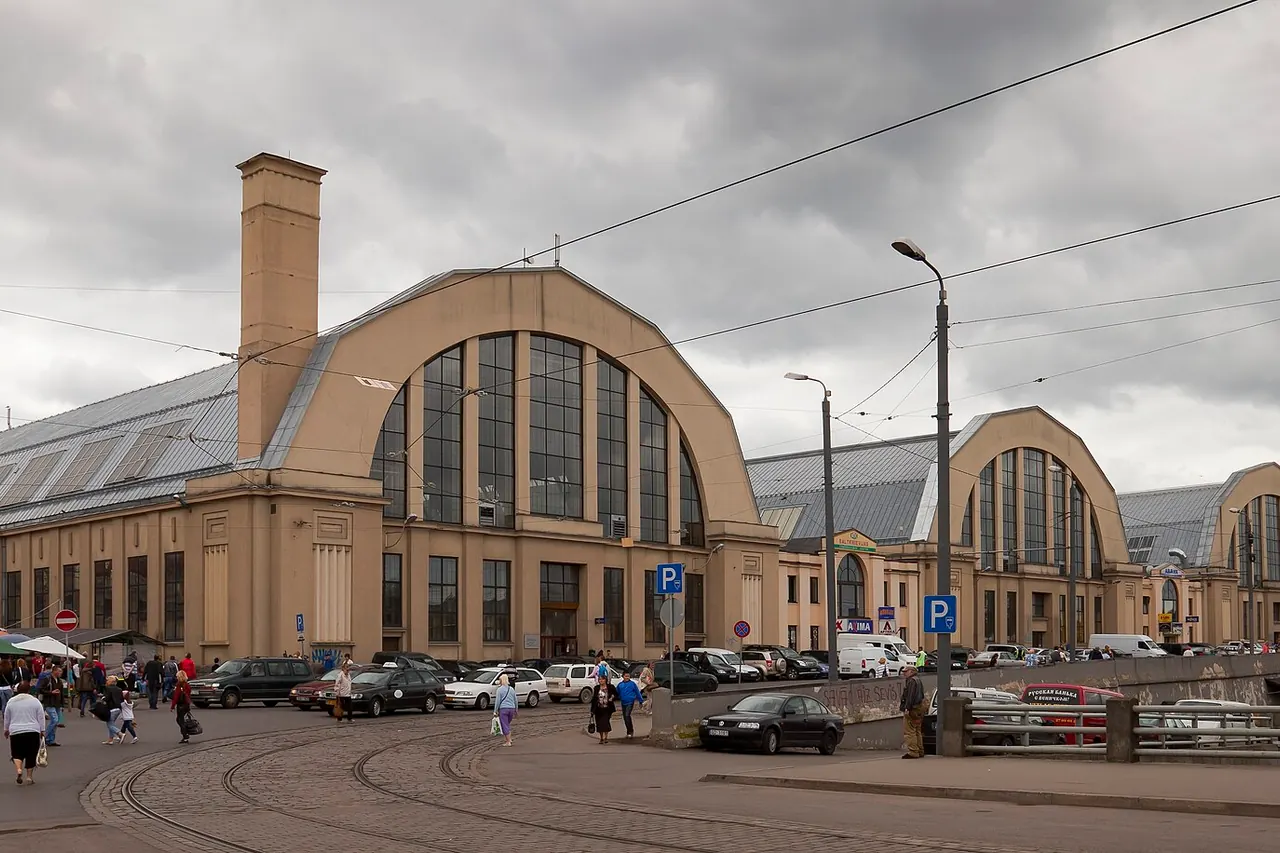
Riga Central Market offers a change from the Old Town's monuments: here the interesting details are produce, packaging, conversations and the way people do their ordinary shopping. The great pavilion roofs reuse parts of former zeppelin hangars, giving a working market an unusually memorable silhouette. Start by walking through rather than immediately buying the first snack you see. Compare counters, read labels and notice the differences between food categories before choosing a few things to taste. Smoked fish, rye bread or seasonal produce can make a more focused visit than a hurried food checklist.
Remember that these are trading spaces, not museum displays. Leave room for shoppers, ask before taking close photographs of people, and buy manageable quantities if your hotel has no refrigeration. The official tourism page states that the pavilions close for sanitation on the first Monday of every month; arrange your itinerary around that rule instead of assuming an indoor market visit is available daily. Its position near the rail and bus stations is convenient, but browsing with large luggage is awkward. Make it a deliberate food stop, not merely something to squeeze into a departure connection.
Plan it well: Avoid the monthly first-Monday pavilion closure; check current market notices before planning lunch here.
LiveRiga: Riga Central MarketPause at the Freedom Monument
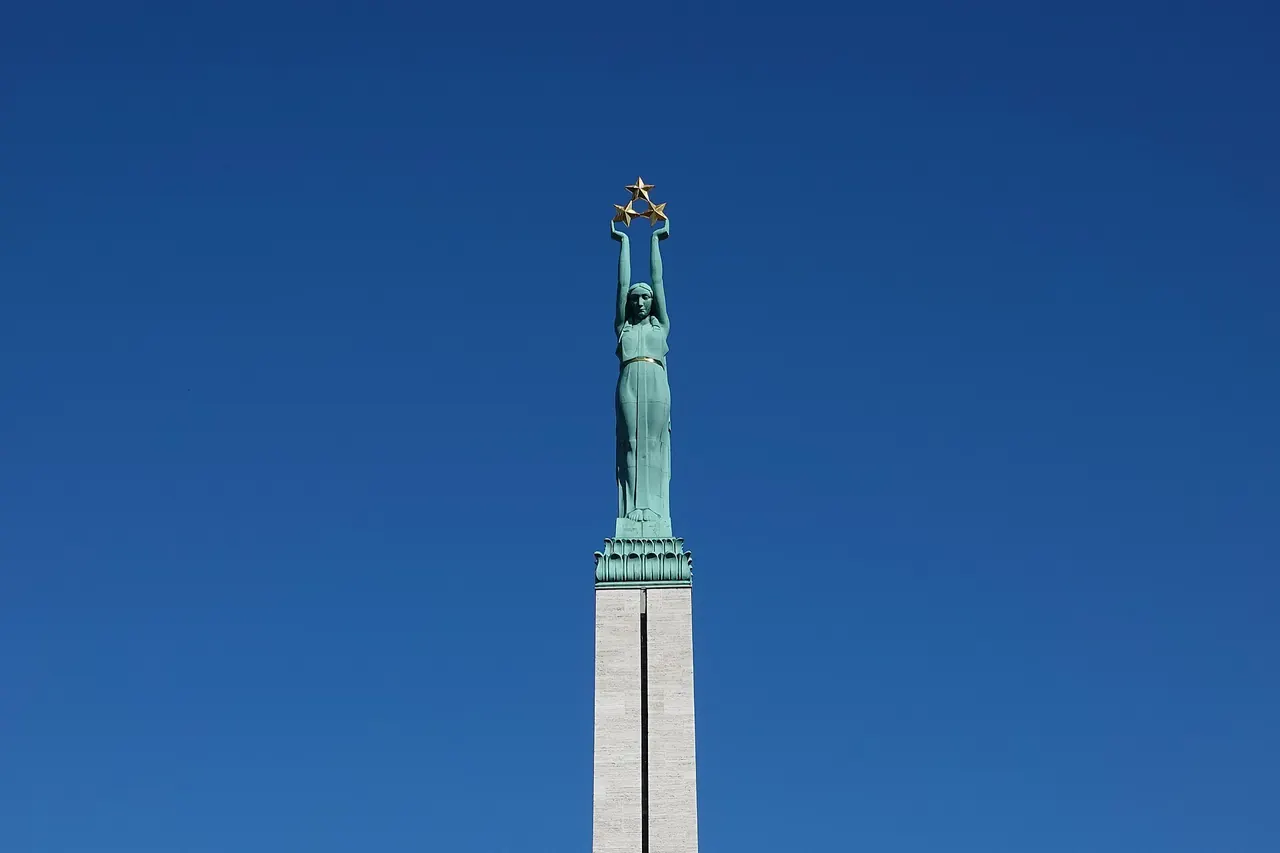
The Freedom Monument is more than a convenient meeting point between the Old Town and the boulevards. It is a national memorial whose sculpted base and high copper figure express Latvia's independence and identity. The three stars held above the figure represent the country's historic regions. Stand back first to see the monument's vertical proportions, then look more closely at the lower sculpture groups. That change of distance helps turn an easily photographed landmark into a place with a readable political and cultural meaning.
Give the memorial the same considerate space you would allow a ceremony elsewhere. If an official observance or honour guard is present, watch without obstructing participants and avoid treating the steps as a casual seating platform. The site also works as a useful hinge in your route: return towards the medieval centre, follow the canal into Bastejkalns, or head north towards the Art Nouveau streets. You do not need to build a whole excursion around it, but you should leave enough time to look at its details rather than taking a photograph while crossing the boulevard.
Plan it well: Use the canal parks for a longer rest; keep the immediate memorial area clear and respectful.
LiveRiga: Freedom MonumentLook closely at the Art Nouveau facades on Alberta Street
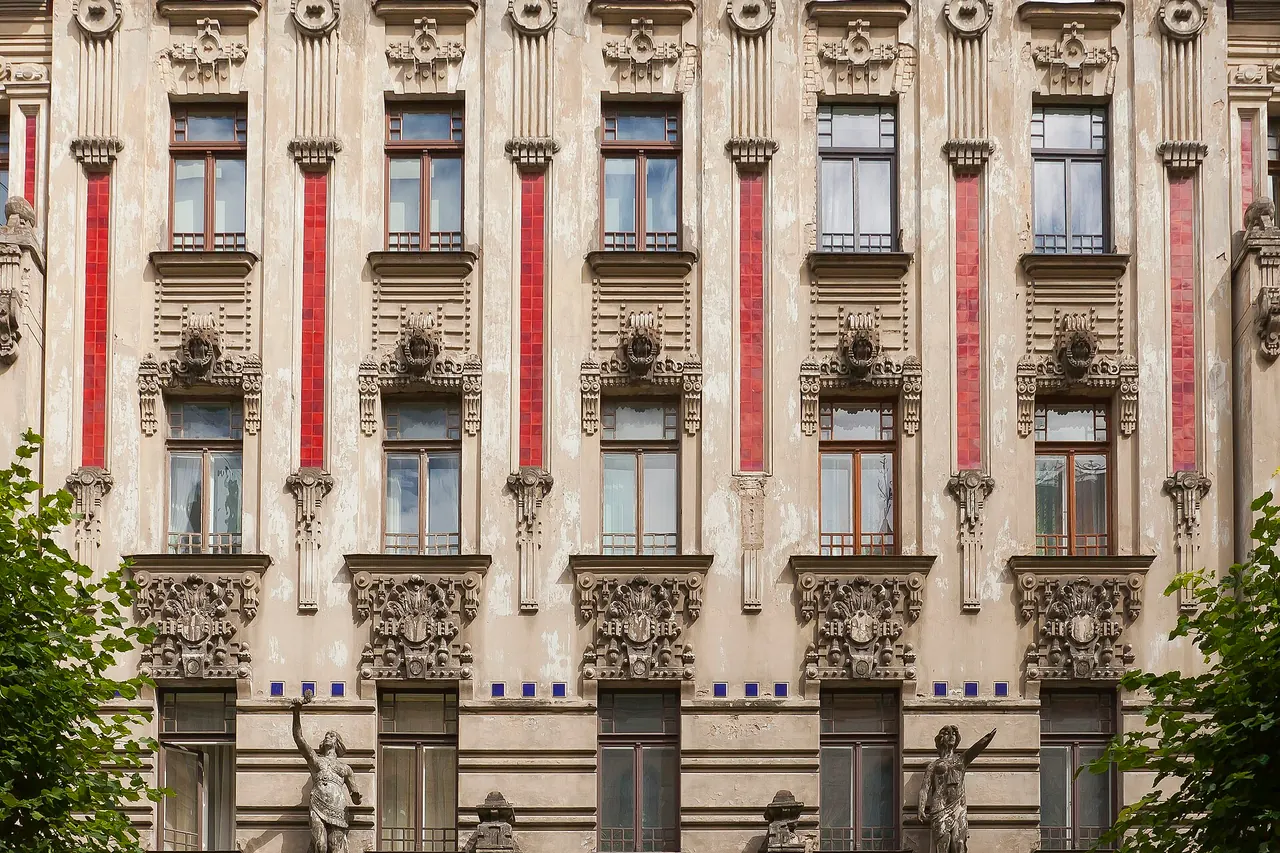
Alberta Street makes Riga's Art Nouveau reputation tangible at the scale of a short street. Instead of trying to photograph every building at once, select a few facades and compare their balconies, faces, animal forms and window surrounds. The decorative language changes from doorway to roofline, so looking up is only half the work. Take a second pass at street level to notice entrances and smaller sculptural details. This is especially rewarding after the Old Town, where the narrower medieval plots create a very different rhythm.
These buildings are part of a living neighbourhood, and a public pavement does not make every stairwell or courtyard a visitor attraction. Keep residential doors clear, avoid following residents inside and use a designated museum visit if you want an interior context. The official tourism page points to the nearby Art Nouveau museum as that separate option. Leave time to extend the walk into adjoining streets rather than expecting the architectural interest to end at one famous address. A cafe stop in the area can turn the journey north into a relaxed half-day instead of an isolated photograph detour.
Plan it well: Photograph from the pavement without blocking entrances; museum access is separate from viewing the street.
LiveRiga: Alberta StreetTrace the old defences at the Powder Tower
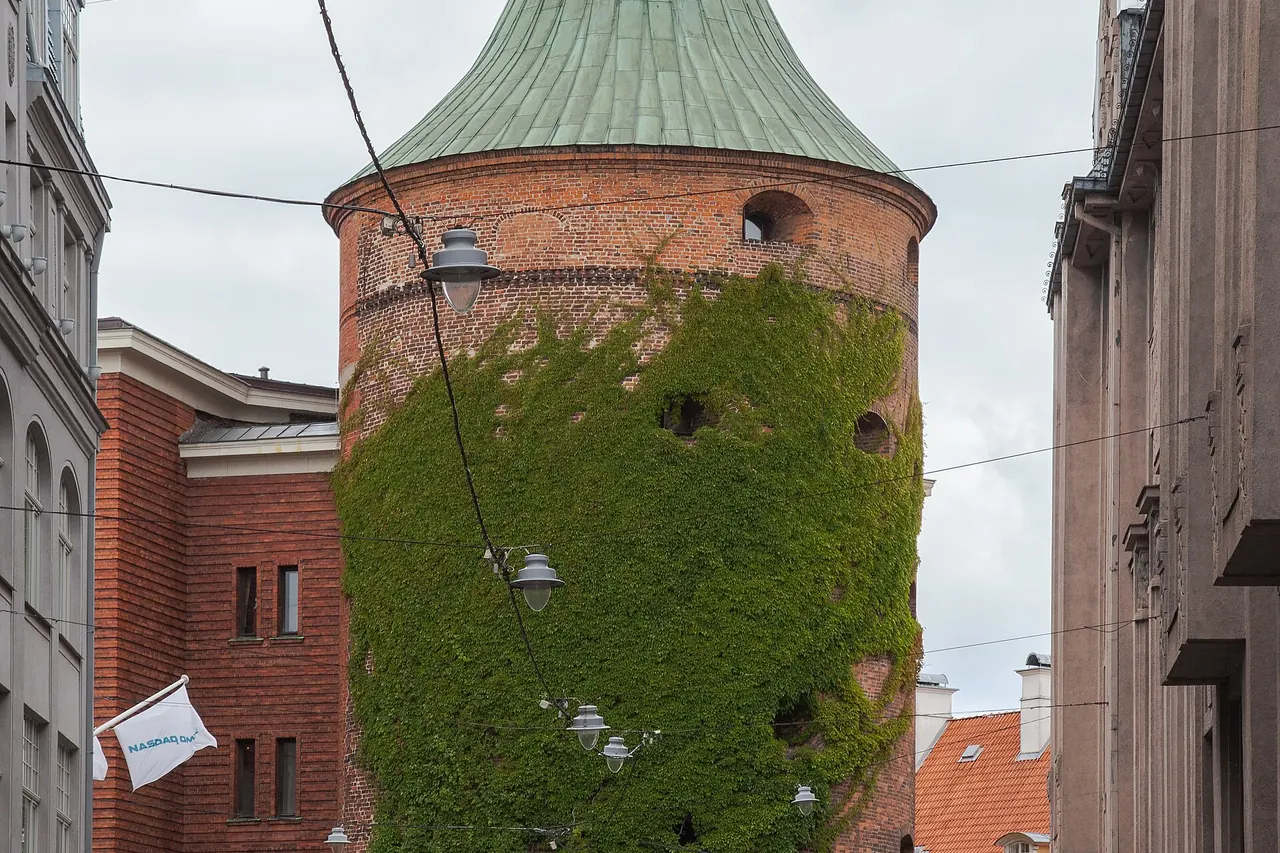
The Powder Tower gives Riga's former defences a much more physical presence than a line on a historical map. Its round brick mass contrasts with the surrounding streets and makes a useful stop while moving between the Old Town and the canal parks. Walk around the accessible exterior to notice how abruptly the scale changes from a narrow lane to a fortified structure. It is also a good point to think about the city's expansion: the public parks beyond the medieval centre occupy a landscape once shaped by defensive works.
Do not plan an indoor War Museum visit here at present. The museum's official notice states that its main building at the Powder Tower is closed to visitors from 16 September 2026 until January 2027 for reconstruction works. The exterior remains the purpose of this guide entry, and reopening should be checked rather than assumed from older travel lists. Pair the stop with the Three Brothers or Bastejkalns, then choose another indoor venue if the weather turns. Museum branches outside Riga are different destinations and are not a substitute that fits into this compact Old Town walk.
Plan it well: The main War Museum building is currently closed; check its own reopening notice before adding an interior visit.
Latvian War Museum: September 2026 closure noticeMake time for Riga Cathedral and its musical life
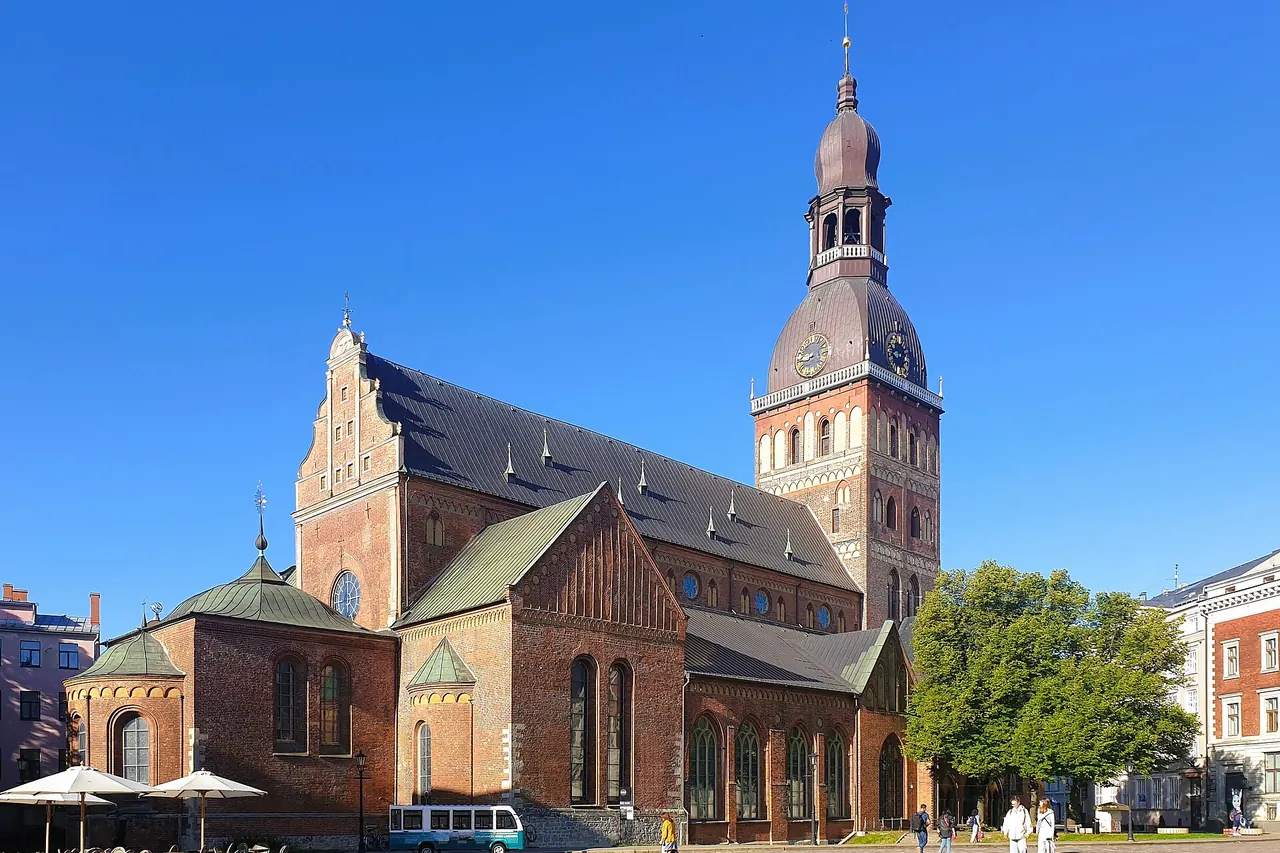
Riga Cathedral anchors Dome Square, but its value is not limited to the exterior skyline. The building brings together layers of church architecture and an active musical life, so the best visit depends on what you want to experience. For an architectural stop, look at the proportions and transitions between different parts of the interior rather than expecting a single consistent style. For music, consult the cathedral's actual concert programme and give the performance its own place in your day. A quick look at the organ is not the same experience as hearing it.
The official visitor page separates ordinary admission from concerts and special opportunities such as the organ balcony and tower. Those special visits require advance arrangements, so do not assume that one entry ticket includes every elevated space. Worship also remains part of the cathedral's life. Plan the surrounding Old Town walk with enough flexibility to respect services or a changed visitor schedule. Dome Square is an easy place to regroup afterwards; continue towards the Three Brothers and Riga Castle without returning across town. Visitors needing assisted access should contact the cathedral beforehand about the current entry arrangements.
Plan it well: Check the week's visitor schedule and book special visits separately; a concert has its own programme.
Riga Cathedral visitor informationCompare the homes known as the Three Brothers
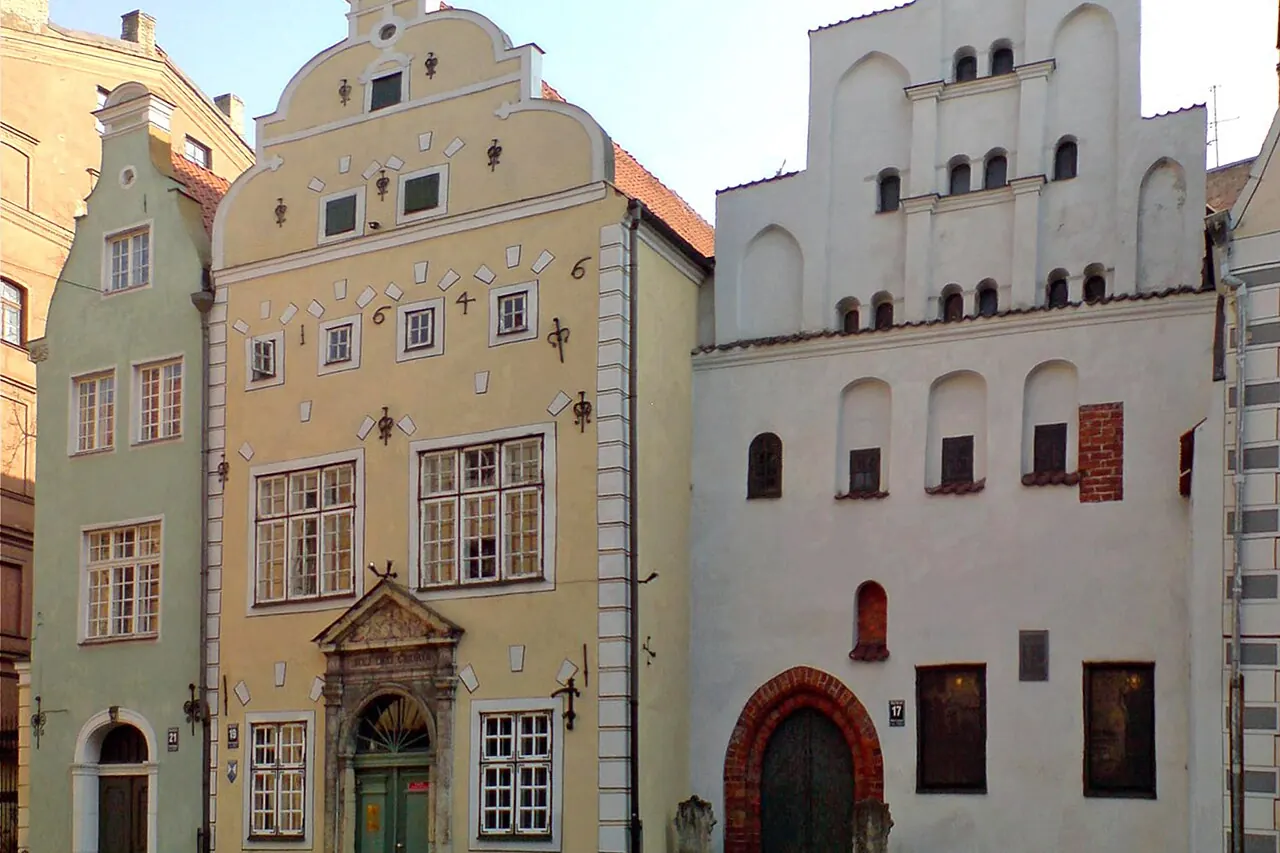
The Three Brothers are a useful counterpoint to Riga's grand public buildings because they show the city through the scale of adjoining homes. Their different widths, windows and roof shapes invite comparison without requiring a long architectural lecture. Begin with the whole group, then look at how each house manages the narrow street frontage. Latvia's tourism authority describes buildings from different periods rather than a single simultaneous construction, so the name should not lead you to assume they are three matching medieval houses.
Take a little time to read the street as well as the famous facades. Maza Pils Street offers tight perspectives, and stepping back for a photograph should not block passing pedestrians or involve walking carelessly into traffic. The complex houses the Latvian Museum of Architecture and heritage offices; exterior viewing and museum access are separate considerations. Check the current exhibition and visitor arrangements if you want to go inside, rather than treating a doorway as an open invitation. For a first visit, the exterior comparison already adds something distinctive to the walk from the cathedral towards the castle.
Plan it well: Look for differences in proportions and openings; check museum access separately from the street-side stop.
Latvia Travel: Three BrothersSeparate the public museum from Riga Castle's official spaces
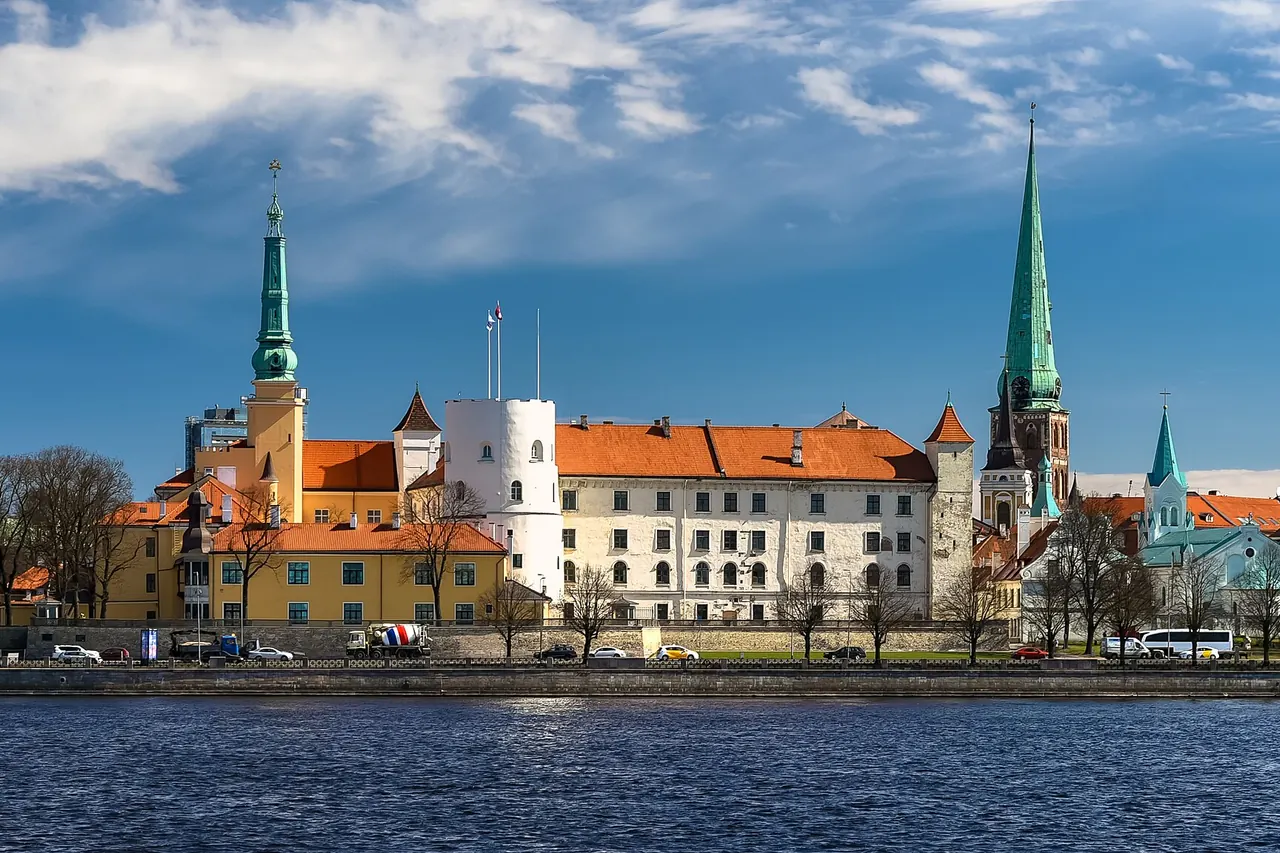
Riga Castle introduces another aspect of the city after the merchant houses and church squares: a fortified riverfront complex that still has official functions. The broad walls and towers are easiest to understand from the surrounding public space, where you can connect the building with the Daugava rather than viewing it as an isolated facade. Do not interpret a museum invitation as permission to roam the whole castle. The complex also serves as the Latvian president's residence, so public visitor areas and official areas must be kept distinct.
The Latvian National Museum of History occupies a reconstructed wing of the oldest part of the castle, with its visitor entrance from Daugavas gate. Its current exhibitions offer a substantial indoor extension to an otherwise short exterior stop, including displays on Latvia's communities and the castles of the Livonian period. Choose this if you want historical context rather than another viewpoint. The museum states that English guided tours must be booked ahead, while individual visits follow its normal visitor arrangements. Afterward, return through the western Old Town or take a riverside walk without searching for access to restricted courtyards.
Plan it well: Follow the museum's specified entrance; an admission ticket does not open the presidential parts of the complex.
Latvian National Museum of History: Riga CastleSlow the pace on the paths of Bastejkalns
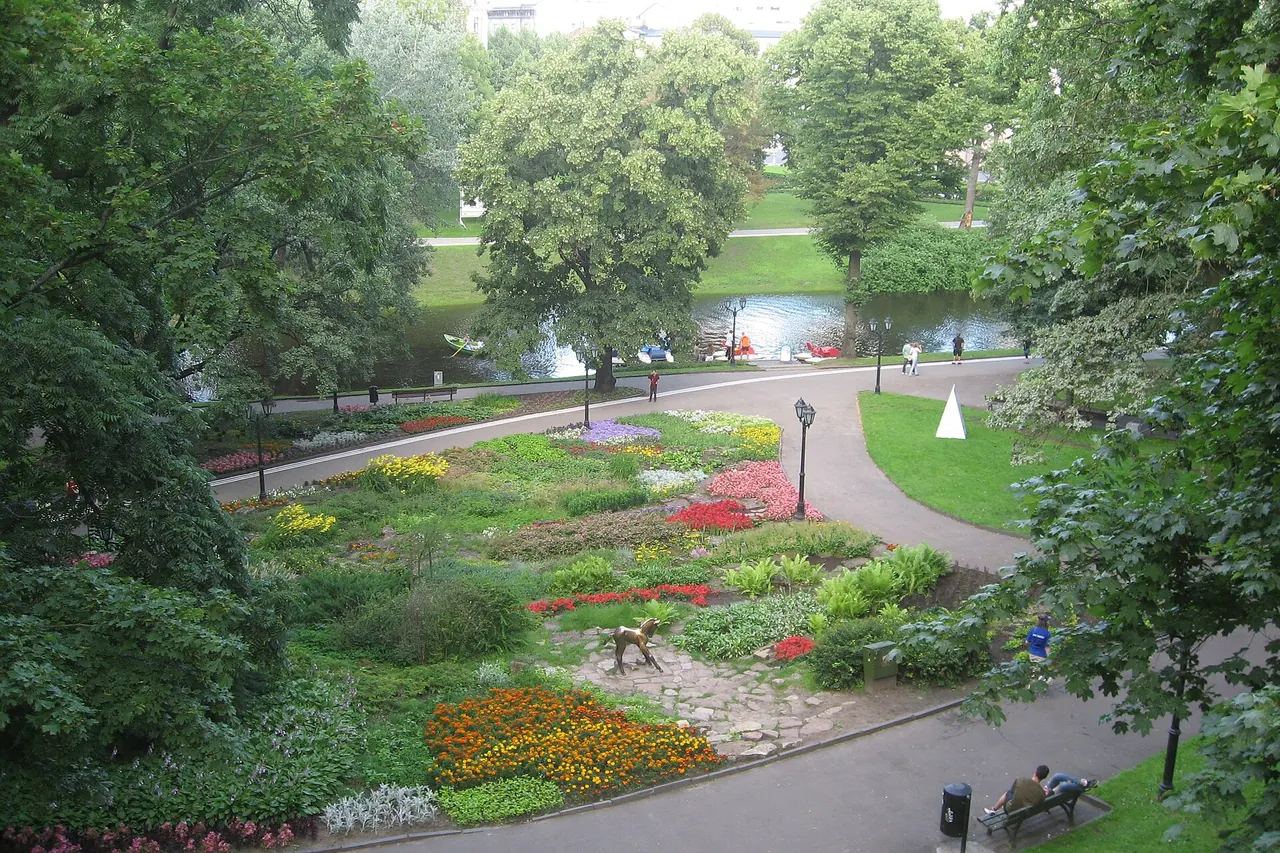
Bastejkalns supplies the breathing space that a monument-heavy first day can lack. The canal, small bridges and paths around the hill change the scale from stone facades to water and planting, yet you remain close to the Old Town. The landscape occupies the site of former fortifications, which helps explain why a park follows the edge of the historic centre so neatly. Walk without trying to turn every feature into a checklist: choose a bridge, follow the water for a while and find a bench away from the busiest crossing.
The paths sit at different levels, so a short lower-level canal walk and a climb up the hill are not identical routes. Choose according to your energy and mobility, and take particular care when leaves, rain or ice make the surface slippery. This is a practical place to regroup between the Powder Tower, Freedom Monument and the journey towards Alberta Street. Any boat outing is a separate decision, dependent on current operators and conditions, not something the park itself guarantees. In colder or wetter weather, a brief loop can still be worthwhile without committing to a long outdoor afternoon.
Plan it well: Use the lower canal-side route when steps or slippery hill paths would make the longer loop uncomfortable.
LiveRiga: Bastejkalns ParkHow to spend two days in Riga
Day one: Old Town, churches and the river
Start at the House of the Blackheads after checking its dated visitor exceptions, then continue to St Peter's. Keep the tower weather-dependent. After lunch, visit Riga Cathedral or its booked concert, compare the Three Brothers and finish by Riga Castle. Add the castle's history museum only if you leave sufficient time for an indoor visit; these are choices, not a promise that every interior fits in one day.
Day two: market, canal and Art Nouveau
Browse Central Market while its pavilions are operating, avoiding the monthly first-Monday closure. Return towards the northern Old Town for an exterior look at the Powder Tower, whose War Museum is currently closed. Cross to the Freedom Monument and Bastejkalns, then continue north to Alberta Street. Leave space for a cafe or a separately planned Art Nouveau museum visit.
Before you go
Check the museum closure
The War Museum's main Powder Tower building is closed from 16 September 2026 until January 2027 according to its official notice. Recheck reopening before planning any interior visit.
Do not schedule the market blindly
The tourism authority lists the first Monday of each month as a pavilion sanitation closure. Move the indoor market visit to another day and confirm current notices.
Distinguish admission types
Cathedral concerts, ordinary visits and special elevated tours are different arrangements. The House of the Blackheads also publishes date-specific exceptions for events.
Allow for surfaces and weather
Old Town paving and park slopes reward comfortable footwear. Shorten outdoor loops when rain, fallen leaves or winter conditions make them uncomfortable.
Respect residential and official areas
Art Nouveau facades can be viewed from the street without entering private homes. At Riga Castle, follow the museum route and respect restrictions around the presidential residence.
Where to stay in Riga
Old Town suits a first visit focused on the cathedral, merchant houses and evening walks, but compare the exact street location if nightlife noise matters. The boulevard and canal area gives a practical balance between the historic centre, Alberta Street and the stations. A stay nearer the Quiet Centre favours architecture walks and a less medieval setting, while the station side can be useful for onward travel and Central Market. Check step-free access, luggage storage and the route from your arrival point rather than choosing on district name alone.
Explore Riga hotels