
Marrakech city guide
10 things to do in Marrakech
Explore Marrakech through its medina squares, decorated palaces and courtyard gardens, with practical planning notes for a first visit.
Plan your visit
Marrakech is easier to enjoy when you alternate its busy streets with somewhere to pause. Use the medina as one outing, the southern palaces as another, and make a separate plan for gardens outside the old city. This selection mixes architecture, everyday public spaces and quieter visits; you do not need to fit all ten into one weekend.
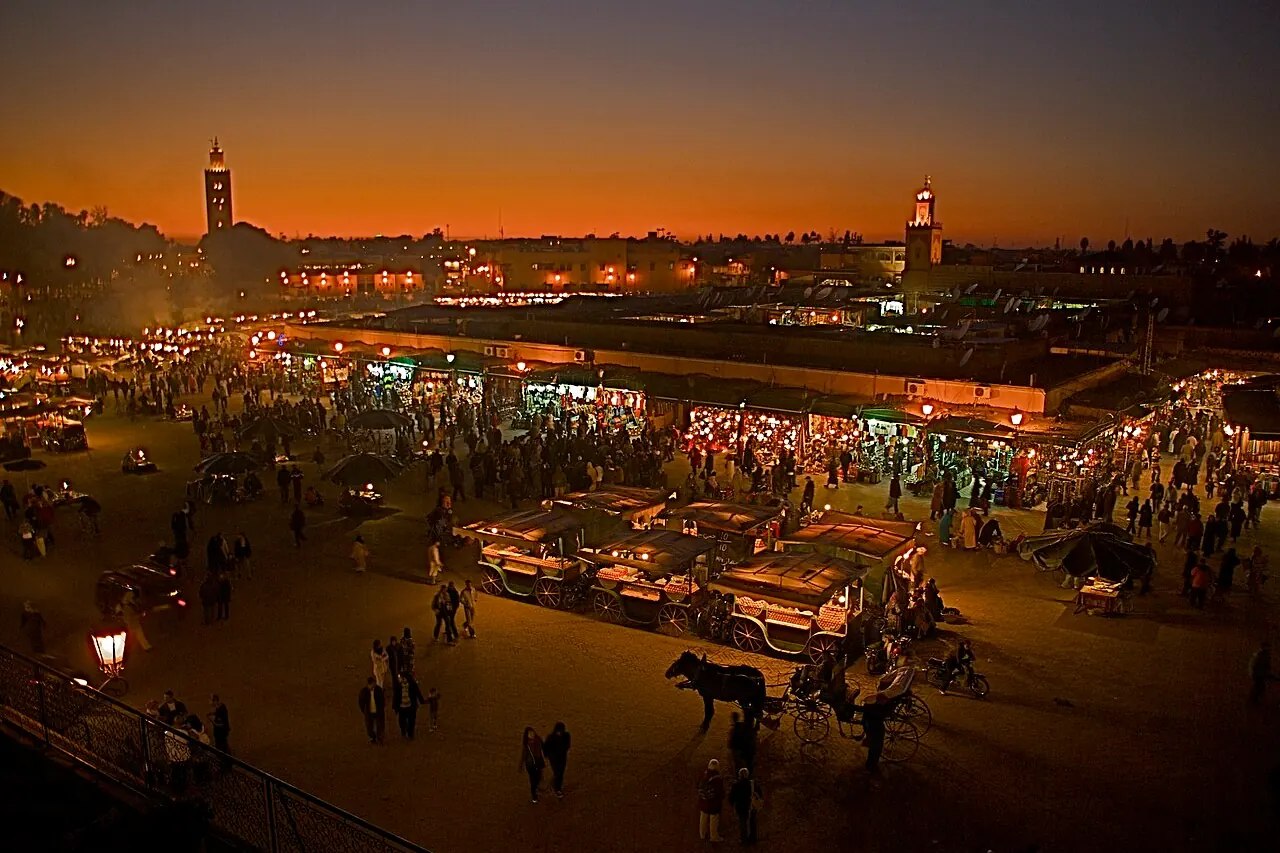
Watch Jemaa el-Fnaa change through the day
Jemaa el-Fnaa is a useful starting point because the square connects the southern medina with lanes leading into the souks. Give yourself time to look around before choosing a direction. A daytime visit helps you understand the layout, while an evening return brings a different mix of food stalls, conversation and activity. Neither visit needs a fixed programme.
If you want an overview, choose a terrace with a clear menu and check what you need to order before sitting down. On the square, ask before photographing performers or other people and establish any payment first. It is easy to spend an entire evening here; keep the route back to your accommodation saved rather than relying on remembering every turn through unfamiliar lanes.
Plan it well: Agree a price before ordering, accepting a service or taking a portrait; avoid animal-photo encounters.
Moroccan National Tourist Office: Marrakech medinaSet aside time for Jardin Majorelle
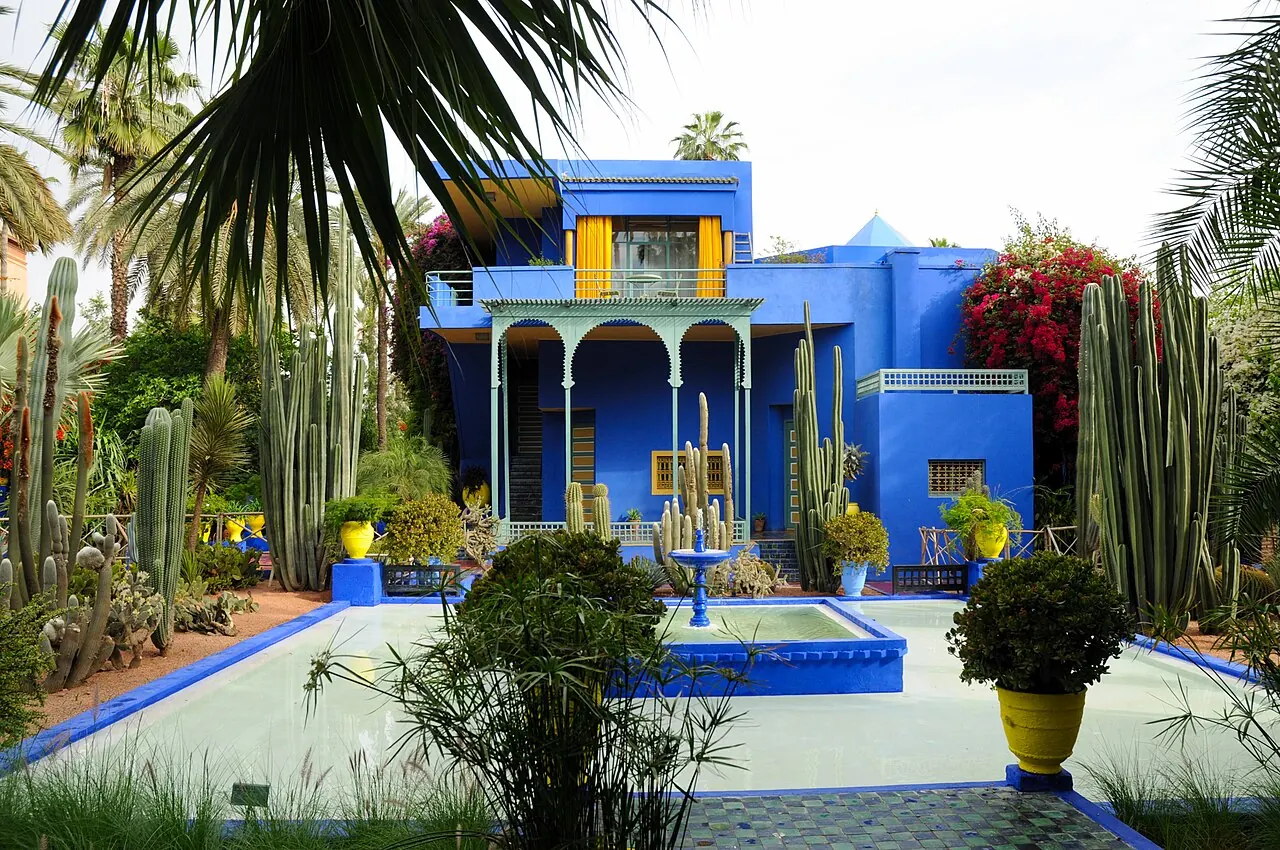
The strong blue walls and dense planting of Jardin Majorelle create a very different setting from the medina. Walk the paths slowly, looking at the relationship between the architecture, pools and plants rather than aiming only for the most familiar photograph. Its manageable scale makes it a good first outing after arriving, provided you have arranged the ticket in advance.
Use the foundation's own ticket link instead of assuming a search result is an official seller. The garden, Pierre Berge Museum of Berber Arts and nearby Yves Saint Laurent museum are separate attractions, so read your booking carefully. Put your reserved time first in the day's plan, then leave room for a meal or a walk in Gueliz instead of rushing back for another admission.
Plan it well: The foundation says tickets are sold online only; check which museums your selected ticket includes.
Fondation Jardin Majorelle: official visitor informationLook closely at the rooms and courtyards of Bahia Palace
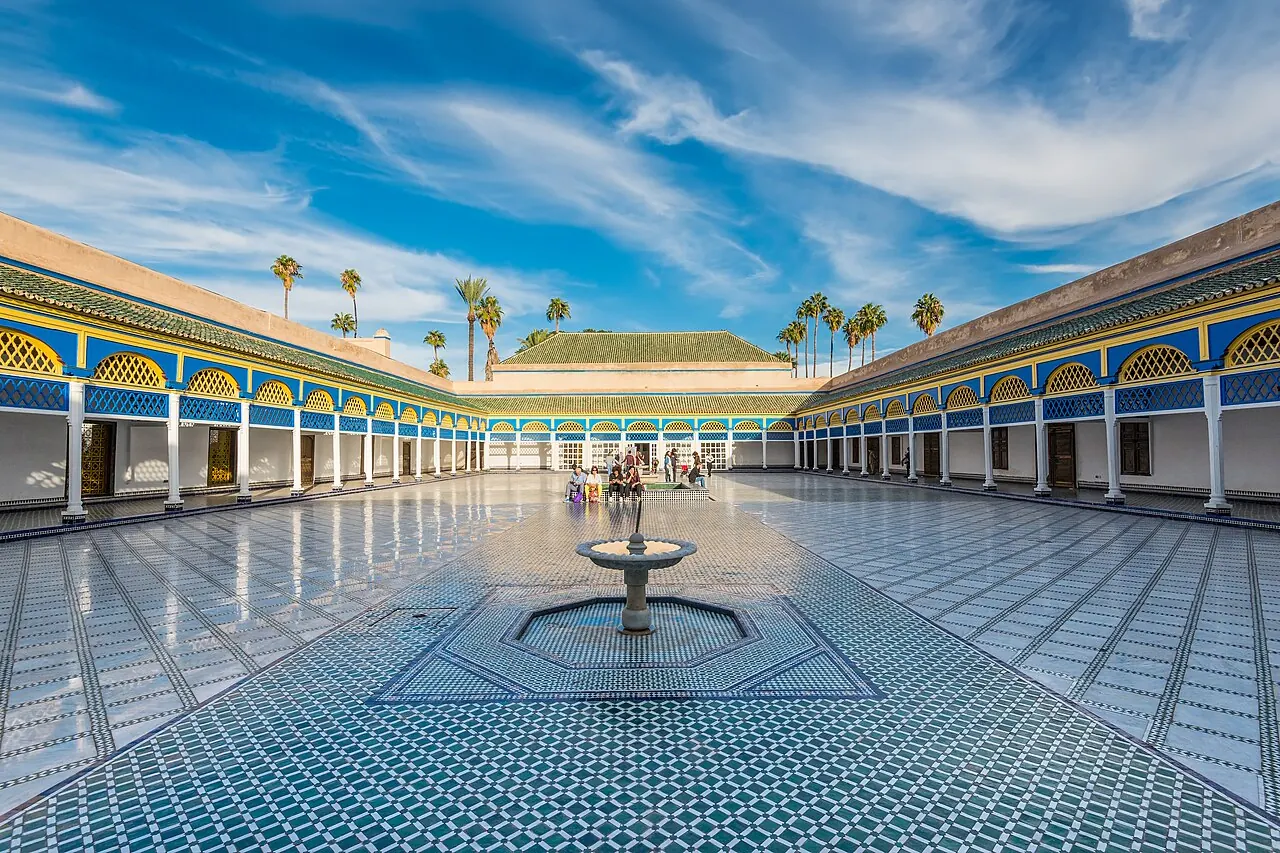
Bahia Palace rewards attention to details: tiled surfaces, painted wood, carved plaster and the changing proportions of its courtyards. Instead of treating each room as another photograph, compare the materials and look up at the ceilings. The nineteenth-century residence offers a useful contrast with the older ruins of El Badi, even if you choose only one palace on a short visit.
Allow this to be the main visit of a southern-medina morning. Take a break afterwards around the nearby streets before adding another monument, rather than booking three interiors back to back. Access can vary across a historic complex, and palace admission is not permission to enter every doorway. Comfortable footwear and a light bag are more useful here than trying to follow an exact minute-by-minute schedule.
Plan it well: Check the Ministry of Culture's current visitor information; do not assume every room is open.
Morocco Ministry of Culture: Bahia PalaceExplore the courtyard of Ben Youssef Madrasa
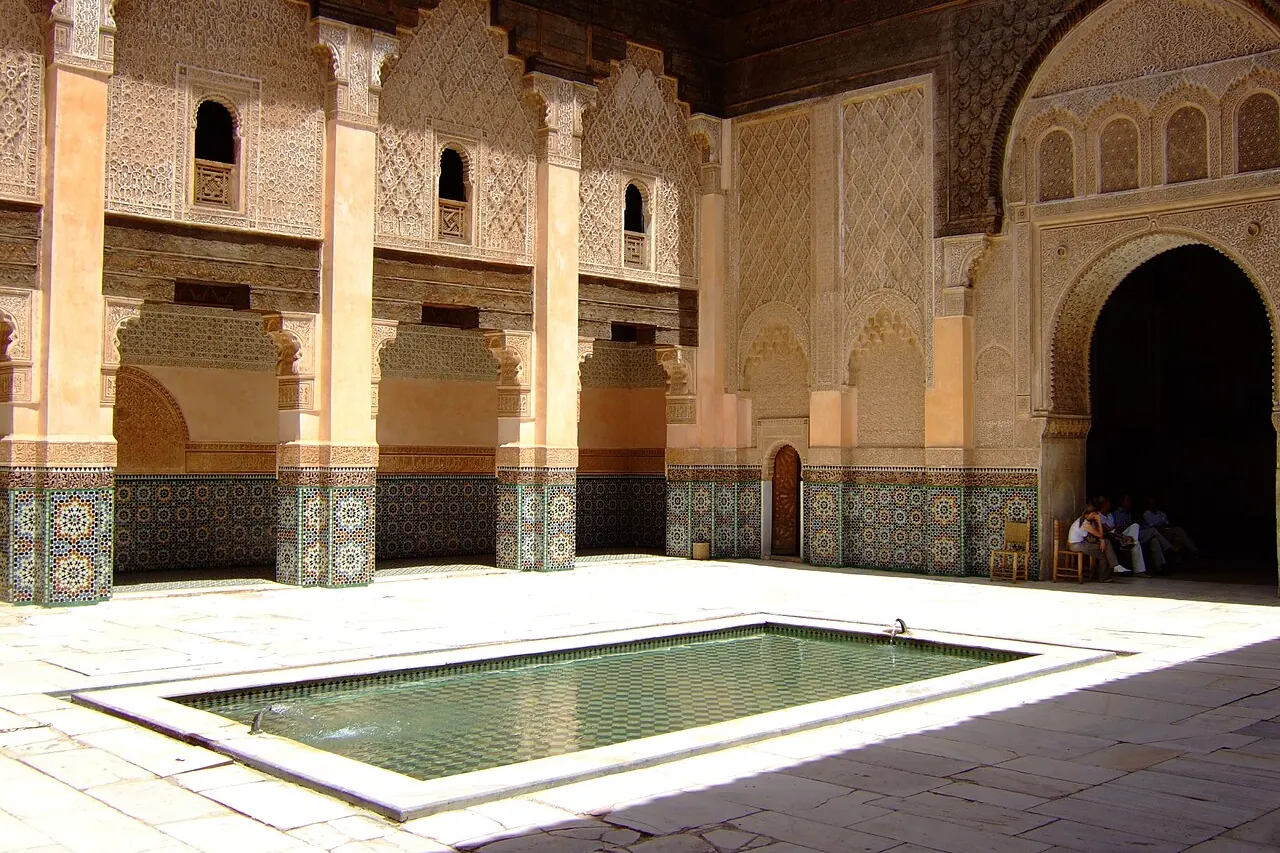
Ben Youssef Madrasa gives you a chance to study Moroccan decorative work at close range. In the central courtyard, look at how carved wood, plaster and tile frame the pool and doorways. The former religious college is not just a collection of richly ornamented surfaces: the smaller spaces around it help you imagine how a building for study worked.
Approach the visit through the northern medina, using a saved map pin and the attraction's own entrance signs. Afterwards, choose either Marrakech Museum or a slow browse through the souks rather than expecting to cover the entire old city in one walk. Narrow passages and changes in level can be demanding, so check particular access needs beforehand. Step aside when stopping for photographs and leave room for other visitors to move.
Plan it well: The former college is distinct from the neighbouring active mosque; follow the monument's visitor entrance.
Marrakech Regional Tourism Council: Ben Youssef MadrasaSee Koutoubia from the surrounding gardens
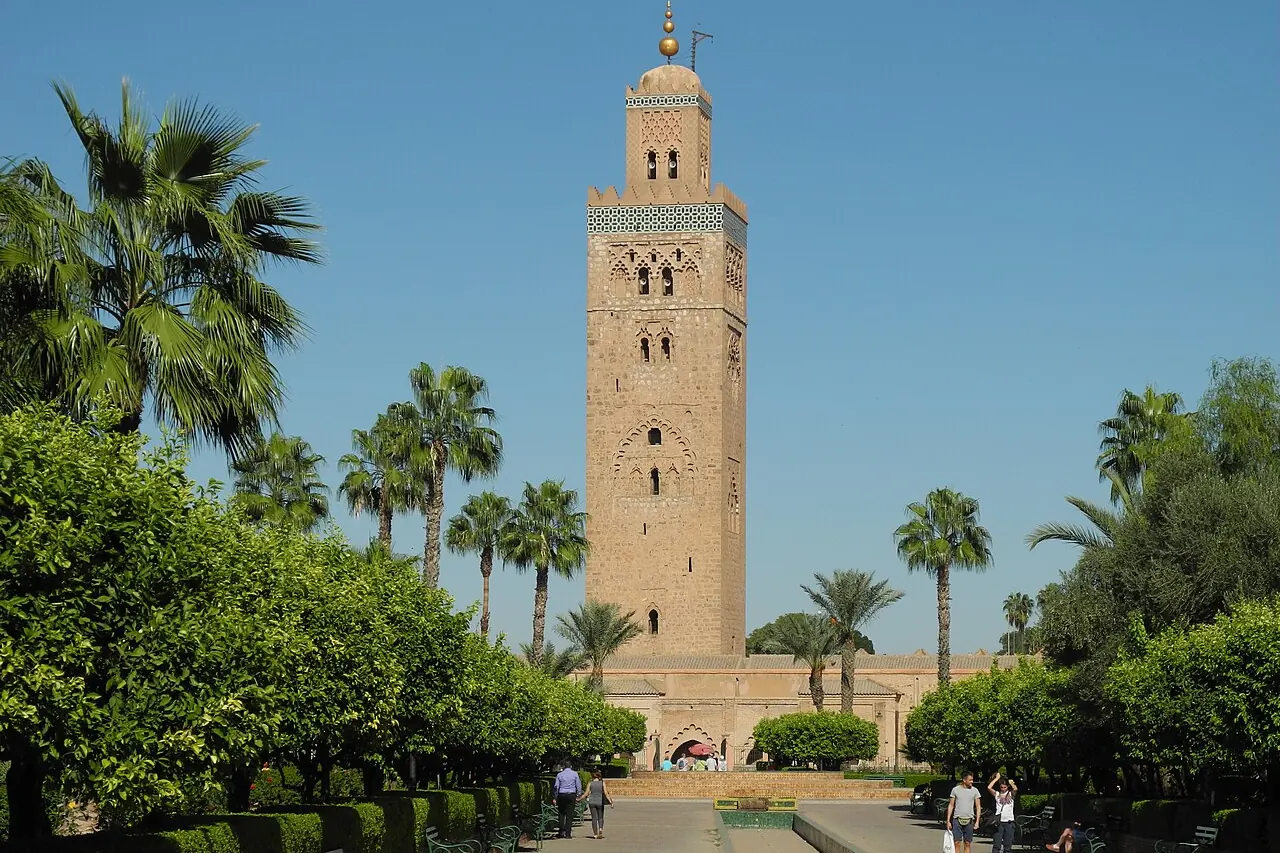
Koutoubia's minaret is one of the clearest reference points on the Marrakech skyline. Seeing it from the surrounding gardens gives you room to appreciate its proportions without being in the busiest part of Jemaa el-Fnaa. This is a good place to pause between the square and the southern medina, especially when you want an outdoor stop rather than another ticketed interior.
Treat the mosque as a working religious site. For non-Muslim visitors, the visit is to the exterior and public surroundings; the prayer hall is not a sightseeing stop. Be considerate around entrances and prayer times, and avoid blocking people on their way inside. The gardens can fit into a flexible day, but leave yourself shade and water breaks rather than assuming every stretch of the route will be sheltered.
Plan it well: Non-Muslim visitors should plan to see the mosque from outside, not expect access to the prayer hall.
Marrakech Regional Tourism Council: Koutoubia MosqueStudy the craftsmanship at the Saadian Tombs
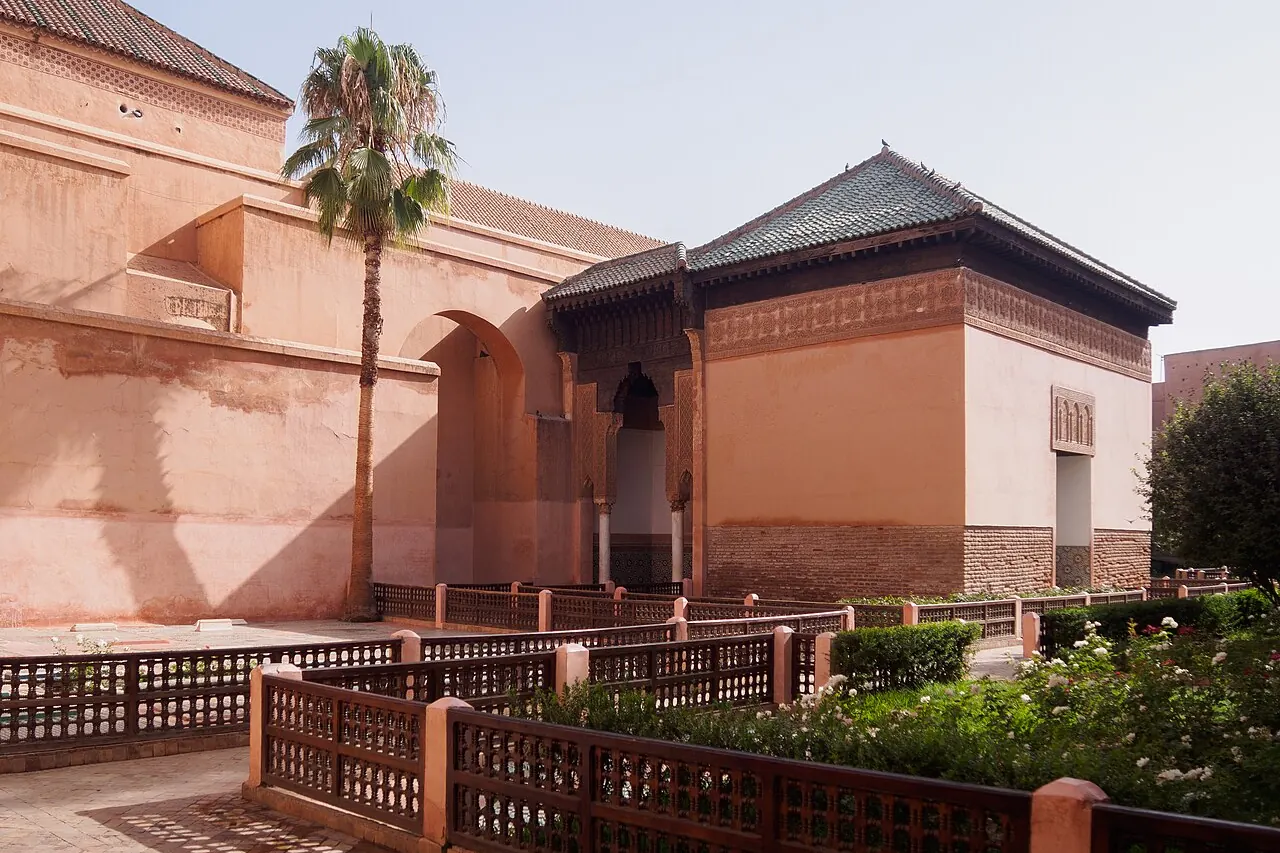
The Saadian Tombs are a concentrated visit rather than a sprawling palace tour. Their appeal lies in the contrast between the garden setting and the carefully worked burial chambers. Look at the marble, patterned tile and carved decoration, then give the site a little space: it is a burial place as well as a monument, not simply a backdrop for a photograph.
Build some flexibility into a Kasbah outing because the most photographed chamber can involve waiting. Combine the tombs with El Badi if you want to compare two Saadian sites, but pause for a drink or meal between them. Follow staff directions around viewing points, and do not assume that adjoining religious buildings share the same visitor access. Choose this stop for close architectural detail rather than expecting a long sequence of furnished rooms.
Plan it well: A visit to the burial complex is separate from entrance to the adjoining Kasbah mosque.
Morocco Ministry of Culture: Saadian TombsUnderstand the scale of El Badi Palace
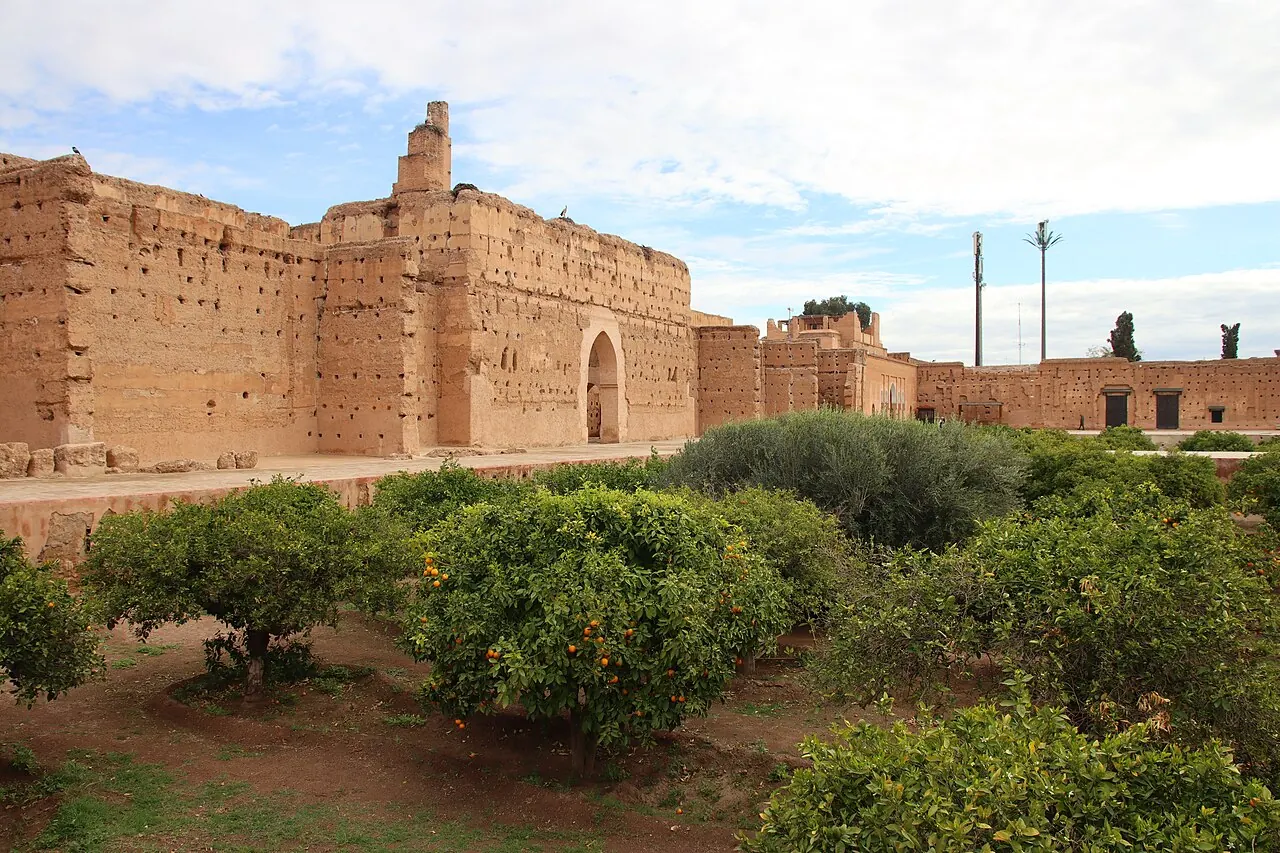
El Badi works best if you arrive expecting ruins, not a preserved royal interior. The large open court and remaining walls make the original scale easier to understand, while the absence of furnishings encourages you to look at space, level and proportion. It makes a particularly good counterpart to Bahia Palace, where decoration is much more immediately visible.
Keep the outdoor conditions in mind when choosing your time. Much of the experience is exposed, and an ambitious circuit can be tiring in heat. Take a measured route around the areas that are open, using the site's interpretation where available instead of climbing barriers for a better view. You can combine it with the Saadian Tombs, but both visits deserve time and a proper break rather than being squeezed into the same rushed hour.
Plan it well: This is an exposed ruin; plan water and shade breaks rather than expecting indoor galleries throughout.
Morocco Ministry of Culture: El Badi PalaceWalk beside the basin at Menara Gardens
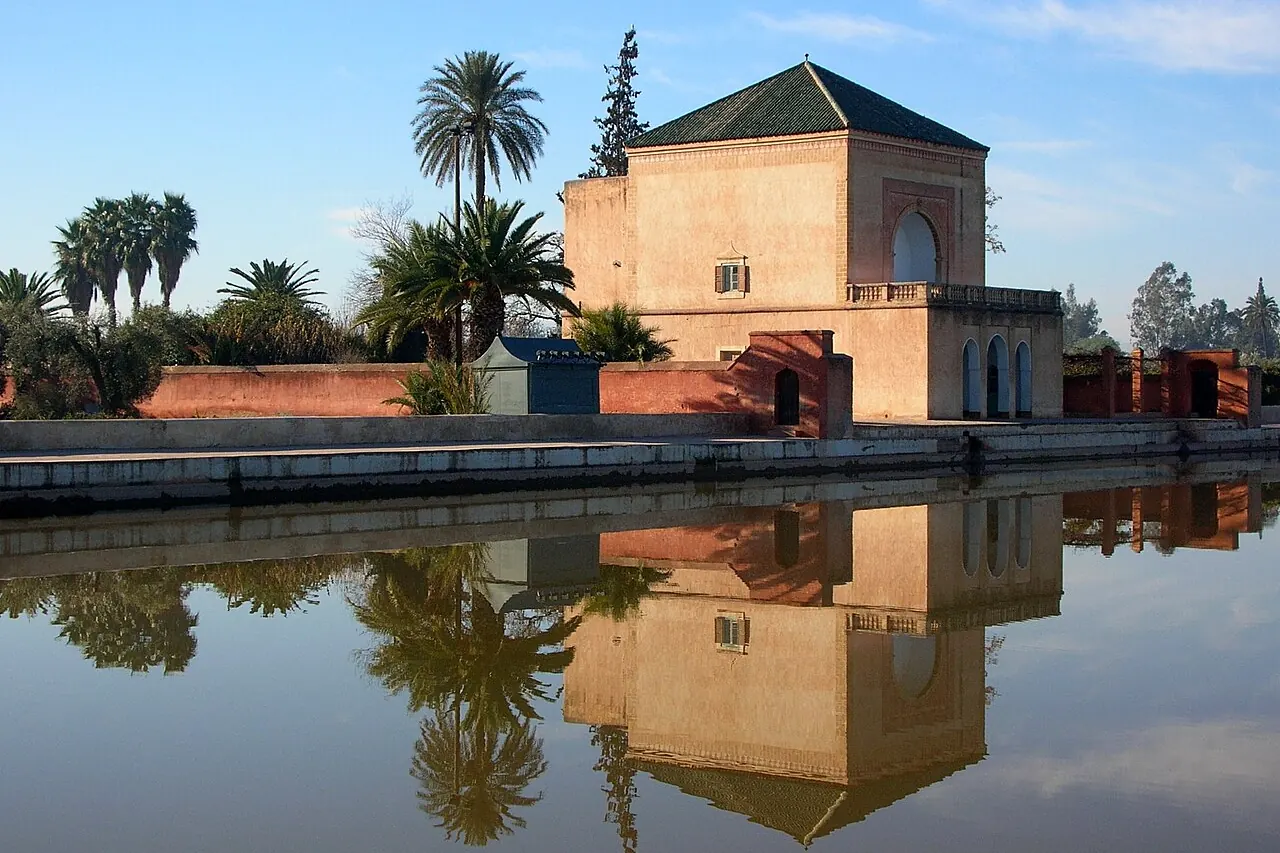
The large basin and pavilion at Menara offer a more open landscape than the courtyard gardens inside the medina. Follow the paths and look at how the water, olive groves and building sit together. This is a change of pace rather than a collection of indoor exhibits, so it suits a day when you want fresh air and a simpler plan.
Menara sits away from the densest group of old-city attractions. Arrange your journey there and back rather than adding it casually to a long walk through the souks. The pavilion has its own admission information, distinct from moving around the gardens, and access may change. Bring water and choose footwear suited to outdoor paths. If the weather is uncomfortable, shorten the visit; a garden stop should not become an endurance exercise.
Plan it well: The gardens and pavilion are not the same visit; check the current pavilion admission arrangements.
Morocco Ministry of Culture: Menara PavilionFind a quieter pause at Le Jardin Secret
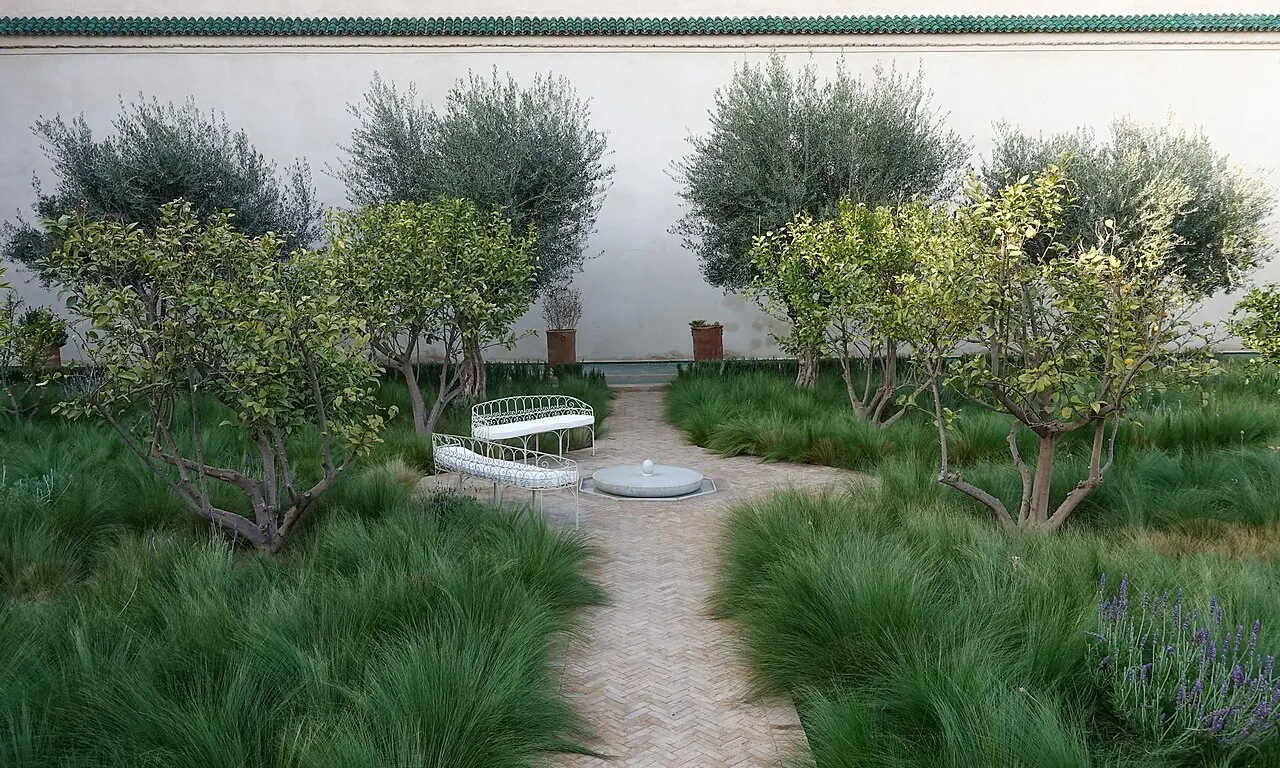
Le Jardin Secret brings a planted courtyard setting into the heart of the medina. It is useful precisely because it fits between busier stops: take time to notice the paths, water features and relationship between planting and architecture. The garden offers another way of understanding the buildings behind Marrakech's street-facing walls, without committing to a second large palace tour.
Make this the slower part of a northern-medina day rather than racing through it before another timed admission. Check the garden's own information for ticket choices, including any tower access, and verify mobility arrangements if steps are an issue. Afterwards, you can continue towards Ben Youssef or return through Mouassine at your own pace. Do not assume that the name means it will be empty; leave enough time to enjoy it even when other visitors are there.
Plan it well: Read the ticket options carefully if the tower is important to you; it is not automatically part of every visit.
Le Jardin Secret: official garden informationVisit the palace setting of Marrakech Museum
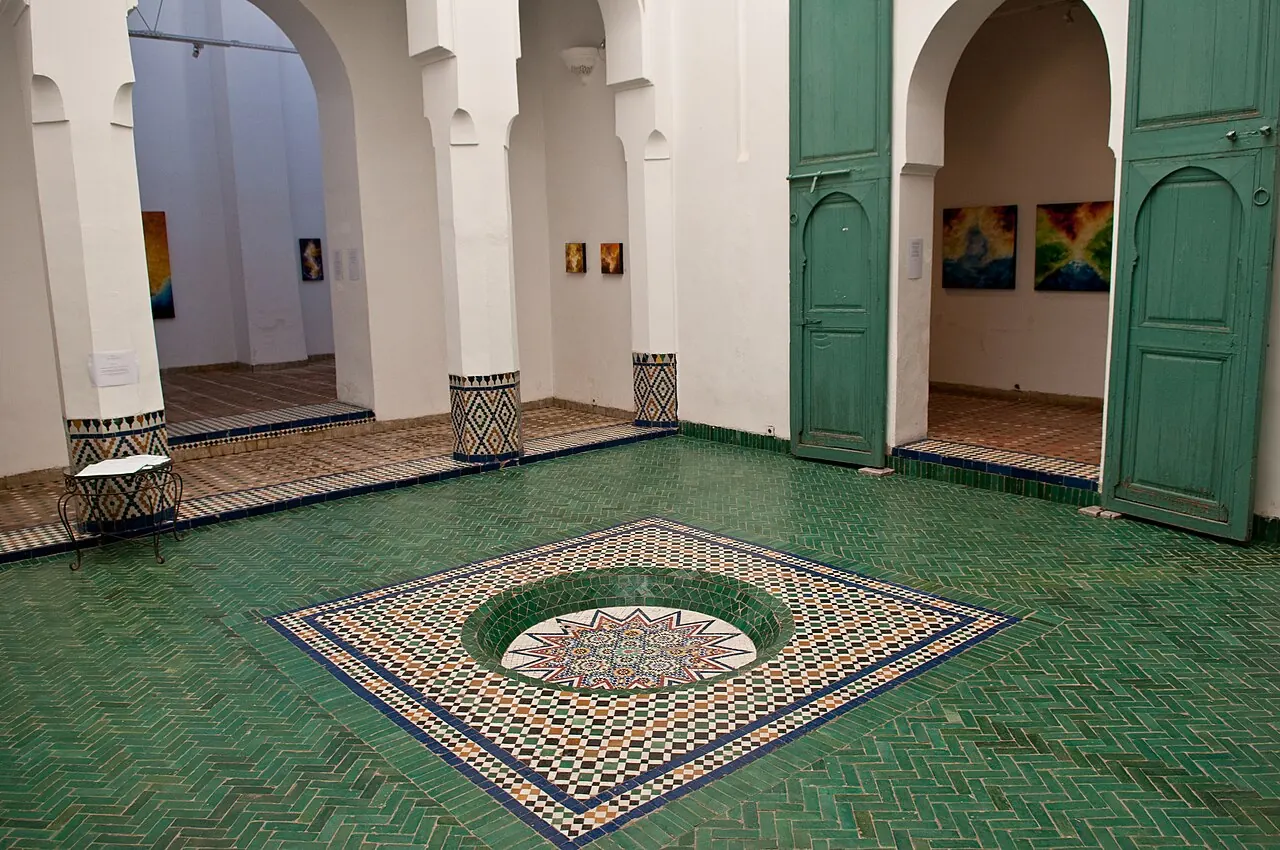
Marrakech Museum gives you another reason to look beyond the street fronts of the medina. The former palace setting and its central courtyard are part of the experience, alongside the objects on display. Look at the relationship between the architecture and collection rather than expecting a single comprehensive introduction to every period of Moroccan history.
It fits naturally with Ben Youssef Madrasa because the two are close together, but decide whether you actually want two interiors on the same morning. Check current exhibition and admission information on arrival; the museum and madrasa are separate visits. A short stop can still be worthwhile if you focus on the courtyard and a few displays that interest you. Finish with a break in the surrounding streets rather than immediately beginning another long round of monument visits.
Plan it well: Check the current displays and access before paying; the historic building is an important part of the visit.
Moroccan National Tourist Office: Marrakech heritage guideHow to spend two days in Marrakech
Day one: the northern medina
Start at Ben Youssef Madrasa, then choose Marrakech Museum or Le Jardin Secret. Leave time for the souks and a meal. Return to Jemaa el-Fnaa in the evening rather than trying to see the square only once.
Day two: palaces or a reserved garden
Choose Bahia and one Kasbah monument for a history-focused day, with Koutoubia's exterior as a flexible stop. If Jardin Majorelle is your priority, build the day around its timed booking instead. Menara is a separate outing, not an extra stop to squeeze in.
Before you go
Use the official ticket seller
Jardin Majorelle publishes its own authorised booking link. For state monuments, consult the Ministry of Culture's e-ticket portal and read the selected category before paying.
Morocco Ministry of Culture: monument ticketsKeep a saved route back
Medina lanes can be confusing on a first visit. Save your accommodation's location and ask it about the best vehicle drop-off point; a street address is not a promise that a taxi can reach the door.
Dress and photograph considerately
Religious sites, monuments and ordinary streets have different expectations. Ask before photographing people, follow venue rules, and treat worship spaces as places in use rather than attractions with automatic entry.
Where to stay in Marrakech
Choose a medina stay if you want to walk out into the old city, checking luggage access and the final route to the door. Gueliz can suit a trip with more vehicle journeys and modern streets. Compare the actual room, cooling, accessibility and cancellation terms, not just proximity to Jemaa el-Fnaa.
Explore Marrakech hotels