
Chisinau city guide
10 things to do in Chisinau
A first-visit route through Chisinau's cathedral square, museums, literary heritage and generous parks, with practical tips and an unhurried two-day plan.
Plan your visit
Chisinau rewards a route that alternates city history with green space. Start around Cathedral Square, choose a museum that matches your interests, then leave a substantial part of the day for a park rather than adding distant excursions. These ten places stay within the city. Review current regional advice before travelling: the FCDO warning against all travel to Transnistria is not a blanket warning against Chisinau, but regional disruption and entry arrangements still need attention.
1. Start at the Nativity Cathedral
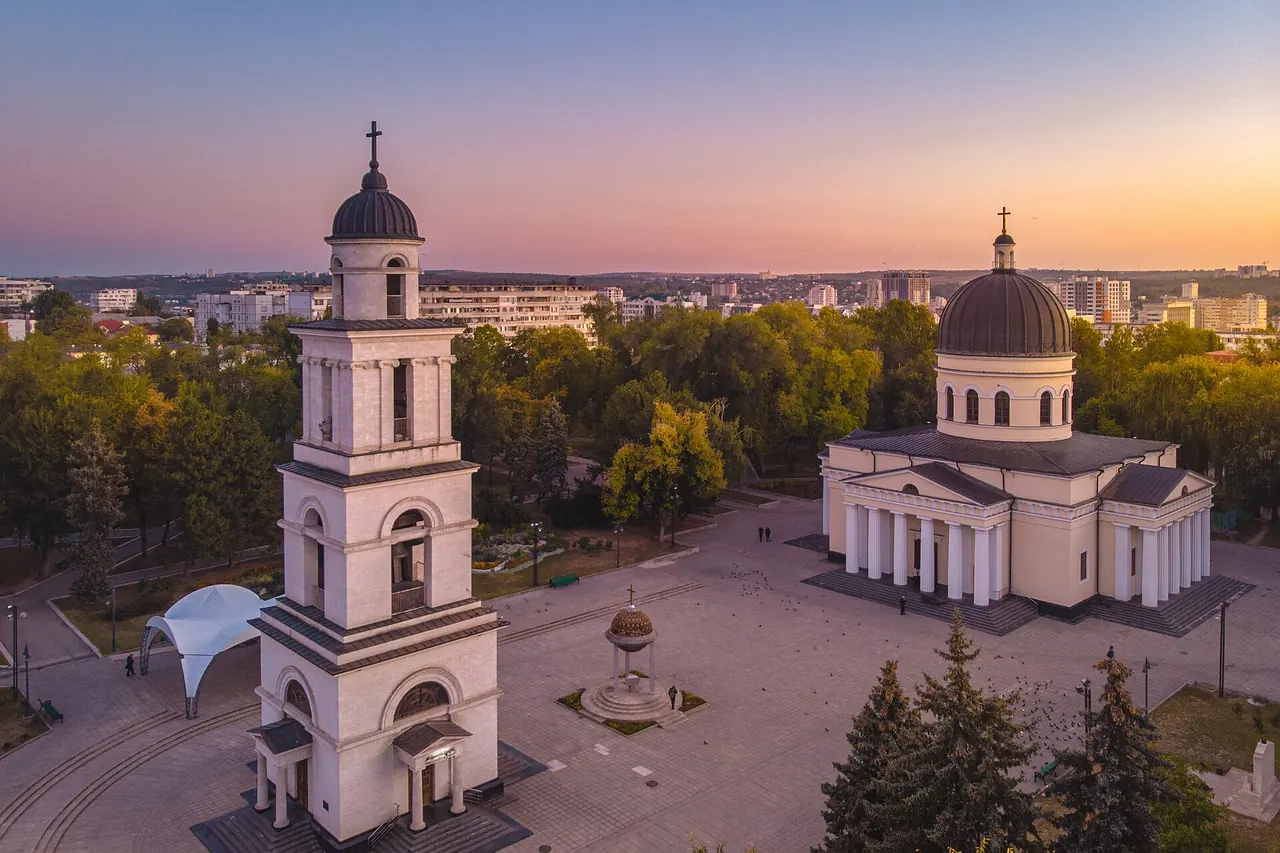
The Nativity Cathedral gives central Chisinau a clear starting point. Its portico and dome sit within a larger square rather than a crowded medieval street, so the approach is part of the experience. Walk far enough back to understand the relationship between the church, the separate bell tower and the Triumphal Arch. Their alignment makes the centre easier to read before you start following individual streets or heading into the parks.
Treat the cathedral as a working religious space as well as a landmark. If entry is permitted, allow worship to take priority, dress respectfully and ask about photography rather than assuming it is acceptable. An exterior circuit still makes a worthwhile visit when a service or restriction changes your plan. The surrounding square is a useful place to agree a meeting point, but keep an eye on your actual route: the main boulevard and the smaller pedestrian approaches create quite different walking conditions.
Plan it well: Look at the cathedral, separate bell tower and arch as one ensemble; they are not parts of the same building.
Visit Chisinau: cathedral and religious landmarks2. See why the Triumphal Arch belongs here
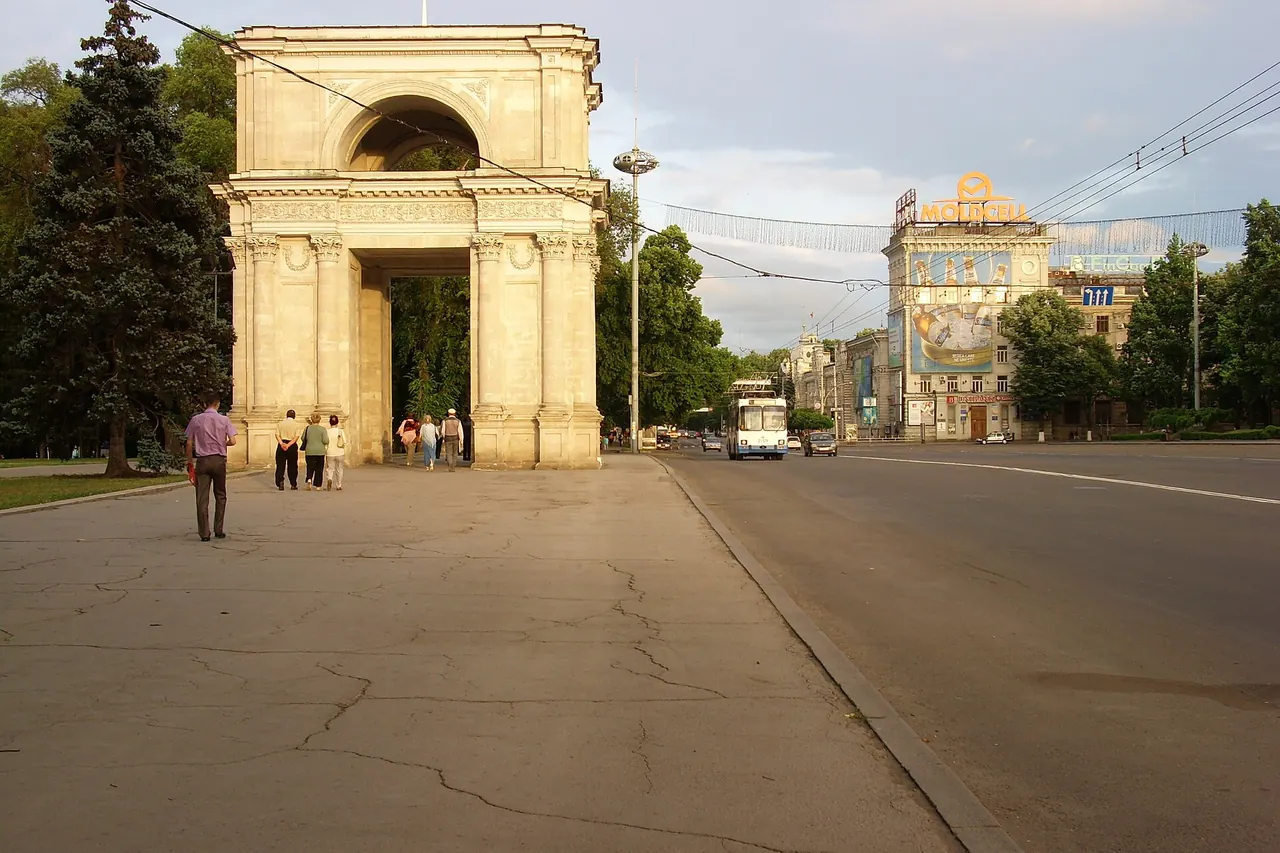
Chisinau's Triumphal Arch is smaller than many visitors expect, which makes its position more important than its sheer scale. The pale stone structure stands on the cathedral ensemble's main axis, with four openings and a clock above. Official city heritage information links its construction to a large bell made for the cathedral complex. That practical connection gives the monument a more particular story than simply calling it a miniature version of a famous European arch.
Walk around the permitted sides to see how the openings frame the square and the boulevard. This is a short stop, but it works better when you have already looked at the cathedral and bell tower behind it. Do not plan on entering an upper level or climbing the monument; a visible staircase or clock is not evidence of visitor access. The boulevard carries traffic, so choose your viewpoint from the pavement and keep the monument in context instead of pursuing a perfectly symmetrical image at the expense of a sensible crossing.
Plan it well: Use the pedestrian crossings rather than stepping into the boulevard for a head-on photograph.
Visit Chisinau: Triumphal Arch3. Take a pause in Stefan cel Mare Park
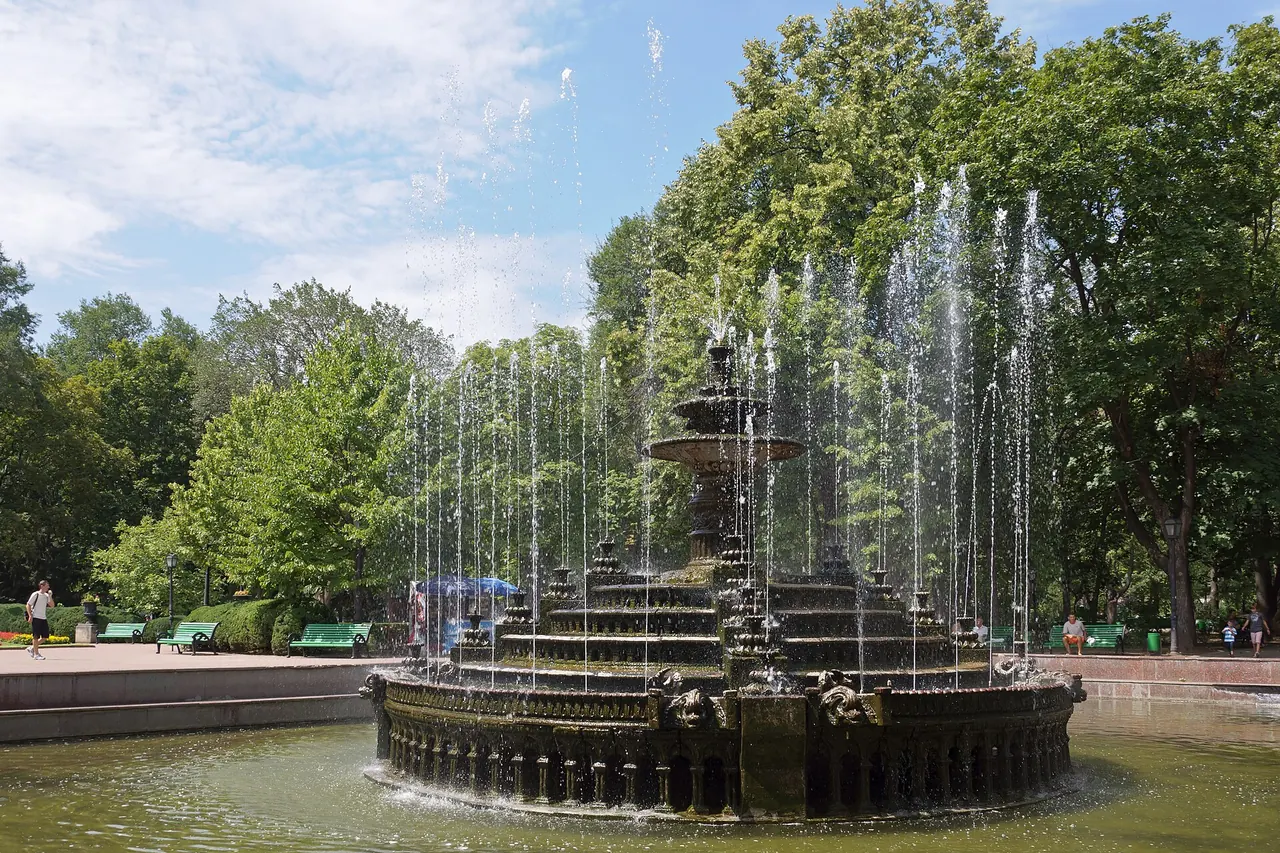
Stefan cel Mare Park, also described as the city's public garden, is the central green stop that needs the least extra planning. The official city account identifies it as Chisinau's oldest park and traces its changing names across different political periods. Those changes make it more than a convenient patch of shade: the garden is a piece of civic history woven into the everyday movement between the boulevard and nearby streets.
Use it to slow the route down after the cathedral and arch. A short loop gives you time to notice the trees, pathways and boundary details, while a bench break is more useful than another hurried circuit when the weather is warm. The central location makes it a good alternative to a larger park when you have limited time or energy. Keep paths and entrances clear, and do not assume a fountain, cafe or event visible in a photograph will be operating during your visit.
Plan it well: Choose a bench and a short loop rather than using the park only as a shortcut.
Visit Chisinau: Stefan cel Mare Public Garden4. Follow the lake at Valea Morilor
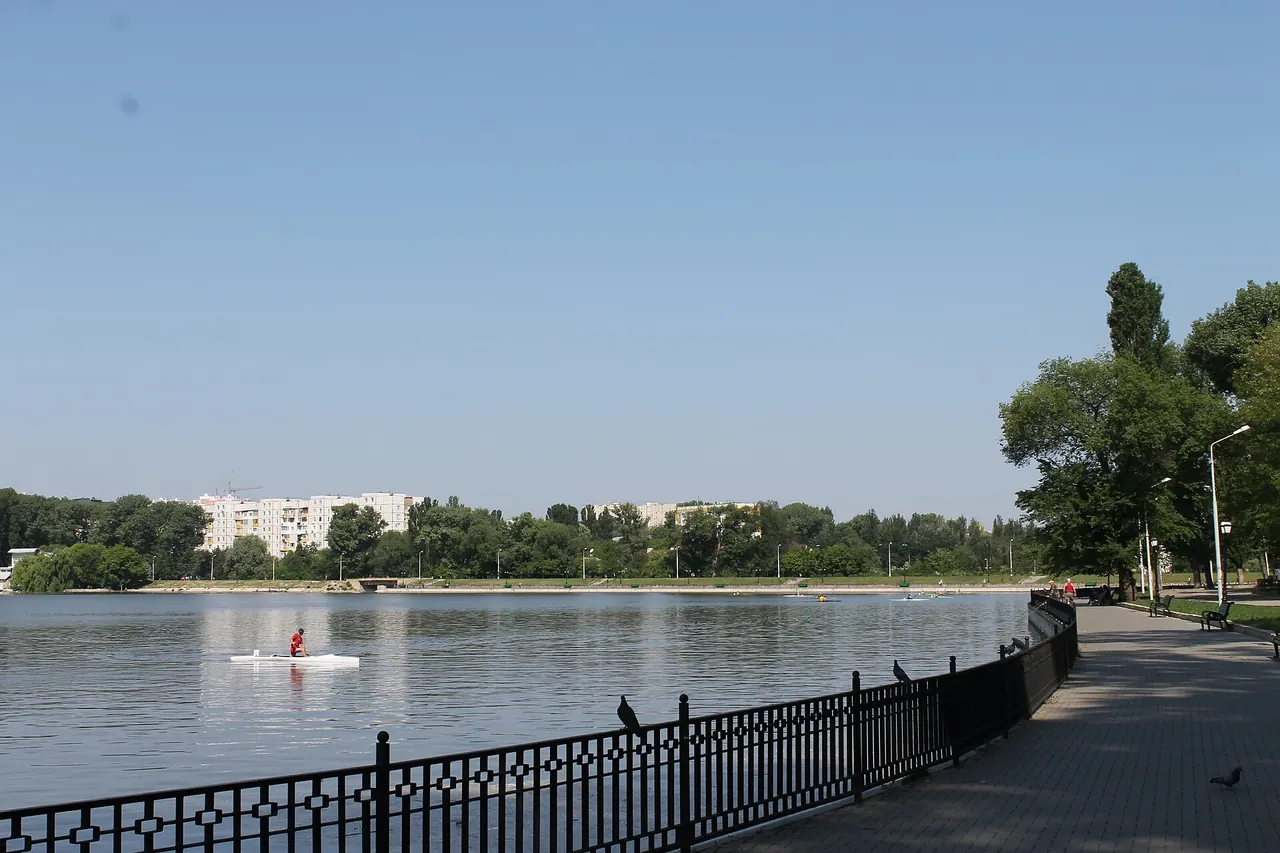
Valea Morilor changes the scale of a Chisinau visit. The lake and its surrounding park make this a place for a sustained walk rather than a quick monument photograph. The water gives a route an obvious organising feature, but the approach from the higher city streets can be as memorable as the shoreline itself. Decide whether you want a broad circuit or a shorter out-and-back section before turning a pleasant break into a much longer walk.
Keep the visit focused on the lake paths, views and a comfortable resting point; there is no need to assume that boating or another leisure service will be available. Some approaches involve steps, so visitors with limited mobility should check the chosen entrance and gradients in advance. Pairing the park with a nearby museum creates a varied afternoon, provided you leave enough daylight and energy for the return. Carry water in warm weather and keep away from unsupported edges or areas marked off for maintenance.
Plan it well: A stairway photograph does not describe every entrance; check a lower-gradient approach if steps are difficult.
Visit Chisinau: Valea Morilor Park5. Compare tree forms in the Dendrarium
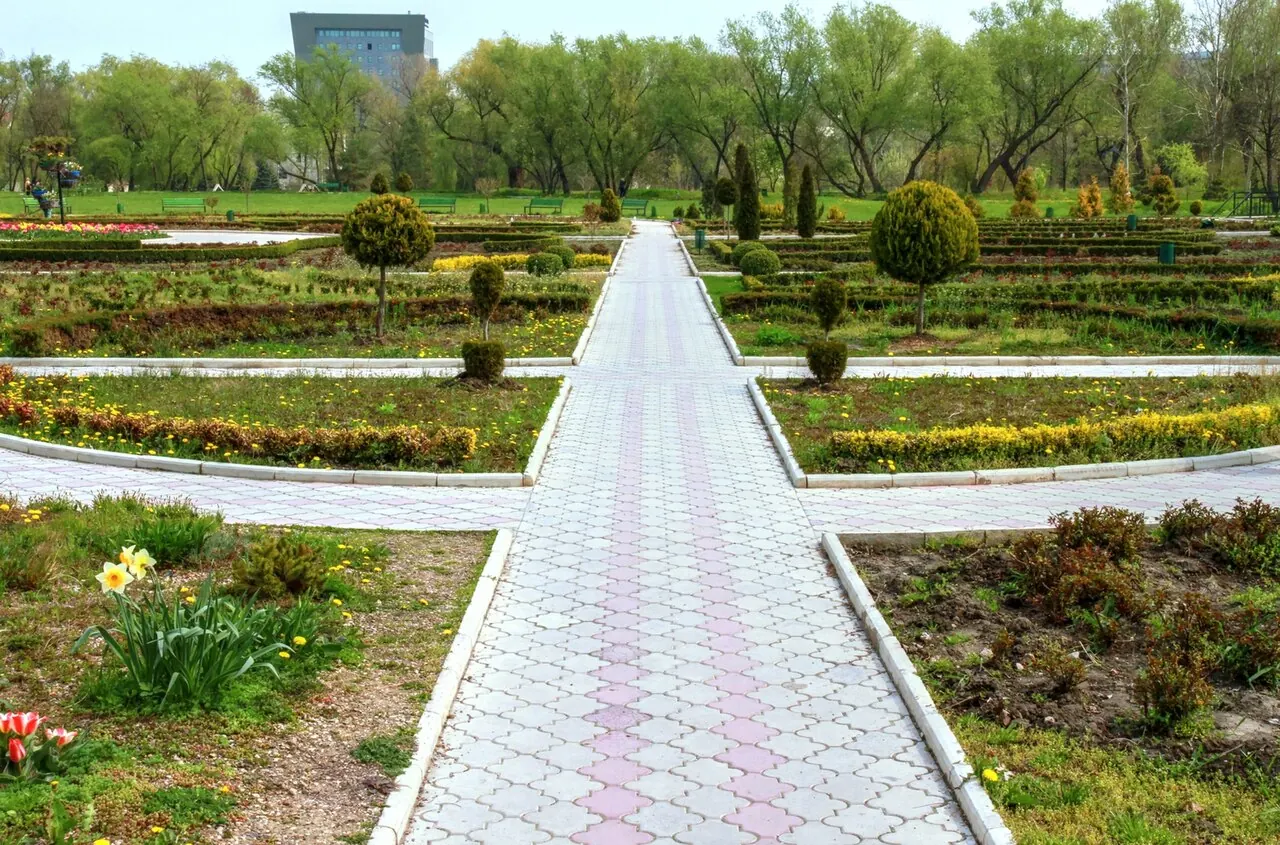
The Dendrarium is a good choice when you are more interested in planting than in a lakeside circuit. Its collection of trees and shrubs gives a walk a different focus from the central public garden: leaf shapes, branching forms and seasonal colour become the details worth stopping for. The official city information places it in Buiucani, so it should be treated as a distinct outing rather than another section of the cathedral-area walking route.
Choose a modest loop and allow time to look instead of trying to cover every path. Garden photographs are strongly seasonal, and neither blossom nor autumn colour can be promised for a particular visit. Confirm the operating entrance, admission arrangements and any access needs directly before travelling across the city. Staying on the paths protects the planted areas and makes the route more predictable. This park can replace Valea Morilor in a two-day plan; seeing both is optional, not a requirement for understanding Chisinau.
Plan it well: Pick a manageable route through the planted areas; this is not the same park as Valea Morilor.
Visit Chisinau: Dendrarium Park6. Connect landscapes and culture at the Ethnography Museum
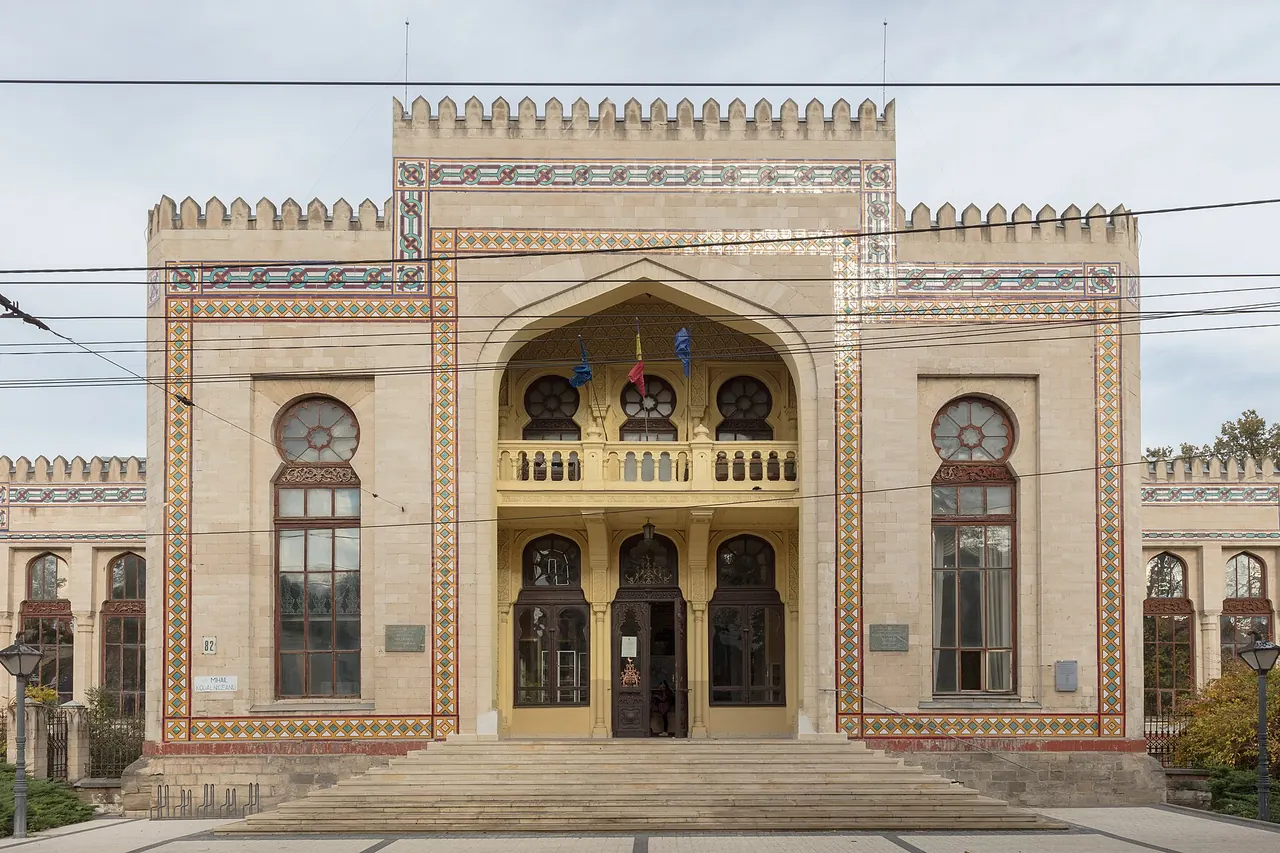
The National Museum of Ethnography and Natural History brings together two subjects that are often separated in city sightseeing: the natural environment and the ways people live within it. The institution's history reaches back to the nineteenth century, while its ornate building makes the exterior an attraction in its own right. Looking at both the setting and the displays gives the visit more purpose than simply collecting another museum on a list.
Choose a theme that interests you, whether material culture, local landscapes or the relationship between the two, and let that guide your time inside. Check current exhibitions and language support rather than assuming every label will be in English. A slower visit can make unfamiliar objects more intelligible, especially when you compare how they were made with how they were used. This museum pairs geographically with a later park walk, but confirm the day's programme before arranging the sequence so that the indoor stop is not reduced to a rushed closing-time visit.
Plan it well: Leave time for the building itself as well as the collection; avoid stacking several museums into one afternoon.
Visit Chisinau: National Museum of Ethnography and Natural History7. Put the city in context at the National History Museum
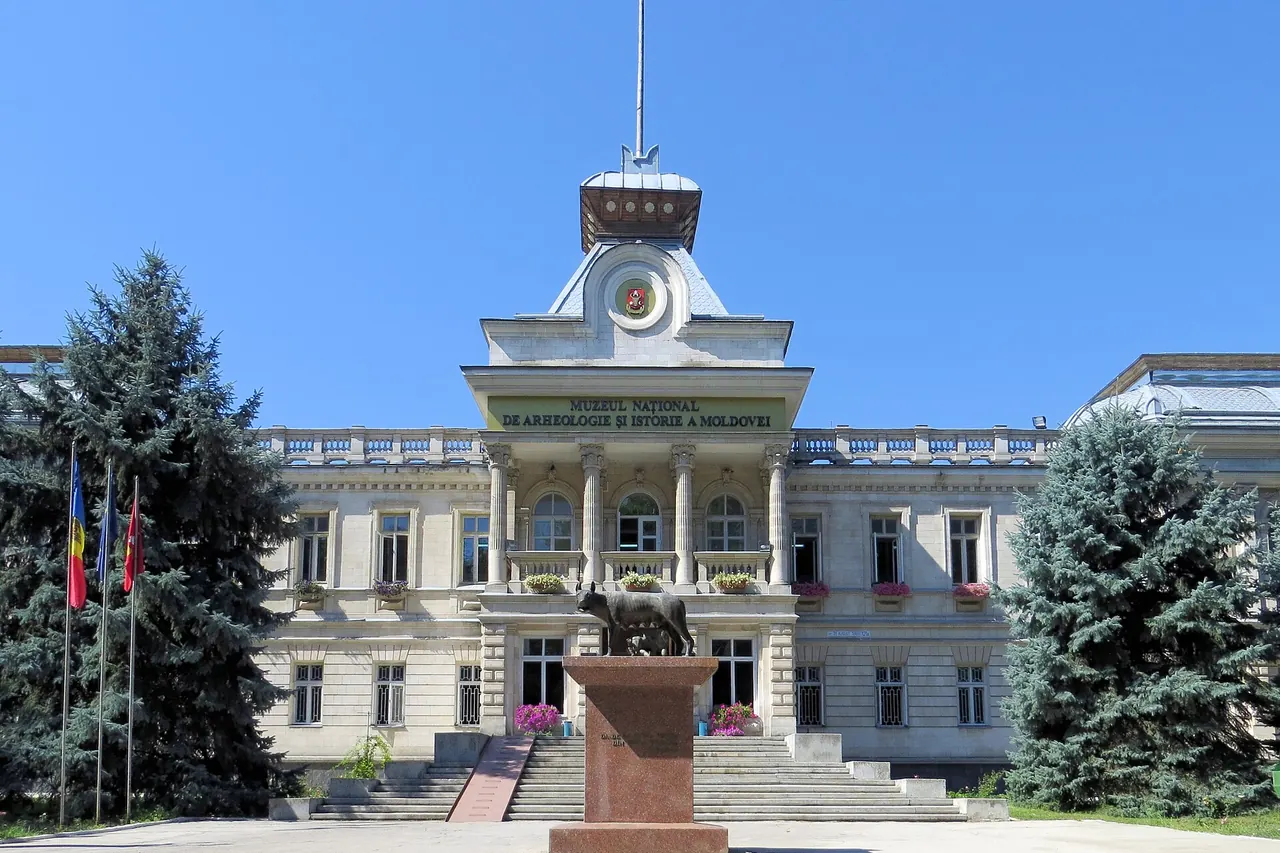
The National Museum of History of Moldova is a useful counterweight to a route made entirely of buildings and parks. A city centre can show successive architectural layers without explaining how they fit together; a history collection gives those changes a timeline and a wider territorial context. Arrive with a question rather than a fixed expectation of particular objects, because temporary exhibitions and the areas on display can change.
Spend time on a manageable sequence of galleries and use the labels to distinguish dates, political periods and the provenance of individual exhibits. That approach is more rewarding than treating every room as equal or assuming the story of Moldova is identical to the story of modern Chisinau. Check the current programme, ticket arrangements and photography rules on the museum's own website. Afterwards, return to the cathedral area or public garden with the collection in mind: familiar monuments often become easier to interpret after an indoor historical stop.
Plan it well: Use the museum to establish a timeline, then relate it to the monuments outside.
National Museum of History of Moldova8. Visit the small Pushkin House-Museum
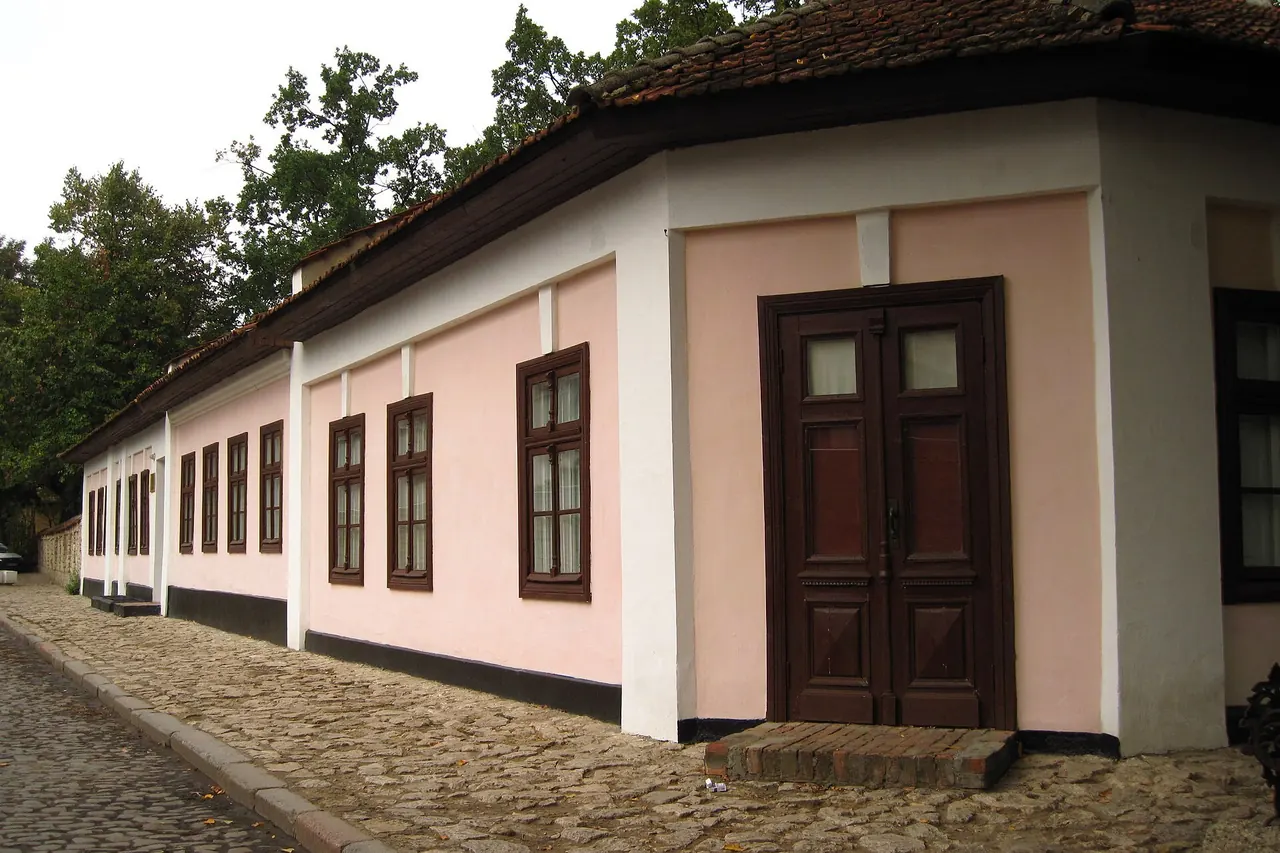
The Pushkin House-Museum offers a much smaller-scale historical setting than the national collections. The official city account links the house to the young poet's arrival in Chisinau in 1820 and says he lived here for several months. Keep that distinction clear: his broader time in Bessarabia should not be compressed into a claim that every year was spent in this one building. The interest is the specific domestic setting and its literary associations.
Use the visit to connect a writer's biography with place, rather than expecting the scope of a large literature museum. Displays associated with Pushkin's time in the city include editions and period material, but their value depends on interpretation as much as on looking at an old room. Ask about the current exhibition and any English-language support before making a special journey. This northern stop is best grouped with the central sights on a quieter day, not added to the end of a long lake and museum circuit.
Plan it well: Pushkin spent several months in this house, not his entire period of exile in Chisinau.
Visit Chisinau: Aleksandr Pushkin House-Museum9. Approach Ciuflea as an active monastery
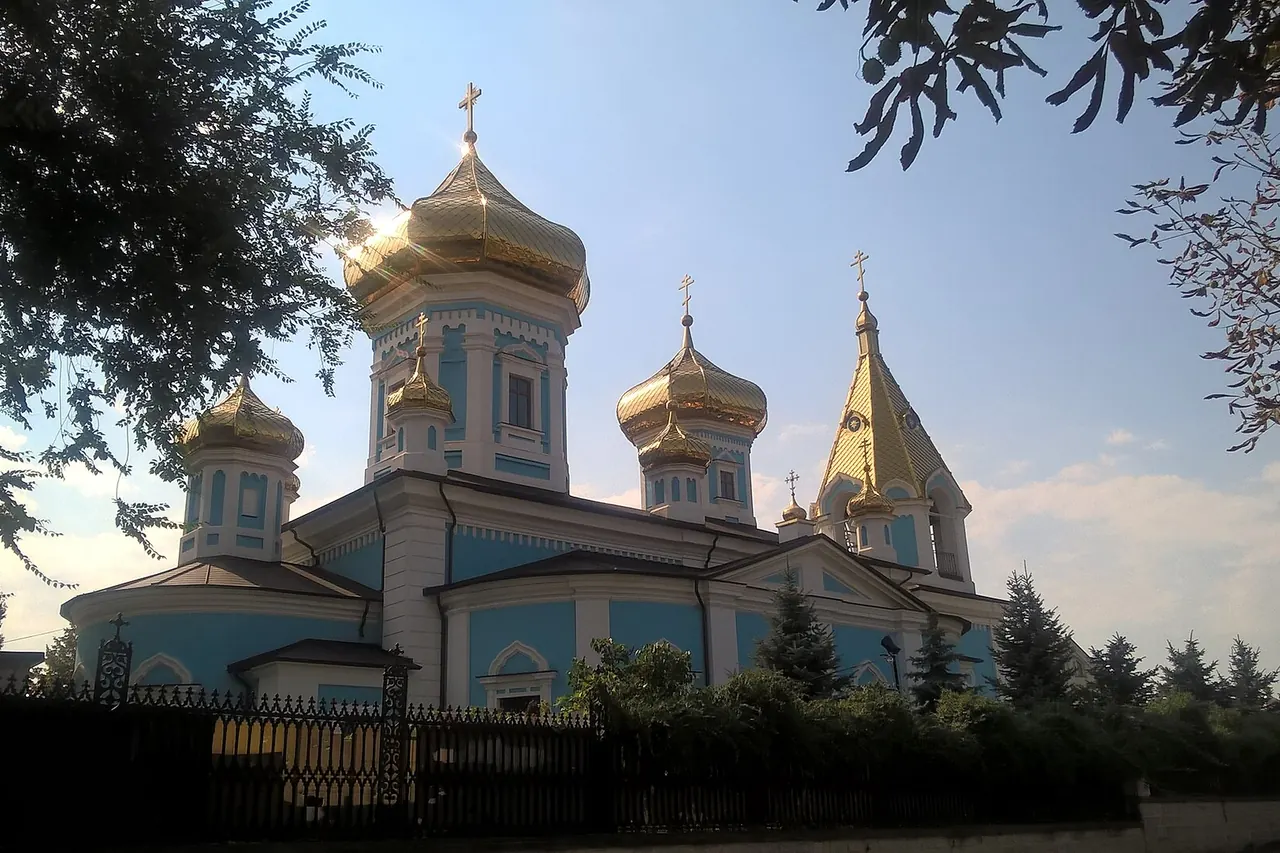
Ciuflea Monastery gives this route a religious landmark beyond Cathedral Square. The blue-and-white church is visually distinctive, but colour alone is not the reason to visit: this is a functioning monastic community dedicated to Saint Theodore Tiron. The setting calls for a different pace from a public monument, with attention to the boundaries between a permitted visitor area and spaces used by the community.
Start with the exterior from an appropriate public viewpoint and follow any instructions at the entrance. If visiting the church is permitted, dress respectfully, keep conversations quiet and ask before photographing worshippers or religious objects. Do not enter side buildings or private areas simply because a gate is open. Check current access directly rather than relying on a sightseeing timetable copied from another guide. Its location makes it a deliberate extra stop, so arrange the return journey in advance and leave it out if the day's more central visits already fill your time.
Plan it well: Services and monastic life take priority over photography or an interior visit.
Ciuflea Monastery: official presentation10. Read urban history through the Water Tower
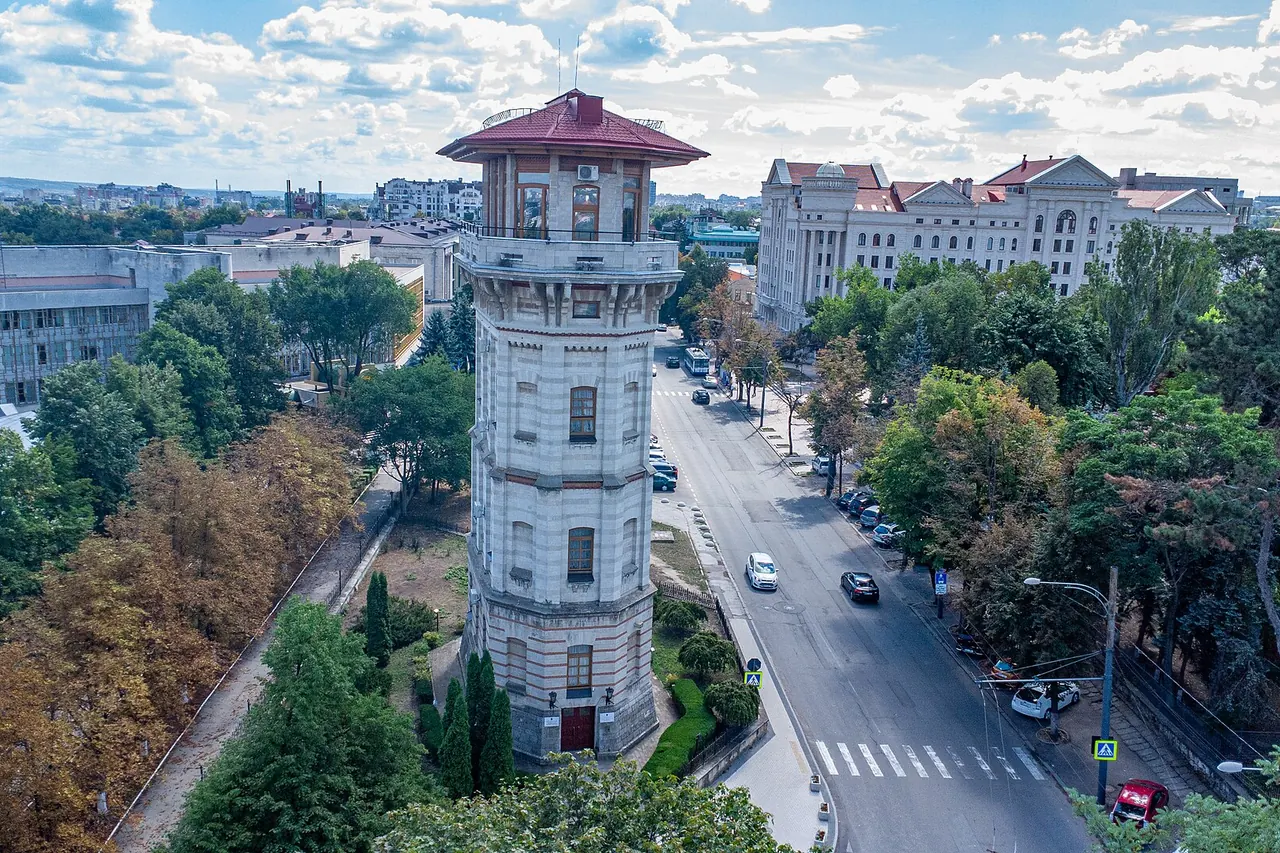
The Water Tower is a useful reminder that a city's history is also made by infrastructure. Built for Chisinau's water system and associated with architect Alexander Bernardazzi, it combines practical purpose with a carefully articulated stone-and-brick exterior. The city tourism account also describes later rebuilding and its use by the City History Museum. That layered story makes it more interesting than simply seeking another place with a view.
Begin outside by looking at the building's vertical divisions and how it sits beside the university area. If you want the museum or an upper-level visit, confirm the current visitor arrangements and accessibility before arriving; the presence of a tower is not a promise of a public lookout. This stop fits naturally with the central-west museum streets and an onward walk toward Valea Morilor. Keep the combination flexible, especially if stairs or limited opening periods make the interior less suitable than a short architectural stop.
Plan it well: A tower used by a museum does not guarantee that its upper level is admitting visitors.
Visit Chisinau: Water Tower and City MuseumHow to spend two days in Chisinau
Day 1: the central ensemble and city history
Start with the Nativity Cathedral, bell tower and Triumphal Arch, then take a proper break in Stefan cel Mare Park. Choose the National History Museum as the main indoor visit. The Pushkin House-Museum can be a separate northern stop if its programme fits, rather than another rushed collection.
Day 2: one museum and a longer park walk
Visit the Ethnography Museum, pause by the Water Tower and continue to Valea Morilor for a lake walk. Dendrarium can replace the lake if planting is your priority. Ciuflea is a separate southeast outing; include it only if monastery access and transport fit comfortably.
Before you go
Keep regional advice distinct from city sightseeing
As reviewed on 5 October 2026, the FCDO advises against all travel to Transnistria, not all of Moldova. This itinerary stays in Chisinau and does not recommend a Transnistria side trip. Review current regional risks, possible disruption and your own government's advice before travelling.
FCDO: Moldova travel adviceCheck practical arrangements with the venue
Museum programmes, park admission and church access can change. Use each linked primary source to confirm the relevant entrance, current visitor arrangements and any language or mobility needs; this guide deliberately does not fix ticket prices or opening times.
Group parks and museums geographically
The cathedral-area circuit is not the same as a visit to Buiucani's Dendrarium or southeast Ciuflea. Choose one longer green-space outing and one main collection per day. A map pin identifies the place, not the correct doorway or a step-free route.
Where to stay in Chisinau
Compare hotel locations around the cathedral and central boulevard with the quieter museum streets toward the west. Check the actual entrance, noise exposure, room details and your likely return route rather than choosing only by distance to a single landmark. For a park-focused stay, confirm transport links and arrival arrangements before trading a central base for a more distant property.
Explore Chisinau hotels