
Podgorica city guide
10 things to do in Podgorica
A city-scale Podgorica visit: river crossings, Ottoman streets, Roman remains and contemporary art, with time for shaded paths rather than long coastal day trips.
Plan your visit
Podgorica is best approached on its own scale. Riverbanks, surviving Ottoman landmarks, a royal residence and a Roman site make a more coherent introduction than a race towards Montenegro's coast. Keep the exposed outdoor stops away from the hottest part of the day, and distinguish the central walking circuit from Doclea and Dajbabe, which need separate transport planning.
Look at the modern city from Millennium Bridge
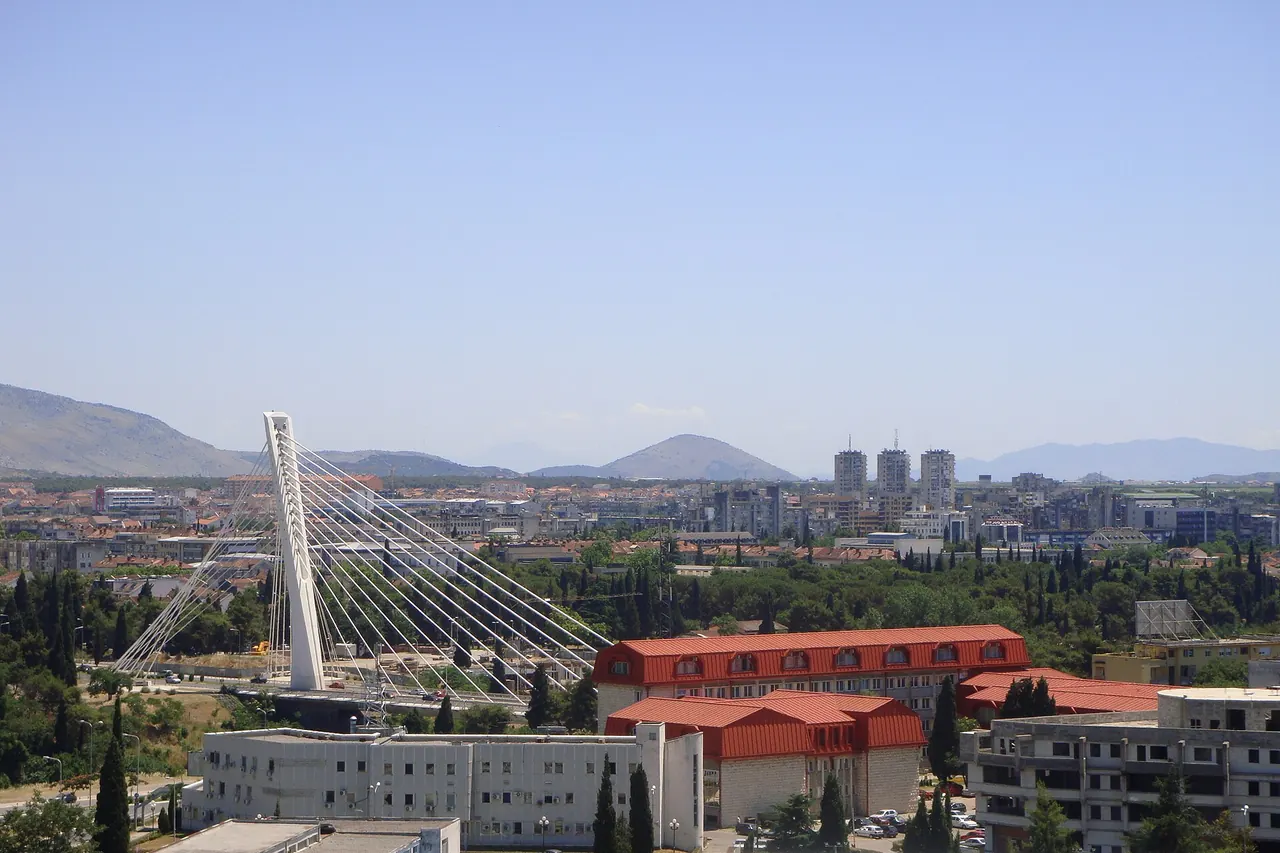
Millennium Bridge is a useful place to read modern Podgorica against the river that cuts through it. Its cable-supported structure is immediately recognisable, but the wider view matters as much as the engineering: banks, nearby bridges and the contrast between the central streets and newer districts. Begin with a look from the bank before deciding whether you want to cross.
Make this an architectural stop rather than expecting a traffic-free promenade. The pedestrian pavement offers a crossing, while the nearby Moscow Bridge gives a different riverside experience without passing vehicles. In strong sun, shorten the exposed sections and continue towards a shaded street or park. You do not need to walk both banks for the bridge to explain the city's relationship with the Moraca.
Plan it well: The bridge carries traffic. Keep to the pavement and choose a riverbank viewpoint rather than stopping in the roadway for photographs.
Podgorica Municipality: Millennium BridgeFind the meeting of the rivers at Ribnica Bridge
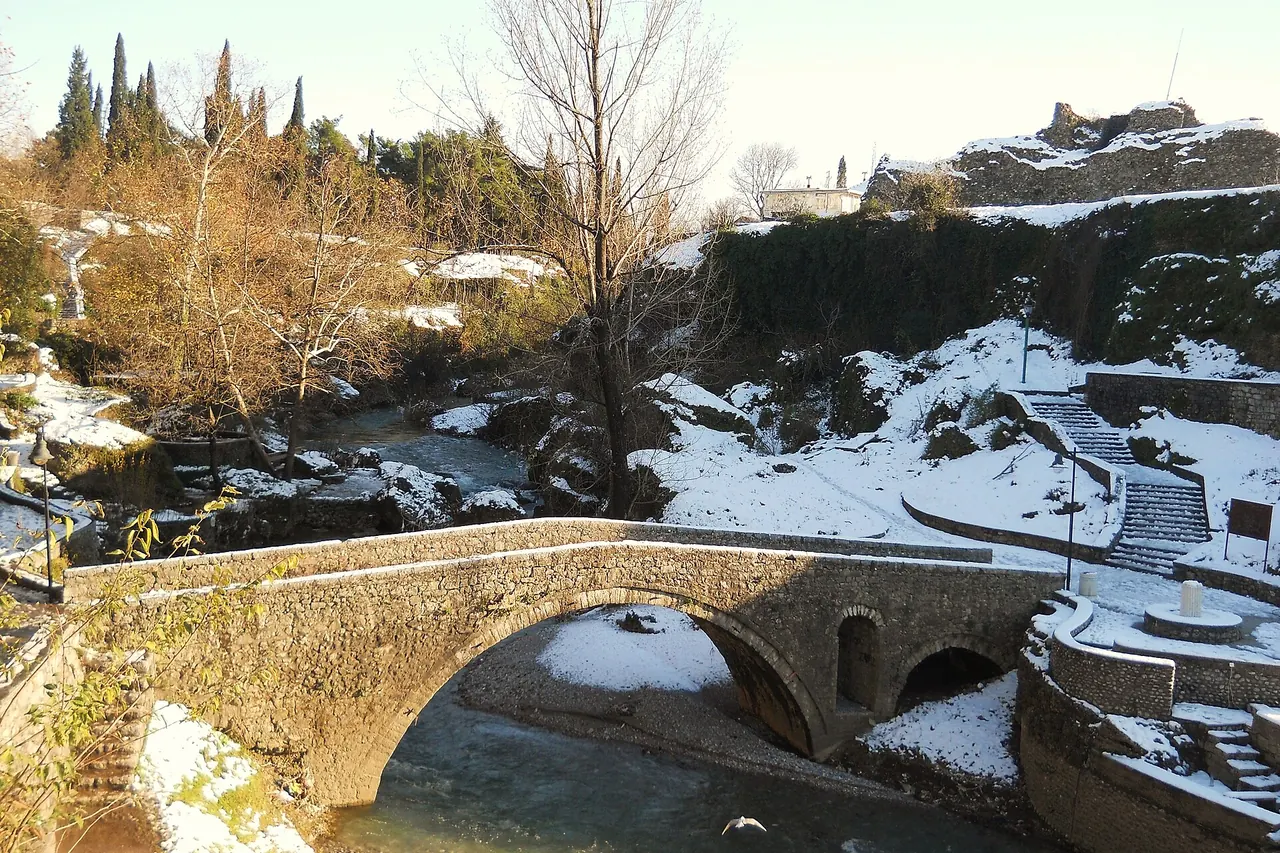
The old bridge over the Ribnica offers a very different view of Podgorica from the high modern crossings. Its low stone arch sits near the meeting of the Ribnica and Moraca, making the rivers themselves the focus. The tourism organisation uses the names Sastavci and Skaline for this setting, which are useful to recognise when asking for directions or reading signs.
Approach slowly enough to notice the changes in level between the streets and water. The small-scale bridge and surrounding stonework reward a closer look, but footing is more important than finding an uninterrupted photograph. Pair this with the Clock Tower and the lanes of Stara Varos, then decide whether to continue north along the central streets. River levels and weather should determine how close to the water you go.
Plan it well: Stay on established paths and do not treat the riverbank as a swimming recommendation; steps and stones can be slippery.
Podgorica Tourism: Sastavci and Stone BridgeUse the Clock Tower to begin Stara Varos
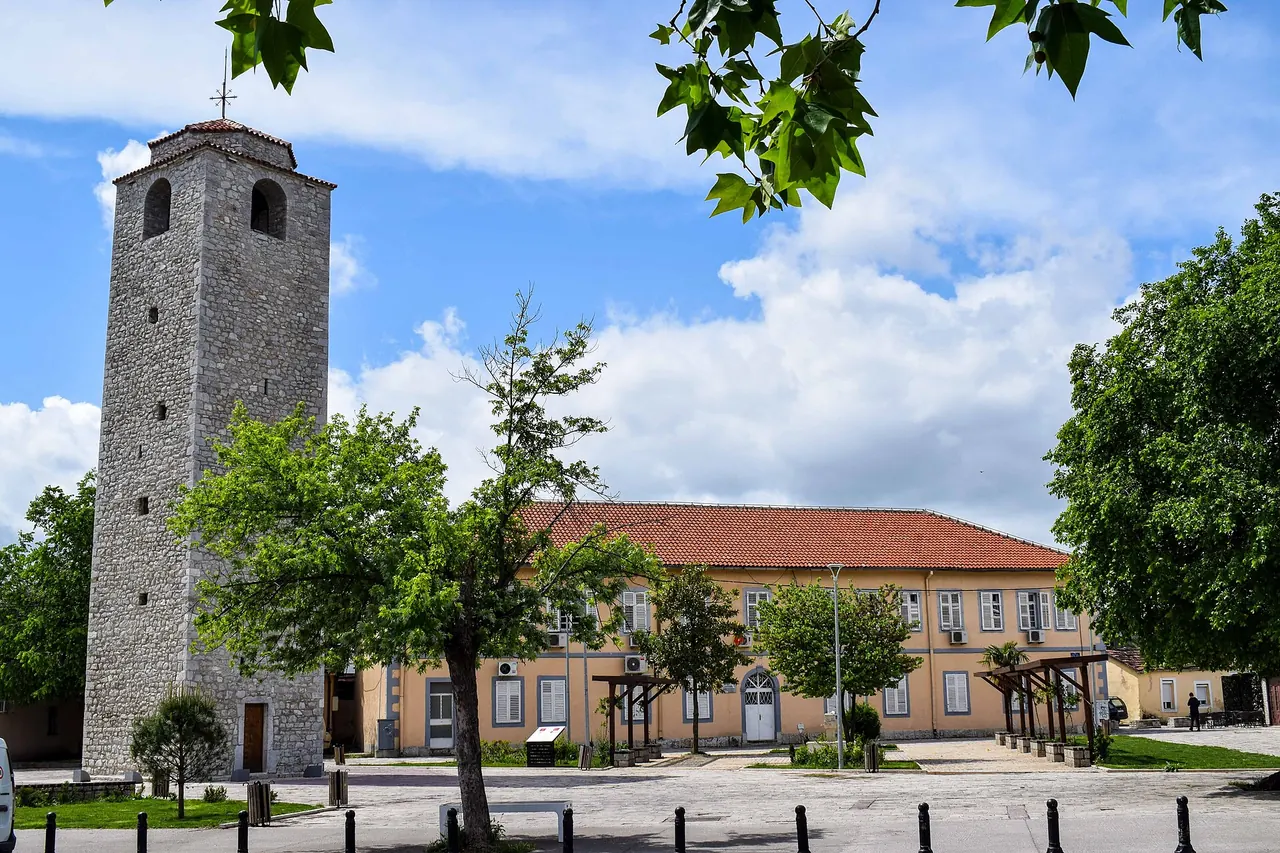
The Clock Tower is a strong starting point for Stara Varos because it gives the old neighbourhood a visible anchor. This part of Podgorica preserves a different street pattern and scale from the broad avenues that dominate many first impressions. Rather than expecting a complete walled old town, look for the surviving tower and the quieter lanes around it.
After viewing the tower, choose a small neighbourhood loop that returns towards the Ribnica rather than trying to cover every street. This is still a lived-in area, so keep away from private doorways and photograph people only with permission. A cafe stop can make the neighbourhood more memorable than another monument. Ask about local opening arrangements if you want to enter a nearby religious building; exterior access and worship access are different things.
Plan it well: The landmark is not a promise of a public tower climb. Keep the visit centred on its exterior and the surrounding streets.
Podgorica Tourism: Old Town and Clock TowerStudy the Resurrection Cathedral's stonework
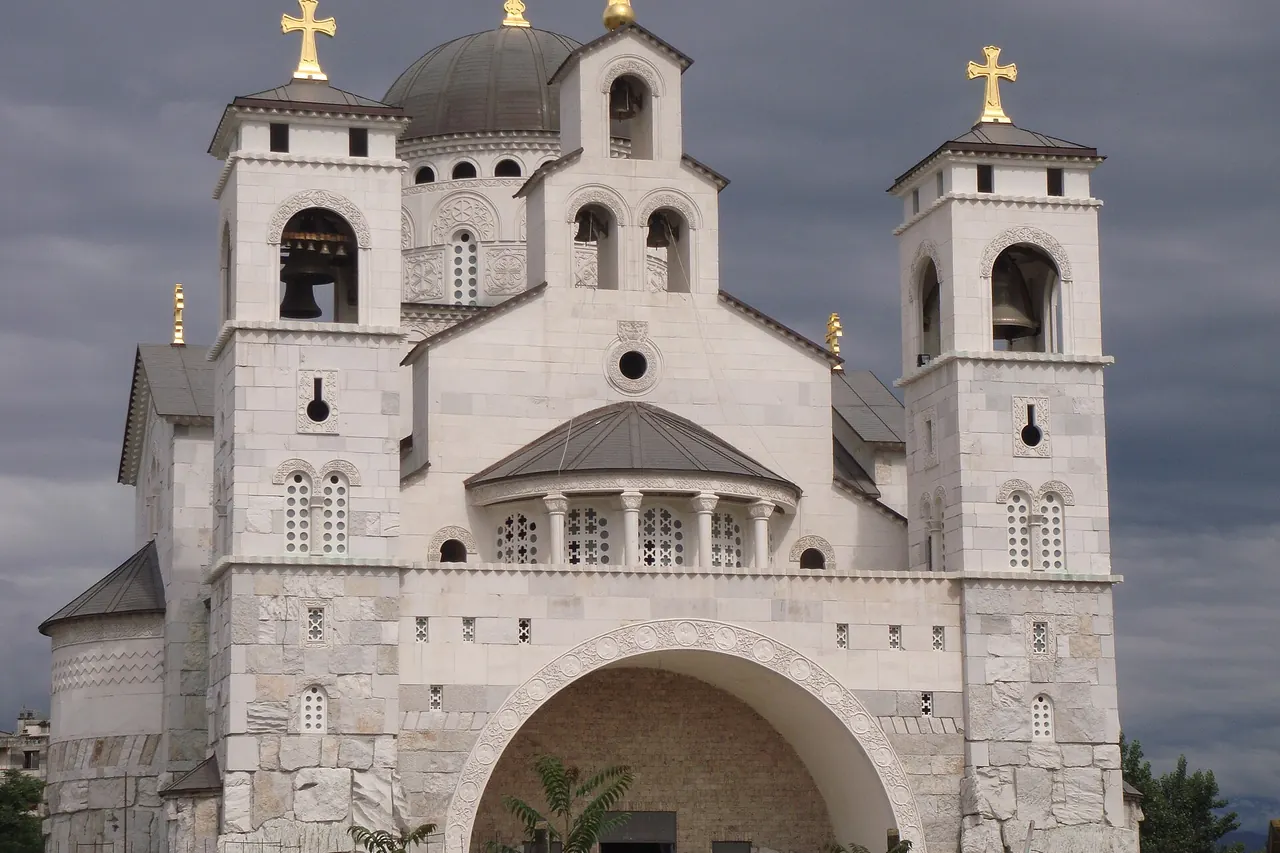
The Cathedral of the Resurrection of Christ is a major contemporary religious building rather than a surviving medieval monument. Look at the contrast between the rougher stone surfaces, carved details and domes before entering. Its scale and setting west of the Moraca make it a useful counterpoint to the smaller Ottoman landmarks in Stara Varos, without requiring a long journey out of the city.
If the cathedral is welcoming visitors, allow time to look at the interior decoration without crossing in front of worshippers. Otherwise, the outside is enough for an architectural stop and can be followed by a walk towards the Petrovic Palace area. Check access locally, particularly around religious occasions, and do not build a tightly timed programme around an assumed entry. The building's role as a working church comes first.
Plan it well: Dress respectfully and ask about interior photography. A service is not a sightseeing performance, and visitor access may need to wait.
Podgorica Tourism: religious sitesChoose an unhurried visit to Dajbabe Monastery
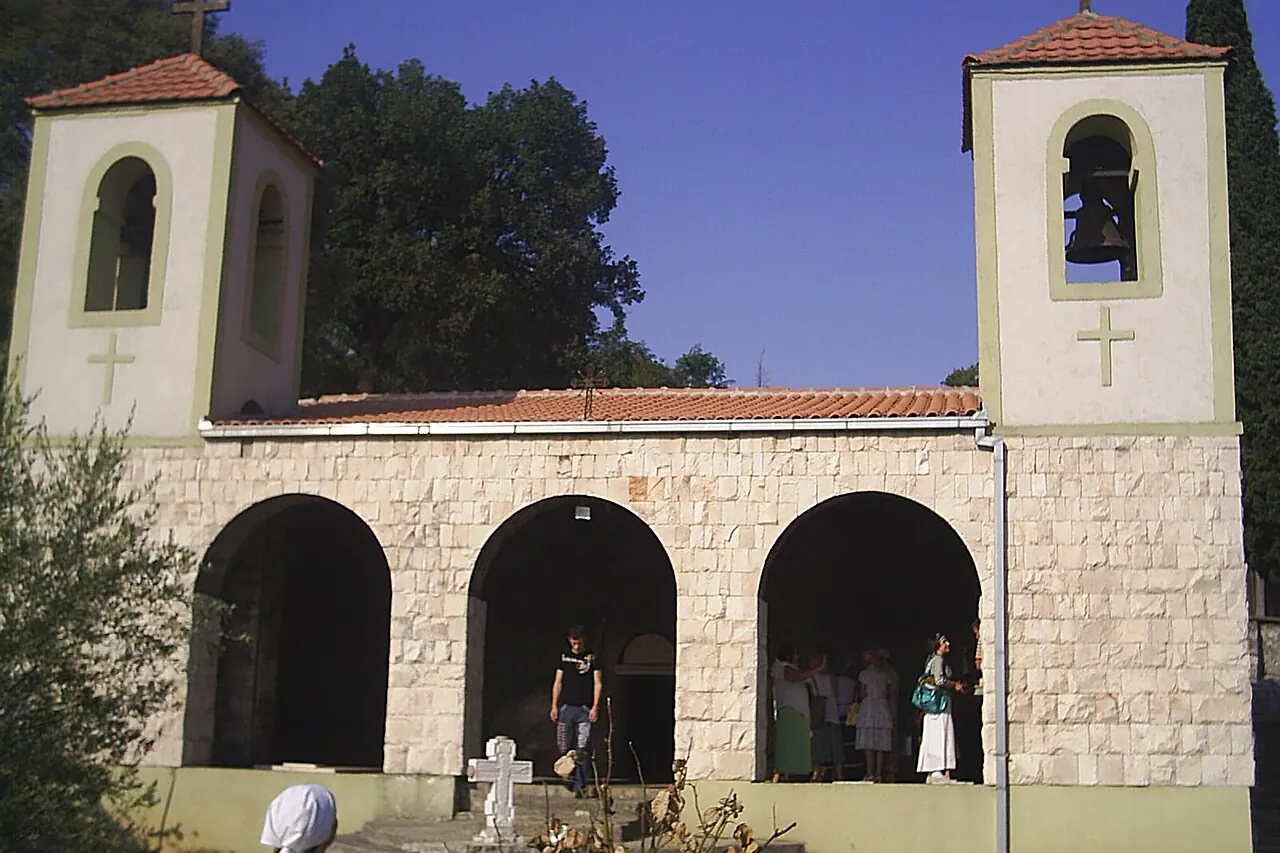
Dajbabe Monastery offers a more intimate religious visit away from the central avenues. Its church is associated with a cave setting, so the attraction is not a large display of monumental architecture but the relationship between the shrine and the natural space. Choose it because that quieter, more specific setting interests you, not simply to add another church to the list.
Confirm that visitors can enter and arrange a dependable return journey before leaving central Podgorica. Enclosed passages and changes in level mean that accessibility needs should be discussed directly rather than inferred from an exterior photograph. Dress modestly and follow the monastery's instructions concerning photographs and worship. This can be the main outing for a quieter afternoon, leaving the riverbanks or a neighbourhood meal as the flexible part of the day.
Plan it well: Ask about the cave church's access and space before visiting with mobility needs; the central sightseeing walk does not extend here.
Podgorica Tourism: Dajbabe MonasteryRead Roman Podgorica at Doclea
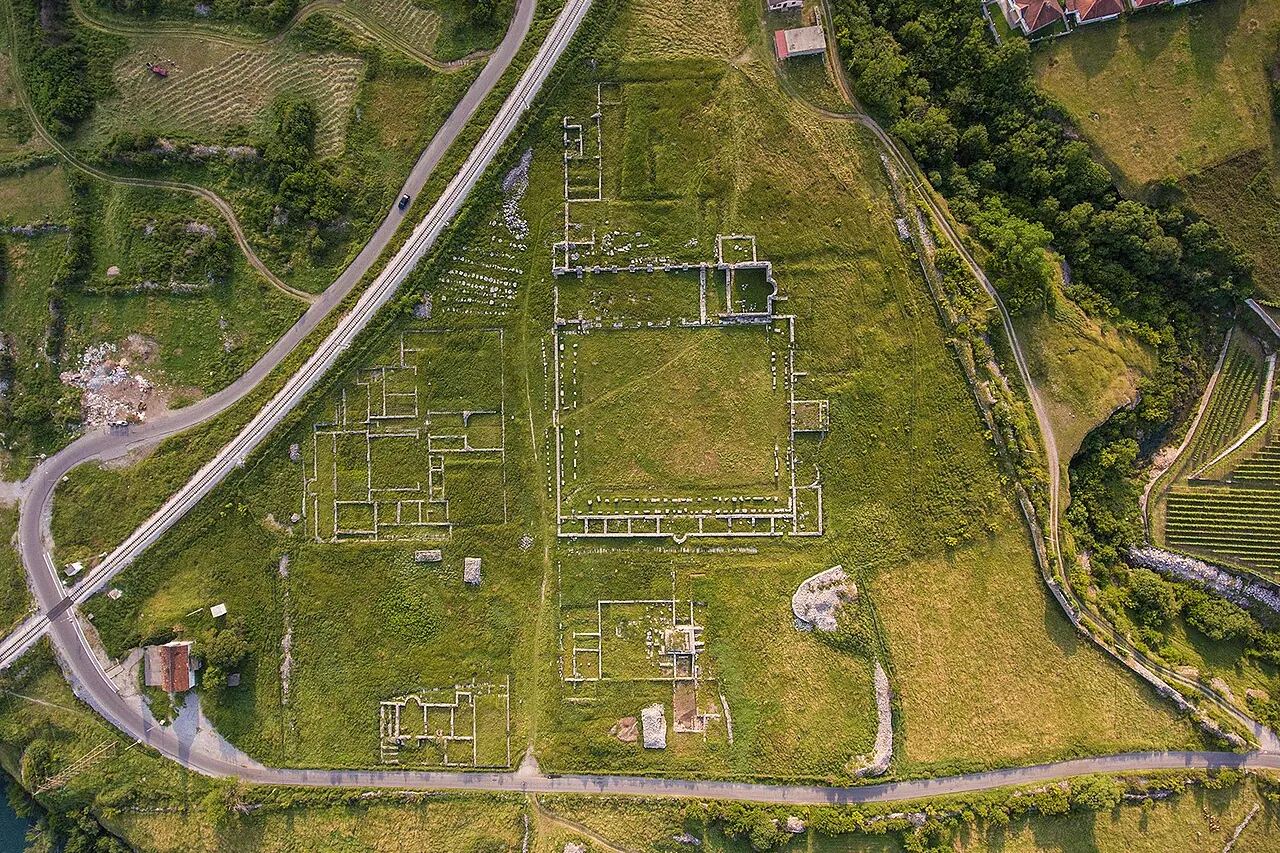
Doclea, also called Duklja, takes the city's story beyond the landmarks that survived in the modern centre. The Roman remains sit north of Podgorica between rivers, and the low foundations ask you to imagine a settlement rather than admire an intact building. Look for the arrangement of spaces and architectural fragments instead of expecting a fully reconstructed street with shops and interiors.
Treat the journey as part of the outing: this is not another stop just beyond the main square. Bring water and protection from the sun, and ask the tourism office about current access and interpretation before travelling. A guide can help make the stonework intelligible if archaeology is your main interest. For a broader picture, the city's museum collections provide a separate indoor context for finds associated with the site.
Plan it well: Arrange the return trip and verify site access before setting out. Do not climb on walls or move archaeological fragments.
Podgorica Tourism: DocleaTake the paths up Gorica Hill
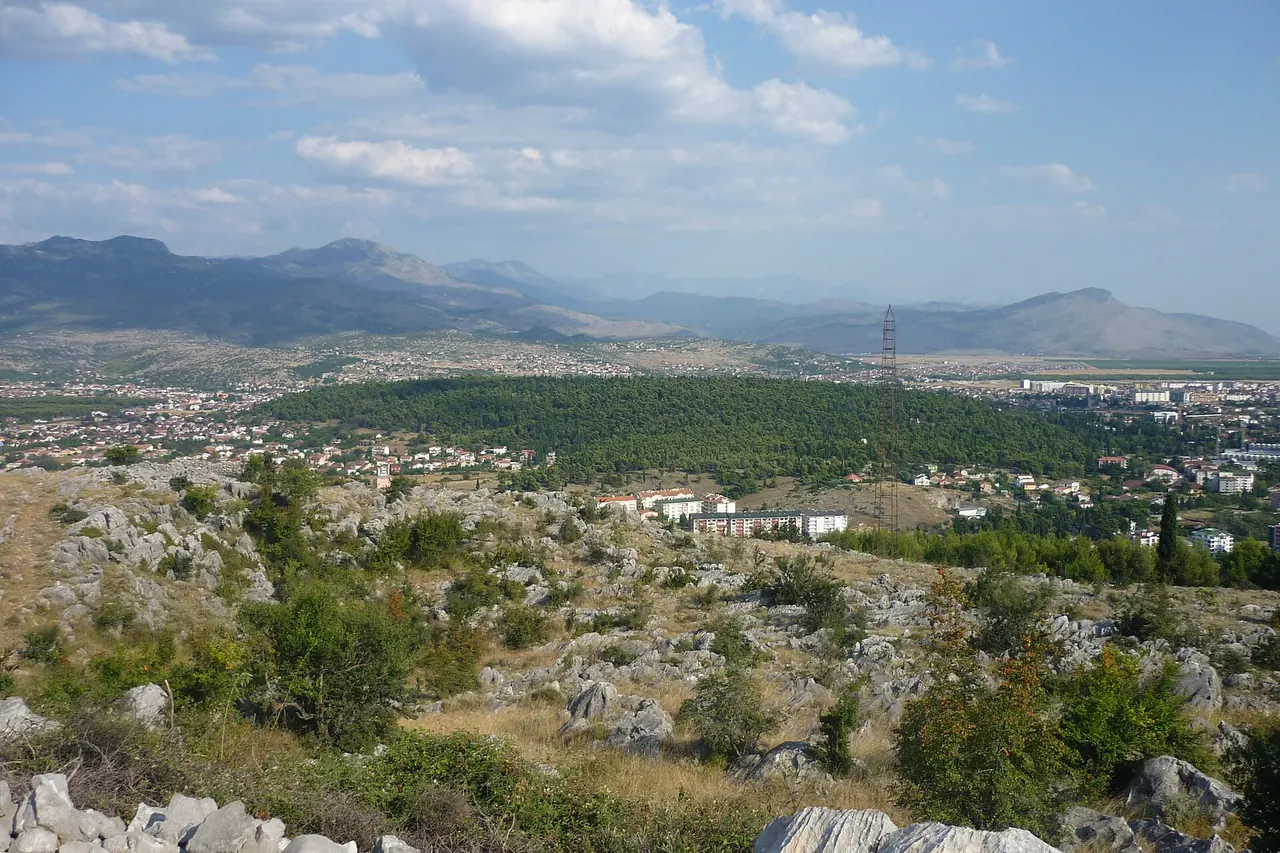
Gorica Hill puts a modest rise and wooded paths within reach of the centre. That makes it useful when you want a walk with some elevation but do not want to turn a city break into a mountain expedition. The hill is a recreation area with several points of interest, including the Partisan memorial, so choose a route that matches your energy rather than following every branch.
Begin in daylight and decide whether your priority is shade, a viewpoint or the memorial. These are not the same walk, and a park map or local advice is more useful than assuming every path forms an easy loop. Wear shoes suitable for uneven ground and carry water in warm weather. Paid adventure activities, where operating, need their own availability and suitability checks; they are not included in an ordinary hill walk.
Plan it well: Use marked paths and check local notices after heat, fires or bad weather; park access and organised adventure activities are separate.
Podgorica Tourism: Gorica HillCombine art and a park at Petrovic Palace
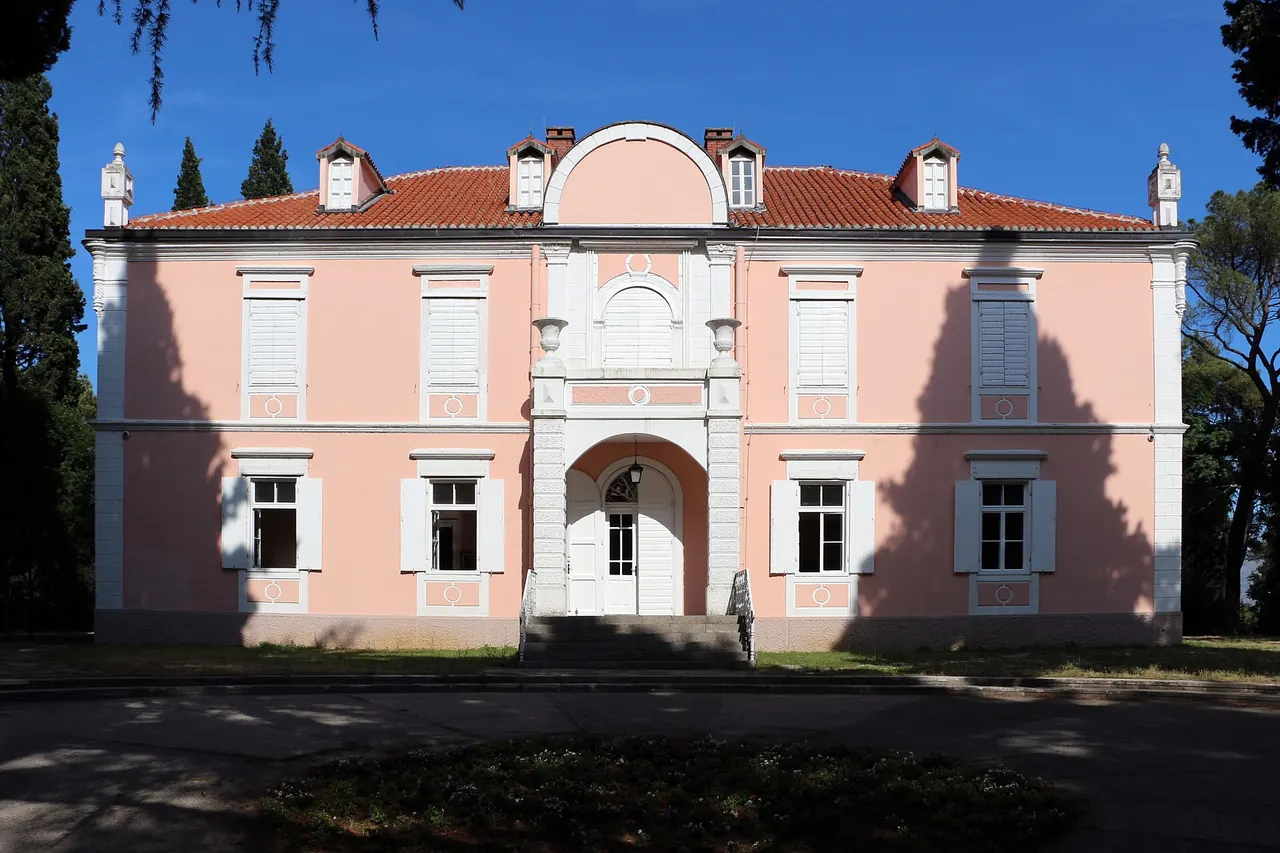
The Petrovic Palace places a former royal residence in a park setting, which is a welcome contrast to Podgorica's exposed squares. Its association with contemporary art means the visit can be about today's exhibitions as well as the building's earlier role. Start outside to understand the house in its grounds, then decide whether the current programme warrants a longer indoor stop.
Check the museum's information before travelling specifically for an exhibition. Different spaces and programmes may have separate arrangements, and a familiar palace name does not mean a permanent display is always accessible. The park is a useful part of the visit in its own right, with time for a slower walk after the cathedral or riverbank. Keep the combination spacious rather than fitting several indoor venues into one afternoon.
Plan it well: Confirm which museum spaces and exhibitions are open; seeing the palace and park does not guarantee access to a particular collection.
Montenegro Tourism: Petrovic Castle and Museum of Contemporary ArtSpend a little time around Independence Square
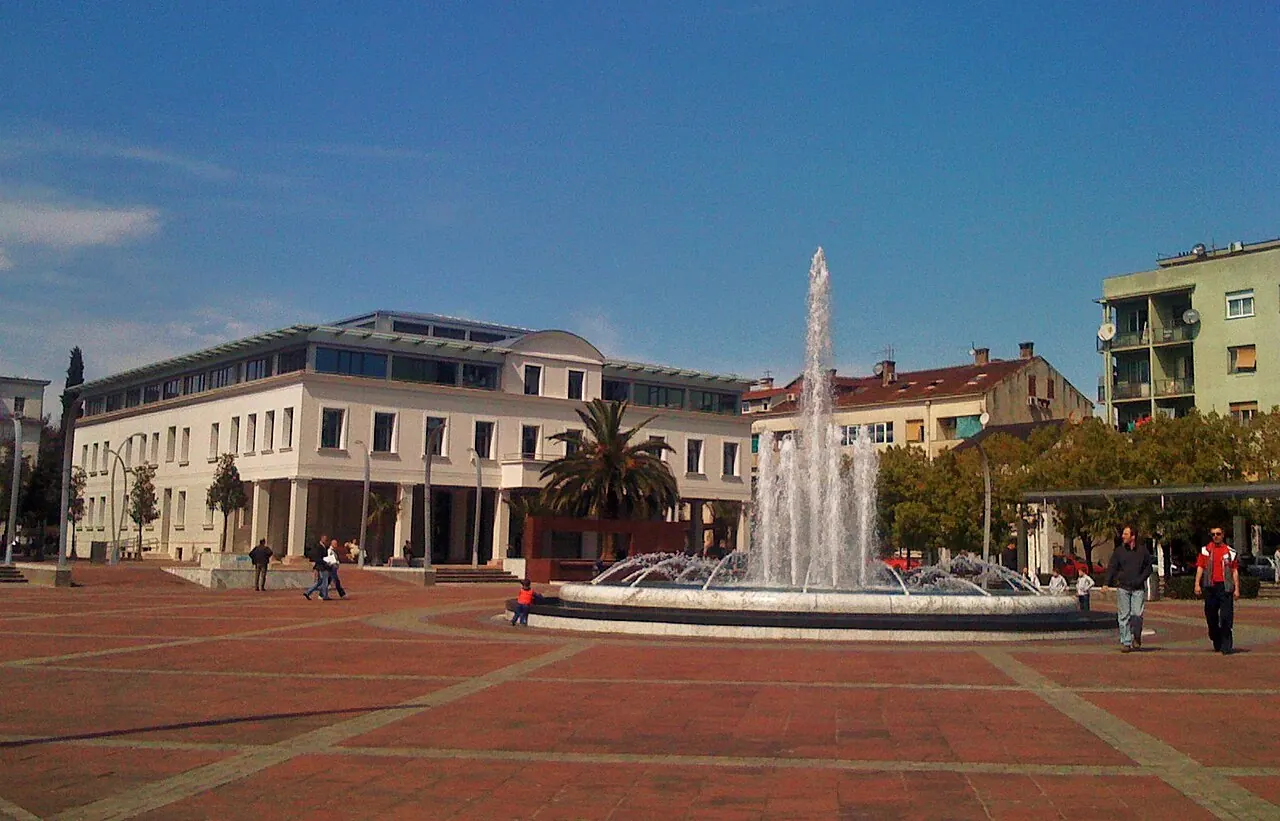
Independence Square is most useful as a place to understand the central street grid and settle into the city. It is not a monument that needs a long formal visit, but an open meeting space from which cafes and pedestrian streets become easy choices. Compare its modern urban scale with the Clock Tower area to see why Podgorica should not be treated as one uniform old town.
Give the square a brief look, then spend your time on a neighbouring street or at a table rather than repeatedly circling the paving. The tourism organisation uses it as the start of a central walking tour, making it a practical meeting point. Keep sun and weather in mind when choosing how long to stay outside. From here, the river crossings or Stara Varos offer distinct directions for the next part of the day.
Plan it well: Older descriptions may call it Republic Square or Trg Republike. Use the current map query and check nearby street names.
Podgorica Tourism: central walking routeCross on foot at Moscow Bridge
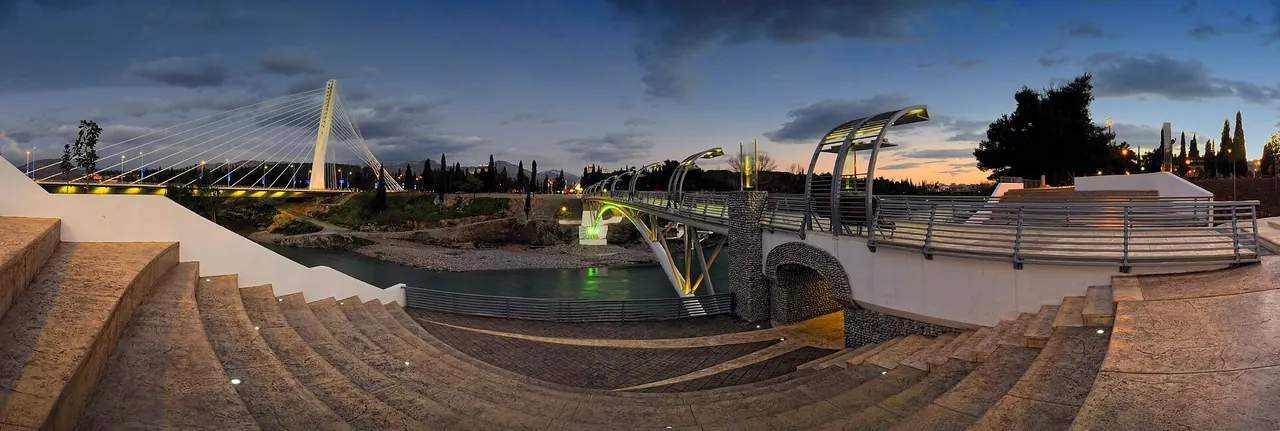
Moscow Bridge gives the Moraca another kind of crossing: pedestrian movement rather than the traffic-led structure of Millennium Bridge. Look along the water before you cross, then compare the low span with its taller neighbour. The difference makes the two bridges separate experiences, and a short walk here can supply a river view without adding another long excursion outside the city.
Keep the outing small and purposeful. Cross towards the Vysotsky monument side if you want to extend the walk, or use the bridge simply to connect a central cafe stop with a look along the opposite bank. Surface conditions and riverside access can change, so stay with the public crossing and established paths. In strong heat, a single crossing and a shaded break are enough; there is no need to complete an ambitious river loop.
Plan it well: Use the pedestrian crossing as a short connector, not a reason to scramble down to an unsigned riverbank path.
Podgorica Municipality: city bridgesHow to spend two days in Podgorica
Day one: the centre and three different crossings
Begin at Independence Square, continue to the Clock Tower and Stara Varos, then look at Ribnica Bridge and the confluence. Later, choose a short river walk that takes in Millennium Bridge and the pedestrian Moscow Bridge. Leave time for a cafe rather than treating each as a long attraction.
Day two: choose an outing and a quieter afternoon
Make Doclea the main morning outing if archaeology interests you, with arranged transport. Use the afternoon for the Resurrection Cathedral and Petrovic Palace, subject to museum access, or choose Gorica Hill instead. Dajbabe is an alternative excursion, not an extra compulsory stop.
Before you go
Take heat seriously
Open squares, archaeological remains and river crossings can be exposed. Carry water, choose shaded breaks and move the longest outdoor activities to a cooler part of the day.
Separate the outlying visits
Doclea and Dajbabe are not stops on the central walking circuit. Confirm access and arrange the return journey before heading out.
Podgorica Tourism: things to seeCheck art and religious access individually
The palace programme and church services determine what you can enter. Verify particular exhibitions and mobility arrangements directly; an exterior photograph does not certify step-free access.
Where to stay in Podgorica
A central base near Independence Square suits cafes and walking towards Stara Varos. West of the Moraca can suit the cathedral and palace, but check the actual pedestrian crossing and road layout. Compare air conditioning, room noise and late-arrival arrangements rather than assuming the smallest map distance gives the simplest stay.
Explore Podgorica hotels