
Skopje city guide
10 things to do in Skopje
Cross the Vardar between Skopje's contrasting centres, explore the bazaar and museums, then choose a separate outing to Matka Canyon or the slopes of Vodno.
Plan your visit
Skopje is best approached as a city of contrasts rather than a single postcard view. The Stone Bridge connects monumental riverside spaces with the smaller streets of the Old Bazaar; uphill, the fortress and contemporary art museum offer other ways to read the city. Give the central sights one proper day, then choose either a canyon outing or time on Vodno instead of squeezing both into spare hours.
Cross the Vardar on the Stone Bridge
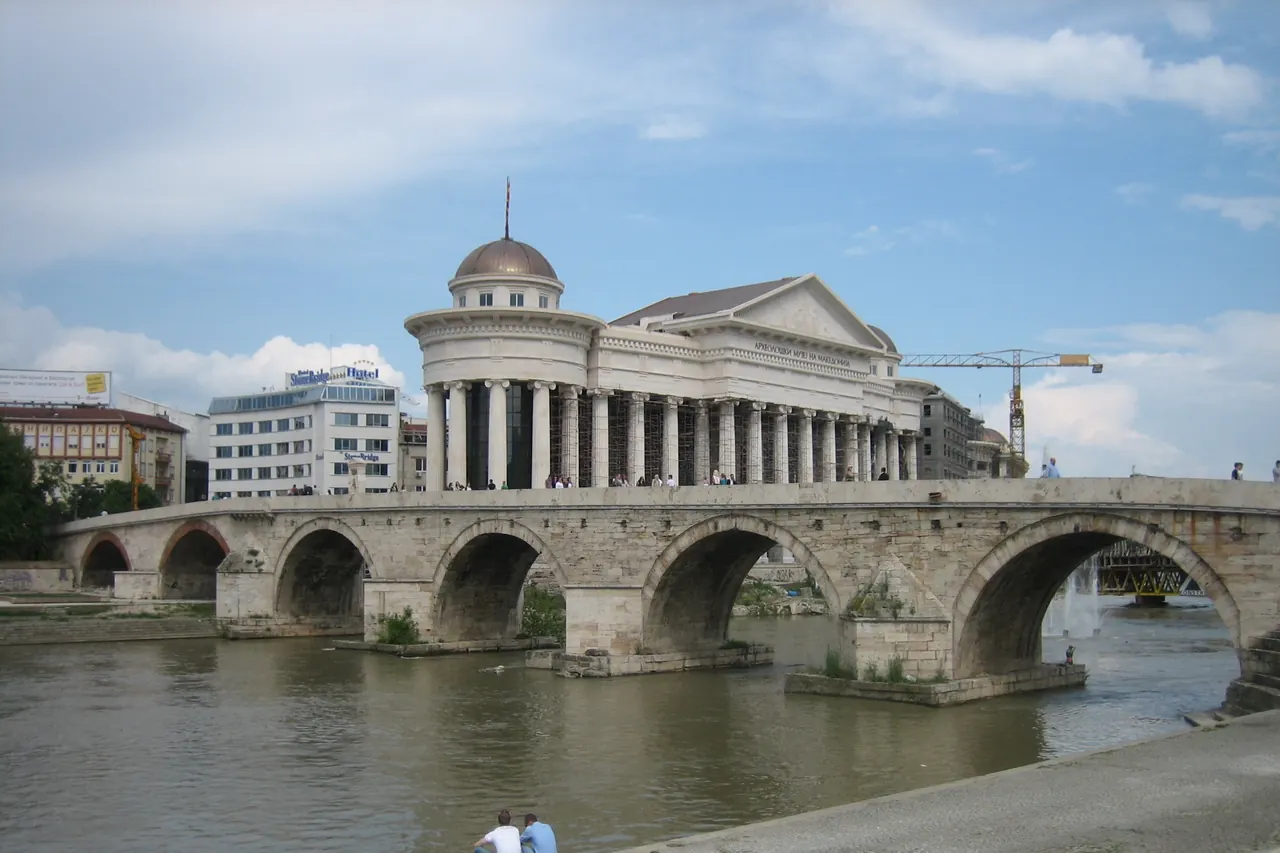
The Stone Bridge is a useful starting point because it gives Skopje a clear geographical structure. On one side lies Macedonia Square; on the other, the route leads towards the Old Bazaar. Cross slowly enough to look both along the Vardar and towards the buildings on its banks. The bridge itself is the subject, not simply a platform for photographing the large museum facade behind it. Its stone arches are easier to appreciate from a riverside viewpoint as well as from above.
Use the crossing to organise your day into neighbourhoods. Begin with the square and the Mother Teresa Memorial House if that suits your museum schedule, then cross for the bazaar and its smaller streets. Public space does not make every adjacent building freely accessible, so choose any indoor visit separately. Keep clear of other pedestrians when stopping for photographs and follow temporary access notices if works or events affect the crossing. Returning by the same bridge later can help you understand how the two banks feel different without needing a long guided route.
Plan it well: Look at the bridge from the riverbank as well as crossing it; plan indoor museum visits separately from the central walk.
City of Skopje official portal: Stone BridgeWander the working streets of the Old Bazaar
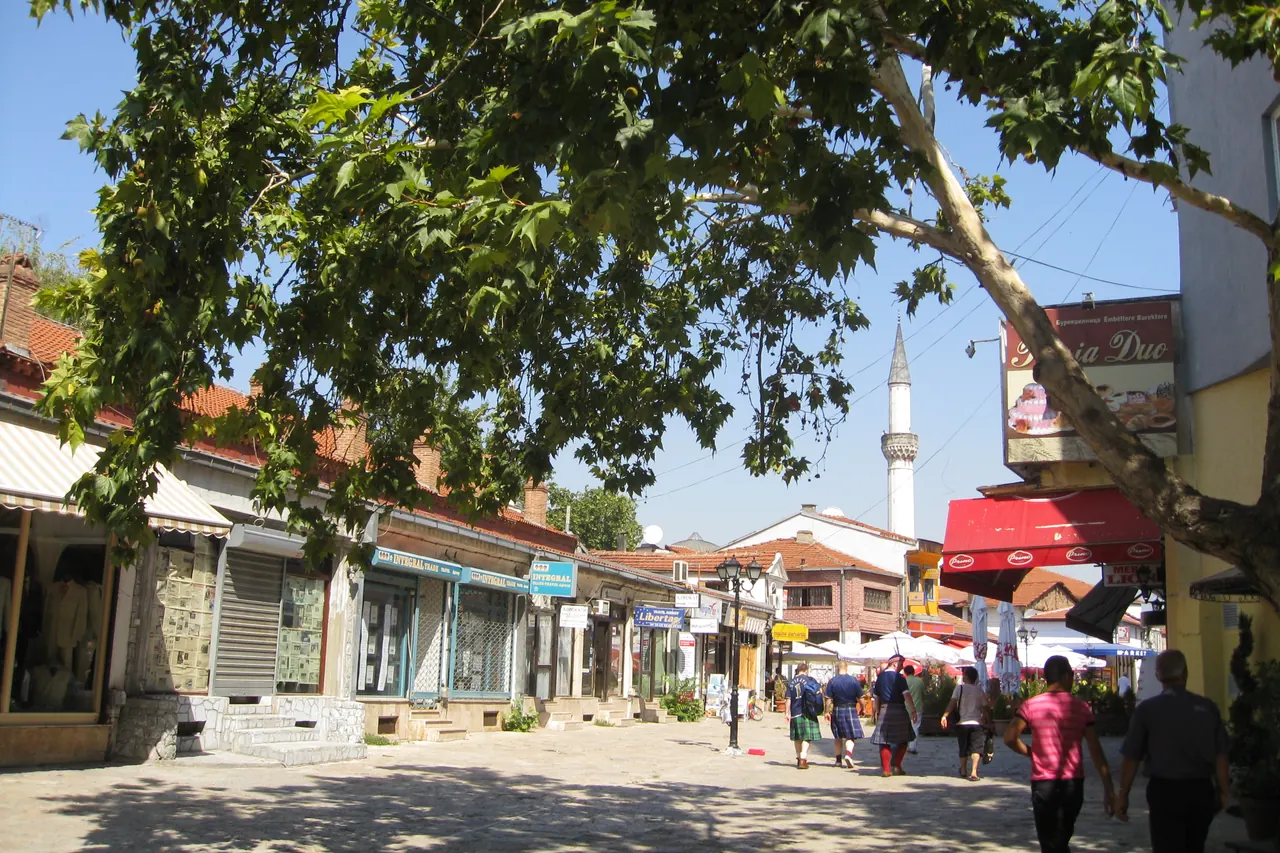
Skopje's Old Bazaar is more rewarding as a neighbourhood walk than as one market building to enter and leave. University research traces a trading district shaped by crafts, inns, baths and religious buildings, with repeated rebuilding rather than a perfectly frozen Ottoman scene. Follow a small street that interests you and notice how shopfronts, courtyards and places of worship fit together. A pause for coffee or lunch gives you time to see how the district works beyond the most photographed corners.
Respect the distinction between a public street, a shop and an active religious site. Ask before photographing people closely or entering a workshop, and do not assume every historic courtyard is open for browsing. Individual businesses keep their own schedules, so a quiet lane at one hour need not mean that the bazaar is closed as a whole. Combine the walk with Holy Saviour or the fortress approach, but leave room to stop rather than turning the neighbourhood into a hurried passage between paid attractions.
Plan it well: Use the bazaar as a flexible walking district. Ask before entering workshops or photographing traders rather than treating them as exhibits.
Skopje university ethnological research centre: Old BazaarRead Skopje's layout from Kale Fortress
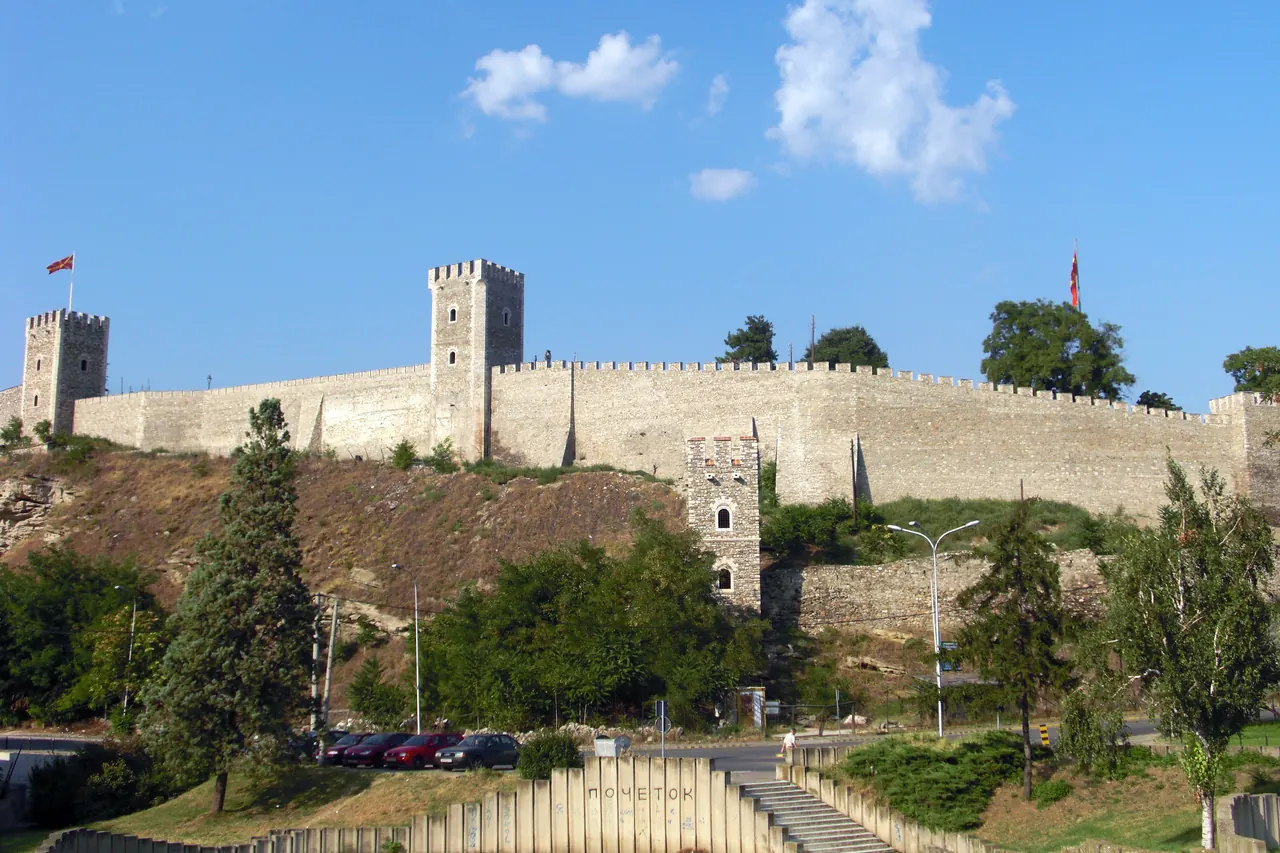
Kale rises above the Old Bazaar and gives you a wider view of the valley and city below. Treat it as a historic landscape with surviving walls and changing access, not as a furnished castle whose rooms will all be available to tour. The hill helps explain the relationship between the river, the older trading streets and the modern city. Look back towards the district you have just walked through so the panorama becomes a useful map rather than another distant skyline.
Wear shoes suited to stone, slopes and uneven ground, and keep to the areas currently open to visitors. A wall visible in a photograph is not automatically a permitted walking route. In hot weather, bring water and avoid letting the climb become an unplanned extra at the end of an already long day. The contemporary art museum is nearby in the broader hill district, but check its separate entrance and calendar before combining the two. Keep the return route in mind if you prefer to descend towards a different part of the centre.
Plan it well: Follow current barriers and visitor paths; do not climb walls or assume every rampart is open because it appears on a map.
North Macedonia tourism agency: SkopjeTrace a life at the Mother Teresa Memorial House
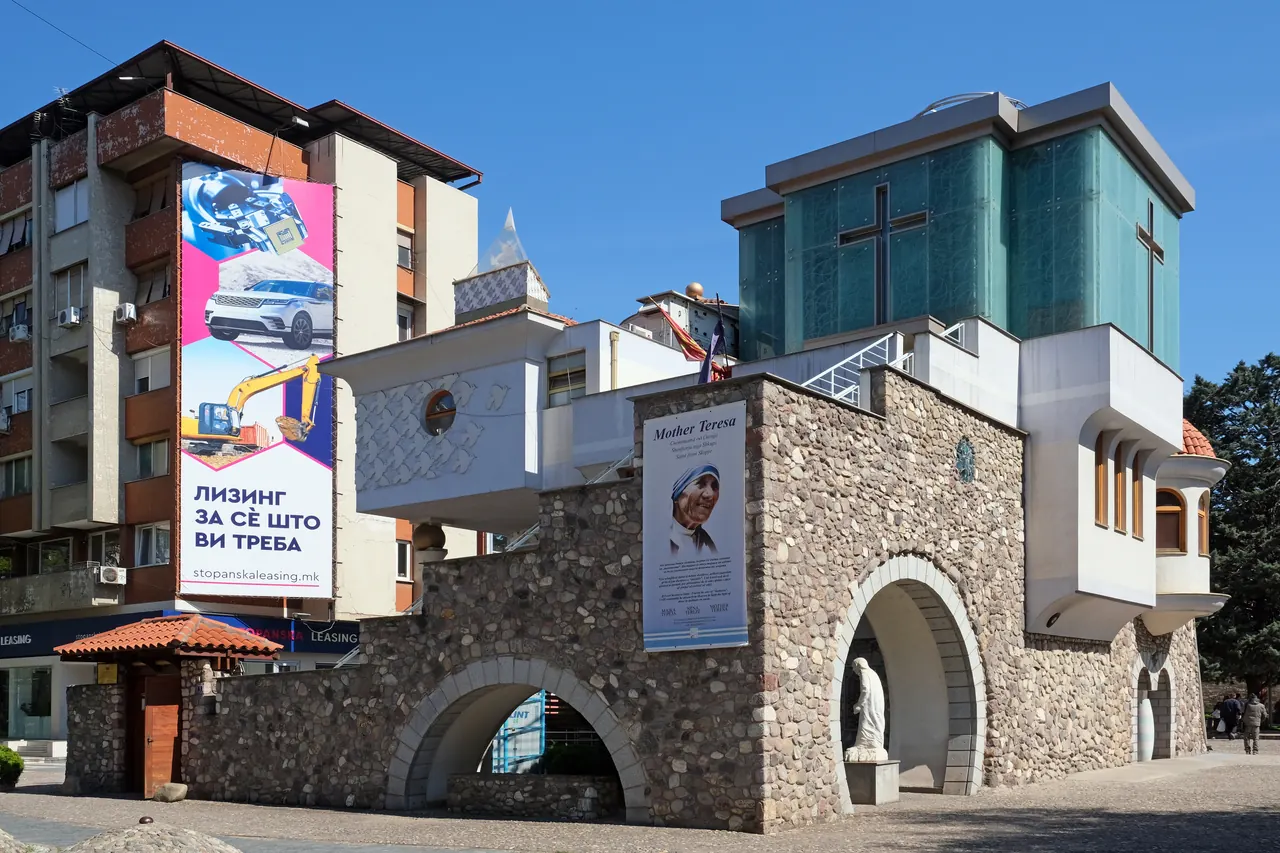
The Mother Teresa Memorial House introduces a biographical thread to a central Skopje walk. Its exhibition begins with old photographs of the city and follows her life from childhood in Skopje to the Missionaries of Charity. Look carefully at the labels: the institution identifies authorised copies among the documents and awards, so not every displayed item should be described as an original. The domestic setting of the exhibition contrasts with the memorial's distinctive exterior.
The chapel above the gallery remains a place for services, and that function should shape your behaviour when visiting. Keep quiet and respect any closed or occupied spaces rather than assuming they are part of an unrestricted museum route. The official site asks organised groups to book ahead and lists different weekday and weekend visitor arrangements. Confirm the details for your date. This stop pairs naturally with Macedonia Square and the Stone Bridge, leaving the Old Bazaar for the next part of the day.
Plan it well: Read original-versus-copy labels and arrange group access beforehand. Treat the chapel separately from the gallery.
Mother Teresa Memorial House official visitor informationLook closely at Holy Saviour's carved interior
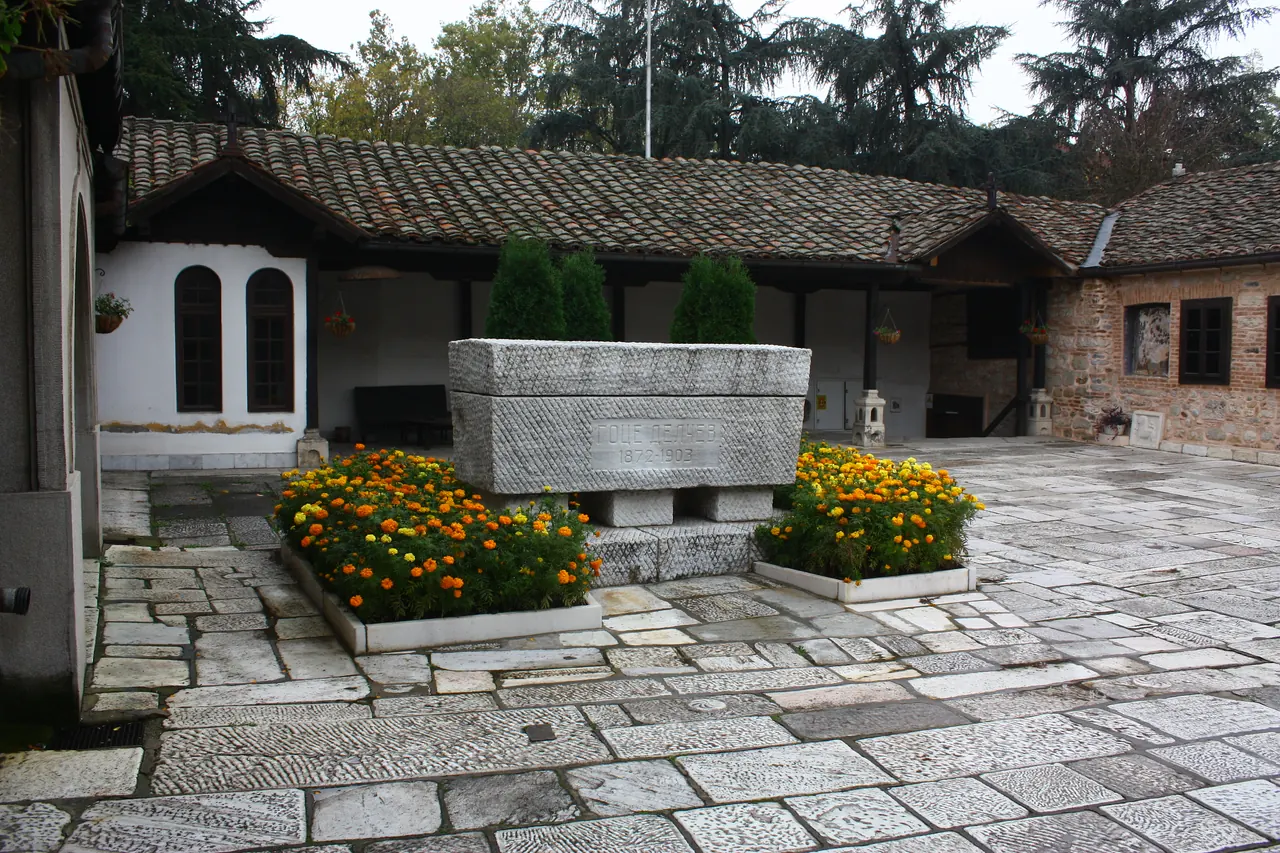
Holy Saviour, also known as Sveti Spas or the Church of the Ascension of Jesus, is a small-scale stop near the bazaar and fortress. Its carved wooden iconostasis is the main reason to seek interior access, a contrast with the large riverside buildings elsewhere in the centre. Look at the carving as an intricate whole before concentrating on individual figures and patterns. The exterior photograph shows why this place can seem understated until you understand what the interior contains.
The courtyard also holds Goce Delcev's tomb, giving the site a commemorative role beyond its church architecture. Approach both aspects with respect and check which spaces are open rather than assuming one entrance admits you everywhere. Ask about photography rules before using a camera inside, and allow for any worship or commemorative activity. Pair the church with a bazaar walk, leaving the climb to Kale for later if you want to linger. A focused visit here is more useful than rushing through merely because the building is physically small.
Plan it well: Use Sveti Spas as an alternative search name and confirm access to the iconostasis before making it a timed highlight.
City of Skopje cultural programme: Church of St SpasExamine national history at the Struggle Museum
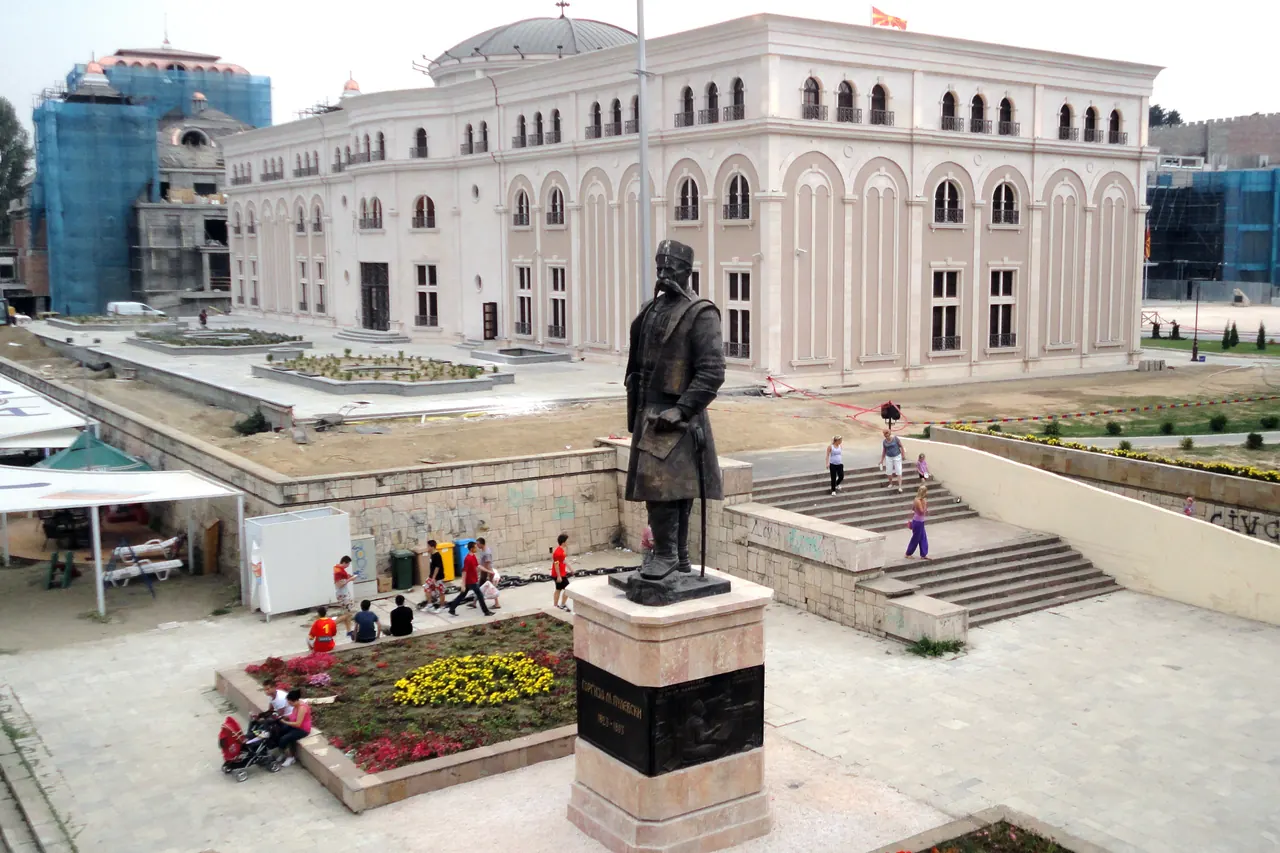
The Museum of the Macedonian Struggle for Independence presents a national historical narrative through its galleries near the Vardar. Its programme covers revolutionary movements and the periods of the Balkan wars and world wars. Give yourself time to examine how events are selected and explained, rather than treating a museum presentation as a complete account of every regional perspective. It is a different visit from the archaeological collection nearby, focused on much more recent history.
The museum's current visitor page explicitly allows independent visits as well as tours with a museum guide. Confirm an available guiding language and arrangement if that matters to you; do not rely on older claims that everyone must join a tour. It also lists a multilingual audio resource with English among the options. Follow the exhibition route and use the rest points when needed. Pair the museum with a riverside walk or a bazaar meal, keeping any second historical collection optional so you have time to absorb what you have just read.
Plan it well: Check the current guiding options and language. The official page describes self-guided visits, museum tours and a multilingual audio resource.
Struggle Museum: tickets and museum guidingSee the solidarity story in contemporary art
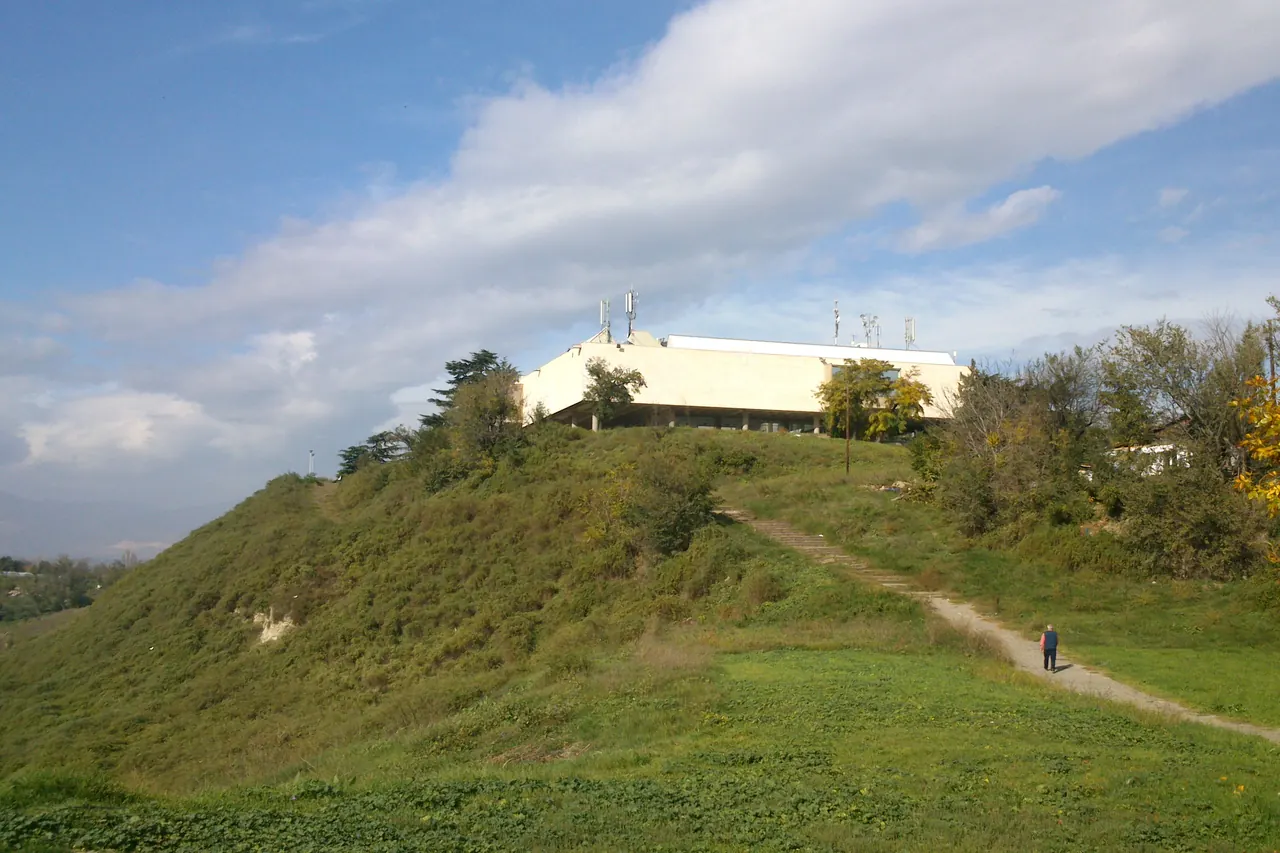
Skopje's Museum of Contemporary Art tells an important part of the city's post-earthquake story. After the 1963 disaster, international donations helped build a collection as part of the wider reconstruction effort; the museum's own history connects the institution and its modernist building to that solidarity. This makes the visit more than an alternative for travellers who have seen enough historic churches. The art and architecture offer another way to understand the city's identity.
Look at the current exhibition programme before climbing the hill, since collection works appear in changing presentations rather than one fixed permanent lineup. A famous artist being represented in the holdings does not guarantee a particular work is on view. Take time outside for the building's setting, then choose a manageable indoor focus. Kale can be a nearby companion if both visitor arrangements suit, but the museum merits its own attention rather than becoming a quick stop between viewpoints. Plan the descent and a break after the galleries.
Plan it well: Verify the current show rather than assuming every well-known donated work is displayed. The museum's reconstruction history adds valuable context.
Museum of Contemporary Art Skopje: historySeparate the archaeological collection from its facade
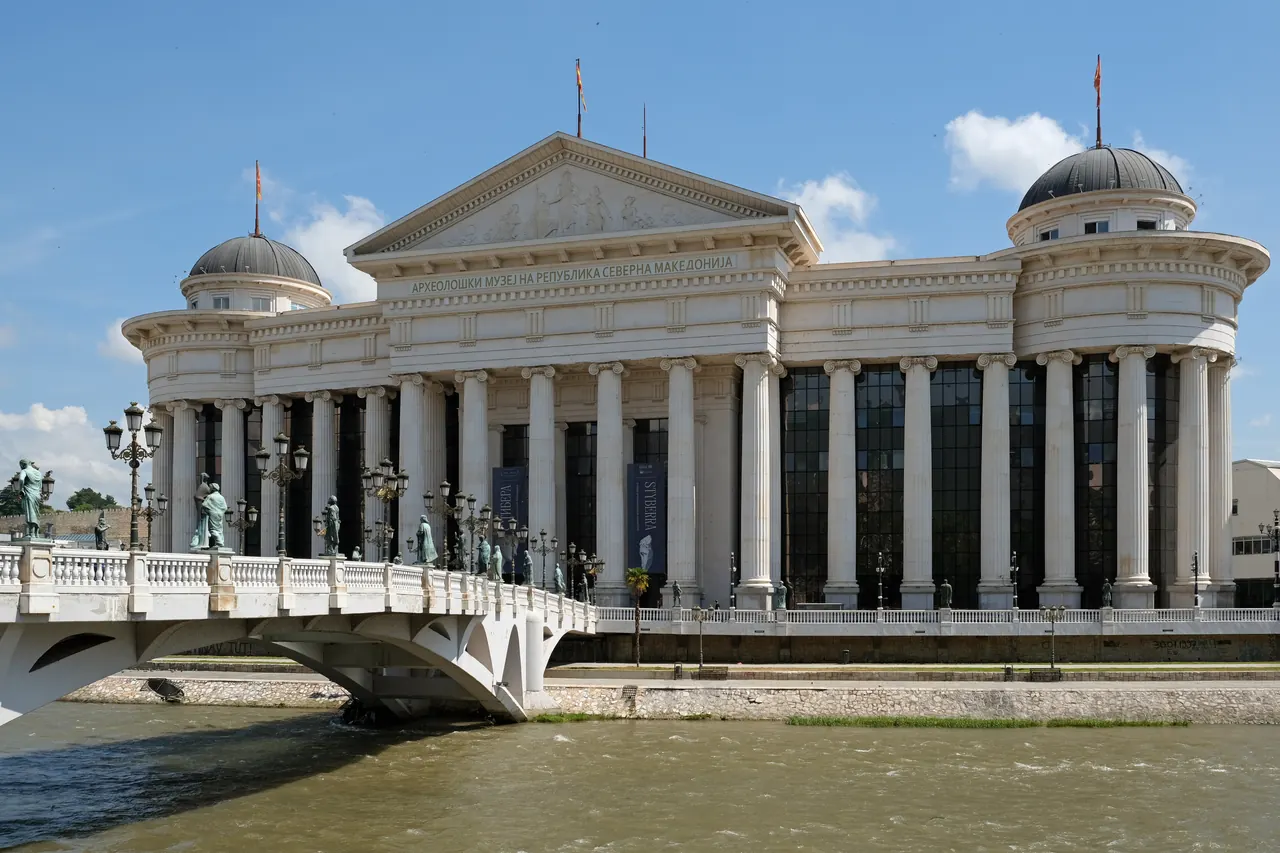
The Archaeological Museum has a prominent riverside facade, but the collection is the reason to go beyond the bridge photograph. Approach the displays through find locations, materials and chronology so that objects from different parts of the country do not blur into a generic ancient past. The museum's permanent collection and changing exhibitions can offer a much deeper visit than the building's dramatic exterior suggests. Choose this stop when older material culture interests you more than another city panorama.
Check whether a temporary exhibition needs a separate ticket and arrange guiding in your preferred language through the museum. Its visitor page distinguishes admission categories and gives a contact for organised visits; avoid assuming a package advertised elsewhere has identical inclusions. If access requirements matter, ask about the actual route and available assistance before arrival rather than judging solely from the frontage. The museum also publishes accessibility resources, including tactile images and sign-language material. A focused collection visit followed by a short riverside walk makes a balanced afternoon without immediately entering another large museum.
Plan it well: Ask which exhibitions and guiding are included, and confirm any access needs directly with the museum before your visit.
Archaeological Museum of North Macedonia: plan your visitChoose your pace at Matka Canyon
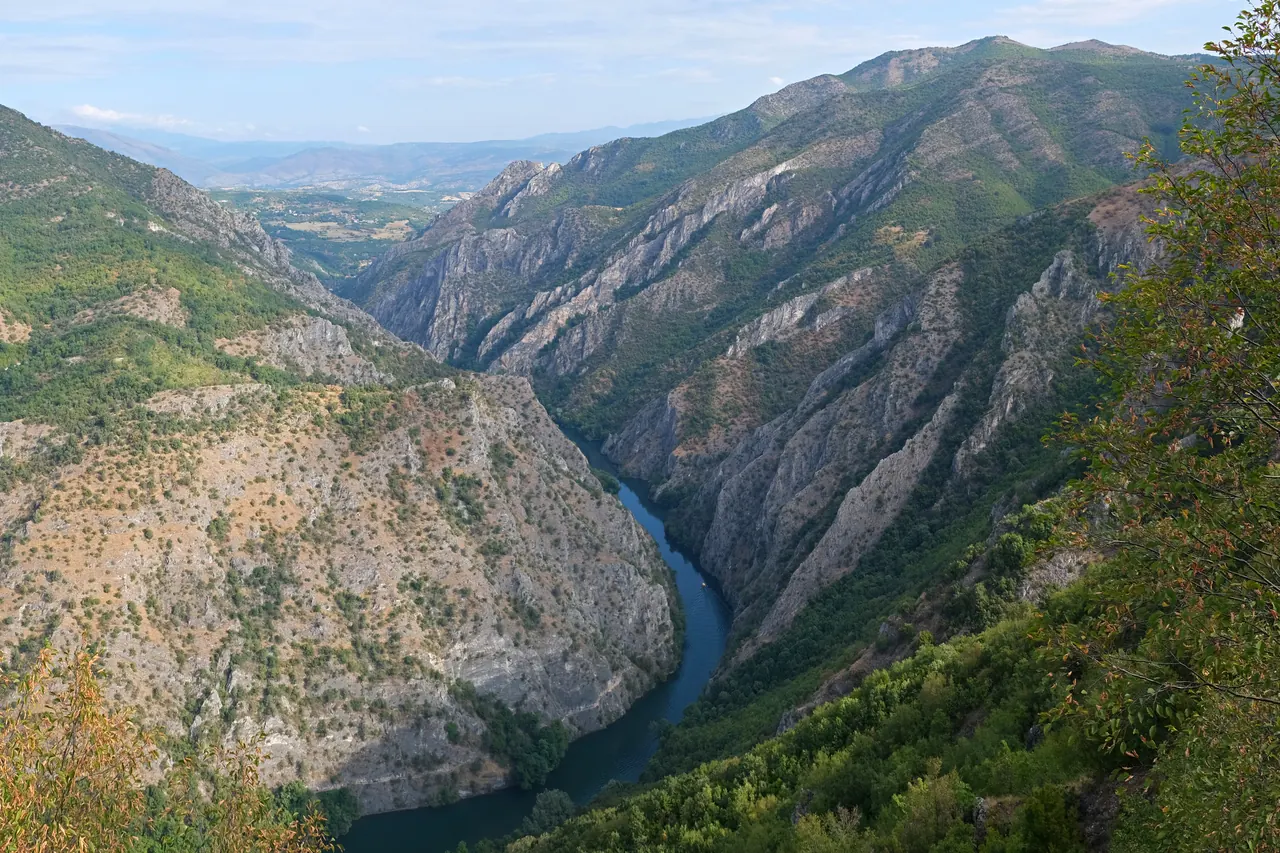
Matka is a separate excursion west of Skopje, where water, cliffs and wooded slopes change the scale of the day. The tourism agency identifies walking, kayaking and boat trips among the possible experiences, including trips towards Vrelo Cave. Choose one main activity rather than assuming you can arrive, walk every path and fit in a boat excursion before lunch. A shoreline visit and an organised cave trip are different ways to spend time here, with different arrangements.
Confirm transport back to Skopje before setting out, and check the actual path conditions and weather when deciding how far to walk. Follow barriers and turn back if the route does not suit your footwear, confidence or mobility. For a boat or kayak, agree the route, equipment, return time and whether a cave stop is included with the operator; seeing a boat beside the shore does not establish any of those details. Bring water and leave flexibility for changing conditions. Keep Vodno for another outing instead of treating both landscapes as quick city-centre stops.
Plan it well: Arrange the return journey and confirm boat inclusions before paying. Choose a route that fits the day's conditions and your group.
North Macedonia tourism agency: Matka LakePlan Vodno around the Millennium Cross
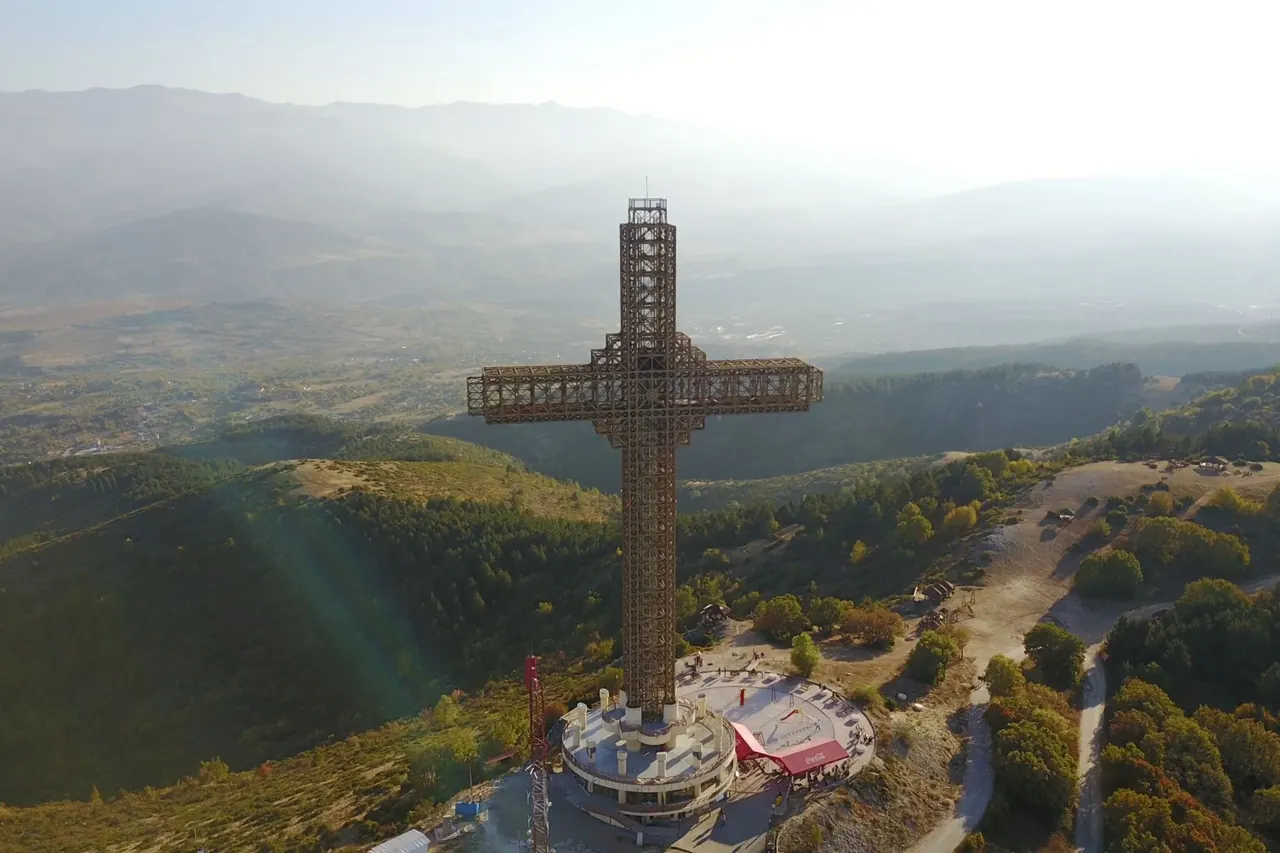
The Millennium Cross marks the summit area of Vodno and offers a mountain-side perspective on Skopje's valley. The national tourism brochure describes the usual cable-car approach from Middle Vodno, but that description is not confirmation that the service will run on your chosen day. Make the journey for the landscape as well as the monument, allowing time to look towards the city and understand how the surrounding hills shape its setting.
Confirm current cable-car operation, the final downward journey and transport to Middle Vodno before leaving the centre. Do not rely on an old published timetable without checking the arrangements for your date. If the lift is unavailable, a walk to the summit is not an equivalent casual substitute: assess the distance, gradient, daylight and weather and use an established suitable route. Bring layers and water even when the city feels warm. Treat this as a distinct outing, with Matka as an alternative rather than another compulsory stop on the same afternoon.
Plan it well: Verify operation with the local operator or tourist information before travelling. Do not assume the cable car or a return connection is available.
North Macedonia tourism agency: Skopje visitor brochureHow to spend two days in Skopje
Day one: two banks and the bazaar
Begin at the Mother Teresa Memorial House, walk to Macedonia Square and cross the Stone Bridge. Explore the Old Bazaar with a meal break and Holy Saviour if its interior is open. Add Kale or one riverside museum, not every collection in succession.
Day two: choose the landscape or more art
Make Matka the main excursion, or plan a Vodno visit only after confirming access and the return journey. For a city-based alternative, visit the contemporary art museum and the archaeological or Struggle Museum you missed. Matka and Vodno are alternatives, not one continuous walking route.
Before you go
Choose museum language and format
Confirm guiding and exhibition inclusions directly. The Struggle Museum lists independent visits, guided options and a multilingual audio resource.
Struggle Museum visitor arrangementsSeparate outdoor excursions
Matka and Vodno need transport and weather planning beyond the central walk. Confirm your way back before committing to a boat, mountain route or cable-car journey.
Respect religious and working spaces
Bazaar workshops, Holy Saviour and the memorial chapel have functions beyond tourism. Ask before photographing people or entering spaces that are not clearly public.
Where to stay in Skopje
A central address on either side of the Vardar suits a first visit built around the bridge, bazaar and museums. Compare late-night noise, the actual entrance and routes across the river rather than relying only on distance to Macedonia Square. A base near the bazaar gives a different daily setting from the broad streets south of the river; hillside properties can involve steeper approaches. For Matka or Vodno trips, check transport pickup and return arrangements independently of the hotel's sightseeing description.
Explore Skopje hotels