
Naypyidaw city guide
10 things to do in Naypyidaw
Understand Naypyidaw through its pagodas, museum, gardens and older town of Pyinmana. This conditional planning guide puts current travel advice and post-earthquake access checks ahead of sightseeing.
Plan your visit
Naypyidaw is not a destination to approach as a routine, easily available city break. At review, the UK FCDO no longer advises against all but essential travel to Naypyitaw Region, but explicitly warns of heightened risk and says visitors should seek local advice. Its wider Myanmar guidance describes conflict, volatile security conditions and travel restrictions elsewhere; a route to the capital must be assessed separately from the city itself. Read the current regional guidance at https://www.gov.uk/foreign-travel-advice/myanmar/regional-risks before making arrangements. The March 2025 earthquake significantly affected Naypyitaw and damaged infrastructure, including hospitals and roads, according to FCDO. This guide identifies ten places of interest, not ten confirmed-open venues. Historic tourism inventories, dated photographs and a verified map pin do not establish current structural condition, opening, permission to enter or a viable journey. Ask your accommodation, transport provider and the relevant site for date-specific information, and be prepared to leave a stop out or defer travel. The suggested two days apply only where travel and visits are appropriate and confirmed.
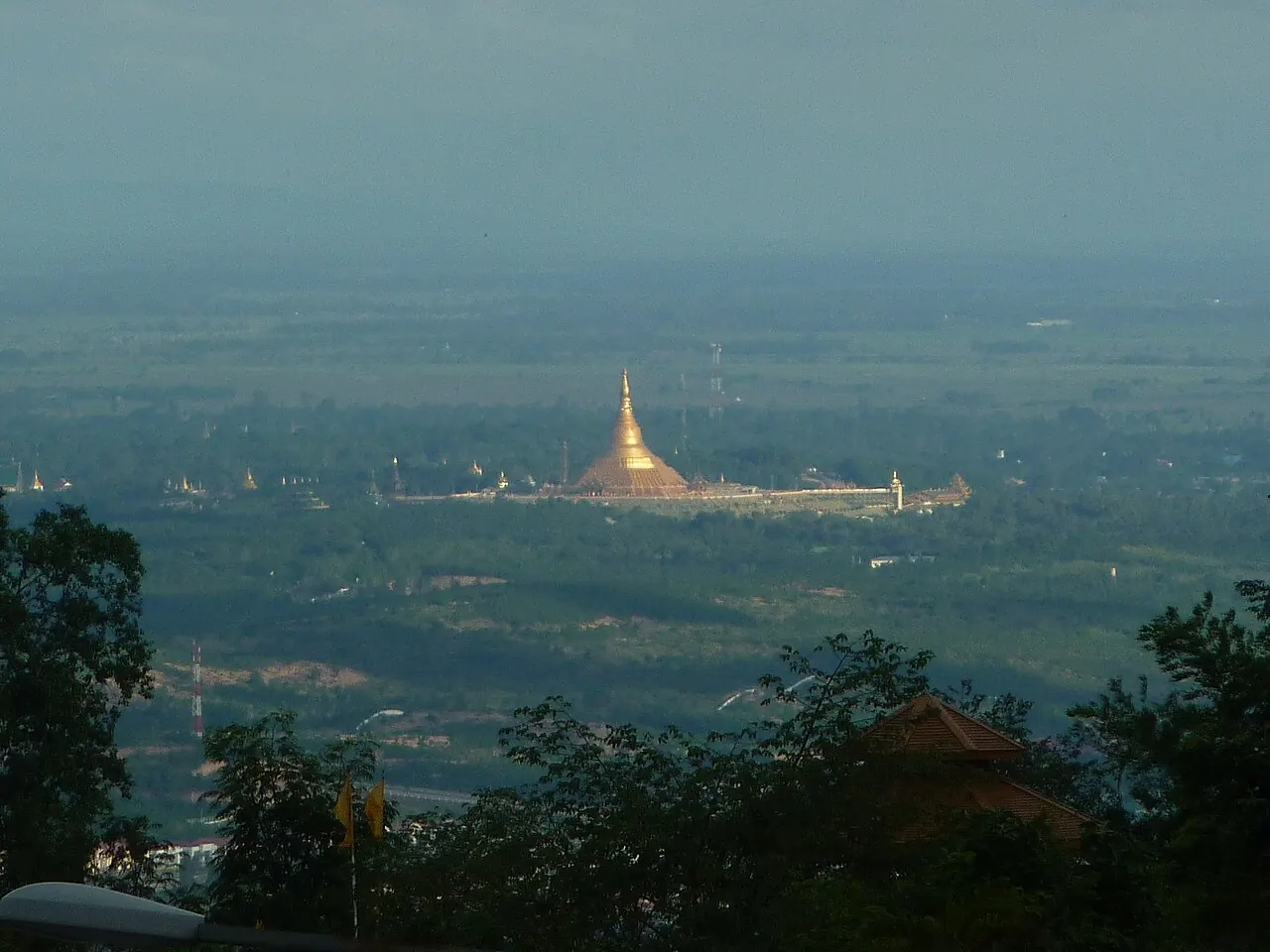
Consider Uppatasanti Pagoda as a landmark and religious place
Uppatasanti Pagoda is one of the capital's defining religious landmarks, identified in the tourism ministry's destination overview. Its large gilded form gives a clear contrast to the dispersed roads and districts around it. If a visit is appropriate and access has been confirmed, approach it as a place of worship rather than a viewing platform for the planned city. Time spent observing architectural details from permitted areas can be worthwhile without assuming that every chamber or terrace is available.
Ask separately about the grounds, interior spaces and any restrictions following earthquake damage or repairs; an old photograph cannot answer those questions. Dress respectfully and follow local instructions about removing shoes and socks at religious entrances. Plan your transport pick-up before leaving the vehicle, and avoid extending the visit to nearby administrative areas simply because they appear close on a map. For photographs, check the site rules and keep worshippers out of an intrusive close-up. A shorter, permitted exterior visit is preferable to pursuing an unconfirmed interior.
Plan it well: Confirm which part of the pagoda complex may be visited; a landmark listing is not an opening notice.
Myanmar tourism ministry: Nay Pyi Taw monumentsUse the Water Fountain Garden as a conditional outdoor pause
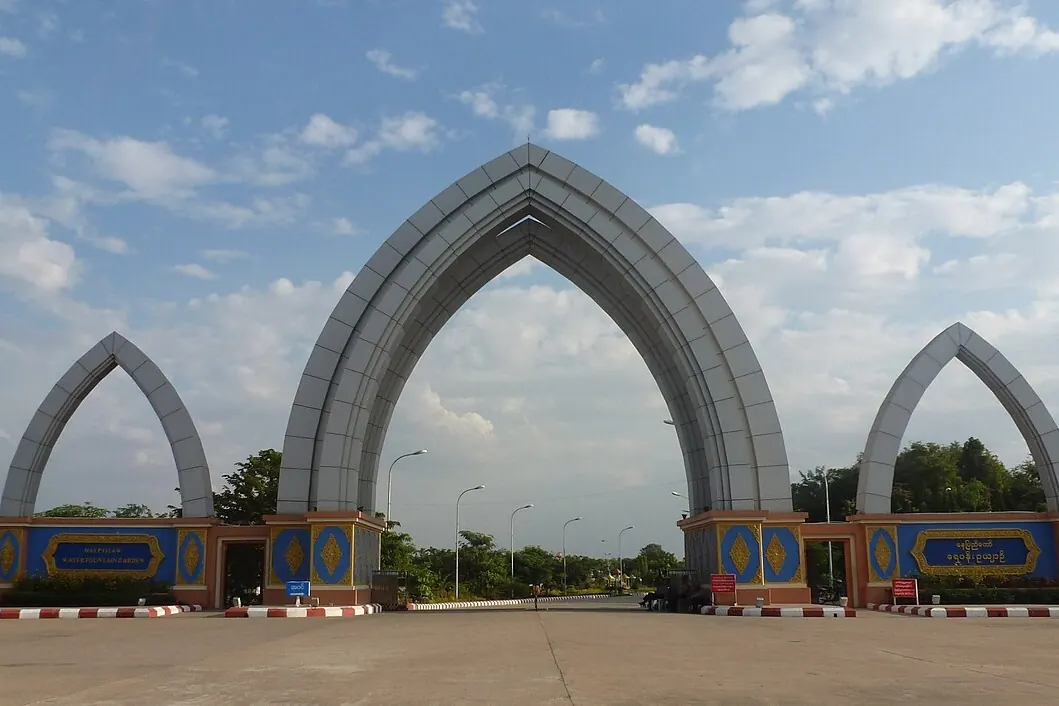
The Water Fountain Garden is described in the tourism ministry's historic attraction inventory as a landscaped public attraction with an arched entrance and water features. Its interest is in how recreation was planned into the new capital, not merely whether a fountain produces a particular display. If the grounds are currently accessible, a modest walk can provide a break between more concentrated cultural visits. Notice the relationship between broad paths, planting and large-scale structures without making a working light show the purpose of the trip.
Do not rely on older guides that promise nightly shows, playgrounds or operating fountains. Ask what is available on your actual date and whether any parts of the grounds are closed. Because the garden is near administrative surroundings, follow local boundaries carefully and do not photograph official buildings or security personnel as an extension of the visit. Choose a confirmed return arrangement and a time compatible with local security advice. Shade, drinking water and a manageable walking distance matter more than completing every corner of a large site.
Plan it well: No fountain show or evening opening is confirmed here; verify the actual programme before planning around it.
Myanmar tourism ministry: Water Fountain GardenRead the capital's cultural presentation at the National Museum
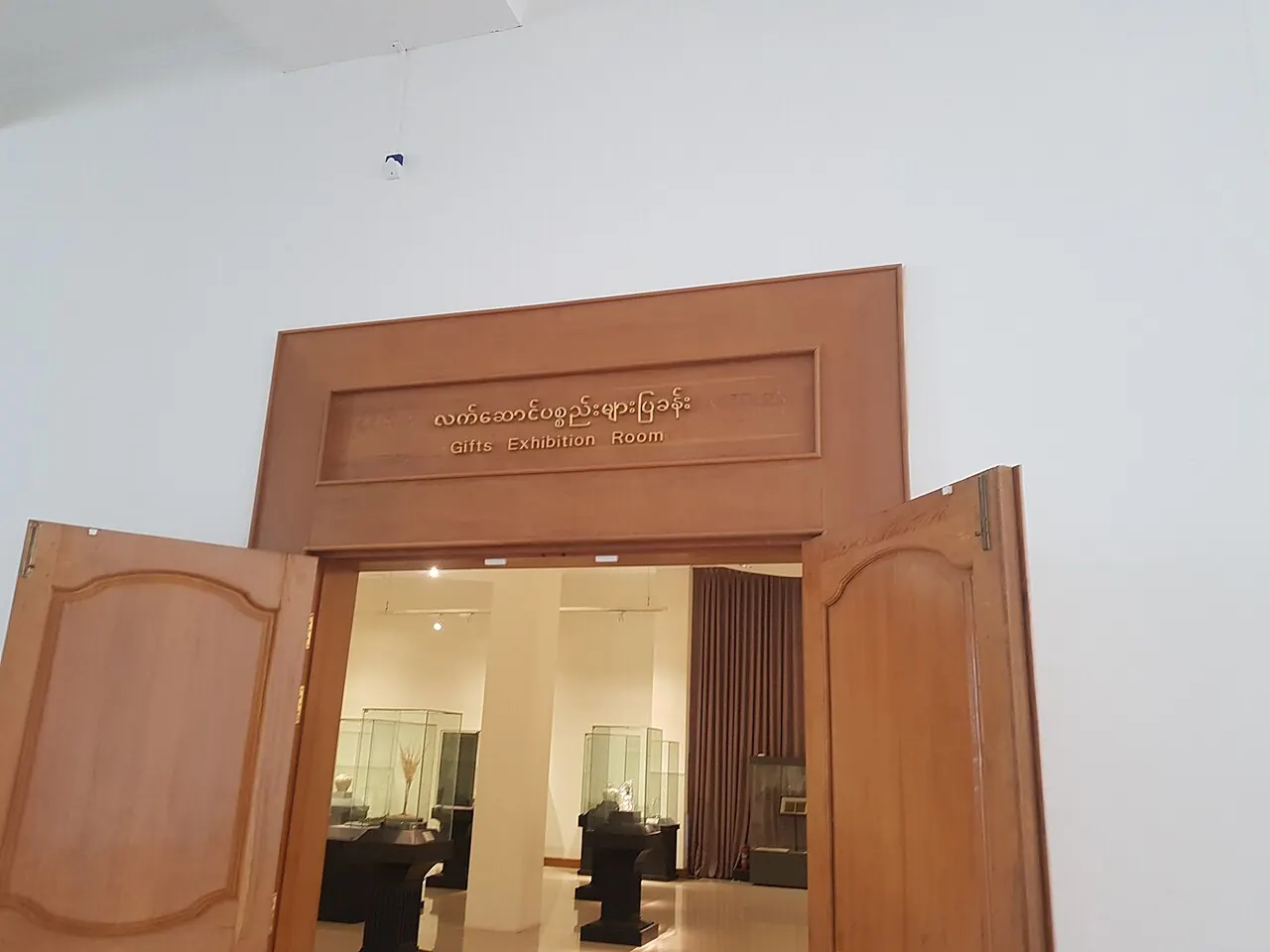
The National Museum offers a different way to understand the capital from its monumental religious and administrative landmarks. A government news report dated 12 March 2026 describes the reopening of several halls after earthquake repairs. That is useful dated evidence, but not a promise about the galleries available when you arrive. If the museum confirms a visit, choose a focused route through the displays and pay attention to how objects, labels and national narratives are brought together.
A museum visit can help you place the city's monuments within a broader cultural story, especially if you read beyond the most visually striking objects. Ask which halls are open, what language support is available and whether guided interpretation needs to be arranged. Do not carry the report's temporary free-entry offer or its published charges forward as guaranteed current terms. Build the visit around the confirmed entry arrangements, leave room for a rest and avoid turning one reopening announcement into evidence that other nearby attractions have also resumed normal access.
Plan it well: The March 2026 report is dated reopening evidence; obtain current gallery and admission information separately.
Myanmar Digital News: dated museum reopening reportLook at the National Herbal Park as a botanical collection
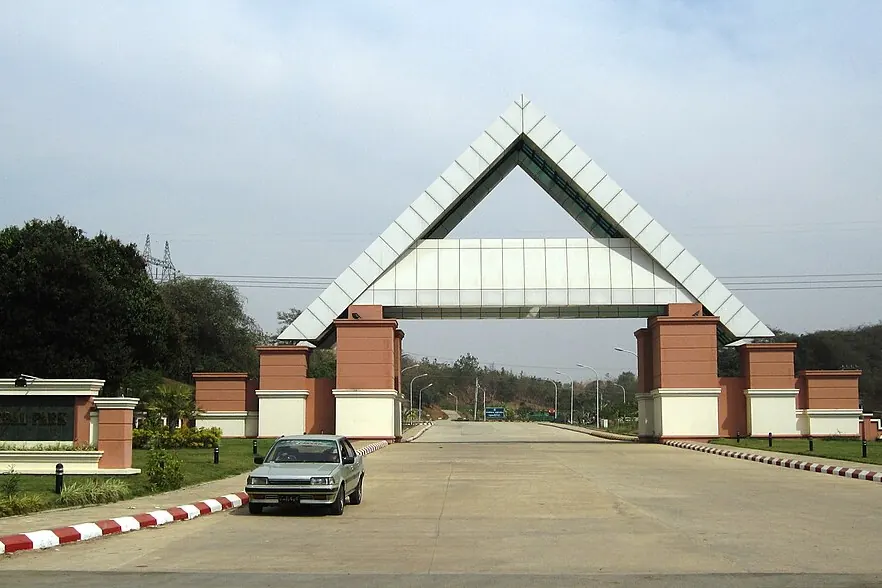
The National Herbal Park belongs to the capital's established attraction inventory and offers a plant-focused alternative to monumental sightseeing. If the collection is accessible, look for labels, growth forms and the way planting is organised rather than expecting a conventional ornamental garden. A botanical interest can make a short route worthwhile: compare leaves, shade and the different uses described by the interpretation. Treat traditional plant knowledge as a subject to learn about, not an invitation to collect specimens or try unfamiliar remedies.
Check current path conditions, available interpretation and which parts of the park are maintained for visitors before making it a dedicated journey. Do not assume historic counts of species or old free-admission claims still describe the site. Ask before photographing staff or any research activity, keep to the permitted paths and leave plants untouched. A visit should suit the weather and your walking needs, with transport waiting at an agreed point. This is an optional specialist stop, particularly rewarding for someone interested in botany rather than an essential extra on every itinerary.
Plan it well: Do not pick, taste or purchase a plant as a treatment on the strength of a garden label.
Myanmar National Portal: historic destination inventoryAssess a visit to Naypyidaw Zoological Gardens
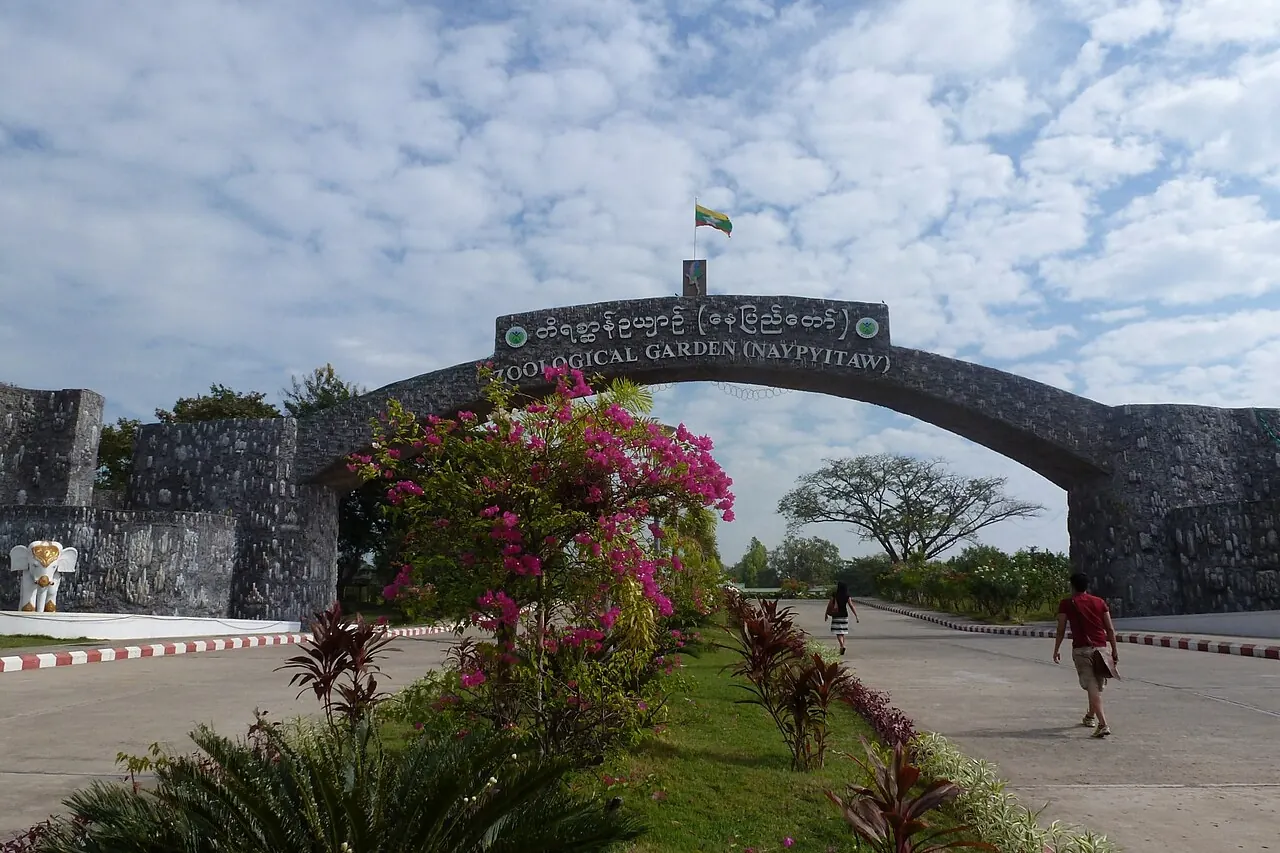
Naypyidaw Zoological Gardens is a distinct attraction from the adjacent safari park, and the two should not be treated as one automatically combined ticket. A state-broadcaster report dated June 2026 discusses an inspection of both facilities and their visitor displays. It does not provide a complete current admission guide. If an animal-focused visit interests your group, ask the operator about access, facilities and the parts of the zoo actually available before committing to the northern journey.
Approach the visit with attention to animal welfare as well as recreation. Observe from designated areas, avoid feeding, touching or paying for close-contact experiences, and be willing to leave an activity that does not meet your expectations. Historic publicity lists particular species, but that is not evidence that those animals are currently on display. Families should plan a route, shade breaks and a dependable return rather than promising children a long list of sightings. Choosing this or the safari park can leave a more manageable day than attempting both.
Plan it well: Confirm current facilities and animal-viewing arrangements; old species lists are not a sighting guarantee.
Myanmar International TV: June 2026 zoo and safari inspectionDistinguish the Safari Park from the zoo
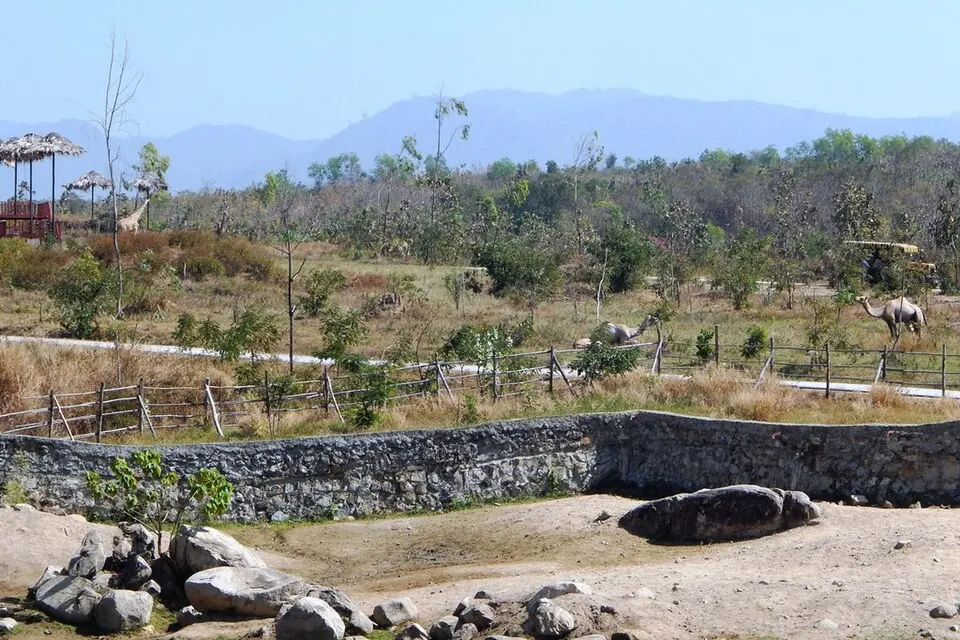
The Safari Park was developed as a separate animal-viewing facility, and its historic Forestry Department description is useful for understanding that distinction. A vehicle-based circuit, where currently operating, would make a different visit from walking through the zoological gardens. Before choosing it, find out how the circuit works now rather than assuming that old publicity about buggy rides, geographic zones or particular animals remains accurate. The northern location also makes it a deliberate outing rather than a quick diversion between central stops.
Ask about the vehicle, boarding point, duration, accessibility and return arrangements, and decline a journey if the conditions or animal welfare practices are unsuitable. Remain within authorised visitor areas and do not leave a vehicle for a closer photograph. A safari attraction is still a managed captive-animal setting, not a wilderness expedition. Choose between this and the zoo according to your interests and the verified operation on the day, then leave time for rest. Combining them is optional and should not be assumed possible merely because their map pins are near one another.
Plan it well: The 2020 Forestry Department inventory establishes the attraction, not a current vehicle service or ticket arrangement.
Myanmar Forestry Department: historical safari park overviewCompare the architecture at Thatta Thattaha Maha Bawdi
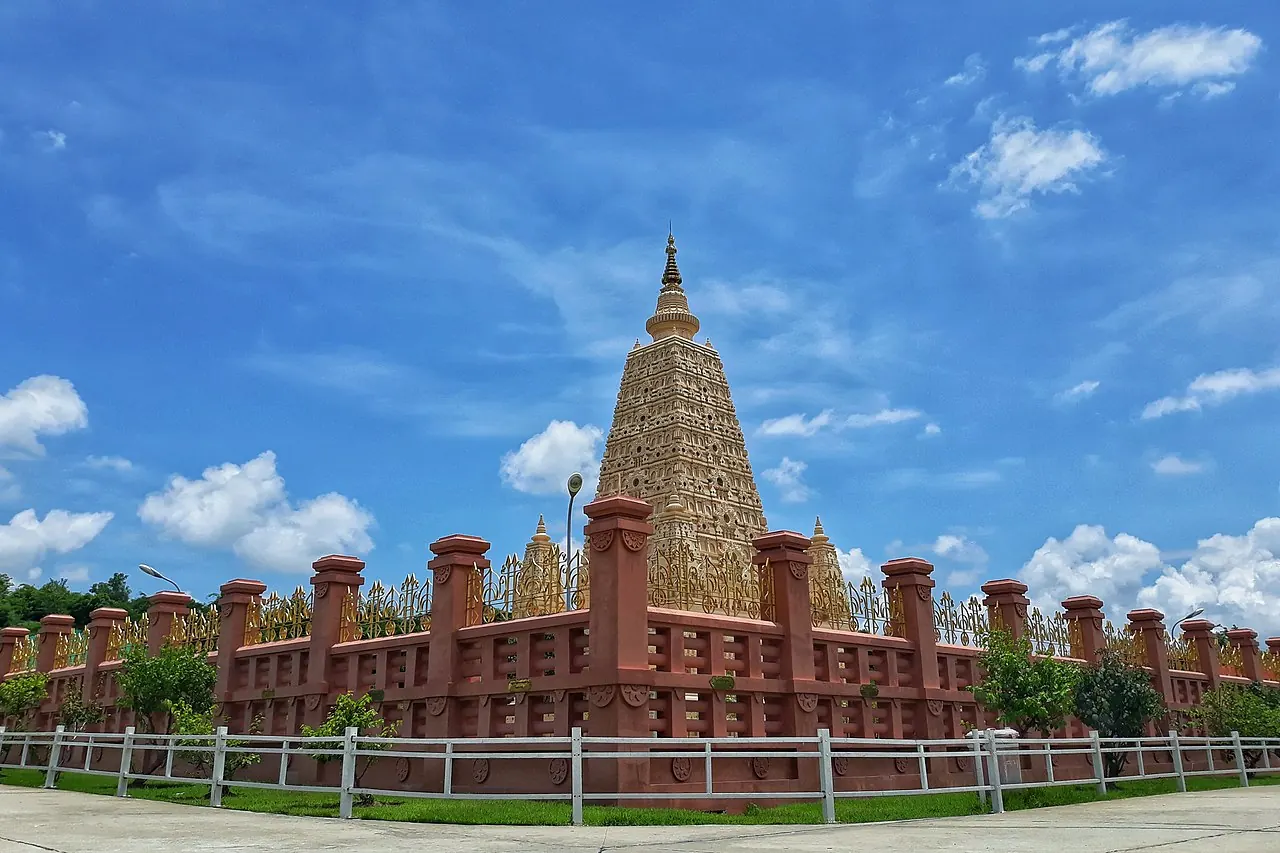
Thatta Thattaha Maha Bawdi is identified by the tourism ministry as a pagoda inspired by the sacred Buddhist site at Bodh Gaya in India. Its form offers a useful architectural contrast to Uppatasanti's gilded stupa. If visits are permitted, look at the overall composition and the smaller elements that support the religious setting rather than treating it as an interchangeable temple stop. The local attraction is in Naypyidaw; the architectural reference does not mean this is the Indian pilgrimage site itself.
This is a more northerly destination than several of the city's better-known central attractions, so confirm the approach and return plan before adding it to a day. Ask which spaces may be entered and follow religious customs at the boundaries of sacred areas. There is no need to seek out every structure if weather, repairs or local instructions limit the route. Pairing it with another northern stop may reduce repeated driving, but only when both visits and the route between them have been confirmed as appropriate.
Plan it well: Specify the full Naypyidaw pagoda name when arranging transport; do not use Bodh Gaya alone.
Myanmar tourism ministry: Buddhagaya Maha Bawdi PagodaConsider a respectful neighbourhood visit in Pyinmana
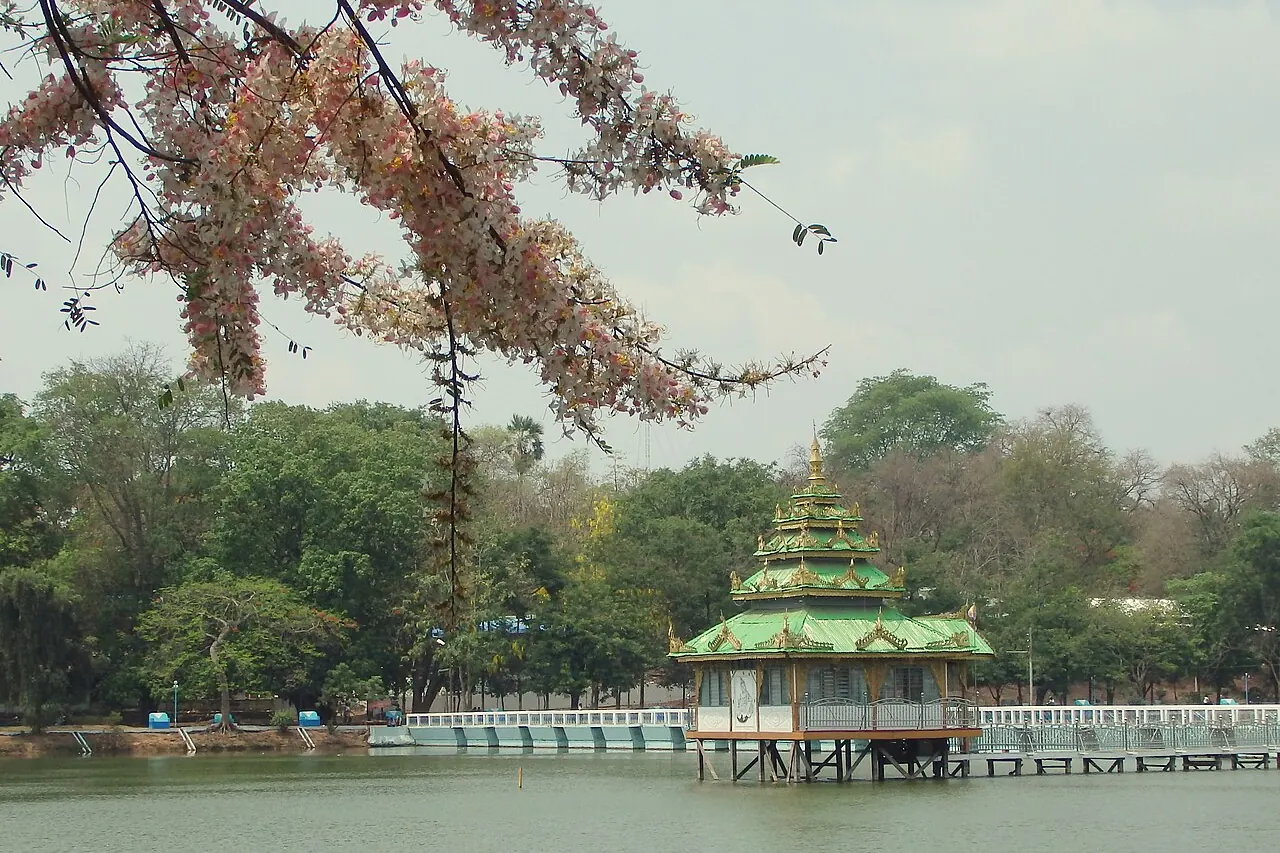
Pyinmana offers a town setting distinct from the monumental scale associated with the planned capital. If a local visit is appropriate, keep it modest: a confirmed meal, a short permitted walk and attention to ordinary streets can be more meaningful than searching for a spectacle. This is a lived-in place, not an open-air museum of an earlier Myanmar. Treat businesses and residents as people going about their day, and ask before turning daily activity into a photograph.
Seek date-specific local advice about the route, timing and any restrictions rather than interpreting a town-centre coordinate as an invitation to wander. The map pin identifies Pyinmana broadly and is not a specific restaurant or meeting place; arrange an exact destination with your provider. Avoid political gatherings, official compounds and intrusive questions about security. Allow the people hosting or transporting you to change the plan if circumstances require it. The value of this optional stop is in a respectful, locally appropriate encounter, not in collecting evidence that the capital is supposedly empty.
Plan it well: Agree an exact meeting place and permitted route; the town-level coordinate is only an orientation anchor.
FCDO: regional risk and local-advice guidanceUnderstand Maravijaya Buddha as a contemporary religious monument
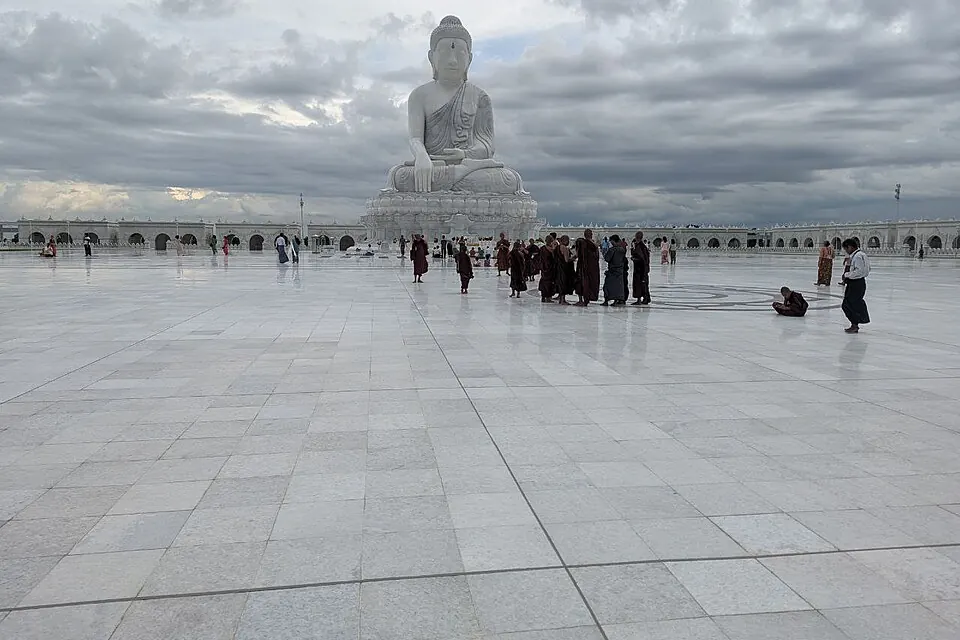
Maravijaya Buddha provides a contemporary counterpart to the capital's other religious monuments. Its large seated image and surrounding setting invite attention to the relationship between devotional space, scale and public ceremony. A government report from July 2026 records a cleansing and consecration event at the site, but attendance at an official ceremony is not the same as ordinary visitor access. If you are considering a visit, start by establishing the arrangements for your date rather than using the report as an opening announcement.
When entry is confirmed, keep the visit focused on the permitted religious area and respect worshippers, dress expectations and photography instructions. Do not assume access to adjoining buildings or grounds simply because they appear in publicity photographs. This southern stop belongs in a different transport cluster from the northern zoo and Maha Bawdi, so choose the day's priorities before travelling. A single carefully arranged religious visit can be enough; comparing architectural forms does not require entering every complex. Leave space for changed plans if ceremony preparations or local restrictions affect the site.
Plan it well: An official ceremony report does not establish unrestricted public entry; confirm visitor arrangements separately.
Myanmar Digital News: July 2026 Maravijaya ceremony reportNotice the scale of Naypyidaw Central Railway Station
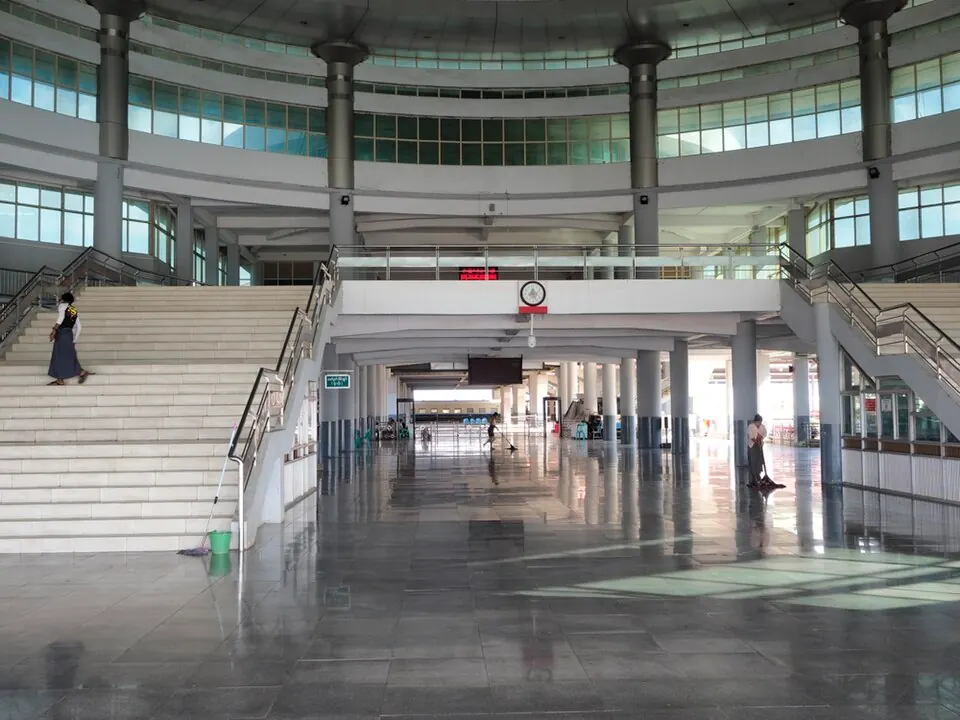
Naypyidaw Central Railway Station is a useful architectural expression of the capital's large-scale planning. Its broad circulation spaces and transport role make it different from the pagodas and museum, but it should not be treated as a freely accessible sightseeing interior. If you are already travelling through it, or a permitted architecture stop can be arranged, observe the relationship between the building, its entrances and the surrounding distances. Historic interior photographs show the place, not its current condition or permission to enter.
A Ministry of Information announcement from October 2025 describes a Yangon-Nay Pyi Taw service extension; do not reuse its timetable or fares as a present guarantee. For an actual rail journey, obtain current station information and read FCDO's rail guidance, which warns about unreliable timetables and lower safety standards. Arrange onward transport before arrival, because a station pin does not tell you how to reach a distant hotel. For an architecture-only stop, confirm photography and access rules and avoid platforms, restricted areas or security personnel.
Plan it well: Check the actual departure with the station; the 2025 announcement is not a current timetable.
Ministry of Information: dated railway service announcementHow to spend two days in Naypyidaw
Day 1: a conditional central and southern plan
Only proceed if travel, accommodation and local conditions have been checked and the individual visits confirmed. Choose a National Museum visit and either Uppatasanti or Maravijaya, with a meal and substantial rest between journeys. Add the Water Fountain Garden only if public access is confirmed; no evening fountain show is assumed. Stop or change the day if local advice requires it.
Day 2: choose one locally appropriate cluster
If the northern route and sites are confirmed, consider Maha Bawdi and either the zoo or Safari Park, not an obligatory visit to both. The central station is relevant only with permission or an actual verified journey. Alternatively, choose a shorter Herbal Park or Pyinmana outing with a clearly agreed meeting place. This is a conditional planning outline, not evidence that any venue or transfer is currently available.
Before you go
Read current official advice first
Check your own government's Myanmar advice and the FCDO regional page. Naypyitaw's advisory status does not establish the suitability of an overland route through other regions. Seek current local advice and be prepared to defer.
Confirm post-earthquake access
FCDO records serious March 2025 earthquake effects in Naypyitaw. Ask each site about the actual spaces available and your provider about the route, rather than relying on historic photographs or tourist inventories.
Arrange transport and a return
Agree exact destinations, meeting points and a return plan with a suitable provider. Keep the day selective and do not assume wide roads mean reliable services or unrestricted movement.
Respect restrictions and religious customs
Follow local instructions, dress appropriately for religious visits and remove footwear where required. Do not photograph police, military personnel, installations or demonstrations; do not add a drone to the trip on the assumption that sightseeing permits it.
Check accommodation and practical support
Confirm that your chosen property is operating, can provide the services you need and has current contact details. Review insurance coverage and official emergency guidance before departure; neither a hotel booking nor this guide resolves travel risk.
Choose a base that fits your plans
If travel is appropriate, choose an operating property by its exact location, verified services and transport arrangements rather than a historic hotel-zone label. Large distances can separate accommodation from the museum, northern attractions and southern religious sites. Ask the property directly about present condition following earthquake repairs, meals, communications and dependable transfers. Check ownership and location where these affect your risk assessment, and confirm flexible booking terms. This guide does not endorse any hotel as safe, open or suitable on a future date.
Explore Naypyidaw hotels