
Ulaanbaatar city guide
10 things to do in Ulaanbaatar
Living Buddhist tradition, Mongolian history and fine art, plus two realistic countryside options beyond the capital's central streets.
Plan your visit
Ulaanbaatar rewards time on foot around its central museums and time away from traffic in its surrounding landscapes. The list separates city visits from two countryside excursions: Terelj and Tsonjin Boldog are not quick extra stops between galleries. Choose a pace that leaves room for weather, traffic and the museum you most want to understand.
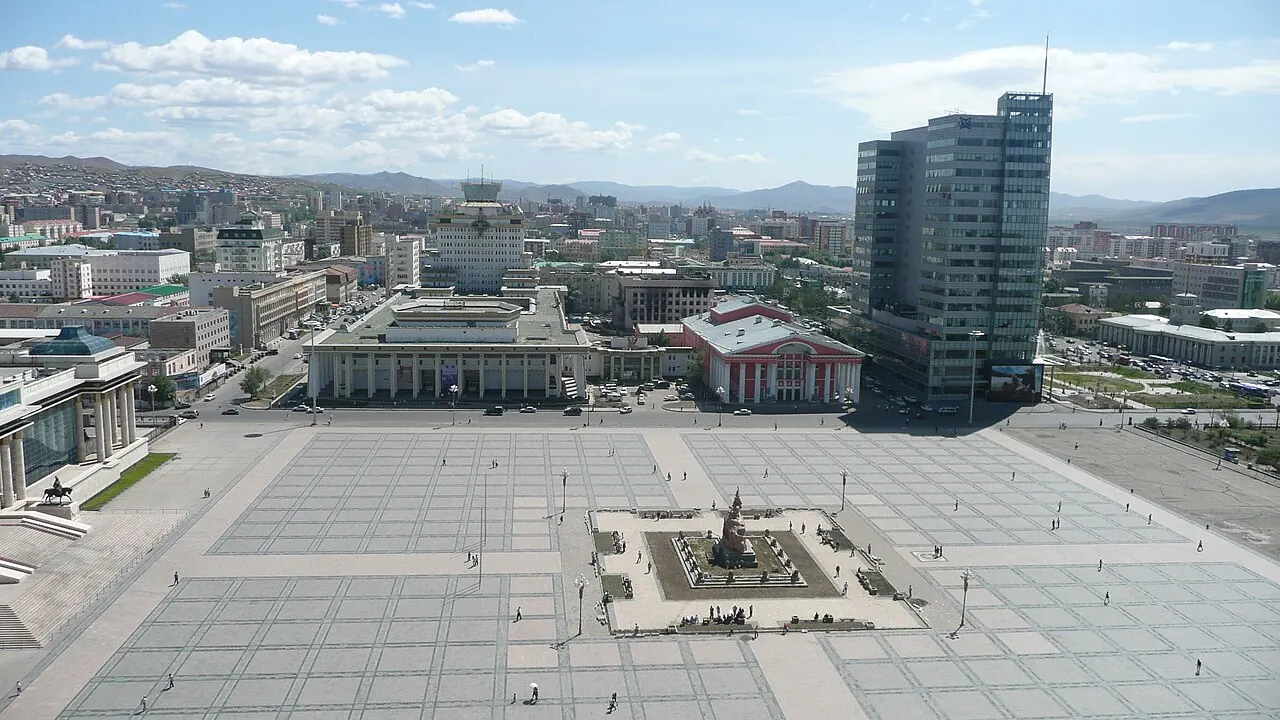
Start with the civic centre at Sukhbaatar Square
Sukhbaatar Square is the simplest place to orient yourself before tackling the city's historical collections. The large open plaza lets you see how monuments, public buildings and newer towers share the centre, while its different statues introduce names you will meet again in museum labels. Walk around the edges as well as through the middle; looking back across the space helps distinguish the square's civic role from the surrounding commercial streets.
Use this as the beginning of a central walking route rather than a destination that needs a rigid appointment. The National Museum and Chinggis Khaan Museum lie nearby, but choose the one you want to explore properly instead of rushing through both. Public events can affect where you may cross or stand. Keep clear of official entrances, take care at the surrounding roads and save a sheltered break for days when the exposed square is cold or windy.
Plan it well: Identify both central museums before choosing your next stop; their collections are not interchangeable.
Ulaanbaatar Tourism Department: city visitor guideVisit Gandan as a living monastery
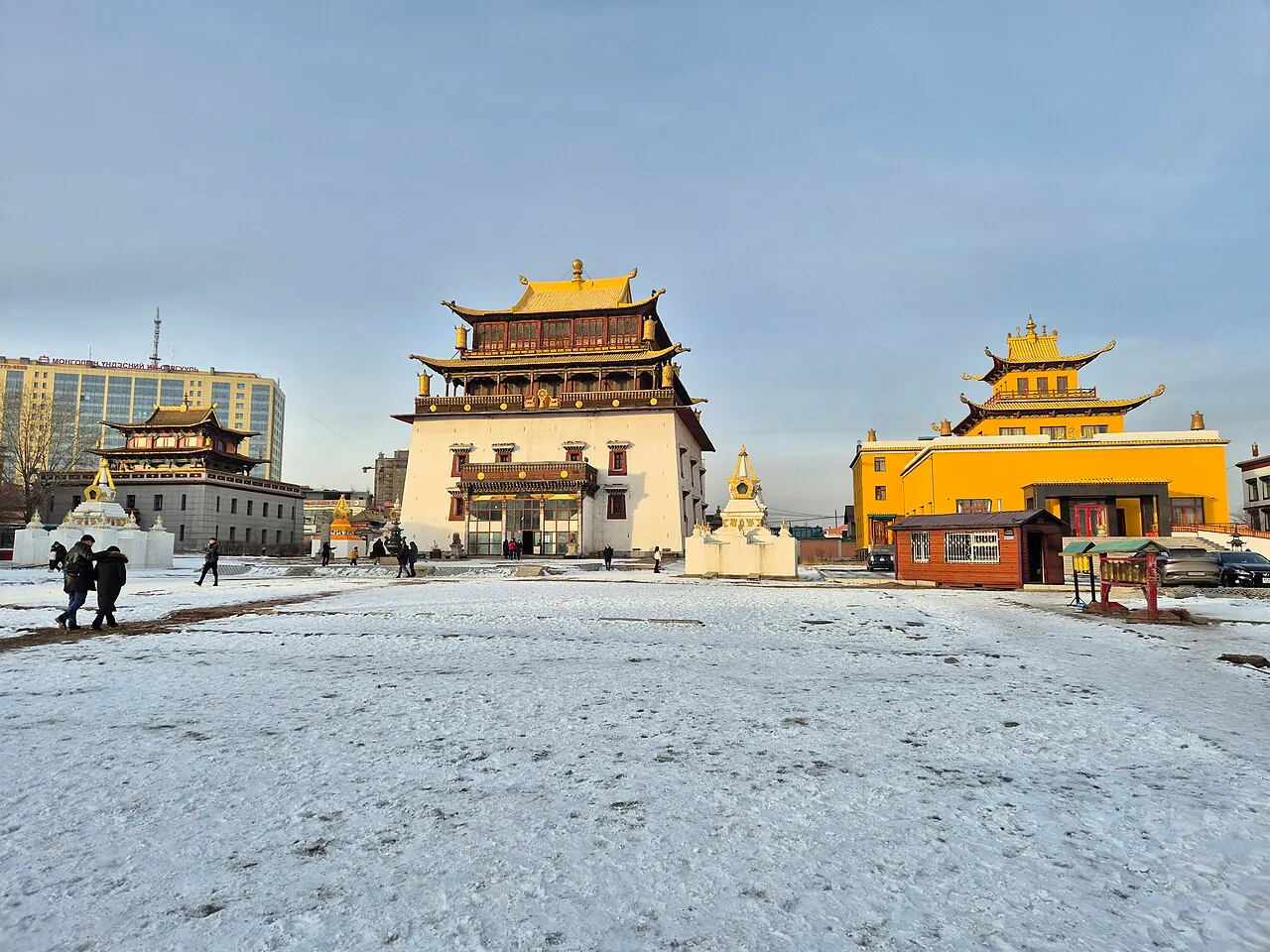
Gandantegchinlen, usually called Gandan, should be approached as a living religious institution rather than another museum. Its buildings and courtyards are part of Buddhist practice, and the monastery's own website presents religious services rather than a sightseeing performance timetable. Start by finding the visitor entrance and observing how people move through the grounds. Let that rhythm guide the visit instead of assuming every gathering is intended for tourists to watch.
Ask staff which halls visitors may enter and whether there are separate rules for photography or access to particular images. Modest clothing, a quiet voice and space for worshippers matter more than checking off every building. Do not join a ritual or turn religious objects simply for a photograph. Pair Gandan with the Zanabazar Museum if you want to connect living practice with the artistic traditions represented in a collection, leaving enough travel time for the city's traffic.
Plan it well: Check visitor arrangements with monastery staff, and ask before photographing worshippers or interiors.
Gandantegchinlen Monastery: official siteBuild a broad historical picture at the National Museum
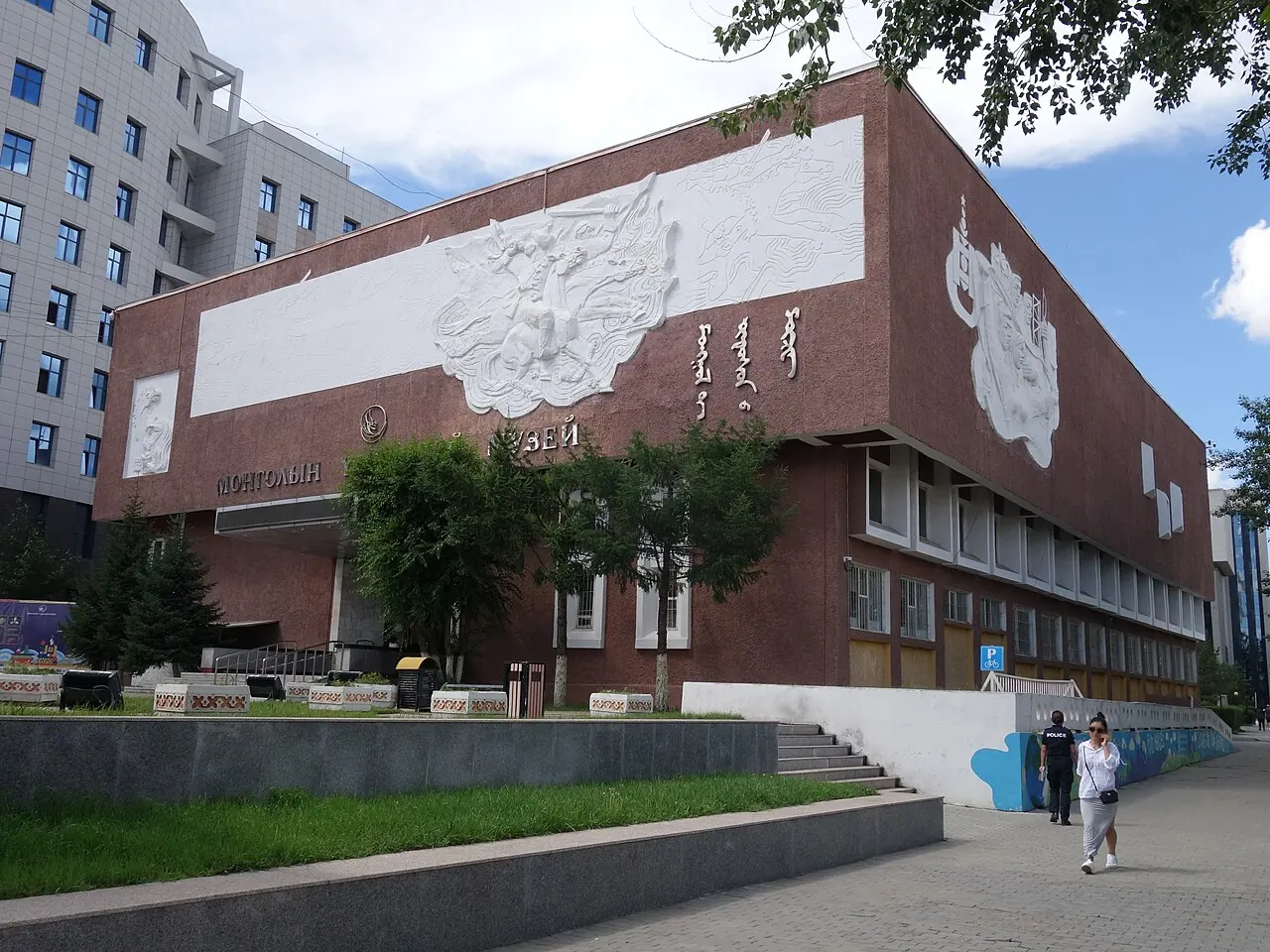
The National Museum of Mongolia is a good first collection when you want a broad framework for the country rather than one ruler's biography. The institution describes its purpose through history and traditional life, bringing archaeological and ethnographic material into the same visit. Follow a manageable chronological sequence, then slow down at the objects that explain how people lived. A garment, tool or household item can answer a question that a large historical map leaves open.
Keep your itinerary realistic: proximity to another museum does not reduce the amount there is to absorb here. Choose this collection or the Chinggis Khaan Museum as your main history appointment, with a second visit on a different day if the subject really interests you. Ask about current interpretation and photography rules before starting. The square makes a useful outdoor break afterwards, allowing you to connect names from the galleries with the city's visible public monuments.
Plan it well: Choose a main historical museum first, then add a second only if you have time to read and reflect.
National Museum of Mongolia: official introductionFollow the histories of Mongolia's ruling states
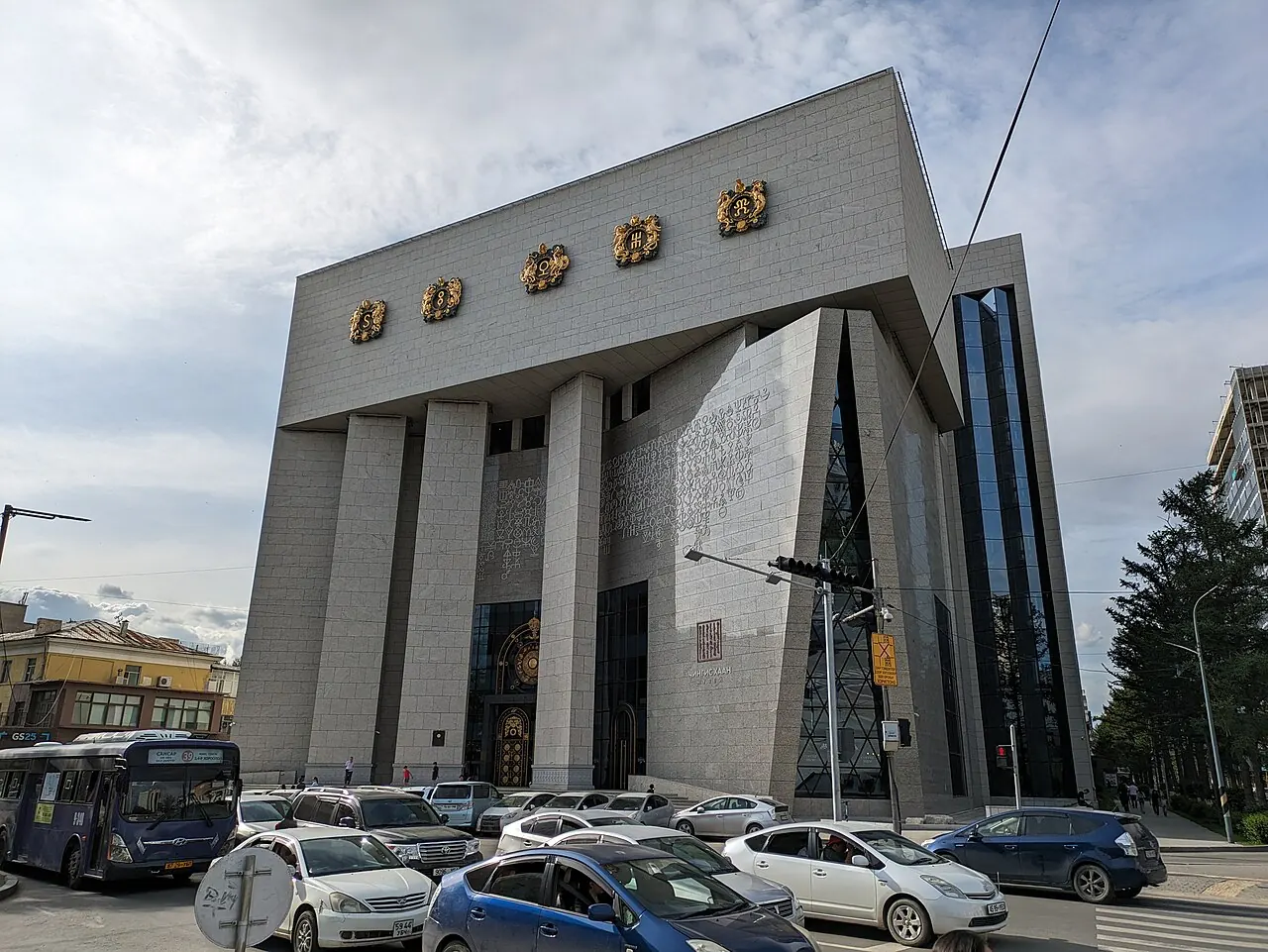
The Chinggis Khaan National Museum reaches well beyond the emperor named on its facade. Its official gallery outline moves through early nomadic states, the Mongol Empire and later rulers, so approach it as a long historical sequence rather than a single heroic portrait. Before entering, choose the periods you most want to understand. The scale of the building means that a focused visit can be more satisfying than trying to examine every floor equally.
Look for labels that distinguish original objects from replicas, interpretive models and multimedia. They do different jobs, and a reconstructed scene should not be read in the same way as an archaeological find. The museum currently publishes a Tuesday closure, despite broader opening wording elsewhere on its page; confirm your date directly instead of assuming daily access. Combine the visit with Sukhbaatar Square and a meal, leaving another major museum for a fresh part of the trip.
Plan it well: Confirm Tuesday access and last admission with the museum before fixing the day's route.
Chinggis Khaan National Museum: official galleries and visitor informationLook at religious art inside Choijin Lama's surviving temples
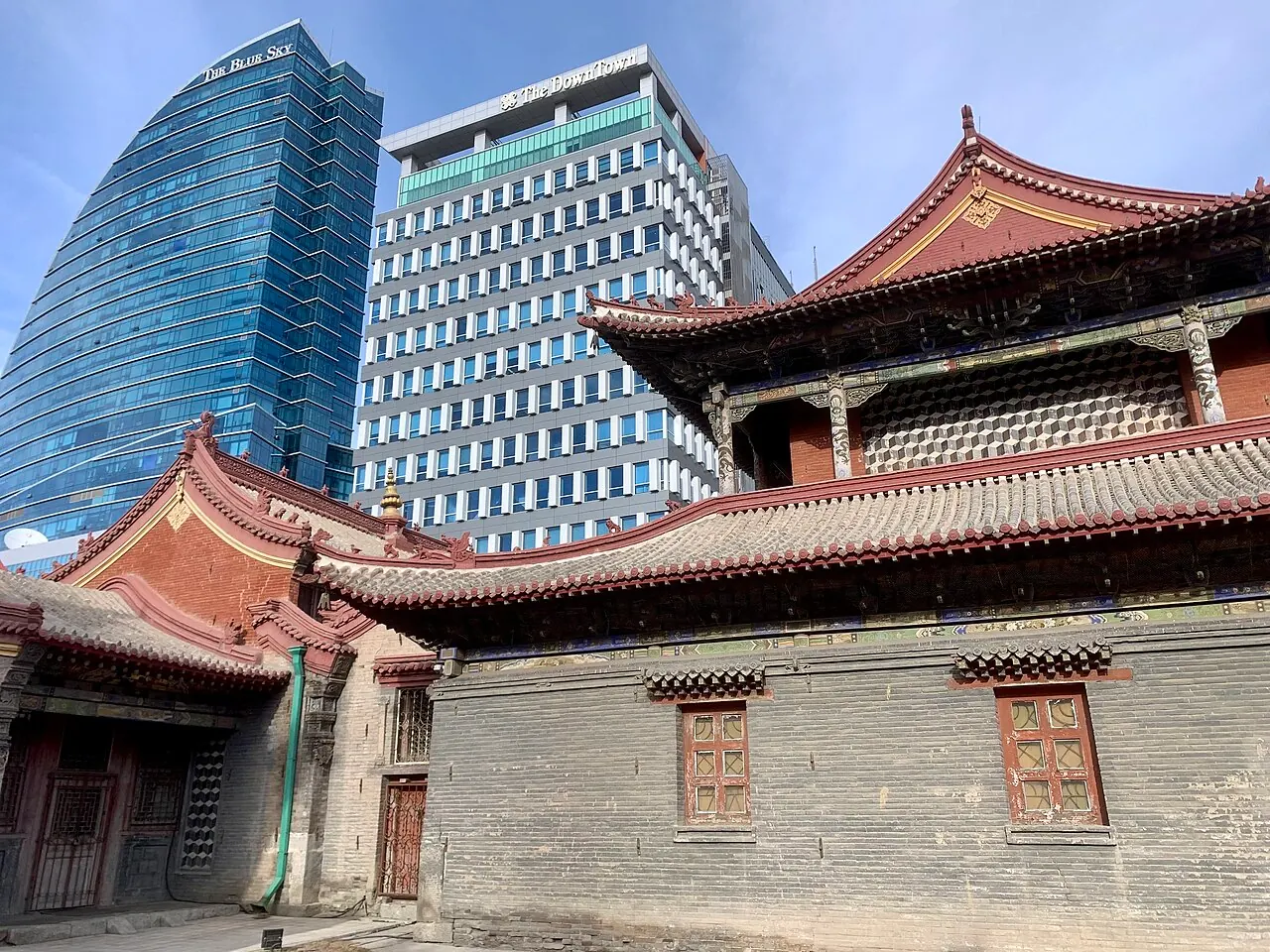
Choijin Lama Temple Museum creates a striking contrast with the towers around it: a compact religious complex preserved within a busy commercial centre. The museum's own hall descriptions identify sculpture, paintings, ritual garments and instruments, making it a place to look closely at workmanship rather than only photograph rooflines. Take the time to read how an object was used; fierce imagery can become much more intelligible when its ritual context is explained.
This is a museum setting, different from observing worship at Gandan. Check the hall plan at the entrance and build your visit around the spaces currently accessible, not an assumption that every historical temple is always open. Respect low-light displays and any restriction on cameras or flash. Because the site is near the centre, it works as an afternoon complement to one major history museum, but protect enough time to enjoy the courtyards instead of treating them as a shortcut.
Plan it well: Use the official hall descriptions to choose two themes, such as ritual masks and painted imagery.
Choijin Lama Temple Museum: official halls and visitor informationExplore the palace collection beyond the central district
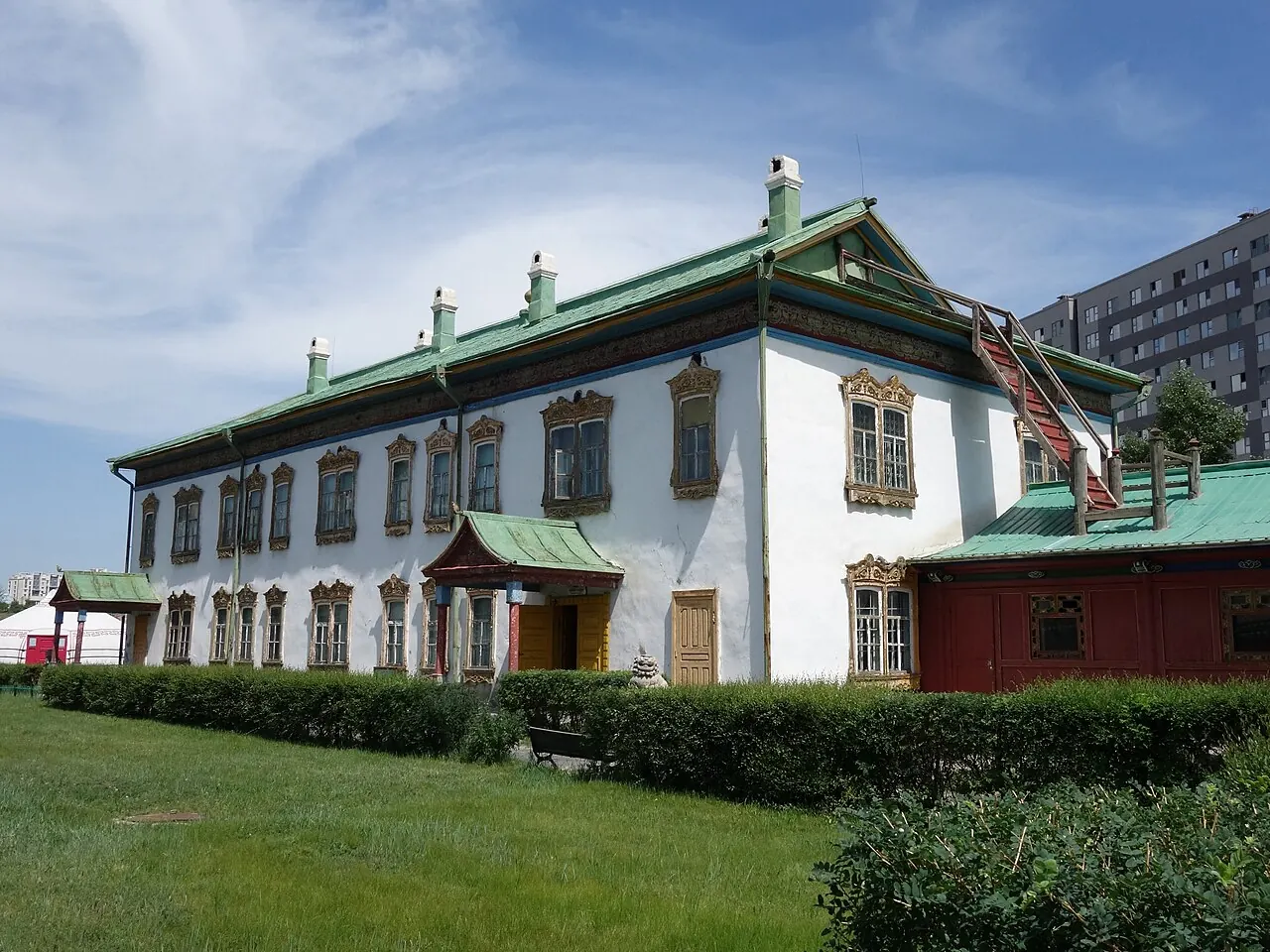
The Bogd Khaan Palace Museum adds a royal and religious household to the story told by the central collections. The site is associated with Mongolia's last monarch and spiritual ruler, but its value for a visitor is in the relationship between buildings, ceremonial spaces and displayed possessions. Look at how a palace differs from the temples you have seen elsewhere, and ask which part of the complex each room belongs to before treating everything as one architectural period.
Plan the journey south deliberately rather than squeezing it into the spare minutes after another museum closes. Check which buildings and collections are available on your date and leave time to move between them without rushing. An exterior photograph of the Winter Palace does not capture the whole experience. You can combine the area with Zaisan if the weather and traffic cooperate, but make the museum the priority when its collection is your reason for travelling across the city.
Plan it well: Confirm the palace and temple areas included in admission, then allow a separate travel buffer.
Bogd Khaan Palace Museum: official siteRead the memorial before taking in the city view
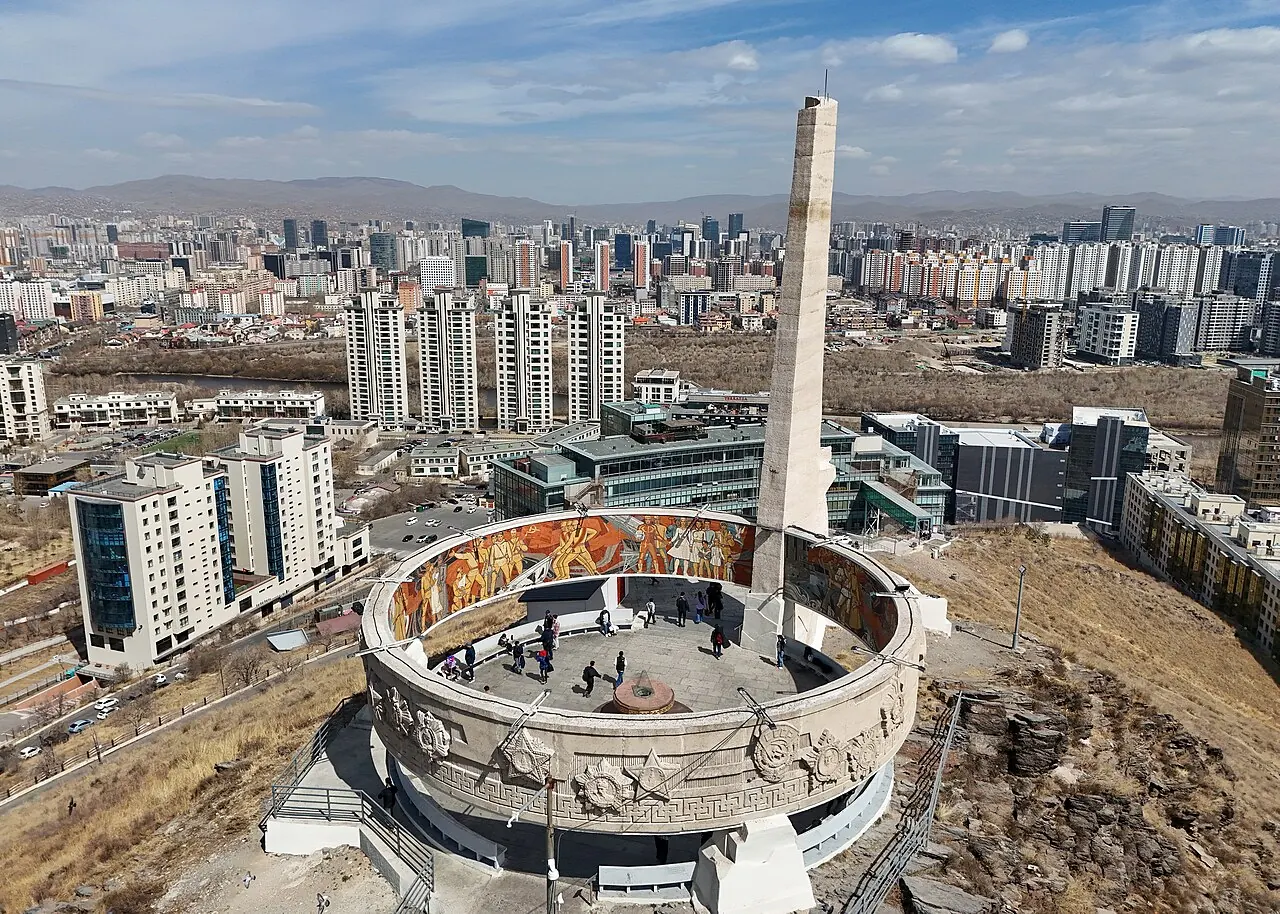
Zaisan combines a memorial visit with an elevated view of Ulaanbaatar. The commemorative imagery deserves attention before you turn towards the skyline: this is a place of remembrance connected with Mongolian and Soviet wartime history, not just an observation point. From the hill, compare the dense built city with the surrounding terrain and identify the direction of the centre you explored earlier. Visibility depends on conditions, so a clear panorama should be a bonus rather than a promise.
Check the approach and the number of steps you will actually need from your chosen drop-off point. The exposed climb may be unsuitable when surfaces are icy, wind is strong or someone in the group has limited mobility. Wear shoes with grip and keep the return arrangement simple. Pair Zaisan with the Bogd Khaan Palace Museum only if the travel time leaves both visits worthwhile, and avoid scheduling the descent in darkness merely to chase a sunset photograph.
Plan it well: Ask your driver where the pedestrian ascent begins and check footing before committing to the climb.
Ulaanbaatar Tourism Department: Zaisan visitor contextGive Mongolian fine art a slower look
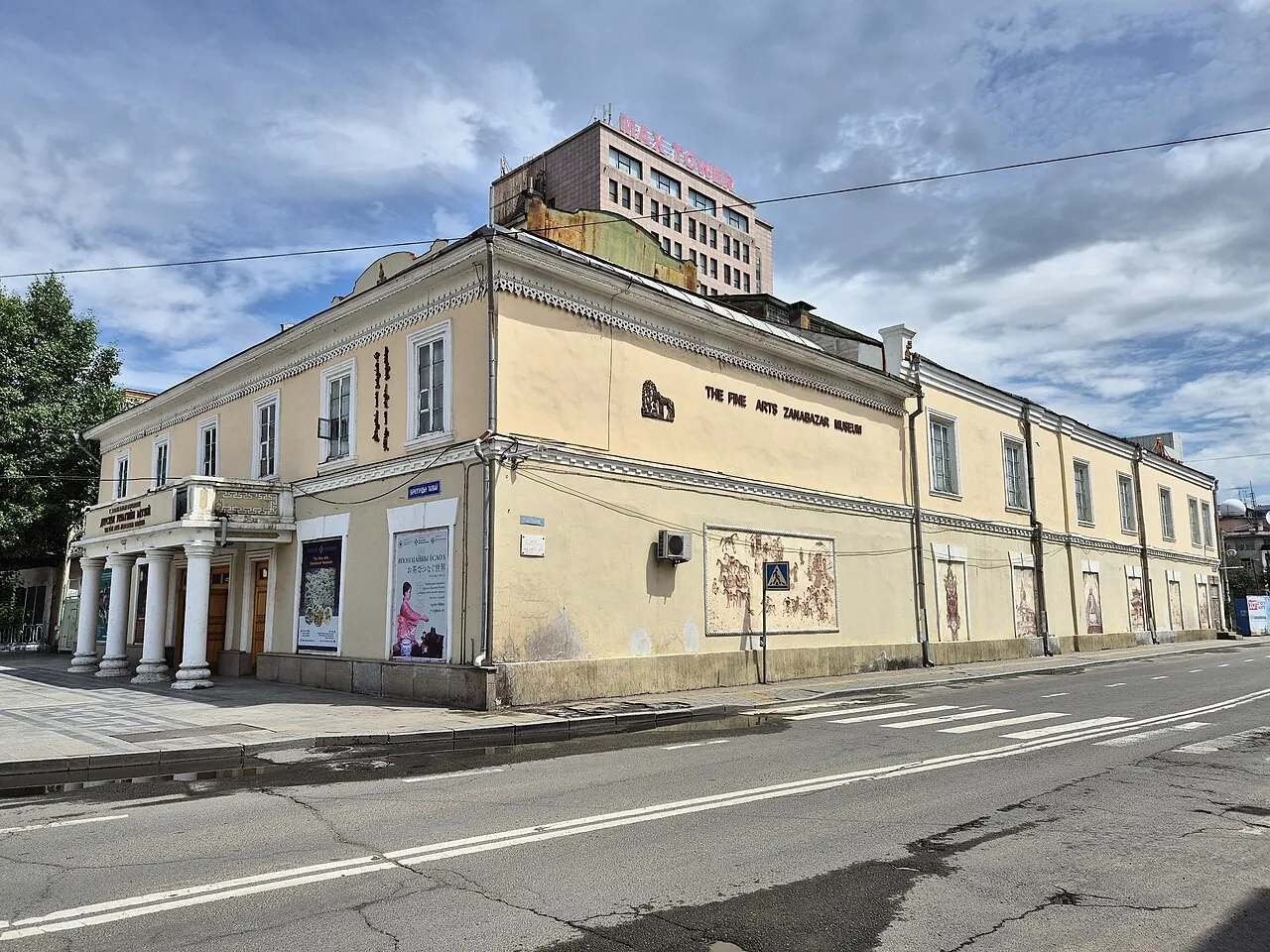
The Zanabazar Museum is the place to shift from historical timelines to close looking. Its collection covers Mongolian artistic heritage, including Buddhist painting, sculpture and skilled metalwork; the museum explains that many holdings remain in storage, so no single display can represent everything it owns. Choose a small group of works and compare materials, gestures or the treatment of a repeated subject. That approach makes fine details more memorable than a hurried inventory of names.
Ask at the desk about available interpretation and the current photography policy, which the museum publishes separately from basic admission. Put the camera away when it distracts from examining a work, and never use flash against the rules. The building itself is part of the city's historic fabric, worth noticing as you enter and leave. A visit after Gandan can deepen your understanding of religious imagery without assuming that a gallery object and a living ritual serve identical purposes.
Plan it well: Check the official visit page for camera restrictions and ask whether an audio guide is available.
Fine Arts Zanabazar Museum: official collection overviewReserve a countryside day for Terelj
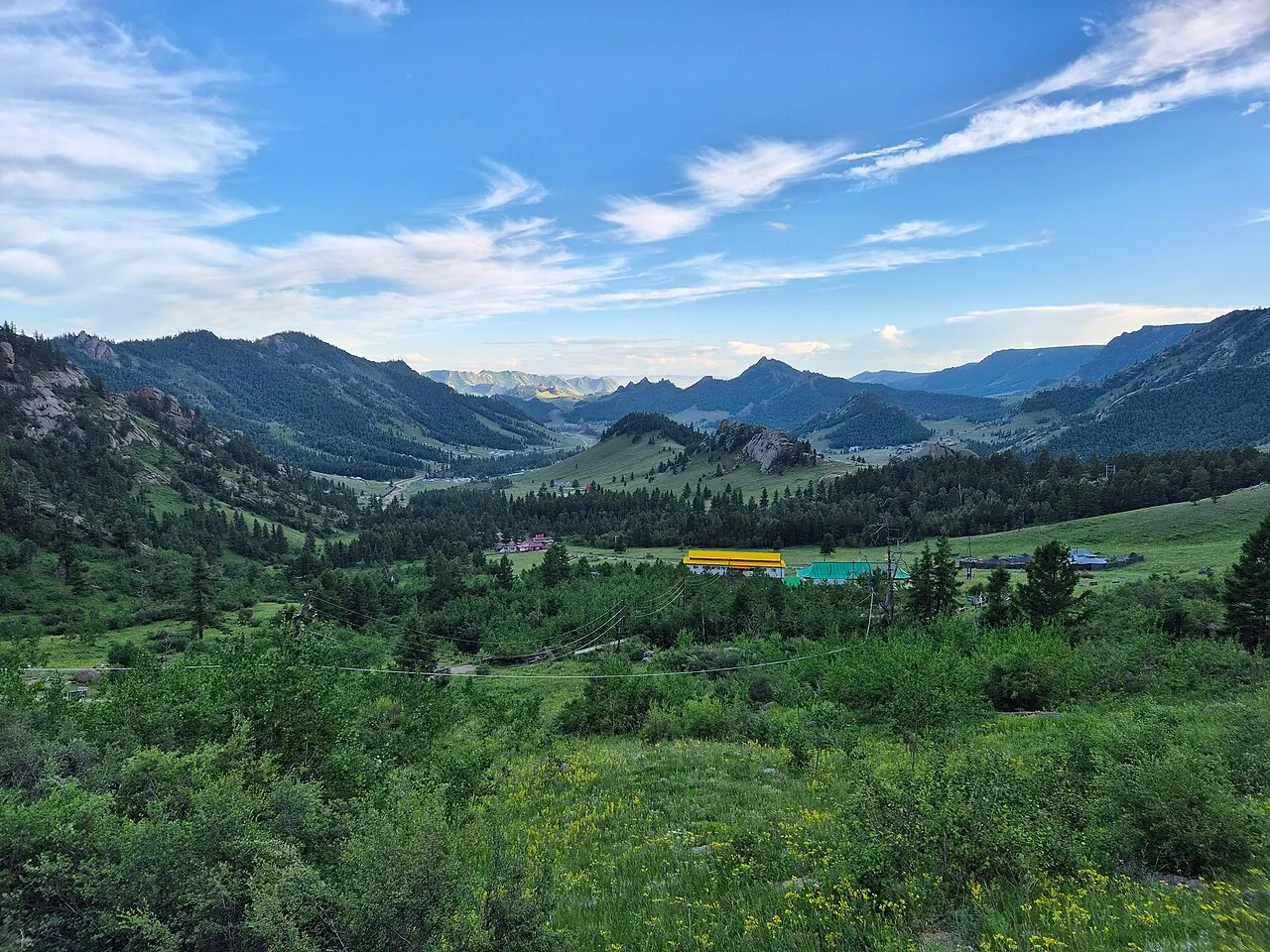
Gorkhi-Terelj is a landscape excursion, not one attraction reached by a single urban taxi hop. Rock formations, valleys and visitor sites give a first glimpse of the countryside near the capital, but a good day depends on selecting a specific route. The Mongolian Tourism Organization has used Turtle Rock and Ariyabal Temple in an organised programme; those are useful planning references, not evidence of an identical daily tour or guaranteed access to every stop.
Tell your operator whether you want short walks, a longer hike or mostly scenic stops, and ask how much of the day will be spent in a vehicle. Carry layers and water, confirm food arrangements and agree what happens if the weather turns. The Wikidata coordinate here marks the national park, not a trailhead or camp entrance. Riding, overnight stays and more ambitious hiking require their own suitability and safety checks; they are not automatic extras included with a sightseeing transfer.
Plan it well: Have the operator name each actual stop and walking distance; do not navigate directly to the broad park pin.
Mongolian Tourism Organization: Gorkhi-Terelj excursion outlineSee the steel equestrian monument at Tsonjin Boldog
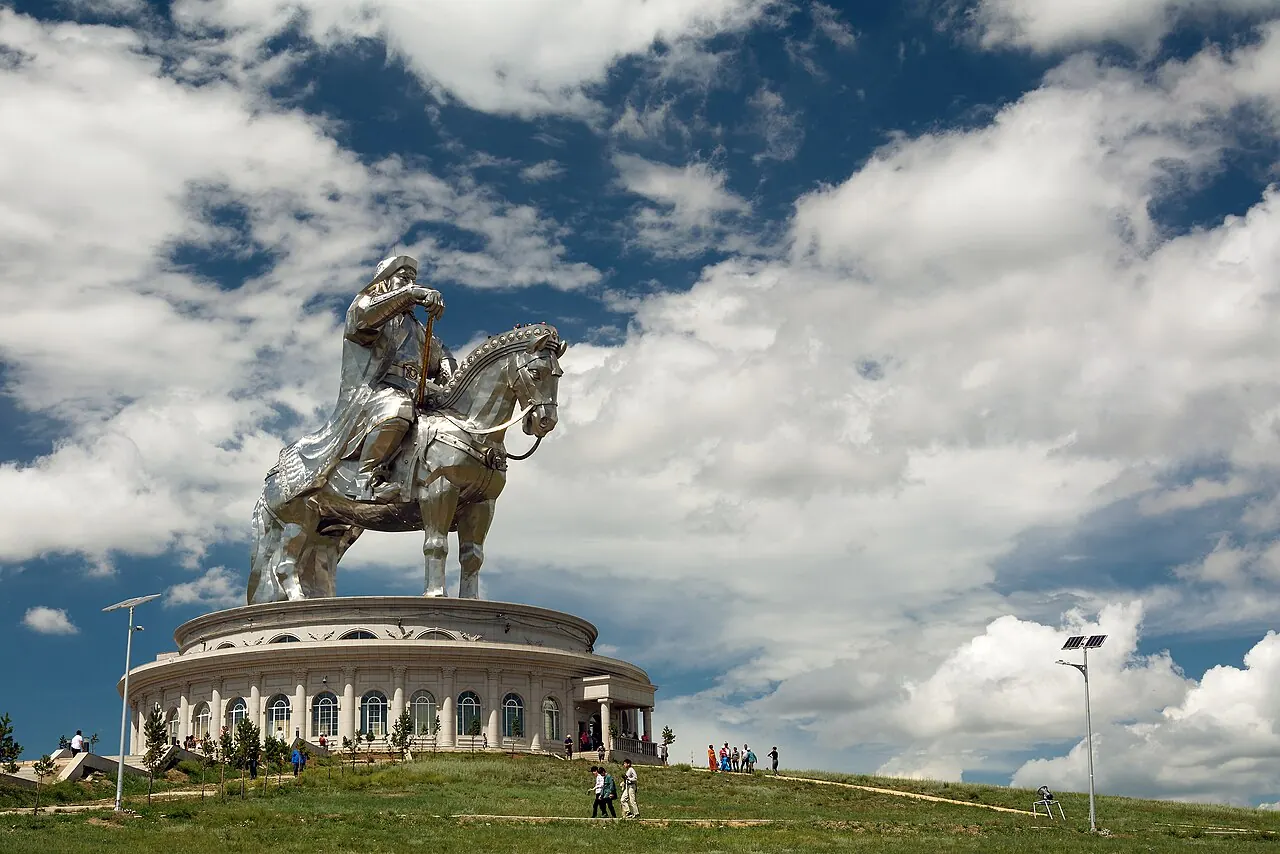
At Tsonjin Boldog, the equestrian statue presents a completely different scale from the ruler's image in a city museum. The stainless-steel figure stands above a circular visitor complex in open countryside, giving you space to understand the monument from outside before considering its interior exhibits. The operator describes facilities and a route towards the horse's head, but availability of lifts, stairs and viewing areas should be checked for the date of your visit.
Allow time for the road journey in both directions and establish which parts of the complex your admission or tour includes. Do not assume a visit to the statue also includes the separate Thirteenth Century complex offered by the same company. A combined Terelj day can work when the itinerary is explicitly agreed, but it reduces time for walking or quiet landscape stops. If your interest is mainly the monument, a dedicated trip makes more sense than adding a rushed national-park loop.
Plan it well: Confirm the viewing area is operating and distinguish this site from the separate Thirteenth Century complex.
Genco Tour Bureau: Chinggis Khaan Statue ComplexHow to spend two days in Ulaanbaatar
Day 1: the square and a central collection
Start at Sukhbaatar Square, then choose the National Museum or Chinggis Khaan Museum as the main history visit. After lunch, explore Choijin Lama Temple Museum. Keep a museum closure in mind and leave time for a meal instead of attempting three large collections back to back.
Day 2: living tradition or a country excursion
For a city day, visit Gandan, continue to the Zanabazar Museum and choose either Bogd Khaan Palace or Zaisan later. For a countryside day, replace that programme with a prearranged Terelj route; add the Tsonjin Boldog statue only when journey times and access are confirmed. Do not combine both full days.
Before you go
Check closures, not just map distances
Museum timetables vary with season and institution. Chinggis Khaan Museum currently lists Tuesday as closed. Reconfirm the specific venue you are building the day around.
Chinggis Khaan National Museum: visitor informationAllow a real transport buffer
Road congestion can turn a short-looking city transfer into a long one. Confirm airport collection and rural return journeys in advance, especially before an evening departure.
FCDO: Mongolia road travelDress for changing conditions
Carry layers even when starting in fine weather, and reconsider exposed viewpoints or rural walks when forecasts deteriorate. Winter footing and wind deserve separate attention from the distance on a map.
FCDO: Mongolia weather and travel risksSeparate worship from museum visits
Gandan is an active monastery. Ask before entering halls or photographing religious practice; preserved temple museums have their own visitor and collection rules.
Know the photography policy
An admission ticket need not include permission to photograph artworks. The Zanabazar Museum publishes a separate camera policy, including restrictions on flash, video and selfie sticks.
Fine Arts Zanabazar Museum: visiting and photographyWhere to stay in Ulaanbaatar
For a first visit, compare accommodation around Sukhbaatar Square and the central museum district with the particular places you plan to see. A quieter southern base may suit Zaisan and the palace area but adds transfers to Gandan and the central galleries. Ask about heating, late arrival and airport transport, and judge a countryside camp separately from a convenient city hotel.
Explore Ulaanbaatar hotels