
Valletta city guide
10 things to do in Valletta
Explore Valletta through its decorated churches, harbour gardens, family palace and working theatre, with a route that leaves time for the city’s steep streets.
Plan your visit
Valletta looks compact on a map, but its sloping streets and detailed interiors reward a slower plan. Give one major museum or church a generous block of time, then use a garden or harbour viewpoint to reset. These ten stops stay within the capital rather than scattering a short break across Malta. Visitor admissions, worship and government use can overlap, so check the current venue notices before fixing your route.
Look closely inside St John’s Co-Cathedral
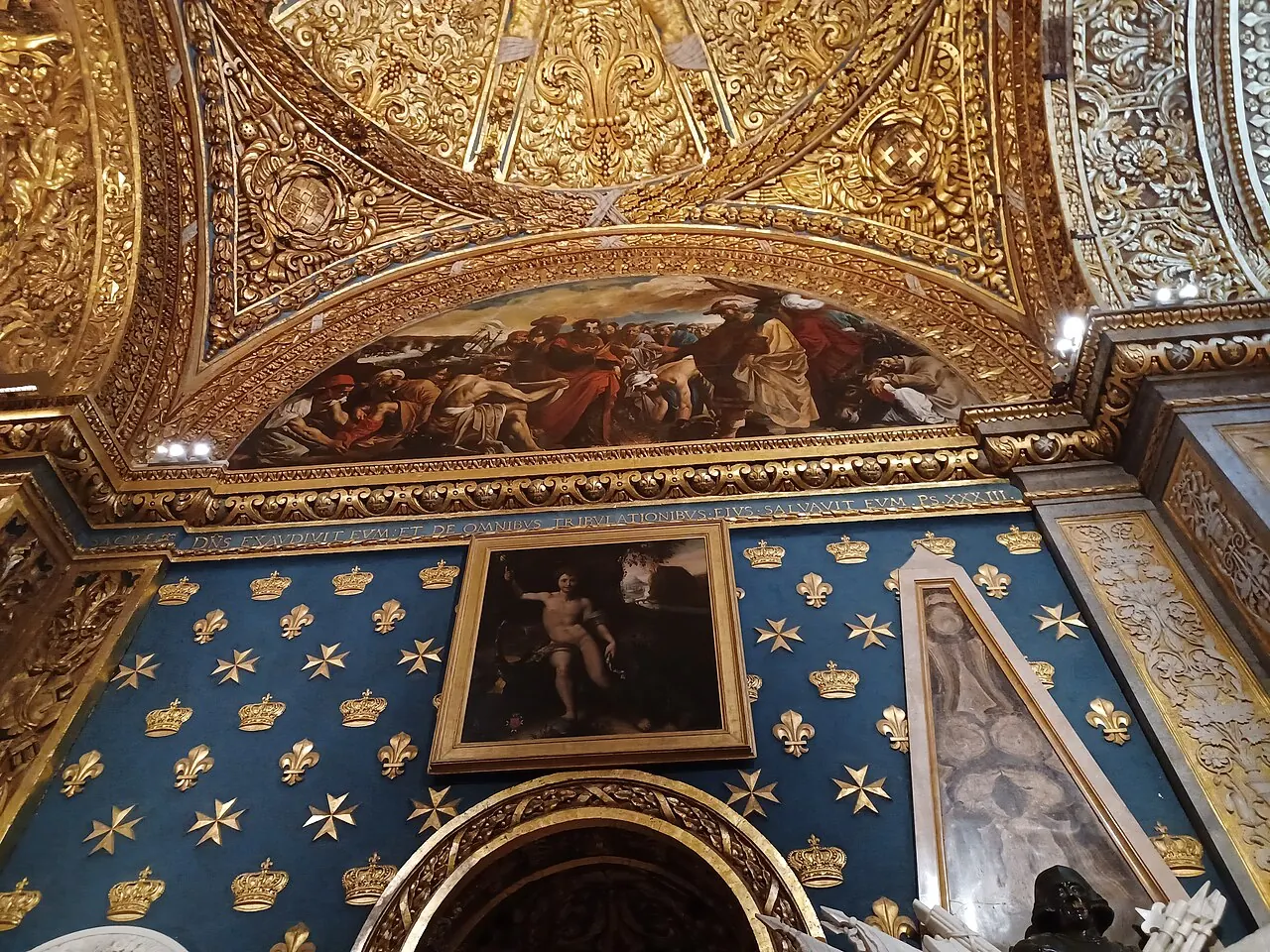
St John’s rewards close looking rather than a quick circuit. Its interior layers painted vaults, sculpted decoration and patterned memorial floors into a setting where your eye keeps finding another surface. Begin with the overall space, then choose a few chapels to examine slowly; trying to absorb every detail at once can make this remarkable church feel like a blur. Use the included audio guide to connect the decoration with the institution that commissioned it, rather than treating the building as a backdrop for photographs.
The church and its museum are not interchangeable visits. At the review date, the venue reports that the museum is closed for extension and refurbishment; check what your visit actually includes before booking. Tourist visits are not offered on Sundays or public holidays. Dress for a religious building, bring a small bag and avoid narrow heels that could damage the floor. Arrange this stop before lunch if you want the afternoon available for a less concentrated outdoor walk.
Plan it well: Check the museum closure notice separately from the church’s visitor arrangements; leave large luggage at your accommodation.
St John’s Co-Cathedral visitor informationRead the Grand Harbour from Upper Barrakka Gardens
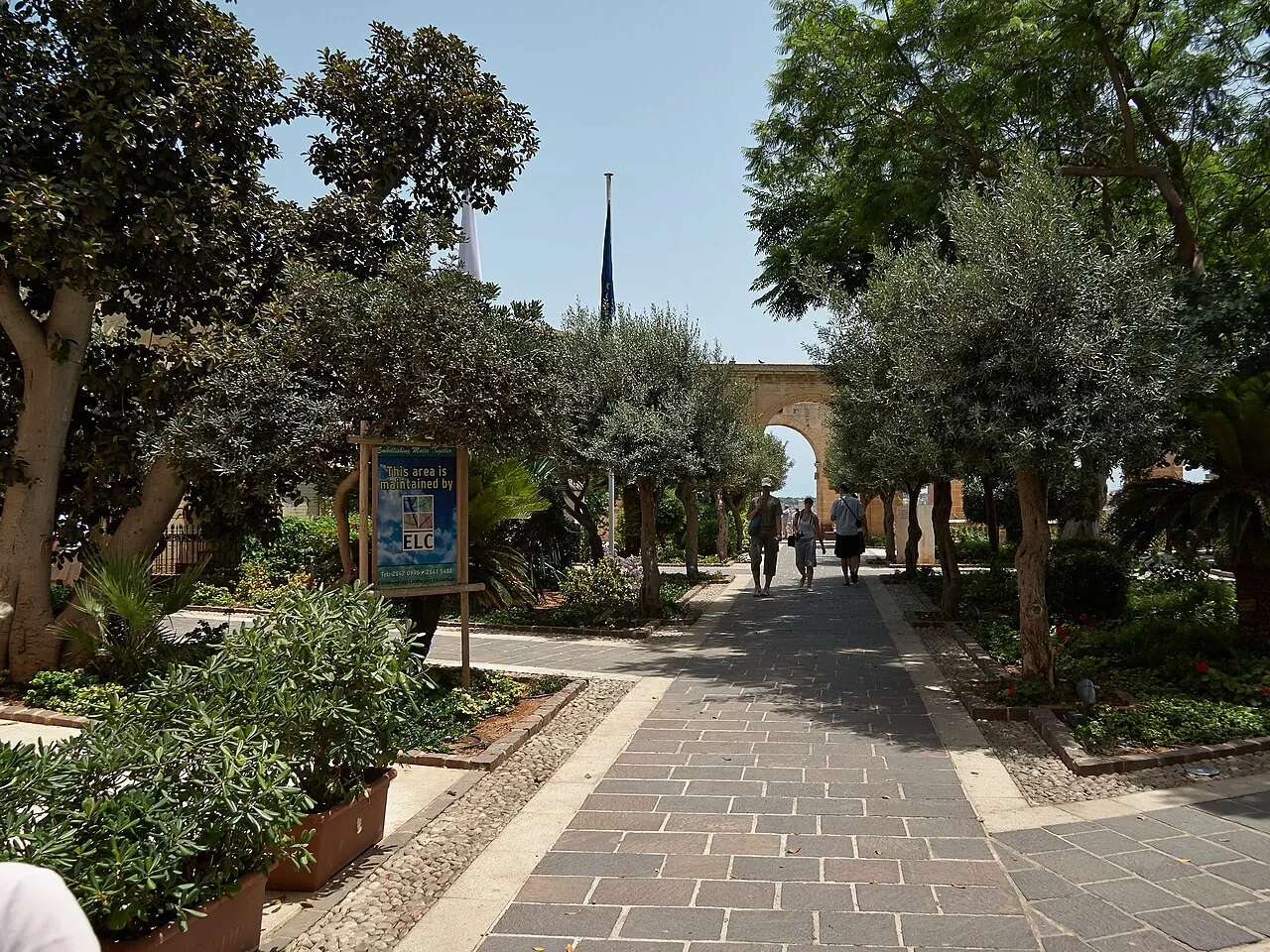
Upper Barrakka is a useful first stop because it makes the harbour’s scale legible. Pause at the viewpoint and trace the waterfront, defensive walls and settlements opposite before returning to Valletta’s narrow streets. The garden itself deserves a little attention too: its paths and arcades provide a different setting from the exposed parapet. Combine it with Auberge de Castille nearby, but keep enough time here to sit rather than using the garden only as a corridor between other sights.
The Saluting Battery below the gardens is a separate attraction, not simply another part of the public viewpoint. Its operator publishes display arrangements, ticket information and closure notices; decide whether you want the closer visit or only the view from above. If you choose the battery, make that timed event the fixed point of this outing instead of expecting to arrive at any moment. For the garden, changing light and harbour activity give plenty to observe without arranging a whole day around a cannon display.
Plan it well: A garden stop and a ticketed battery visit are different plans; consult the battery’s current notice if a firing matters to you.
Saluting Battery visitor informationDistinguish the palace’s State Rooms from its Armoury
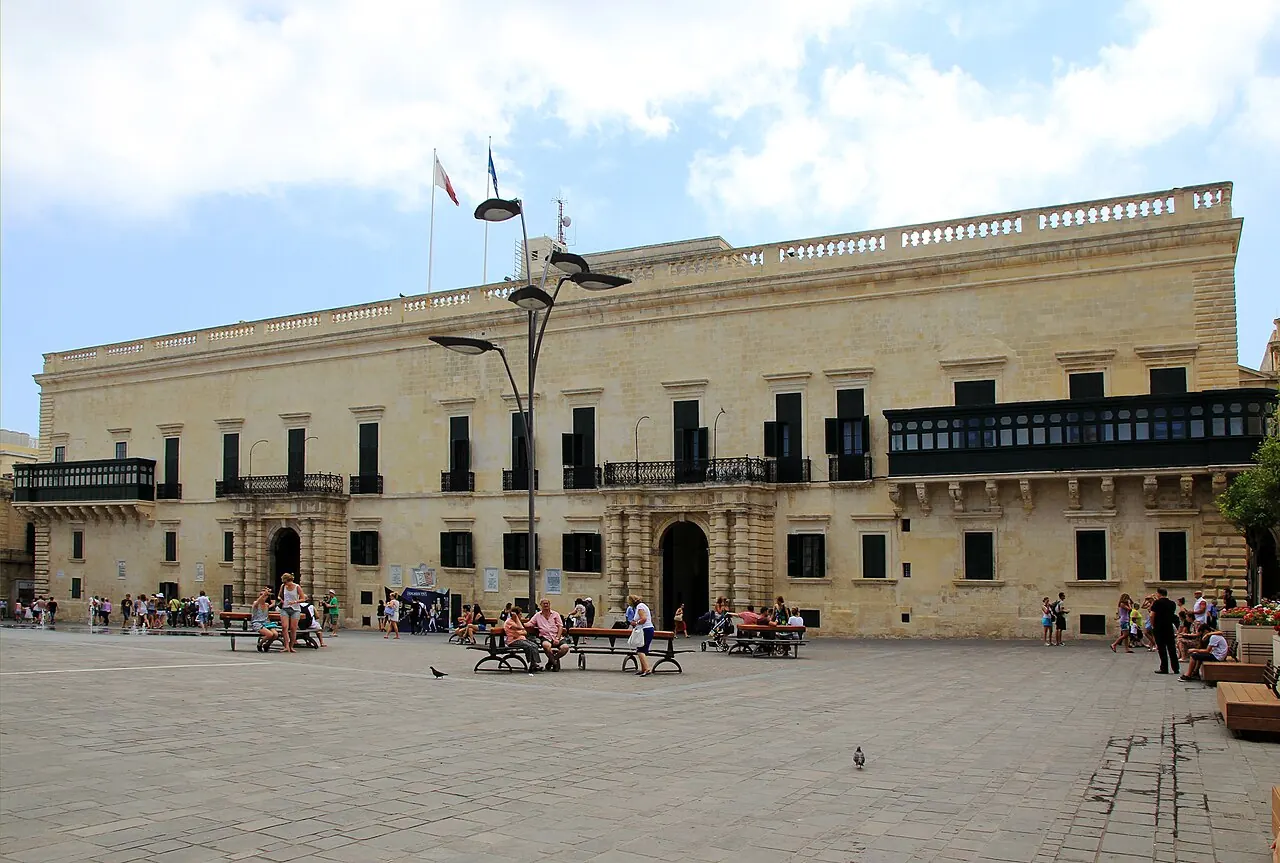
The Grandmaster’s Palace introduces the official and ceremonial face of Valletta. From St George’s Square, its broad facade gives a sense of scale that the surrounding streets rarely allow. Inside, the State Rooms and Armoury offer different kinds of attention: decorated interiors speak to display and authority, while the armour collection invites closer inspection of individual objects. Pick the emphasis that interests you most rather than assuming every room should receive equal time. A deliberate selection makes this a stronger visit than rushing through both parts.
This is also a building with continuing state functions, so access is not a fixed promise. Heritage Malta’s current notices identify the Throne Room as closed until further notice and announce occasional dates when only the Armoury is available. Read those notices against your actual travel date; an open palace does not necessarily mean an open set of State Rooms. The central square makes an easy meeting point afterwards, and Casa Rocca Piccola offers a useful contrast if you would rather explore family life than another official interior.
Plan it well: Check whether the State Rooms are included on your date, not just whether the palace is listed as open.
Heritage Malta: Grandmaster’s PalacePair Fort St Elmo’s walls with the National War Museum
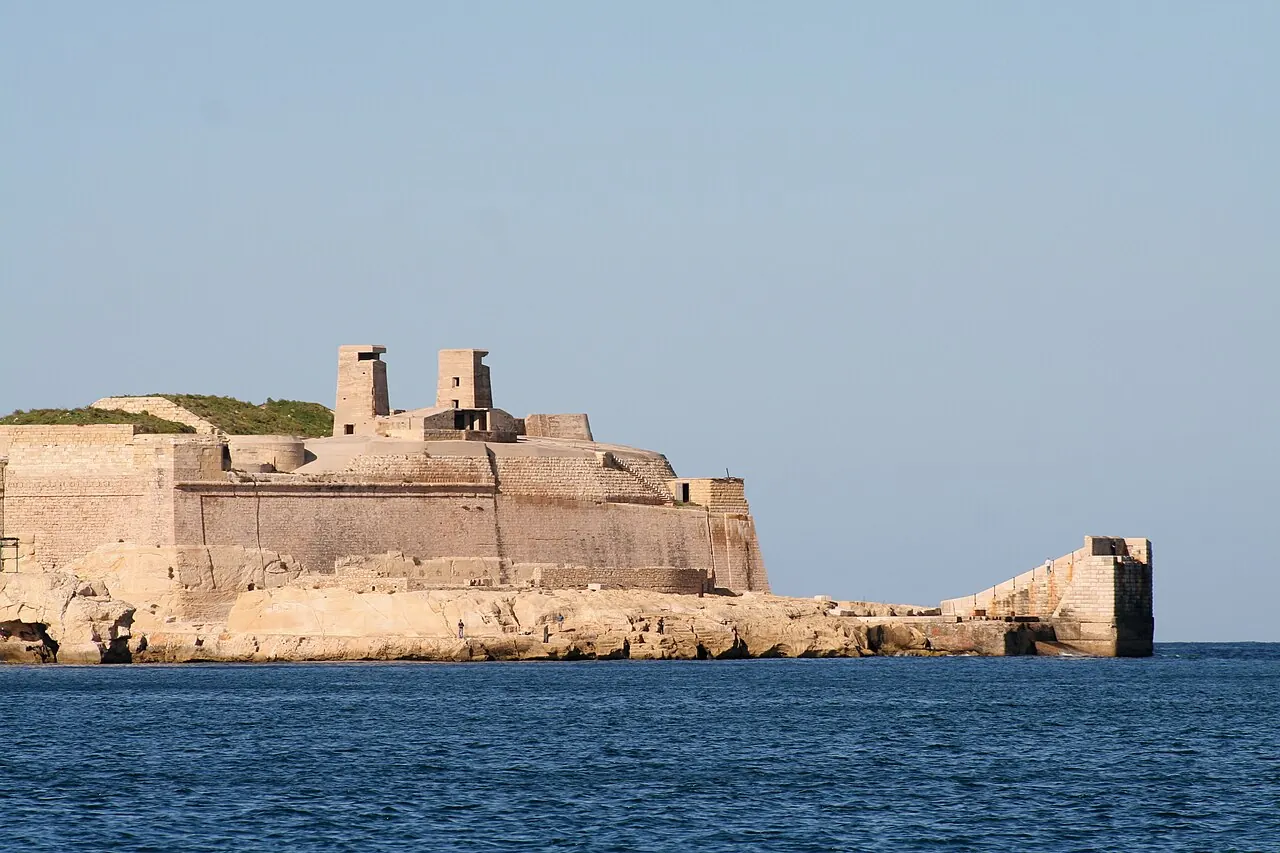
Fort St Elmo occupies the end of Valletta’s peninsula, where the city’s military position becomes easier to understand than it does among shops and balconies. The walls and sea-facing setting are part of the visit, but the National War Museum supplies the historical framework. Its displays cover a long sequence of conflict, including the Second World War. Give the collection a proper block of attention instead of photographing the ramparts and assuming you have seen the museum. The combination explains why this location mattered.
A route here works well with Casa Rocca Piccola on the outward walk and Lower Barrakka on the return, provided you do not turn that sequence into three rushed admissions. Heritage Malta flags partial physical access and stairs in parts of the site, so ask about the exact route if step-free access is important. In Guardia reenactment dates can also change regular admission arrangements. Check for those event notices before choosing an arrival time, and leave room for wind, sun and the slower pace of a coastal walk.
Plan it well: Look for reenactment-day admission notices and request the site’s access details before making the fort your fixed appointment.
Heritage Malta: Fort St Elmo and National War MuseumPut Malta’s prehistoric objects in context
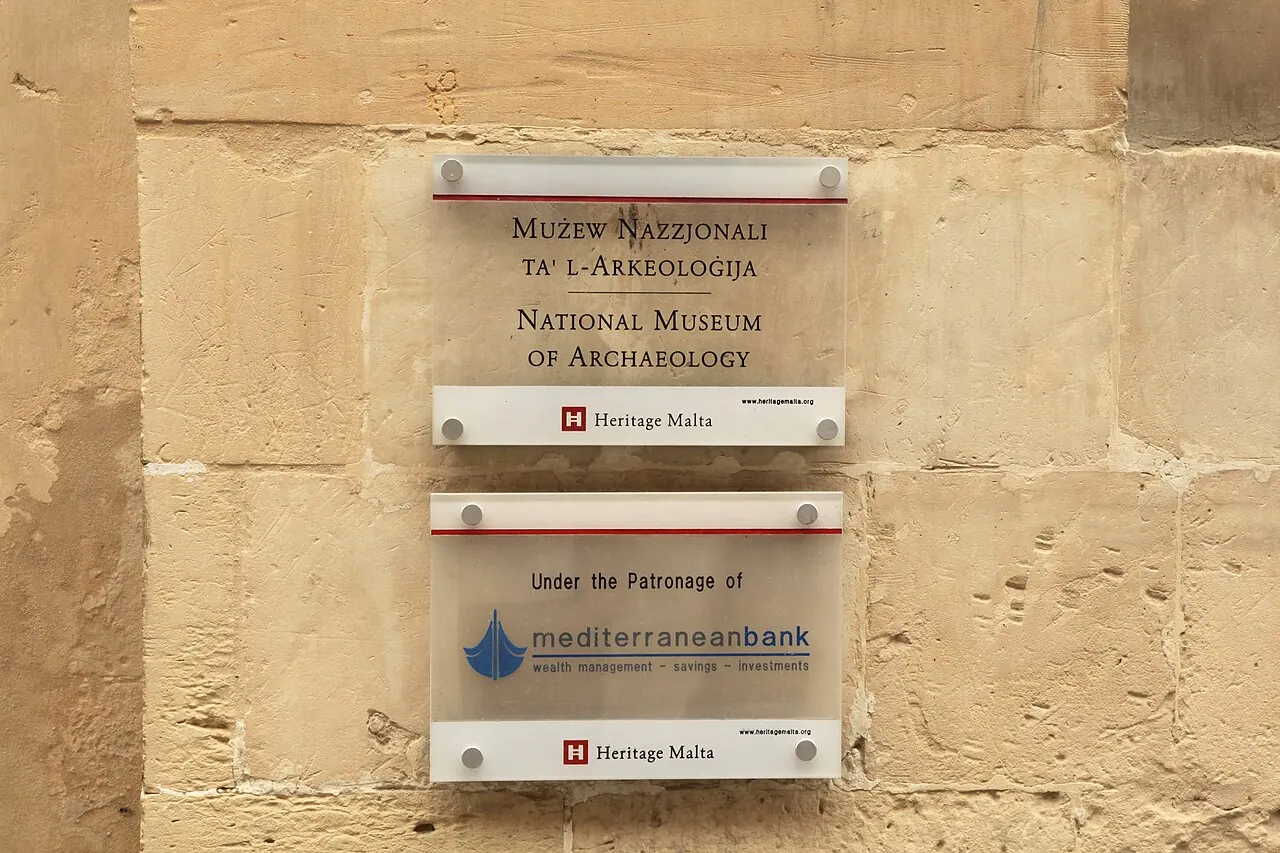
The National Museum of Archaeology offers a different timescale from Valletta’s palaces and fortifications. Housed in the Auberge de Provence on Republic Street, it brings prehistoric material into the middle of the modern capital. The small figures often known as the Sleeping Lady and the Venus of Malta are reasons to slow down rather than simply tick off a famous exhibit. Look at their size, posture and context alongside other objects; the interest lies in the questions they raise about life and belief, not only their recognisable silhouettes.
This is a sensible visit before exploring Malta’s archaeological sites, but it also stands on its own during a city break. Avoid adding too many other collections to the same afternoon: a focused museum hour is more useful than a tired final circuit after several ornate interiors. Check current visitor information for the galleries and any temporary arrangements you care about. Afterwards, Republic Street offers a straightforward return to the central squares, while a harbour garden supplies a welcome change from labels and display cases.
Plan it well: Choose two or three objects for close study; the museum is most useful when the labels become context rather than a checklist.
Heritage Malta: National Museum of ArchaeologySee a family’s Valletta at Casa Rocca Piccola
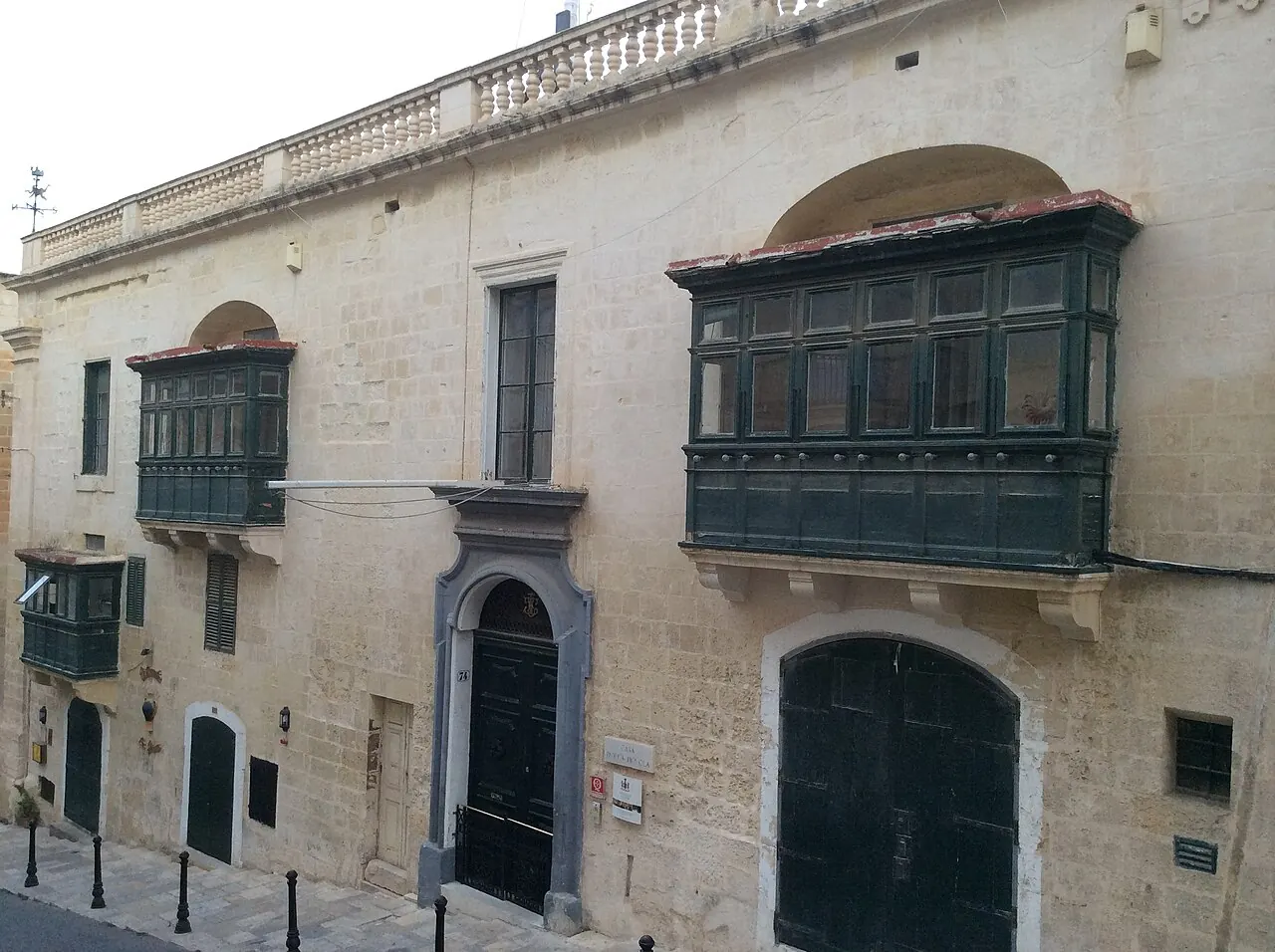
Casa Rocca Piccola shifts the focus from institutions to a family’s home and collections. The de Piro family’s palace on Republic Street opens a series of furnished rooms where individual possessions carry the story: furniture, portraits and decorative objects reveal a different kind of continuity from the Grandmaster’s official spaces. Let the rooms lead the visit rather than searching for one headline masterpiece. This is a good choice when another large museum feels excessive but you still want to understand how Valletta’s grand buildings were used.
The house’s public offer also includes a garden and rock-cut Second World War shelters, which add a very different scale and mood to the furnished interiors. Check the booking options and access statement before assuming everyone in your group can follow the same route underground. A family property is not an invitation to wander into every space; follow the visitor arrangements. Its position along Republic Street makes it a natural companion to Fort St Elmo, though allowing a break between the two gives each story room to register.
Plan it well: Ask about the shelter route separately if stairs or enclosed underground spaces would affect your visit.
Casa Rocca Piccola visitor informationChoose a tour or an evening at Teatru Manoel
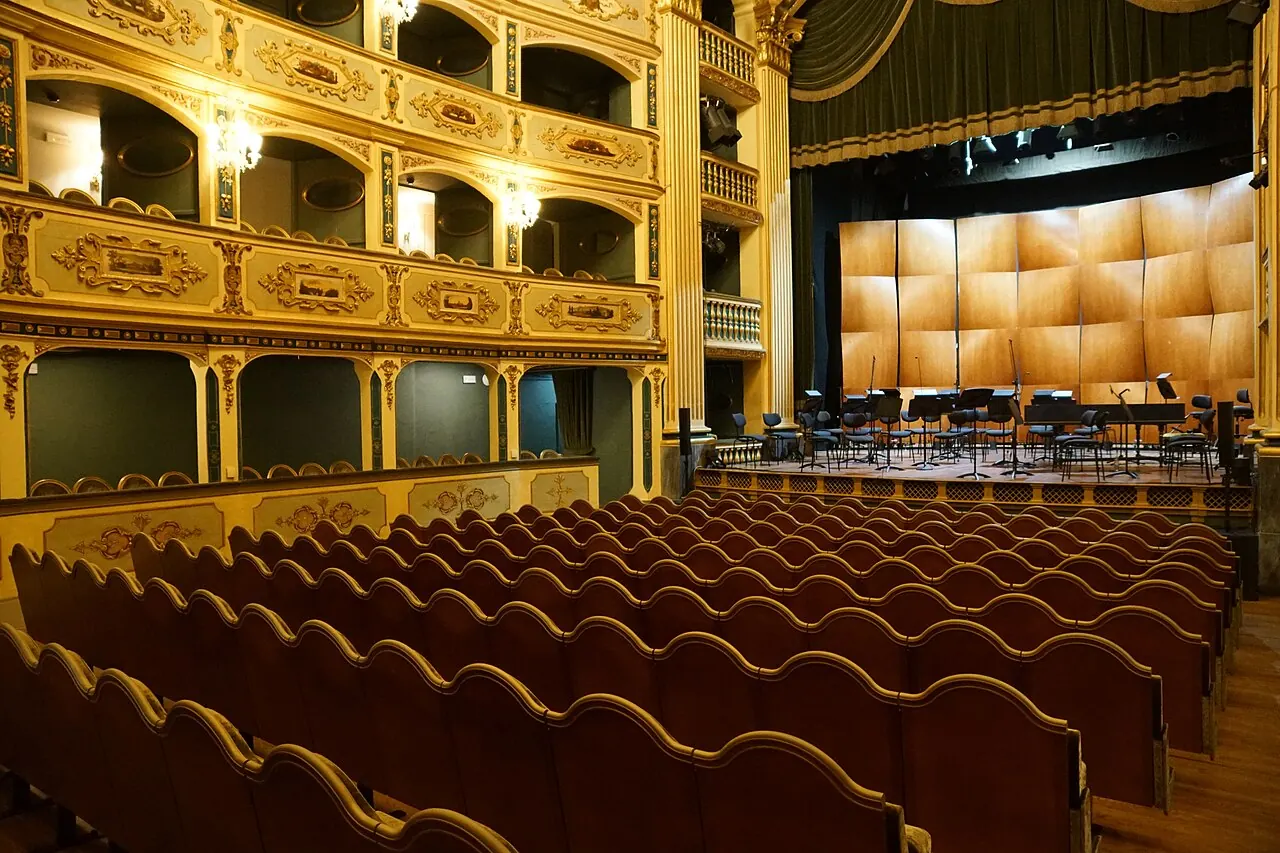
Teatru Manoel is not merely a historic room awaiting visitors; it remains a working theatre. Its compact auditorium and tiers of decorated boxes make a daytime visit worthwhile, while a performance offers the chance to experience the space in use. These are different bookings with different rhythms. Choose a tour when architecture and history are your main interest, or read the programme carefully if you would prefer an evening’s music, drama or dance. The building’s intimacy matters more than any claim about where it ranks among Europe’s oldest theatres.
The official visitor page warns that rehearsals and technical work can make the auditorium unavailable and tours may be changed or cancelled. Treat a tour as an arranged visit, not an interior you can always enter while passing. If you book a performance, check language, running time and the seat plan instead of choosing solely by the building’s reputation. St Paul’s Pro-Cathedral is nearby for a separate daytime stop, while dinner before an evening event keeps you from navigating sloping streets on a tight deadline.
Plan it well: Confirm auditorium access for a tour; for a performance, use the programme and seat plan rather than the tour booking page.
Teatru Manoel: Visit UsMake Lower Barrakka a pause, not another admission
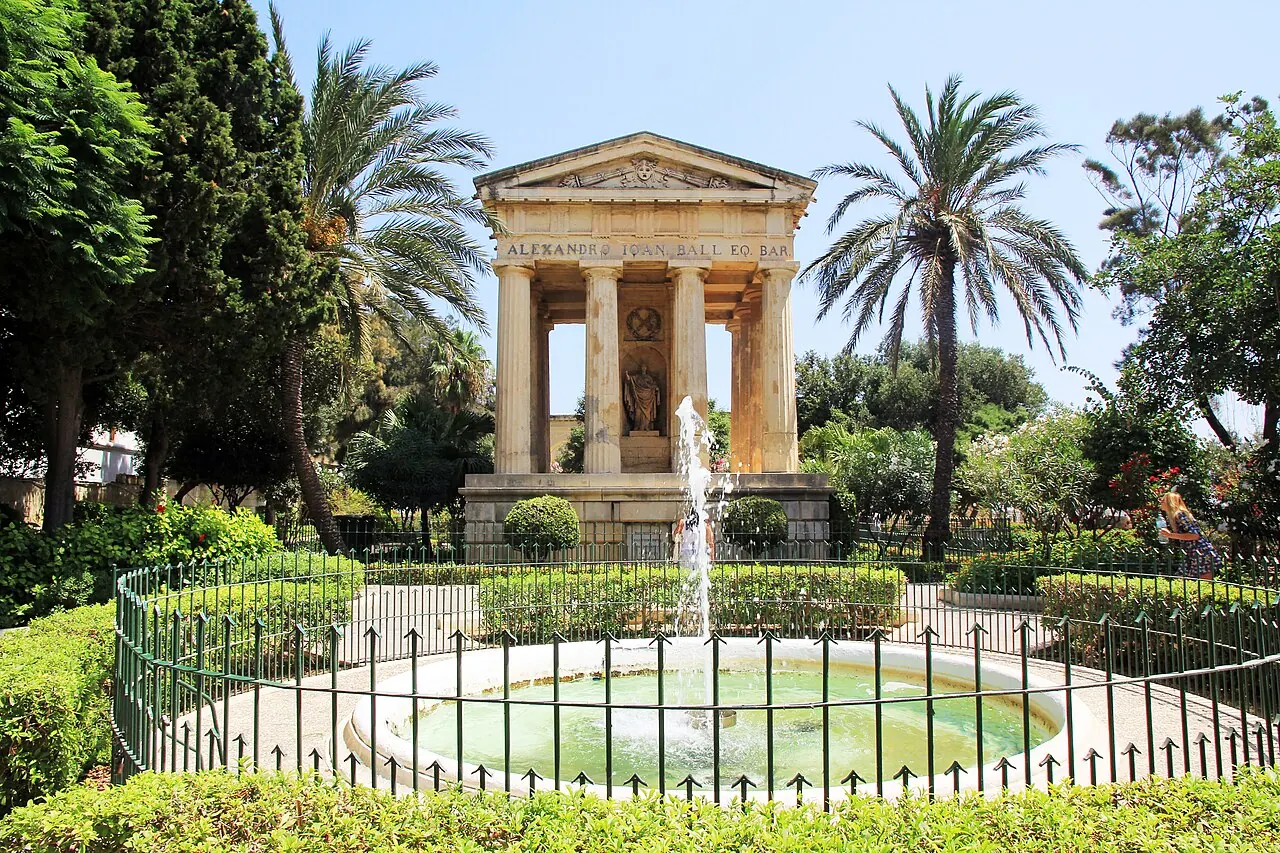
Lower Barrakka gives the Grand Harbour a second viewpoint without repeating Upper Barrakka’s exact setting. Its garden paths, planting and neoclassical monument frame a more easterly part of the waterfront. Use the pause to look across the harbour and follow the line of Valletta’s defences rather than trying to identify every building immediately. The Malta Tourism Authority lists both Barrakka gardens among the capital’s public viewpoints; they work as complementary places to sit and orient yourself, not as interchangeable photo stops.
This garden fits naturally into a walk back from Fort St Elmo, but the route still involves the city’s changing levels. Leave time for that transition and choose the streets that suit your mobility rather than trusting the shortest map line. Bring the garden into a day with one major indoor visit so it remains a genuine break. If the weather makes an exposed harbour walk unpleasant, switch its position in the plan instead of forcing the full sequence. Current local notices matter more than old guidebook opening details.
Plan it well: Pair this viewpoint with the eastern end of Valletta; do not hurry uphill to fit both Barrakka gardens into one short break.
Malta Tourism Authority: Maltese Islands tourist guide, public gardensFind the Anglican cathedral behind the skyline
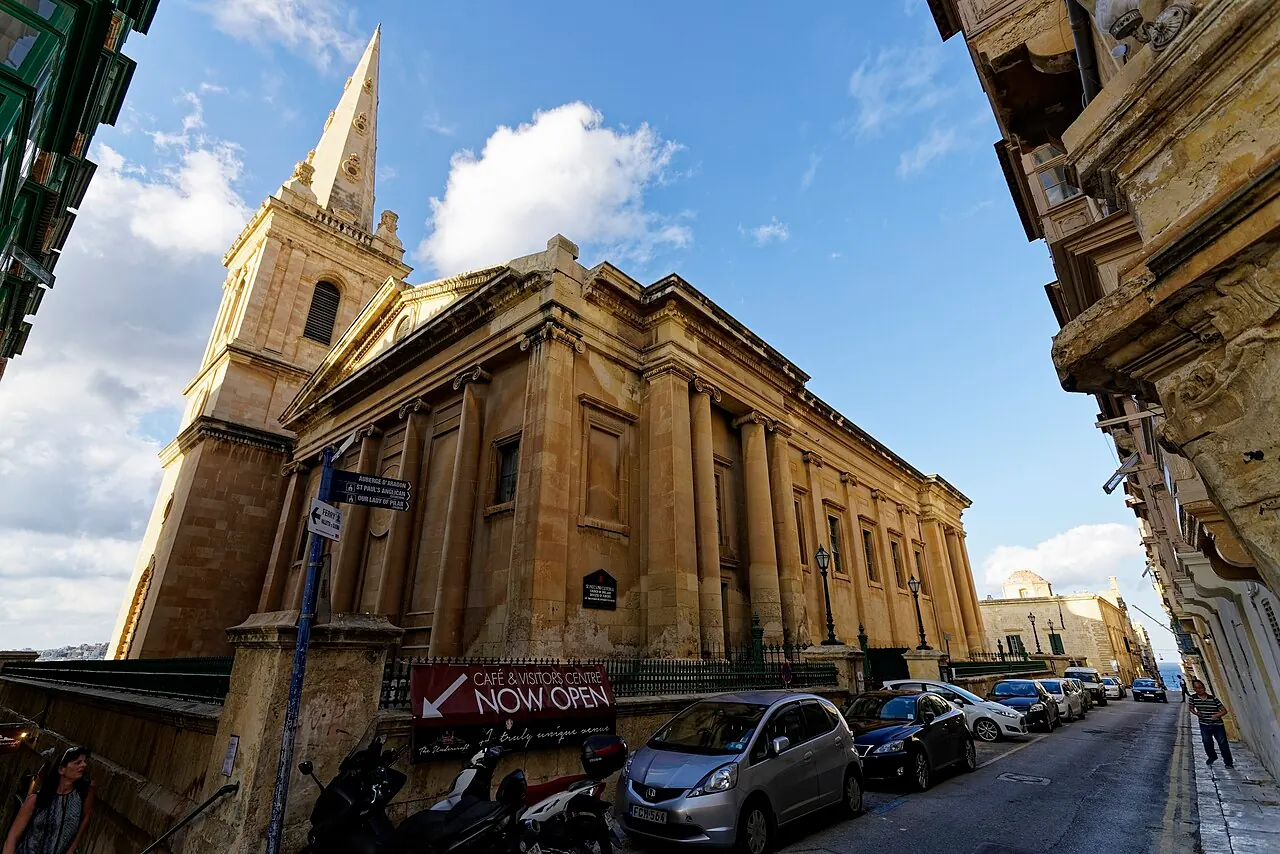
St Paul’s Pro-Cathedral offers a calmer counterpoint to St John’s lavish interior. Its spire is an important part of Valletta’s skyline, but visiting from the street makes it a distinct building rather than a distant outline beside the Carmelite dome. This is the Anglican cathedral, not the separate church associated with St Paul’s shipwreck. That distinction helps avoid an easy mapping mistake. Come for the architecture and the continuing church community, and let the quieter interior set a different pace from a busy museum circuit.
The cathedral’s own visitor instructions place the entrance on West Street and describe a self-guided route using an app or printed guide. Follow the marked route instead of assuming the most prominent facade is the visitor entrance. Its Visitor Centre is a separate continuation towards the harbour steps, so check that part’s arrangements if it is central to your interest. Services remain the priority in a working church. Keep phones quiet, ask about photography expectations and combine the visit with nearby Teatru Manoel rather than making a special crossing of the entire city.
Plan it well: Use the visitor entrance on West Street and distinguish St Paul’s Pro-Cathedral from St Paul’s Shipwreck church when mapping.
St Paul’s Pro-Cathedral: Cathedral TourStudy Auberge de Castille from its square
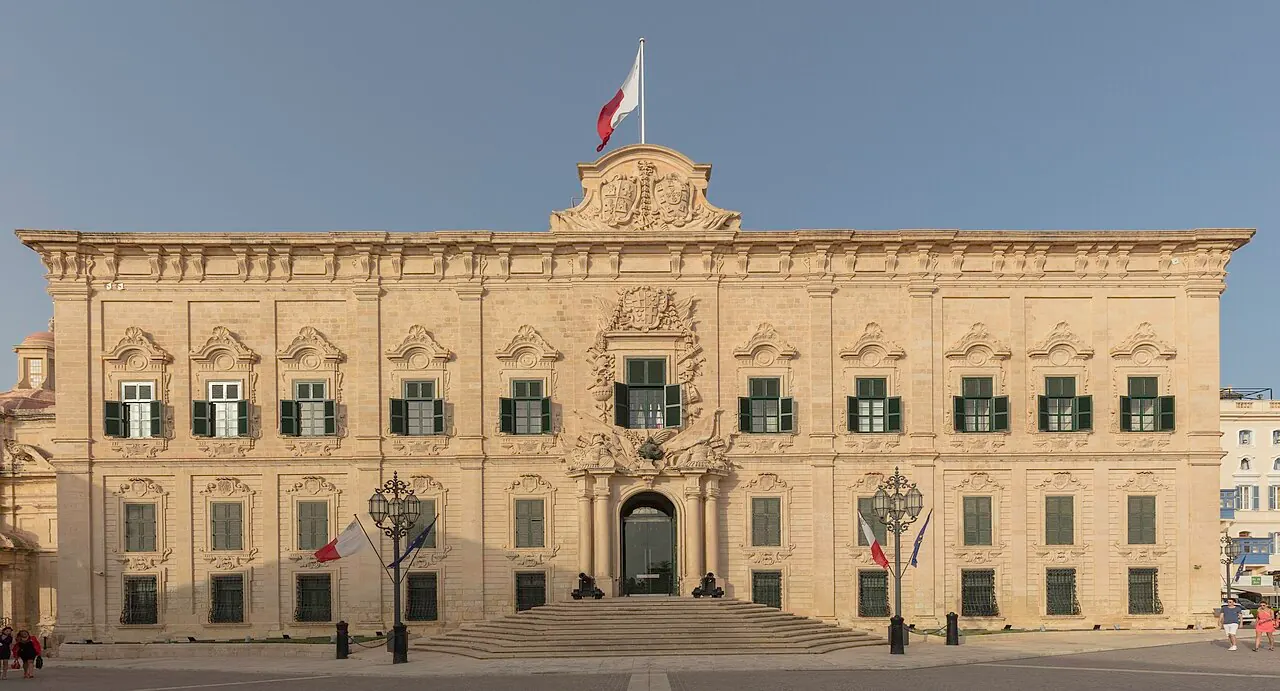
Auberge de Castille gives Valletta’s southern approach a particularly strong architectural presence. Stand far enough back in the square to read the facade as a whole, then move closer to compare the central entrance, carved ornament and broad steps. The building is a useful reminder that the auberges were substantial institutions, not just decorative houses. You do not need an interior ticket to appreciate how this one commands its public space. It pairs naturally with Upper Barrakka nearby, giving a short walk both an architectural and a harbour focus.
Plan this as an exterior stop. Auberge de Castille houses the Office of the Prime Minister and is not a routinely accessible palace museum. Occasional advertised events do not create general visitor access, and the absence of a queue is not permission to enter. Keep entrances clear and follow any security or event arrangements in the square. This is also a practical place to begin or end a city walk: review the facade, continue to the garden, then choose whether you have energy for another interior rather than automatically adding one.
Plan it well: Enjoy the facade from the public square; only assume interior access when a specific official event explicitly offers it.
Office of the Prime Minister: Auberge de CastilleHow to spend two days in Valletta
Day 1: Central interiors and the southern harbour edge
Start with St John’s Co-Cathedral on a visitor-opening day. Choose either a focused Archaeology Museum visit or the Grandmaster’s Palace before lunch, checking the palace’s room notices first. Walk to Auberge de Castille and Upper Barrakka in the afternoon; add the Saluting Battery only if you want its separate ticketed experience. Keep any remaining central museum for the next day rather than squeezing every collection into one afternoon.
Day 2: Family rooms, the peninsula and an evening performance
Book Casa Rocca Piccola, then continue along Republic Street towards Fort St Elmo if you want the War Museum as your main indoor visit. Return through the eastern side for a pause at Lower Barrakka. On a lighter version of the day, choose the palace visit omitted yesterday instead of the fort, and visit St Paul’s Pro-Cathedral near the theatre. Finish with Teatru Manoel only if a suitable performance or confirmed tour fits; these are alternatives, not ten mandatory admissions.
Before you go
Fit the route to the slopes
Small distances do not guarantee an easy walk. Check your accommodation’s exact entrance, step-free routes and lift provision, and leave recovery time between the harbour edge and higher streets.
Keep an outdoor and indoor option
Carry water and sun protection for exposed garden and fort walks. Move a museum visit into the hotter or wetter part of the day rather than committing every hour to the same route.
Book against current venue notices
Palace State Rooms, church museum access and theatre tours can have different limits. Read notices for the exact attraction and date before assuming a general opening listing covers the room you want.
Heritage Malta: Grandmaster’s Palace noticesChoose a base for your Valletta days
Stay inside Valletta when walking back from dinner or a theatre performance is a priority. Compare the exact street and entrance, not just a central map pin: historic buildings can involve steps, compact rooms and different lift arrangements. The Republic Street area suits repeated museum visits, while a base near the southern entrance can simplify arrivals and the first walk into the city. If considering a harbour-side location outside the capital, check the actual evening return options and allow for a crossing rather than assuming the water is a pedestrian shortcut.
Explore Valletta hotels