
Cancun city guide
Cancún Beach Escape: Caribbean Water and Lagoon Horizons
Compare Cancún’s public beaches, understand waves and sargassum, explore Nichupté Lagoon responsibly and shape a rewarding three-day coastal stay.
Plan your visit
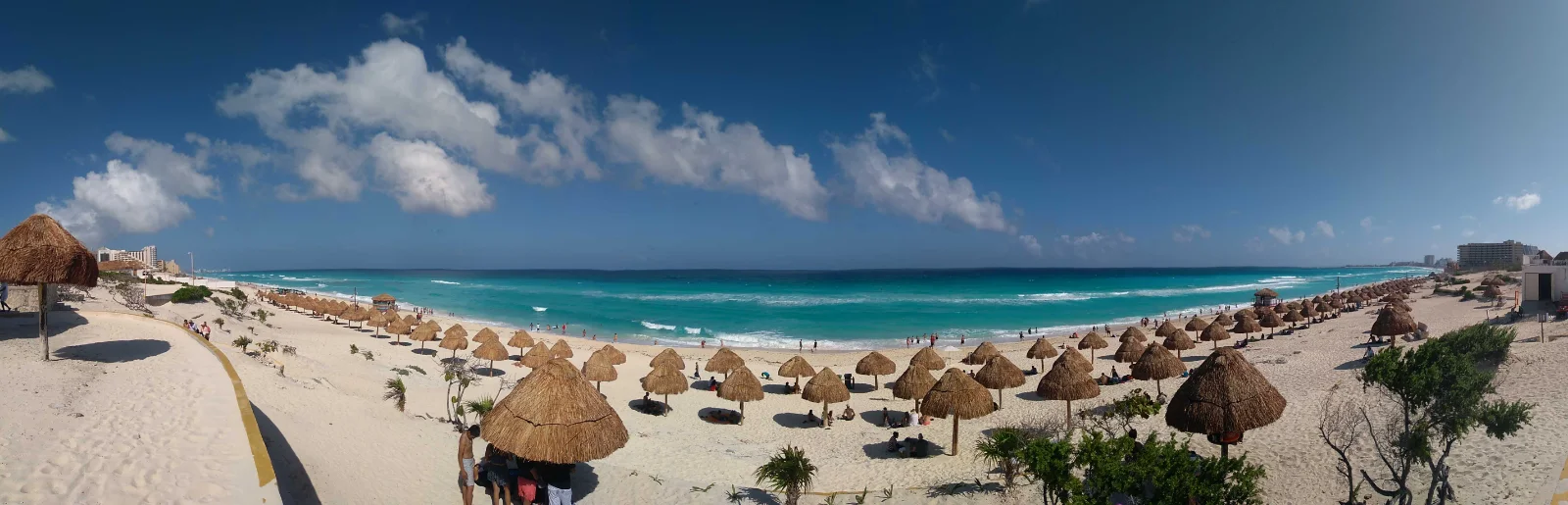
Cancún’s narrow hotel zone sits between the open Caribbean and Nichupté Lagoon, creating two very different waterscapes within a compact strip. Playa Delfines offers a broad public beach and open horizon, while northern beaches can be more sheltered depending on wind and swell. Conditions, sargassum and access change through the year, so the best beach is the one that fits the day rather than the most famous name. A strong short stay combines one carefully chosen swimming session, a lagoon or coastal viewpoint and time for regional food or Maya history without turning every day into a long transfer.
Match the beach to the conditions
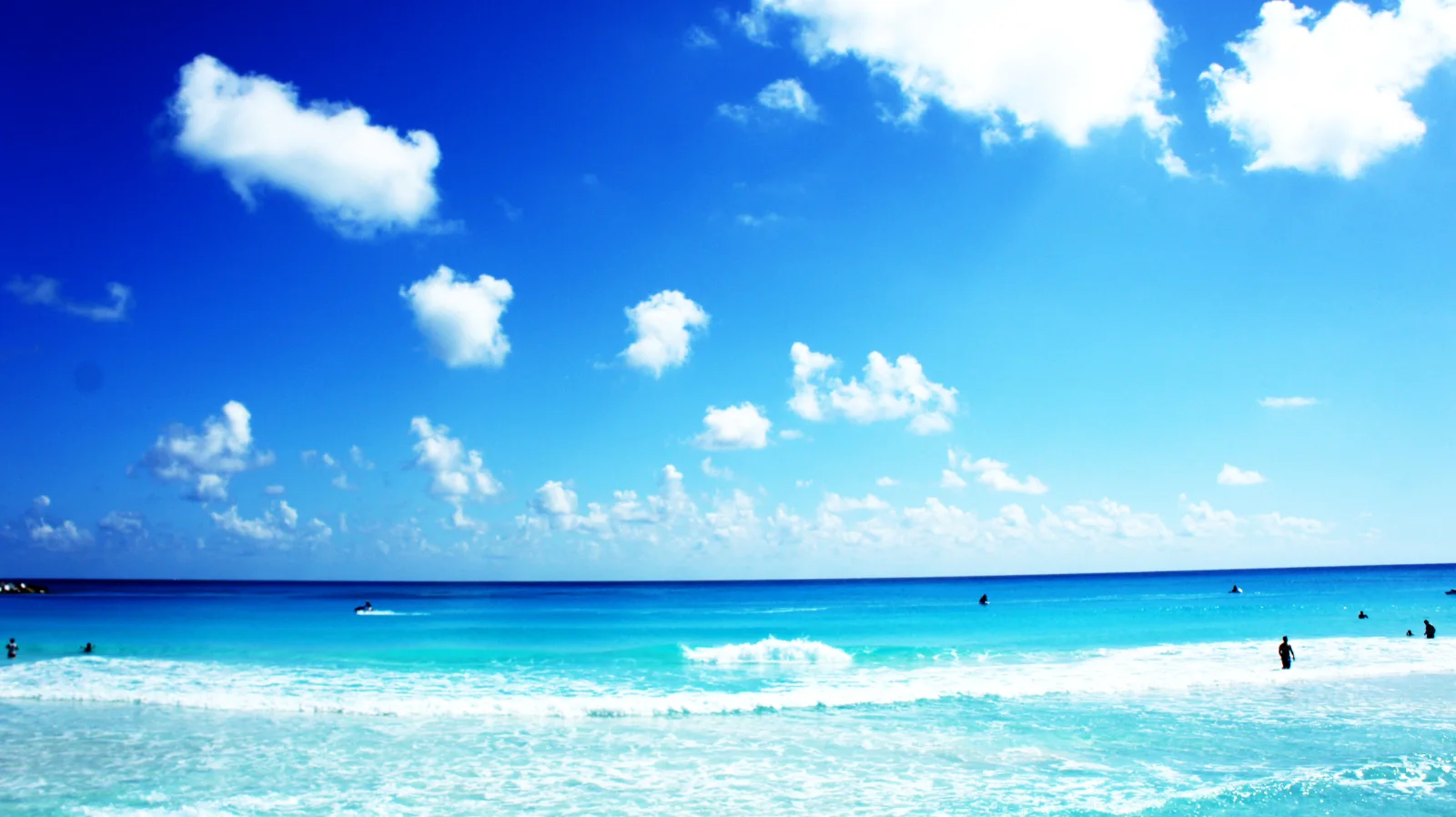
Playa Delfines offers a wide public shoreline, strong Caribbean views and a clear sense of Cancún’s open coast, but exposure can bring larger waves. Beaches on the northern side of the hotel zone may feel more protected depending on the weather. Compare the daily flags, posted conditions, access and lifeguard coverage before choosing. Use recognised public entrances and do not assume hotel frontage is the only route to the sea. One good beach session near your base is more valuable than several rushed stops along Boulevard Kukulcán.
Plan it well: Choose by the day’s flag and exposure, then stay with one beach.
Cancún municipality: public beach informationWaves, flags, sargassum and seasons
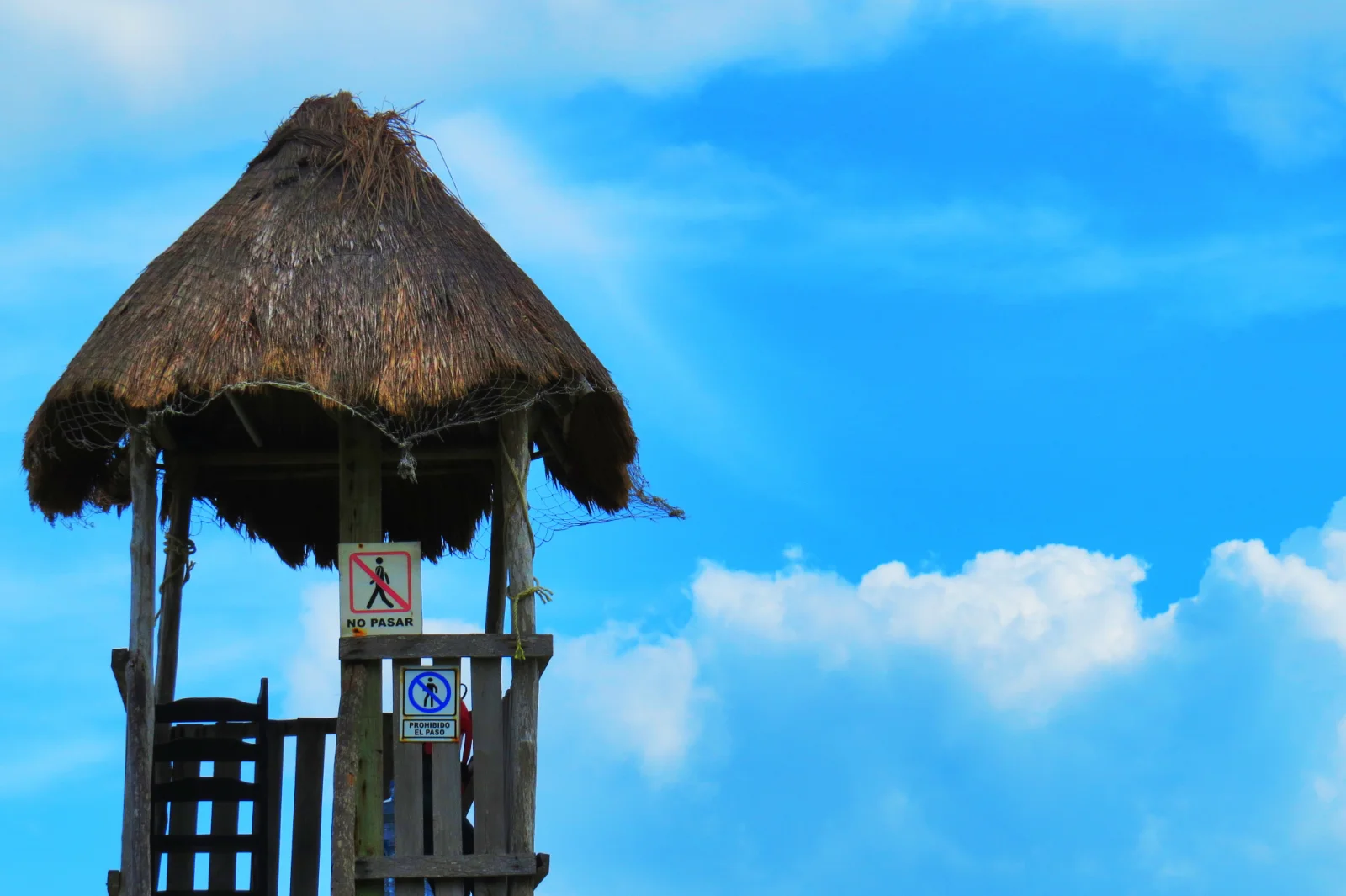
Follow the beach flag and lifeguard instructions every time you enter the water. Open-coast waves and currents can strengthen quickly, and heat or intense sun can shorten a planned session. Sargassum varies by season, wind and location; consult current monitoring and accept that one beach may be affected while another is clearer. Avoid walking on removal equipment or touching accumulated material. Mexico’s official pre-holiday monitoring provides water-quality context, while local signs remain decisive on the day. If conditions are poor, move to culture, food or lagoon viewpoints rather than an unguarded shore.
Plan it well: Check flags and current sargassum information before leaving your hotel.
CONABIO sargassum monitoringRead the coast from Caribbean to lagoon
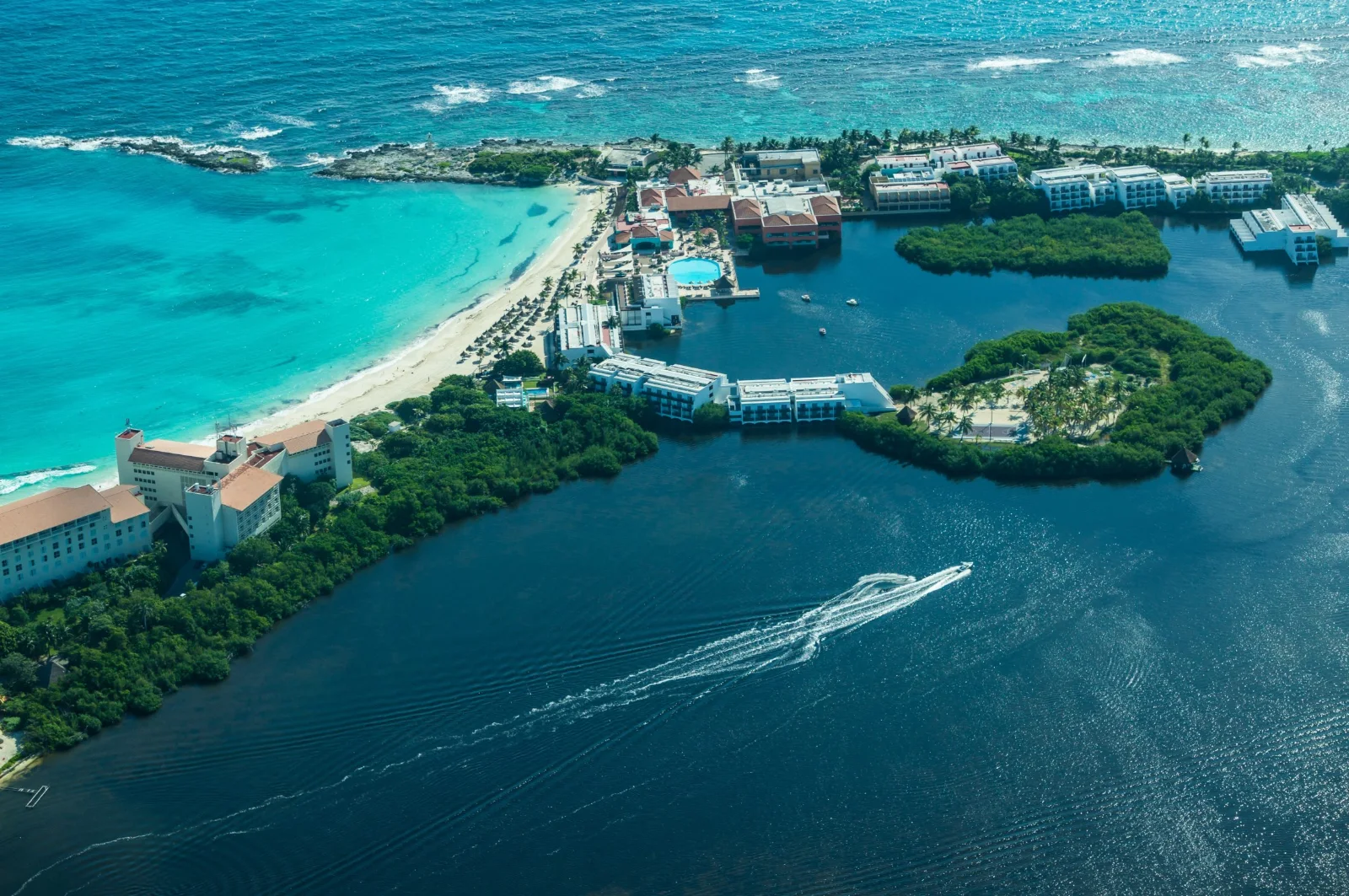
The hotel zone can be understood by comparing the open Caribbean shore with the calmer, ecologically important Nichupté Lagoon. Use established viewpoints, boardwalks or responsible licensed excursions rather than approaching mangroves informally. The lagoon supports wildlife and coastal protection, so keep distance, never feed animals and avoid operators that promise handling or close pursuit. A short route linking a public beach, a lagoon view and a sunset stop reveals more than a full day spent in traffic. Carry water, use marked crossings and remember that the boulevard is not designed as one continuous pedestrian walk.
Plan it well: Choose licensed lagoon activities that keep wildlife at a respectful distance.
Mexican Caribbean tourism informationConnect the beach with regional food and culture
Cancún’s visitor strip makes international food easy to find, but a more grounded meal looks toward Yucatán and Quintana Roo. Ask about regional dishes, seasonal fish and locally produced ingredients, compare displayed prices and order gradually. Do not buy coral, shells or wildlife products. For cultural context, El Rey archaeological zone sits within the hotel area and can complement a beach day without a long journey; verify current opening and access information with INAH. Treat Maya heritage as a living regional culture, follow site rules and avoid climbing or entering closed spaces.
Plan it well: Pair one beach day with verified Maya heritage rather than a rushed checklist.
INAH: El Rey archaeological zoneA two-day Caribbean and lagoon plan
Start day one at Playa Delfines or another guarded public beach selected from current conditions, leave the strongest heat for lunch and add El Rey or a nearby cultural stop. On day two, choose a calmer northern beach if the flags support it, then view Nichupté Lagoon from an established access point or responsible excursion. Finish with regional food rather than another cross-zone transfer. If sargassum or waves affect the chosen shore, change the order or keep the lagoon and cultural elements. The plan remains useful even when one swim is cancelled.
Plan it well: Build the itinerary so one cancelled swim does not cancel the day.
COFEPRIS beach monitoringAdd Maya context on day three
A third day can deepen the regional story through a carefully planned museum, archaeological site or recognised protected area, but distance should be realistic. Choose one major addition and verify transport, opening information, heat exposure and site rules before departure. Travellers who prefer a slower stay can instead repeat the clearest beach, explore more of the lagoon responsibly or spend time with local food and crafts. Avoid wildlife shows, souvenir coral and excursions that crowd sensitive habitats. Returning with a better understanding of the coast is more valuable than collecting distant stops.
Plan it well: Choose one well-researched cultural addition and verify it directly before travel.
CONANP protected areas