
Mexico City city guide
10 things to do in Mexico City
Build a first Mexico City visit around archaeology, art and neighbourhood life. These ten choices include a separate Teotihuacan day trip, with practical combinations that respect the capital's scale.
Plan your visit
Mexico City is too large and too rewarding for a first visit built entirely around ticking boxes. Its historic centre makes a coherent walking day, but Chapultepec, Coyoacan, Xochimilco and Nuevo Polanco need deliberate transfers. Leave room for meals and time to absorb what you see instead of scheduling every museum back to back. The ten places below are choices, not a promise that everything fits into a weekend. Teotihuacan is outside the city and deserves a separate full-day excursion. Book the Frida Kahlo Museum through its official channels, check INAH visitor notices for archaeological sites and museums, and build the rest of the trip around the admissions you actually hold.
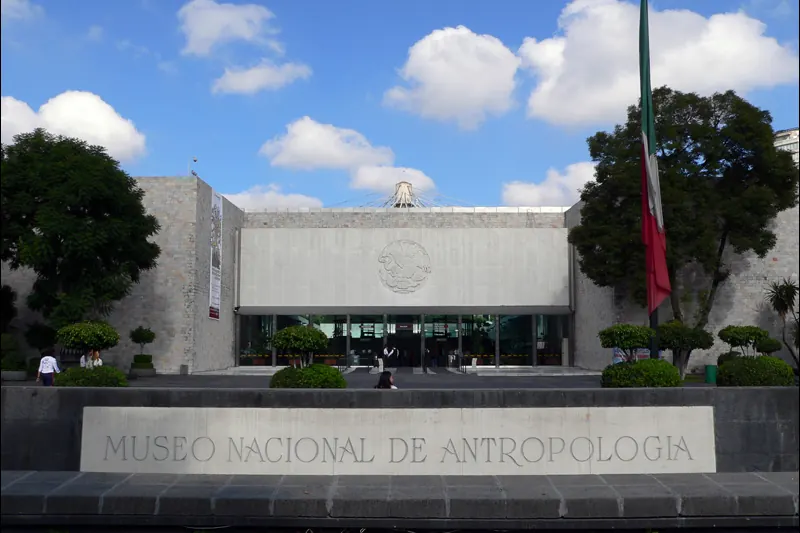
Choose a thoughtful route through the Anthropology Museum
The National Museum of Anthropology is an excellent starting point for understanding the depth and variety of Mexico's cultures. Resist the temptation to regard it as a collection of famous objects leading to one final photograph. Choose several rooms, read their introductions and look for differences in materials, beliefs and daily life. The building and its central courtyard help structure the visit, but the collections deserve most of your attention. Even a selective route can provide useful context for the archaeological places you encounter later.
Make space for the museum's treatment of living Indigenous cultures as well as its archaeological collections; Mexico's story is not confined to an ancient past. Check the official INAH information for current access and choose priorities before entering, especially if you have limited energy for a large museum. A meal and a break are sensible parts of the plan. Chapultepec Castle is in the same broad park area, but adding it should depend on your appetite for another substantial visit rather than its apparent proximity.
Plan it well: Pick three or four rooms and include living cultures instead of attempting every display at the same pace.
INAH: National Museum of AnthropologyConnect ancient Tenochtitlan with the modern city at Templo Mayor
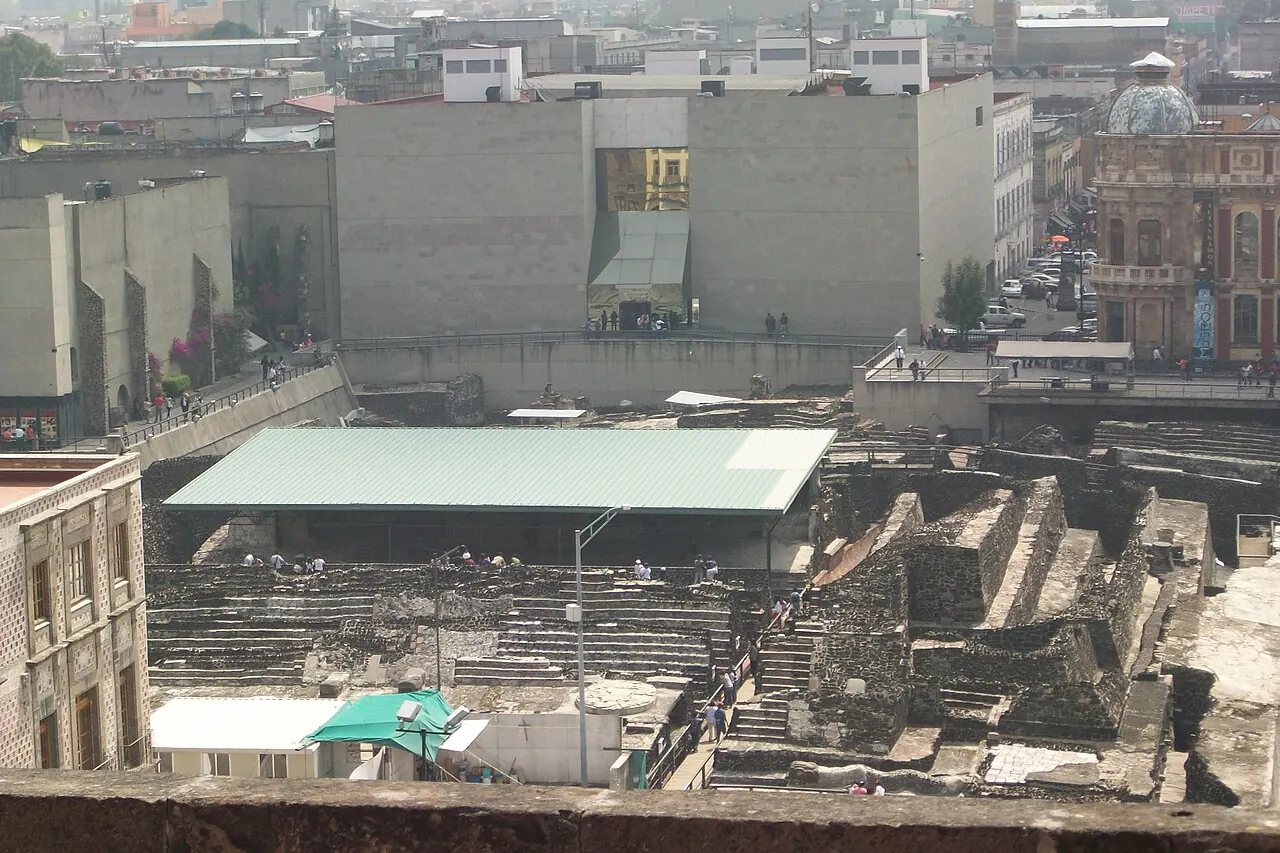
Templo Mayor makes the city's layers visible within a short walk of its main square. The excavated remains and museum are best approached together: the outdoor site establishes the setting, while the exhibits help you understand objects and practices that can be difficult to read from stone foundations alone. Look at the relationship between the archaeological area and the streets around it. The contrast with the modern city is part of the experience, not a distraction from the ancient remains.
Use INAH's current visitor information rather than assuming that an exterior glimpse includes access to the full site and museum. The open-air portion can be tiring in strong sun, so bring suitable protection and pace the visit around your group's needs. Pair it with the Zocalo before extending west towards Bellas Artes; that creates a coherent historic-centre route without repeated transfers. A guide can add context if you want one, but establish the service and its cost separately from admission instead of assuming they are bundled.
Plan it well: Give the museum time as well as the excavations; a photograph from the surrounding pavement is a different visit.
INAH: Templo Mayor archaeological site and museumSeparate the art and performance choices at Bellas Artes
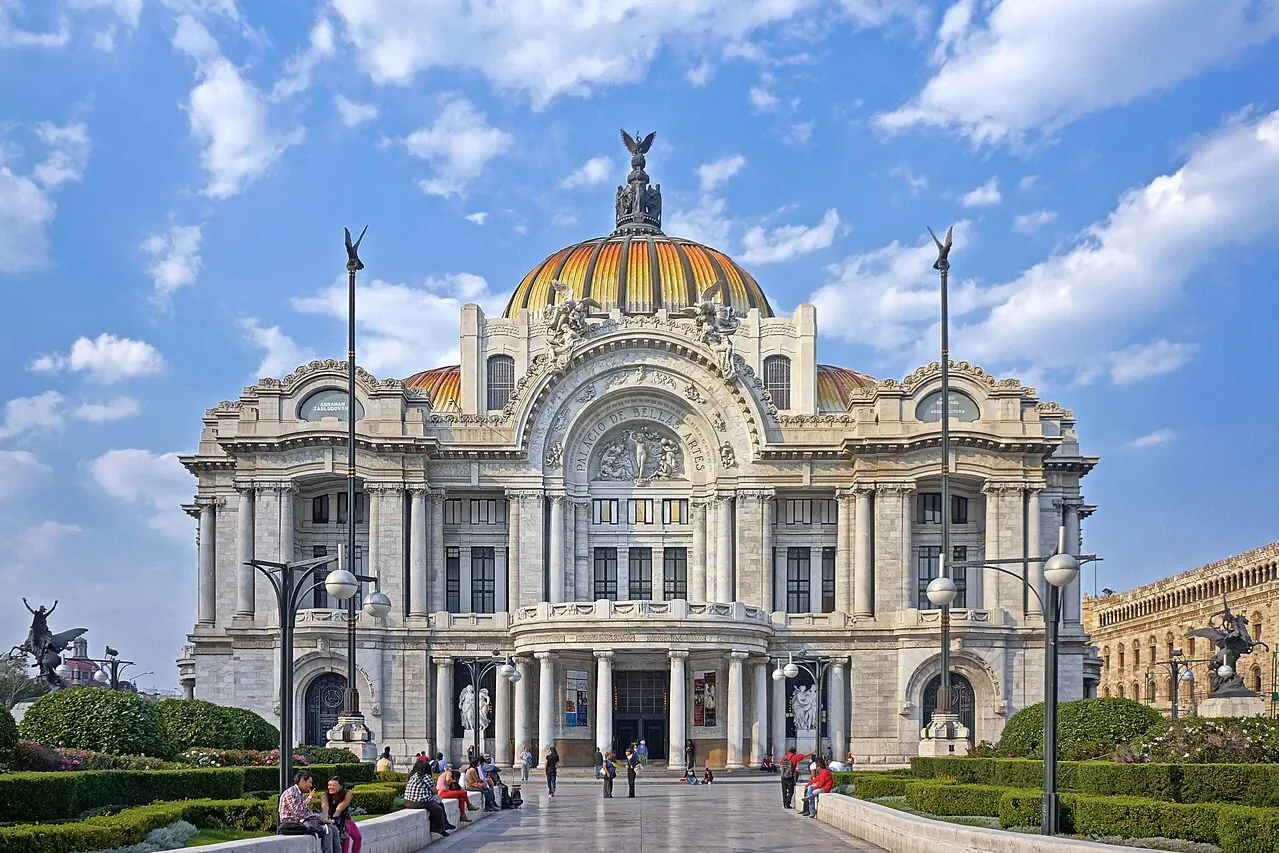
The Palacio de Bellas Artes offers more than its striking exterior. Think of it as several possible visits: appreciating the building from the surrounding streets, seeing the art displays, or attending a performance chosen from the actual programme. Each produces a different experience, and there is no need to force all three into one stop. Give the architecture a moment before entering, then decide which part of the cultural programme connects with your interests instead of treating a ticket as a generic building pass.
Check the official programme and the relevant museum or performance admission details carefully. A gallery visit does not automatically include an auditorium event, and a performance may require a different entrance time and reservation. Keep your evening flexible if you are booking a show, with enough time for food and the return journey. Alameda Central is immediately useful as a quieter outdoor break before or after the building. For a short first visit, this pairing is more manageable than adding another large art museum in a distant neighbourhood.
Plan it well: Identify whether you want the museum, a performance or an exterior stop before selecting a ticket.
Palacio de Bellas Artes: official programmesRead national history at Chapultepec Castle
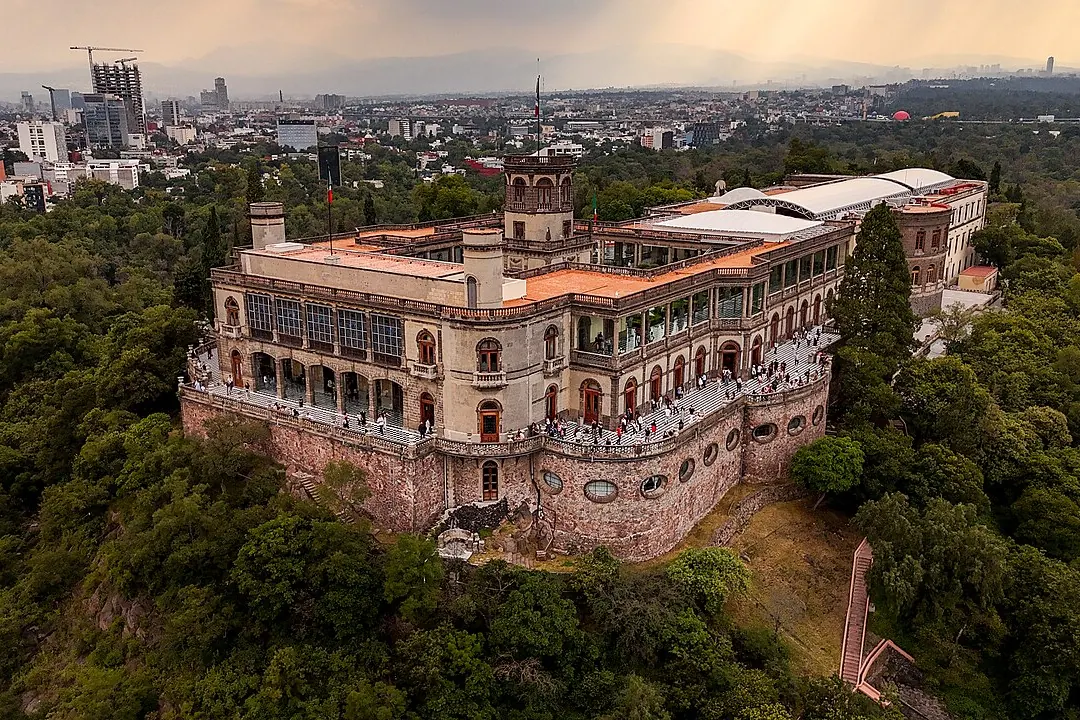
Chapultepec Castle combines a hilltop setting with the National History Museum, making it a worthwhile visit for more than the views. Pay attention to the way rooms, objects and interpretation describe changing forms of power in Mexico. The castle is not simply a decorative palace detached from the country's political history. A focused route through the museum can be more rewarding than wandering through every space without context, especially if you have already spent a morning in another major collection.
The uphill approach needs to be included in your time and energy budget. Check the museum's current access arrangements if steps, gradients or prolonged walking are a concern, rather than relying on a photograph to judge the route. Use INAH's visitor information for available spaces and admission rules, and follow instructions around historic interiors. An outdoor pause in Chapultepec can balance the museum visit. If you pair it with the Anthropology Museum, make both visits selective and leave a proper break instead of scheduling an uninterrupted museum marathon.
Plan it well: Allow time for the hill and check accessibility arrangements before combining two Chapultepec museums.
National History Museum: visitor informationReserve time for Casa Azul and Coyoacan
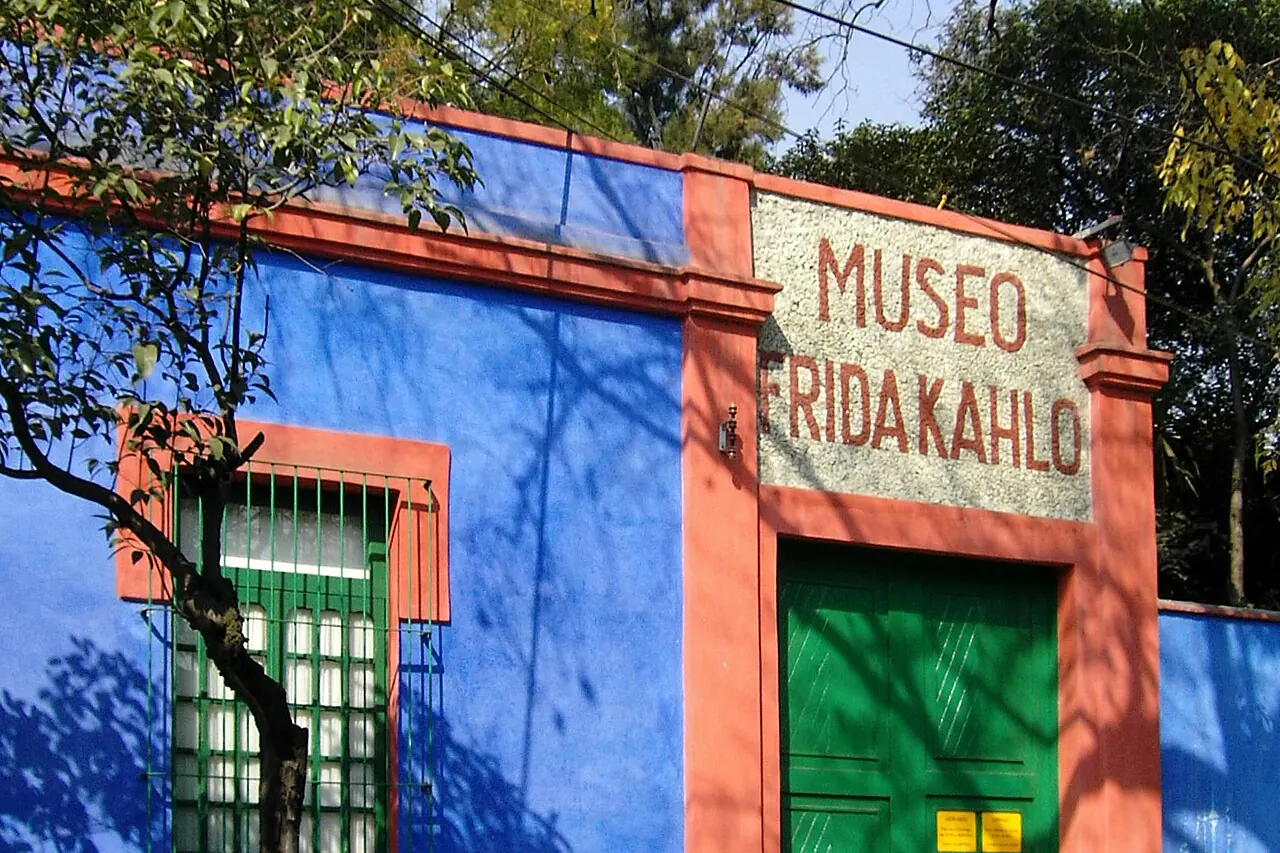
The Frida Kahlo Museum offers a domestic setting for thinking about an artist whose image is often more familiar than her work. Casa Azul brings rooms, personal objects and the surrounding environment into the story. Approach it as a house museum rather than expecting a comprehensive survey of every famous painting. Reading the interpretation and noticing small details can make the visit more meaningful than searching for a single iconic view of the blue walls.
Use the ticket channels linked by the museum and arrange your visit before making the journey to Coyoacan. Check the entry instructions, photography rules and accessibility information for your particular reservation. The neighbourhood deserves time afterwards for a meal and an unhurried walk, so avoid treating the house as a distant appointment between two central-city attractions. Xochimilco is also in the southern part of the city, but that does not make the two adjacent; only combine them after allowing realistic transport time and confirming the boat arrangements you want.
Plan it well: Book Casa Azul first, then shape your Coyoacan day around the confirmed visit time.
Frida Kahlo Museum: official visit and ticketsUse the Zocalo to understand the historic centre
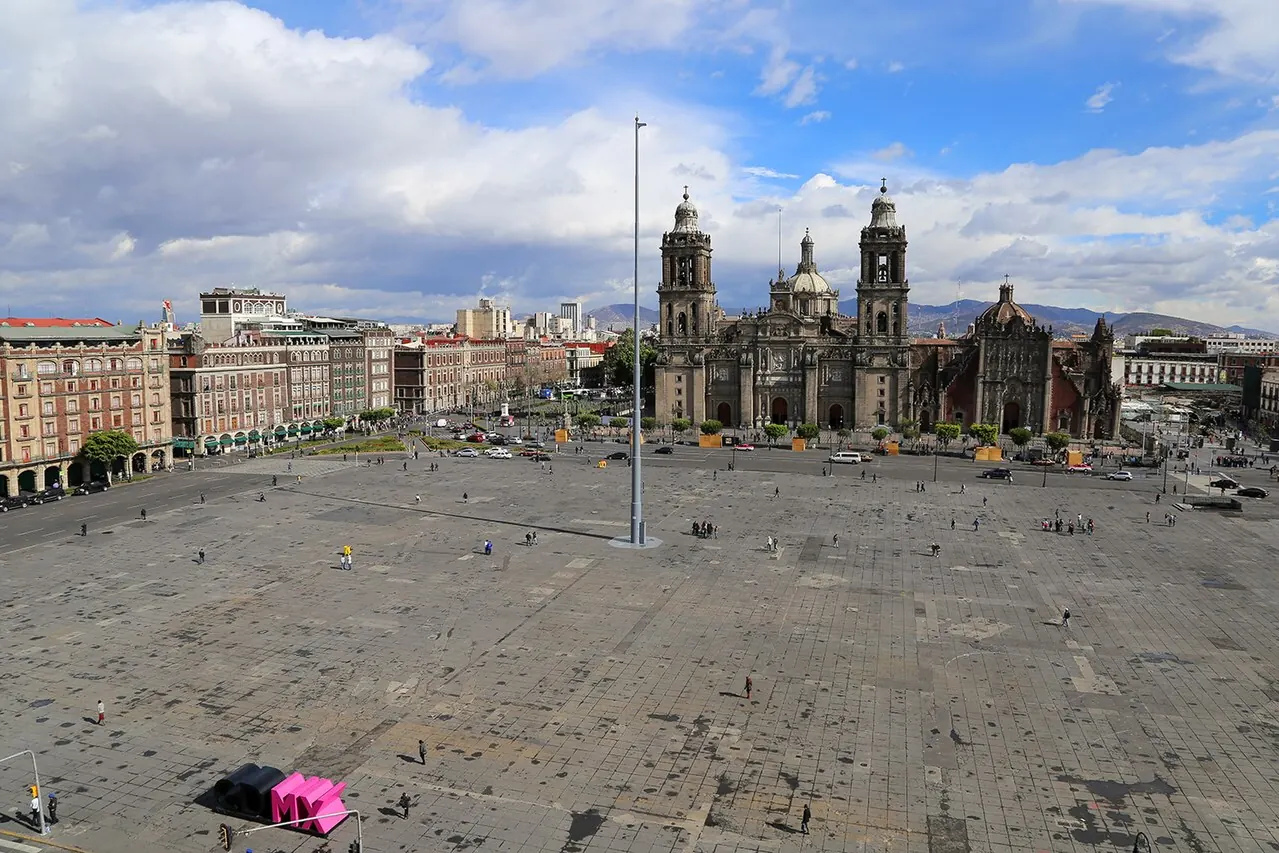
The Zocalo is a useful place to orient yourself before entering the historic centre's museums and monuments. Look across the square and notice how religious, civic and archaeological places sit close together. The space helps explain why successive periods of the city's history are encountered here within such a compact area. A first circuit is worth doing slowly, with attention to the buildings and the everyday movement around them, instead of trying to extract a perfect photograph from a working public space.
Events, demonstrations or official activity can change how you move through the square, so follow current instructions and be prepared to adjust the route. An open plaza does not imply unrestricted entry to every surrounding institution. Templo Mayor is a natural next stop, while the walk west towards Bellas Artes offers a different view of the centre through busy streets. Keep your bag close in crowds, pause somewhere out of the main pedestrian flow and select only one or two interiors so the day retains room for food and observation.
Plan it well: Treat the square as an orientation point; check each surrounding building's access separately.
Mexico City government tourism: Zocalo and Templo Mayor routeChoose the Xochimilco canal trip you actually want
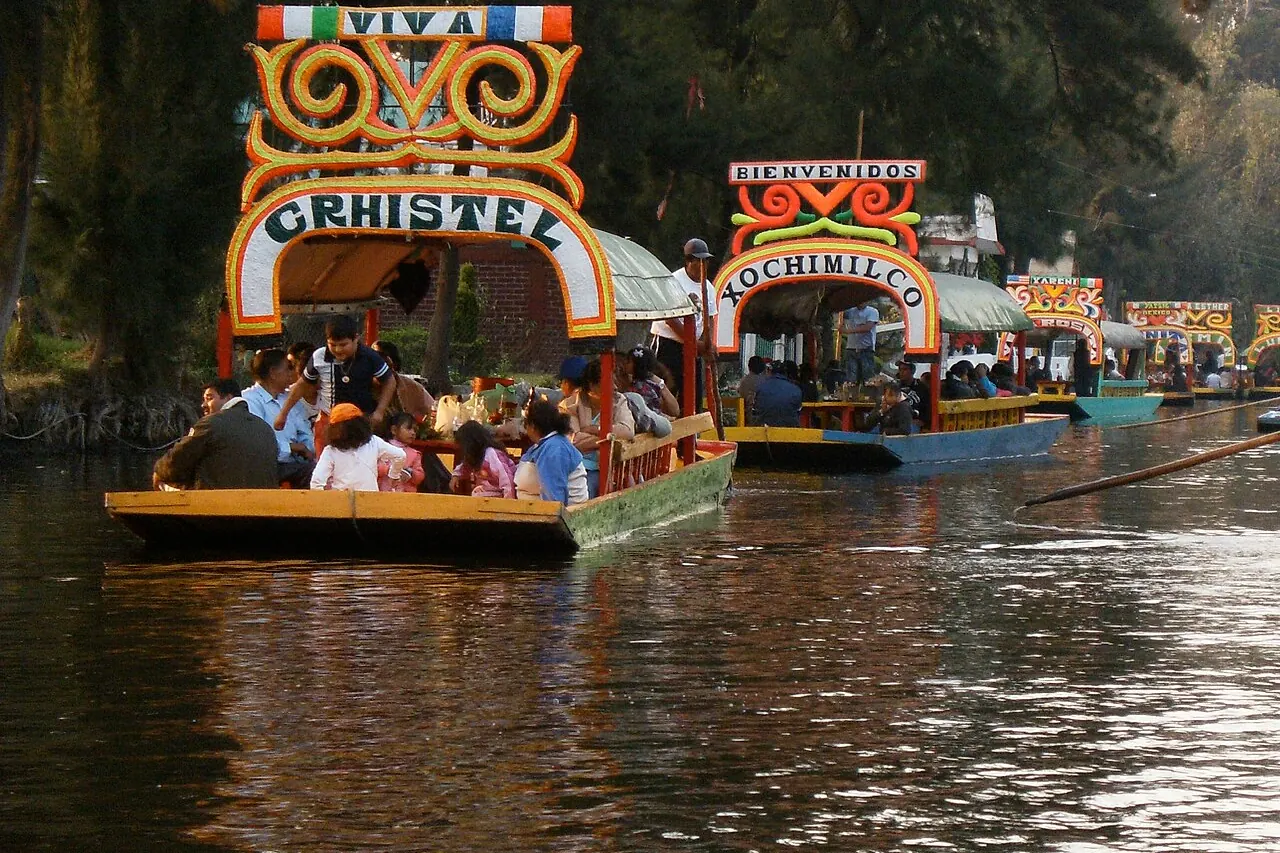
Xochimilco is more than a row of brightly painted boats. Its canals belong to a living landscape with chinampa agriculture, neighbourhoods and ecological pressures, so the kind of trip you choose matters. A lively social outing and a quieter visit focused on the canal environment are different products. Ask the operator to explain the route before boarding and decide what your group wants from the experience. The borough's tourism information distinguishes traditional tourist embarkation points from options associated with the protected natural area.
Agree the duration, total boat charge, inclusions and return point in advance, and clarify any optional food or music costs separately. The map pin here represents the wider Xochimilco area, not a reserved boat or a guaranteed boarding dock; navigate to the confirmed embarcadero instead. Leave generous transfer time from central neighbourhoods and plan the journey back as carefully as the outward trip. Respect working plots, avoid litter and choose an operator who can explain the landscape rather than promising wildlife encounters on demand.
Plan it well: Confirm an exact embarcadero and route; a generic Xochimilco map pin is not a boarding instruction.
Xochimilco borough: visitor activities and embarcaderosGive Teotihuacan a separate full day
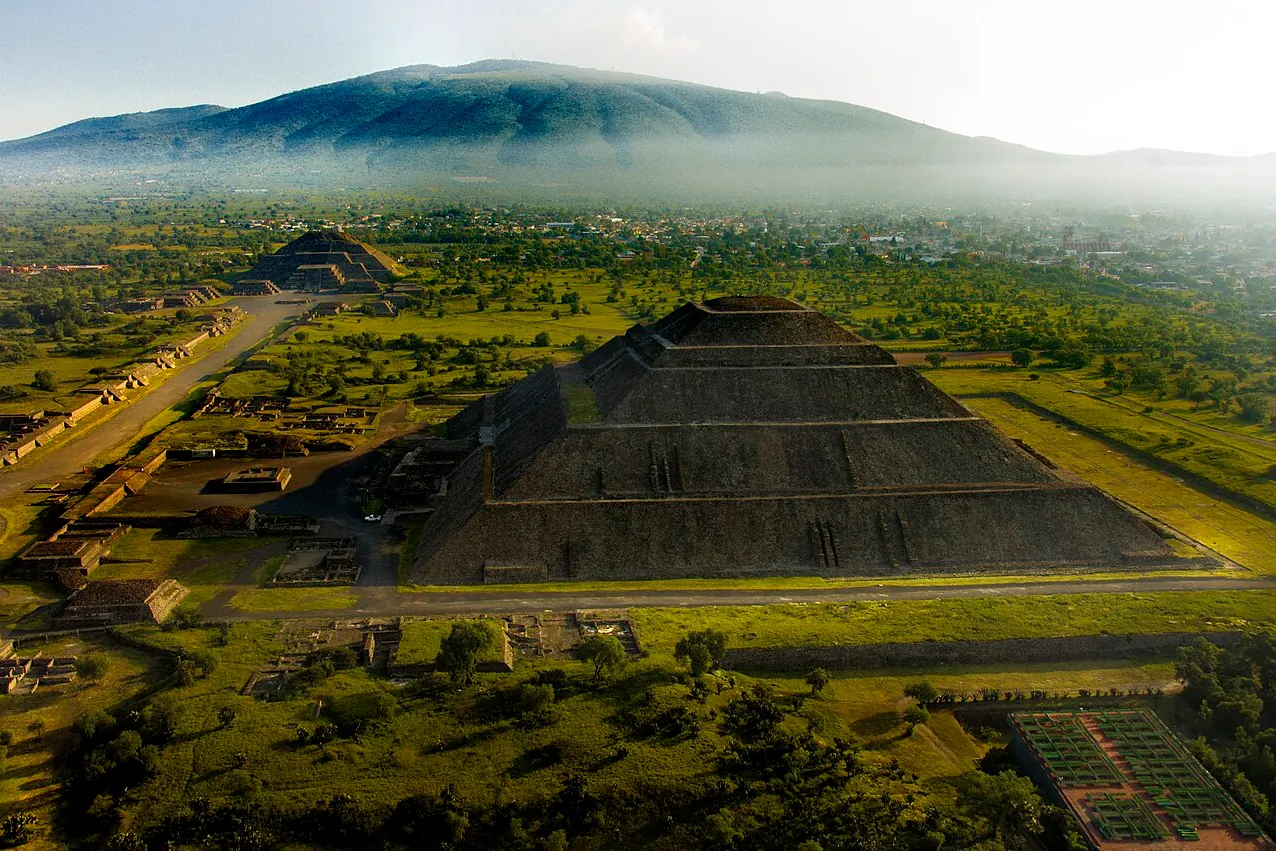
Teotihuacan is outside Mexico City and should be planned as a separate full-day excursion rather than another urban stop. The archaeological landscape rewards a route that gives its avenues, buildings and interpretation time to relate to one another. Looking at the scale of the settlement is more revealing than approaching it only as a pair of famous pyramids. Choose a few priorities, bring your attention to the surrounding remains and leave enough energy to understand the site rather than simply cover ground.
Consult INAH's current visitor notices before travelling and follow the access rules in place on the day. Do not assume any pyramid can be climbed or that an old tour description reflects present permissions. Organise a dependable return journey, wear shoes suitable for a long outdoor visit and take water and sun protection appropriate to your needs. A balloon flight, restaurant stop or craft workshop is a separate service, not proof of archaeological-site admission. If time in the capital is limited to two days, keep this excursion as an alternative or add another day.
Plan it well: The map query names your trip base, but the verified site coordinates are outside the city; budget a full day.
INAH: official Teotihuacan visit planningTake a useful pause in Alameda Central
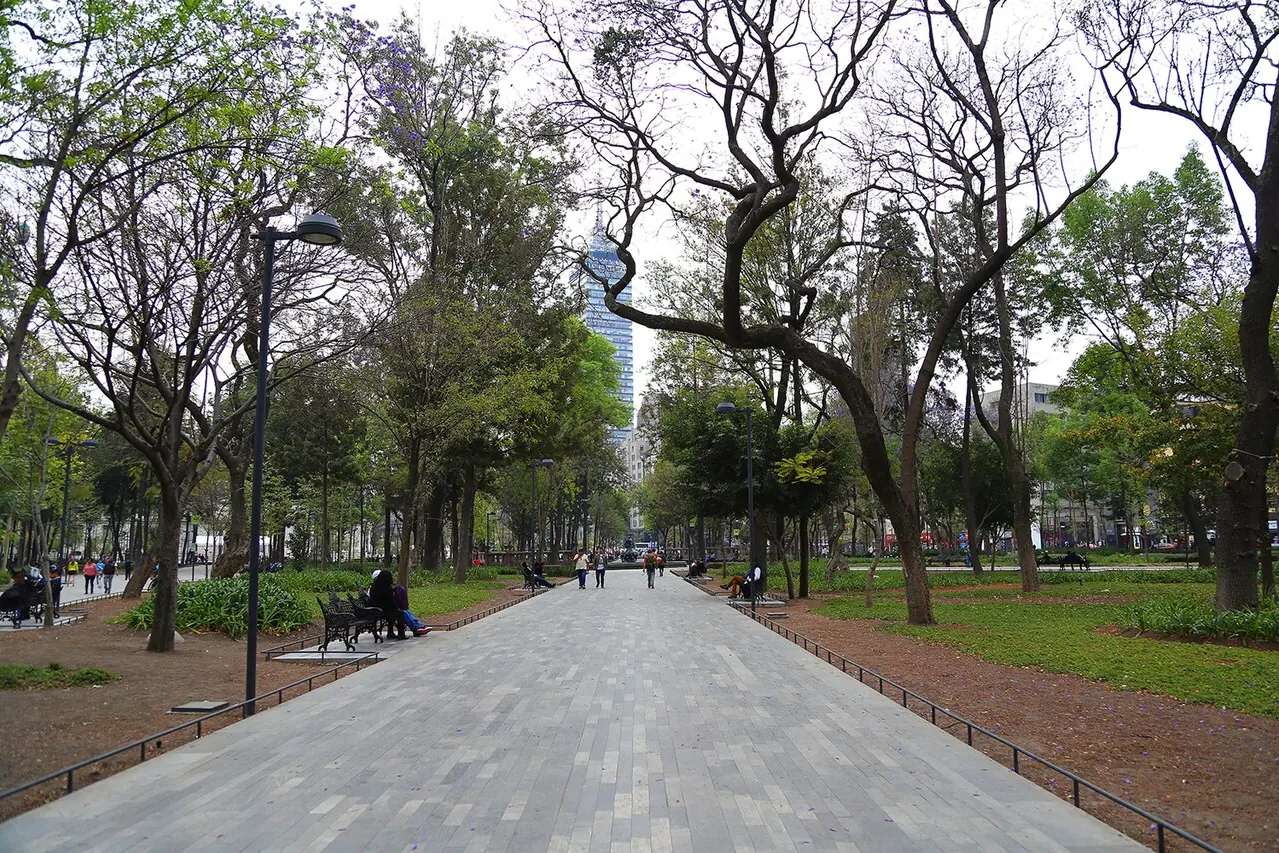
Alameda Central is a good antidote to treating the historic centre as a chain of enclosed attractions. Its paths, trees, fountains and public monuments offer space to pause and look at the city at a different pace. Rather than making another elaborate checklist, choose a short circuit and notice how residents use the park. The setting beside Bellas Artes makes it useful within a first-day route, while the park's long history adds another layer to a district already rich in contrasting periods.
Use the park to break up a museum-heavy day, not as an excuse to keep walking when your group needs a proper meal or rest. Cross the surrounding roads at designated crossings and stay aware of bags in crowded areas. Access patterns may change during public events, so be flexible about the route through the centre. You can continue east towards the Zocalo after a break, but there is no requirement to complete the whole corridor twice. Pick the direction that fits your next reservation and the journey back to your base.
Plan it well: Pair the park with Bellas Artes and use it as a genuine break in your historic-centre route.
Mexico City government tourism: Alameda CentralLook beyond the facade at Museo Soumaya
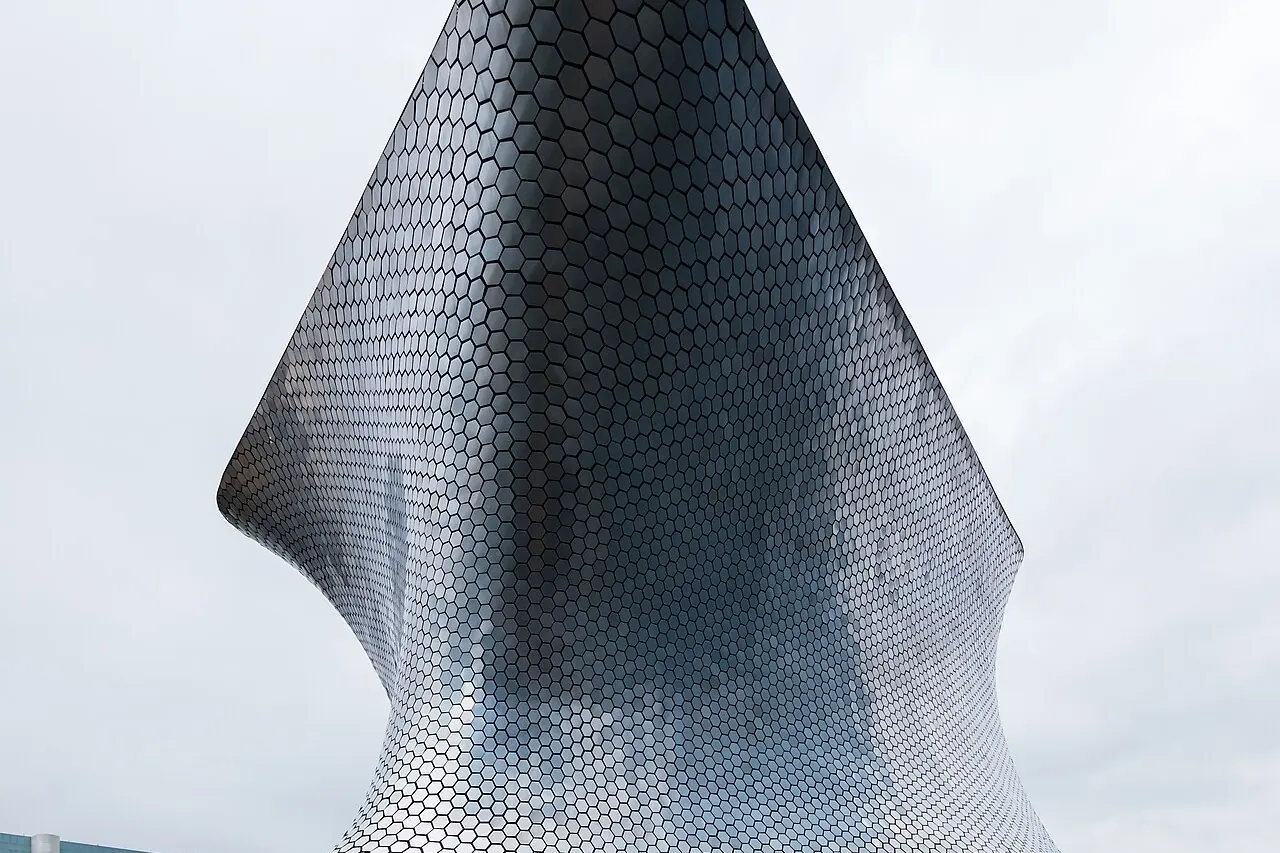
Museo Soumaya at Plaza Carso is recognisable from its curving, reflective exterior, but the building should be the beginning of the visit rather than its entire purpose. Look at the current display information and choose the parts of the collection that interest you. Moving from a memorable facade to sustained time with individual works makes the outing more satisfying. It is a different museum experience from the archaeological focus of Anthropology or the domestic scale of Casa Azul, so choose according to your interests.
Specify Plaza Carso when planning transport: the museum organisation has more than one venue, and its name alone can be ambiguous. Nuevo Polanco is not an extension of the historic-centre walking circuit, so give this visit a clear place in the day rather than adding it as an impulsive final stop. Check visitor notices and follow the gallery rules for bags and photographs. A nearby meal or neighbourhood break can make the journey worthwhile, especially if you prefer a selective art visit to another full museum day.
Plan it well: Navigate to the Plaza Carso venue and check its displays before deciding how long to spend inside.
Museo Soumaya: Plaza Carso exhibitionsHow to spend two days in Mexico City
Day 1: the historic centre
Start at the Zocalo, then give Templo Mayor and its museum an unhurried visit. Break for lunch before walking west towards Bellas Artes and Alameda Central. Choose the art visit or a separately booked evening performance; neither needs to be combined with another distant museum.
Day 2: choose Chapultepec or the southern districts
For a museum-led day, spend the morning at Anthropology, take a proper break and add Chapultepec Castle only if you want another substantial interior. Alternatively, build the day around a confirmed Frida Kahlo Museum reservation and Coyoacan, with Xochimilco only after arranging a specific boat route and sufficient transfer time. Teotihuacan needs a separate full day; Soumaya is another alternative, not an extra obligation.
Before you go
Use official admission channels
Follow museum and INAH links for entry rules and visitor notices. Casa Azul booking should determine your Coyoacan schedule; do not depend on an unverified reseller or an old ticket price.
Cluster neighbourhoods
The historic centre, Chapultepec, Coyoacan, Xochimilco and Nuevo Polanco are distinct planning areas. Check transfers at the time you expect to travel and leave room for delays.
Pace outdoor visits
Use water, sun protection and rest breaks according to your needs. Archaeological sites and hill approaches can be more demanding than a short map distance suggests.
Know what a tour includes
Clarify admission, transport, boat duration and optional activities before booking. A Teotihuacan excursion or Xochimilco boat description is not automatically an all-inclusive package.
Leave a contingency
Check current official travel advice and local visitor notices before departure. Public events, security procedures and museum changes can alter a route even when the attraction remains on your list.
Choose a base that fits your plans
Pick a base for the part of the city you expect to use most. The historic centre suits a walking-led first day, while Reforma and areas near Chapultepec can work for museum plans and cross-city journeys. Roma and Condesa suit visitors prioritising neighbourhood meals and evening time, provided the exact transport connections fit their itinerary. Polanco and Nuevo Polanco are different practical locations despite the similar names. Compare the specific address, noise, accessibility and transfer costs; Teotihuacan does not require moving your city hotel for a single day trip.
Explore Mexico City hotels