
Mexico City city guide
Where to stay in Mexico City
Compare Centro Historico, Roma Norte, Condesa, Reforma, Polanco and Coyoacan by historic sights, food streets, parks, transport and the journeys each base adds.
Plan your visit
Mexico City's colonias are more useful for choosing a stay than a generic central-hotel label. The historic centre, Roma's dining streets and Coyoacan's southern squares create different daily routes. These six bases compare the immediate neighbourhood as well as the journey to the rest of the city. A metro station sharing an area's name is not necessarily beside its main square.
Choose your base
Choose Centro Historico for major historic sights, Roma Norte for food and galleries, or Condesa for parks and a longer-stay routine. Reforma offers a boulevard-hotel compromise between the centre and Chapultepec; Polanco puts western dining and shopping first. Coyoacan is a deliberate southern base for its museums and squares, with longer journeys to central sights. None of these comparisons is a guarantee of neighbourhood safety or a fixed hotel-price ranking.
Centro Historico: historic sights before commuting
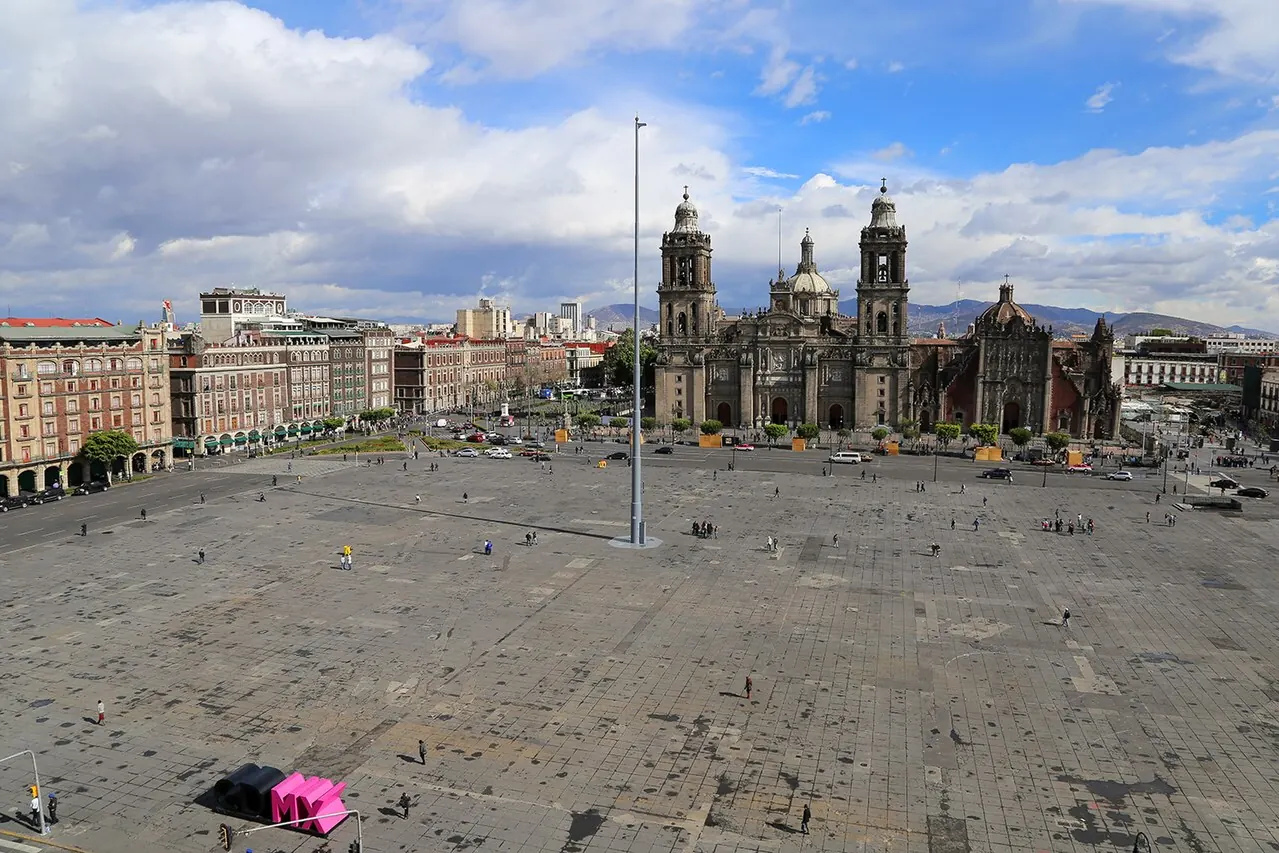
Centro Historico works well when the Zocalo, Metropolitan Cathedral and Templo Mayor are the core of the trip. Madero connects the central square with the Bellas Artes and Alameda side, while Tacuba and Donceles add museums, older buildings and smaller commercial streets. Traditional restaurants, cafes and busy daytime food stops give the area more than one meal option between visits. Choose whether you want the Zocalo end or the Alameda end of the centre; those clusters are related, but a hotel on one side does not make every sight an immediate doorstep stop.
STC Metro serves the centre through stations including Zocalo/Tenochtitlan on Line 2; the Metrobús network provides additional approaches and an airport route serving AICM terminals. You still need to match its actual stop with your hotel. The downside is the busiest sightseeing streets, events around the main square and possible station or road changes during large gatherings. It is also a different evening atmosphere from Roma's restaurant streets. Choose Roma or Condesa if dining and neighbourhood walks should dominate each evening, or Reforma if your itinerary divides fairly evenly between historic sights and Chapultepec.
Plan it well: The image and map pin identify the Zocalo square. Confirm current station access when an event uses the square.
Mexico City tourism: Centro Historico areaRoma Norte: food, galleries and lively evening streets
Roma Norte is a strong match when exploring restaurants, galleries and smaller shops is part of the reason for coming to Mexico City. Alvaro Obregon provides a principal walking-and-dining axis, while Colima and the streets around Plaza Rio de Janeiro let you break the day into shorter neighbourhood outings. Mercado Roma is a contemporary food hall on Queretaro, not a traditional market transplanted unchanged. The older houses and mixed architectural styles give the area texture, but the character changes between busy restaurant streets and the residential blocks beside them.
Metrobus Line 1 follows Insurgentes on the western side of much of Roma; Hospital General Metro is an option towards the eastern edge, rather than a station beside every northern hotel. An AICM arrival needs an onward connection or road transfer from the airport; the neighbourhood does not have a direct airport rail terminus. The trade-off is evening activity and possible noise near popular dining streets, plus trips to the historic centre and southern museums. Choose Condesa for a park-centred daily routine or Centro Historico when the major historic sights should be outside your door.
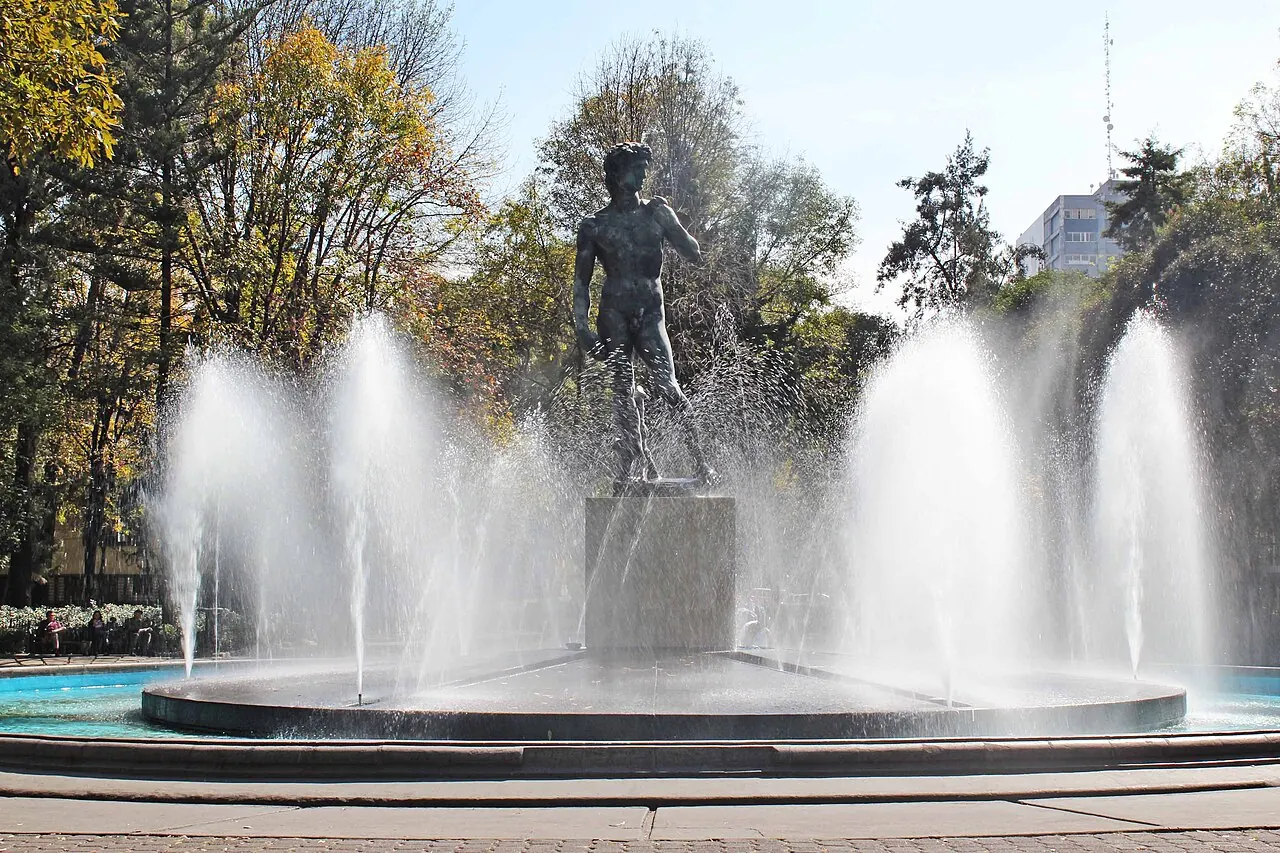
Plan it well: The photograph and pin identify Plaza Rio de Janeiro in Roma Norte, not the full Roma district or a transit entrance.
Mexico City tourism: Colonia RomaCondesa and Hipodromo: parks and a neighbourhood routine
Condesa's appeal is a daily rhythm centred on parks and streets rather than a concentration of ticketed landmarks. In the Hipodromo part of the wider area, Avenida Amsterdam loops around Parque Mexico; Parque Espana and nearby cafes offer another walking focus to the north. Restaurants along Tamaulipas and neighbouring streets make it possible to keep evenings local. Choose a hotel by the park or street you intend to use: Condesa, Hipodromo and Hipodromo Condesa are related names, but they do not place every address on the same quiet corner.
Chilpancingo on Metro Line 9 is useful towards the southern approach, with Metrobus Line 1 along Insurgentes on the eastern side. The attractive streets around the parks still require a final walk from either corridor. Airport arrival from AICM needs a connection or a road transfer, not a through train to Parque Mexico. The compromise is that parks do not guarantee quiet rooms: restaurant and bar streets can remain active in the evening, and Centro Historico or Coyoacan requires travel. Choose Roma Norte for denser gallery-and-dining exploration, or Reforma for a hotel corridor with more immediate boulevard transport.
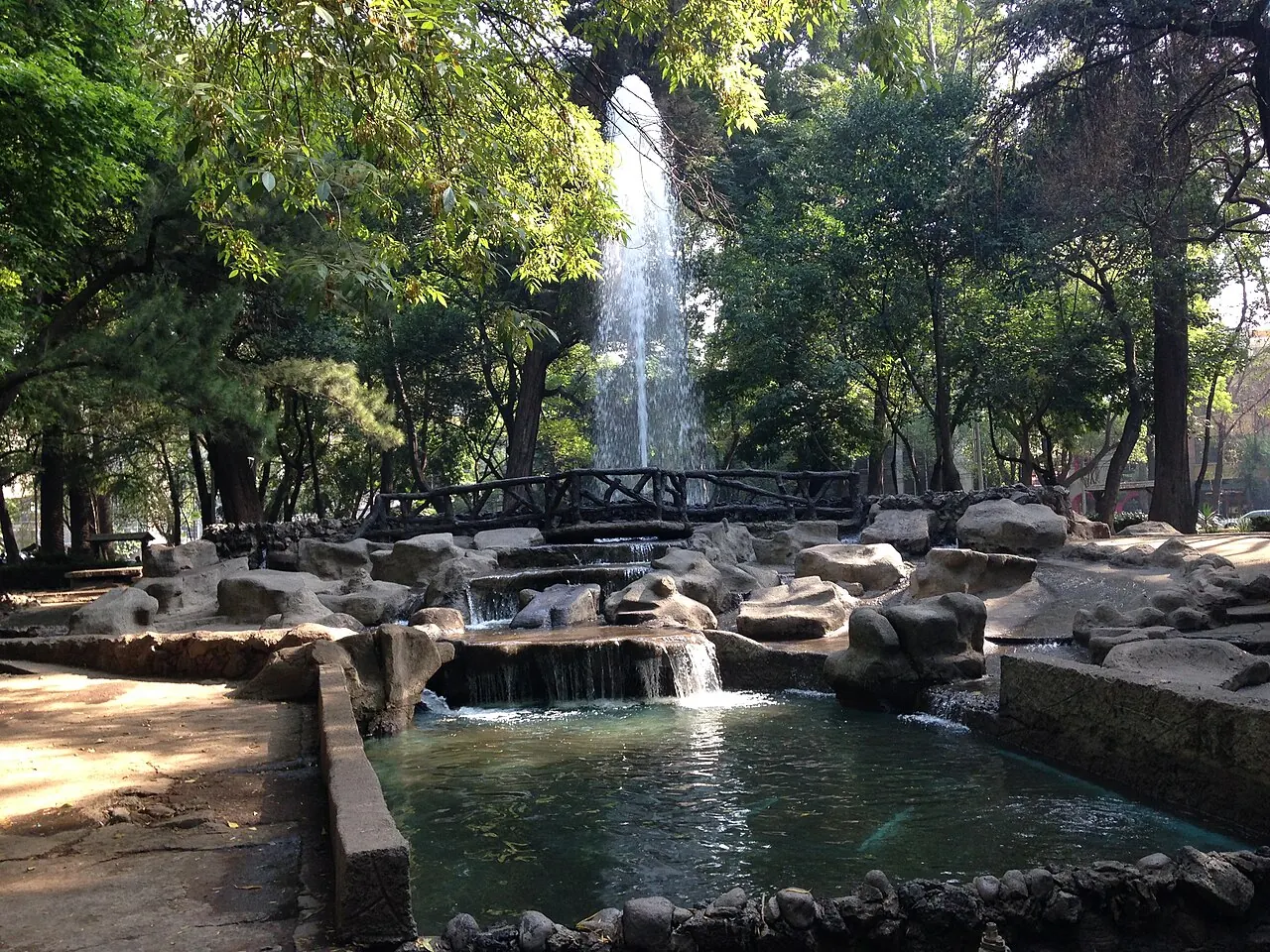
Plan it well: The photo and pin show Parque Mexico in Hipodromo, within the wider Condesa area. The photograph depicts a park fountain, not a hotel garden.
Mexico City tourism: Condesa and Roma areaReforma and Juarez: boulevard hotels between major sights
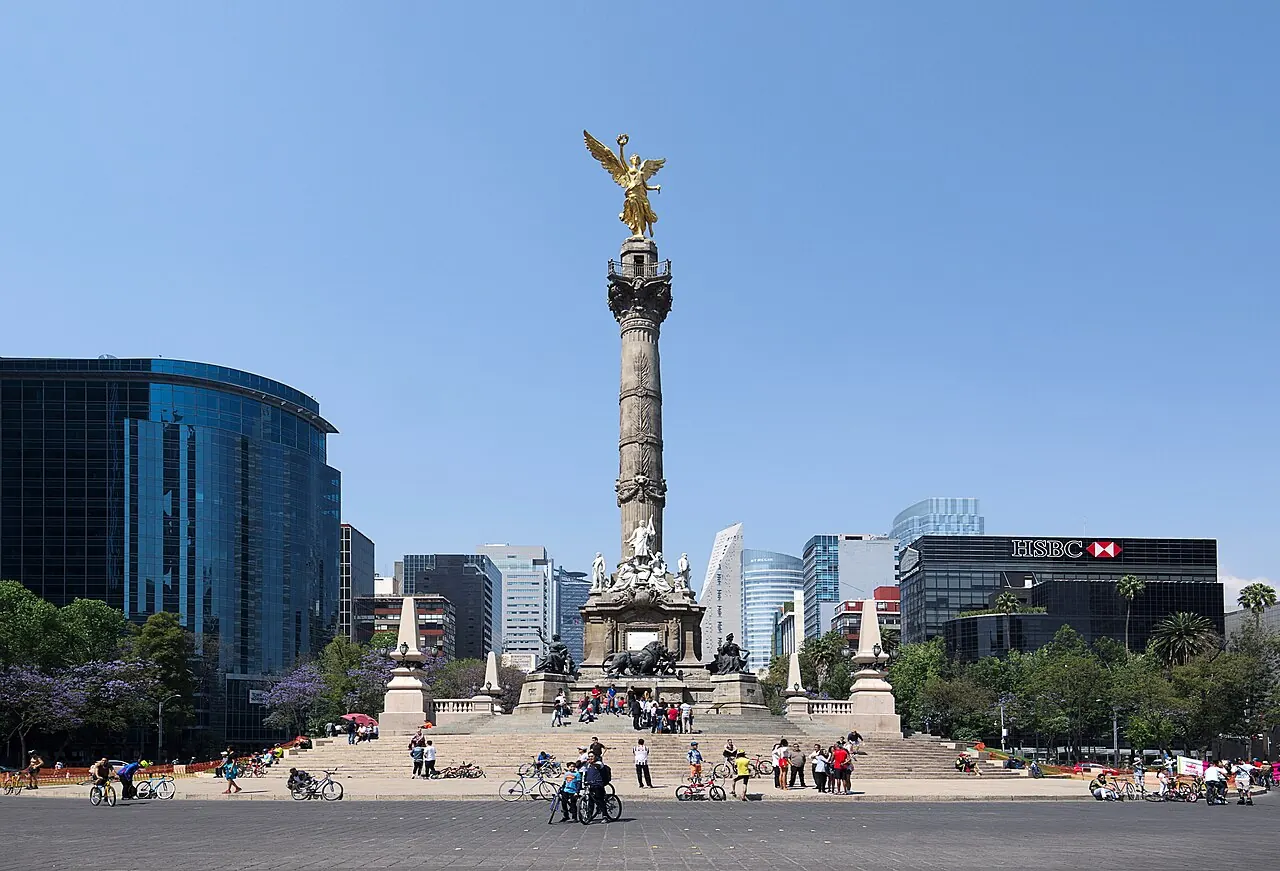
The Reforma stretch around the Angel of Independence and neighbouring Juarez suits travellers who want a substantial hotel corridor between the historic centre and Chapultepec. The boulevard supplies monuments and a recognisable orientation; Zona Rosa brings restaurants and nightlife just south of it, while Juarez side streets offer cafes and a smaller scale than the tower frontage. Choose which immediate setting you want. A room beside the Angel is not the same as one farther east towards the centre or west beside Chapultepec, even when all three advertise a Reforma address.
Metrobus Line 7 follows the Reforma corridor, with route patterns and stops published by the operator. Metro options depend on the precise stretch, so compare the hotel's named stop rather than assuming the avenue has one central station. AICM arrival may use an airport bus followed by a local connection or an authorised road transfer. The downside is broad crossings, traffic and a corridor that can be affected by marches or street events; nearby nightlife also changes the sound of individual blocks. Choose Condesa for park-centred wandering or Centro Historico when you want to minimise journeys between historic sights.
Plan it well: The photograph and map pin identify the Angel of Independence, the landmark for this particular Reforma stretch.
Mexico City tourism: neighbourhoods along ReformaPolanco: restaurants, shopping and the park-side west
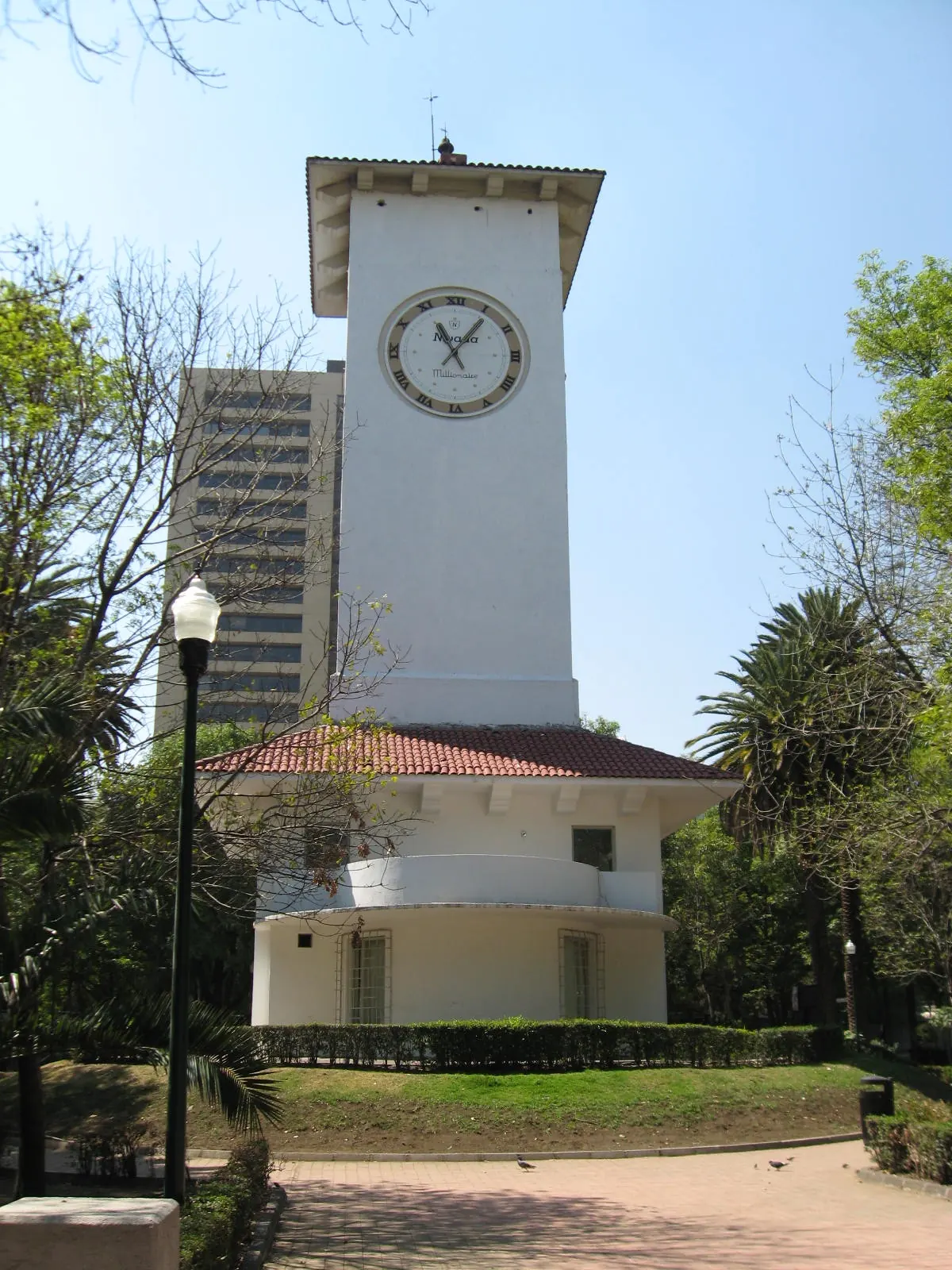
Polanco is useful when dining, shopping and the western side of the city deserve sustained attention. Presidente Masaryk is the major retail axis, while the streets around Parque Lincoln supply a more manageable walking-and-restaurant cluster. The southern edge approaches Chapultepec and the Auditorio area. Check which of those places should anchor your stay. Museo Soumaya and Jumex are farther north in the Granada or Nuevo Polanco development: they can be part of a Polanco visit, but a Plaza Carso hotel is not the same immediate neighbourhood as a room near Lincoln Park.
STC Metro lists both Polanco and Auditorio on Line 7, giving different approaches to the wider area; choose the station that matches the hotel's address. Airport access from AICM normally adds transfers or a road journey rather than a direct district-specific train. The trade-off is separation from Centro Historico, Roma's gallery streets and Coyoacan, especially if you intend to return between sights and dinner. Large roads also interrupt the transition towards Nuevo Polanco. Choose Reforma for a more balanced central corridor or Roma Norte when casual neighbourhood exploration matters more than the Polanco shopping-and-dining focus.
Plan it well: The photograph and pin show Parque Lincoln's clock tower in Polanco. They do not show Museo Soumaya or Nuevo Polanco.
Mexico City tourism: Polanco and GranadaCoyoacan: southern museums and a village-scale centre
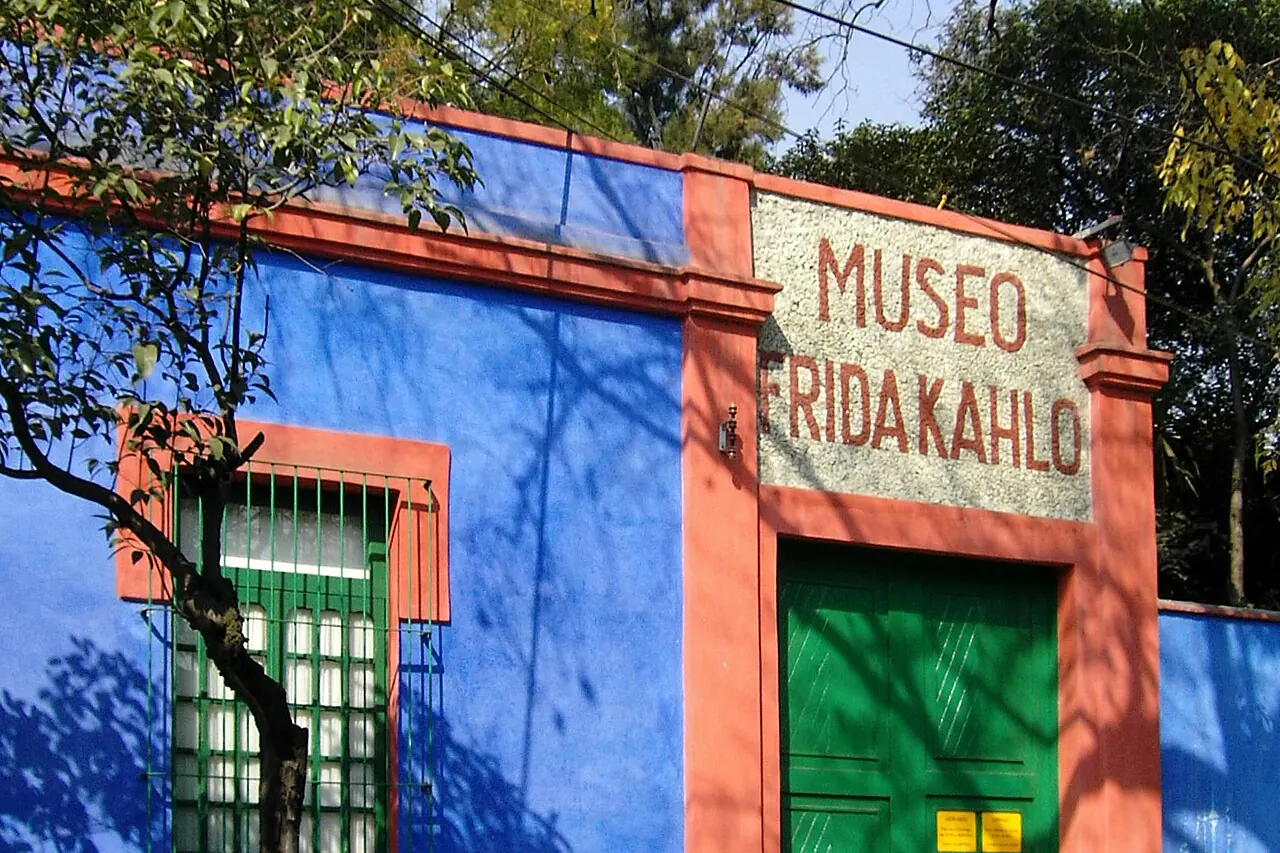
Coyoacan suits travellers who want time around its squares rather than one hurried museum stop. Jardin Hidalgo and Jardin Centenario frame the historic centre; Francisco Sosa leads towards Santa Catarina, while the market and cafes give you reasons to remain for lunch or an evening stroll. Casa Azul is in Colonia del Carmen, north of the main square cluster, so choose whether the museum or the centre should be nearest the hotel. The area's smaller streets and courtyards make a distinctive base, but staying here does not make every attraction in the large Coyoacan borough nearby.
Metro Coyoacan on Line 3 is on Avenida Universidad in Xoco, not on the historic central squares. Factor in the final walk or local road connection instead of treating the station name as proof of doorstep access. AICM arrival similarly requires a city journey with transfers or a planned road transfer. The main compromise is repeated travel north for Centro Historico, Reforma or Polanco, alongside weekend visitor activity around the popular squares. Choose Roma, Condesa or Reforma for a broadly central itinerary; choose Coyoacan when its museums, market and southern setting deserve several unhurried days.
Plan it well: The photo and pin identify Casa Azul in Colonia del Carmen. They do not mark Coyoacan Metro or the main squares.
Mexico City tourism: Coyoacan areaAirport arrival and neighbourhood connections
Identify the airport before choosing a route
Metrobús publishes airport services for AICM Terminal 1 and Terminal 2. They do not describe arrival from Felipe Angeles or Toluca airports. Check the exact current airport branch and stop, then add the connection to Roma, Condesa, Polanco or Coyoacan rather than assuming a through service.
Metrobús Line 4 routes and airport informationInsurgentes and Reforma are different bus corridors
Use Metrobús Line 1 information for the Insurgentes approaches to Roma and Condesa, and Line 7 for Reforma. Match the station and direction to your hotel block; boulevard frontage and a park-side room require different final walks.
Metrobús Line 1 map and routesCheck Reforma's route pattern
Line 7 has several route patterns and service notices. Confirm the intended stop and current operation when marches, events or Sunday street activities affect the corridor.
Metrobús Line 7 map and routesPolanco's Metro stations are not interchangeable
STC's Line 7 lists Polanco and Auditorio separately. Pick the arrival that suits your address; a hotel in Nuevo Polanco can require another local leg even when marketed under Polanco.
STC Metro Line 7 stationsCoyoacan station is outside the historic core
The official tourism station page locates Metro Coyoacan on Avenida Universidad in Xoco. Compare the final route to Casa Azul or the central squares when judging hotel convenience.
Mexico City tourism: Metro CoyoacanTravel-advisory context
The US State Department advises increased caution for Mexico City and reports crime in both tourist and non-tourist areas. It lists no city-specific travel restriction for its employees. Consult your own government's current advice and plan evening returns; the neighbourhood choices above are not safety ratings.
US State Department: Mexico City advisoryFind your Mexico City base
Compare Mexico City hotels by a specific walking cluster: the Zocalo or Alameda side of Centro Historico, Plaza Rio de Janeiro in Roma Norte, the parks of Condesa, a named Reforma stop, Lincoln Park in Polanco, or Coyoacan's squares and Casa Azul. Check the address and final transport leg before treating a broad colonia label as a complete location description.
Explore Mexico City hotels