
Maastricht city guide
10 things to do in Maastricht
Choose between Maastricht’s church squares, Dominicanen bookshop, Wyck, industrial heritage and the ENCI viewpoint, with practical routes and current museum access advice.
Plan your visit
Explore Maastricht by combining the historic squares with a walk across the Meuse, a neighbourhood stop and one indoor visit that suits your interests. This guide explains what each place adds to the trip and where to check access. For a short stay, group nearby sights instead of trying to complete all ten in one day. Bonnefanten’s announced closure through 10 November 2026 makes checking your exact travel date especially useful.
Frame the churches from Vrijthof
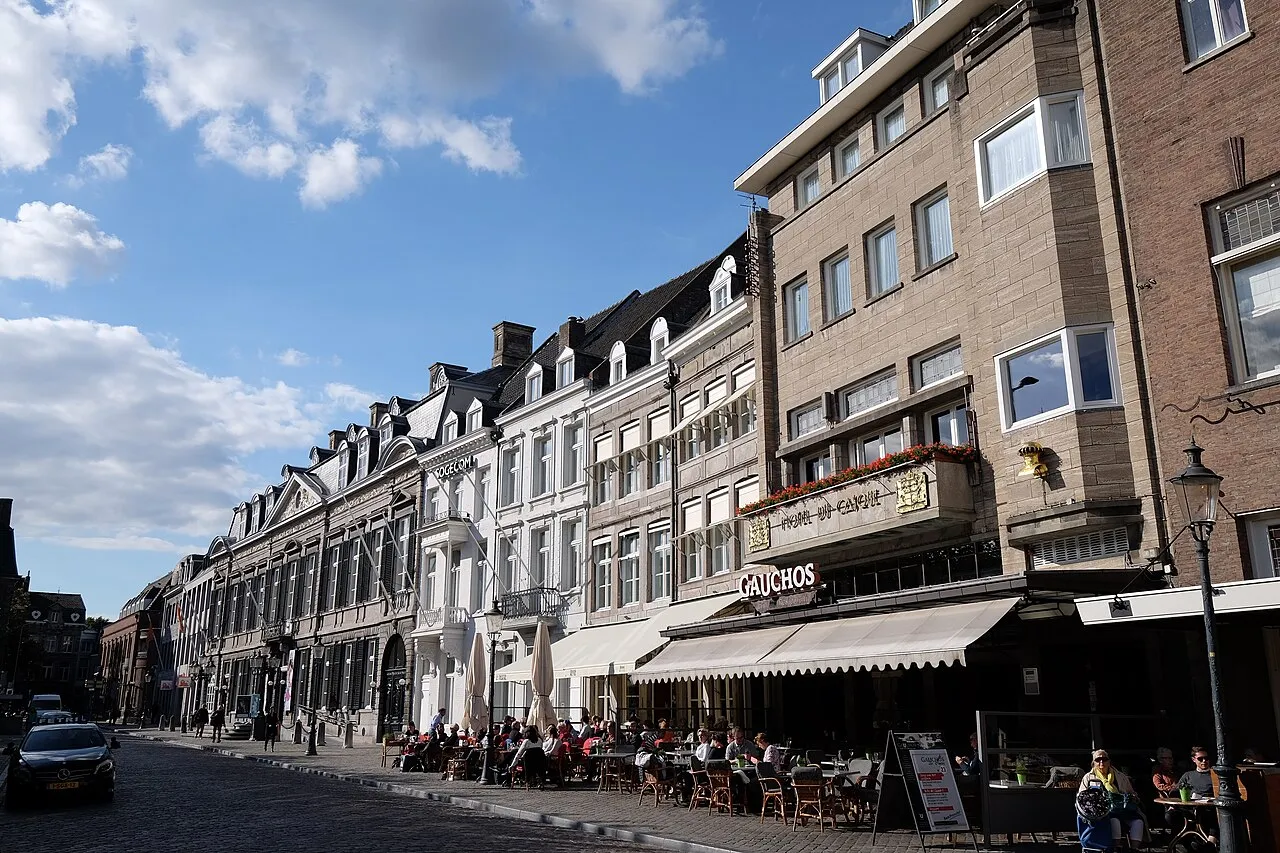
Begin at Vrijthof to understand the historic centre before choosing a route. The red tower of Sint Jan and the Romanesque mass of Saint Servatius give the square two different architectural landmarks. Walk around the edge to compare their forms, then decide whether to visit the basilica, browse the central streets or pause at a café. Vrijthof is a gathering place as well as a view: events can change the layout, especially during the Christmas season. Use the square as an orientation point rather than assuming that every terrace or open space is available on your date.
Visit Maastricht: the historic centreDiscover Saint Servatius
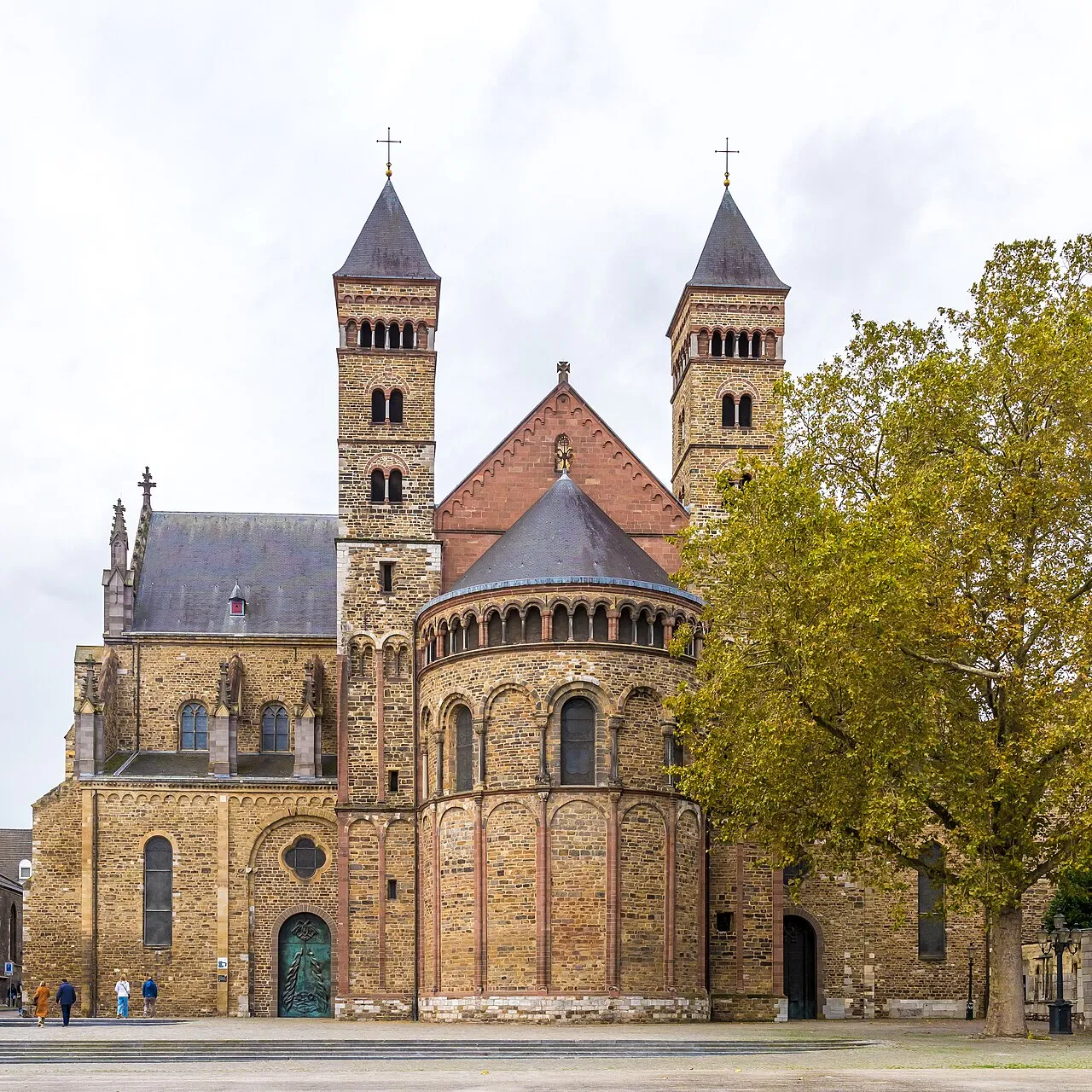
Saint Servatius is a worthwhile indoor choice when you want to understand the church behind the familiar Vrijthof view. Its Romanesque architecture, crypt and treasury connect the building with Maastricht’s pilgrimage history. Choose the parts you actually want to see and check their current visitor arrangements before fitting them around the rest of the day. This is an active place of worship, so sightseeing access and services need to be considered separately. You can combine a visit with a circuit of the square, while allowing a quieter pace inside instead of treating the church as a quick photograph stop.
Visit Maastricht: Saint Servatius BasilicaBrowse beneath church vaults
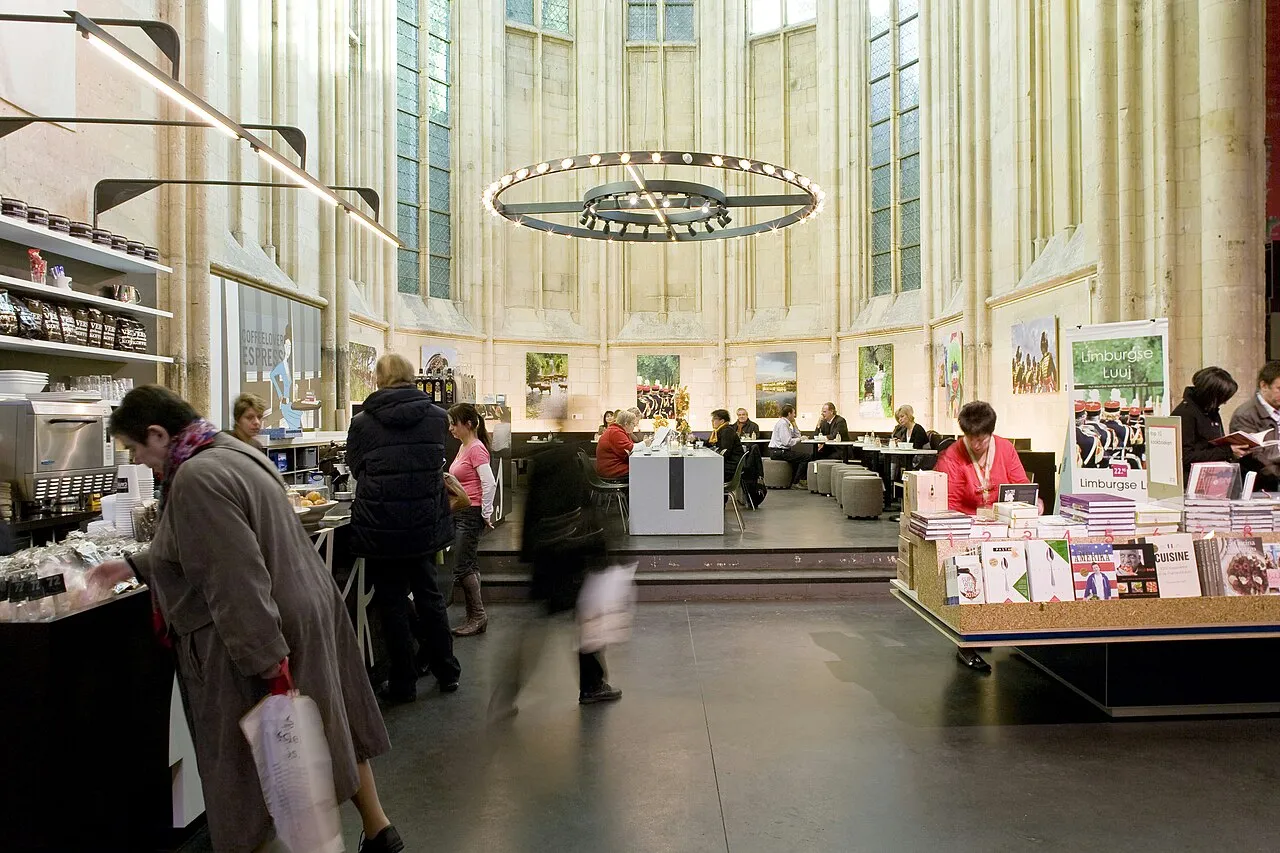
Boekhandel Dominicanen turns a former church into a place to browse, making it a useful contrast with a conventional museum visit. Look up from the shelves to notice how the tall interior and its church architecture remain visible around the working bookshop. Decide whether your group wants time for books or simply a short look at the building; other shoppers still need access to the aisles. Check the bookshop’s current opening information and events before visiting. This stop fits a walk through the centre, with time outside between indoor visits rather than a whole day of appointments.
Boekhandel Dominicanen: visitor informationCross the Sint Servaasbrug
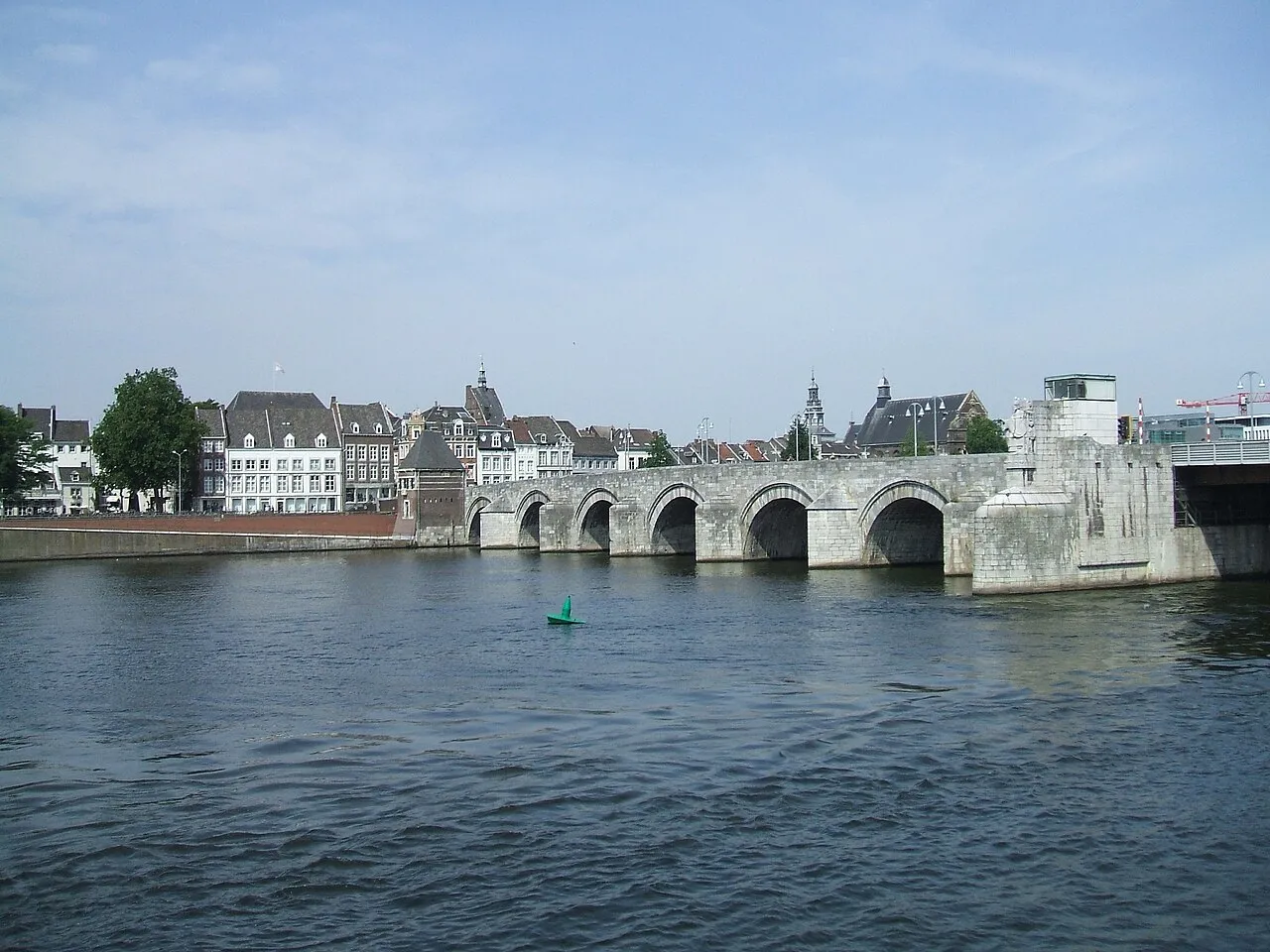
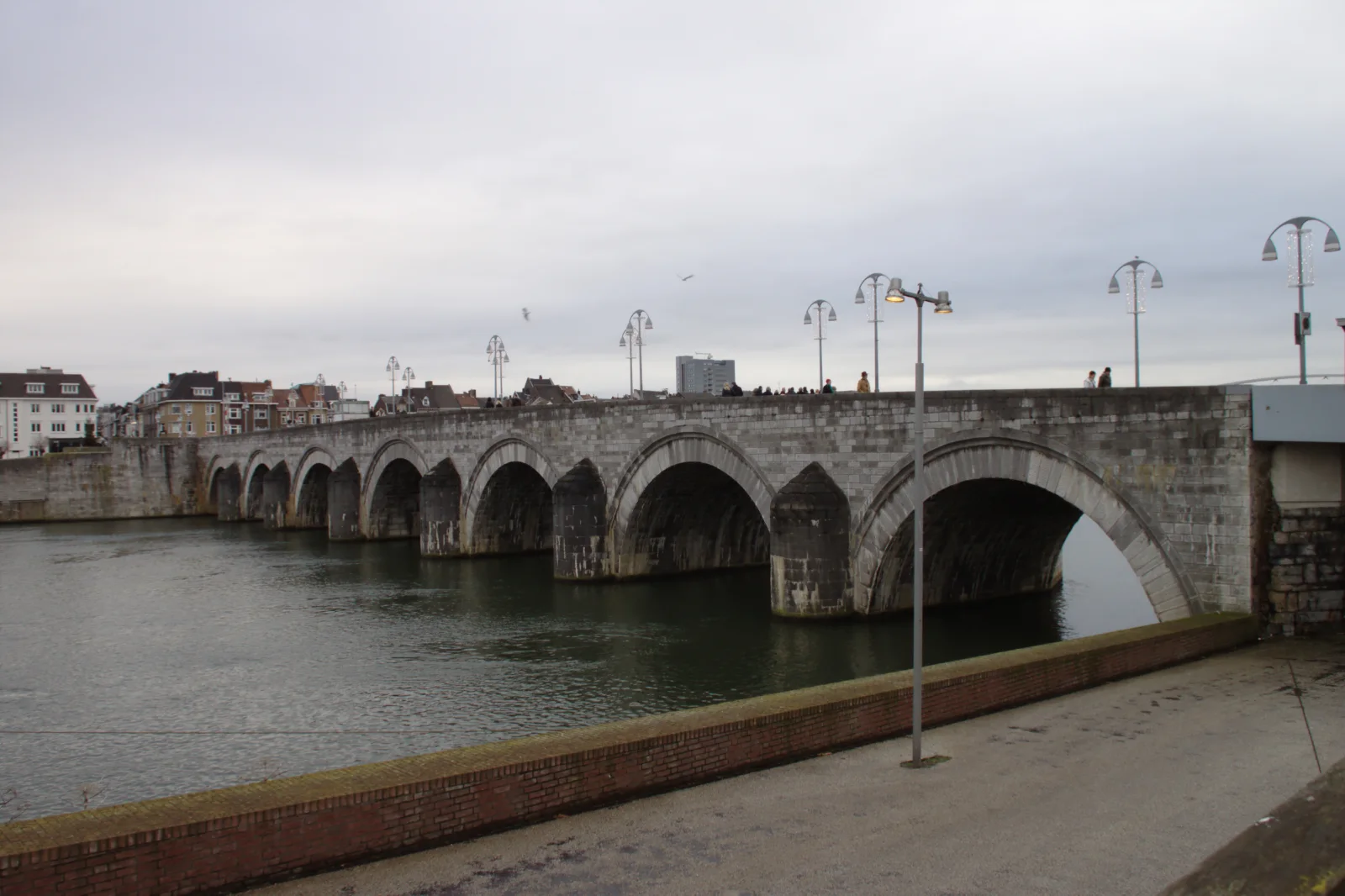
The Sint Servaasbrug connects the historic centre with Wyck and makes the Meuse part of a walking route rather than a background view. Cross it when moving between the two sides of the city and pause where you can admire the river without obstructing other people. The bridge has been altered and repaired over centuries, so its present form tells a longer story than a single medieval date. It is still a working river crossing, including an opening section for vessels. Plan the next stop on the bank you actually want to explore instead of repeatedly crossing back for scattered sights.
Visit Maastricht: Saint Servatius BridgeExplore Rechtstraat in Wyck
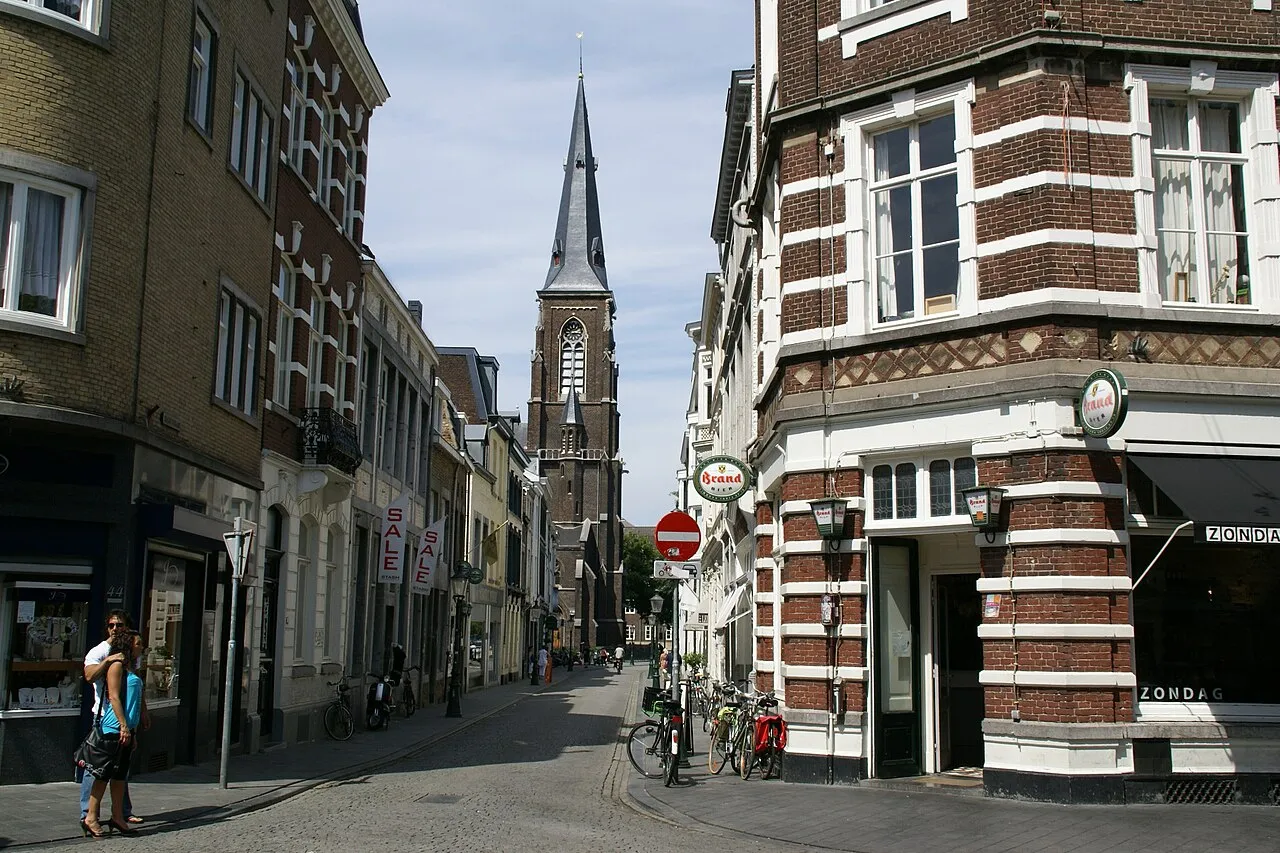
Wyck is more than the route from the station to the centre. In and around Rechtstraat, independent shops, cafés and restaurants give you reasons to leave the direct arrival route and explore adjoining streets. A practical plan is to arrive through the neighbourhood, return later without luggage, then combine browsing with a meal before crossing the bridge. Shops and restaurants keep their own hours, so choose specific places if shopping is the main purpose of the visit. For a hotel base, compare its exact address with both the station and the river rather than relying on the broad Wyck label.
Visit Maastricht: WyckFind the Jeker Quarter’s water and walls
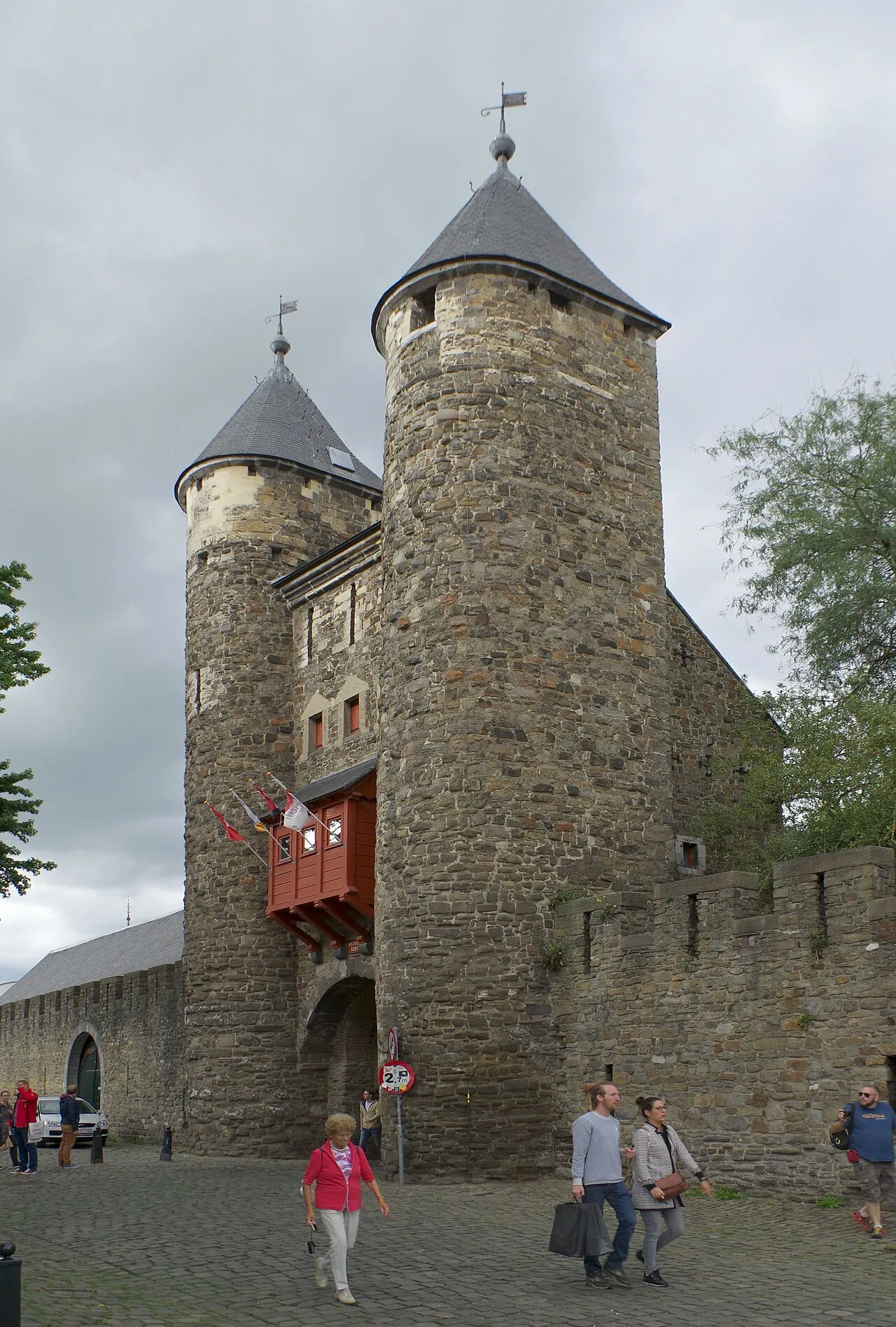
The Jeker Quarter gives a central walk a different rhythm: small historic streets, stretches of city wall, watermills and green spaces replace the larger shopping routes. Follow the visible water and old defences, taking time to notice where buildings meet the stream. The Helpoort and nearby walls can shape a history-focused route; a bakery or café pause makes a gentler alternative. Streets and surfaces vary, so check the approach if cobbles or steps affect your group. Combine this area with the historic centre, leaving room to wander rather than treating every lane as a separate attraction with a fixed arrival time.
Visit Maastricht: Jeker QuarterChoose an art visit at Bonnefanten
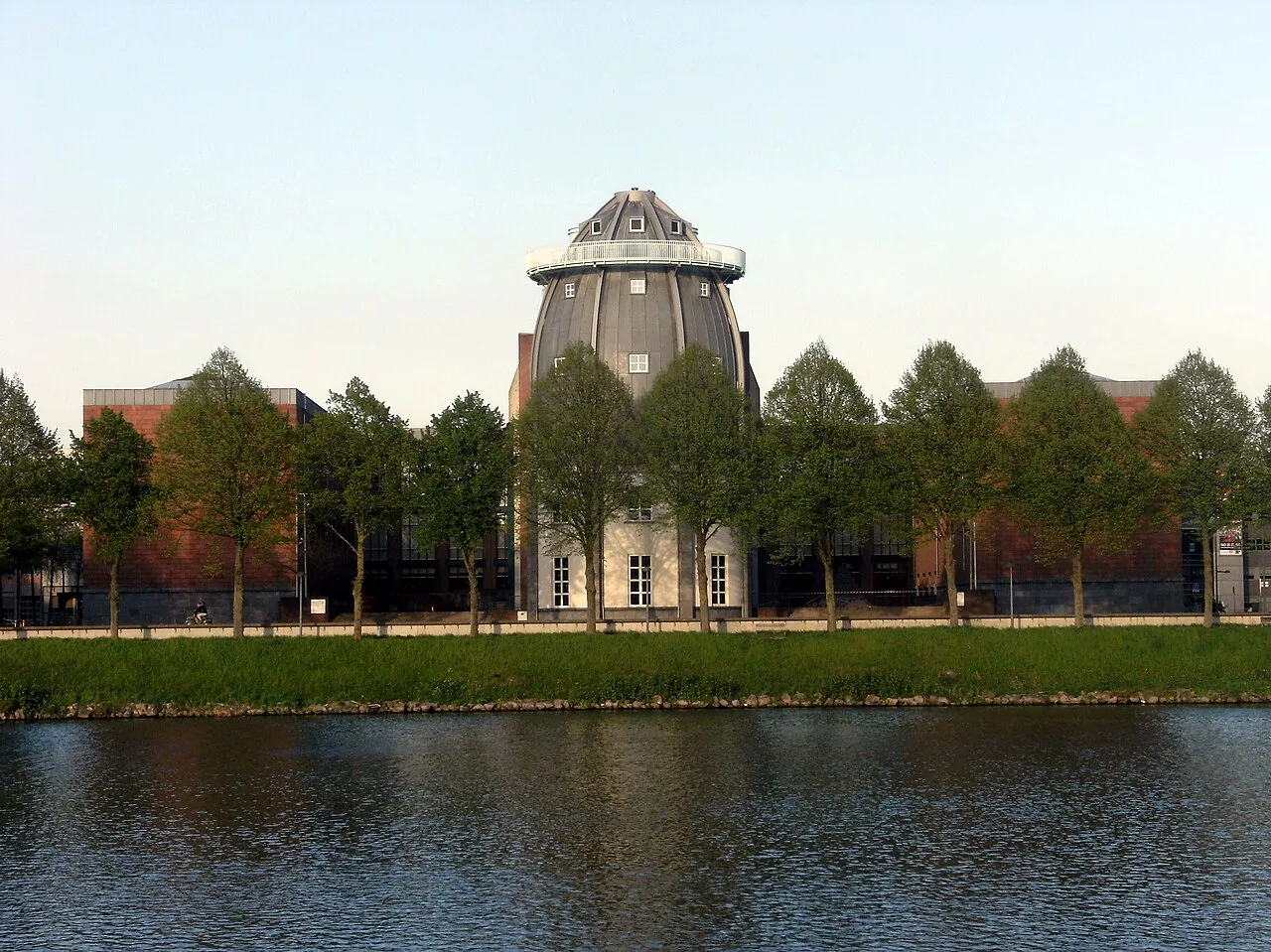
Bonnefanten is a separate art visit on the Céramique side of the river, worth planning around the exhibitions that interest you. There is an immediate timing constraint: the museum is closed for installation from 26 October through 10 November 2026 and announces reopening on 11 November. Its shop and Art-lease remain open during that closure; this does not mean the galleries are accessible. For a later visit, check the museum’s current programme, tickets and opening information again. Choose an exhibition as the main indoor activity and allow travel to this side of the city, instead of assuming a quick drop-in from Vrijthof.
Bonnefanten: closure and reopening in November 2026Explore the Eiffel Building and Sphinxpassage
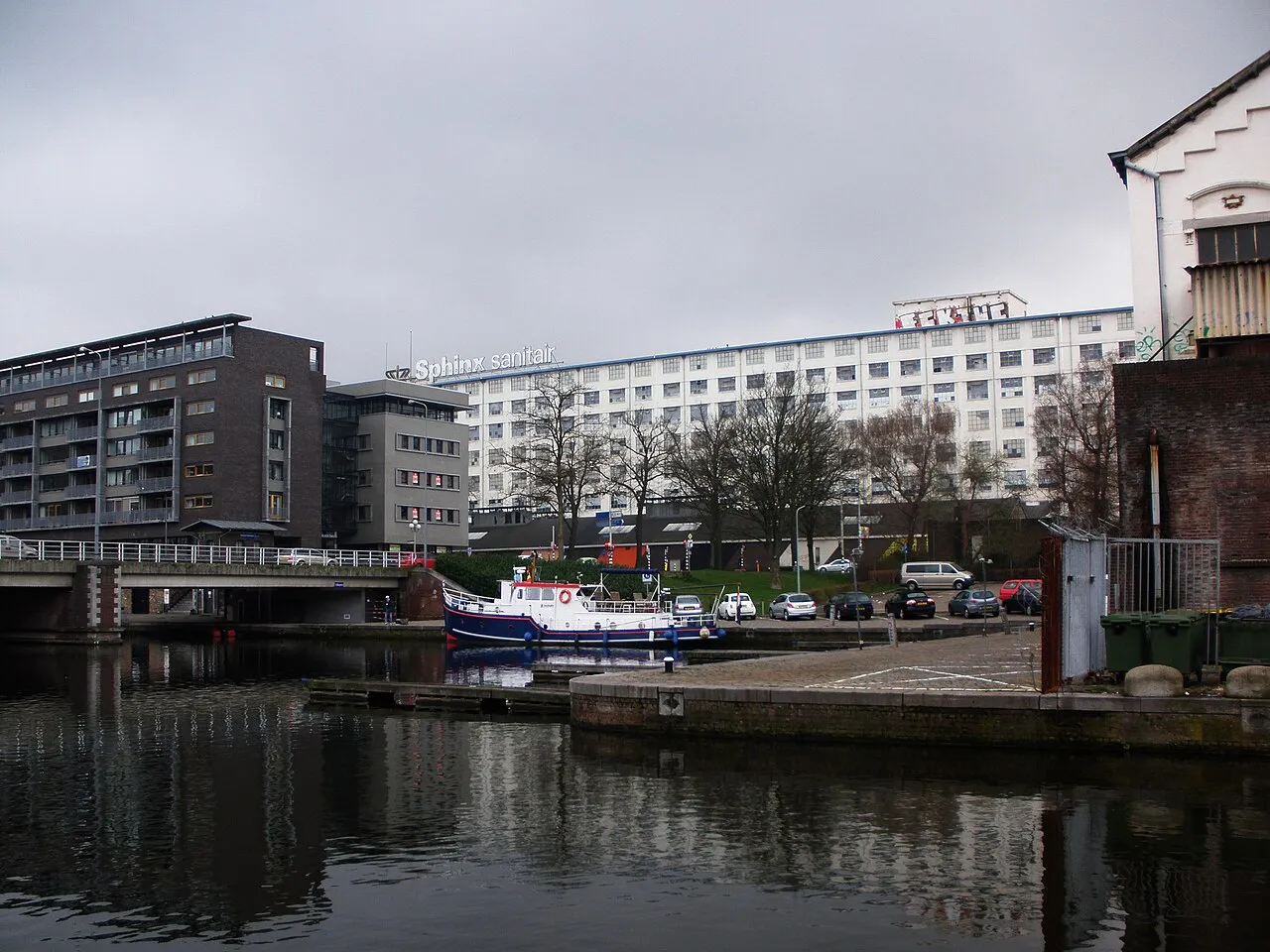
The Eiffel Building and nearby Sphinxpassage show the industrial city behind Maastricht’s church squares. Start by looking at the former factory setting, then follow the tiled passage between the Eiffel Building and Pathé for the ceramics-industry story. The tourism service describes entrances via Penitentenpoort and Sphinxcour; check its current access information for your visit. The map pin here identifies the genuine Eiffel Building, not the precise passage entrance. This makes a useful history stop before exploring other reused buildings in the Sphinx Quarter, with time to read the displays instead of simply walking through them.
Plan it well: The map pin marks the Eiffel Building. Use the passage entrances described by the visitor service for Sphinxpassage.
Visit Maastricht: Sphinxpassage and Eiffel BuildingWalk around ’t Bassin
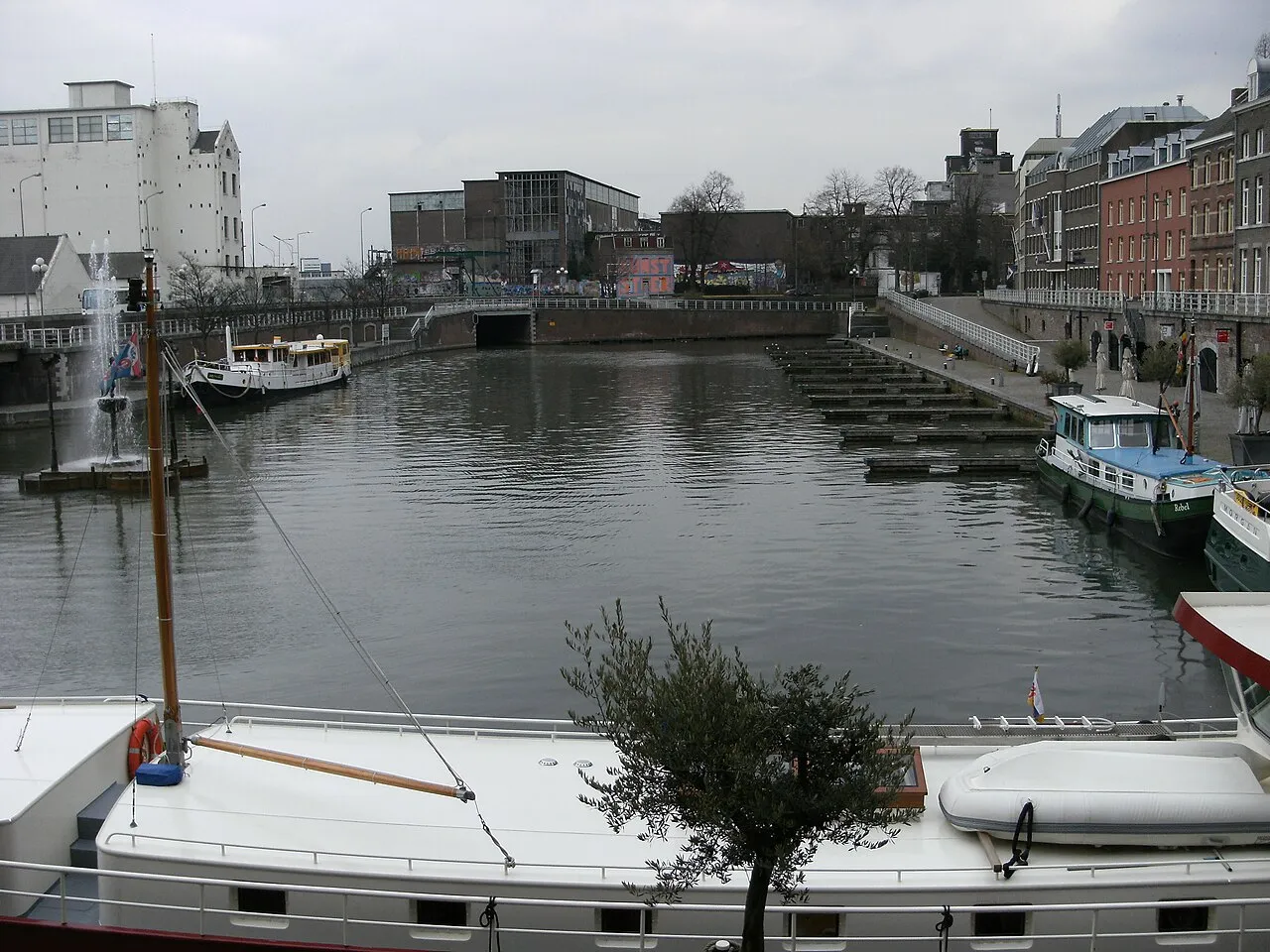
At ’t Bassin, change the focus from church towers to the old harbour, boats and industrial buildings. Walk beside the water and compare this setting with the nearby factory district; the two stops work well together when you want to understand Maastricht beyond its medieval centre. Choose a waterside pause according to the weather and the establishments actually open when you arrive. Restaurant terraces are optional paid stops, not part of a hotel reservation. If the group prefers a compact day, keep the harbour and Sphinx Quarter together and leave a separate excursion to the city’s green edge for another time.
Visit Maastricht: Sphinx Quarter and BassinLook towards the ENCI landscape
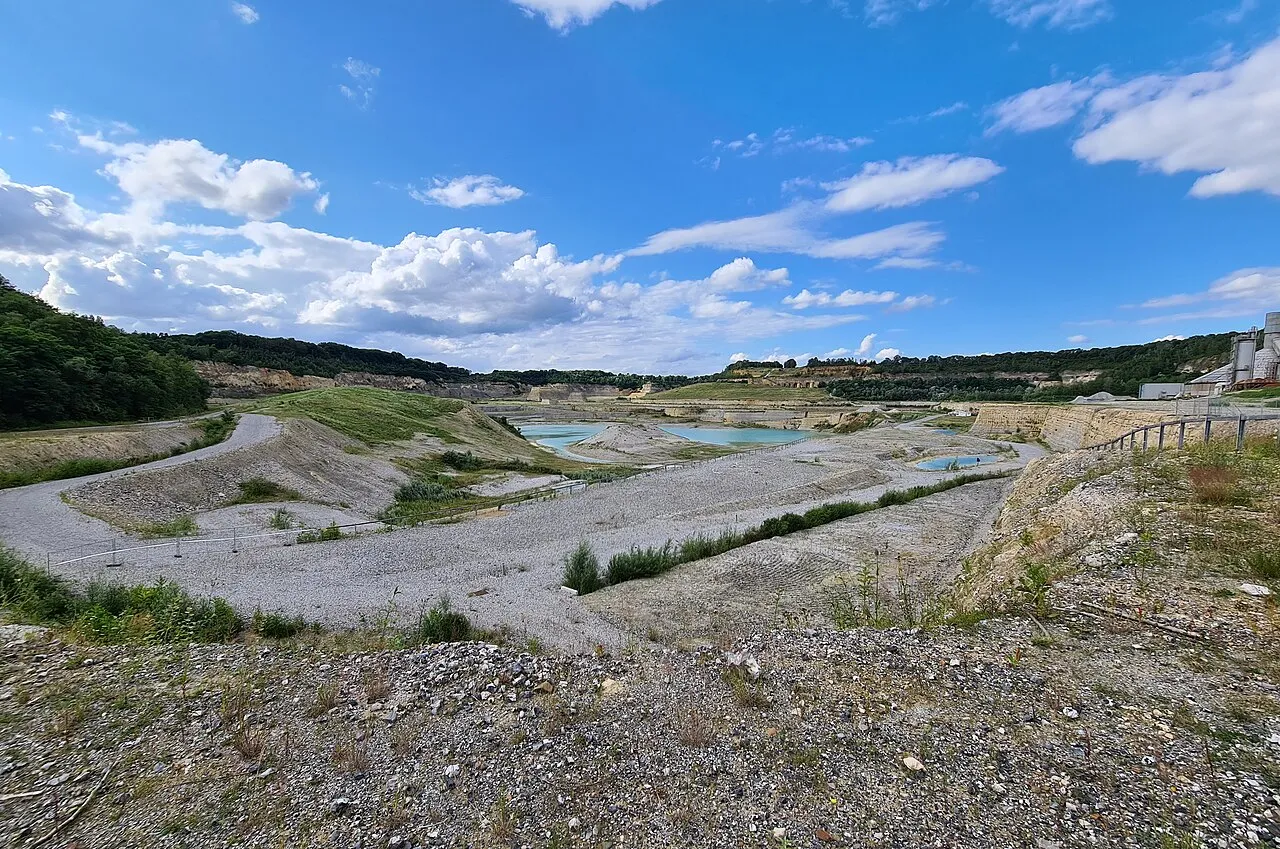
The Sint-Pietersberg and ENCI landscape make an outdoor excursion with a different scale from a central shopping walk. The former quarry and its viewpoint reveal the effect of limestone extraction, while the surrounding protected landscape offers routes to choose according to weather and mobility. The map point is the viewing platform, not permission to enter every part of the quarry. Consult Natuurmonumenten’s current route and access information before setting out, especially if stairs, gradients or winter conditions matter. Give this outing its own place in the day; underground visits require their own authorised arrangements and should not be improvised.
Natuurmonumenten: Sint-Pietersberg visitor informationPractical information
Build the trip around the choices that matter to your group: a central walk, one focused indoor visit, or a longer outing to Sint-Pietersberg. Recheck visitor access, opening hours and any ticket reservation for the actual travel date, including the Bonnefanten closure through 10 November 2026. Before comparing hotels, enter your dates, adults, children and rooms, then inspect the address on the map alongside the total price and cancellation conditions. Search results can include surrounding places. Attraction tickets, food and transport are separate from the accommodation; the suggestions here help plan a route and do not promise hotel availability.