
Oslo city guide
10 things to do in Oslo
Explore the fjord-facing city through sculpture, polar ships and art, with enough time for a park walk and a trip into Oslo's wooded hills.
Plan your visit
Oslo is a city of changing viewpoints: across the fjord from a roof, through a sculpture park, from a polar ship and down from a ski-jump tower. Pick one museum that matches your interests each day, then connect it with outdoor time. Bygdoy and Holmenkollen deserve their own journeys, not leftover minutes between central-city bookings.
Meet the waterfront at the Opera House
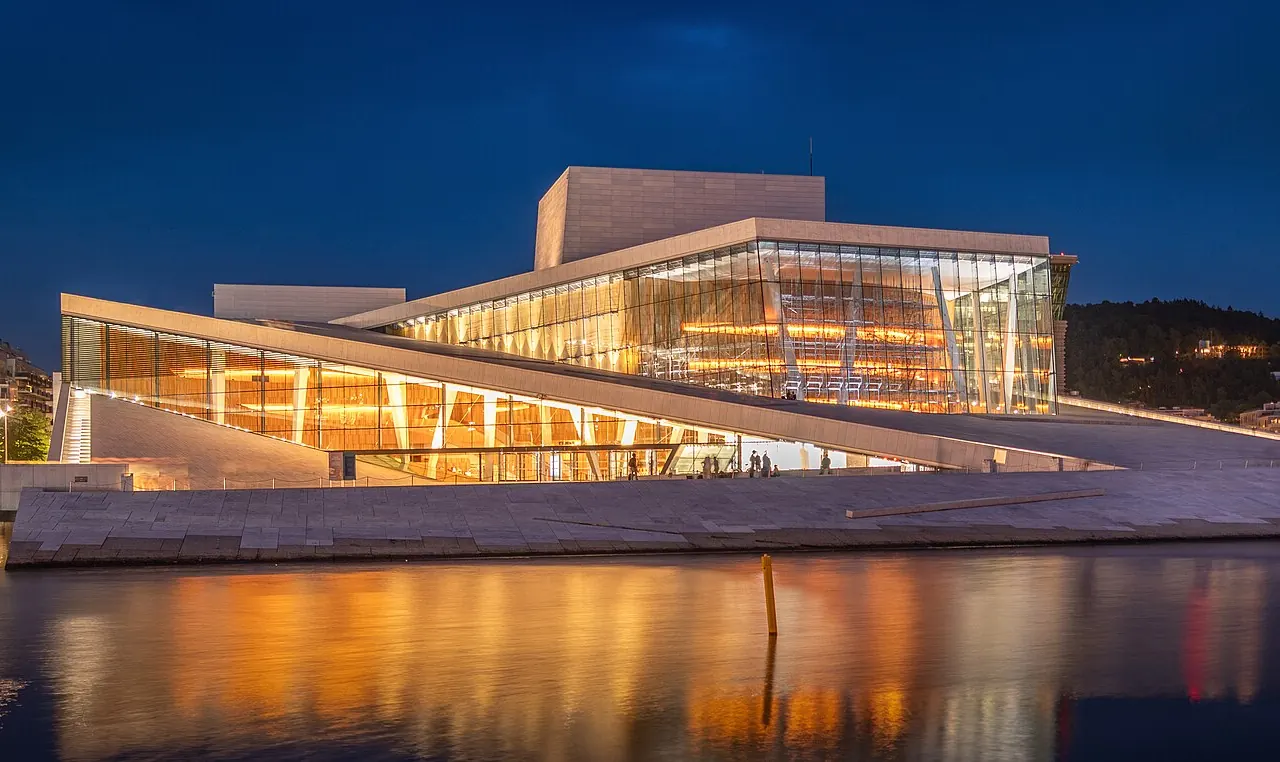
Start in Bjorvika, where the Opera House brings the waterfront into the city rather than placing a grand building behind a fence. Its sloping white surfaces invite you to look across the harbour from different levels. Walk around the exterior before choosing a route up, and notice how glass, stone and the fjord change the view as you move. It is a useful introduction to Oslo's contemporary architecture.
Outdoor access, the foyer, a guided tour and an evening performance are separate experiences. Verify the arrangements for the one you want, and treat wet or icy roof surfaces seriously rather than assuming the outdoor walk is suitable in every season. If you book a performance, leave enough time to arrive before it starts. MUNCH is nearby, so the exterior walk makes a sensible companion to a timed museum entry without filling the day with multiple journeys.
Plan it well: Keep a roof walk weather-dependent; do not use the theatre cloakroom as your departure-day suitcase store.
Norwegian Opera and Ballet visitor informationFollow the sculptures through Frogner Park
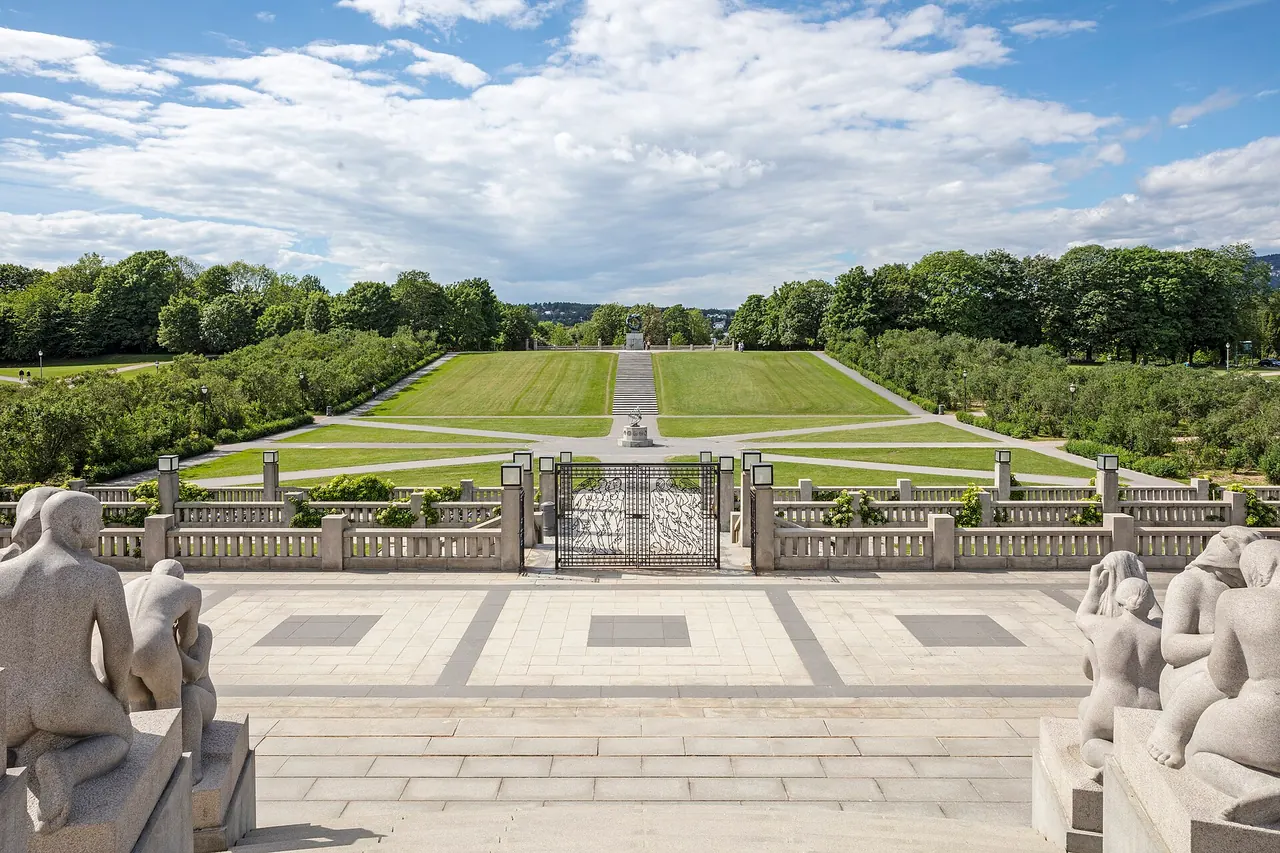
Vigeland's sculptures work best as a sequence, not a hunt for the most photographed figure. Follow the park's main axis from the bridge towards the fountain and Monolith, pausing to compare gestures, expressions and the relationships between bodies. The setting in Frogner Park gives the work breathing room, and the surrounding paths let you step away from the busiest groups when you want a quieter interval.
The outdoor sculpture park is free and always open, while the nearby Vigeland Museum has its own admission and opening schedule. Decide whether you want that second visit before travelling; it adds insight into the artist's working process but is not required to enjoy the park. Dress for time outside and take care on slippery paths in colder weather. With children, let a few sculpture groups prompt questions instead of trying to make the whole installation a lesson.
Plan it well: The map point is Frogner Park, which contains the Vigeland installation; the indoor museum is a separate destination.
Vigeland Museum and Park visitor informationWalk the older waterfront at Akershus
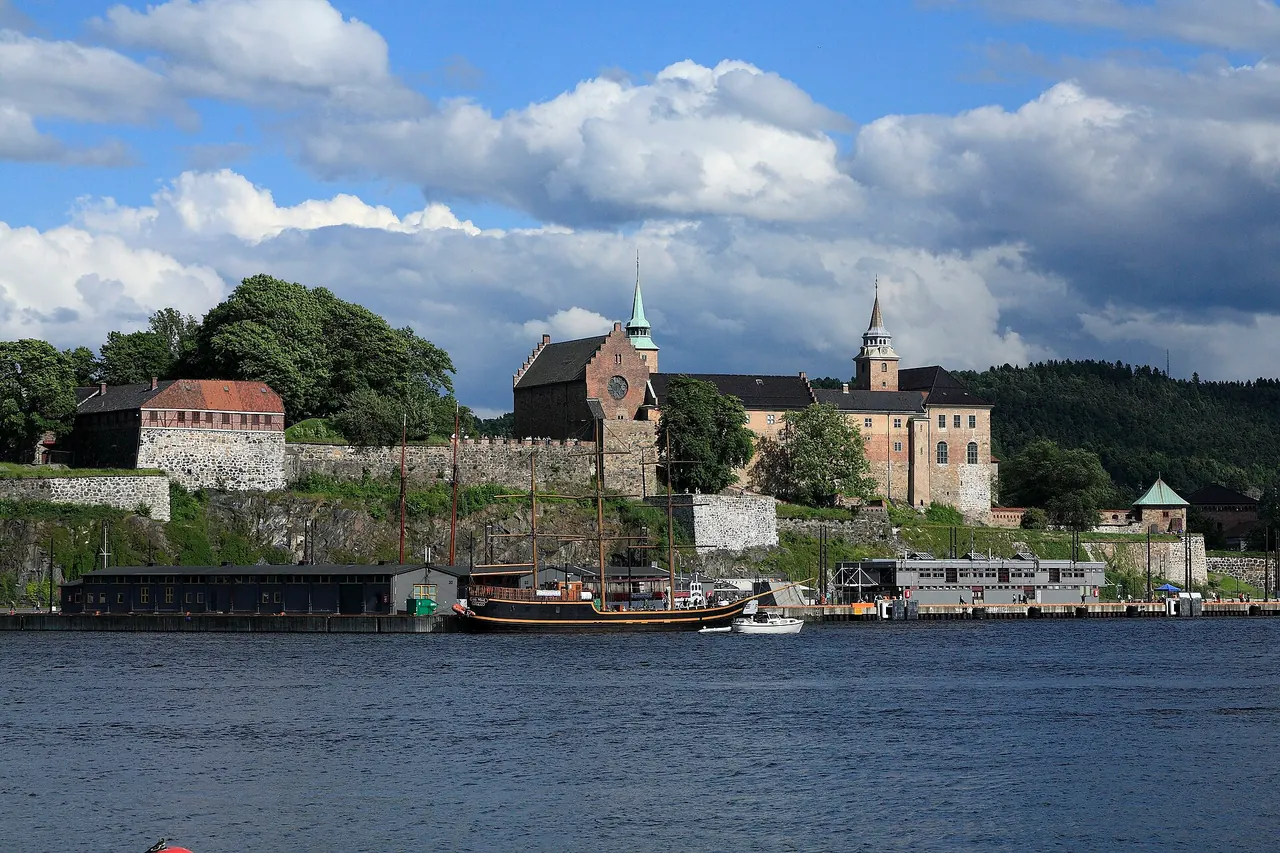
Akershus provides a counterpoint to Bjorvika's new waterfront. Walk among stone walls, courtyards and green spaces to see how the harbour once served defence and royal power as well as trade. The fortress has accumulated different roles over centuries, so it is worth reading the site information instead of treating every building as part of one medieval castle. The harbour views are an additional reason to linger.
Ordinary access to the grounds does not include the castle interiors or every museum. Check the relevant institution if Norwegian military or resistance history is your main interest. Akershus remains a working military site, and official activities can affect access. Stay within the open visitor areas and keep children close near high walls. Make the grounds a flexible stop between the eastern waterfront and Aker Brygge, rather than the only way to reach your next booking.
Plan it well: Grounds, castle and museums have different access rules; read the current visitor notice for your intended visit.
Norwegian Defence Estates Agency: AkershusLook beyond The Scream at MUNCH
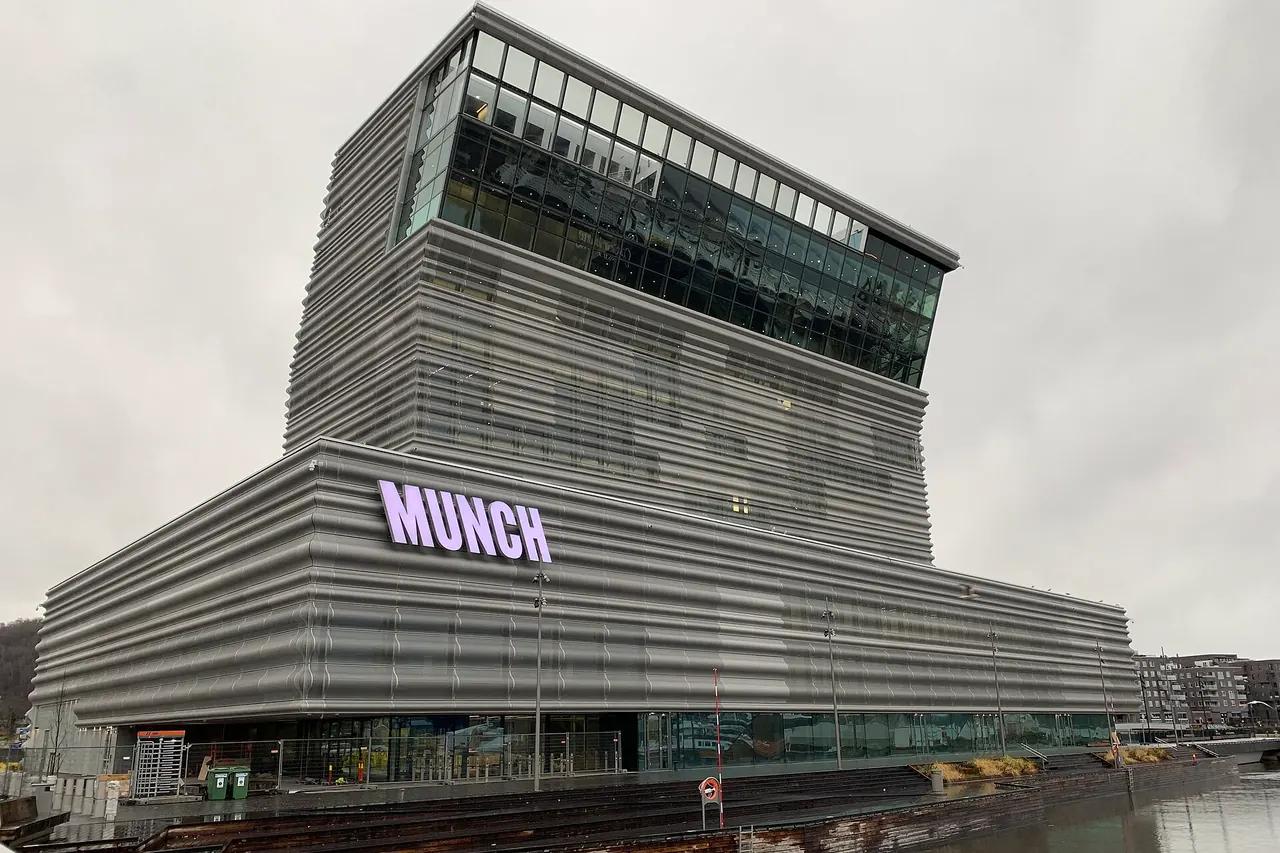
MUNCH is the choice for a focused encounter with Edvard Munch rather than a broad survey of national art. Start with the works that drew you here, then give yourself time to notice recurring subjects and different ways the artist revisited them. The famous motif of The Scream is a beginning, not the whole museum. Check the exhibition programme so a temporary show can become part of the plan rather than an afterthought.
Use the current Bjorvika address, not the former museum location in Toyen. The museum recommends timed tickets in advance, and its luggage arrangements do not accommodate every large suitcase. Read the bag rules before a departure-day visit and allow time for lockers and moving between floors. Combine the museum with the Opera House exterior and a waterfront meal. If you also want the National Museum, give it a different session so both collections receive proper attention.
Plan it well: Check the museum's guidance on The Scream displays and luggage before buying your timed ticket.
MUNCH: visit usFind your route through the National Museum
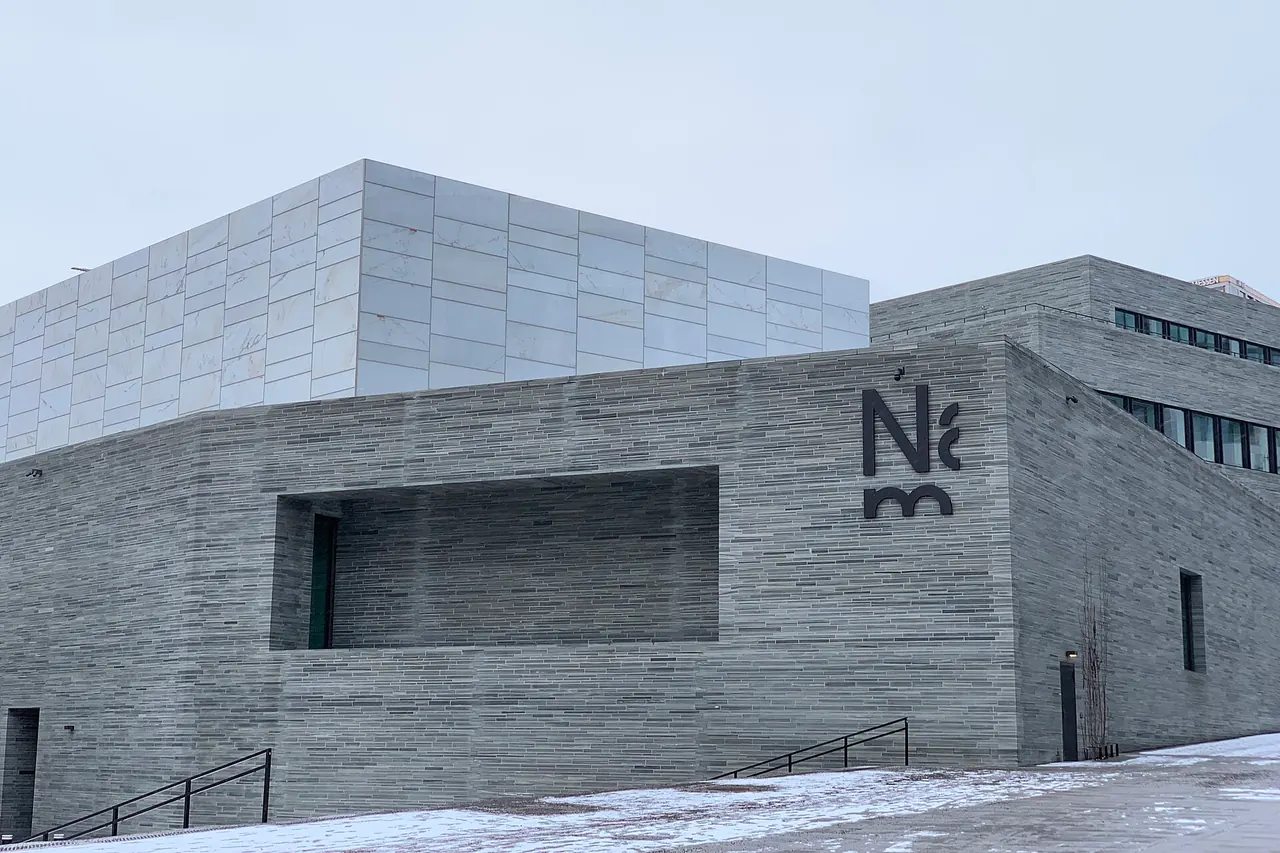
The National Museum brings art, architecture and design into one substantial visit. That breadth is the attraction, but it also makes a plan helpful: decide whether paintings, applied arts or more recent work should receive most of your time. Give yourself permission to stay with a handful of rooms. A concentrated visit leaves stronger impressions than an exhausting attempt to cover the whole collection before lunch.
Head to the current museum in Vika rather than the former National Gallery building. Check the official visitor page for tickets, temporary exhibitions and access details before setting the day's order. Its position near Aker Brygge makes the waterfront a natural break afterwards, while the Royal Palace offers an alternative continuation inland. Avoid assuming that everything marketed under the national museum institution happens in this building; other museum locations have separate programmes and journeys.
Plan it well: Use the current National Museum address and collection map; older guidebooks may still direct you to the National Gallery.
National Museum official visitor pageMake polar exploration tangible at the Fram Museum
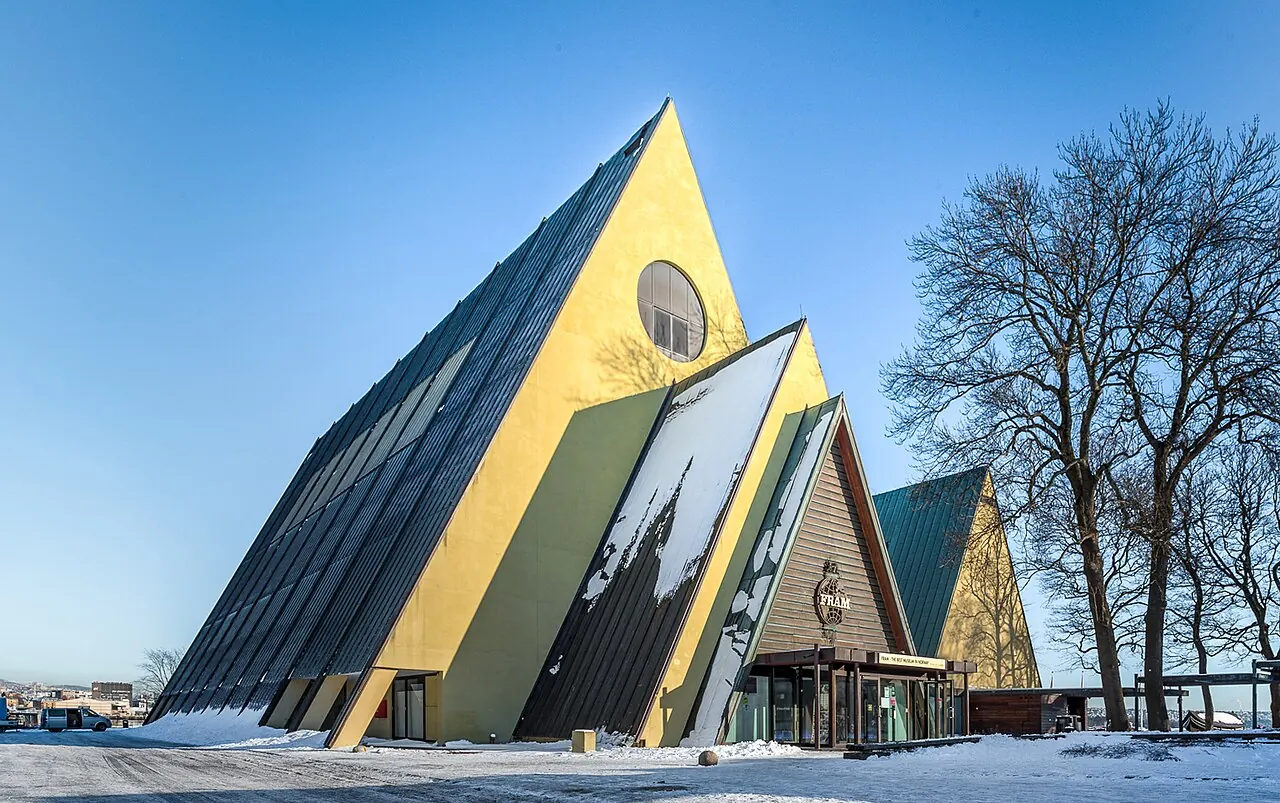
The Fram Museum makes an expedition vessel the centre of the story. Seeing the ship's scale and working spaces gives polar travel a physical dimension that photographs alone cannot provide. Read the expedition context before moving through the displays, then ask how people stored supplies, lived together and endured long periods away from land. Choose this museum if ships and exploration interest you, rather than merely because Bygdoy has several famous institutions.
Transport to the peninsula needs its own planning. Check the seasonal boat service or use the bus connection, and allow for the return instead of relying on a ferry timetable remembered from summer. The museum says advance tickets are not necessary for ordinary visits, but group arrangements are different. Access below deck is more restricted than access to the main museum spaces. A combined outing with the Folk Museum works if you leave enough time for both.
Plan it well: Check below-deck access specifically if mobility matters; general museum accessibility does not mean every ship space is accessible.
Fram Museum: plan your visitExplore everyday history at Norsk Folkemuseum
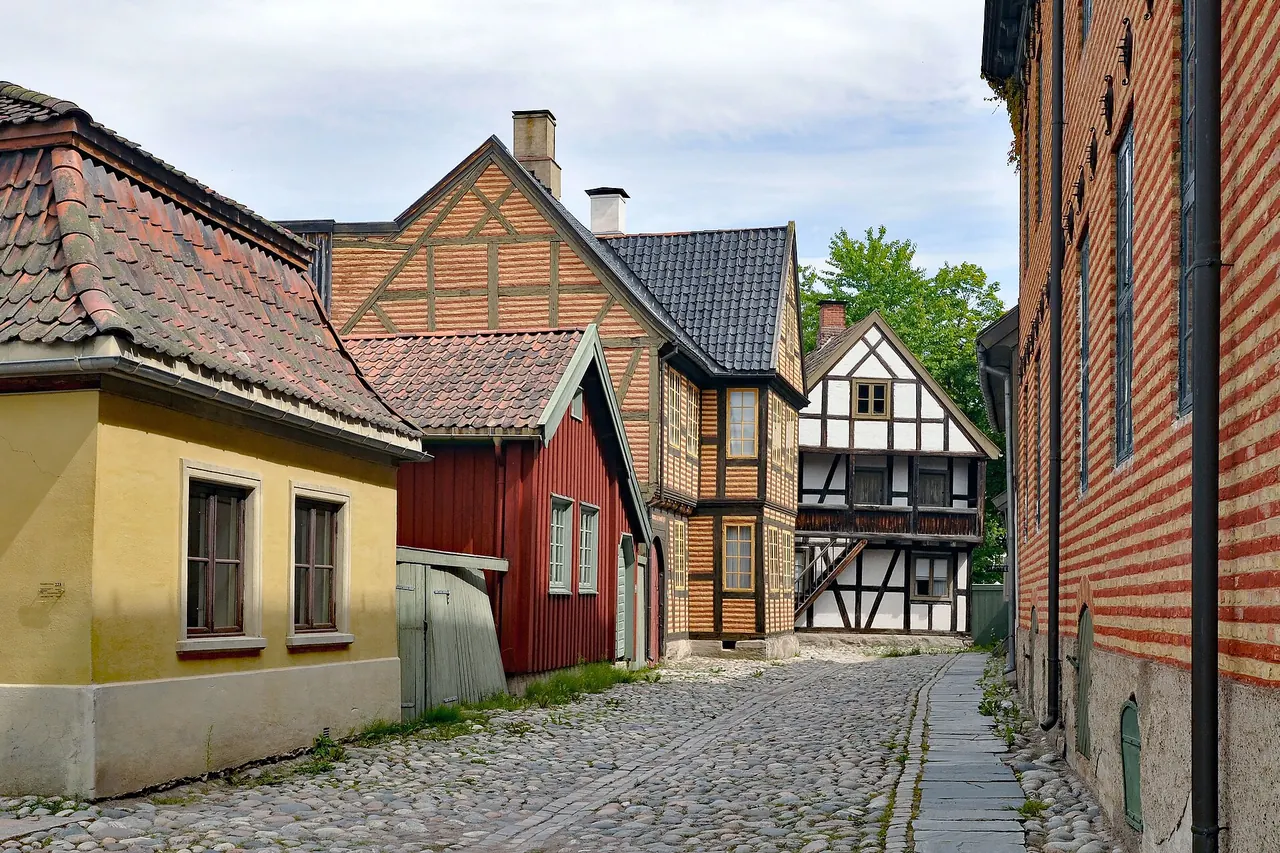
Norsk Folkemuseum shifts attention from major expeditions and famous artists to homes, work and daily life. The open-air setting brings buildings from different parts of Norway into a walkable collection, including the stave church from Gol. Compare materials and layouts rather than trying to identify one ideal Norwegian house. The differences between regions and periods are part of what makes the museum useful.
Buildings, demonstrations and guided visits do not necessarily operate on one identical year-round schedule. Check the programme for your date and dress for walking outside between indoor stops. If the stave church is the priority, look for the museum's current access or tour information before arriving. Bygdoy can easily become a museum marathon; pair this with Fram only if both subjects interest you, and leave other peninsula museums for another trip rather than rushing through them all.
Plan it well: The Viking Ship Museum is closed during rebuilding; do not add it to this day without checking its official reopening notice.
Norsk Folkemuseum official programmeUnderstand Oslo's skiing culture at Holmenkollen
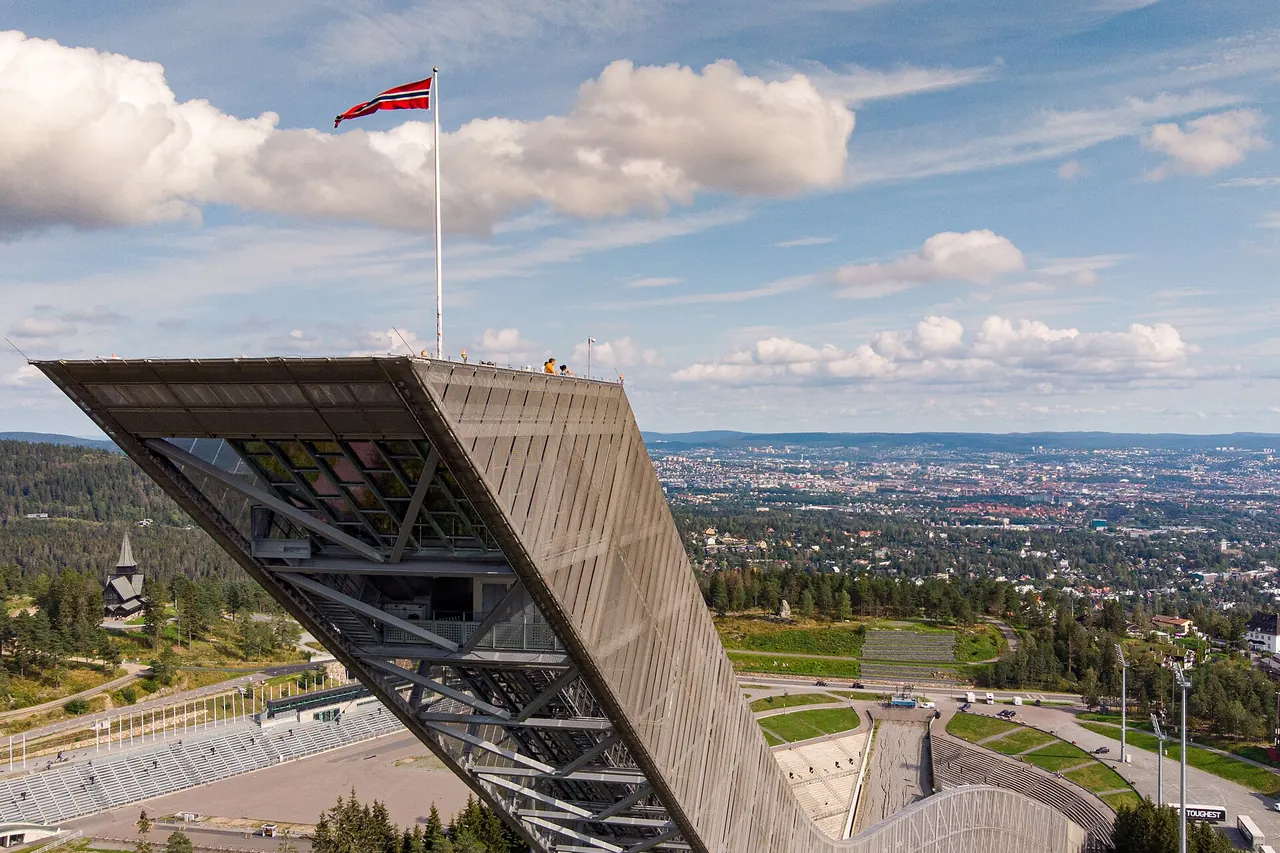
Holmenkollen is worthwhile even when nobody is jumping. The scale of the ski-jump structure conveys the sport's demands, while the museum gives the surrounding winter landscape a cultural history. Combine the two experiences if both appeal: the tower is about the city view and the jump itself, while the museum explains a much longer relationship between skis, travel and recreation.
This is an outing into the hills, not a quick stop beside the central waterfront. Check public transport, the approach from the station and current tower arrangements. Cloud, wind or an event can change what you get from the visit, so keep a clear-weather slot available if the panorama is the main attraction. Museum and tower admission should not be confused with any separately operated activity such as a zipline. Bring suitable footwear for the outdoor approach even if most of your visit is indoors.
Plan it well: Use the official museum and tower page for access; sporting events and optional activities have their own arrangements.
Holmenkollen Ski Museum and Jump TowerWalk up to the Royal Palace and its park
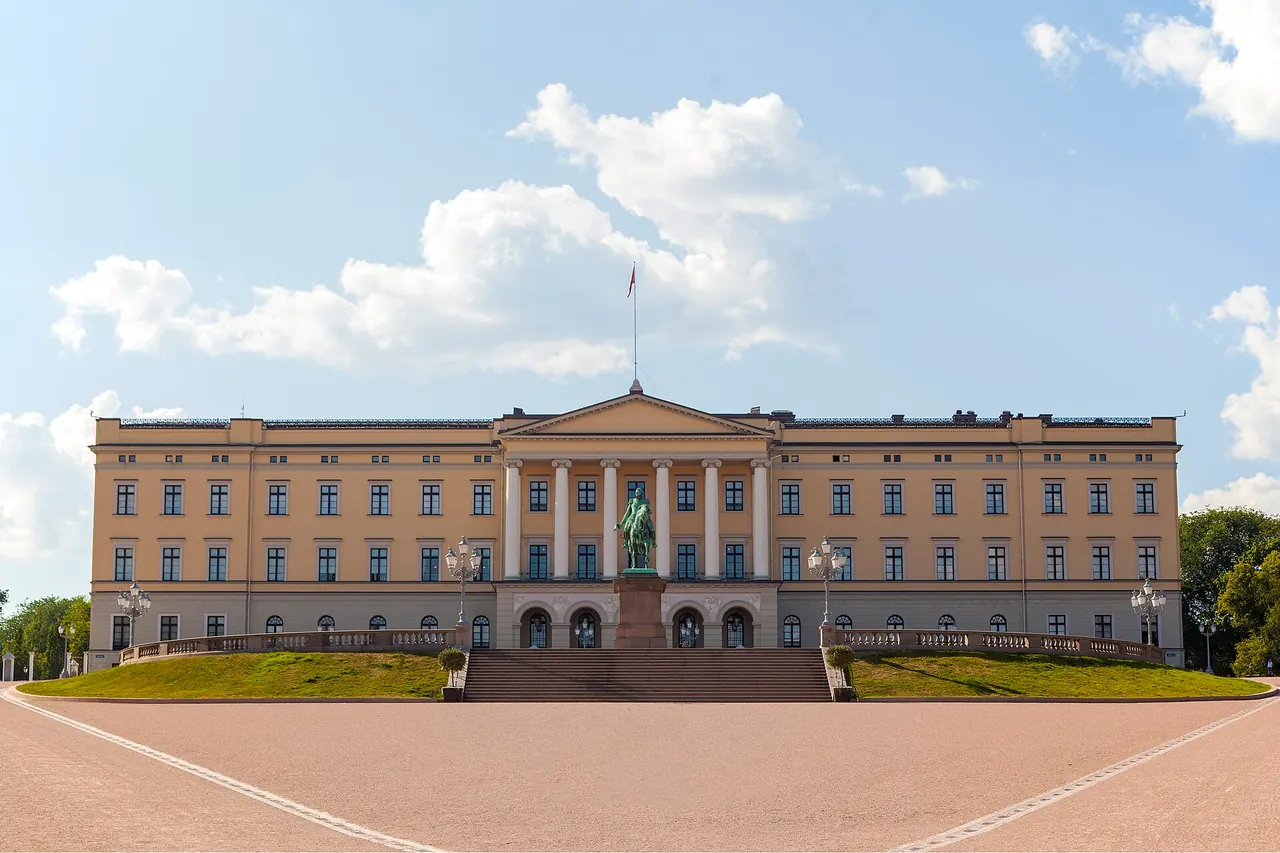
The approach to the Royal Palace lets you connect Oslo's formal city centre with a quieter park setting. Walk towards the columned facade, then turn into Slottsparken instead of making the building a photo-and-leave stop. The change from the busy central streets to lawns and trees is part of the attraction. It fits naturally after the National Museum or before a meal in the western centre.
Interior visits follow a seasonal guided-tour programme, not ordinary year-round walk-in access. The Royal House's current page says the summer 2026 season has finished, so an autumn visitor should plan around the exterior and park rather than expect state rooms to be open. For a future summer trip, check the newly announced tour dates, language and ticket arrangements. Official functions can affect access, and particular park areas may have their own seasonal restrictions.
Plan it well: Check the Royal House's current tour season; seeing the exterior does not require an interior-tour booking.
Norwegian Royal House: visiting the palacePair contemporary art with Tjuvholmen
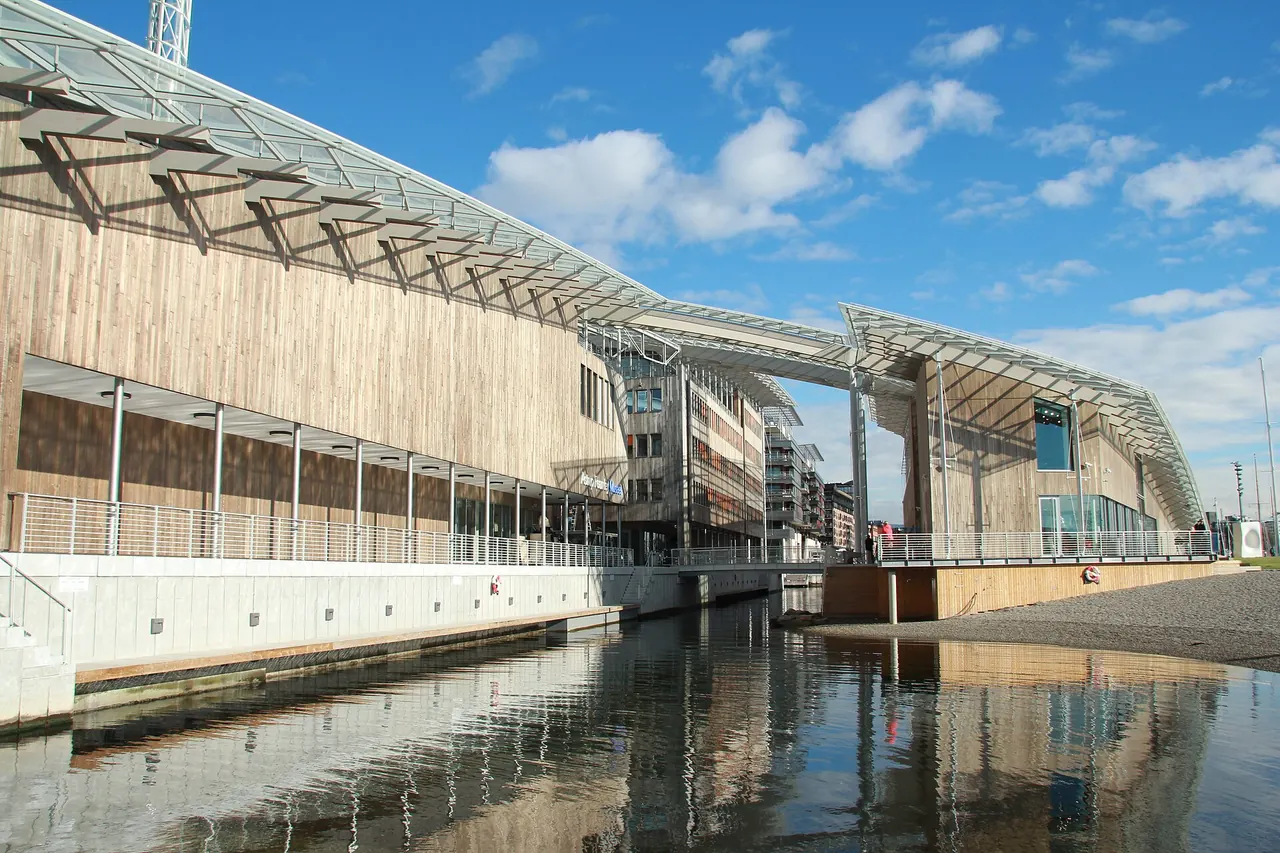
Astrup Fearnley is the contemporary-art choice for a waterfront afternoon. Its setting on Tjuvholmen gives the building a strong relationship with the fjord, but the exhibition should be the reason to go inside. Look at the current programme and decide whether the artists or themes interest you. Contemporary work often benefits from a little orientation before arrival, especially if this is the only gallery you plan to visit in Oslo.
Combine the museum with a walk through Tjuvholmen and Aker Brygge, leaving time to look back towards the harbour. Museum entry and simply walking the waterfront are distinct activities, so check opening days before turning up with an indoor plan. The museum lists seasonal Monday exceptions and reduced arrangements during exhibition changes; verify the particular date instead of relying on a general weekly schedule. A waterfront pause afterwards gives you time to consider the work without needing another museum immediately.
Plan it well: Read the current exhibition page before buying; installation changes can affect what is open.
Astrup Fearnley Museum: visit usHow to spend two days in Oslo
Day one: Bjorvika and the central harbour
Walk around the Opera House, then make MUNCH your main indoor visit. Continue towards Akershus and Aker Brygge if you want a longer waterfront day. Alternatively, choose the National Museum as the main visit and keep MUNCH for another trip; end near the Royal Palace or Tjuvholmen.
Day two: choose the peninsula or the hills
Visit Fram and Norsk Folkemuseum on Bygdoy, with transport and a meal planned between them. For a more outdoor-led day, choose Vigeland Park and Holmenkollen instead. Do not force both distant outings into one afternoon, and swap the order according to visibility and museum closure days.
Before you go
Check the real transport service
Use Ruter for the bus, tram and metro journeys you intend to make. A seasonal sightseeing boat is not automatically covered by an ordinary city transport ticket.
Ruter travel informationAvoid a closed museum plan
The Viking Ship Museum is closed during construction of the Museum of the Viking Age. Consult the official notice rather than an older attraction list.
VisitOSLO: Viking Ship Museum closureLeave room for weather and bags
The waterfront and hills can feel colder than sheltered streets. Layer clothing, check slippery walking surfaces, and arrange luggage storage before a museum or performance.
Stay near the journeys you will actually make
Bjorvika and the station area suit arrival logistics and MUNCH; the western centre suits the National Museum and Aker Brygge. Frogner can work for quieter park-focused days if the tram connection fits your plans. Compare the exact stop, room details and evening surroundings; staying on Bygdoy or near Holmenkollen is not necessary for a single outing.
Explore Oslo hotels