
Kathmandu city guide
10 things to do in Kathmandu
Sacred stupas, old-city courtyards and market lanes, with enough breathing room to enjoy Kathmandu rather than spend the whole visit crossing it.
Plan your visit
Kathmandu rewards attention more than speed. Its shrines are places of worship, its markets are places of work, and journeys across the valley can take longer than a map suggests. Build each day around one part of the city, leave space for traffic and breaks, and treat the ten ideas below as choices rather than a weekend checklist.
Climb to Swayambhunath at an unhurried pace
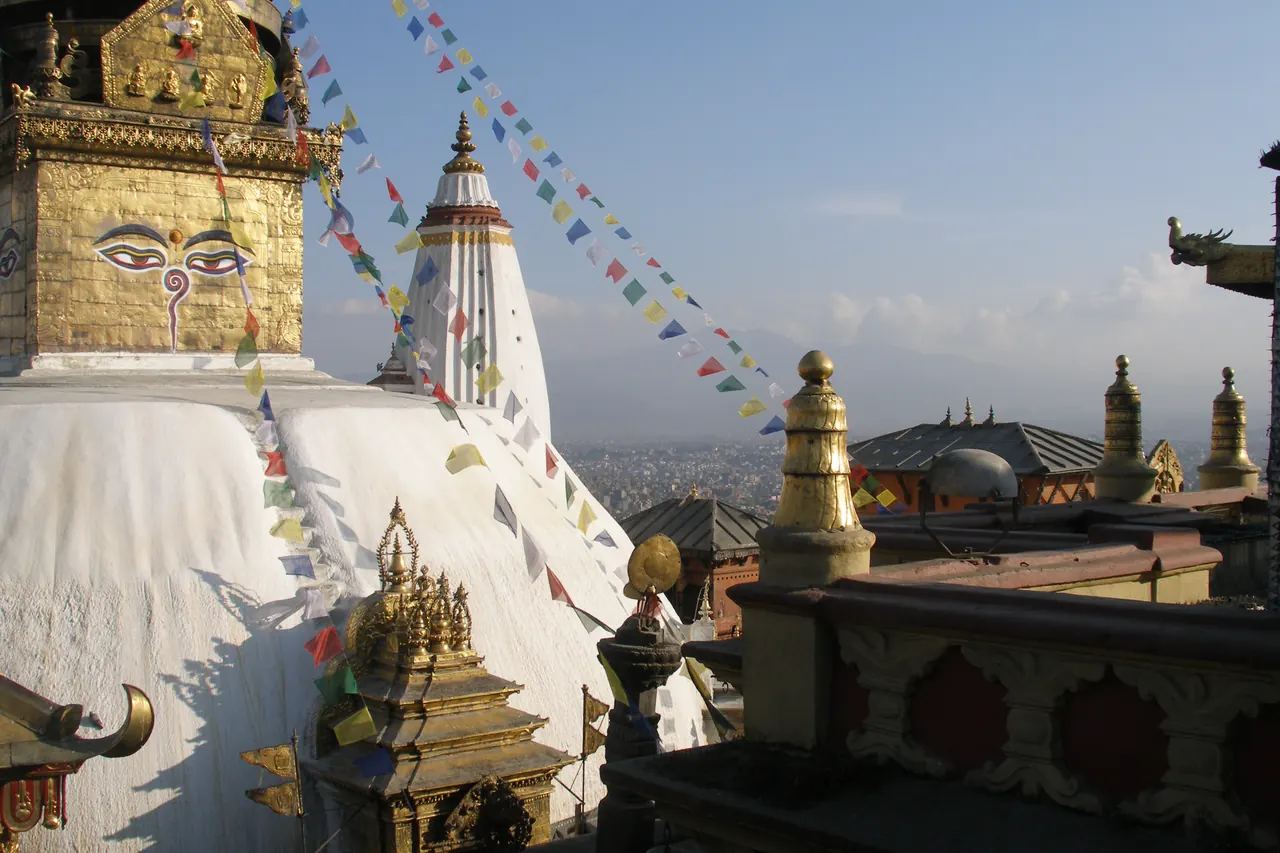
Swayambhunath sits above the western side of Kathmandu, bringing the valley's packed streets into perspective. Around the central stupa, smaller shrines and prayer wheels make this more than a viewpoint. Spend time looking at how the sacred buildings share the hill rather than taking one photograph and turning immediately towards the exit. It is a useful first stop for understanding the setting of the city.
Choose your approach according to your mobility and energy: the long eastern stairway is not the only way towards the hilltop, and a vehicle approach still needs an access check. Carry water, keep food packed away from monkeys and give worshippers room around the stupa. Afterwards, return towards the old city for lunch instead of adding another cross-valley journey straight away.
Plan it well: Ask about the least demanding approach before setting out; the hilltop is not a guaranteed step-free visit.
Nepal Tourism Board: SwayambhuFollow the circle around Boudhanath
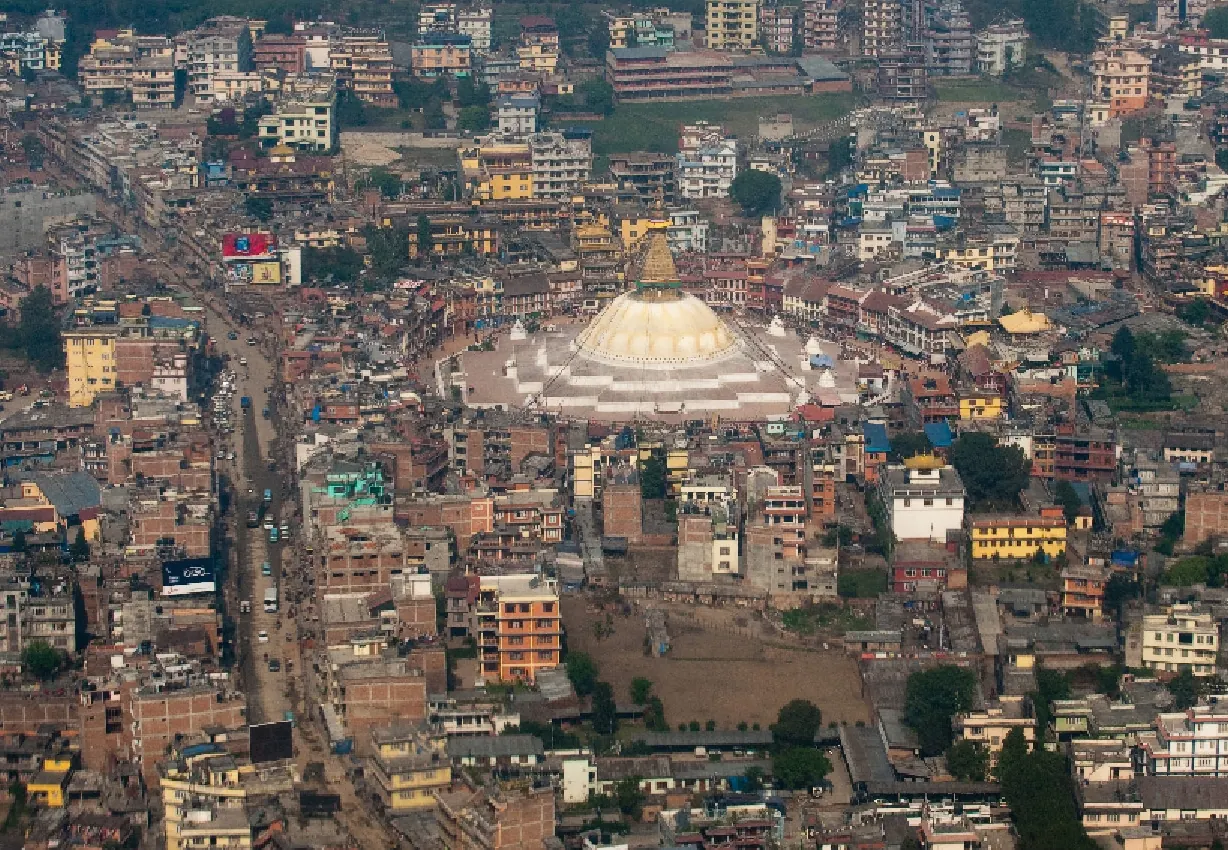
Boudhanath offers a very different sense of space from the lanes of the old city. The great white stupa anchors a broad circular route, with monasteries, shops and places to sit around it. Let the first circuit be about noticing the prayer wheels, painted eyes and changing views of the dome. Nepal Tourism Board identifies this as a major centre of Himalayan Buddhism, not simply a striking monument.
Walk clockwise with the flow of worshippers and avoid stopping in the narrowest parts of the circuit for photographs. A cafe break can make a second, slower look worthwhile, but ask what a rooftop purchase includes before sitting down. Boudha works well as the anchor for an eastern-city day; allow a separate transfer to Pashupatinath and do not assume the two sites share an admission arrangement.
Plan it well: Follow the clockwise circuit and ask permission before entering a monastery or photographing ceremonies.
Nepal Tourism Board: BoudhaRead the old city in Durbar Square
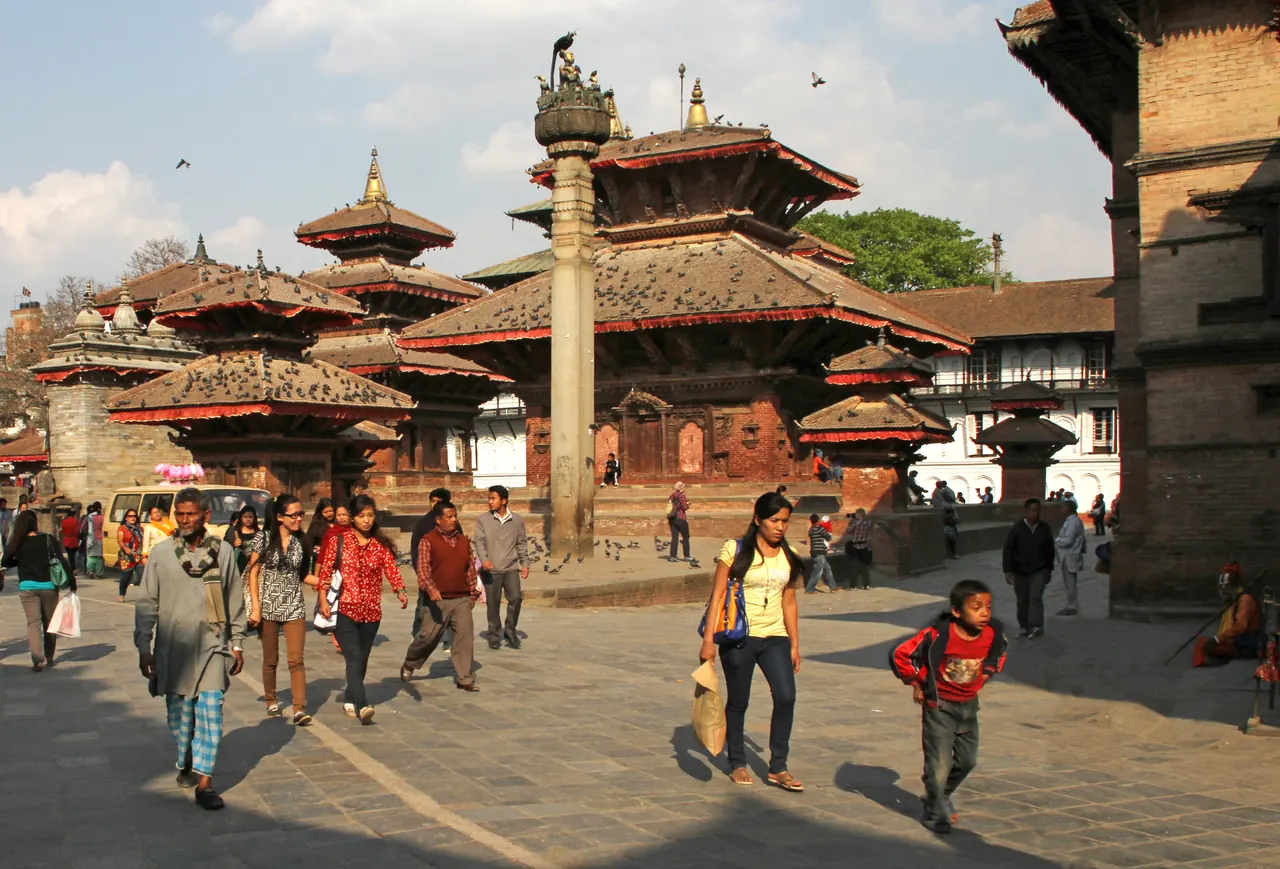
Kathmandu Durbar Square brings palace buildings, temples and ordinary city movement into the same frame. Rather than trying to identify every roof at once, begin with the Hanuman Dhoka side and make a slow loop through the open spaces. The differences between brick, carved timber and stone are part of the pleasure. This is a place to look carefully, not a collection of interiors you can automatically enter.
Arrange the visit before an Asan market walk, keeping the palace or museum component optional according to what is open. Conservation work, religious restrictions and visitor entrances can change independently, so ask at the official entrance which areas your ticket covers. Around Kumari Ghar, follow instructions about photography and do not build the day around seeing the living goddess at a promised time.
Plan it well: Use the official visitor entrance and check which palace areas are accessible that day.
Nepal Tourism Board: Kathmandu Durbar SquareApproach Pashupatinath with respect
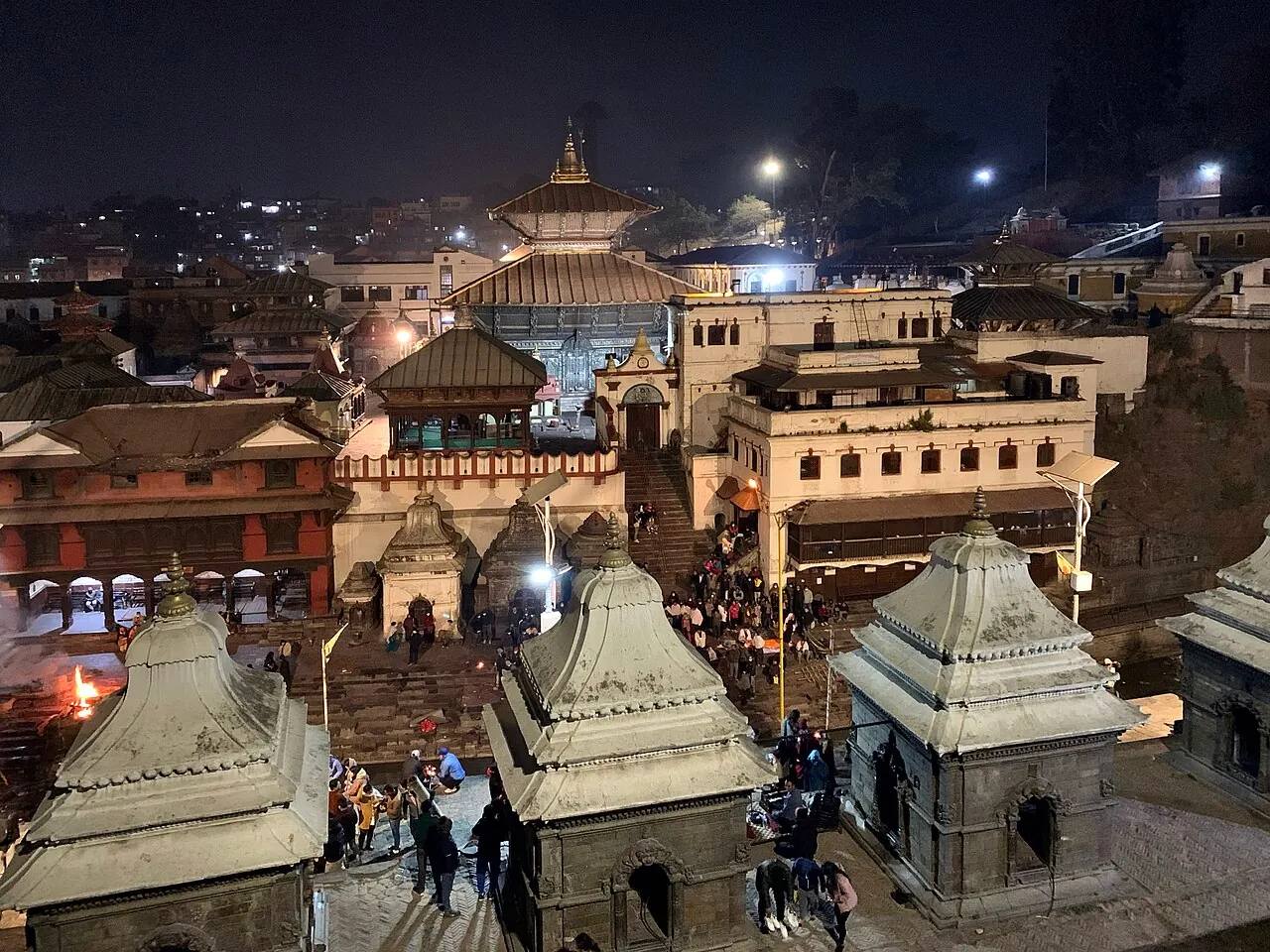
Pashupatinath is a living Hindu pilgrimage site beside the Bagmati River. The visit requires a different attitude from a palace square: prayer, mourning and family rituals may be taking place around you. Nepal Tourism Board states that the main temple complex is restricted to Hindus and directs non-Hindu visitors to viewpoints across the river. An exterior view is a meaningful visit, not a reason to challenge an entrance restriction.
Keep a quiet distance from cremations and avoid treating people experiencing grief as photographic subjects. Ask authorised staff where visitors may stand and what photography is permitted in that particular area; the main temple has strict prohibitions. Combine the outing with Boudhanath only if you can allow time between them and a break afterwards. A paid walking tour cannot remove religious access rules.
Plan it well: Non-Hindus should plan for the permitted exterior viewpoints, not entry to the main temple.
Nepal Tourism Board: Pashupatinath accessPause inside the Garden of Dreams
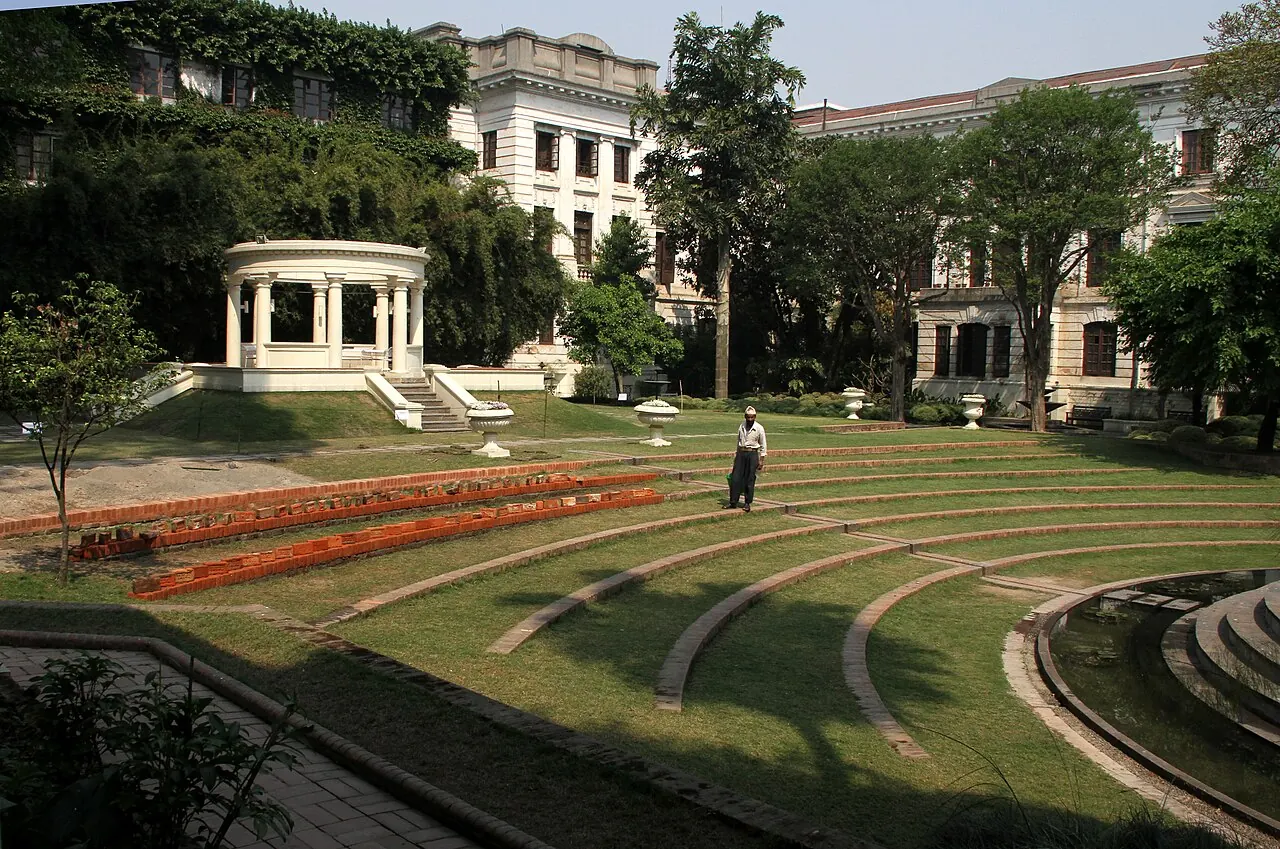
The Garden of Dreams makes a useful pause between the shops of Thamel and the palace district. Pavilions, ponds and formal garden details give it a distinct character from Kathmandu's sacred courtyards. The pleasure is in a short circuit followed by time to sit, not in fitting another major attraction into an already crowded day. Look back towards the buildings to see how the garden spaces are arranged.
The garden's own website confirms public access and tickets at the entrance; check its latest notice before visiting, especially if you intend to eat or attend an event. Admission and a restaurant purchase are separate decisions. Keep this stop adjustable around a nearby Narayanhiti Palace Museum visit, and bring a rain plan rather than relying on every part of the outdoor grounds being comfortable in all weather.
Plan it well: Check the garden's own notice for access, and leave luggage at your accommodation.
Garden of Dreams official visitor noticeBrowse everyday Kathmandu at Asan
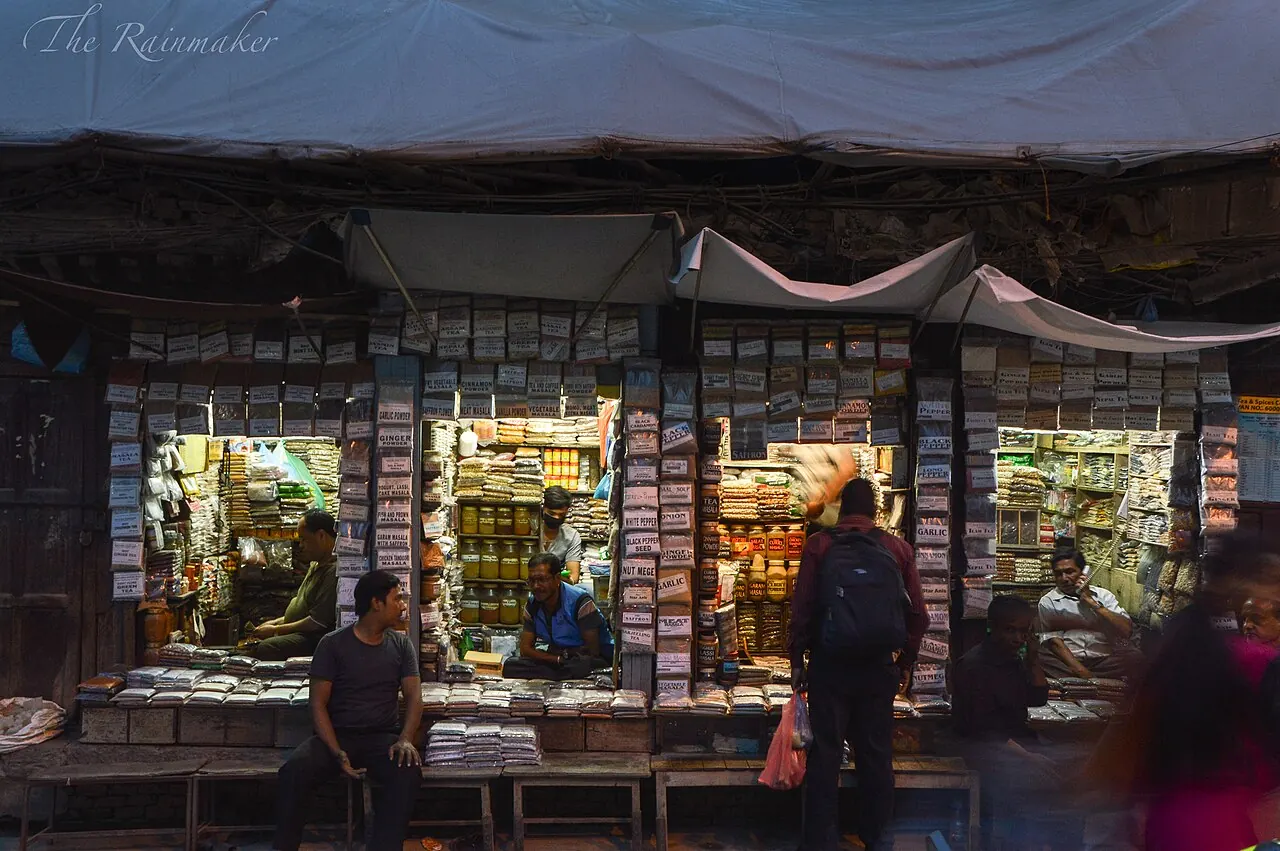
Asan is a busy old-city junction where trading and worship overlap. Spices, vegetables, household goods and temple fronts compete for attention, making it a stronger introduction to daily commerce than a souvenir-only shopping circuit. Take a short route through the square first, then choose a lane to explore. The Annapurna temple gives the market a recognisable landmark when the turns start to feel similar.
Visit without a suitcase or a large pack, and step aside before checking your phone or taking a photograph. Sellers need space to move goods, while passing customers are not part of an organised performance. If you buy something, agree the quantity and total before paying. Link Asan with Durbar Square or a return towards Thamel, but leave room to retrace your steps rather than forcing a perfect one-way route.
Plan it well: Keep purchases small enough to carry easily and ask before photographing a trader closely.
Nepal Tourism Board: AsanUse Thamel for a deliberate shopping wander
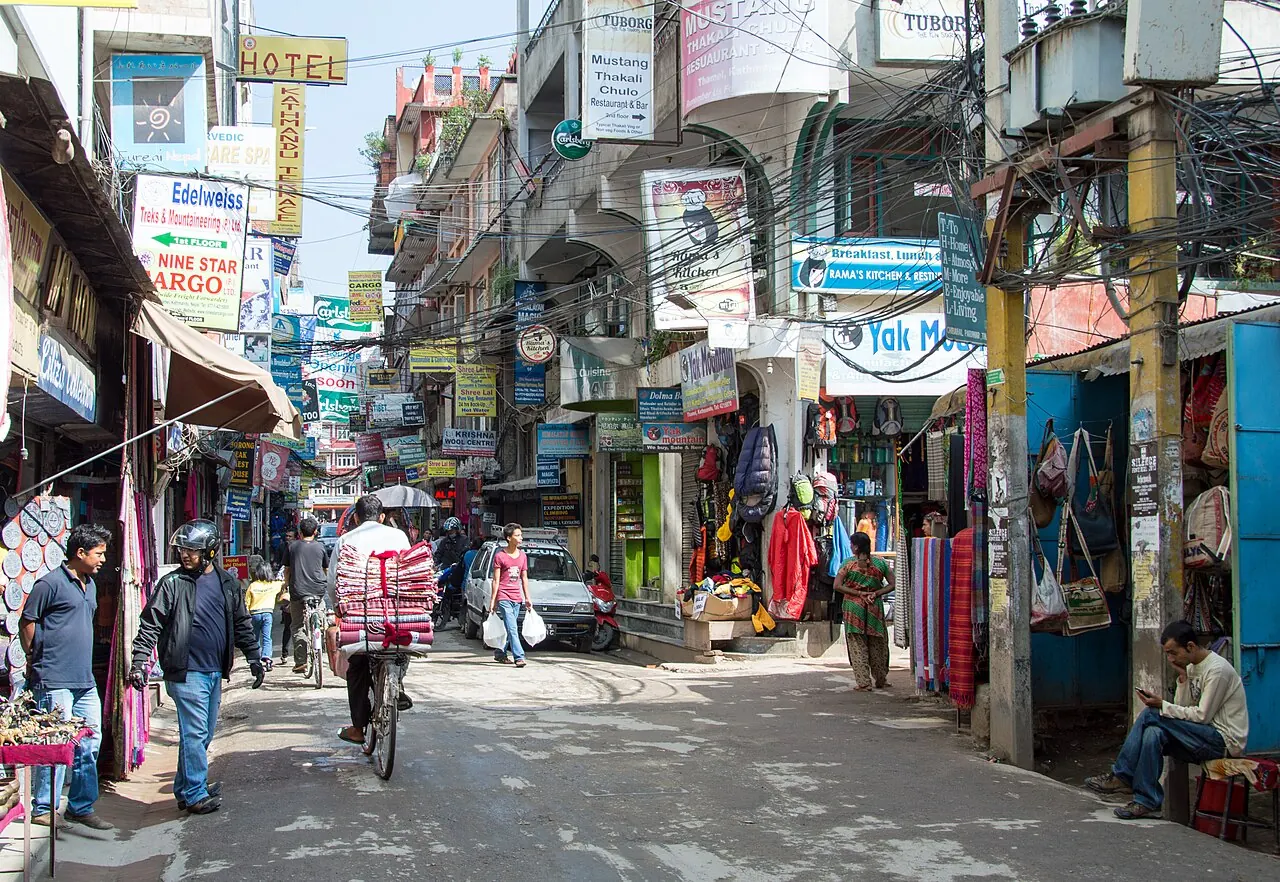
Thamel is useful even when shopping is not the main purpose of the trip. Its lanes bring together cafes, bookshops, trekking suppliers and souvenir stores, so it can be the practical start or finish of a sightseeing day. Choose a small area rather than wandering until every shop looks familiar. Lokta paper goods, locally made craftwork and tea are more interesting to compare when you are not rushing towards a transfer.
If you need equipment for a trek, separate that purchase from an impulse souvenir stop: suitability, fit and the seller's return terms matter more than an attractive display. Ask about provenance when a product is described as handmade, and avoid buying antique religious objects without understanding export restrictions. A cafe meeting point and a downloaded map can make it easier to find your way back through the branching lanes.
Plan it well: Keep a recognisable meeting point; a shop sign alone can be hard to relocate in these lanes.
Nepal Tourism Board: shopping in KathmanduLook beyond the facade at Narayanhiti
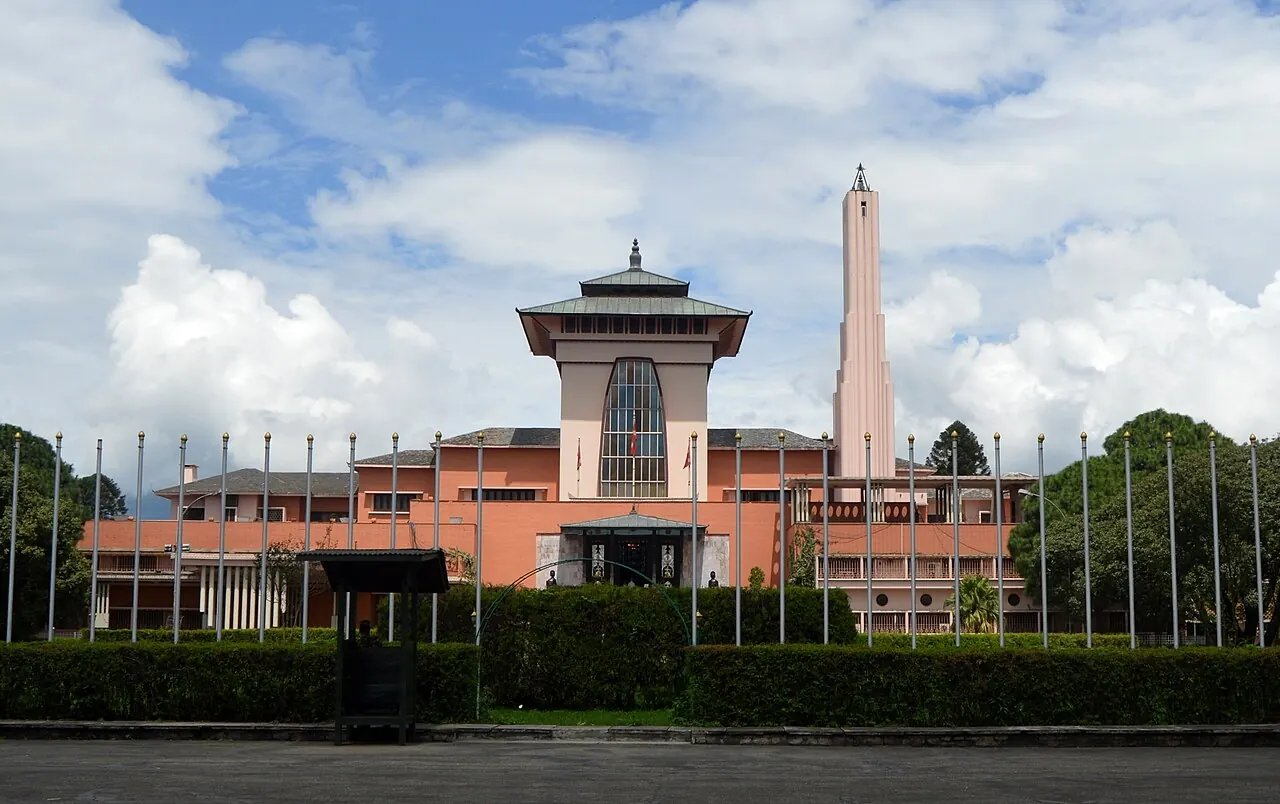
Narayanhiti Palace Museum adds recent royal history to a trip otherwise dominated by older temples and palace squares. The former royal residence stands in the Durbarmarg area, close enough to Thamel to combine without another distant outing. Its formal rooms and the story of the former monarchy offer a different question from Durbar Square: how did power present itself in a twentieth-century palace?
Read the museum's visitor notice before going and ask which complexes are included in current access. Nepal Tourism Board describes the main palace, Tribhuwan Sadan and Shree Sadan, but that description is not a promise that every room is available on your date. Follow staff instructions for belongings and photography. Give the difficult history of the royal family time and attention, then use the nearby garden or a cafe for a quieter finish.
Plan it well: Check current admission and belongings rules before joining the entry queue.
Nepal Tourism Board: Narayanhiti Palace MuseumMake a separate outing to Budhanilkantha
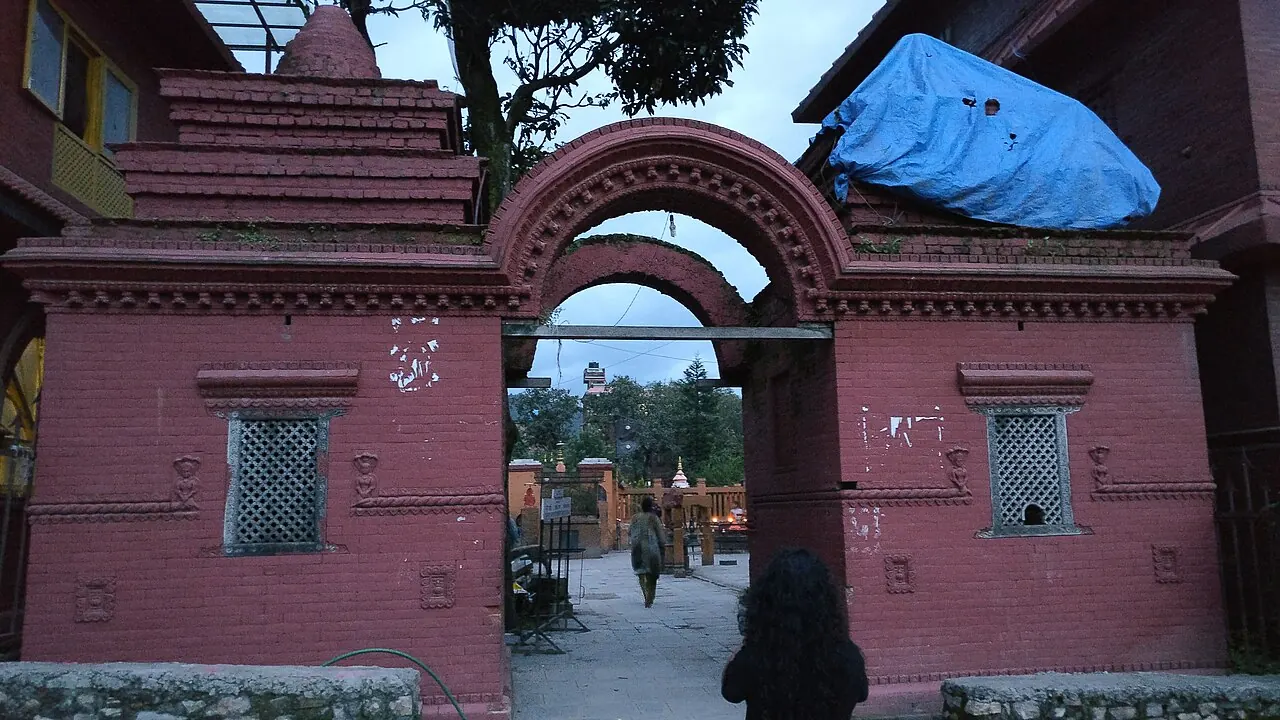
Budhanilkantha is worth choosing for its specific sacred image, not as an extra temple to tick off between central-city stops. A reclining Vishnu lies in a pool at the northern edge of the valley, where the setting feels different from the dense old city. Nepal Tourism Board describes the figure as carved from a single block of stone. Observe the composition from the visitor area and let worship take priority.
Build transport there and back into the plan rather than assuming the modest map distance means a short journey. Ask attendants where non-worshipping visitors should stand and whether photography is appropriate at that moment. Festival days can change the atmosphere and access considerably. If you are considering a further outing into the Shivapuri hills, arrange that separately with the necessary access checks; a temple visit does not include national-park entry.
Plan it well: Agree your return transport before treating this northern stop as a half-day outing.
Nepal Tourism Board: BudhanilkanthaGive Patan Durbar Square its own half-day
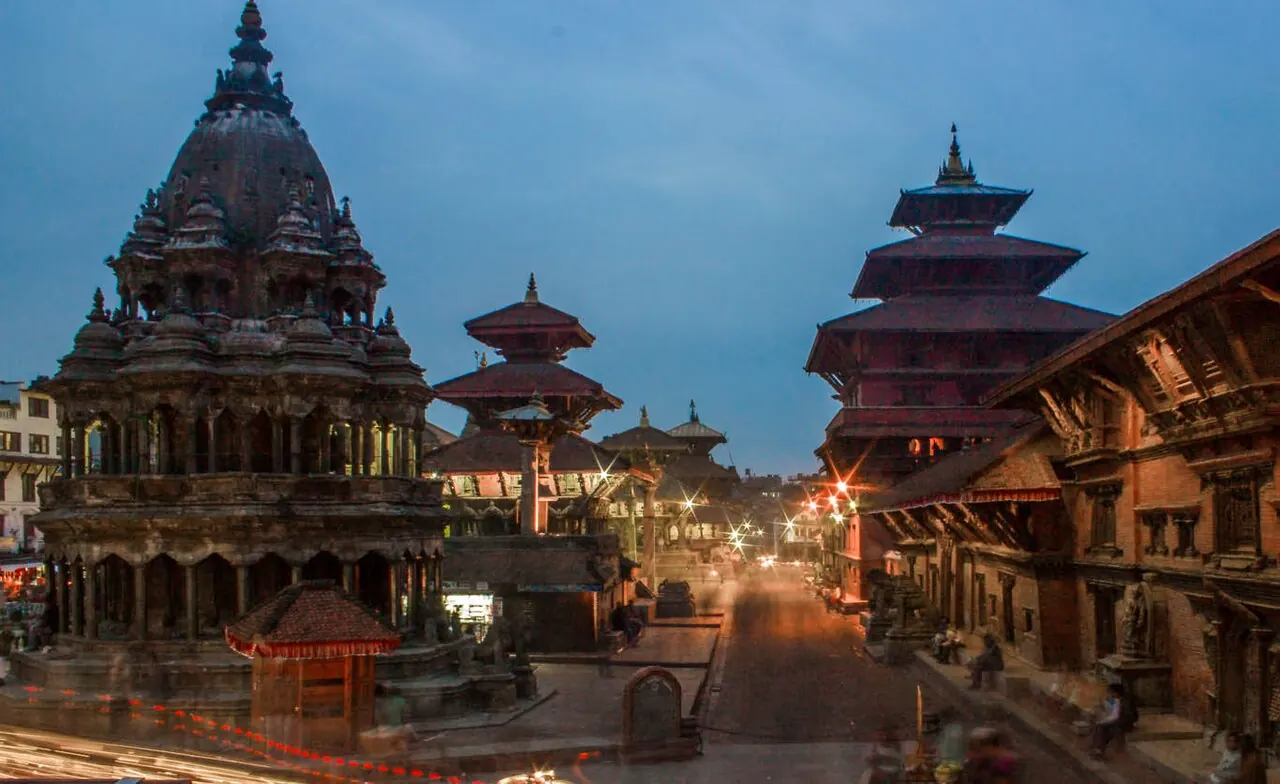
Patan Durbar Square is in Lalitpur, a separate historic city within the Kathmandu Valley, and deserves more than a hurried detour from Kathmandu's own square. Palace courtyards, pagoda roofs and the stone Krishna temple give it a distinctive architectural rhythm. Start with the square itself, then decide whether the museum should be your main indoor visit. Looking at a few carvings closely is more rewarding than rushing between every named building.
Allow a half-day including the transfer, with extra time if you want to explore the neighbouring lanes. Ask which parts of the palace and museum your current admission covers, and do not assume temple interiors admit all visitors. A meal nearby can help you stay long enough to notice the square changing through the afternoon. On a two-day trip, choose this outing instead of another distant site, not on top of an already full eastern-city day.
Plan it well: Patan is not Kathmandu Durbar Square: confirm the destination with your driver.
Nepal Tourism Board: Patan heritageHow to spend two days in Kathmandu
Day one: the western hill and old city
Start at Swayambhunath, then transfer to Kathmandu Durbar Square. Leave time for lunch before a short Asan market walk. Finish in Thamel or the Garden of Dreams according to your energy and the weather.
Day two: choose the eastern shrines or Patan
Pair Boudhanath with the permitted exterior areas of Pashupatinath, allowing transfers and a quiet break. Alternatively, spend a half-day in Patan and add Narayanhiti if its admission arrangements fit. Budhanilkantha is a separate northern outing for a longer stay.
Before you go
Treat sacred access as a boundary
Temple interiors and monastic spaces have their own restrictions. Dress respectfully, follow attendants' directions and ask before photographing a ceremony.
Pashupatinath official tourism guidanceBudget for traffic and outdoor conditions
Do not convert map distances into fixed journey times. Keep water, comfortable footwear and a rain layer with you, and leave the middle of a day adjustable.
Buy the correct heritage admission
Check current official entrance information for each site and keep the ticket. Do not rely on an old printed price table or assume one square's admission covers another.
Nepal Tourism Board: heritage admissionWhere to stay in Kathmandu
Thamel is convenient for cafes, supplies and old-city outings, while Boudha suits a stay centred on the eastern stupas. Compare the exact street, recent noise comments, luggage arrangements and airport transfer details. A hotel described as being in the Kathmandu Valley may be far from the places you intend to visit.
Explore Kathmandu hotels