
Pokhara city guide
10 things to do in Pokhara
Combine Phewa Lake and mountain-view hills with temples, caves and the International Mountain Museum, then give the eastern lakes a separate outing.
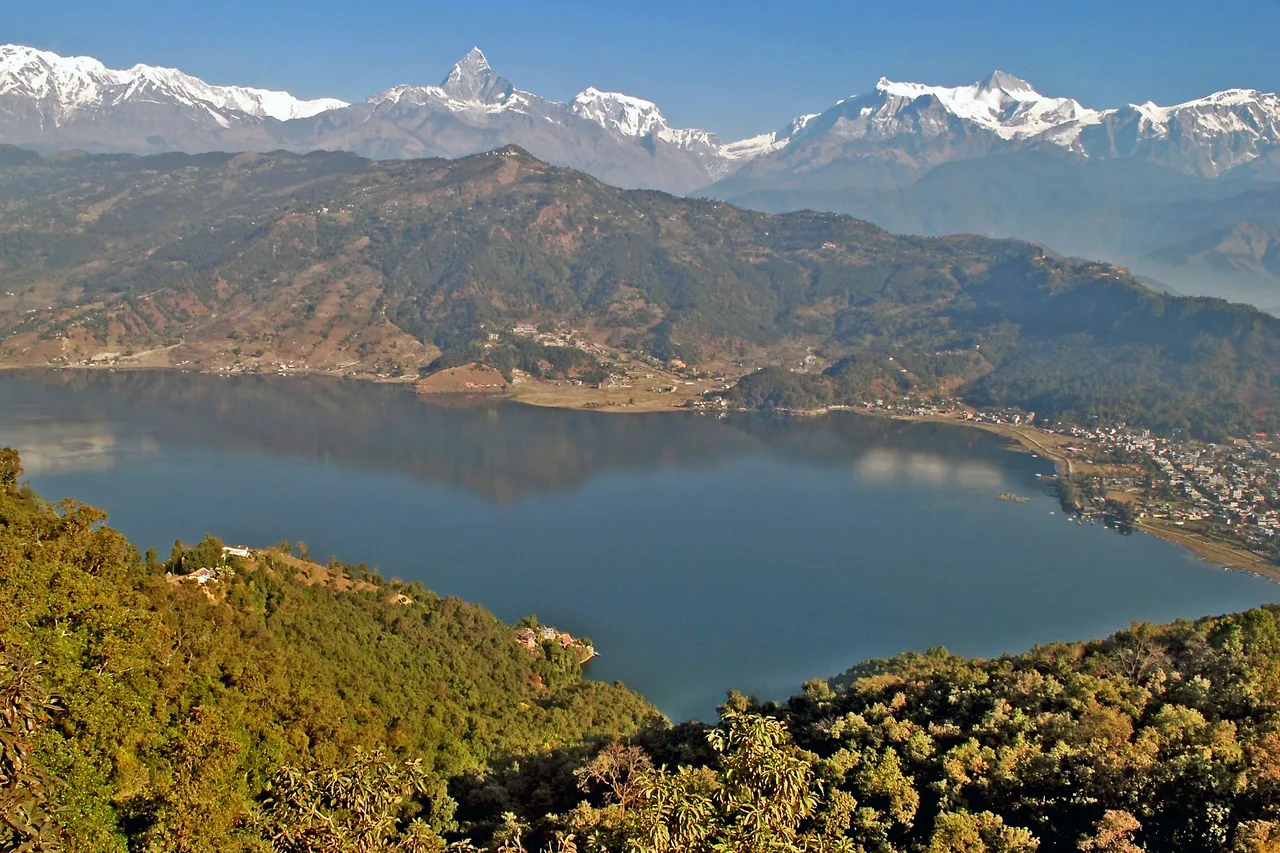
Plan your visit
Pokhara is a lakeside city and a gateway to mountain travel, but a short city visit does not need to become a trek. Build the first day around Phewa's shore and one southern outing, then choose a viewpoint or the eastern lakes when weather and transport suit. Mountain visibility is never guaranteed. Treat caves and sacred sites as individual visits with their own access requirements, not as interchangeable stops on a rushed sightseeing circuit.
Begin with a walk beside Phewa Lake
Phewa Lake gives a first Pokhara visit an immediate reference point. Walk an accessible part of the public shore, look at the boats and surrounding hills, and leave time to notice the relationship between the lake and the busy Lakeside streets. Clear conditions can reveal distant mountain scenery, but the water and its local setting remain worthwhile even without that view. You do not need to organise a boat outing simply to enjoy the lakeside.
If choosing a boat trip, confirm the departure point, return arrangements and operator's safety provisions directly. The lake pin is not a jetty, and conditions on the water should be assessed locally rather than from a photograph. Keep any shore walk suitable for your group and respect private or working areas. A slower afternoon here can be a complete first-day activity after travelling, with time for dinner nearby instead of immediately setting off for another distant lake.
Plan it well: The lake coordinate is not a boat departure point or a recommendation to swim.
Nepal Tourism Board: Pokhara boatingGive Begnas Lake a separate eastern outing
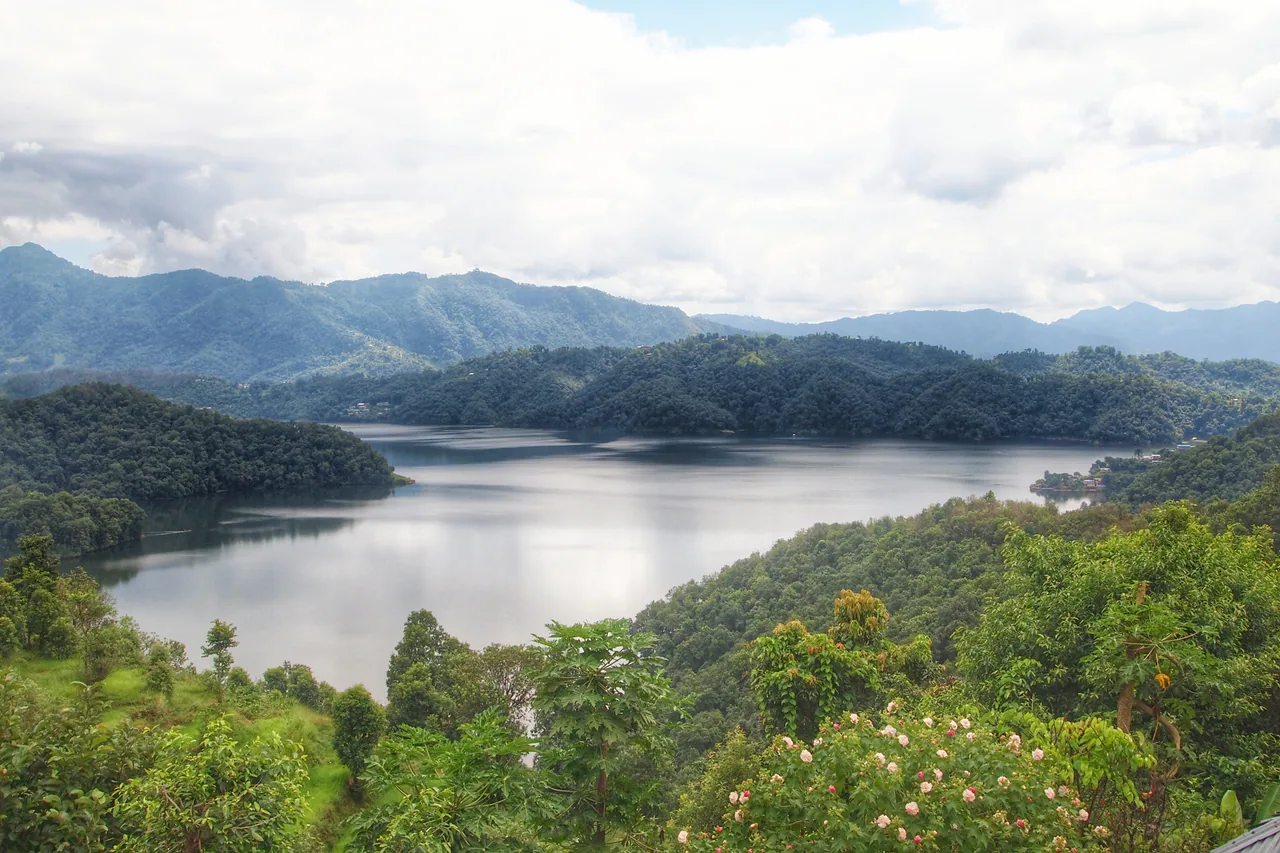
Begnas Lake lies away from the Phewa-side visitor streets and offers a different lake-and-hill setting. Choose a specific shore approach and spend time with the landscape rather than assuming all parts of the lake are linked by a simple public promenade. The attraction is the surrounding hills, settlements and water together. The local tourism council distinguishes Begnas and neighbouring Rupa as separate lakes divided by a ridge.
Plan both journeys from your accommodation and ask where your vehicle or confirmed service actually stops. Any boat outing needs its own agreement and local conditions check; it should not be inferred from the availability of boats at Phewa. Leave time for a meal or a shorter permitted walk rather than trying to visit every shore. Rupa can be a second deliberate stop if the route works, but Begnas alone makes a worthwhile regional day outside the central Lakeside routine.
Plan it well: Choose the shore access first; the lake pin does not identify a public entrance or parking area.
Pokhara Tourism Council: valley lakesSee Rupa Lake's farming landscape
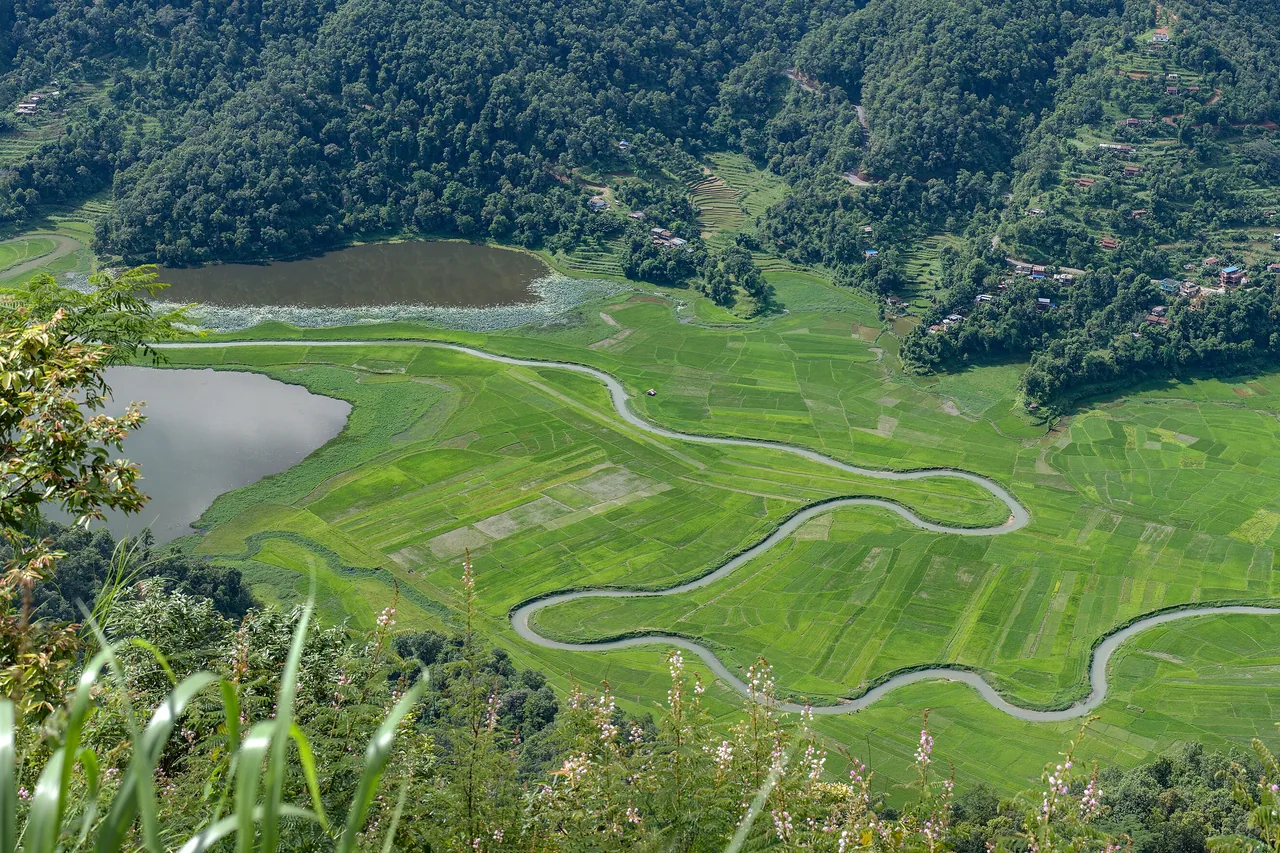
Rupa Lake gives the eastern valley outing another perspective, with water, fields and wooded slopes forming the landscape together. It is a real lake used by surrounding communities, not an ornamental visitor park. Look for a permitted public approach or a locally advised viewpoint rather than assuming every field edge is available for a walking circuit. The ridge between Rupa and Begnas helps explain why seeing both involves a route choice rather than simply following one continuous shore.
Ask locally about access and arrange a return before leaving your main base. Stay out of crops and working areas, and do not approach fishing activity as if it were a staged attraction. Keep expectations modest: a well-chosen view and time to observe the setting can be enough. Combine Rupa with Begnas only when transport and available time make sense, instead of adding it to a day already filled with southern caves and a distant mountain viewpoint.
Plan it well: Use public or explicitly permitted routes; agricultural land is not automatically a visitor path.
Pokhara Tourism Council: Begnas and Rupa lakesVisit the World Peace Pagoda above the lake
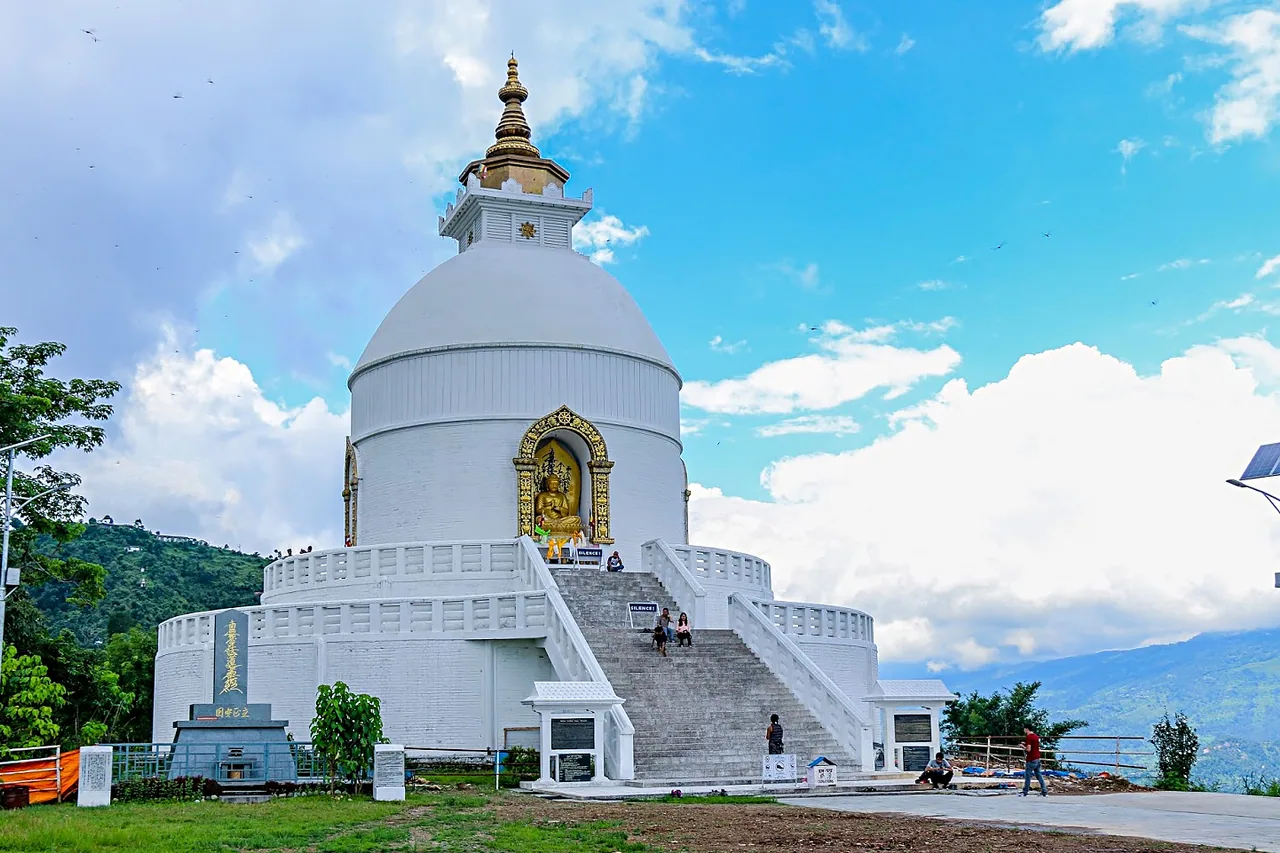
Pokhara's World Peace Pagoda is a hilltop Buddhist site with a broad outlook over the lake-side landscape when visibility allows. The white structure is the main landmark, but the visit should also leave room for quiet observation and respect for its sacred purpose. Follow the visitor instructions around the site and let religious activity take precedence over photographs. You do not need to arrive with a mountain panorama as a condition of enjoying the visit.
Choose the approach before departing: a road journey and a walking route create different demands and arrival points. Ask about steps and the final climb rather than assuming a vehicle transfer reaches every part of the monument. Carry water and plan a suitable return, especially if your route involves a boat connection or a longer walk. Pair the pagoda with a modest southern-city outing only if the transport works; there is no need to add every cave and waterfall afterwards.
Plan it well: Check the final walking approach separately from any road or boat transfer.
Nepal Tourism Board: World Peace PagodaSee the chasm at Davis Falls
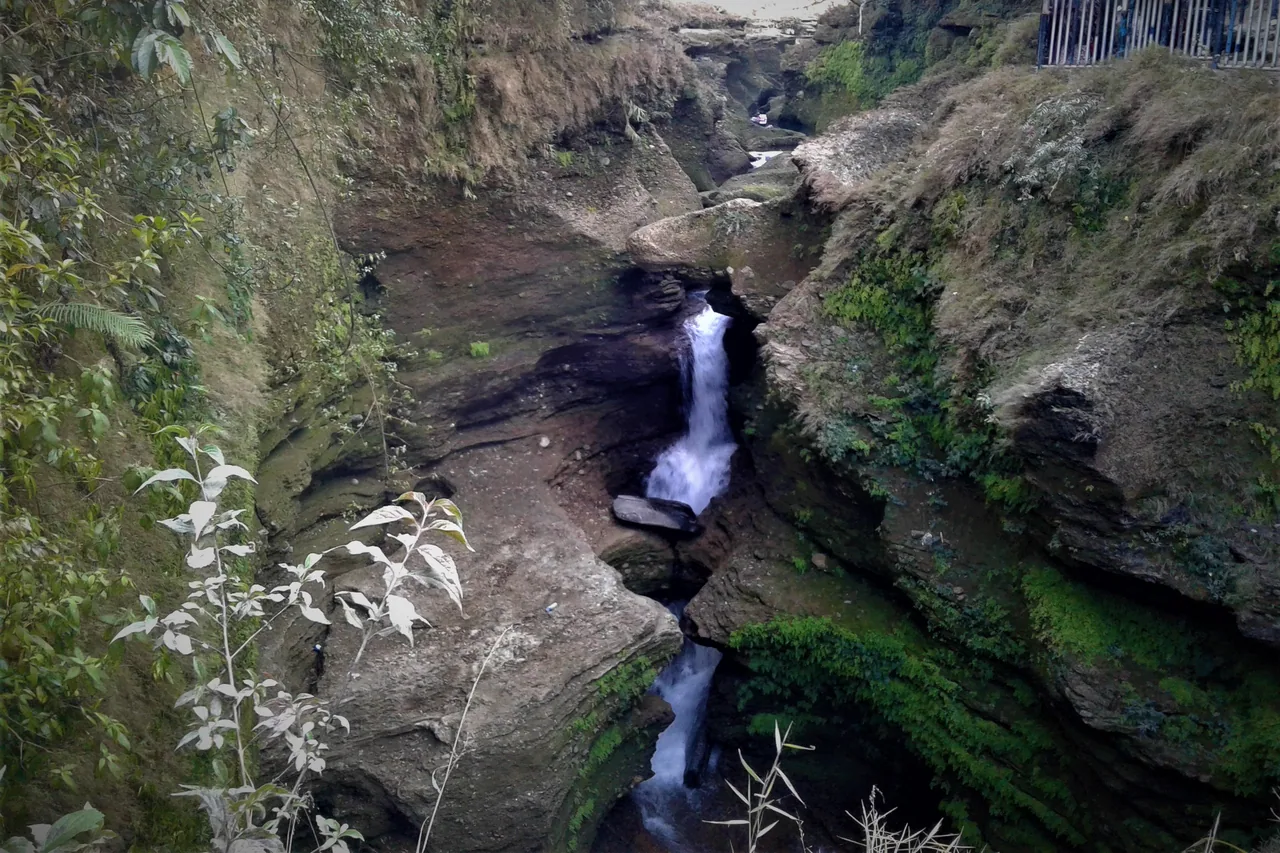
Davis Falls, also written Devi's Falls, is a southern Pokhara stop where water drops into a rocky chasm. Its enclosed setting is different from an open hillside cascade, so view it from the authorised visitor areas rather than expecting a place to walk beside the falling water. The amount of visible water can vary with conditions. Go for the feature as it is on the day, not for a guaranteed recreation of a dramatic photograph.
Check current opening and access locally, keep to barriers and watch your footing around damp surfaces. The nearby Gupteshwor cave is a separate visitor site with its own entrance arrangements and terrain. You can combine the two as a focused southern outing, leaving time for each rather than assuming one admission or route covers both. Ask about the actual walking and steps if anyone needs a less demanding visit, and choose the museum instead if the cave terrain is unsuitable.
Plan it well: Falls and cave access are separate; confirm each site's arrangements.
Nepal Tourism Board: Paradise Pokhara bookletApproach Gupteshwor as a cave and sacred site
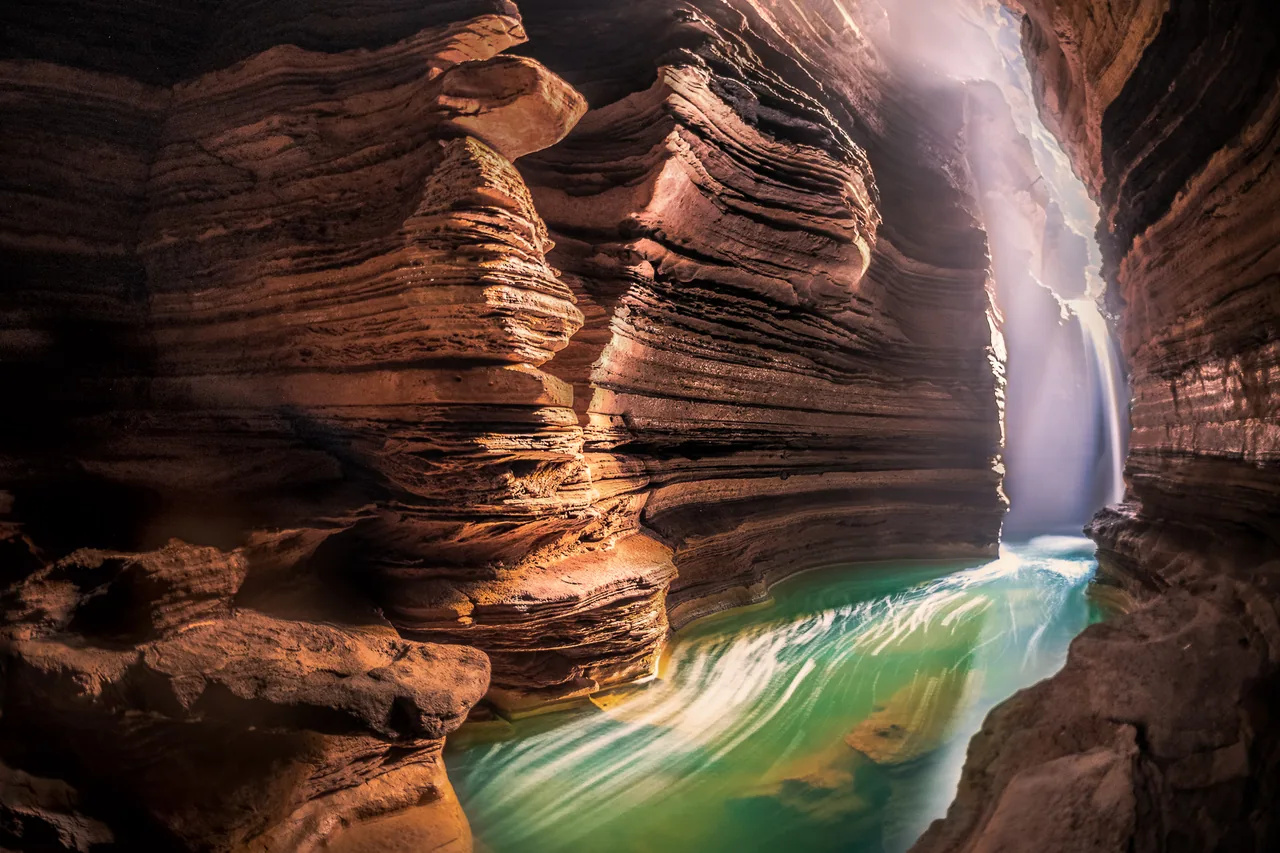
Gupteshwor Mahadev Cave combines an underground visitor route with a Hindu sacred site. That distinction matters: the shrine and the cave passages are not simply a spectacle to photograph without regard to local practice. Follow staff guidance and any restrictions on photography or access. The cavern setting can be interesting even on a day when mountain views are obscured, but an indoor location does not automatically make it an easy or step-free alternative.
Ask which sections are currently open and what the descent and return involve before buying admission. Damp surfaces, stairs and confined passages may make the visit unsuitable for some travellers. Wear footwear with secure grip and avoid touching formations or entering restricted areas. Combine it with nearby Davis Falls if both suit your group, but keep their entrance arrangements separate. Leave room for a slower return rather than treating the cave as a hurried stop between several road transfers.
Plan it well: Confirm the open sections and physical demands; a cave photograph cannot establish current access.
Nepal Tourism Board: pilgrimage sitesLearn the mountain context at the International Mountain Museum
The International Mountain Museum places Pokhara's mountain scenery in a wider human and environmental context. Its official gallery information covers mountain people, mountains and climbing activities, giving you more to consider than the outline of a distant summit. Choose a few themes to follow through the displays rather than trying to absorb every panel at speed. This is a useful visit whether or not you intend to trek, and it can deepen a later view of the surrounding ranges.
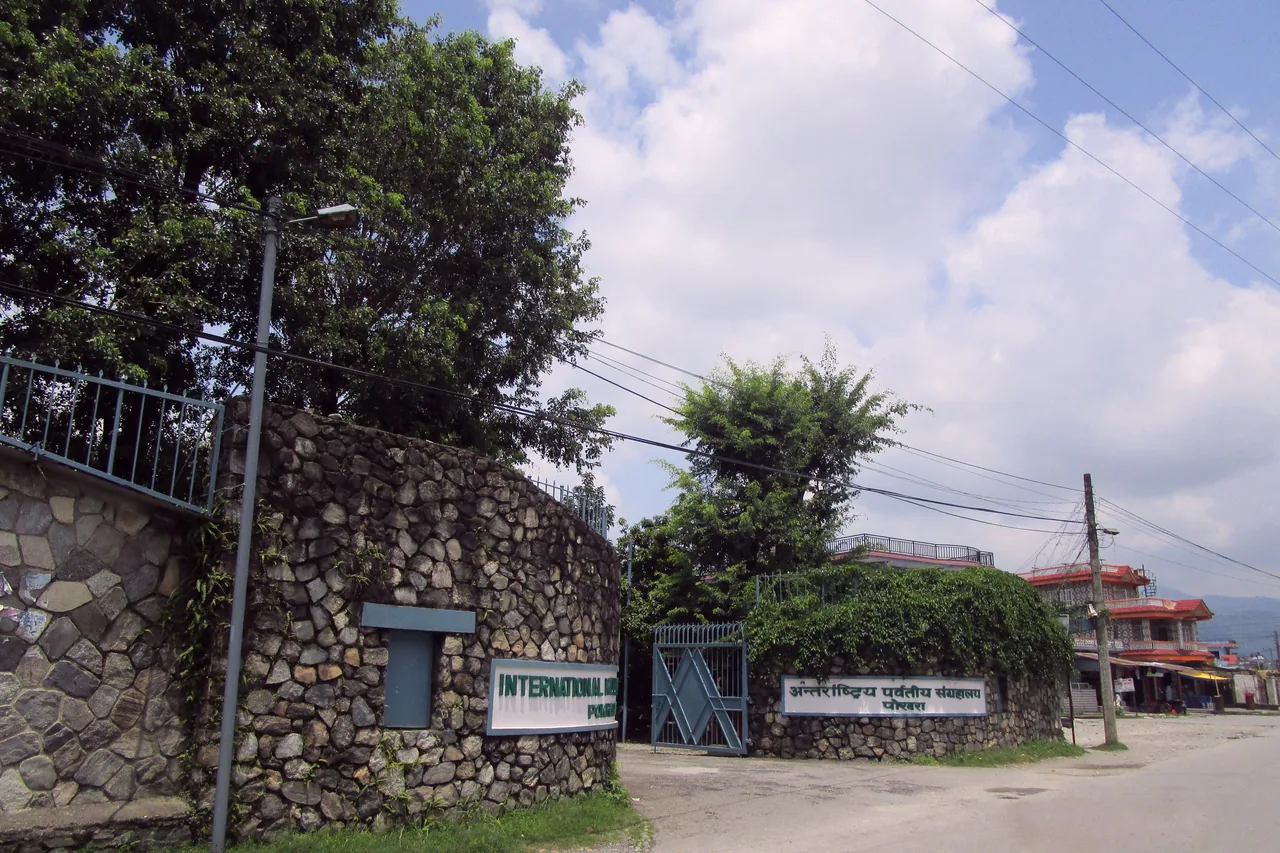
Use the museum's current visitor information for access and arrange the journey to its southern-city address. The gate photograph marks the setting, not the current content of every gallery. Leave time to read, pause and discuss the displays, especially with younger visitors. Follow photography and access rules, and confirm any additional facility separately. A museum visit can stand on its own or accompany a modest southern outing; it need not be compressed into a brief stop on a panoramic-view tour.
Plan it well: Check the museum's own visitor information and give the galleries more than a photo stop.
International Mountain Museum: official galleries and locationVisit Bindhyabasini Temple respectfully
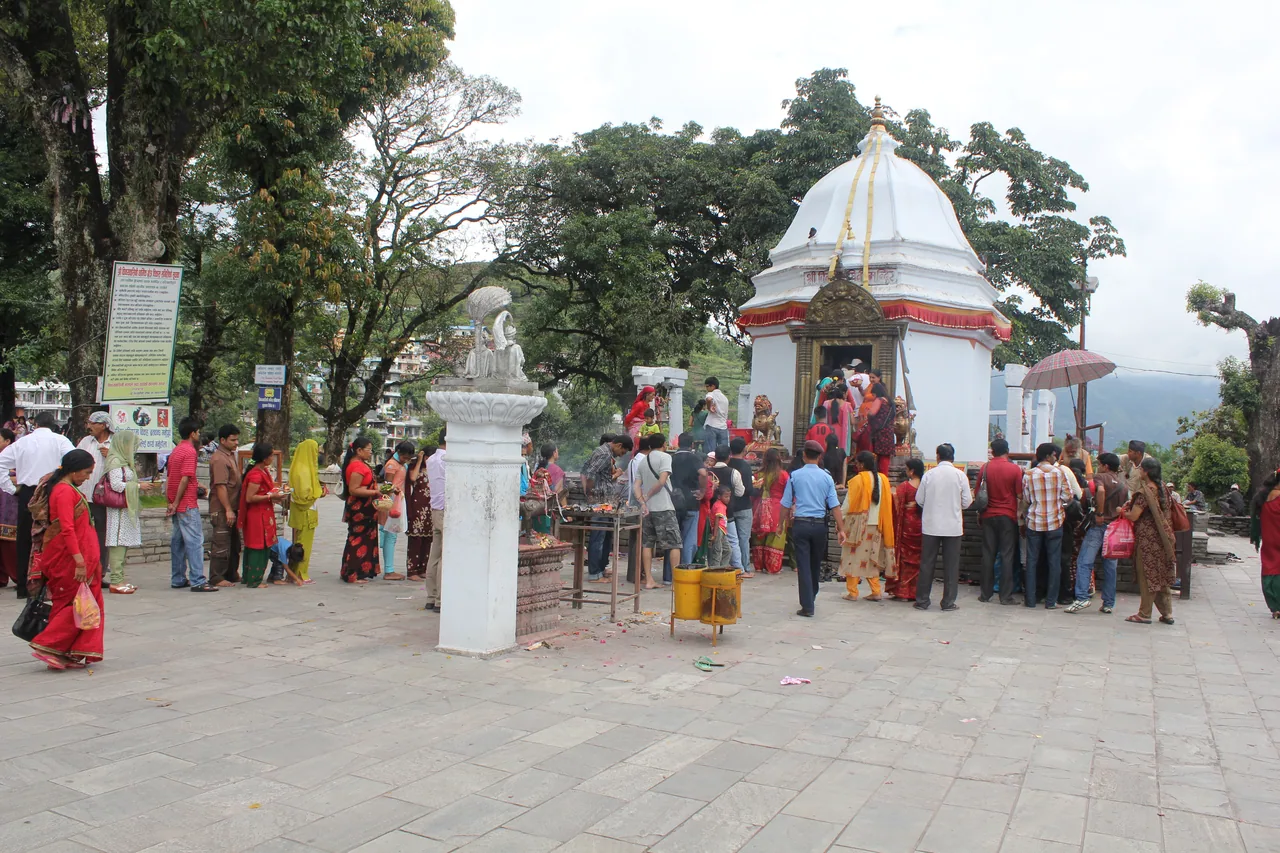
Bindhyabasini Temple is an important religious place in the older northern part of Pokhara, away from the Phewa-side visitor routine. It offers a different city context from Lakeside, but the reason to visit should include an interest in the site's religious setting rather than only a view or colourful photograph. Observe from permitted areas, keep clear of worshippers and follow local instructions about dress, footwear and where visitors may enter.
Check the actual approach and any steps before arranging the stop, especially if someone in your group needs easier access. A ceremony or busy worship period may change how you move through the site, so leave time and avoid insisting on the same itinerary regardless of local activity. You can combine this with a carefully planned northern-city outing, but do not assume it lies beside the Lakeside restaurants or that a quick taxi stop allows a meaningful visit.
Plan it well: Religious activity takes priority over sightseeing photographs and fixed tour timing.
Nepal Tourism Board: Paradise Pokhara bookletChoose clear conditions for Sarangkot
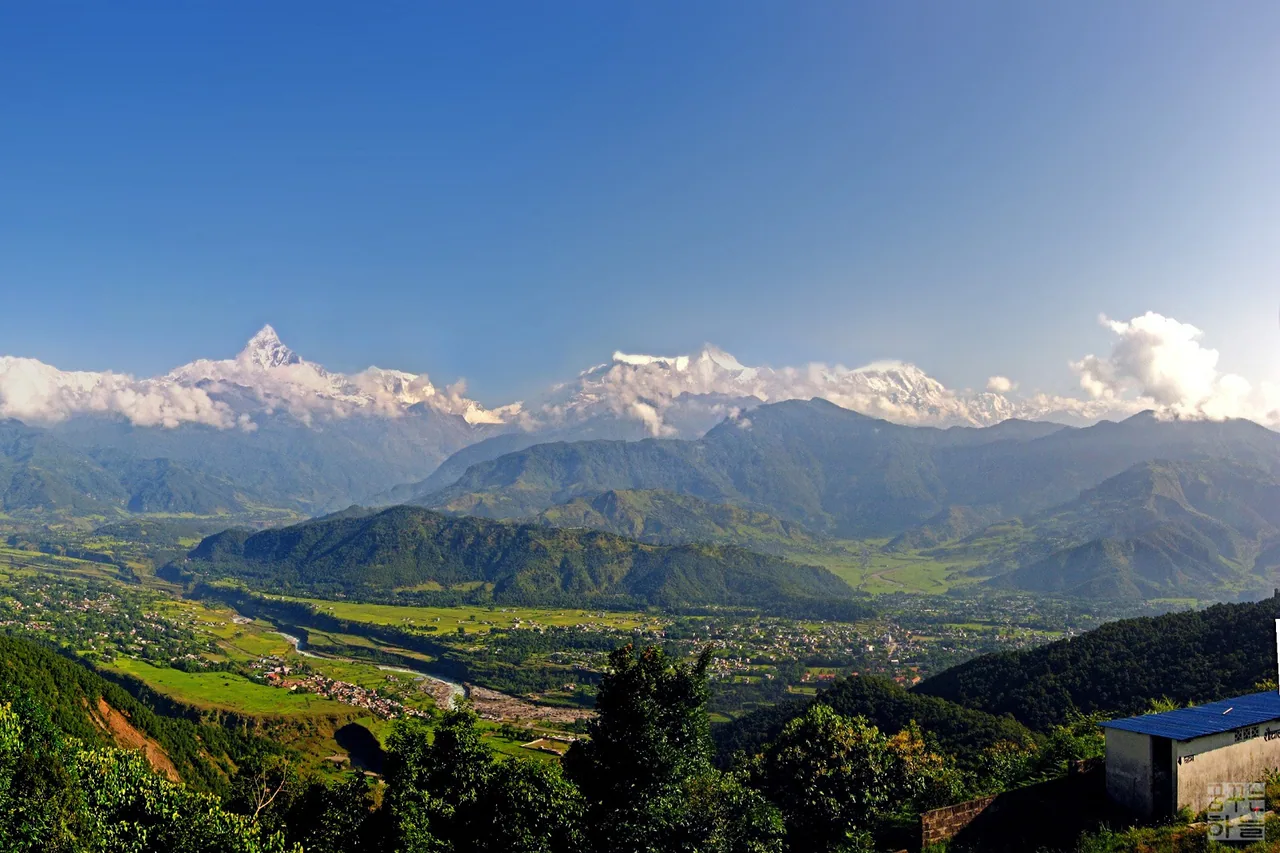
Sarangkot is a hillside village and viewpoint destination associated with views of the Pokhara valley and distant mountain ranges. It is worth treating the landscape as a whole rather than making sunrise or a clear Annapurna panorama the sole test of the outing. Cloud can change the view completely. Choose a suitable viewing area and respect local homes and working spaces rather than assuming every village roof or terrace is available to visitors.
Arrange transport, the particular arrival point and a return before leaving your accommodation. Ask about the final uphill walk and access when planning an early departure. A cable-car service or activity booking, where chosen, has its own operating conditions and should not be inferred from the village pin. Keep an alternative city activity if visibility is poor. Sarangkot is also an accommodation base, but a village stay and a brief viewpoint excursion involve different daily transport decisions.
Plan it well: The pin marks Sarangkot, not a guaranteed sunrise platform or activity launch point.
Nepal Tourism Board: SarangkotMake Mahendra Cave a deliberate northern visit
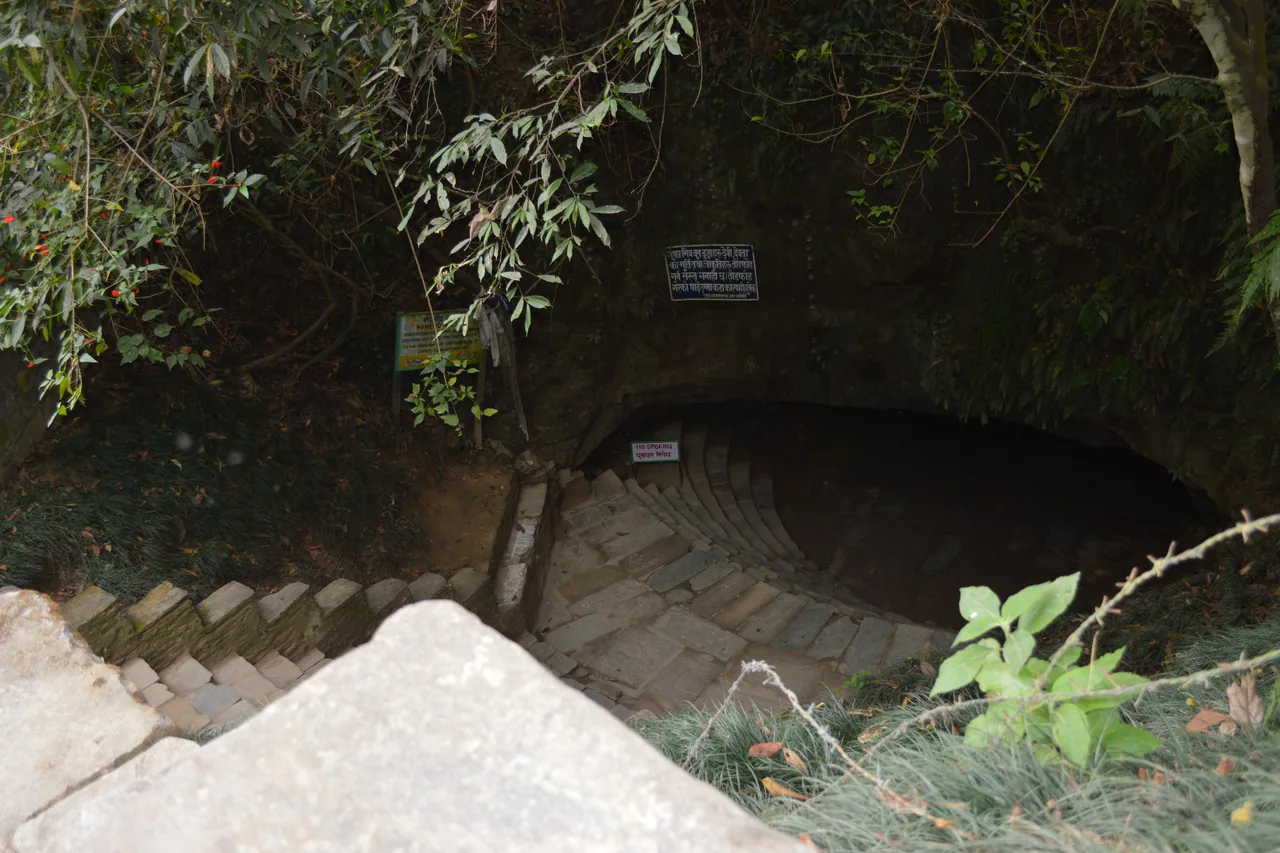
Mahendra Cave is a separate northern Pokhara destination, not another entrance to the southern Gupteshwor cave. Choose it because an underground visit interests you and the route suits your group, rather than assuming every named cave offers the same experience. The surrounding city location and the approach are part of the outing. Ask the responsible visitor staff about the sections currently available and follow the marked route through the site.
Prepare for steps, damp ground and the possibility of confined passages, and keep your hands away from formations. Current lighting or access arrangements should be checked locally rather than inferred from an old photograph. Arrange a return journey from the northern district and leave room for the visit instead of using it as a hurried final stop after the eastern lakes. If the physical demands are unsuitable, the mountain museum or a shorter public lakeside walk makes a sensible alternative.
Plan it well: Specify Mahendra Cave in northern Pokhara when arranging transport.
Nepal Tourism Board: Paradise Pokhara bookletA lake day and one chosen landscape outing
Keep the eastern lakes and northern viewpoints as deliberate alternatives. The city's caves and temples do not all belong to the same short route.
Day one: Phewa and one southern visit
Settle into Lakeside and walk a comfortable public shore route. Choose the mountain museum, or Davis Falls and Gupteshwor if the terrain suits; leave time to return for dinner.
Day two: viewpoint or eastern lakes
Choose Sarangkot when visibility and transport suit, or give Begnas and a possible Rupa stop an eastern-valley day. Confirm return arrangements instead of relying on finding transport at the last stop.
Another cultural half-day
Choose Bindhyabasini and a carefully planned northern visit, or the World Peace Pagoda with its approach confirmed. Neither requires adding every other place in this guide.
Keep viewpoints, caves and transport realistic
Confirm current access and transport locally. Official destination brochures support locations and context, but older operating details are not a current timetable or price list.
Visibility is variable
Keep a city or museum alternative when mountain views are obscured rather than repeatedly chasing a promised sunrise.
Confirm the airport
Use the airport serving your booked flight when arranging a transfer. Older descriptions of a convenient airport-side hotel may refer to a different airport location.
Trekking is separate
A city guide is not a trekking itinerary. Check current official route, guide and permit requirements before any additional mountain journey.
Nepal Tourism Board: trekkingChoose Lakeside convenience or a quieter hill and lake base
Lakeside suits meals and Phewa walks; Gharipatan offers a southern-city alternative with planned journeys. Sarangkot and Kaskikot are hill bases with different transport needs, while Begnas-side accommodation makes the eastern lake setting the focus. Check the real approach, dinner options and transfer terms rather than assuming every Pokhara listing has immediate Phewa access.
Explore Pokhara hotels