
Gdansk city guide
10 things to do in Gdansk
Discover Gdansk through its merchant streets, maritime heritage and major history museums, with thoughtful time for amber, Oliwa and the Westerplatte memorial.
Plan your visit
Gdansk's elegant centre is only one part of its story. Give the rebuilt merchant streets a first walk, then choose a major museum that interests you rather than rushing through both of the city's demanding history exhibitions. Oliwa and Westerplatte extend the trip beyond the centre in different directions. Keep those outings deliberate, with transport and time to understand what you are seeing.
Begin with the Long Market
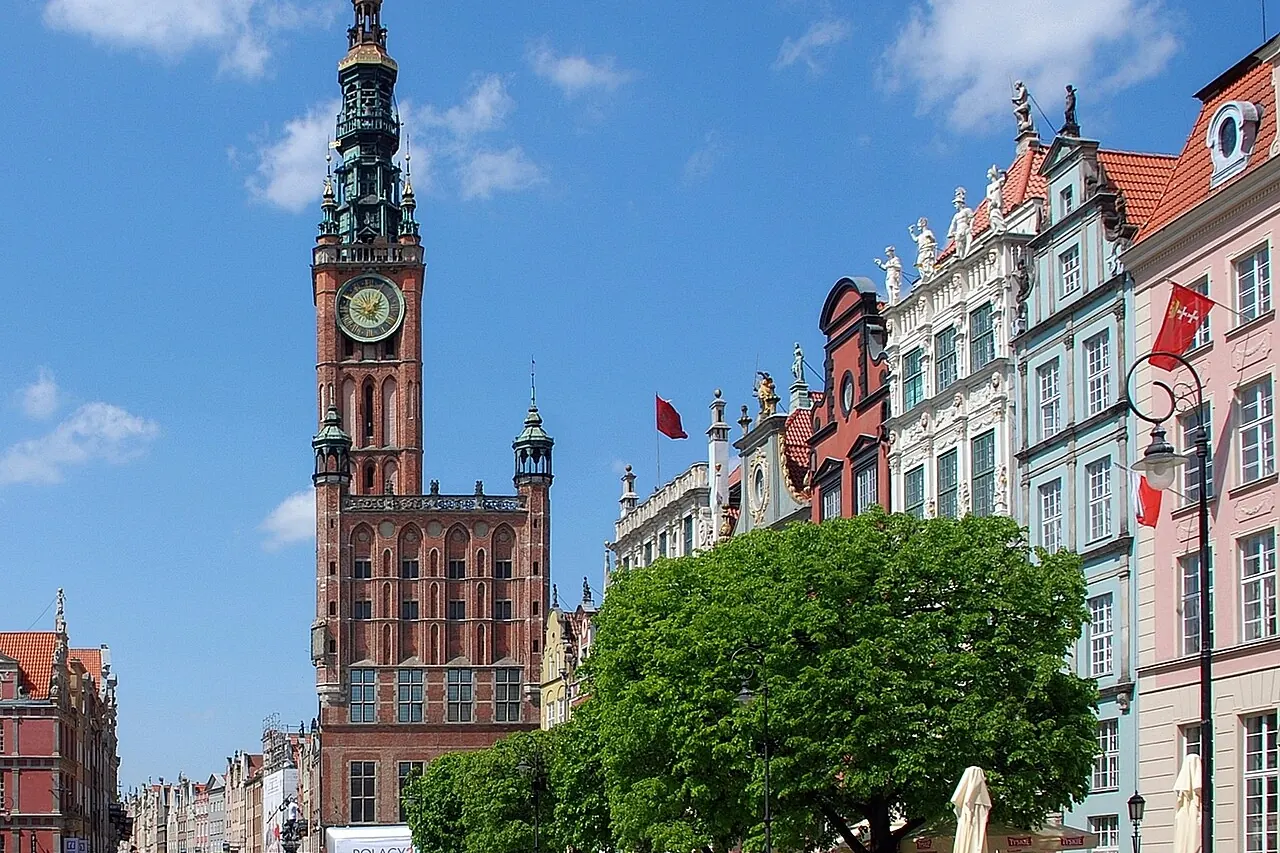
The Long Market gives a first Gdansk walk a clear spine. Follow the changing facades towards the Green Gate, looking at the narrow plots and elaborate gables rather than treating the whole street as one uninterrupted photo backdrop. The merchant-city appearance has a complicated history, including reconstruction after wartime destruction. That makes the streetscape interesting as an act of recovery as well as a display of earlier wealth.
Walk the route once before selecting an interior. The nearby town hall, Artus Court and Neptune fountain each answer a different question about civic life, but you do not need to visit every building immediately. Continue through the Green Gate towards the waterfront to understand how the ceremonial centre relates to the port. Keep a return walk in reserve: when you already know the layout, it is easier to notice a doorway or decorative detail you missed.
Plan it well: The Main Town is not the same historic district as the Old Town; use exact attraction names for navigation.
Visit Gdansk: city walking guideRead Neptune as a port-city emblem

Neptune's Fountain is a small stop with a large role in the city's visual identity. Its position in front of Artus Court links the maritime figure to the merchants and civic display of the Long Market. Look at the statue, basin and surrounding architecture together rather than isolating the figure in a close-up. The setting explains why this monument has become such a recognisable shorthand for Gdansk.
Give the fountain a brief pause within your central walk, not a separate cross-city journey. Water operation and restoration work can vary, so a photograph showing flowing water should not become a promise about your visit. Keep clear of the barriers and avoid climbing the monument. If the immediate area is crowded, step back along the square for a broader view, then move inside Artus Court only if you have left enough time to appreciate its collections.
Plan it well: An exterior fountain visit and admission to Artus Court are separate activities.
Visit Gdansk: historical placesFind scale and detail at St Mary's
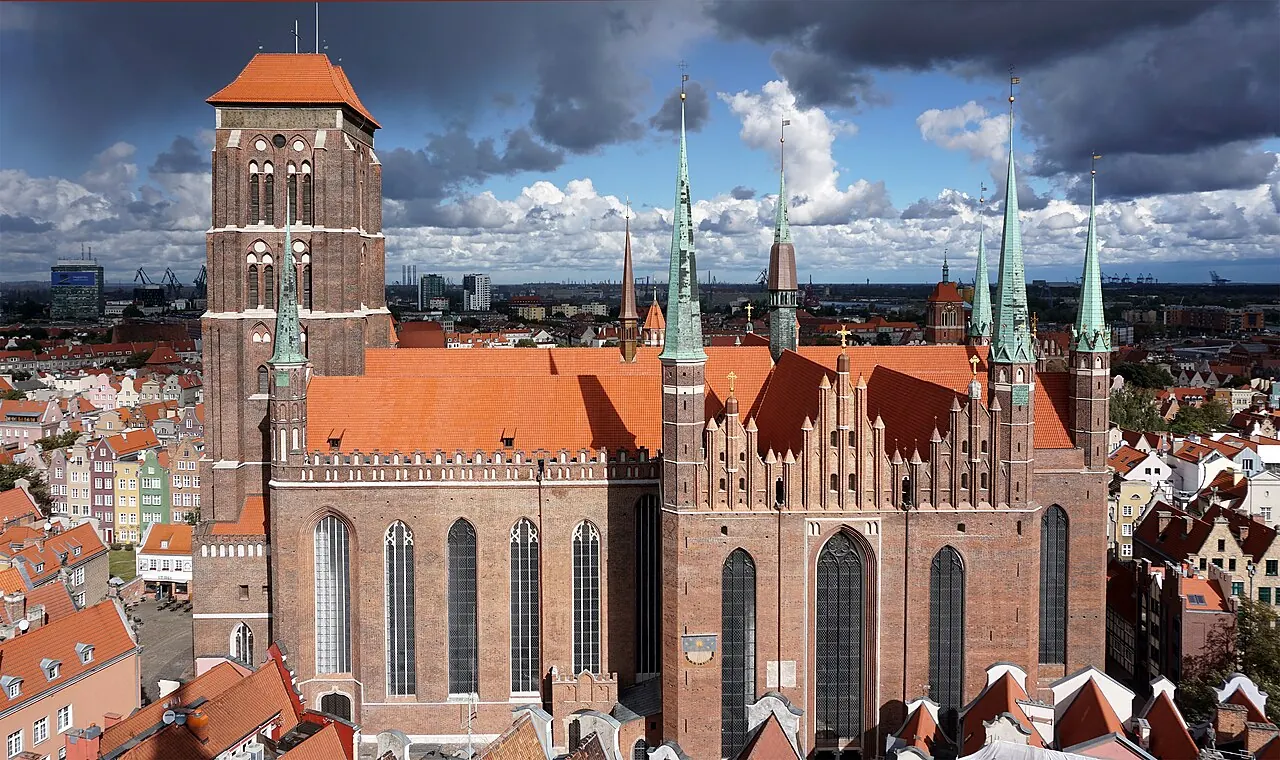
St Mary's Basilica changes the scale of the Main Town walk. Its great brick body dominates the surrounding lanes, but an interior visit rewards looking for particular works and details rather than simply registering the size. Start by walking around enough of the exterior to understand the building's mass, then choose a small number of things to look for inside when visitors are admitted.
The tower is a separate physical commitment from the church floor, so check its current access and stair arrangements before deciding to climb. Worship and seasonal visitor arrangements may affect either part of the visit. Mariacka Street makes a useful nearby continuation, with terraces and small businesses offering a different scale after the basilica. Keep that outdoor option available if an interior is closed, and do not assume a tower photograph means the climb is appropriate for everyone in your group.
Plan it well: Check the specific tower arrangements and respect services; sightseeing access does not override worship.
Visit Gdansk: St Marys BasilicaLook behind the silhouette of the Crane
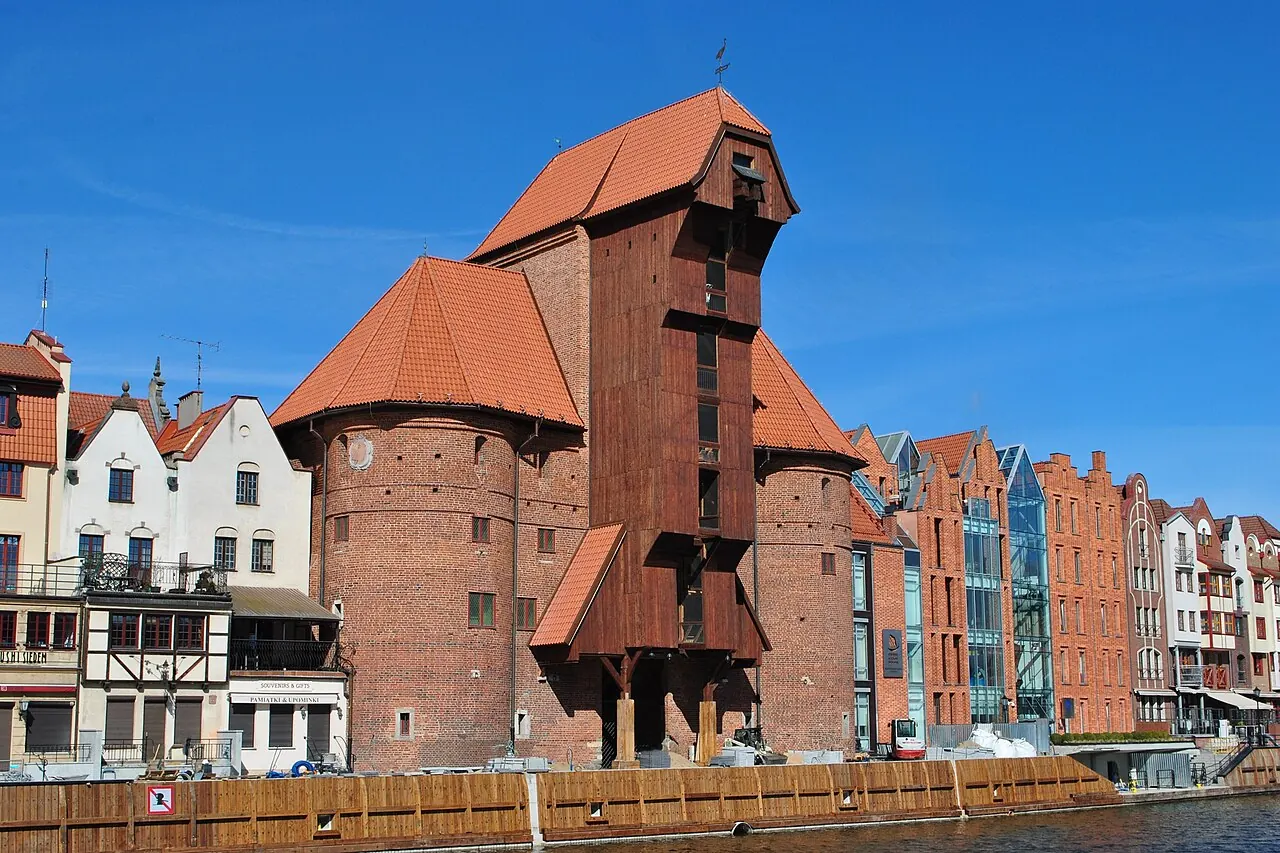
The Crane is more interesting when you think about work rather than skyline. Its timber structure once served the practical business of handling ships and cargo, while the surrounding towers also formed a city gate. Look from the opposite bank or farther along the waterfront to see how the projecting mechanism relates to the river. That wider view makes the distinctive shape easier to understand.
An interior visit with the National Maritime Museum adds the machinery and port context that an exterior photograph cannot supply. Check the current ticket options, because the museum operates several separate branches and a pass may cover only specified exhibitions. The nearby Maritime Culture Centre is a different building, not another name for the Crane. Pair one maritime interior with a riverside walk, leaving time to cross the river deliberately rather than assuming every waterfront attraction stands on the same bank.
Plan it well: Check branch names and exhibition coverage before buying a multi-site maritime ticket.
National Maritime Museum: ticket arrangementsGive the Second World War Museum room in the day
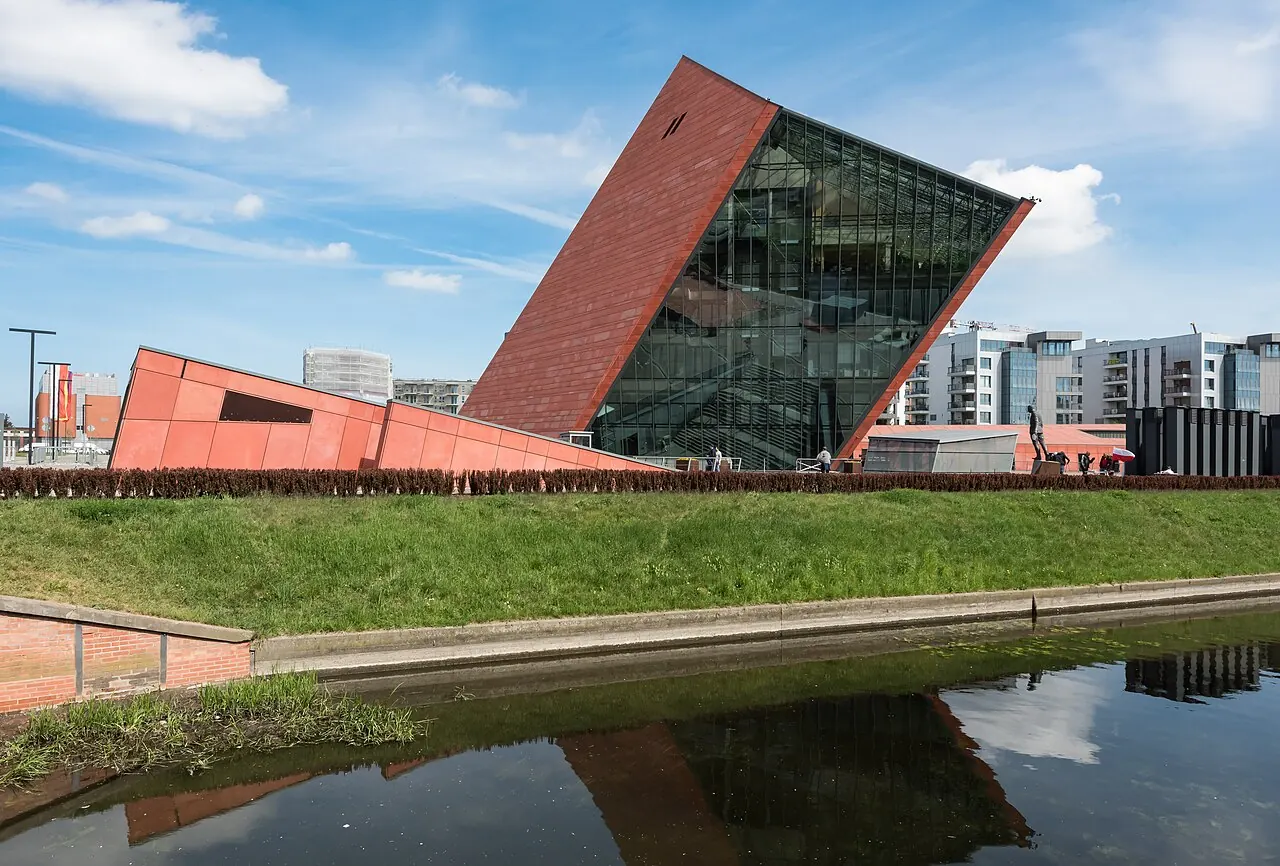
The Museum of the Second World War deserves to be a day's main visit, not a quick addition after several smaller museums. Its subject requires attention and can be emotionally demanding, so build in time to read and to take a break afterwards. The striking building helps you find the museum, but most of the reason to come lies in the exhibition rather than the architecture outside.
Use the museum's official ticket system and check which visit you are booking. The operator notes that online availability is only part of the ticket allocation, but buying at the desk can involve a queue. On the published free-admission Tuesday, tickets must be collected at the office and advance reservations are not provided. Verify that arrangement again for your date rather than relying on a third-party package. With children, review the exhibition guidance and choose a pace that suits them.
Plan it well: Do not put the Solidarity Centre immediately afterwards unless a full museum day is genuinely your preference.
Second World War Museum: official ticketsFollow the movement at the European Solidarity Centre
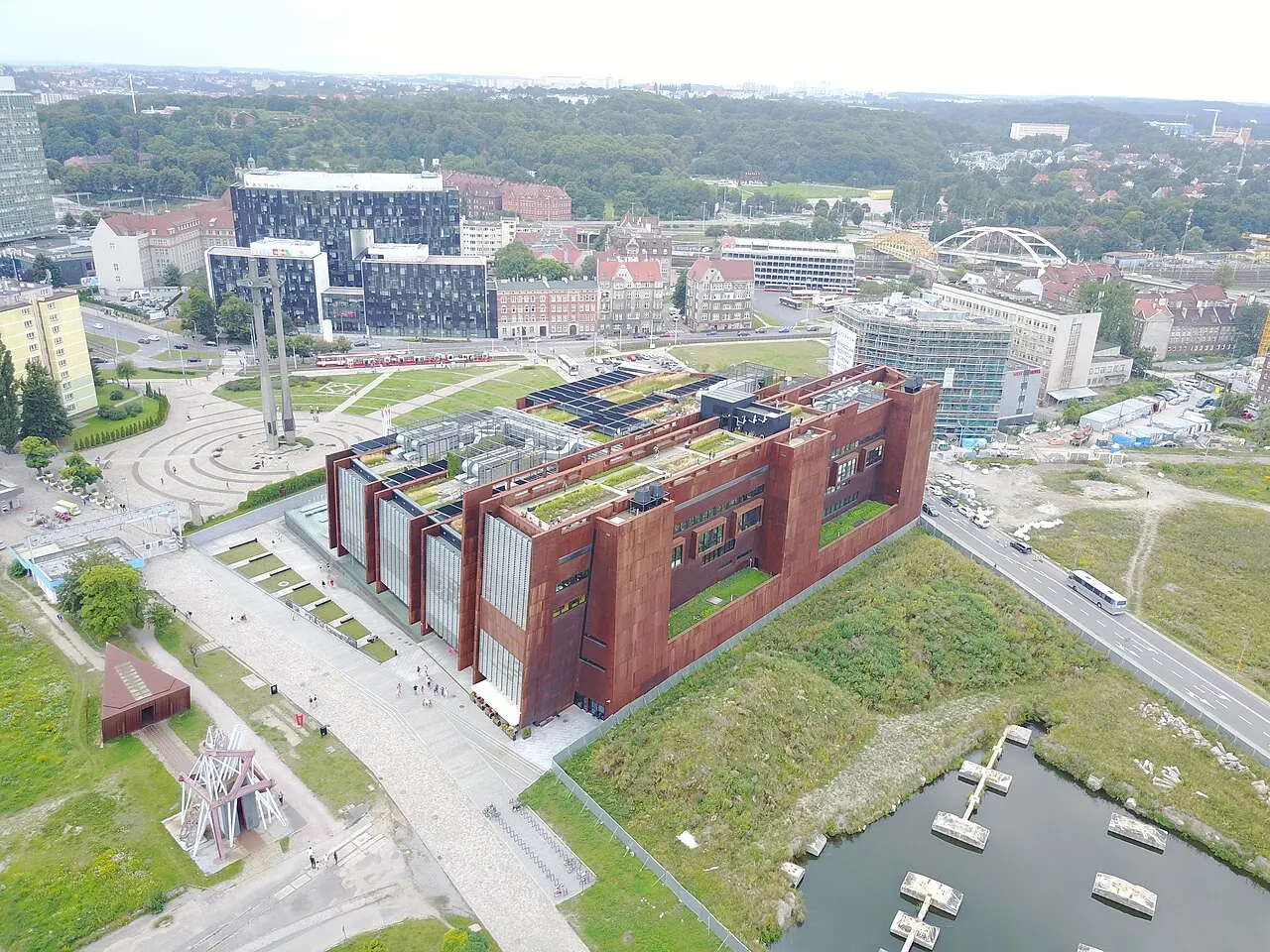
The European Solidarity Centre offers a focused way to understand the movement associated with the Gdansk shipyard and the wider political changes it helped trigger. The permanent exhibition combines documents, photographs, objects and recorded material, so give yourself time to follow the narrative rather than only the most dramatic installations. It complements the city's merchant and maritime stories by asking what work and civic organisation meant in the twentieth century.
Treat the exhibition as distinct from simply walking around the building or nearby memorials. Its published schedule changes with the season, and a public entrance does not establish that the paid exhibition is open. Check the current arrangements before you make the shipyard area the day's anchor. Afterwards, allow a quiet walk around the historic gate and workers' memorial where public access permits; the active and redeveloping parts of the wider shipyard are not an unrestricted visitor playground.
Plan it well: Check the permanent exhibition calendar directly, especially outside the summer season.
European Solidarity Centre: permanent exhibitionApproach Westerplatte as a memorial landscape

Westerplatte requires a different attitude from an old-town stroll. The peninsula's memorials and surviving traces relate to the fighting at the start of the Second World War, and the landscape is a place for reflection rather than just a viewpoint. Read the interpretation and consider the relationship between the military positions, harbour and memorial. Understanding the setting matters more than collecting a photograph beneath the large monument.
Arrange the outward and return journey before leaving central Gdansk. A sightseeing boat is not automatically a regular transport service, and seasonal operation should be checked against your actual date. Site development and works can alter routes and access, so follow current signs and keep to permitted paths. The small Guardhouse No. 1 museum has its own visiting arrangements, separate from the outdoor memorial area. Choose this outing instead of another distant district if your time is short.
Plan it well: Leave time for both transport and reading on site; do not treat the memorial as a ten-minute detour.
Museum of Gdansk: Westerplatte museum branchMake an Oliwa visit around the cathedral
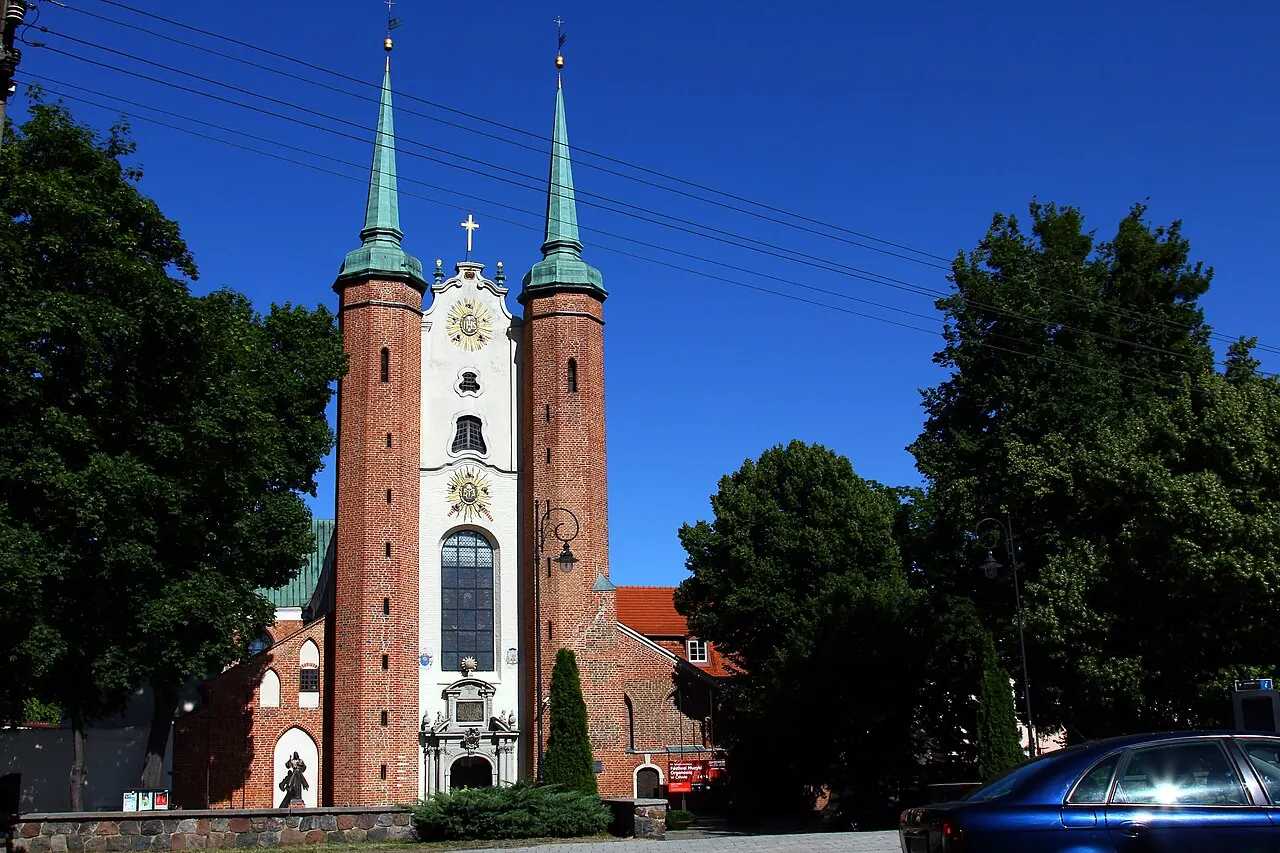
Oliwa Cathedral gives a Gdansk stay a change of district and architectural setting. The former Cistercian surroundings, twin towers and ornate interior reward a more deliberate outing than a hurried journey to hear one famous instrument. Look at the building before the organ, and leave time to walk in the neighbouring park. The quieter spatial arrangement contrasts with the compact lanes of the Main Town.
If hearing the organ is your main reason to come, verify the cathedral's actual programme for your date. A recital, a liturgical service and ordinary sightseeing are not interchangeable visits, and a general opening listing does not promise a performance. Plan transport to Oliwa and your return, then use the park as the flexible part of the afternoon. Do not combine it with Westerplatte merely because both lie away from the centre; they are different excursions with different travel requirements.
Plan it well: Confirm a specific organ event rather than assuming music will be playing whenever the cathedral is open.
Visit Gdansk: Oliwa and the cathedralExplore amber inside the Great Mill
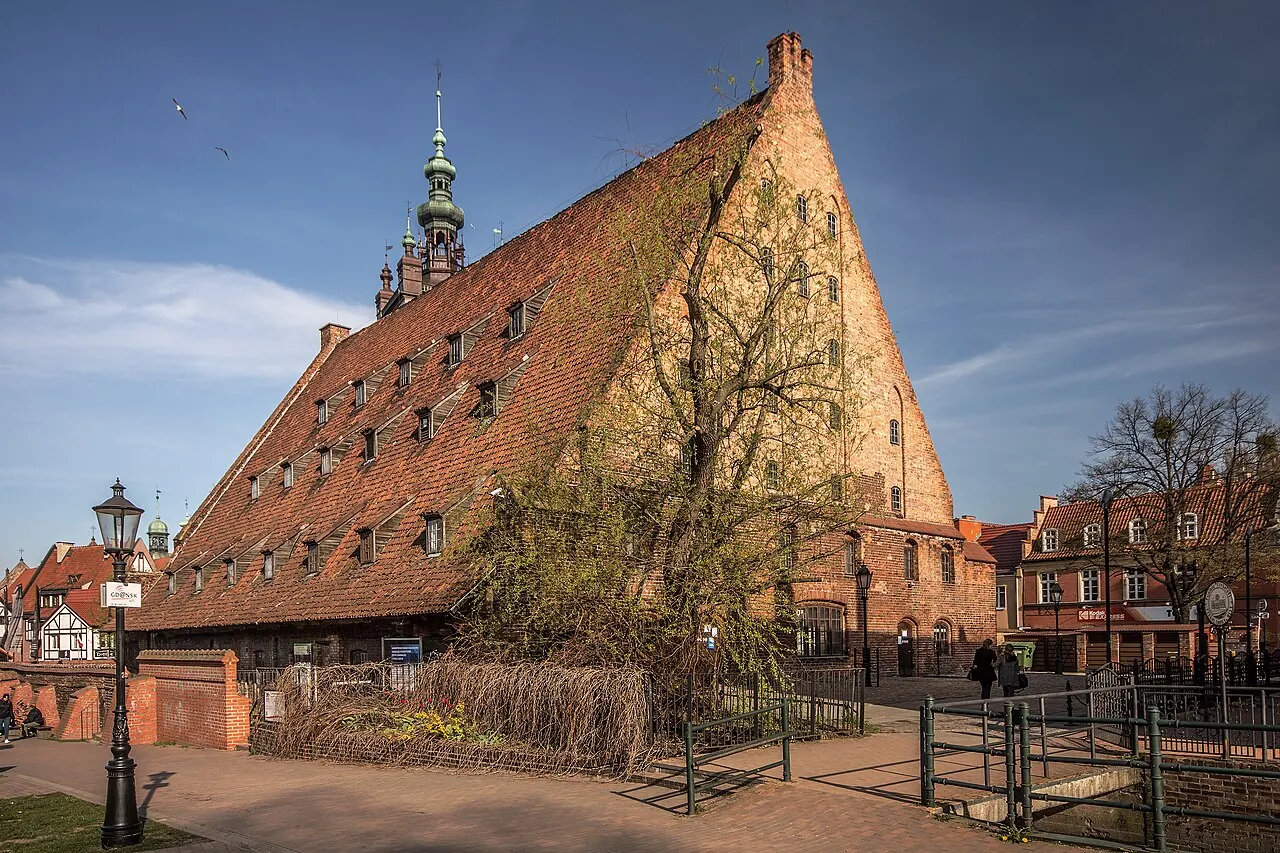
The Amber Museum is a way to move beyond souvenir-window impressions of the material. Natural pieces and crafted objects allow you to compare amber as a record of earlier life with its use in decorative art. Give the smaller exhibits attention rather than looking only for the largest or most ornate object. The setting in the Great Mill also connects the collection to another important part of the city's built heritage.
Use the present Great Mill location when planning the visit: older descriptions and map results can still point to the museum's former home near the Torture Chamber. The mill is a useful anchor for an Old Town walk, with the exhibition adding a different subject from the nearby merchant streets. Check the museum branch's own opening information and temporary programme. It is a manageable companion to an Old Town walk, but it remains a separate admission from Artus Court and the Main Town Hall.
Plan it well: Navigate to Wielkie Mlyny 16, not the former Amber Museum location.
Museum of Gdansk: Amber MuseumSee merchant display inside Artus Court
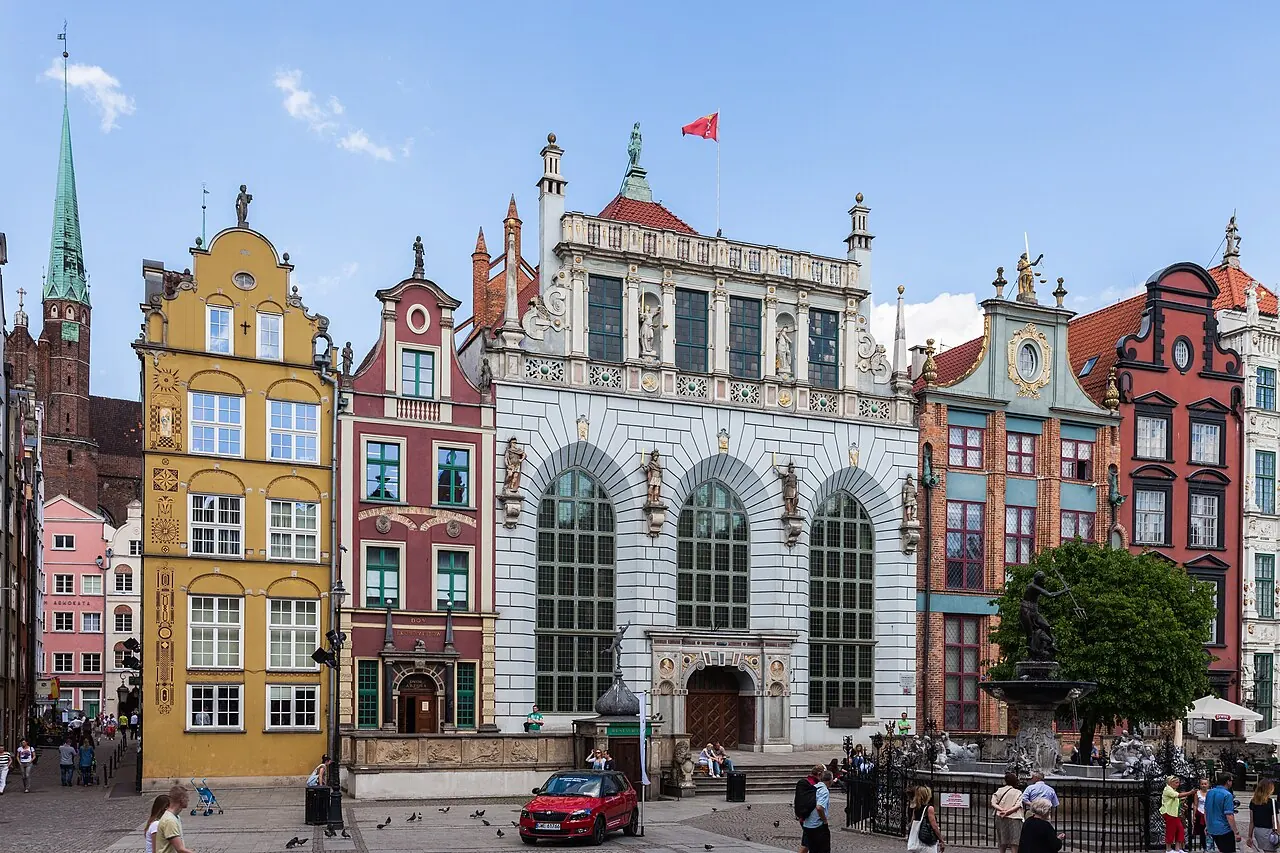
Artus Court helps explain the elaborate civic appearance of the Long Market. Inside the former meeting place, the display of ship models and other furnishings connects a merchant city's identity with its social life. Look at the hall as a whole before focusing on individual objects: the arrangement is part of the story, not just a collection of attractive things placed in a historic room.
Give the interior a separate time allowance after looking at the facade and nearby Neptune fountain. The Museum of Gdansk operates multiple branches, so check the ticket coverage and current availability of this particular building rather than assuming a city-museum ticket opens every door. Exhibitions and events can affect access. If you prefer fewer interiors, choose Artus Court for merchant history and keep the major modern-history museum for another day; that creates a clearer contrast than rushing through both in one afternoon.
Plan it well: Verify the Artus Court branch specifically when checking opening information or a museum pass.
Museum of Gdansk: Artus CourtHow to spend two days in Gdansk
Day one: merchant streets and the river
Walk the Long Market, pause at Neptune, and choose Artus Court or St Mary's as an interior. Continue to the Crane and the Motlawa waterfront. Add the Amber Museum at the Great Mill only if you want another indoor stop.
Day two: choose a history anchor or a district outing
Give the Second World War Museum or the European Solidarity Centre substantial time, with a break afterwards. Alternatively, devote the day to Oliwa with its park, or Westerplatte with checked transport. Avoid treating both major museums and both outlying districts as one day.
Before you go
Use current museum locations
The Amber Museum is now at the Great Mill. Confirm branch addresses and specific ticket coverage for the city and maritime museums.
Keep major history visits separate
Allow reading and reflection time at the Second World War Museum and Solidarity Centre. Their seasonal and weekly schedules differ, so check each independently.
Plan district transport
Oliwa and Westerplatte are not extensions of a short centre walk. Check the actual service, return journey and seasonal operation before heading out.
Stay near the day you want to have
The Main Town and nearby waterfront suit a first stay focused on central walking, while a hotel near the main station can make regional transport easier. Oliwa offers a different district base, with a journey back to the main sightseeing area. Compare noise, luggage access, station distance and the precise building entrance rather than choosing from a broad 'Old Town' label.
Explore Gdansk hotels