
Zakopane city guide
10 things to do in Zakopane
Combine Tatra views and a carefully chosen ski day with wooden villas, regional museums and the streets around Krupowki.
Plan your visit
Zakopane combines a working mountain town with several separate ski departures and a national park. Krupowki and the museums make an easy cultural center of gravity; Kasprowy Wierch and the surrounding valleys require more deliberate planning. Skiing at one local area does not establish a lift connection to the others. Mountain walks also change substantially with snow and ice, so start with the park's current visitor bulletin rather than a photograph or an undated trail description.
1. Walk Krupowki and find the town center
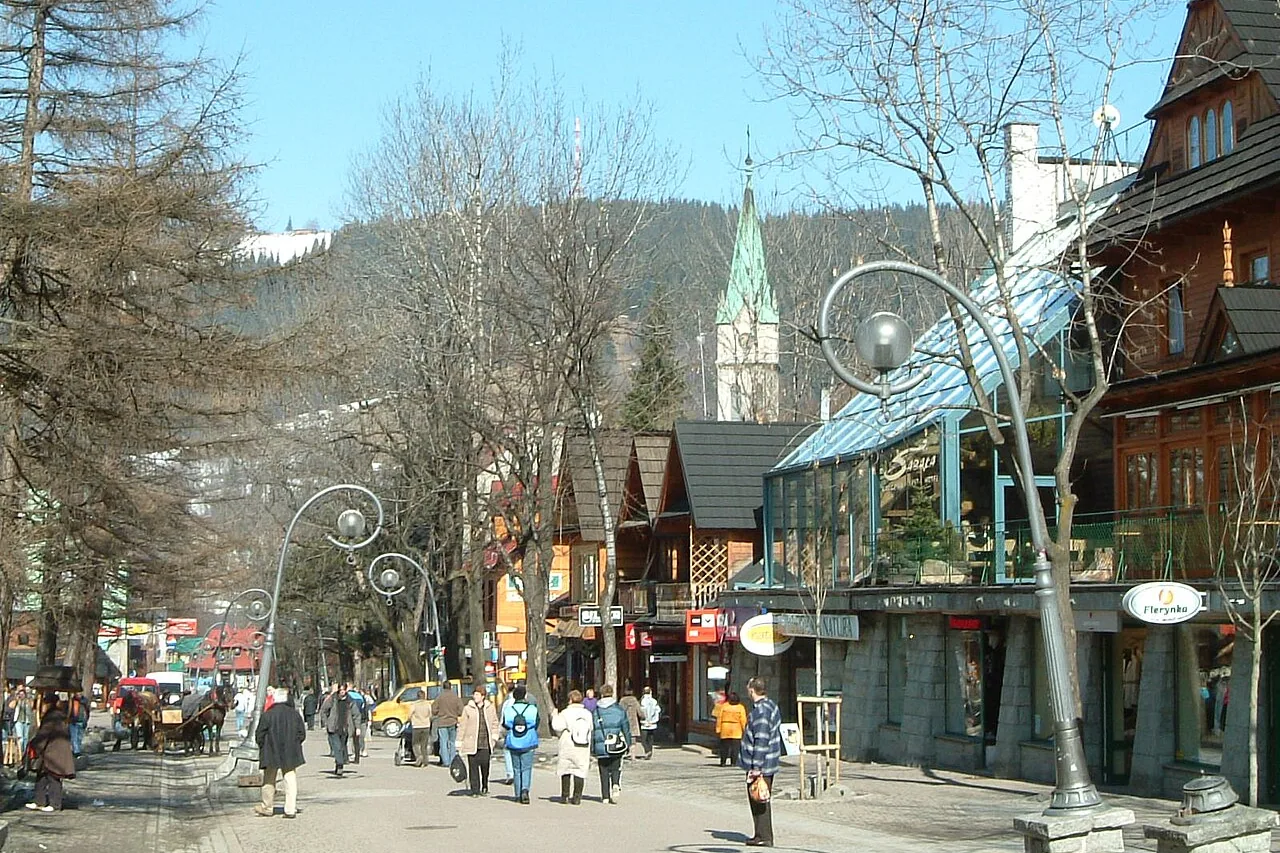
Krupowki is the useful starting point for understanding Zakopane on foot. Shops, food stops and busy pedestrian sections sit between the mountain setting and the town's cultural institutions. Walk it as a town street rather than a single attraction with a fixed visiting time, leaving room to turn toward the museum or quieter adjoining roads. It is particularly practical on arrival day, when finding a meal and checking local transport can matter more than rushing straight to a mountain lift.
The street is not a ski base, and a central hotel still needs a journey to many slope departures. Use the municipal walking information to extend the route toward Zamoyskiego or the older Kościeliska area, choosing the distance that suits the group. In busy periods, allow for crowds rather than scheduling a tight transfer through the pedestrian center. Food bought here is part of an independent town visit; no particular stall, price or opening pattern is assumed.
Plan it well: Use the actual bus stop and lift entrance for a ski journey, not the Krupowki pin.
Official visitor information2. Take the funicular toward Gubalowka views
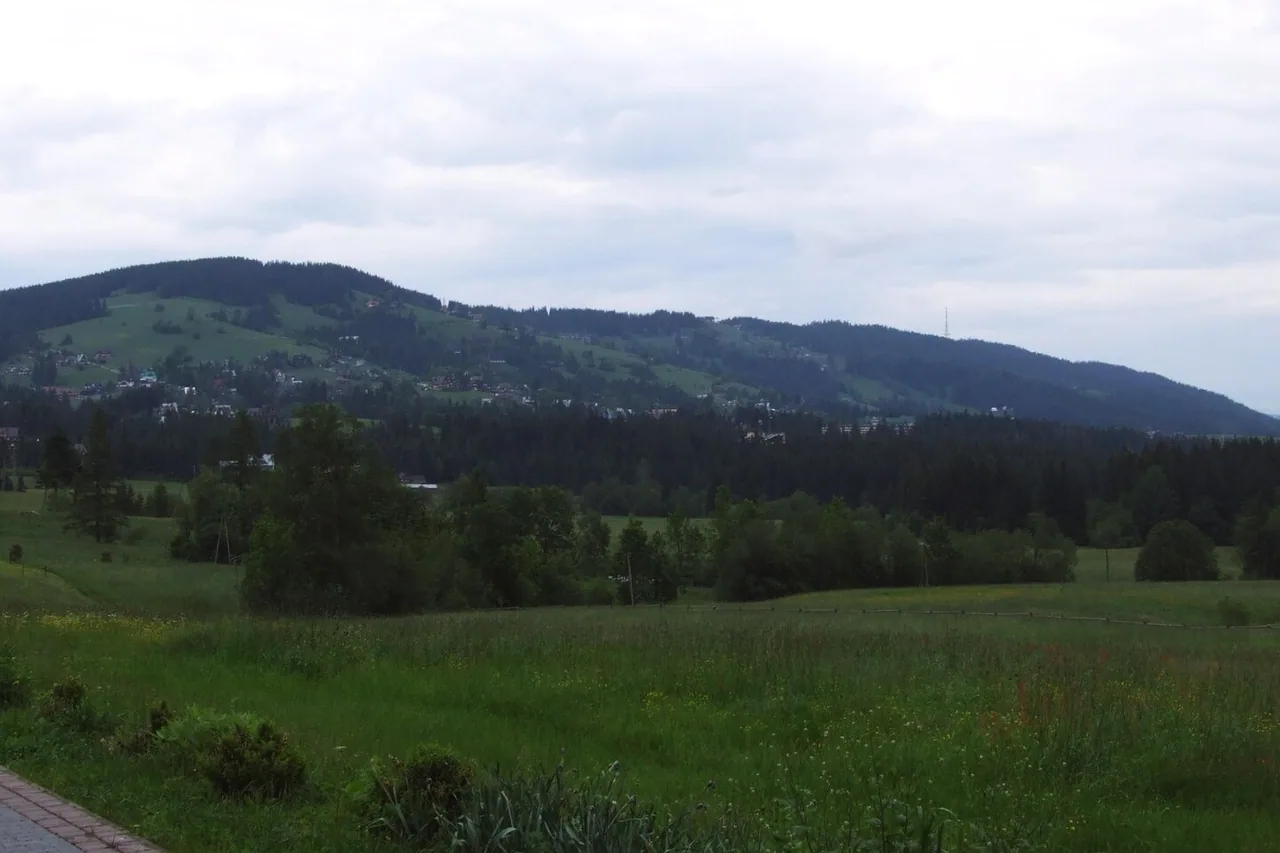
Gubalowka is a straightforward mountain-view option to investigate from the town side, with PKL's funicular providing the principal approach. The appeal is the panorama toward the Tatras and the different perspective on Zakopane below, rather than a demanding summit expedition. Decide how much time to spend around the upper visitor area and whether an additional ridge walk is appropriate for the conditions. A lift-assisted viewpoint can pair well with a town afternoon without requiring the group to ski.
Check the operator's current ticket and operation information, especially around maintenance periods or changing weather. The pin marks Gubalowka as a landform, not the lower funicular station, and it does not establish access to every business along the ridge. Snow and ice can change walking conditions even near a visitor area. Choose a clear-day visit for the views, and keep museums or central streets as alternatives rather than promising a panorama when low cloud hides the mountains.
Plan it well: The funicular departure and ridge landmark are different map points.
Official visitor information3. Plan Kasprowy Wierch around the conditions
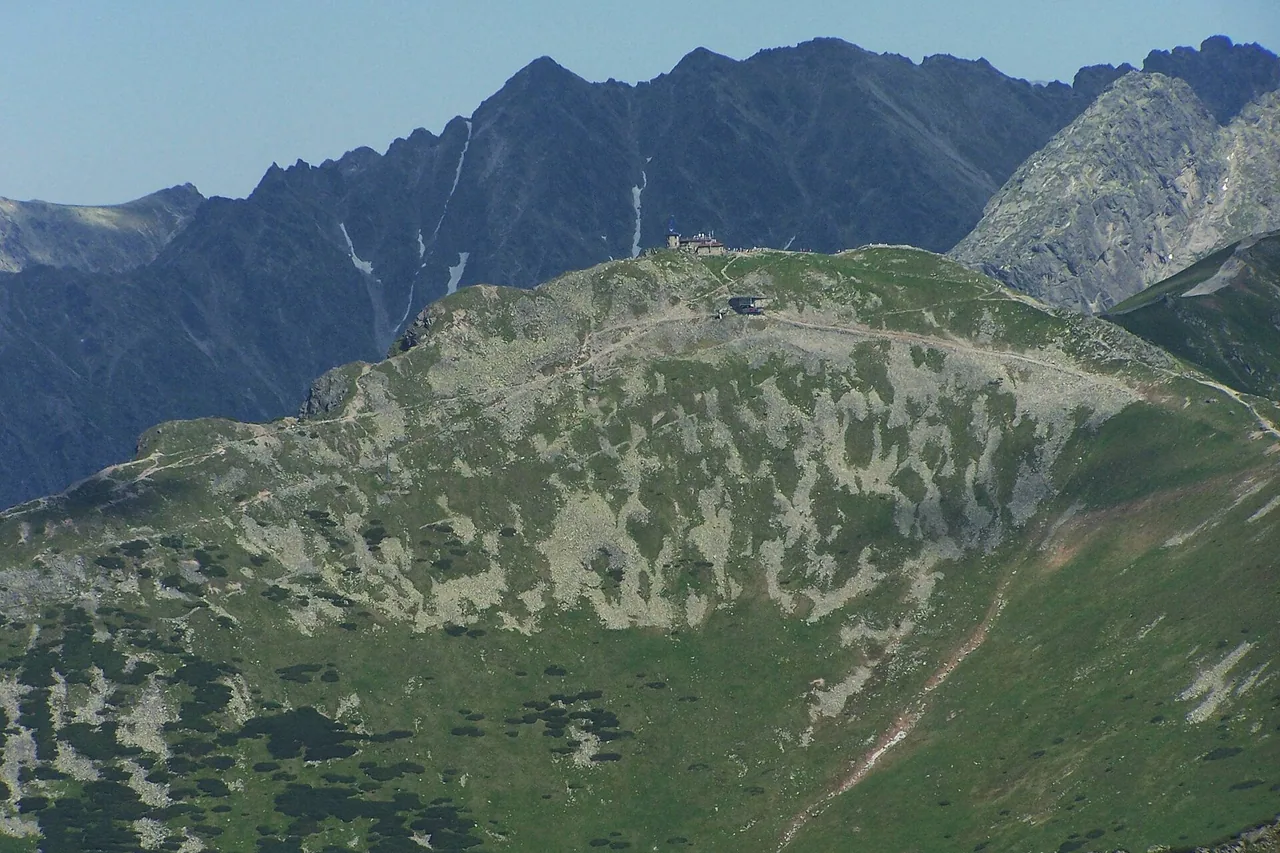
Kasprowy Wierch is a major mountain outing, with the cableway from Kuznice opening a high Tatra setting. Choose between a sightseeing visit and a ski day before buying tickets, then check the operator's arrangements for that activity. For skiing, natural snow conditions and open terrain matter; a cableway running for visitors is not proof that all pistes are usable. The mountain environment gives the day its character, so it is worth leaving time to appreciate the setting without adding an unplanned ridge route.
Consult both PKL and the national park's current visitor information before departure. High winds, poor visibility and winter conditions can change what is sensible after the ride. Use the approved visitor area or a properly researched route, and do not treat a snowy hiking path as a casual extension of a sightseeing ticket. The pin marks the summit rather than the boarding point in Kuznice. Arrange the town-to-Kuznice connection and the return separately from the mountain ticket.
Plan it well: Check ski terrain, visitor operation and national-park conditions independently.
Official visitor information4. See the scale of Wielka Krokiew
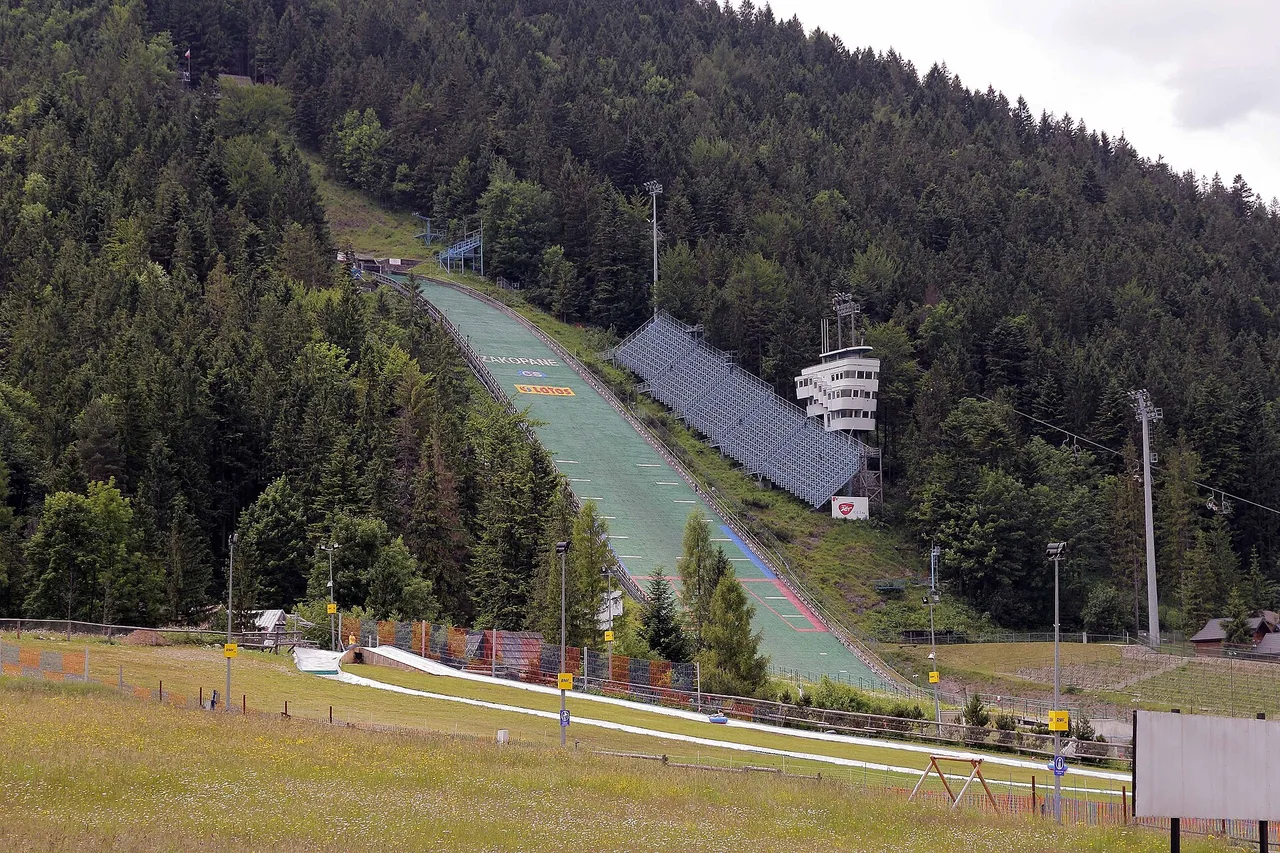
Wielka Krokiew gives Zakopane's winter-sports identity a clear physical landmark. Seeing the ski-jump structure and its setting is worthwhile even when no competition is taking place. The municipal walking route through Tetmajera and Piłsudskiego provides a town-based way to approach the area, which can make a useful outing between museum visits or ski days. It is a sporting venue rather than an ordinary public hillside, so any visitor facilities should be checked with the operator.
Competition arrangements, chairlift sightseeing and ordinary exterior access are different experiences. Confirm what is open for your dates and do not assume an event ticket or a summer attraction includes every part of the complex. Match the walk to conditions underfoot, especially in winter, and keep clear of restricted sporting areas. The photograph shows the real jump, not a scheduled competition or guaranteed visitor activity. A short, well-planned look around can be enough without turning the visit into a full afternoon.
Plan it well: Check the venue's visitor operation separately from the competition calendar.
Official visitor information5. Choose a suitable Nosal-area day
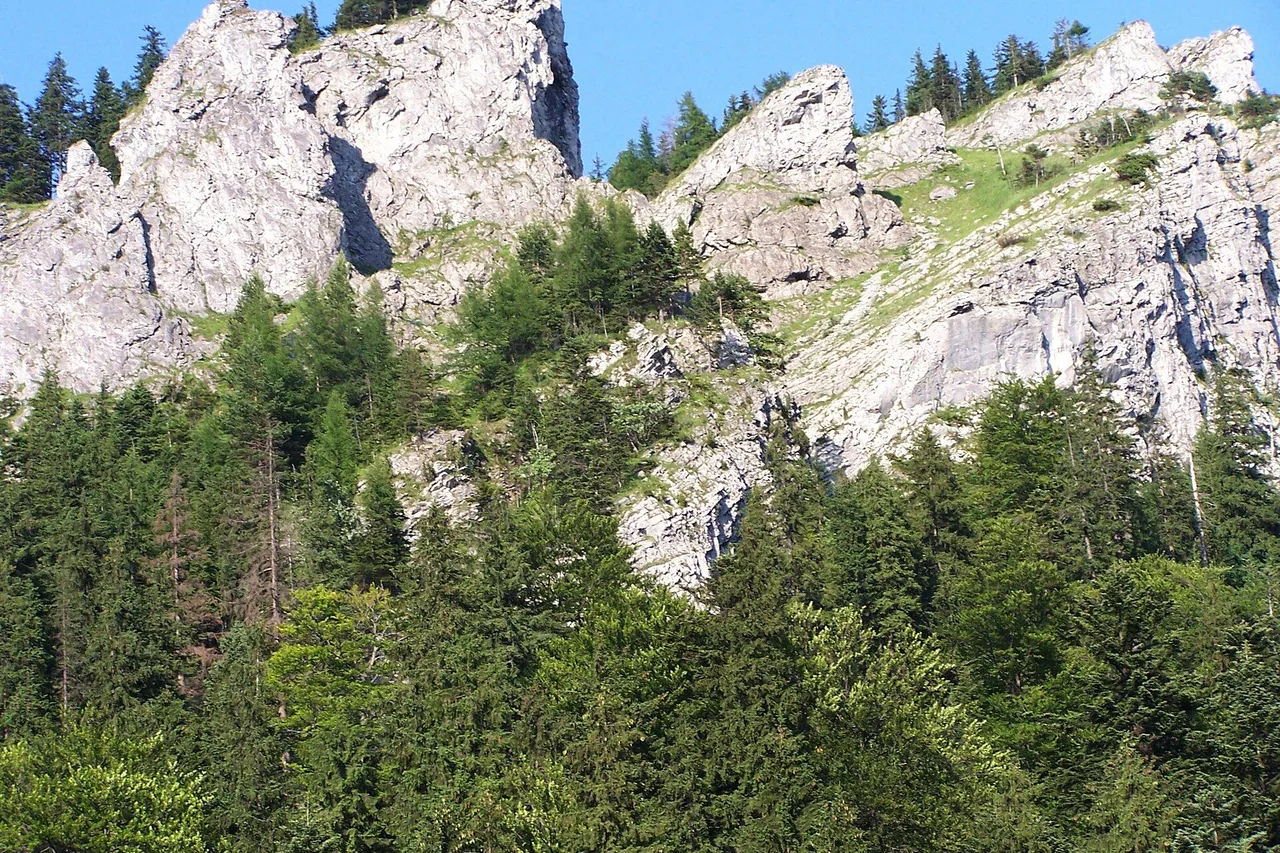
Nosal helps orient the southern side of Zakopane, with its rocky mountain shape visible near the approach toward Kuznice. The municipality describes a walking route in this landscape, while the nearby ski area offers a different, managed winter activity. Decide which experience you want rather than confusing the mountain summit with the beginner-slope departure. A ski lesson at the base and a summer walk toward the summit need different equipment, tickets and preparation, even though they share the Nosal name.
For a walking day, consult the national park bulletin and the specific marked trail before setting out. Short does not mean free of steep ground, slippery rock or winter exposure. In snow, use locally confirmed options rather than following a summer route description. For skiing, check the actual operator and lesson meeting point below the mountain. The map pin identifies Nosal itself, not a ski-school desk, parking entrance or guaranteed pedestrian path. Choose the activity that suits the least experienced person in the group.
Plan it well: The Nosal summit pin is not the ski-area entrance.
Official visitor information6. Start with the Tatra Museum
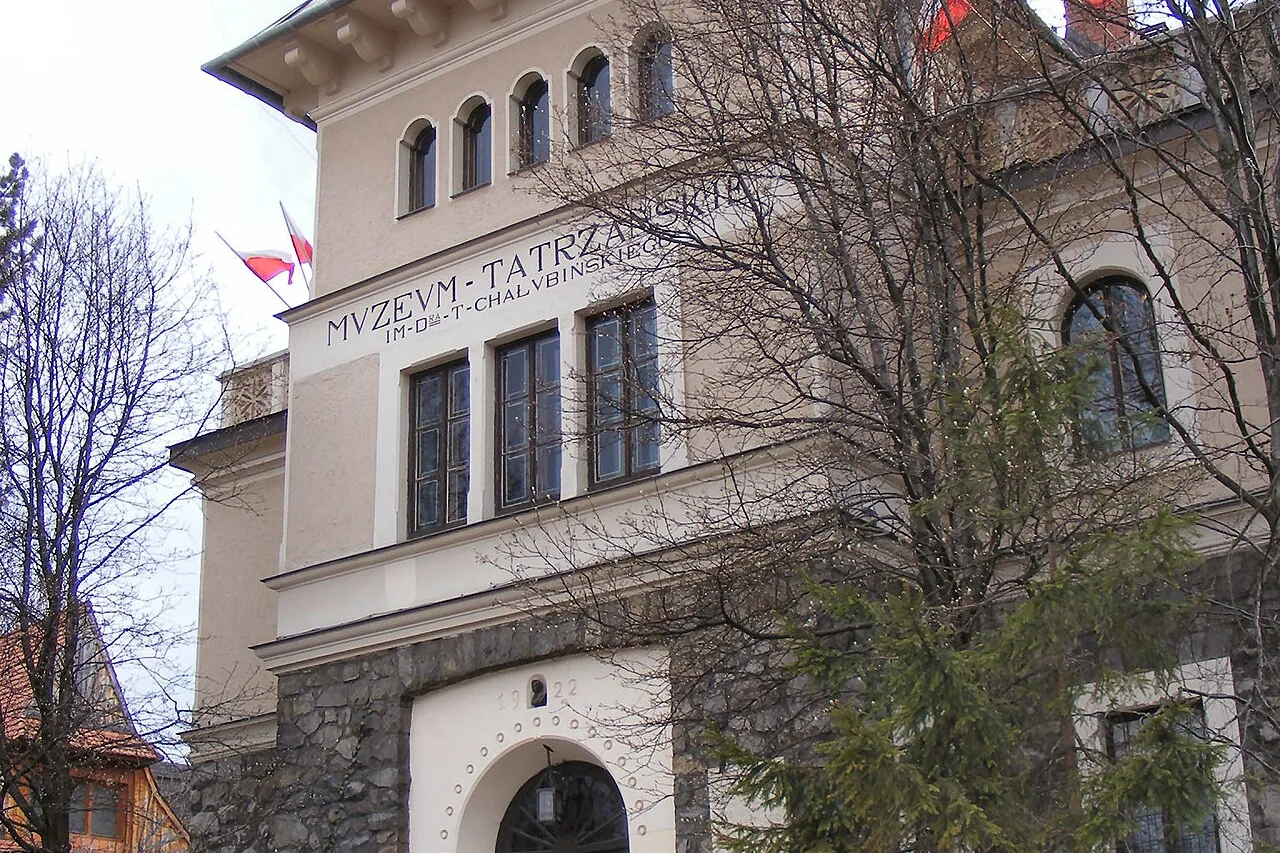
The Tatra Museum is a strong introduction to the region before you spend several days looking at it from lifts and viewpoints. Its main building brings regional culture and the mountain setting into the same visit, offering a useful indoor counterpoint to an outdoor holiday. The central address also makes it easy to combine with Krupowki without organizing another cross-town journey. Give the museum enough time to become part of the trip rather than treating it merely as somewhere to wait for better weather.
Check the museum's current visiting information and distinguish the main building from its other branches. A plan to see Koliba or another villa is a separate stop, not a room elsewhere in the same building. Opening days and exhibition arrangements can change, so verify them before allocating an arrival afternoon. Use the real main-building location shown here and choose other museums by their own addresses. This is particularly useful for a mixed group or a rest day between mountain activities.
Plan it well: The main museum and its villa branches are separate buildings.
Official visitor information7. See Zakopane-style architecture at Koliba
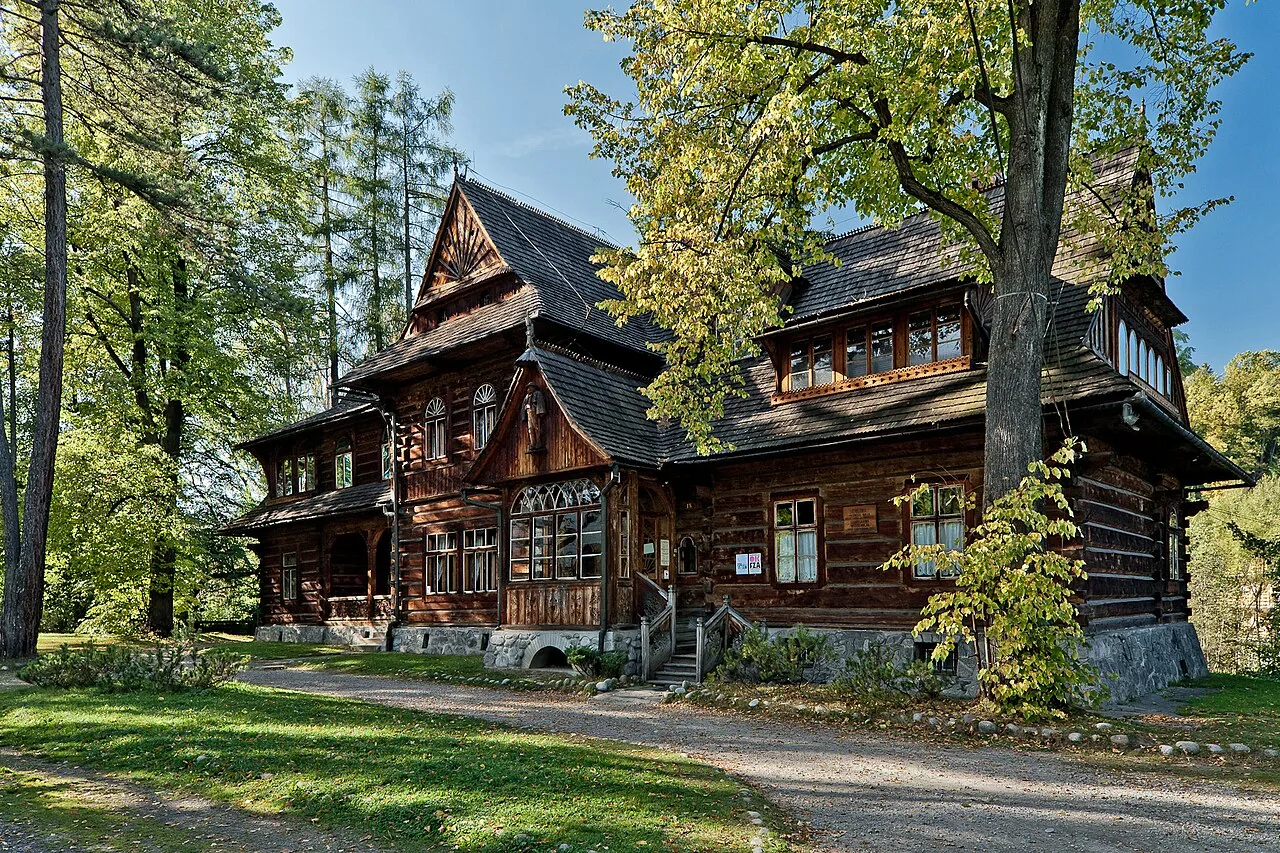
Villa Koliba makes the town's wooden architecture easier to understand. The Tatra Museum identifies it as the first building erected to Stanisław Witkiewicz's design in the Zakopane Style, and the house itself is the central reason to visit. Look at how the exterior and rooms turn regional building traditions into a deliberate architectural language. Its position on Kościeliska Street also allows the visit to sit within a walk through the older side of town rather than requiring a standalone transport excursion.
Use the branch's current visitor information to confirm admission and opening days before combining it with the main museum. Seeing the facade is not the same experience as entering the exhibition, and a ticket arrangement should not be inferred from another branch. The photograph shows the actual villa, with its scale and woodwork visible, rather than a generic mountain chalet. Continue along public streets afterward and respect private properties nearby; an architectural walk does not make every traditional house open to visitors.
Plan it well: Koliba is a Tatra Museum branch at its own Kościeliska Street address.
Official visitor information8. Visit Szymanowski's Atma villa
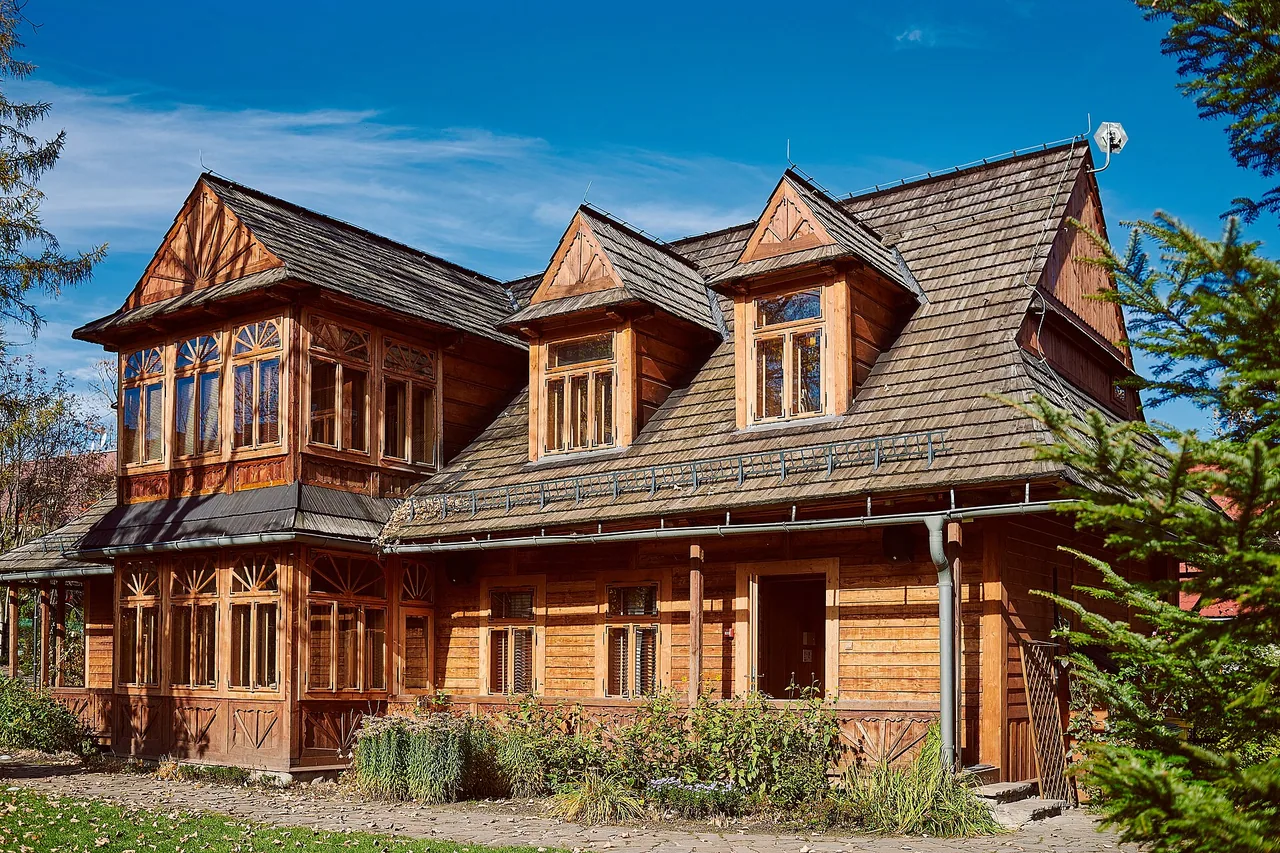
Atma adds a musical strand to Zakopane's cultural landscape. The National Museum in Krakow presents a biographical exhibition about Karol Szymanowski in the villa where he lived, including his reconstructed office and personal material. It is a different institution from the Tatra Museum, even though both belong naturally in a town itinerary. The wooden house and its contents make a focused visit for travelers interested in the connection between an artist, local culture and the mountain town.
Check the National Museum's current branch information and event calendar rather than assuming that a piano in the house means a concert will take place during your visit. Combine Atma with a modest central walk or another museum, leaving time for the exhibition itself. The location is the villa, not a generic Kasprusie district marker. An indoor visit can be useful when mountain weather is poor, but plan the opening day in advance so the alternative remains practical rather than merely theoretical.
Plan it well: Atma belongs to the National Museum in Krakow, not the Tatra Museum.
Official visitor information9. Visit Peksowy Brzyzek respectfully
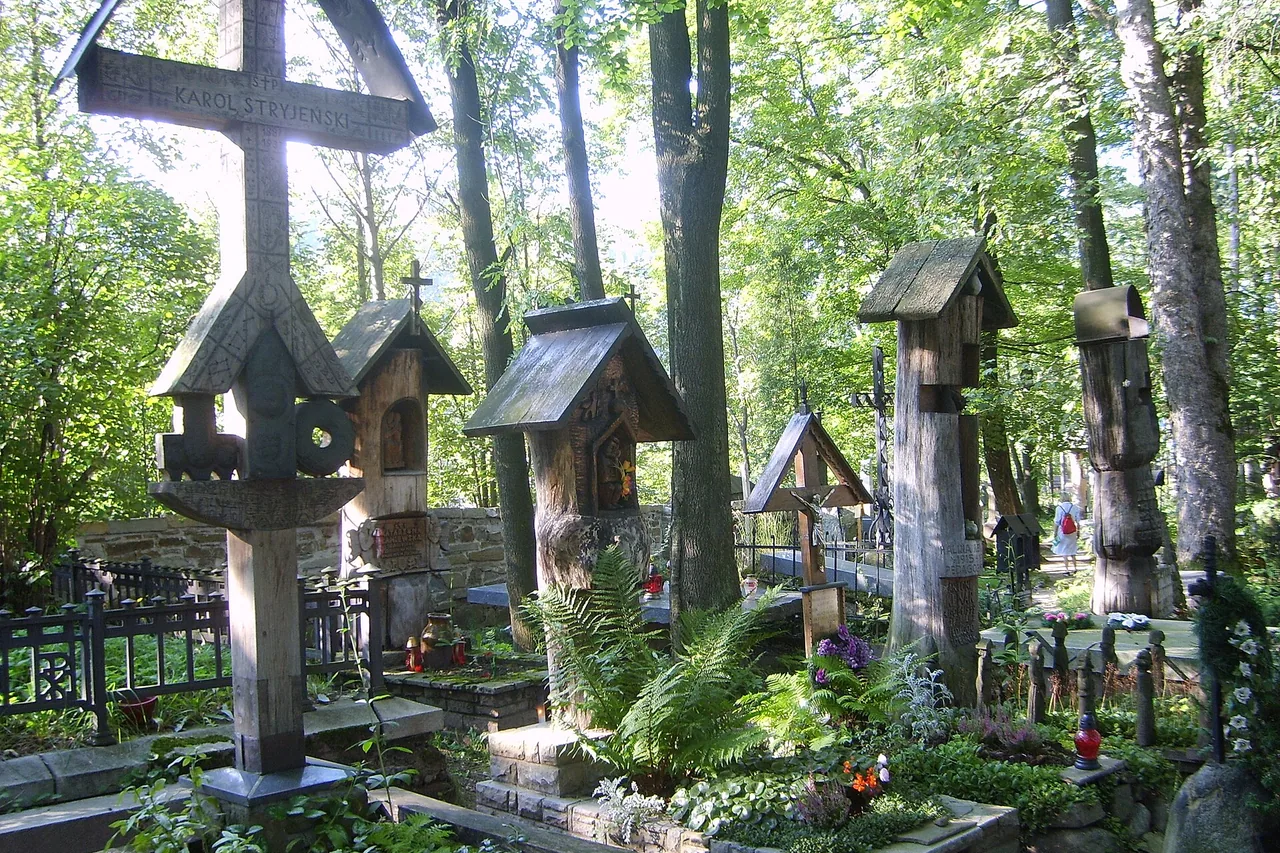
Peksowy Brzyzek offers a quieter cultural stop, with the memorials and grave markers placing people back into the story of Zakopane. Approach it as a cemetery rather than an outdoor sculpture collection or a backdrop for posed photographs. The municipality includes it in the heritage landscape around the older Kościeliska side of town, which makes a restrained visit easy to combine with Koliba and nearby streets. Leave room to read individual names and notice the varied forms of the memorials.
Check current visitor access locally and keep to the paths, allowing mourners and other visitors space. Snow or wet leaves can make narrow paths slippery, so shorten the visit when conditions demand it. Do not promise access to every grave or reproduce a list of famous burials without checking the individual memorial. The image illustrates the cemetery's actual character, not a current event. This is best treated as a thoughtful stop within a town walk, with the same respect you would bring to any active place of remembrance.
Plan it well: Keep photography and conversation appropriate to a cemetery.
Official visitor information10. Plan a Koscieliska Valley outing
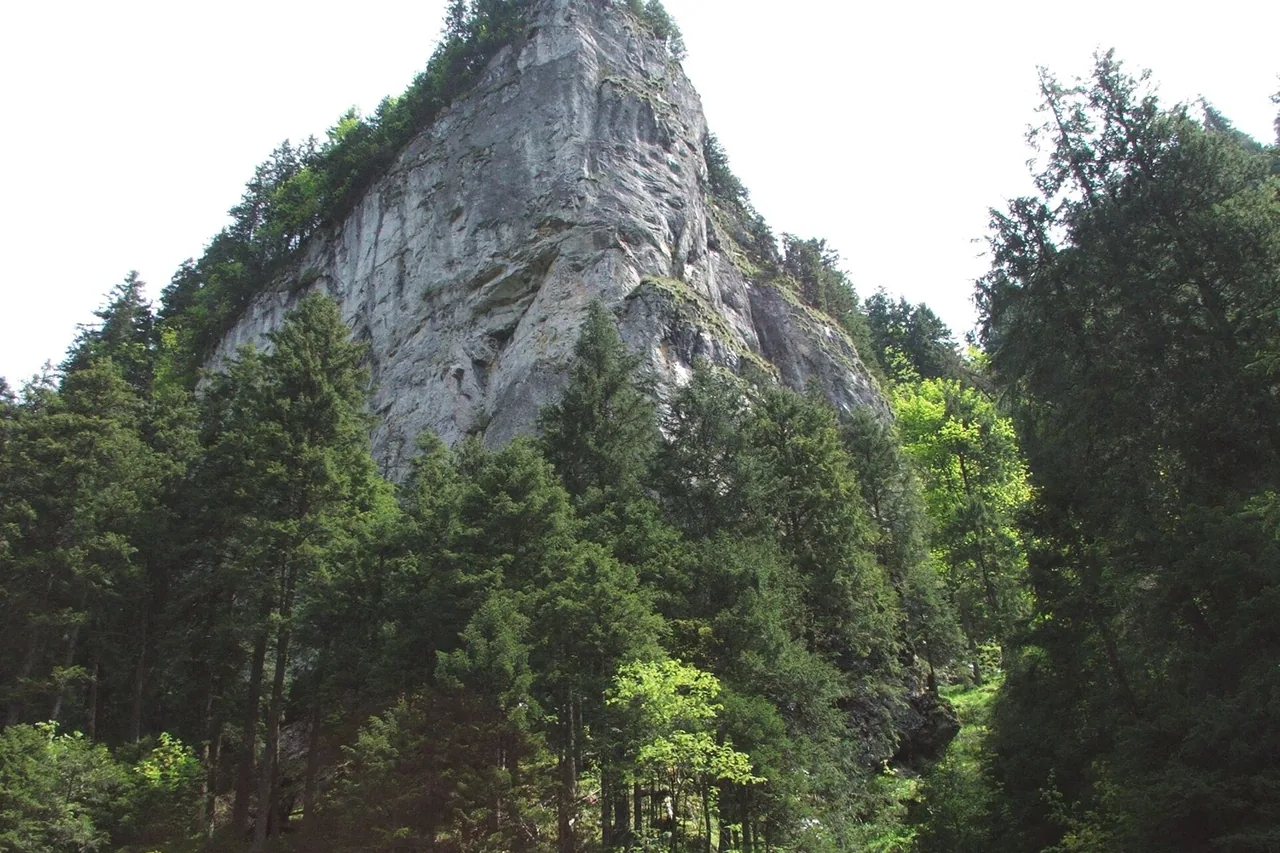
Koscieliska Valley gives a different experience from the town's lift-assisted viewpoints: a national-park outing organized around a marked walking route. Start by choosing the distance and turnaround point that fit the group, rather than adding every cave, side path and mountain hut to one itinerary. The valley is outside central Zakopane, with the practical approach from Kiry requiring its own road or bus plan. A lower valley visit can be worthwhile without extending into demanding high terrain.
Consult Tatra National Park's current visitor bulletin for trail conditions, closures and entry arrangements. Winter ice and snow can change even an apparently gentle route; side attractions may have separate seasonal restrictions. Do not substitute a summer photograph for a current condition check or promise that a cave is open. The pin identifies the valley landform, not the visitor entrance at Kiry. Arrange the return transport before setting off and choose an earlier turnaround if daylight, weather or the group's pace makes the original plan unsuitable.
Plan it well: Navigate to the confirmed Kiry entrance, not directly to the valley-center pin.
Official visitor informationA balanced three-day visit
Alternate town culture with one carefully chosen mountain outing.
Day 1: Krupowki and the older streets
Combine the main museum with Koliba or the cemetery, checking each building's operation first.
Day 2: a mountain day
Choose Kasprowy sightseeing or suitable skiing. Gubalowka is a different, town-side panorama option.
Day 3: valley or cultural rest day
Visit Koscieliska Valley only with a current park check and return plan. Atma and Wielka Krokiew provide town-based alternatives.
Town transport and mountain conditions
Use dated operator information rather than assuming one ski area connects to the next.
Check the municipal buses
Find the actual route to Kuznice, Olcza or your accommodation and the evening return.
Zakopane city busesRead the park bulletin
Trail closures and winter conditions can affect valley walks as well as high routes.
Tatra National ParkChoose one ski departure
Check the ski operator, lesson meeting point and ticket for the area you actually intend to use.
Keep museum addresses distinct
Koliba, the main Tatra Museum and Atma have separate locations and visitor arrangements.
Find hotels in Zakopane
Compare the center for town culture, the Kuznice approach for a Kasprowy-focused trip, or Olcza for a residential setting with planned buses. Koscielisko and Poronin are separate regional bases whose exact transport needs should be checked.
Explore Zakopane hotels