
Lisbon city guide
10 things to do in Lisbon
Discover Lisbon's hilltop views, historic streets and riverside museums, with practical route choices and honest access notes for a first visit.
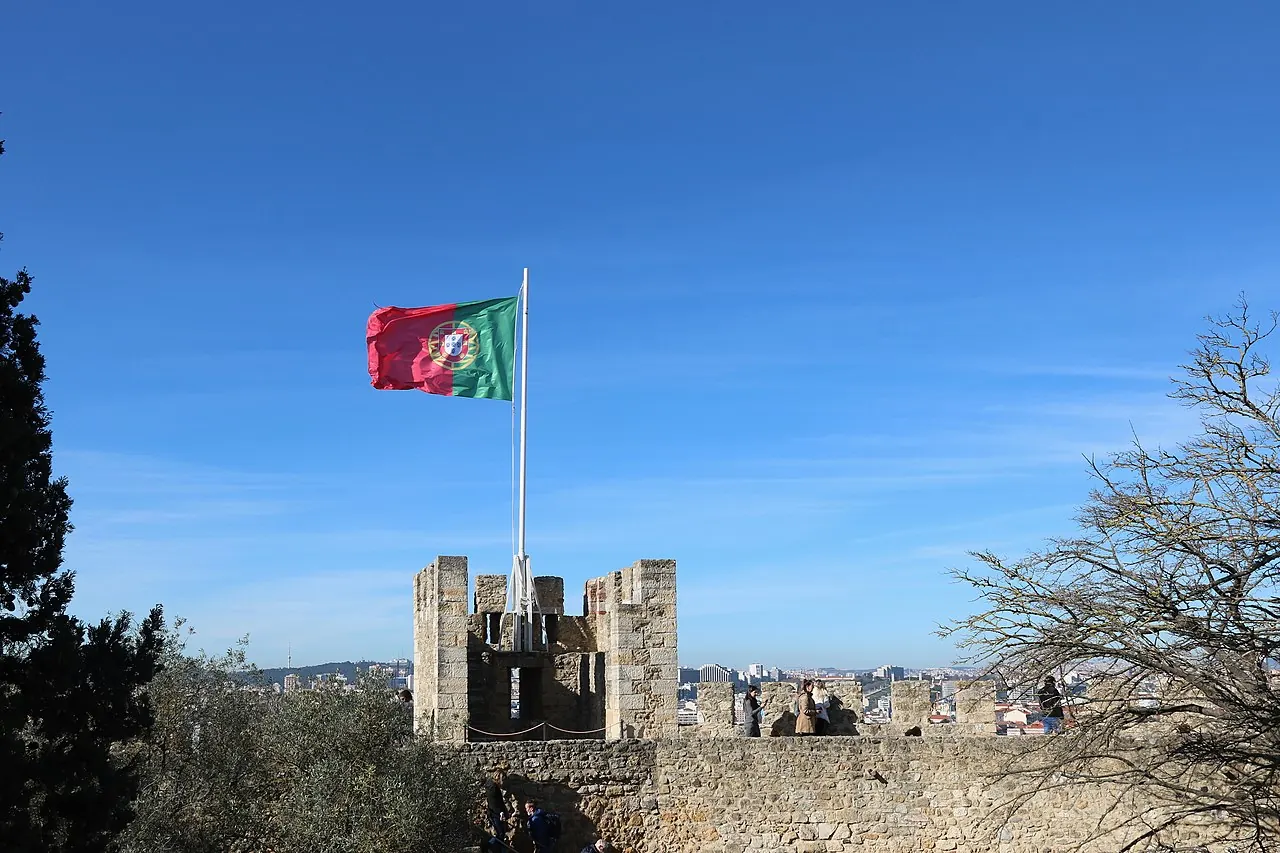
Plan your visit
Lisbon rewards a route that respects its hills and the distance between neighbourhoods. Keep the castle, Alfama and central squares together, then give Belem or Parque das Nacoes a separate outing. This guide mixes paid interiors with street-level experiences and explains where an older recommendation needs an access check, rather than assuming every lift or monument is open.
Start above the city at Sao Jorge Castle
Sao Jorge Castle gives you an overview of Lisbon before you start threading through its streets. The fortified walls, courtyards and viewpoints offer different perspectives on the city and the Tagus, so resist heading straight to one crowded photo spot. Look down at the roofs and notice how the lower town and surrounding hills relate to one another; that makes later walks easier to understand.
The approach is part of the outing, with slopes and uneven surfaces that deserve time of their own. Use the castle's official ticket and access information, particularly if steps, walking distance or heat affect your plans. Inside, choose a manageable route and stay within the permitted areas rather than treating every wall as a climbing opportunity. Afterwards, continue downhill towards Alfama for lunch or a neighbourhood walk. Pairing the two avoids a second climb simply to return for another attraction.
Plan it well: The map pin identifies the castle, not a step-free entrance; check the venue's access guidance for your needs.
Sao Jorge Castle: official visitor informationLook closely at Jeronimos Monastery
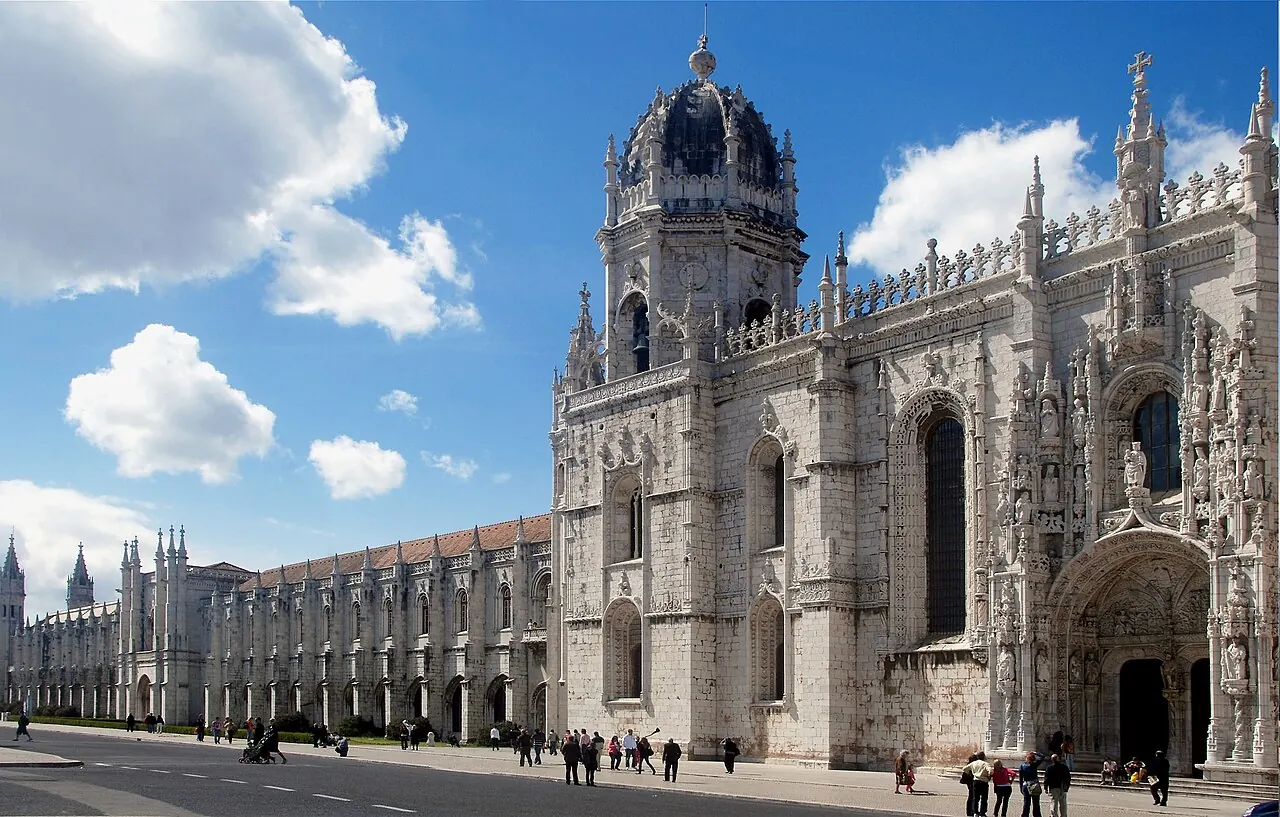
Jeronimos Monastery is one of Belem's most substantial historic visits, and the detail matters as much as the size. Look for carved stonework around the entrances and, if you choose the cloisters, follow the repeated arches and ornament at a slower pace. The building's association with Portugal's maritime era gives the decoration a context beyond simply being an elaborate backdrop.
The church and cloister areas have different visitor arrangements, so decide what you actually want to enter before joining a line or buying a pass. Check the official operator for current access and ticket terms instead of assuming an older itinerary still applies. Make the monastery the main appointment of a Belem morning, leaving room for a riverside walk afterwards. With limited time, attentive looking in one part of the complex is more rewarding than rushing through several separate admissions.
Plan it well: Do not assume a queue, pass or ticket covers every part of the complex; check the cloister and church arrangements.
Museums and Monuments of Portugal: Jeronimos visitor informationSee Belem Tower from the riverfront
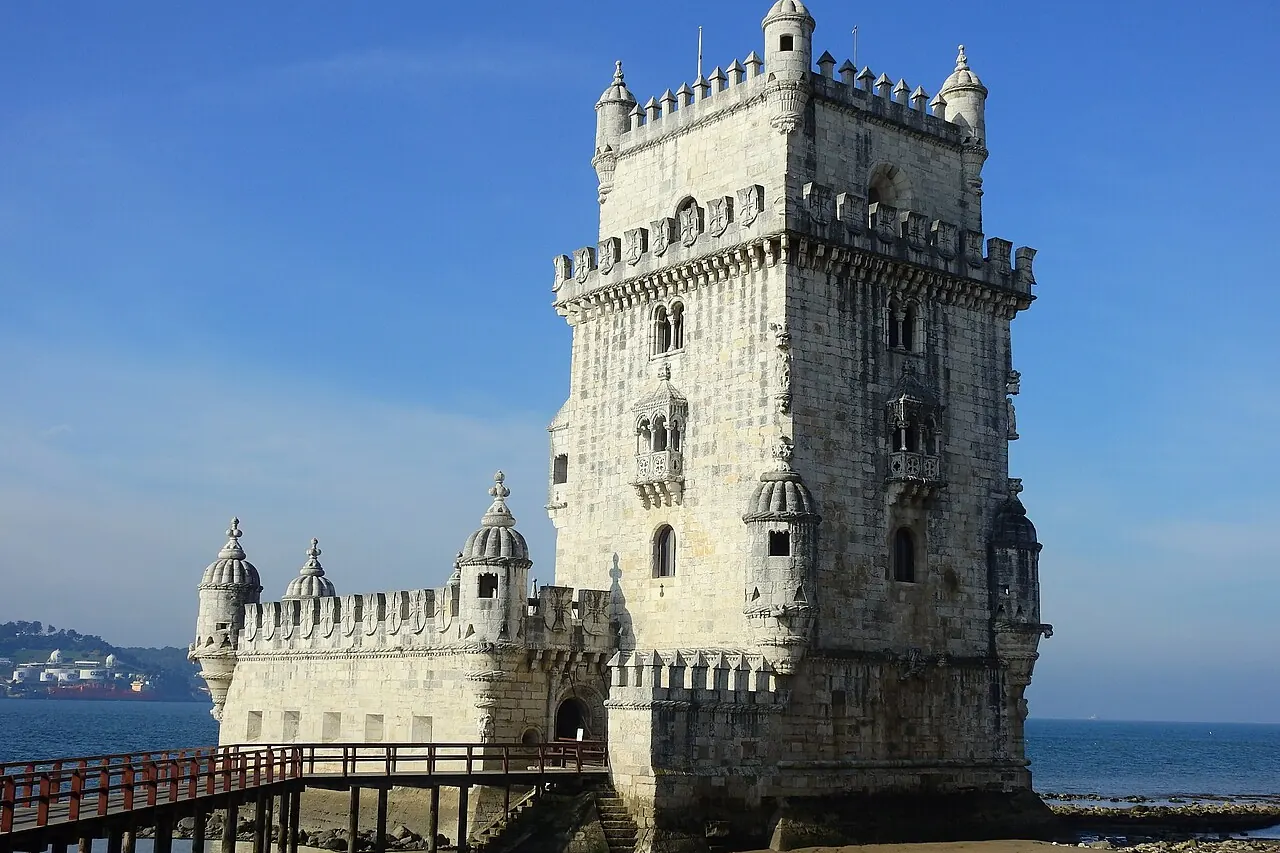
Belem Tower has a particularly clear relationship with the water. From the shore, its bastion and turrets make more sense as a river-edge monument than they do in a tightly cropped photograph. Walk along the waterfront to see how its outline changes, and leave room to notice boats and the wider Tagus rather than visiting only long enough to take a picture.
Treat the exterior walk and an interior visit as separate plans. Conservation work and visitor arrangements can change, so consult the monument operator if entering the tower is important to you. Do not build the day around a guaranteed climb based on an old guide. This stop works well with Jeronimos and the Belem waterfront, but the distances between them still require walking time. Bring water in warm weather and use official crossings when moving between the riverfront and the streets inland.
Plan it well: The riverfront view is the core of this stop; consult the monument operator before planning an interior visit.
Visit Lisboa: Belem TowerPause where the city opens onto the Tagus

Praca do Comercio is where Lisbon's dense central streets suddenly open towards the river. Its arcades, central statue and Rua Augusta arch frame a generous space that is best appreciated by walking across it, not just standing under the arch. The square occupies the area of the former royal palace, giving the river-facing layout a significance beyond its present cafes and gathering places.
Use it as an easy pause between Baixa and an Alfama walk, especially when your route needs a flatter stretch. A look from the square is not the same experience as the separately accessed arch viewpoint, so choose according to your time and interest. At the water's edge, watch slippery or wet surfaces and keep clear of unsafe steps. Leave enough time simply to sit and observe the ferries and river light before returning to the busier streets.
Plan it well: The square, river steps and Rua Augusta arch are different spaces; the arch viewpoint has its own access arrangements.
Visit Lisboa: Praca do ComercioWalk Alfama without turning it into a checklist
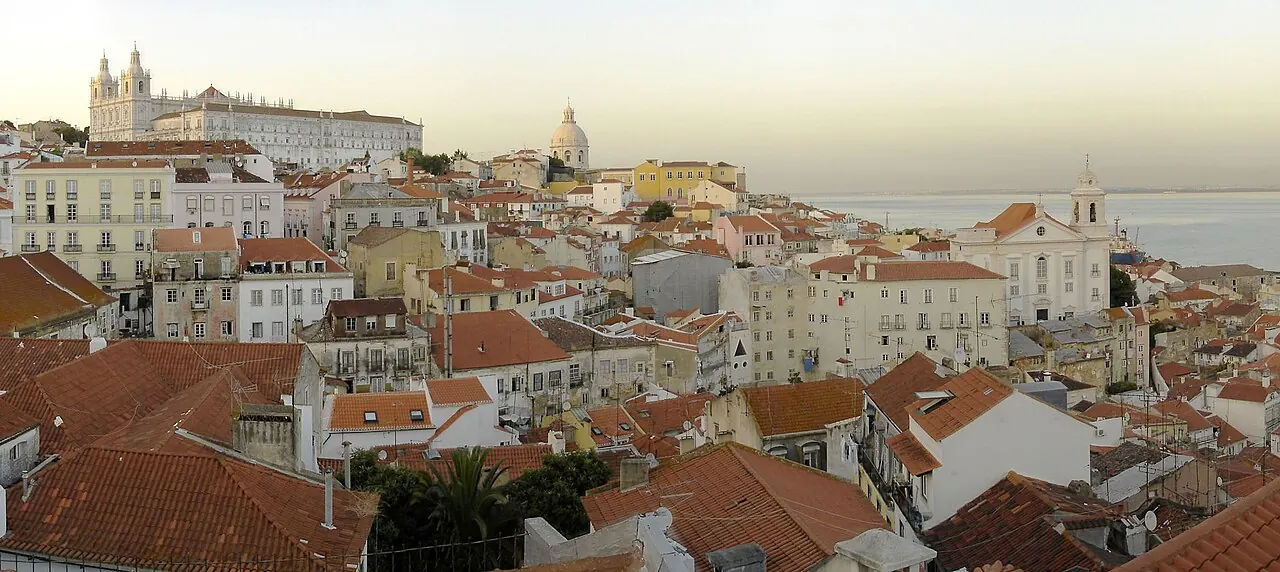
Alfama is a neighbourhood to explore on foot rather than a single attraction with an entrance. The lanes, small squares and tiled facades reveal themselves gradually as you move between slopes. Start with a loose direction, such as descending from the castle towards the river, and let a short detour replace the urge to see every marked viewpoint in one afternoon.
This is also a lived-in area, so keep conversations considerate, avoid blocking narrow passages and ask before photographing people closely. If you want an evening of fado, compare the venue's performance and meal arrangements in advance rather than assuming every restaurant offers the same experience. Comfortable footwear helps on polished and uneven paving, especially after rain. Alfama works best when you leave time for a meal or a quiet square, not when every turn becomes a race to the next landmark.
Plan it well: Choose a few lanes and a clear end point; residential doorways and staircases are not visitor attractions.
Visit Lisboa: AlfamaAdmire Santa Justa's ironwork from the street
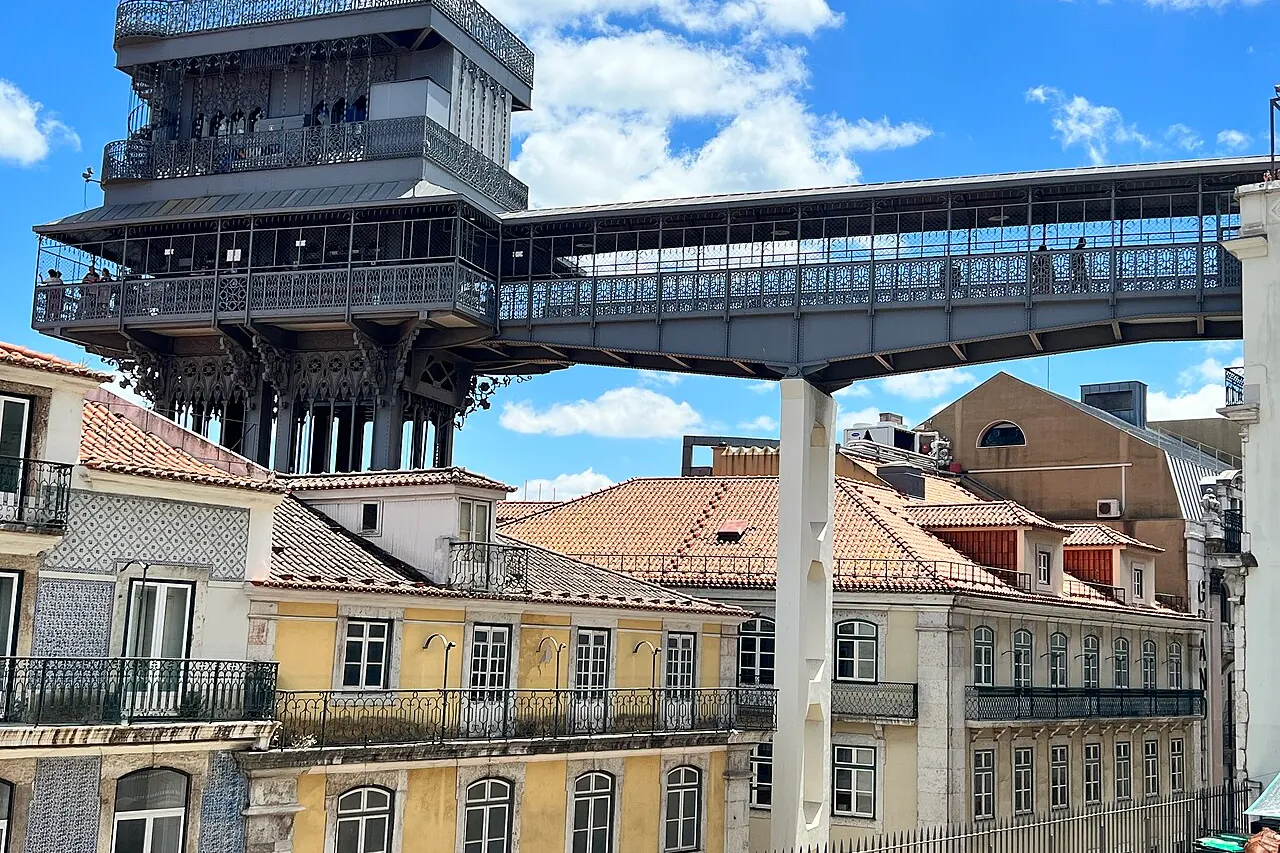
The Santa Justa Lift is unusual because its structure is part of the attraction: ornate ironwork rises between the streets of Baixa and the higher Carmo area, with an elevated walkway stretching across the roofs. Even without riding, you can appreciate its scale from the lower street and understand why this vertical connection became one of Lisbon's recognisable landmarks.
Visit Lisboa currently identifies the lift as temporarily closed. Treat this as an exterior stop, not a promised ride or open observation deck, and check the operator if access is your main reason for coming. Continue uphill by a suitable street route or another verified transport option rather than arriving with luggage and expecting the lift to solve the climb. The Carmo area is a sensible next destination, but the height difference matters. Allow time and choose a route that suits your mobility.
Plan it well: Visit Lisboa currently marks the lift temporarily closed; do not rely on it as a way up to Carmo.
Visit Lisboa: Santa Justa Lift access noticePair riverside architecture with a MAAT exhibition
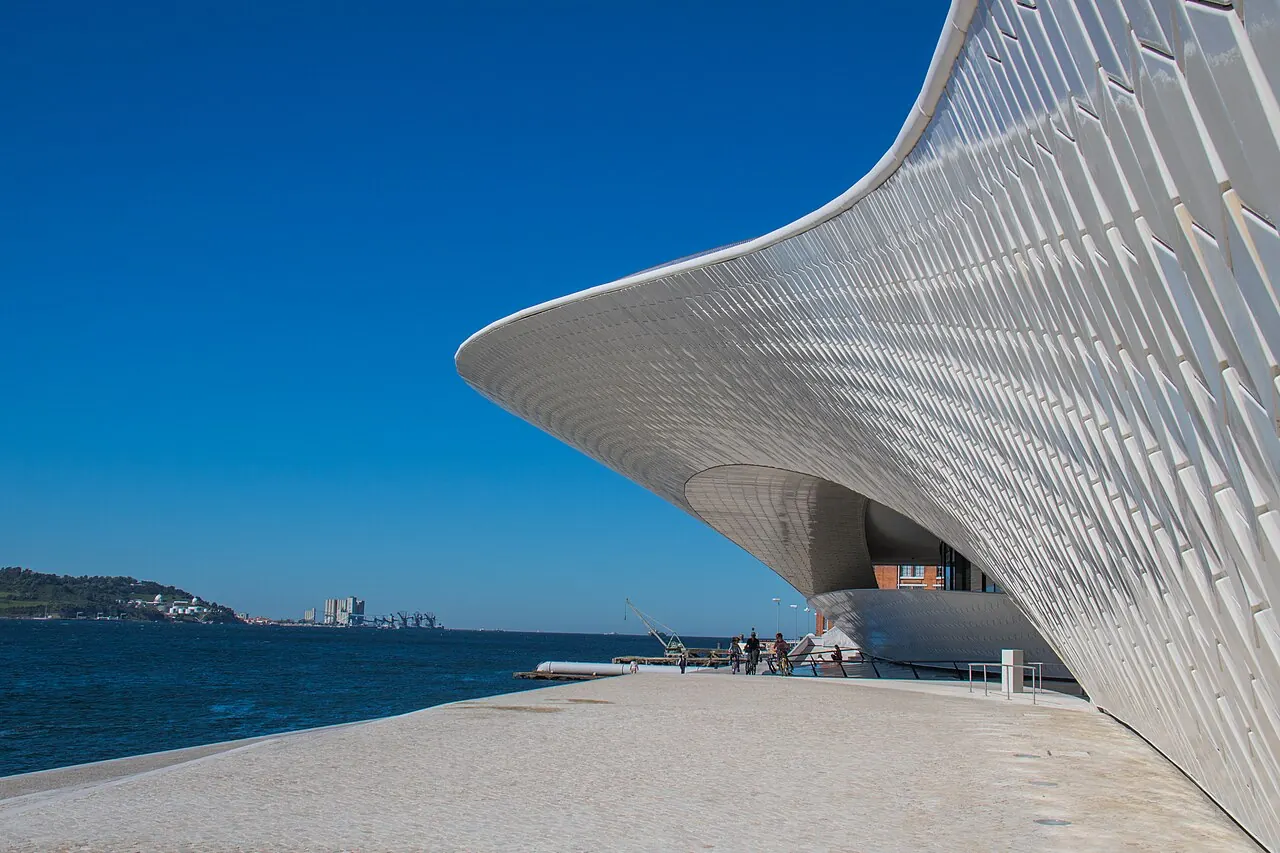
MAAT adds contemporary architecture to a Belem outing otherwise dominated by historic monuments. Its low, curved building faces the Tagus, while the museum campus also includes the former power station. The relationship between these structures gives art, architecture and technology a physical setting; walk around the riverside approach before deciding how much time to spend indoors.
Read the current exhibition programme and choose a visit based on what is showing, rather than expecting the same permanent display as a traditional palace museum. Outdoor circulation and ticketed gallery access are different things, and the buildings may have separate practical arrangements. Leave time to move between them without rushing. If you have already booked Jeronimos, make MAAT a deliberate second museum choice or enjoy only its exterior setting; there is no need to add another admission simply because it lies along the river.
Plan it well: A waterfront walk is not museum admission; check which buildings and exhibitions your ticket includes.
MAAT: plan a visitGive the Oceanarium its own part of the day
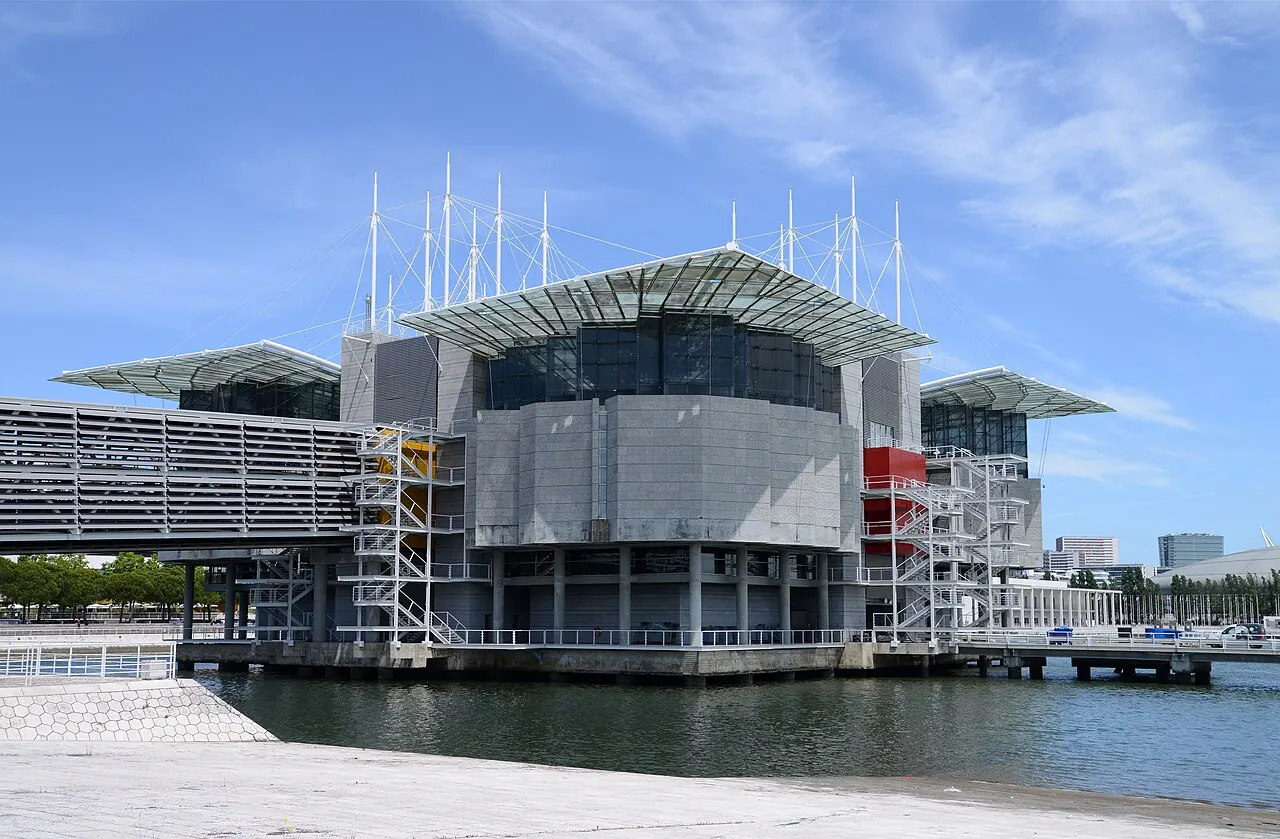
The Oceanarium introduces a different Lisbon, away from the old town's hills and Belem's monuments. Inside, spend time observing the main marine habitats rather than moving immediately from one window to the next. Fish occupy different levels and corners of a tank, so a pause often reveals more than a hurried circuit. The surrounding Parque das Nacoes waterfront makes the visit a broader outing.
Because this district is east of the centre, avoid fitting it between two Belem appointments on the other side of the city. Check the aquarium's current ticket and exhibition choices, and distinguish those from any cable-car or multi-attraction package sold elsewhere. Families can keep the afternoon flexible with a waterfront break after the indoor visit. If the weather turns wet, the aquarium remains an indoor option, but your approach and return journey still need planning rather than an assumed short walk from Baixa.
Plan it well: Check the aquarium's own ticket options; a cable-car or combined attraction offer is not automatically included.
Lisbon Oceanarium: plan your visitRead the city's history through Carmo's open roof
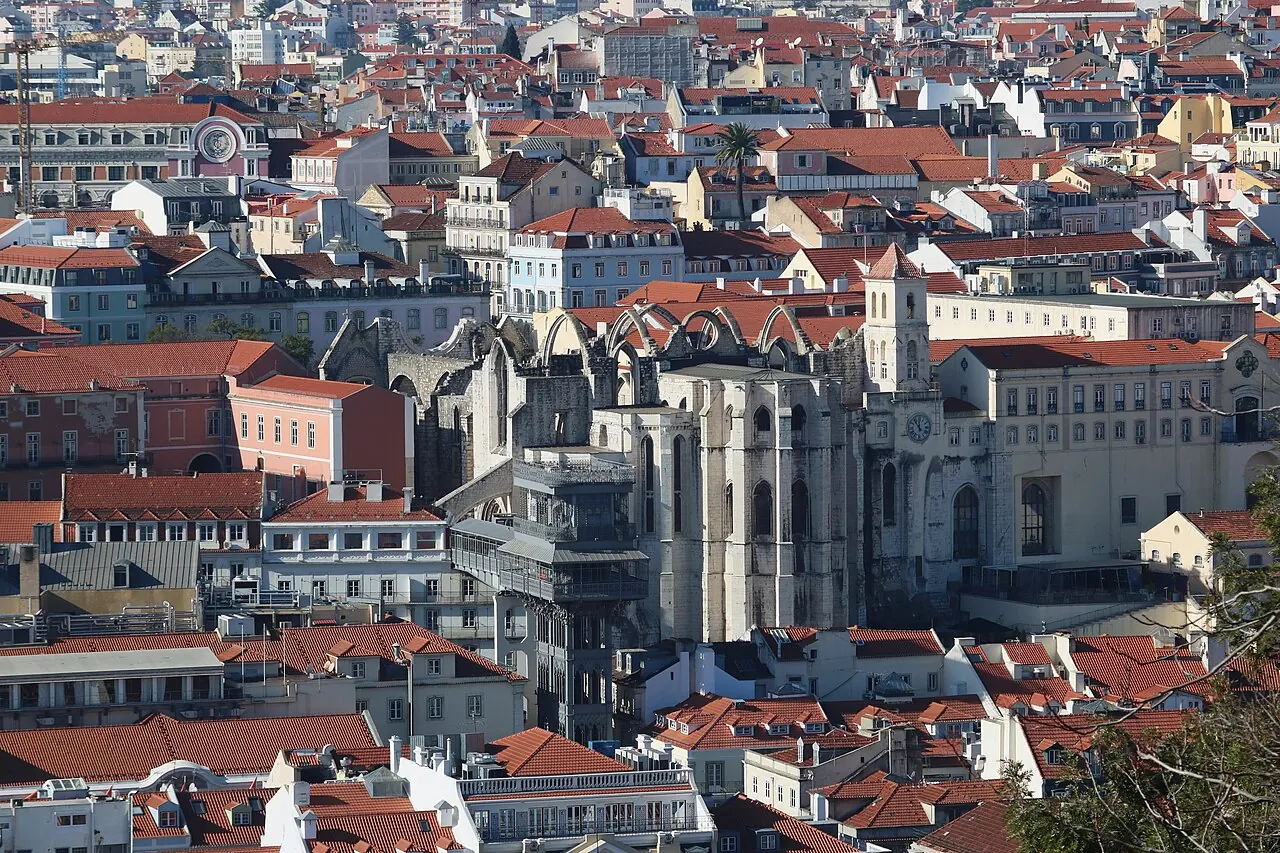
Carmo's ruined church makes the effects of Lisbon's 1755 earthquake visible in a way that a written date cannot. The surviving arches enclose a space without its former roof, giving the sky an unexpected role in the architecture. Take time to look at the structure itself before moving into the archaeological displays; the building is not merely a container for the collection.
The museum's objects and the open nave create two different rhythms of looking, so leave space for both rather than treating the visit as a viewpoint stop. Outdoor surfaces and changing weather matter even though this is described as a museum. It pairs naturally with the streets around Chiado and an exterior look at Santa Justa, but do not rely on the currently closed lift for access. A planned uphill approach makes the visit more comfortable than discovering the height difference at the last moment.
Plan it well: The ruined church nave is open to the sky, so consider weather and footwear as well as the museum's access rules.
Visit Lisboa: Carmo Archaeological MuseumLook back across Lisbon from Senhora do Monte
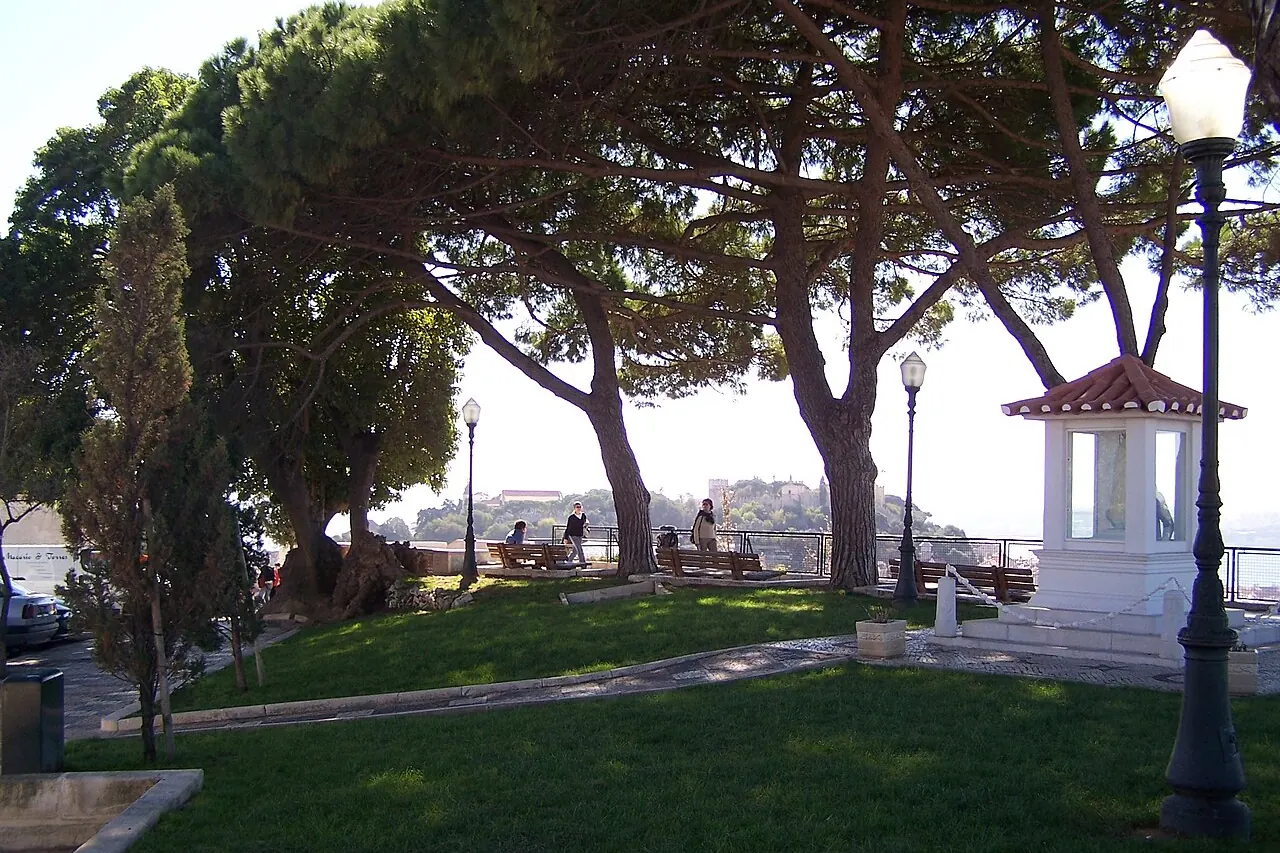
Senhora do Monte gives a broad view across the hills and towards the river, helping you connect places that felt separate at street level. Look for the castle and the lower town rather than concentrating only on a skyline photograph. The viewpoint's elevated position is the reason to come, but it also means the journey is not an effortless add-on to a flat Baixa walk.
Allow for the climb through Graca, or select a suitable transport approach using current journey information. The viewpoint is relatively compact, so step aside after taking photographs and avoid blocking the space for others. Light and weather affect what you can see; choose the time that fits your route instead of assuming sunset is the only worthwhile visit. Combine it with a neighbourhood break rather than a series of hurried hilltop stops. If walking slopes is difficult, check the approach carefully before setting out.
Plan it well: Choose your uphill route in advance and keep the small viewpoint clear for residents and other visitors.
Visit Lisboa: Miradouro da Senhora do MonteHow to spend two days in Lisbon
Day one: the castle hill and central streets
Visit Sao Jorge Castle, then walk downhill through Alfama to Praca do Comercio. In the afternoon, take a suitable route up towards Carmo and see Santa Justa from the street; do not rely on the closed lift. Add Senhora do Monte only if another climb fits your energy and route.
Day two: choose one riverside district
In Belem, make Jeronimos the main indoor visit and continue to the tower's exterior and MAAT, choosing an exhibition if time permits. Alternatively, give the Oceanarium and Parque das Nacoes the day instead. Avoid rushing between these eastern and western districts simply to complete every item.
Before you go
Check the specific access notice
A monument's exterior, ticketed interior and lift or viewpoint can have different access arrangements. Santa Justa is currently listed as temporarily closed; verify the operator before depending on a ride.
Visit Lisboa: Santa Justa noticeAccount for hills and paving
Short distances on a map can include steep streets and uneven or polished paving. Choose footwear with grip, carry water when needed and plan an approach that suits your mobility.
Group the riverfront outings
Belem lies west of the centre and Parque das Nacoes east. Build each around one main attraction, and check the current transport journey instead of moving repeatedly across the city.
Where to stay in Lisbon
Baixa and nearby central streets can suit a first stay, but check the exact address and whether reaching it involves a steep approach. Chiado and Alfama offer different evening settings; a room above a busy street may not feel the same as one facing a courtyard. Compare transport links, access and room conditions on Roomundo's Lisbon hotel list, then search your dates for current offers rather than treating a reference price as guaranteed availability.
Explore Lisbon hotels