
Lisbon city guide
Lisbon with kids: hills, trams and family days without the rush
Plan Lisbon with children around four manageable anchors: Oceanário, Lisbon Zoo, Belém and Castelo de São Jorge. This guide explains child-ticket rules, stroller constraints, accessible routes, public transport and weather-proof pacing.
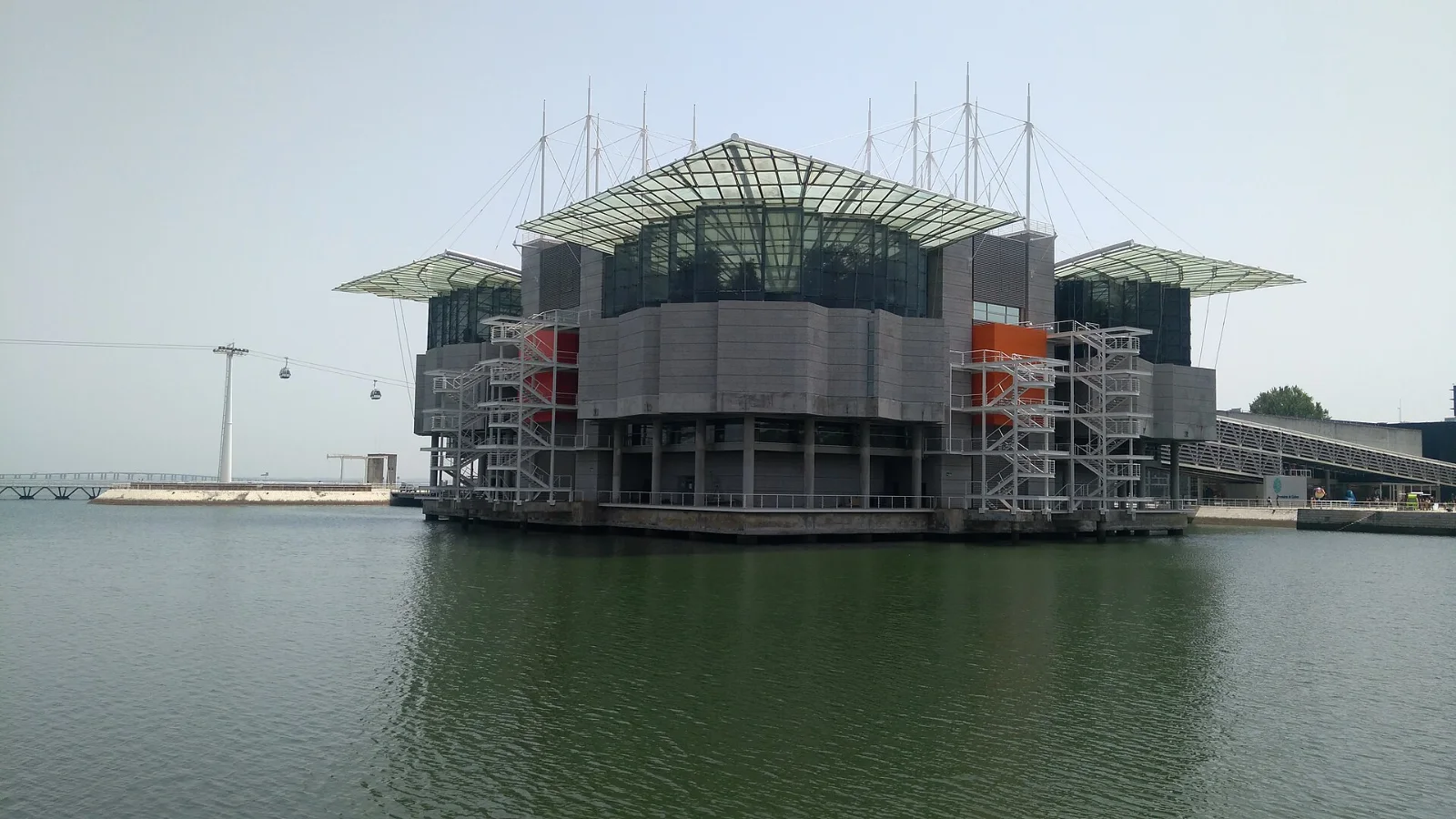
Plan your visit
Lisbon's compact map can be deceptive: cobbles, steep gradients and crowded heritage transport make short distances tiring with toddlers or a stroller. Give each day one primary destination, use Metro, trains and public elevators to remove unnecessary climbs, and protect time for lunch or a hotel reset. A carrier is useful in the oldest districts, but a stroller remains practical at Oceanário, the zoo and much of Belém.
Oceanário without the nap-time collision
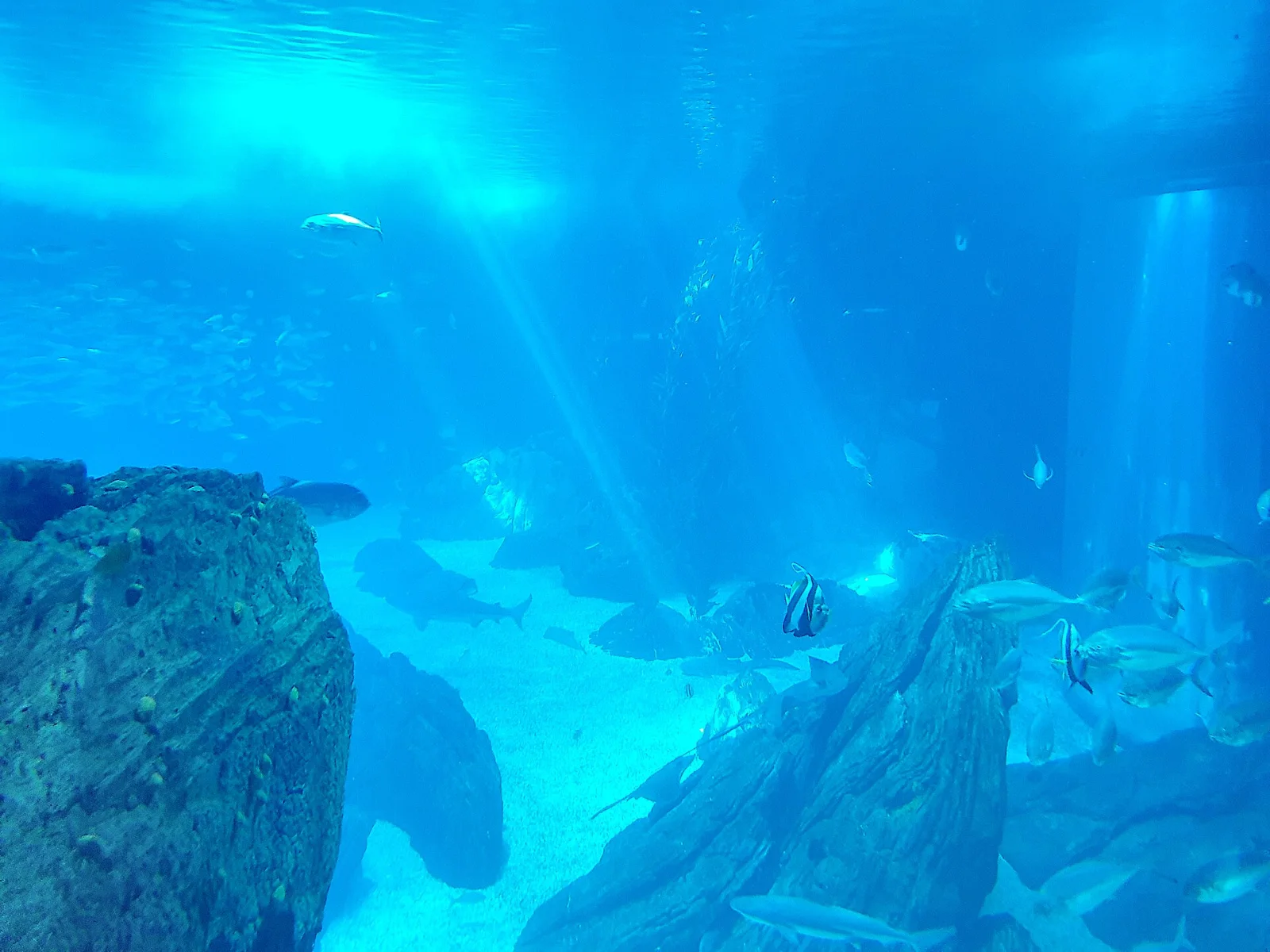
Oceanário is Lisbon's simplest major family visit when rain, heat or limited mobility makes an outdoor day unattractive. Babies aged 0–2 enter free, children aged 3–12 use the child ticket, and visitors under 12 must be accompanied by an adult; reduced-price ticket holders may be asked for proof of age. Tickets are sold for different arrival periods, so select a band that fits the child's nap rather than choosing solely by price. The official average visit is 90 minutes to two hours, although families who pause at the central tank should allow longer. Ramps and lifts cover the visitor route, including stroller and wheelchair access, and baby-changing tables are available. Food is prohibited inside the exhibition route and there is no dedicated baby-feeding or breastfeeding room. Oriente station on the Metro's Red Line is a short walk away.
Plan it well: Reserve a post-breakfast or post-nap entry and leave the rest of the day unbooked; use the Parque das Nações waterfront only if the weather and children's energy still cooperate.
Make the zoo's cable car a decision, not a promise
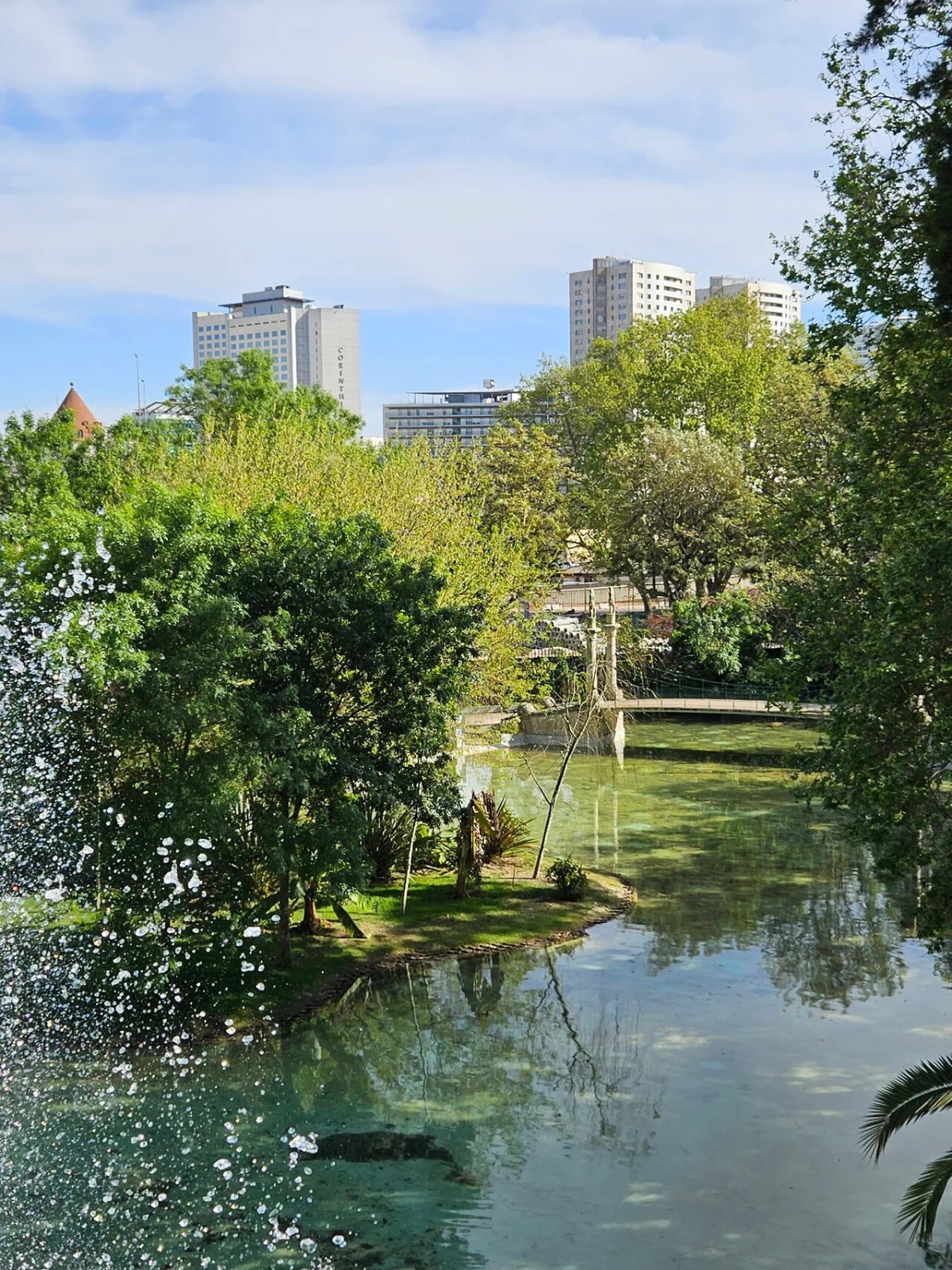
Lisbon Zoo admits children up to age two free, applies child admission from 3–12 and may request identity documentation. Children under 13 must be accompanied by an adult aged over 18. Standard admission includes the presentations and attractions except the separate Zoo Train, and online tickets remain valid for a stated period rather than a single preselected day. The cable car is the important family constraint: children under 12 need an adult aged 18 or over, wheelchairs and pushchairs are not permitted, and the continuously moving cabins are not recommended for visitors with reduced mobility, heart problems or vertigo, or for pregnant visitors. No minimum height is published; the governing rules are supervision and safe boarding. It does not run in rain or strong wind. Paths can be uneven, although limited stroller hire for children aged 3–10 is available. The entrance is beside Jardim Zoológico station on the Blue Line.
Plan it well: Decide before arrival whether one adult will stay with the stroller while others ride the cable car, or whether the family will skip it. Attempt it early, before weather or fatigue removes the option.
Keep Belém to one important interior
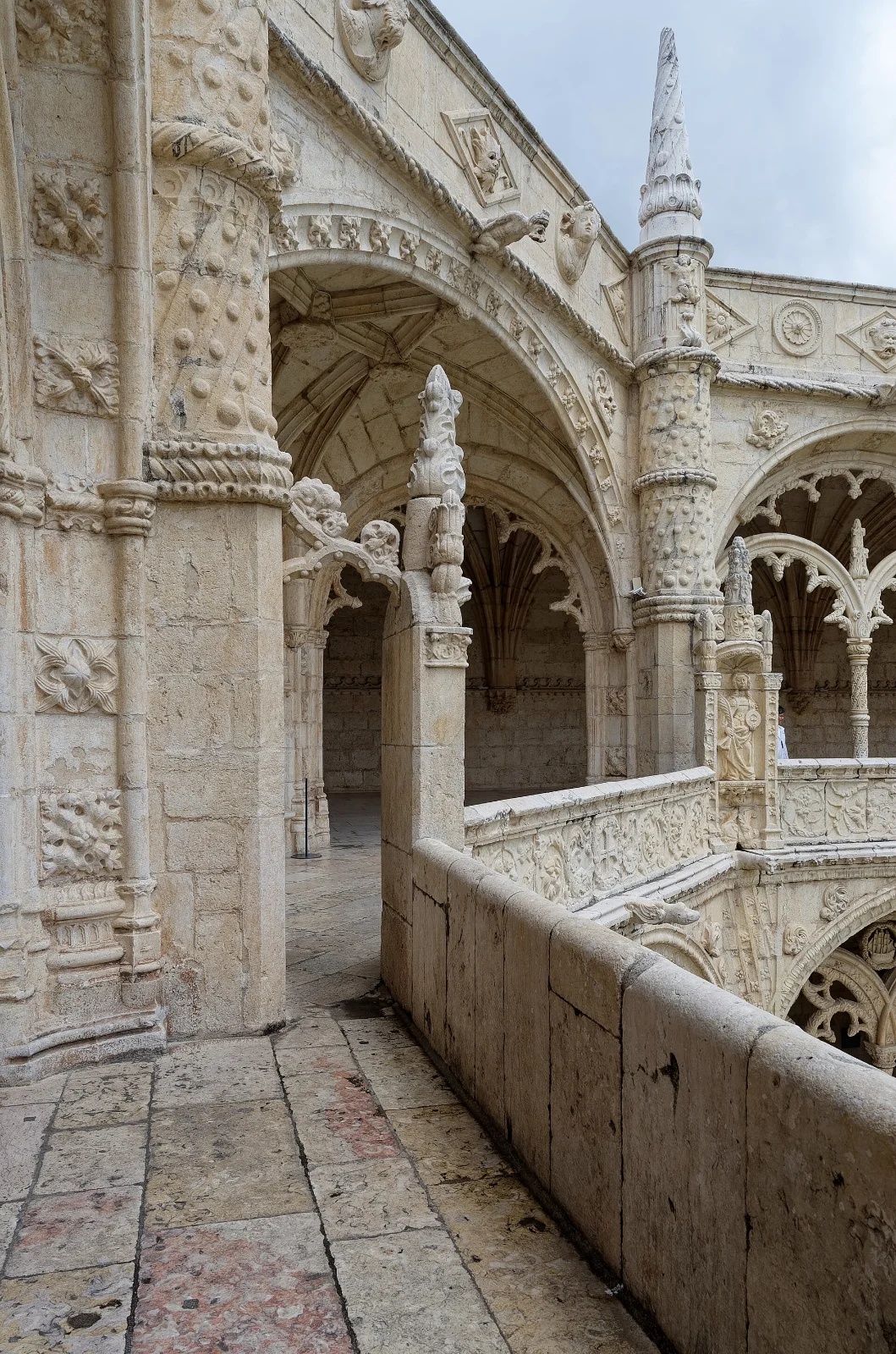
Belém is easier with a stroller than Lisbon’s hill districts, but queues and monument access can still overwhelm a family day. At Jerónimos Monastery, children through age 12 receive free admission with appropriate proof. Adult family tickets receive a discount when at least one adult and one minor visit together, but this ticket type is sold only at the physical ticket office; advance online tickets avoid the risk of popular dates selling out. That creates a genuine choice between certainty and the on-site family discount. The church and ground floor of the cloister are accessible, while the cloister’s upper floor is not wheelchair-accessible. Wheelchairs, portable benches, an adapted toilet and a nappy-changing facility are available. Belém Tower is much more restricted for reduced mobility, with access limited to its ground floor or main bastion hall, and it can close when weather threatens visitor safety. For stroller users, the CP urban train to Belém is generally a more predictable plan than relying on a crowded tram: children through age three travel free without their own seat, while ages 4–12 receive a half-price fare.
Plan it well: Choose Jerónimos or Belém Tower as the day’s reserved interior, not both. Use the gardens and riverfront as flexible recovery space, then take the train back before younger children are exhausted.
Reach the castle without climbing the whole hill
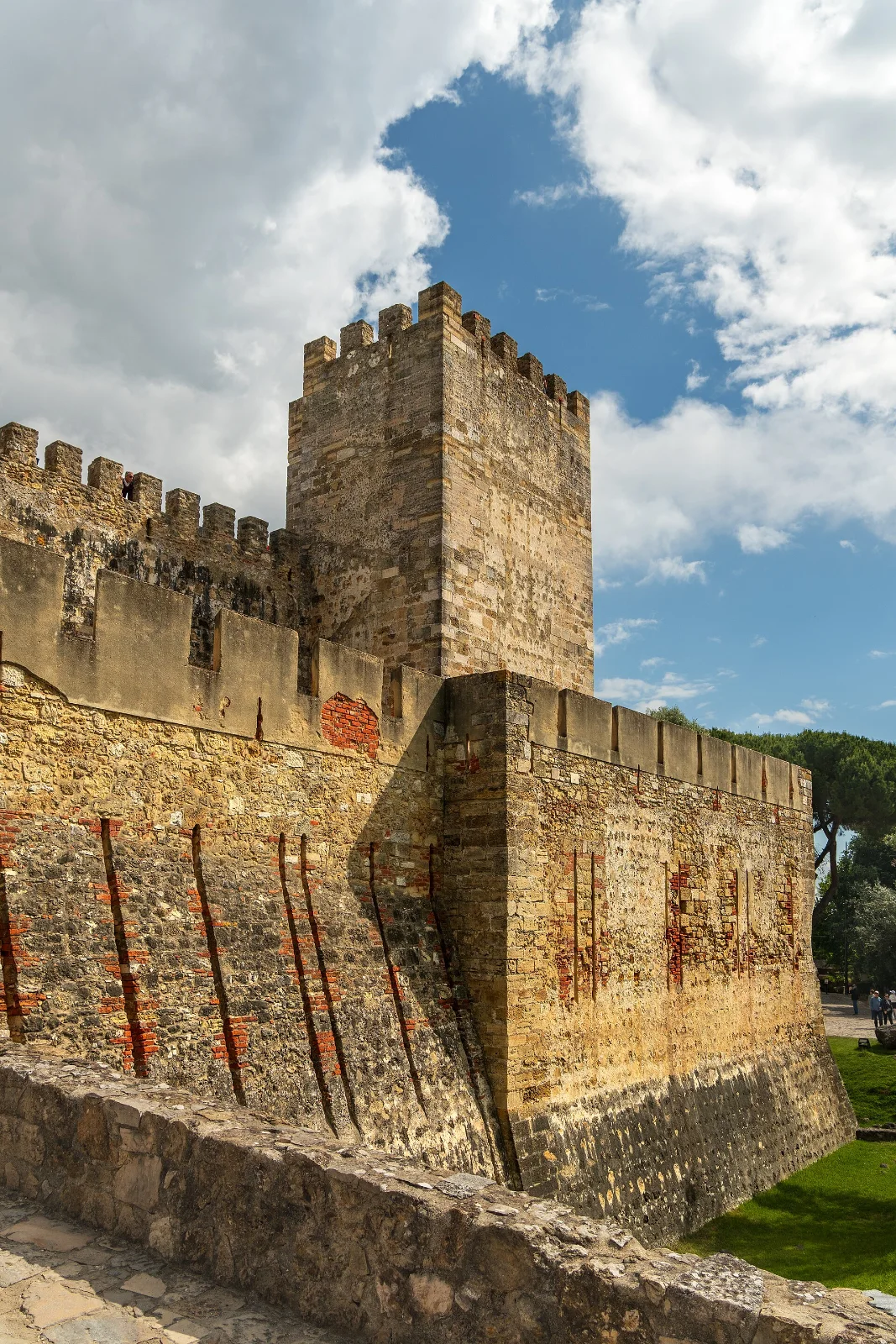
Castelo de São Jorge should be planned as a transport problem before it becomes a sightseeing plan. Children up to and including age 12 enter free with proof, but they still require a valid free ticket. Buying through the castle’s authorized online platform avoids the ticket-office queue. From Baixa, the official lower-effort route uses the public elevators between Rua dos Fanqueiros and Rua da Madalena, followed by the Chão do Loureiro elevator toward Costa do Castelo; a final cobbled approach remains. Inside, a regularized accessible route runs from the entrance to the eastern viewpoint, while the museum has a ramp and lifting platform. The complete walls and towers are not step-free, so a stroller does not provide full access. Baby-changing facilities and accessible toilets are available, and visitors with conditioned mobility can contact the castle in advance about additional access arrangements. Camera Obscura sessions depend on weather, while access to walls and towers can close earlier according to daylight and safety conditions.
Plan it well: Use the elevators uphill, carry non-walkers in a carrier for the final streets and battlements, and descend by elevator or taxi. Do not build the day around boarding a crowded heritage tram with an open stroller.
Planning tips for Lisbon with kids
Plan it well: Carry proof of age, plan one major anchor per day and keep Oceanário available as the strongest rain or heat alternative.
Carry proof of age
Attraction and transport bands differ. Oceanário and the zoo charge child admission from age three, while Jerónimos and the castle admit children through age 12 free. Keep a passport or other accepted identity document available for every discounted or free child ticket.
Understand transport before tapping
Children aged three or under travel free on Lisbon Metro and CARRIS with an eligible adult. Ages 4–12 travel free on Metro only when holding the qualifying personalized Navegante child profile, so visiting families should not assume automatic free travel. Metro stations have wide gates for strollers; CARRIS permits only one open pushchair per vehicle when space allows.
Spend energy deliberately
Schedule no more than one major attraction or hill district daily. Use the early morning for the zoo, Belém or the castle, then protect a seated lunch and a genuine afternoon rest. A tram ride should never be the only way to reach a timed booking.
Match the alternative to the weather
In rain, prioritize Oceanário. The zoo cable car will not operate in rain or strong wind, Belém Tower may close for safety and the castle’s Camera Obscura is weather-dependent. In summer, avoid prolonged direct sun during the hottest part of the day.