
Belgrade city guide
Where to stay in Belgrade
Compare the walking core, Dorcol's dining streets, Vracar, New Belgrade, Zemun and Dedinje, with river-crossing and airport-arrival trade-offs.
Plan your visit
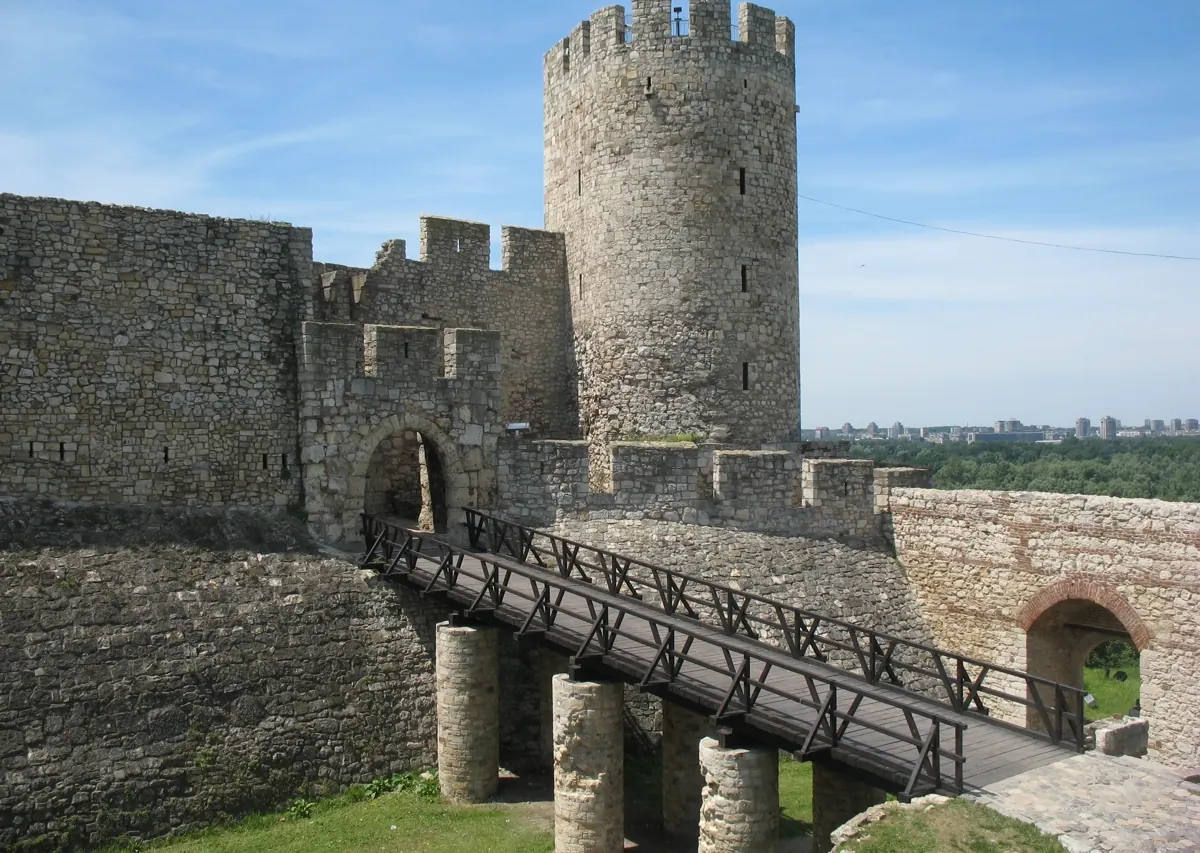
Belgrade's two rivers make the hotel address matter. The fortress-side centre works for walking, Vracar puts everyday meals beside major museums, and New Belgrade and Zemun mean a different riverbank rhythm. Choose the side of the city where you will spend most evenings, not simply the nearest room to a famous monument.
Choose your base
For a short first visit, choose the Knez Mihailova part of Stari Grad. Dorcol and the Skadarlija edge favour restaurant-led evenings; Vracar balances neighbourhood cafes with Saint Sava and Tesla. New Belgrade suits meetings and contemporary art, Zemun suits Danube walks, and Dedinje is a specialist choice for southern museums and visits. The last three add journeys to the old pedestrian centre.
Stari Grad: a walk-first first visit
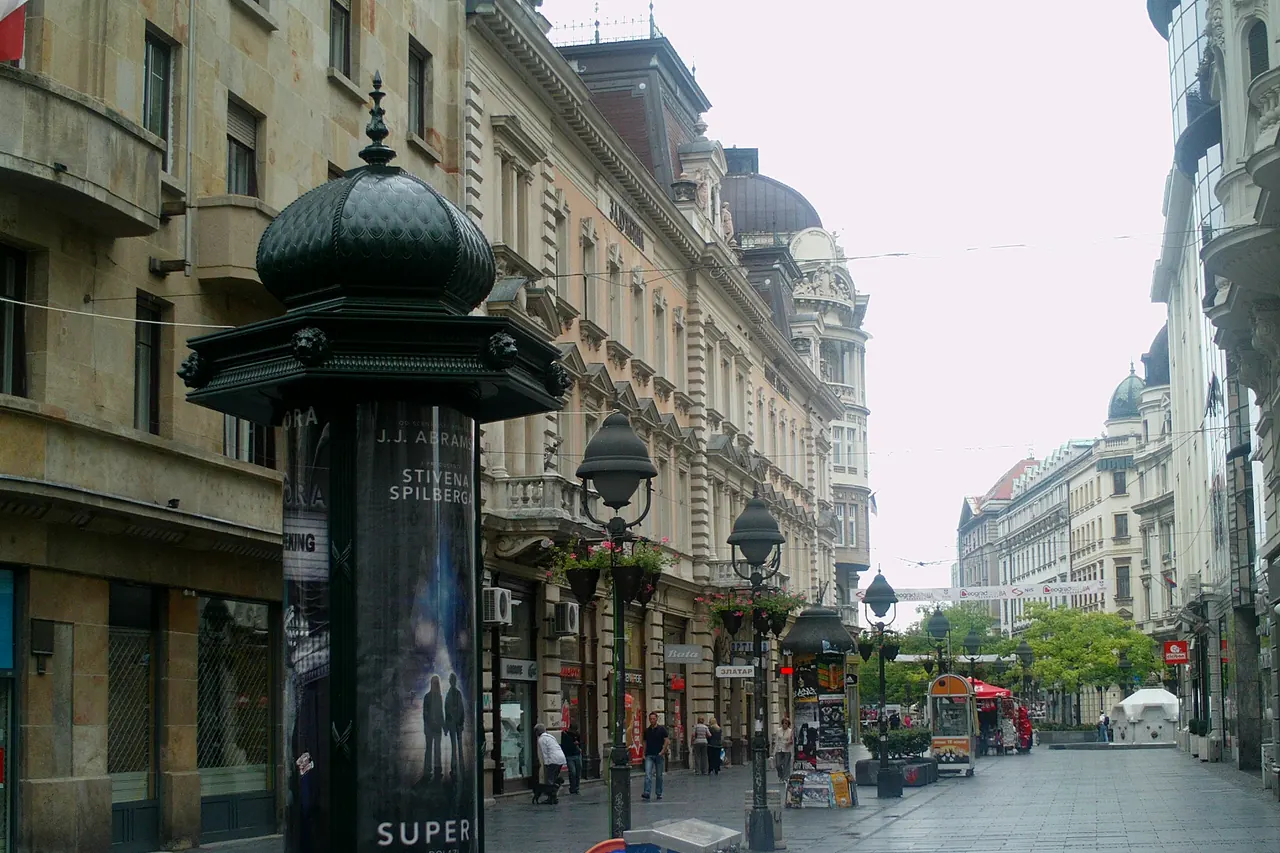
Stay around Knez Mihailova and Republic Square when your priorities are the National Museum, Kalemegdan and repeated walks through the historic centre. The pedestrian street gives the day a useful spine: galleries and shops on the way to the fortress, then cafes on adjoining streets when you want to sit down. This is the most straightforward base for a short visit built around the old centre, particularly when you prefer returning to your room between a museum and dinner.
The airport's official transport page lists bus 72 to Zeleni venac; from there, the final approach depends on which side street holds your hotel. GSP's daytime-line directory is more useful for planning cross-river outings than a straight-line distance. Pedestrian access also means a taxi may not reach the front door. Rooms above busy terraces can inherit evening noise, while fortress approaches have slopes and stone surfaces. Choose Vracar instead if neighbourhood dining and southern sights outweigh having Kalemegdan nearby.
Plan it well: The map pin marks Knez Mihailova Street, an orientation point for this area, not its boundaries.
Belgrade tourist organisation: Knez MihailovaDorcol and the Skadarlija edge: restaurant-led evenings
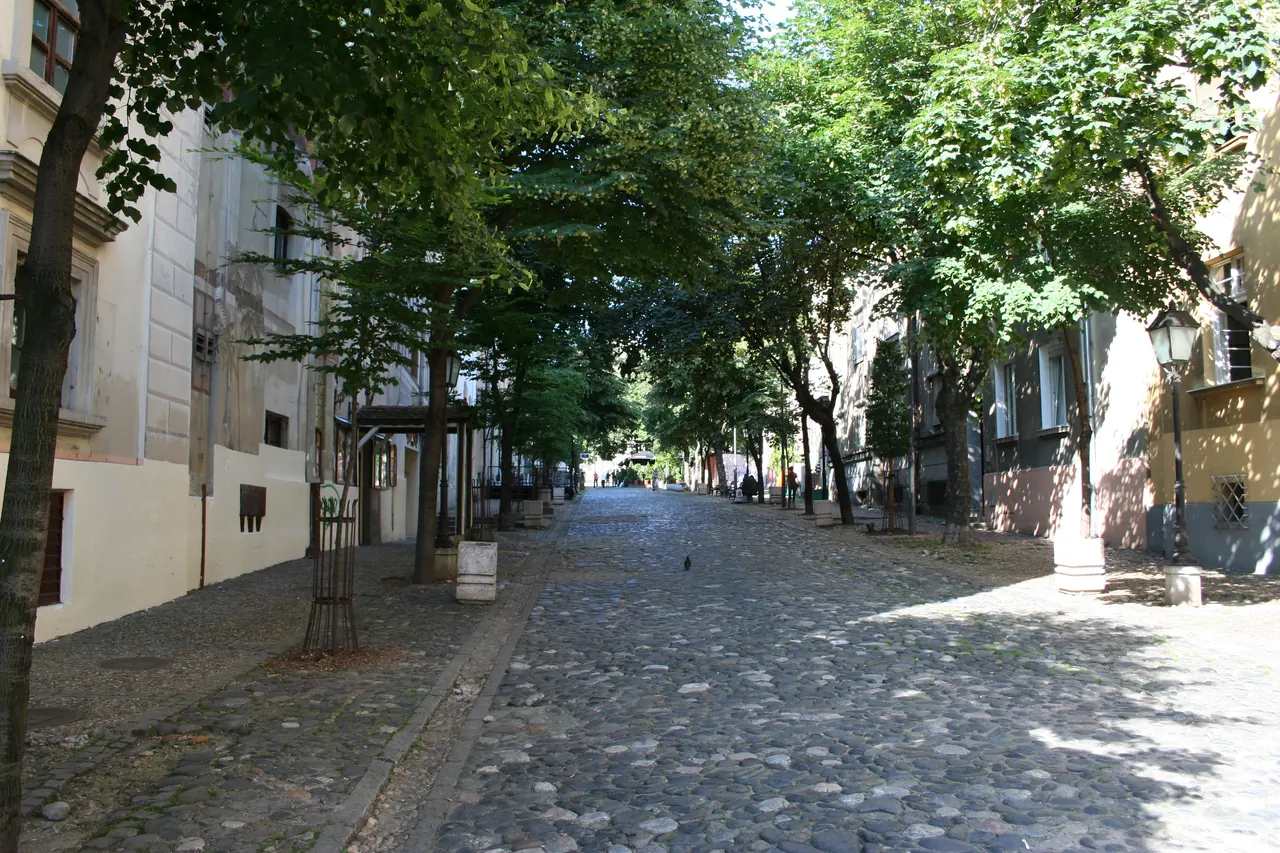
Dorcol works when choosing dinner is part of the trip rather than something squeezed between monuments. Strahinjica Bana offers cafes and bars, while the Bajrakli Mosque and Museum of Vuk and Dositej give the upper streets an older historical layer. Towards the eastern edge, Skadarlija offers a more deliberately traditional tavern setting on cobbled Skadarska Street. These are related evening choices, not one interchangeable street: a room beside live music feels different from a side-street address farther into Dorcol.
For sightseeing, walk uphill towards Republic Square or Kalemegdan; lower Dorcol adds more distance from the pedestrian core. Consult GSP for stops along the wider street network rather than expecting a bus inside Skadarlija. Airport bus 72 still involves an onward approach from Zeleni venac, not a Dorcol drop-off. Restaurant music, terrace conversation and uneven cobbles are meaningful compromises. Pick Stari Grad's central walking spine for the simplest sightseeing layout, or Vracar if you want to separate your sleeping street from the tavern circuit.
Plan it well: The photograph and map pin show Skadarlija, the dining street at this area's eastern old-centre edge, not the whole of Dorcol.
Belgrade tourist organisation: DorcolVracar: cafes, Tesla and Saint Sava
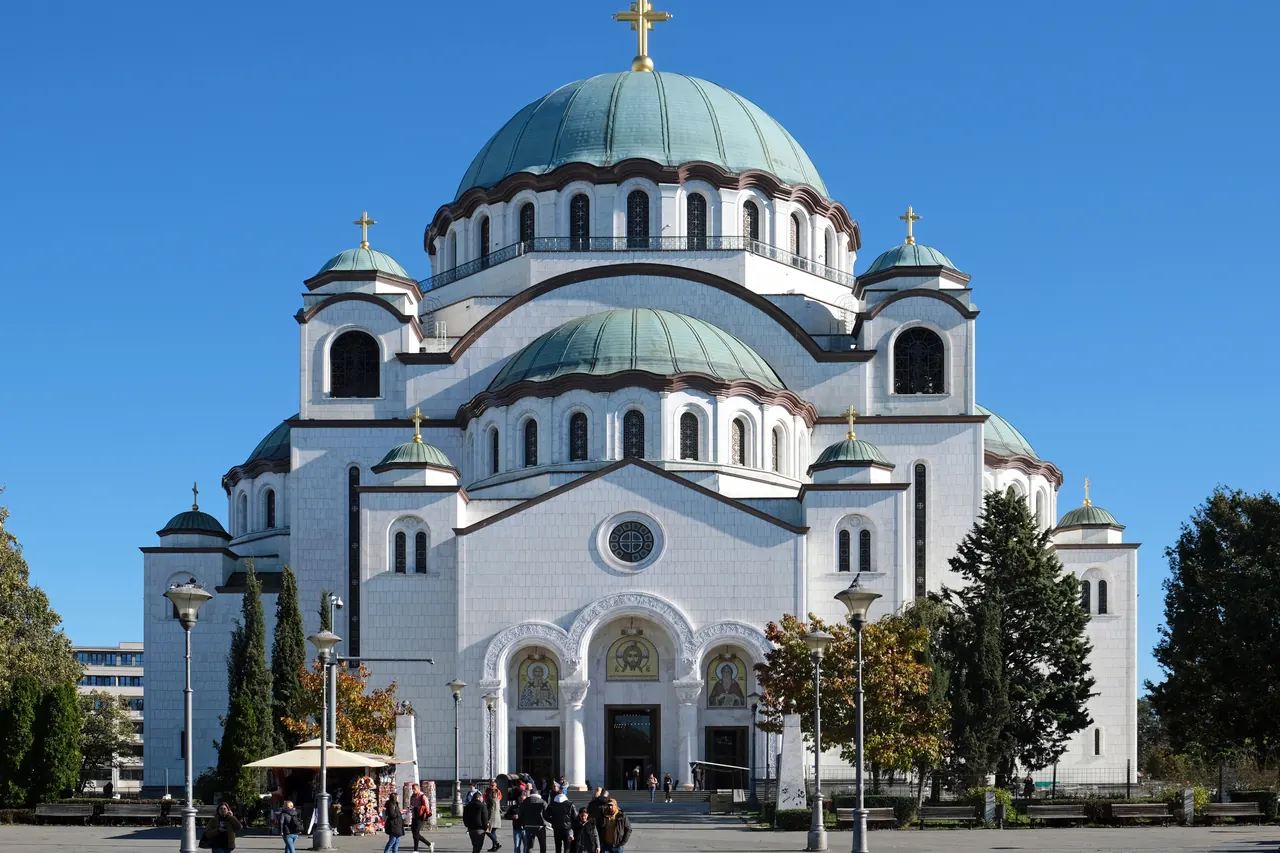
Vracar suits a stay built around Saint Sava, the Nikola Tesla Museum on Krunska and meals in a neighbourhood that is not defined by fortress tourism. The streets between the church and the museum let you combine a scheduled exhibition with coffee, bakeries and a longer dinner. Staying here makes it easier to return after a Tesla tour or take another look at Saint Sava without turning each visit into a separate cross-city expedition.
Slavija is the practical arrival reference: the airport lists its A1 minibus terminus on Kralja Milutina Street, but Vracar extends beyond that stop. Match the final walk to the hotel's entrance, especially with bags. GSP's buses and other surface services are useful for reaching the old centre; the church is not a metro station. Busy junctions around Slavija and boulevard-facing rooms can feel traffic-heavy. Choose Stari Grad if your itinerary keeps returning to Kalemegdan, and choose a side street here if cafe life matters more than a direct view of a major road.
Plan it well: The map pin marks Church of Saint Sava, an orientation point for this area, not its boundaries.
Belgrade tourist organisation: Saint Sava ChurchNew Belgrade: meetings and modern riverbank days
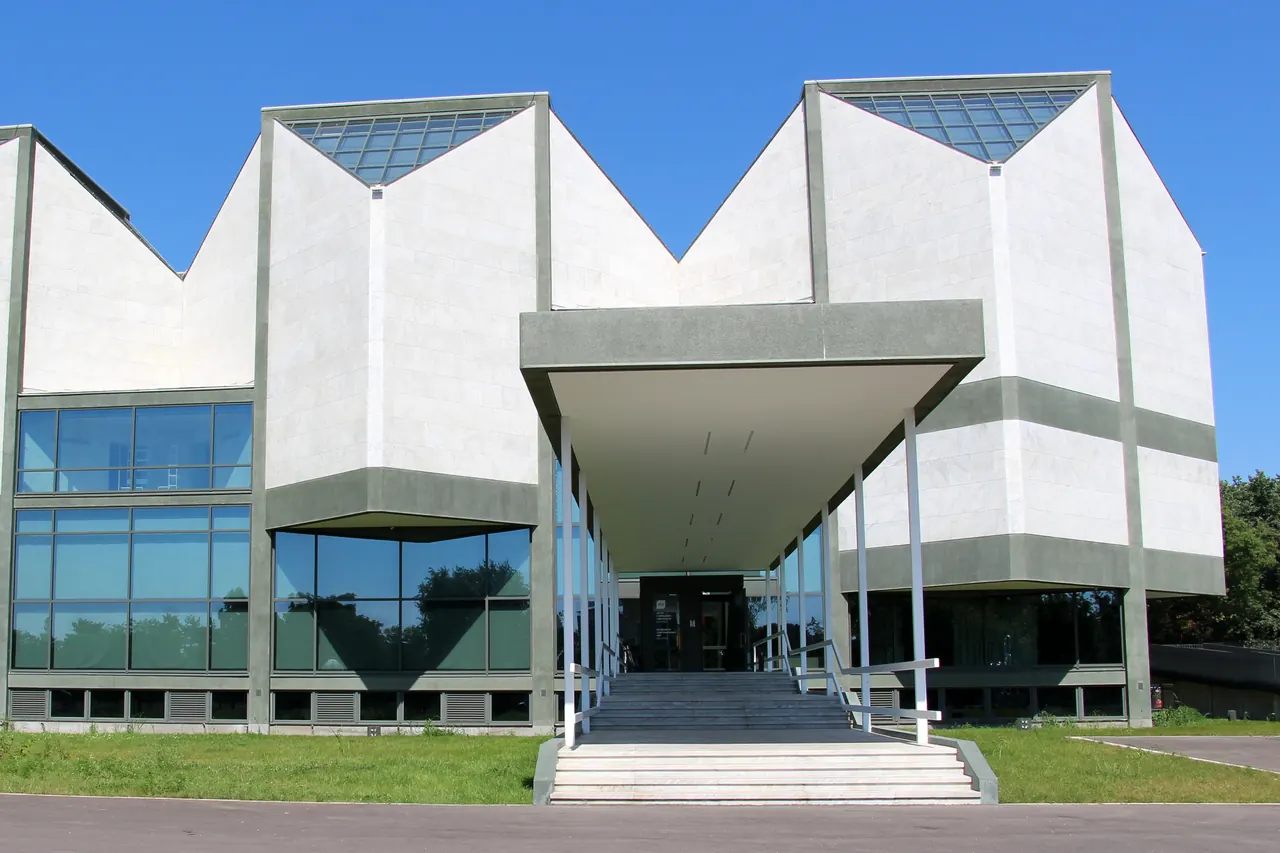
New Belgrade is a useful base when meetings, modern hotels or activities on this side of the Sava define the trip. The Museum of Contemporary Art at Usce and its surrounding riverbank park give a leisure stay a cultural anchor, quite different from Knez Mihailova's close-packed historic frontage. Broad boulevards and separate blocks mean the exact address matters: a property marketed as New Belgrade may be nowhere near the museum or your event venue.
GSP's daytime routes connect this bank with the old centre, but bridge crossings and the walk through a large block are part of the journey. Plan airport access against the actual stop shown on the airport's transport page; being west of the river is not proof of a direct airport bus at your door. Dining is dispersed among individual developments rather than one continuous old-town restaurant lane. Choose this area for a trip with a clear western-bank purpose. If you want spontaneous returns from Skadarlija or daily fortress walks, Stari Grad removes a recurring crossing.
Plan it well: The map pin marks Museum of Contemporary Art Belgrade, an orientation point for this area, not its boundaries.
Museum of Contemporary Art BelgradeZemun: Danube walks and slower evenings
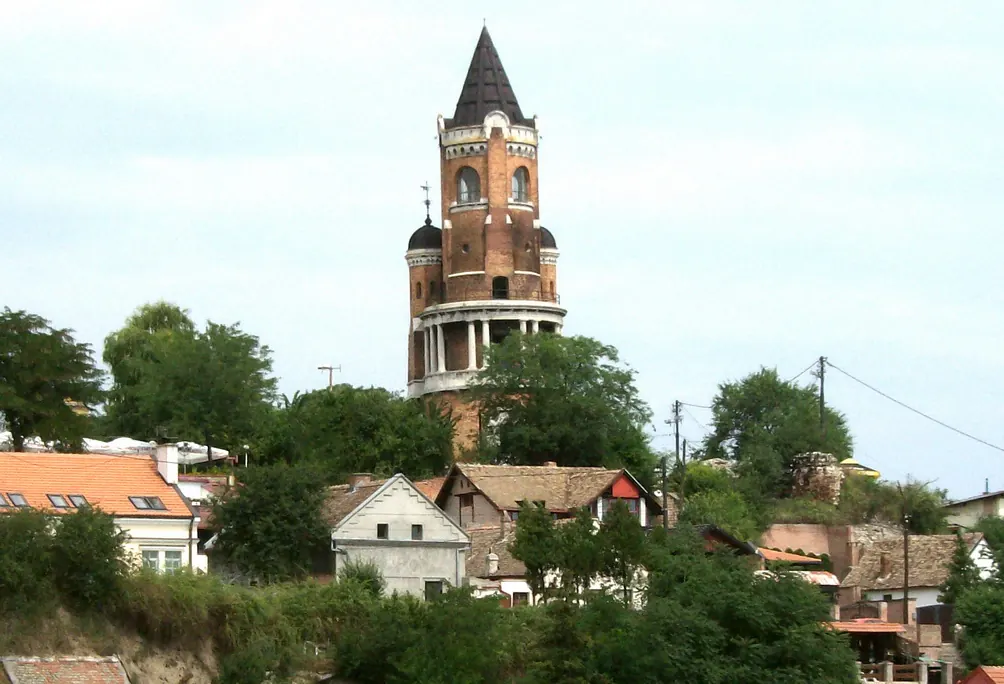
Choose old Zemun for a trip that includes lingering beside the Danube rather than using the district only as an afternoon excursion. Gardos supplies hill streets, tiled roofs and a viewpoint; the promenade supplies a flatter walk and fish restaurants. Accommodation nearer the waterfront gives a different daily routine from a room farther inland in the wider Zemun district. A pleasant riverside address is the reason to stay here, not a claim that the fortress-side centre is equally close.
GSP lists line 15 between Zemun's Novi grad and Zeleni venac; inspect its stops because the terminus name does not put every Gardos hotel on the route. Airport access likewise needs an address-specific road transfer or connection, not an assumption based on the district's western position. Hill climbs, stairs and cobbles complicate luggage around Gardos, while central sightseeing requires travel back towards the other river junction. Stay in Stari Grad for a tightly scheduled first visit; choose Zemun when the Danube itself is one of your priorities.
Plan it well: The map pin marks Gardos Tower, an orientation point for this area, not its boundaries.
Belgrade tourist organisation: Zemun and GardosDedinje: southern museums and a purpose-led stay
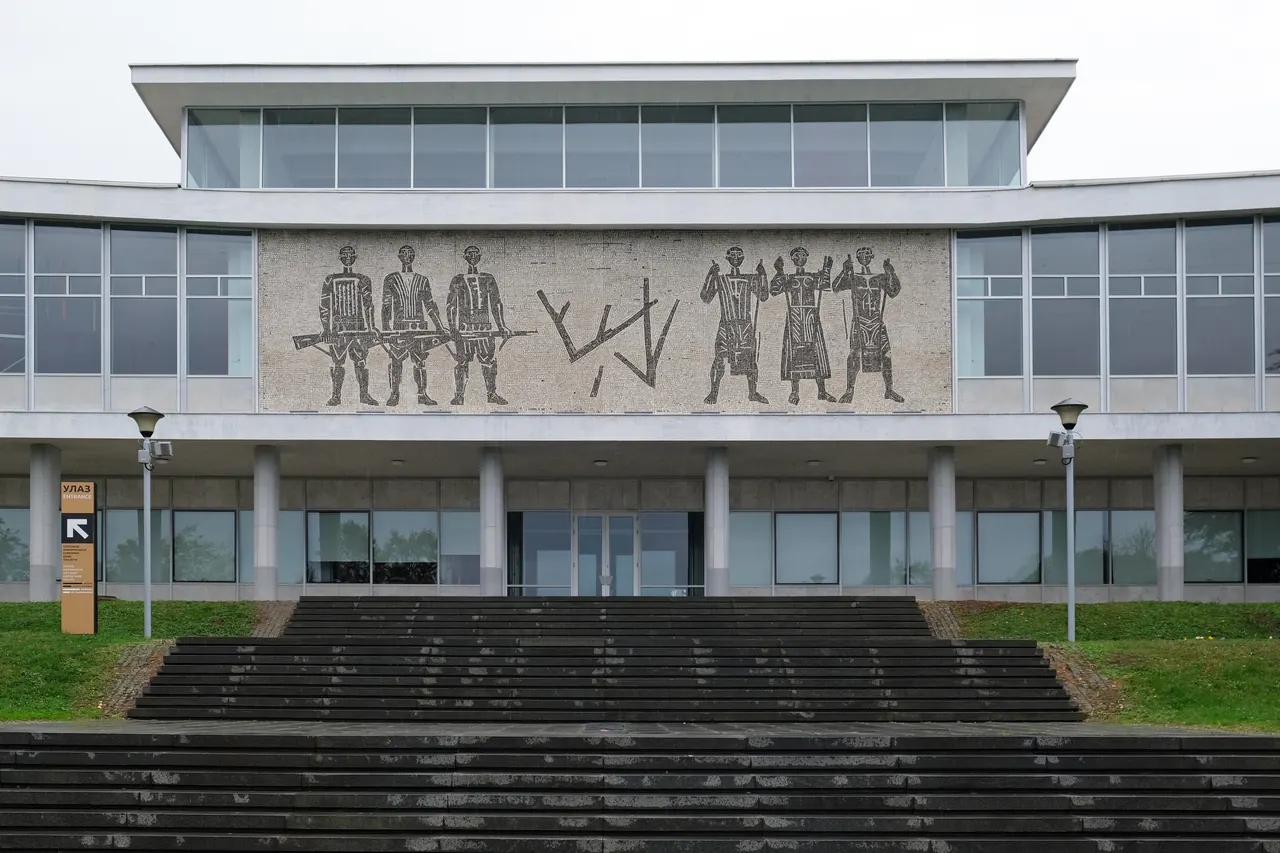
Dedinje is a deliberate southern-city choice rather than the default answer for a first weekend. The Museum of Yugoslavia and House of Flowers are the local cultural anchor, and a stay here can suit appointments or visits elsewhere in this greener, more spread-out part of Belgrade. The museum complex gives you a substantial outing close to your base, but its gardens and memorial buildings are a visitor attraction, not an unrestricted park attached to every hotel.
Check GSP's route directory for the particular street: the district does not have the old centre's continuous pedestrian sightseeing and dining network. The airport lists bus 600 to Beograd centar railway station; that is a separate transport point, not proof of a final connection to your Dedinje room. Meals and errands need more forethought than around Vracar's cafe streets, and repeated trips to Republic Square can dominate a short stay. Choose Dedinje when there is a southern-city reason to do so; Vracar is the more balanced alternative for southern sights plus varied evenings.
Plan it well: The map pin marks Museum of Yugoslavia, an orientation point for this area, not its boundaries.
Museum of Yugoslavia official visitor informationArriving and getting around
Choose the airport endpoint that fits the address
Belgrade Airport lists A1 to Slavija, 72 to Zeleni venac and 600 to Beograd centar railway station. These endpoints serve different hotel areas; include the final walk or connection and use the current operator details linked by the airport.
Belgrade Airport: public transportationPlan river crossings with the city operator
GSP's daytime directory identifies routes including 15 between Zemun/Novi grad and Zeleni venac and 95 through New Belgrade. Check the relevant route, stop and diversion before combining an evening on one bank with accommodation on another.
GSP Belgrade: daytime routesFind your Belgrade base
Compare hotels in the chosen part of Belgrade, then check which side of the Sava the address occupies. A Knez Mihailova room, a Zemun waterfront property and a New Belgrade meeting base support different trips even when all appear in the same city search.
Explore Belgrade hotels